

Architectural Concrete Design in Industrial Pavilions: The Castelatto Pavilion
Discover how architectural concrete design transforms industrial pavilions into sustainable, aesthetic landmarks, as exemplified by Castelatto Pavilion.


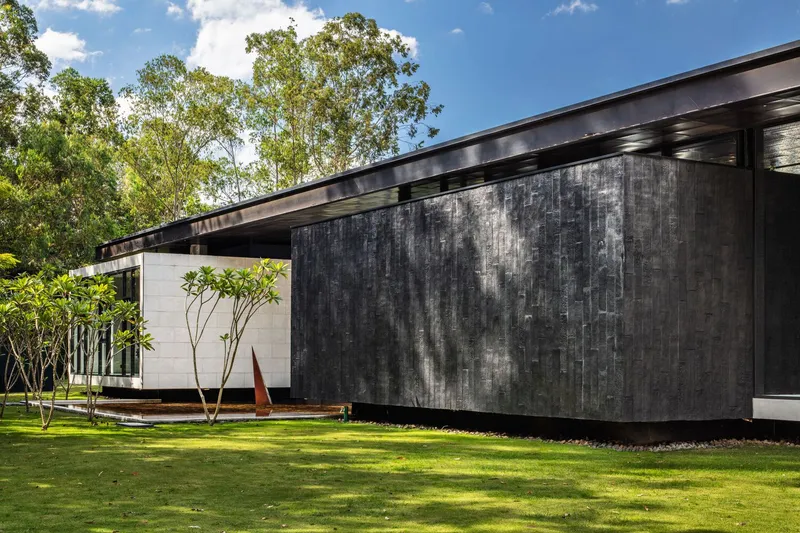
The Castelatto Pavilion, designed by Biselli Katchborian Arquitetos Associados, is a masterpiece that exemplifies the transformative potential of architectural concrete design in industrial settings. Located in Atibaia, Brazil, this pavilion seamlessly combines form, function, and sustainability, redefining the concept of industrial architecture.
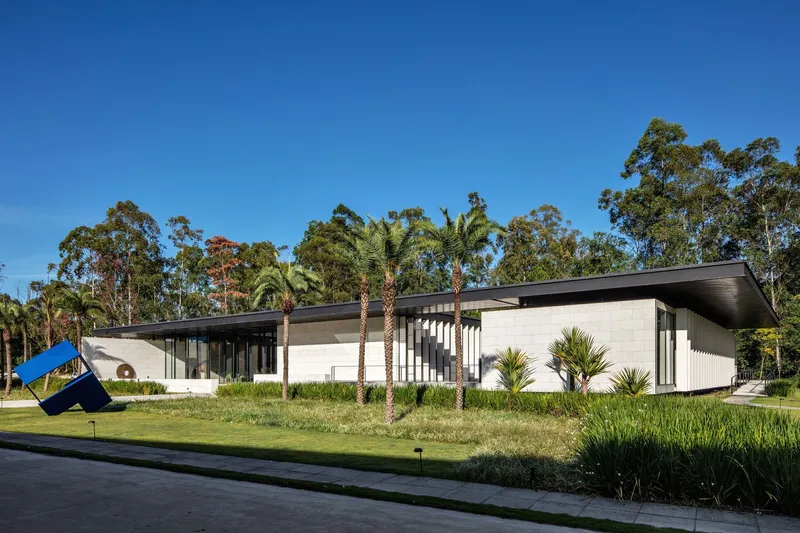
A Fusion of Nature and Industry
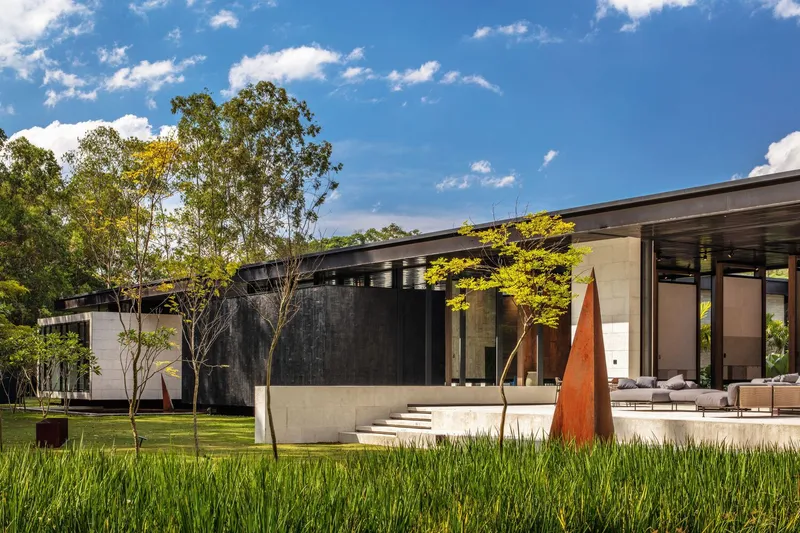
Nestled within Castelatto's industrial complex, the pavilion benefits from its unique setting. It is surrounded by green spaces, low hills, and a riparian forest, offering a tranquil environment that contrasts with the industrial activity nearby. The design prioritizes integration with nature, utilizing the landscape to create a harmonious balance between built and natural environments.
Key Features of the Site
- Preserved Green Areas: These provide a serene backdrop, enhancing the pavilion’s visual appeal and promoting biodiversity.
- Riparian Forest: The streamside forest adds ecological value, complementing the modern architecture.
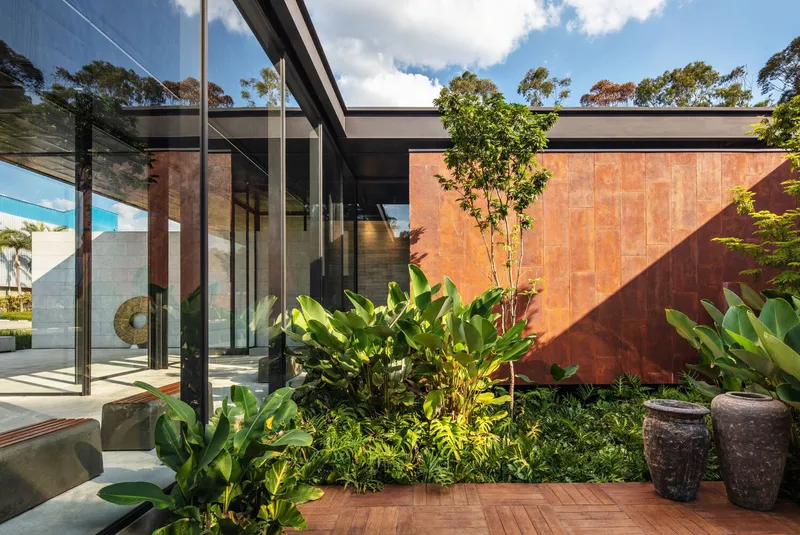
Showcasing Architectural Concrete Design
At the heart of the Castelatto Pavilion lies its innovative use of architectural concrete. Known for its versatility and aesthetic potential, architectural concrete plays a pivotal role in defining the pavilion's character.
Why Architectural Concrete?
- Durability: Perfect for industrial settings, it ensures the building’s longevity.
- Aesthetics: Varied textures and colors bring depth to the design.
- Functionality: It supports large spans and intricate forms, essential for the pavilion’s spacious layout.
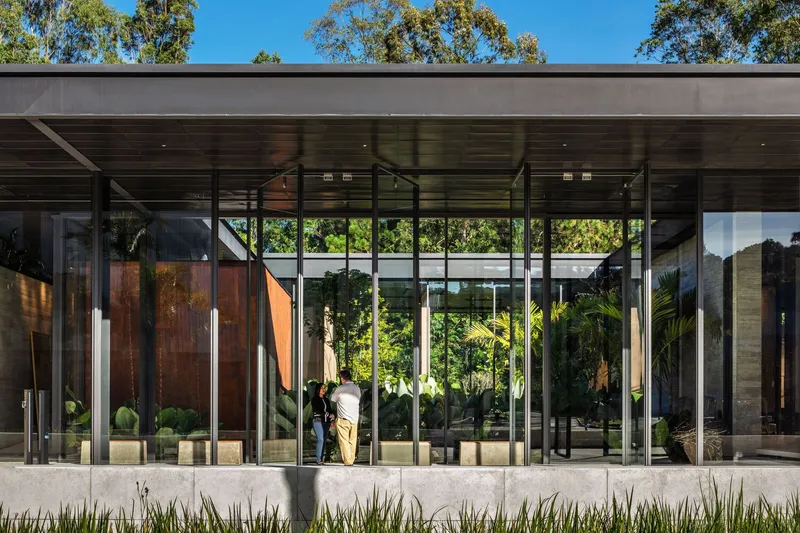

Thoughtful Design for Diverse Functions
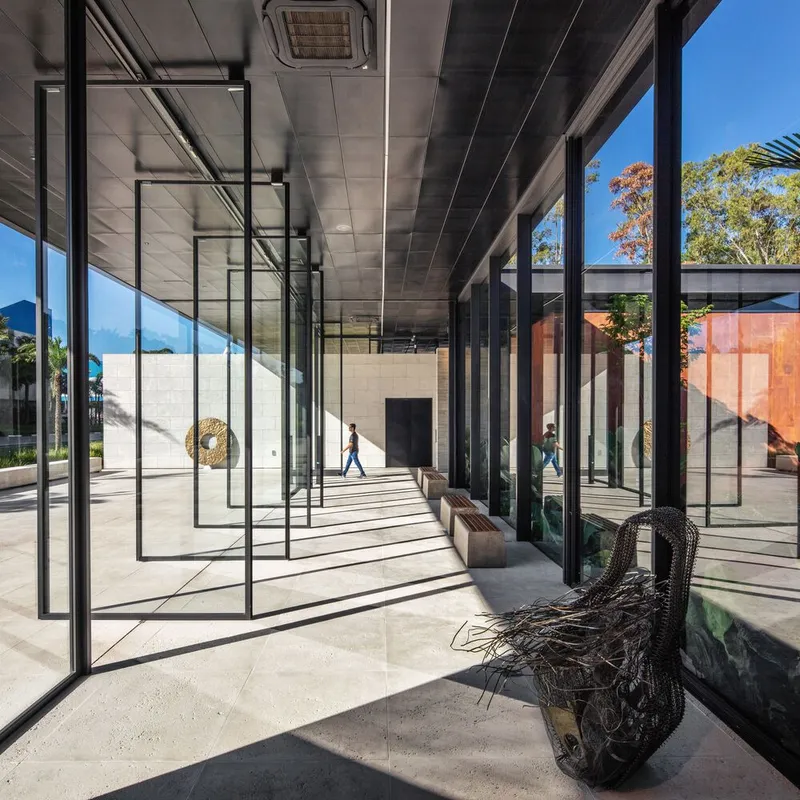
The Castelatto Pavilion isn’t just a showroom—it’s a multipurpose space that caters to exhibitions, events, and institutional functions. The design team, led by Mario Biselli and Artur Katchborian, crafted a journey-like experience for visitors.
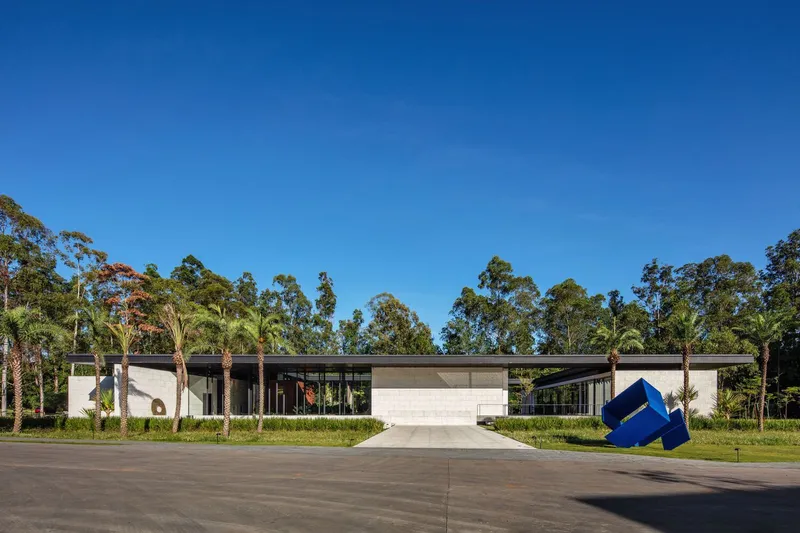
A Seamless Promenade Experience
- Flowing Circulation: Spaces are interconnected without doors or barriers, creating a sense of openness.
- Defined Spaces: Each area has its unique identity, from galleries to auditoriums.
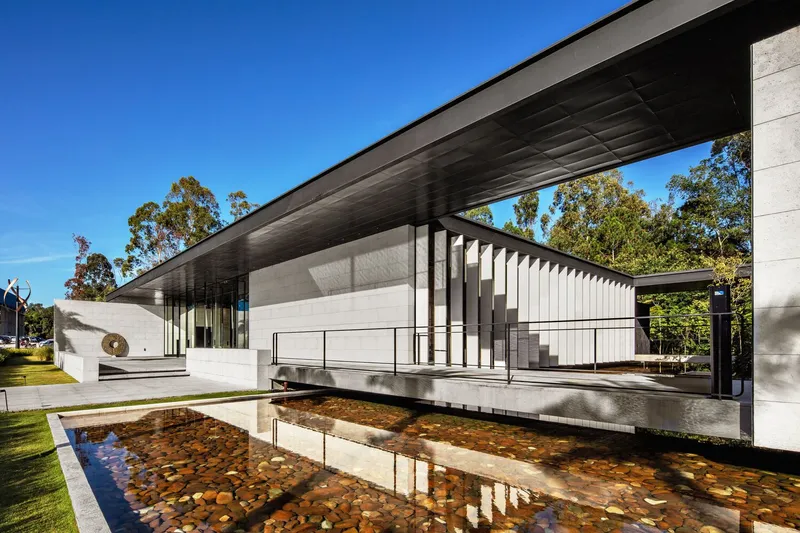
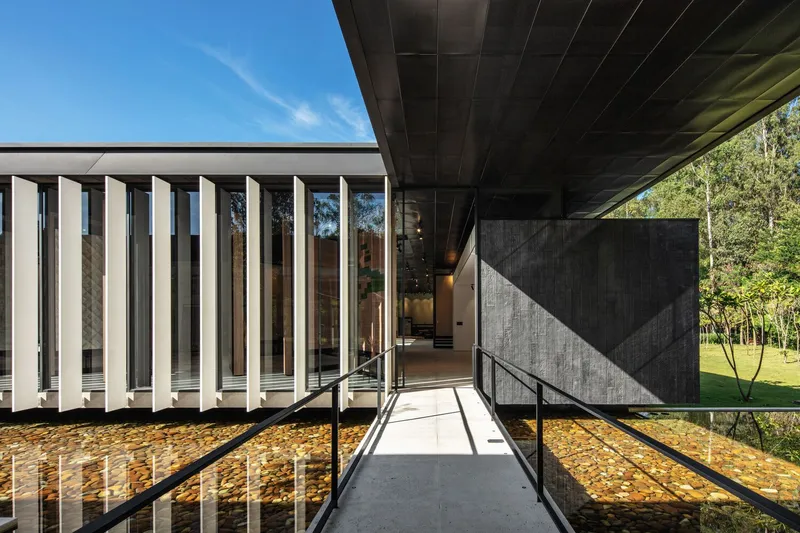
- Reflecting Pools and Gardens: These elements enhance the sensory experience, blending indoors with outdoors.
Spaces Within the Pavilion
- Exhibition Areas: Highlighting Castelatto’s products alongside art installations.
- Event Spaces: Designed for gatherings and corporate functions.
- Terraces and Gardens: Providing tranquil outdoor areas for relaxation.

Sustainable Design Principles
Sustainability is embedded in the pavilion’s architecture. The building respects its environment while leveraging eco-friendly materials and practices.
Key Sustainability Features
- Preservation of Green Spaces: Ensures minimal ecological disruption.
- Energy Efficiency: Natural light floods the interiors, reducing the need for artificial lighting.
- Water Elements: Reflecting pools regulate temperature and enhance aesthetics.
Construction and Execution
The Castelatto Pavilion project began in 2020 and was completed in 2022. The design phase took six months, followed by a year-long construction period. Throughout the process, the architecture team provided technical support to ensure fidelity to the design vision.

The Role of Metal and Steel Frames
In addition to concrete, metal structures and steel frame walls are prominent features. These materials complement the concrete, offering strength and flexibility essential for the pavilion’s design.
Benefits of Metal and Steel Integration
- Structural Integrity: Supports the large spans required for open spaces.
- Design Flexibility: Allows for creative architectural forms.
- Sustainability: Recyclable materials contribute to the eco-friendly ethos of the project.

Architectural Concrete Design in the Future of Industrial Spaces
The Castelatto Pavilion stands as a beacon of innovation in architectural concrete design. It demonstrates how industrial spaces can transcend functionality to become aesthetic and sustainable landmarks. By blending nature, design, and materiality, the pavilion sets a new standard for future industrial projects.
The Castelatto Pavilion is more than a building; it is a journey through space, material, and nature. With its innovative use of architectural concrete design, it redefines what industrial architecture can achieve. Whether as a showroom, exhibition space, or event venue, the pavilion is a testament to thoughtful and sustainable design.

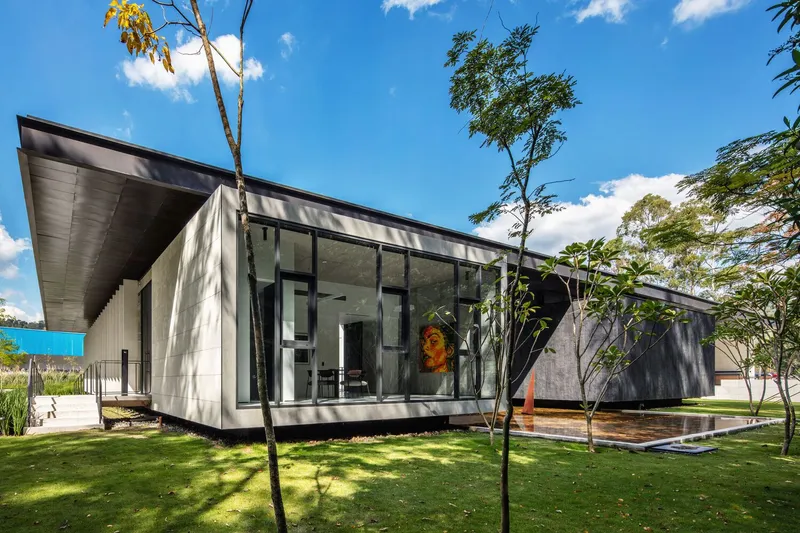
All Photographs are work of Nelson Kon


Popular Articles
Popular articles from the community


LT2A and OPEN Architectes Thread a Brick and Glass High School Through a Wooded Belgian Campus
In Braine-l'Alleud, a 3,000 m² wing for Collège Cardinal Mercier pairs pale brick with a glazed colonnade, deferring to a small chapel and a dense wood.

Jaramillo Van Sluys Arquitectura and Urbanismo Turn a Demolished Registry Lot in Quito into an Orchard Plaza
In Quito's Centro Histórico, a 2,800 m² plaza exposes the San Agustín convent wall and redraws its lost Augustinian orchard in volcanic stone.

U.GA Architects Wraps an Oval Rooftop Pool in Curved Board-Formed Concrete on Busan's Jeollidan-gil
In Busan's Jeonpo-dong, a 454 m² mixed-use block stacks a neighborhood facility, guest rooms and an oval rooftop pool inside spiraling concrete walls.

Cube Design Draws an Ecological Corridor Between Two Shenzhen Hills with the Nankai Building
Beside Shenzhen's container docks, the Nankai Building pairs stacked balconies with a climbing green screen to connect two hillsides across its height.

Similar Reads
You might also enjoy these articles


Hodi-Mandai Geram
Project Function: Preservation and revitalization of the Intangible heritage and socio-spatial identity of the Hodi by Housing, Cultural Memory Center, Sacred Grove, landscape, local tourism economy


Olio Towers: A Mid-Rise for Performers That Fuses Housing, Rehearsal, and Stage
Located blocks from Houston's Theater District, this modular tower stacks living units around a central performance atrium.

Oasis: Modular Green Housing Carved into Dhaka's Urban Fabric
A shortlisted Plugin Housing entry reclaims unauthorized settlements in Dhaka with stepped concrete volumes, green roofs, and ventilation-driven design.

Black Hole: A Floating Megastructure for the Post-Physical Era
Emiliano Mazzarotto envisions a spherical, self-scaling arena where e-sports, digital hotels, and holographic stadiums replace traditional public space.

Explore Eco-concrete Competitions
Discover active competitions in this discipline

Challenge to reimagine the Iron Throne

Photograph architecture without architects

Illustrate the lost glory of Angkor Wat - Render Challenge

Design challenge to reuse E-waste
Comments (0)
Please login or sign up to add comments
No comments yet. Be the first to comment!