
Architecture Classics: 500 Club by Oscar Niemeyer: A Modernist Landmark of Brazilian Design
Oscar Niemeyer’s 500 Club blends modernist design, sculptural concrete forms, and hospitality architecture, creating a landmark of Brazilian architectural heritage.


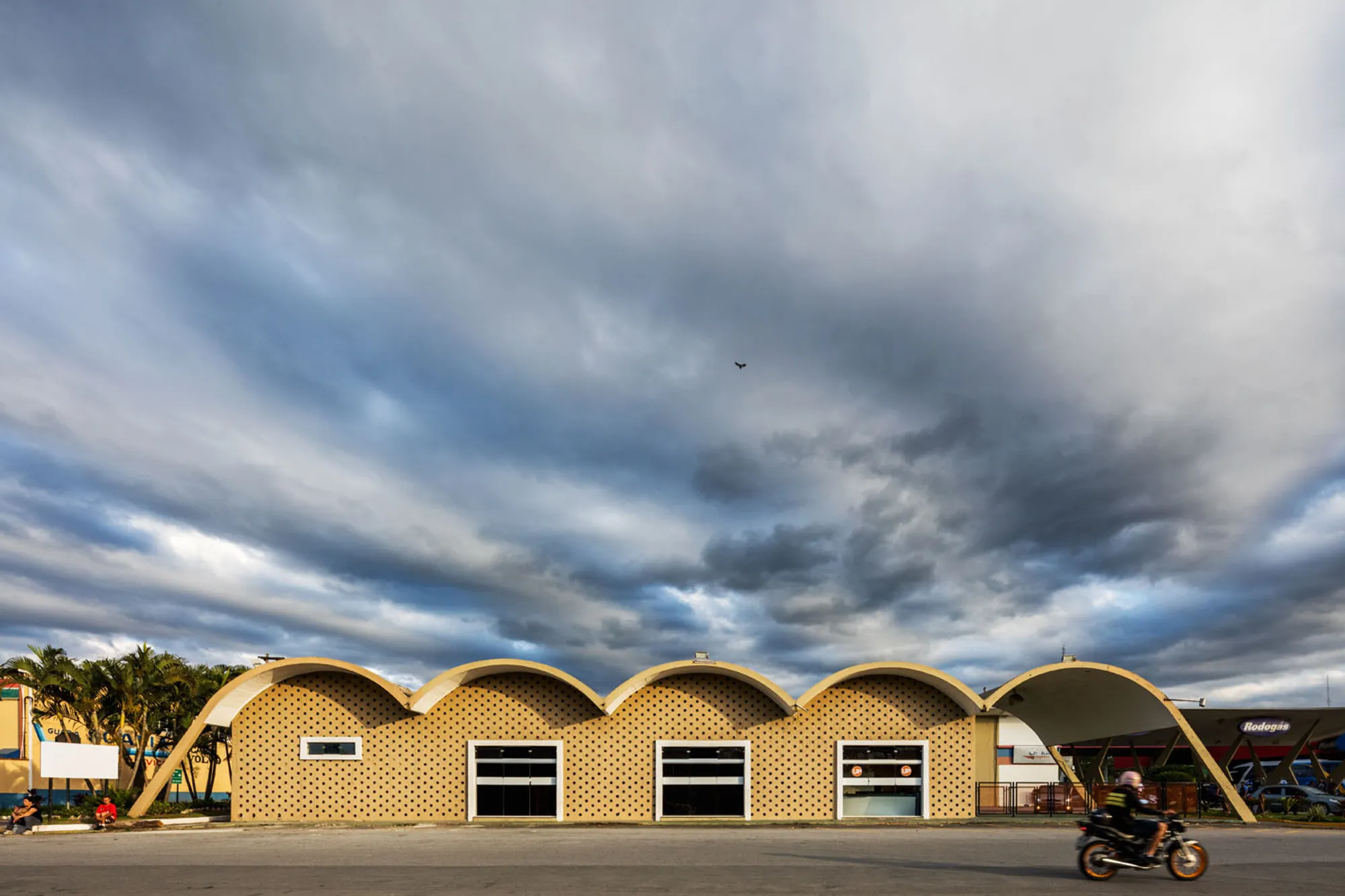
The 500 Club by Oscar Niemeyer stands as a remarkable yet often overlooked example of Brazilian modernist architecture. Conceived in the early 1950s, this architectural ensemble reflects a unique blend of commercial ambition, tourism infrastructure, and experimental design language that would later define Niemeyer’s global legacy. Strategically located in Guaratinguetá, the project emerged as a visionary stopover destination between Rio de Janeiro and São Paulo, two of Brazil’s most influential urban centers.

The Vision Behind the 500 Club
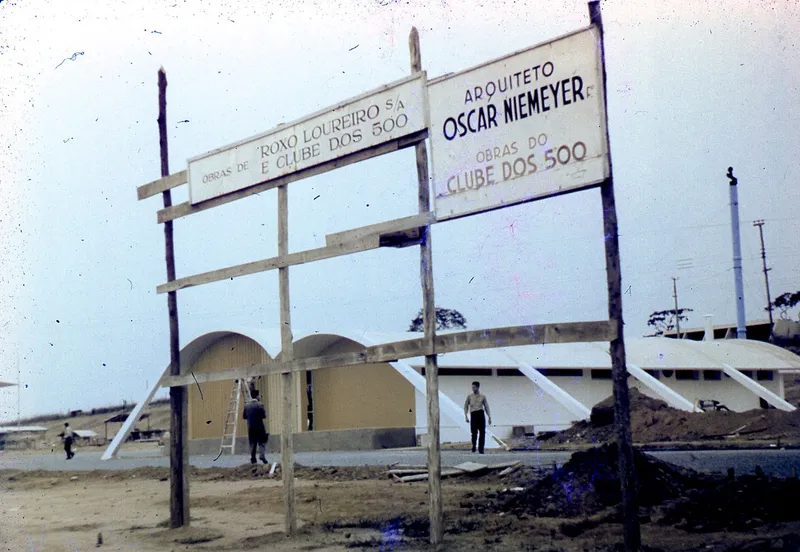
The 500 Club was initiated by banker Orozimbo Roxo Loureiro, inspired by elite social clubs such as the 200 Club founded under Washington Luís. However, rather than remaining a private retreat, the project evolved into a large-scale commercial and hospitality development. Its location along the Presidente Dutra Highway transformed it into a modernist landmark catering to travelers and tourists.
Collaborating once again with Niemeyer, Loureiro leveraged their previous partnerships through the Banco Nacional Imobiliário, which contributed to iconic buildings like Copan and Eiffel in São Paulo. This collaboration ensured that the 500 Club would embody cutting-edge architectural experimentation and structural innovation.
Master Planning and Spatial Organization
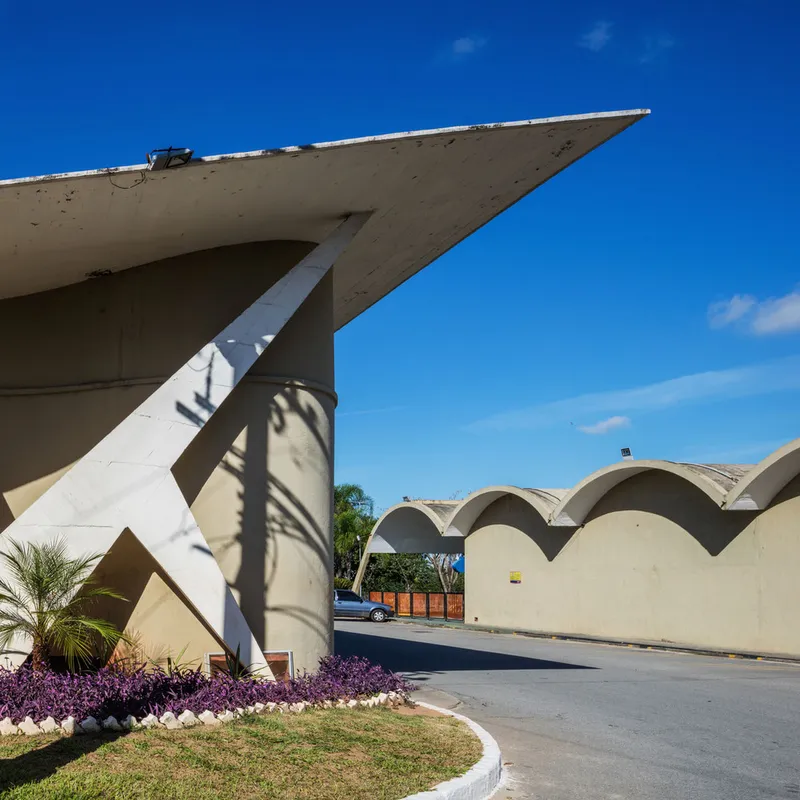
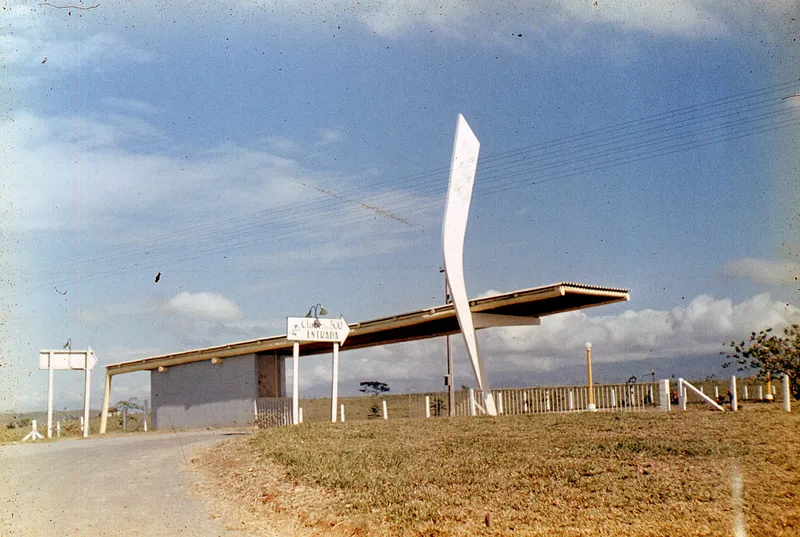
The project is divided into two primary zones on either side of the highway, forming a cohesive yet functionally diverse architectural complex. On the southern side, Niemeyer designed a sequence of service-oriented structures including a gas station, snack bar, restaurant, and administrative residence. The northern side was dedicated to hospitality functions, featuring hotel blocks, a dining hall, and a striking entrance gateway.
Despite partial demolition and alterations over time, six of the original eight buildings remain, preserving the essence of Niemeyer’s design philosophy.
Sculptural Architecture and Structural Innovation
The Iconic Gas Station Design
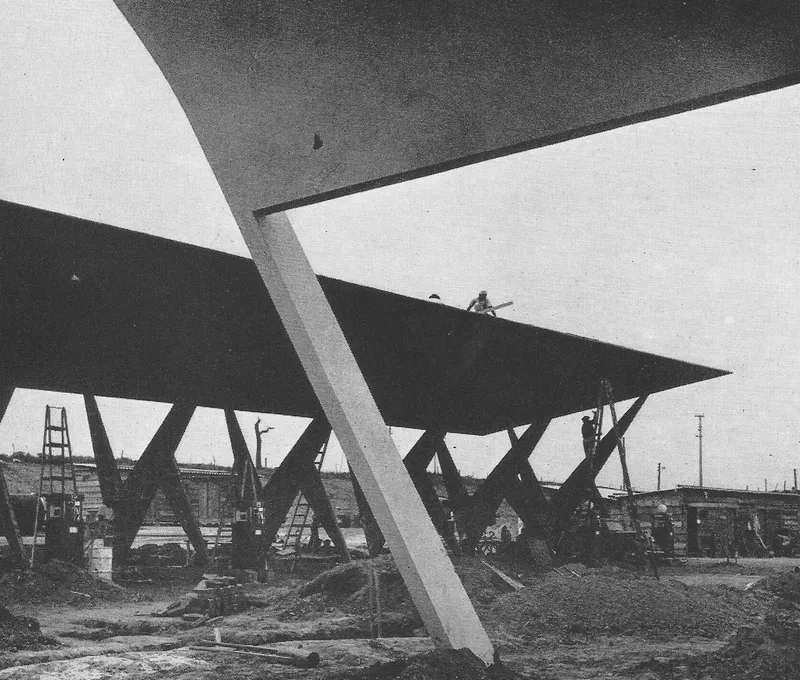
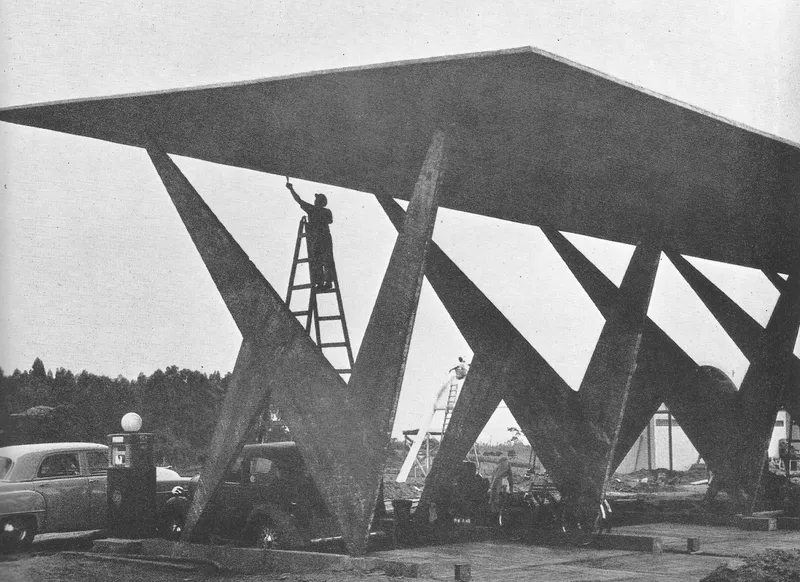
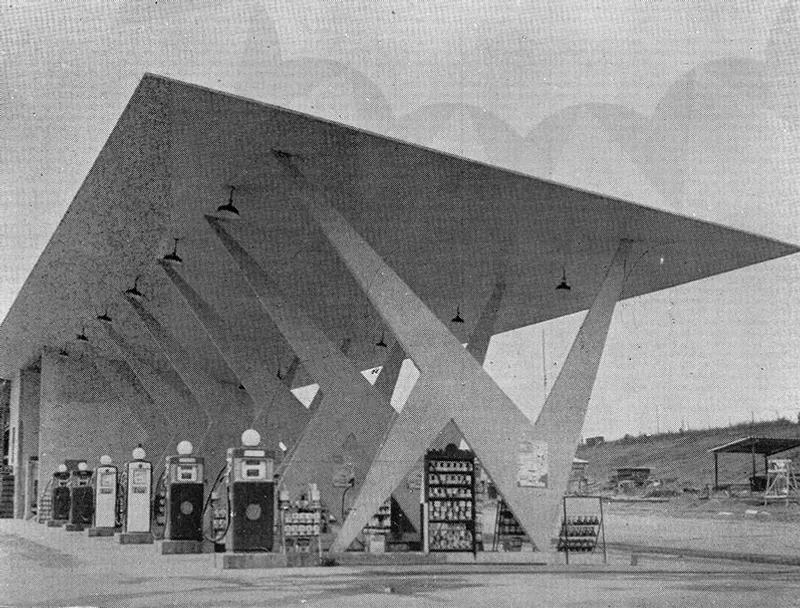
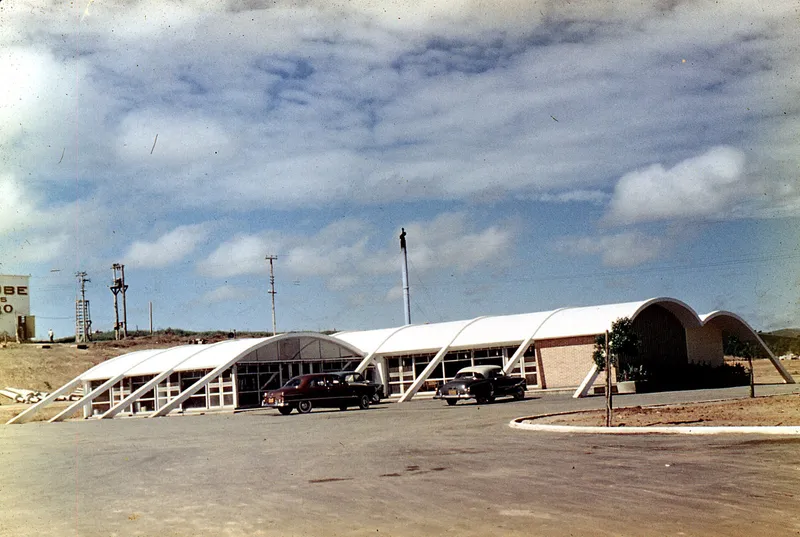
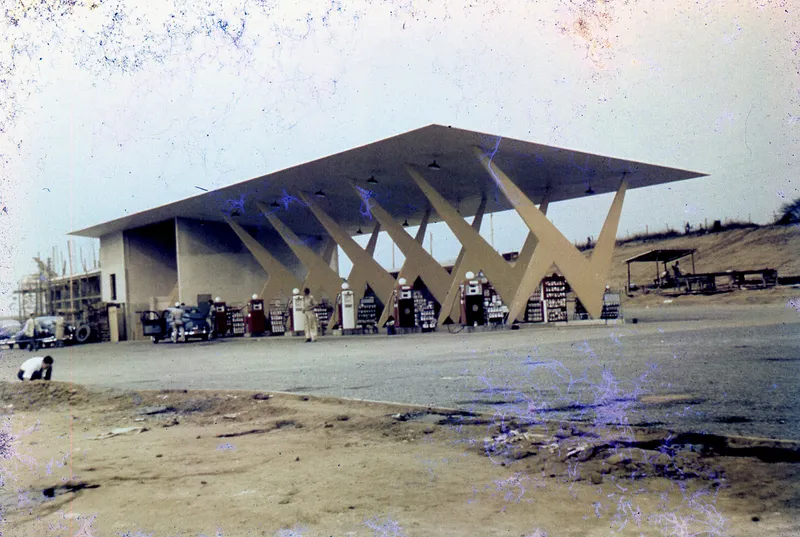
One of the most recognizable elements of the 500 Club is its gas station, defined by a dramatic sloping concrete roof supported by sculptural “K”-shaped columns. This bold structural gesture transforms a utilitarian function into an architectural statement. The interplay of open and enclosed spaces, combined with experimental column variations, reflects Niemeyer’s early exploration of form and structure.
Vaulted Structures and Material Expression
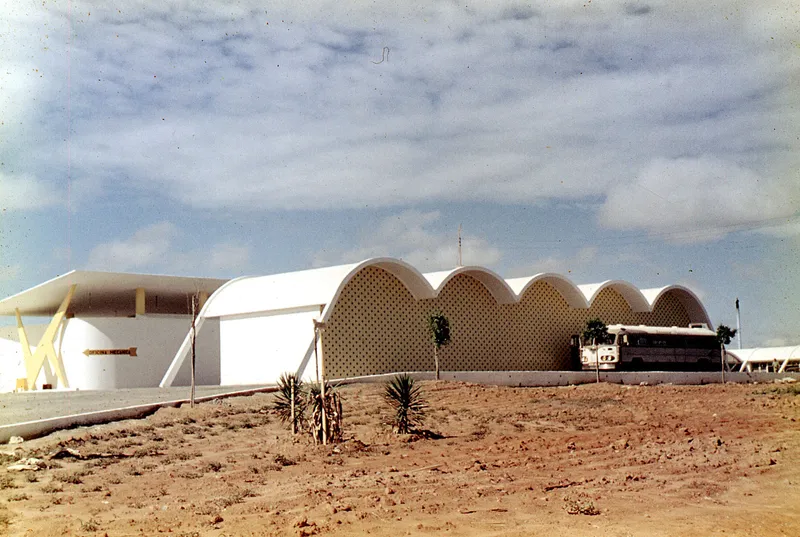
Adjacent to the gas station, the annex building showcases a series of five interconnected concrete vaults, a signature element in Niemeyer’s mid-century work. These vaults not only provide structural rhythm but also enhance spatial continuity. The use of perforated concrete panels introduces light filtration, ventilation, and visual unity across the complex.
The now-partially lost restaurant once echoed this design language with broader and lower vault spans, emphasizing horizontal expansion and openness.
Residential Design and Human-Centered Spaces
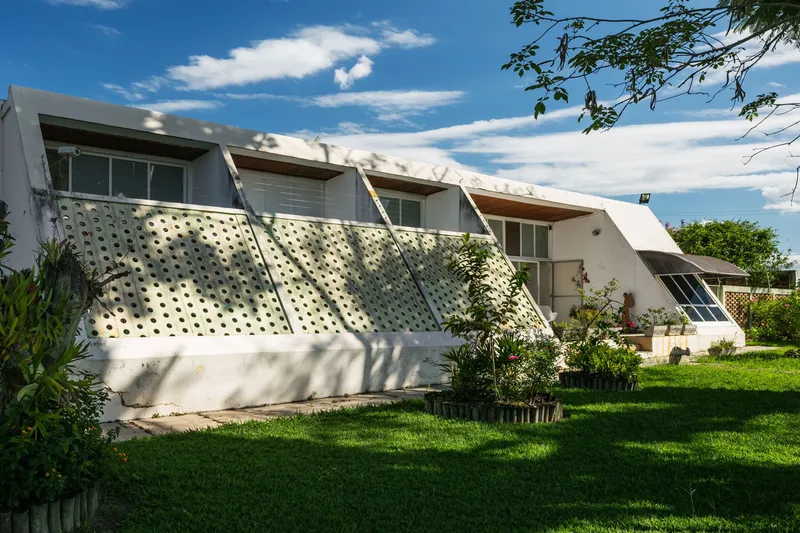
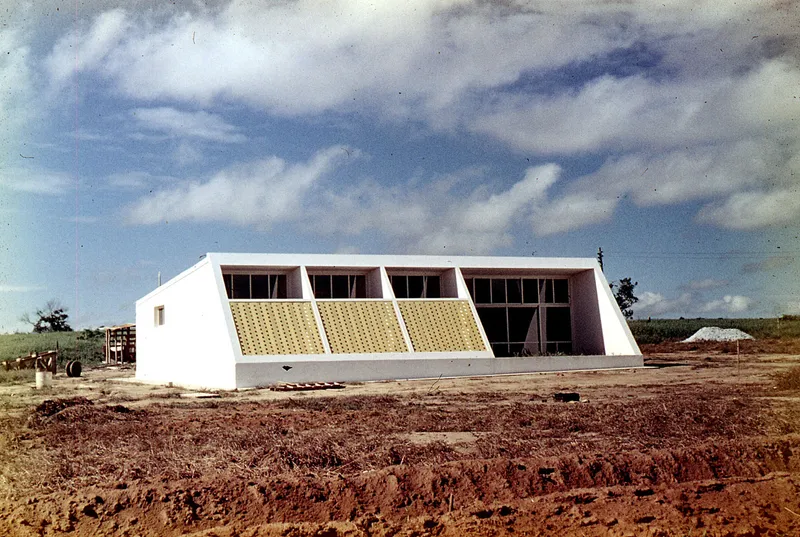
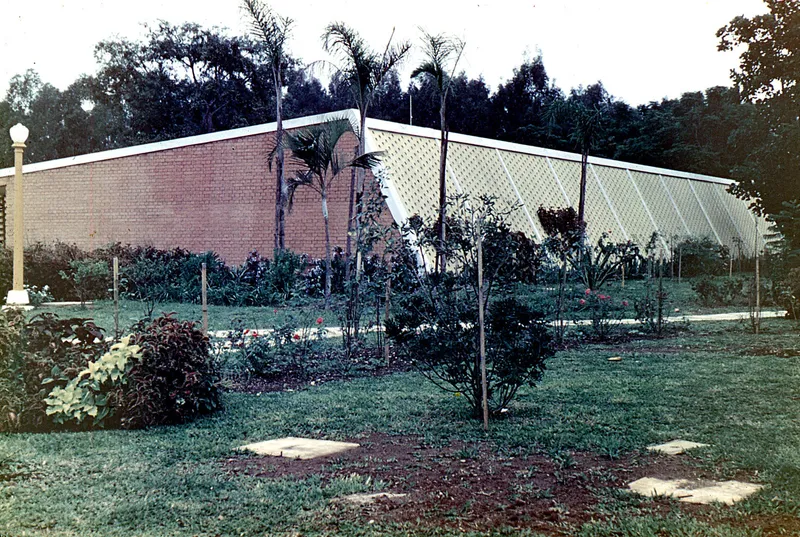
The administrator’s residence demonstrates Niemeyer’s ability to scale down monumental ideas into intimate living environments. With its trapezoidal geometry and sloping façade, the house creates a transparent yet defined spatial volume.
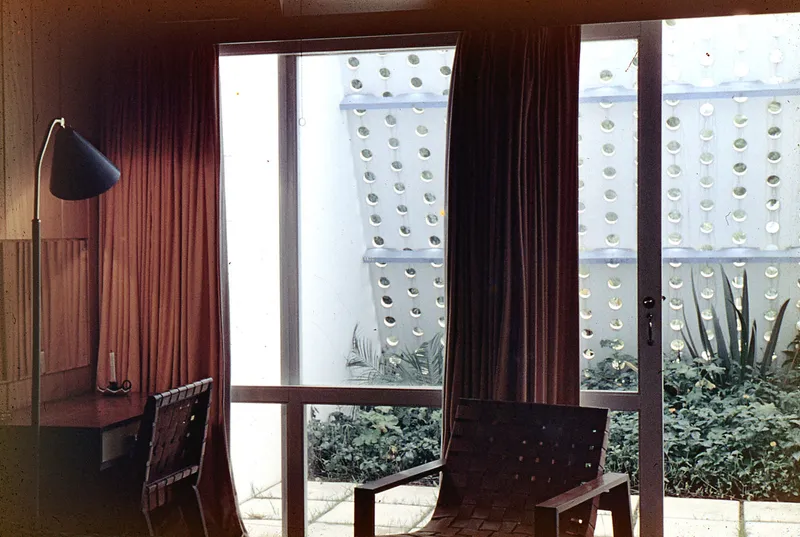
Private winter gardens, shaded by perforated concrete screens, provide climatic comfort while maintaining a connection to nature, an approach consistent with Niemeyer’s broader residential projects across Brazil.
The Hotel Complex and Artistic Integration
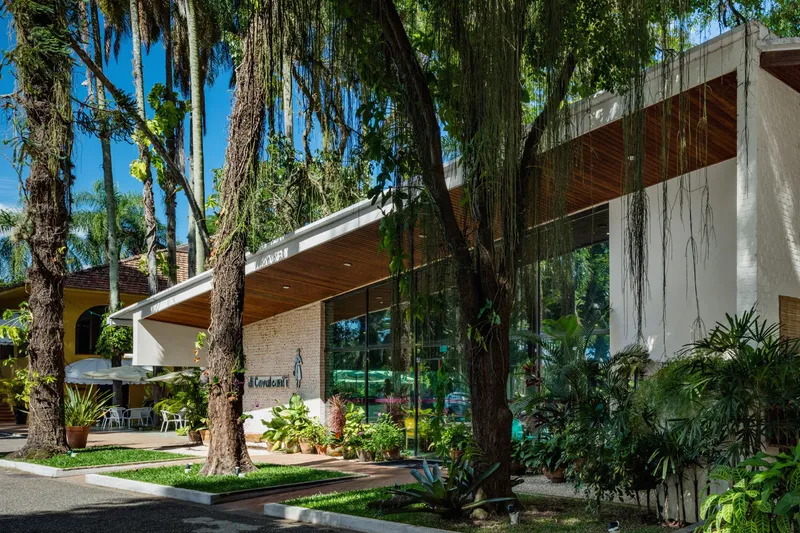
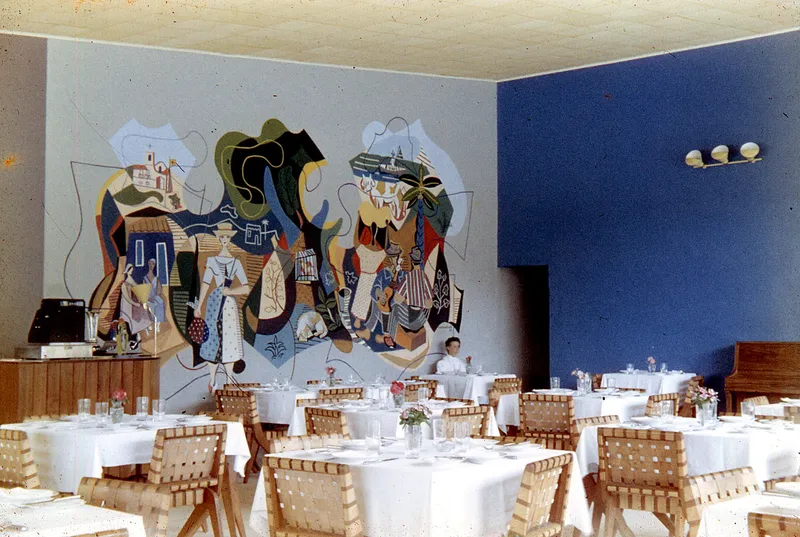
On the northern side, the hotel buildings are carefully positioned to align with the original farm layout. The dining hall stands out as a sculptural centerpiece, featuring a folded wall that transitions seamlessly into the roof structure. This expressive gesture highlights Niemeyer’s mastery of fluid architectural forms.
Inside, the space is enriched by a mural from Emiliano Di Cavalcanti, integrating art and architecture into a unified experience. The façade composition: combining brickwork, glass, and bold color, reinforces the modernist aesthetic while maintaining functional clarity.
The hotel blocks themselves follow a minimalist design, with prefabricated perforated elements covering entire façades. Each suite includes a private winter garden, offering both privacy and environmental comfort. Interior details, including custom furniture and material finishes, reflect the meticulous attention given to user experience.
Cultural Significance and Preservation
Although the 500 Club has undergone modifications and partial loss over time, its architectural value remains significant. The project gained international recognition through publications such as L’Architecture d’Aujourd’hui and Progressive Architecture, highlighting its structural innovation and design language.
In 2023, the complex was officially recognized as a heritage site by Condephaat, ensuring the preservation of this modernist masterpiece. Many of the alterations are considered reversible, offering hope for future restoration efforts.
Legacy of Oscar Niemeyer’s Early Modernism
The 500 Club represents a critical moment in Niemeyer’s career, bridging his early experimental phase and the monumental works that would follow, including Brasília. The project encapsulates key elements of Brazilian modernist architecture: fluid forms, structural boldness, integration with landscape, and a strong artistic identity.
Today, it stands as both a historical artifact and a source of inspiration for architects exploring the intersection of infrastructure, hospitality, and design innovation.




Popular Articles
Popular articles from the community


The Musturak Paradise: Senior Living Architecture for a Connected Future in Temara, Morocco
The Musturak Paradise reimagines senior living architecture in Temara via private homes, social spaces, culture, community, and shared care.

Conexión: Biophilic Design Reimagines High-Rise Living in Hong Kong
Conexión reimagines high-rise living in Hong Kong through biophilic design, green facades, shared spaces, daylight, water and nature within.

Riyadh For All: Intergenerational Urban Design for Active Aging in Rabat
Riyadh For All reimagines urban design in Rabat with intergenerational co-living, adaptive courtyards, and Moroccan cultural exchange today.

Co-life: Sustainable Architecture for Age-Friendly Community Living
Co-life reimagines sustainable architecture for seniors through courtyards, rammed earth, shared gardens, and spaces designed for belonging.


Similar Reads
You might also enjoy these articles

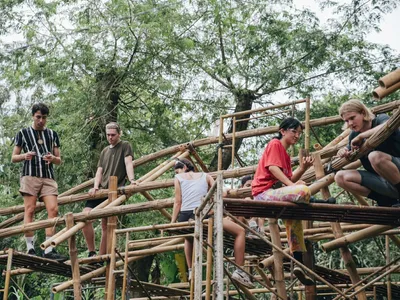
Bamboo Housing Challenge 2026: Design Affordable, Sustainable Homes Using Bamboo
An international design competition by Bamboo U and IBUKU inviting architects and designers to reimagine affordable housing using bamboo — with the winning design built full-scale in Bali.

Computational Design & Education: Beegraphy Design Awards Introduces 7th Category (Featuring Jiyun's Innovative Approach)
Dive into Beegraphy’s 7th Design Awards category, where computational design meets education to create immersive, interactive learning tools, inspired by Jiyun’s work.

From Parametric Lighting to Urban Furniture: Join the 2nd Workshop in Beegraphy’s Computational Design Series
Dive into Cutting-Edge Design Techniques and Practical Applications with Industry Experts

Last Call: Unleash Your Architectural Genius in SHAK's Kindergarten Design Competition
Urgent call for architects to join SHAK's kindergarten design competition before the looming deadline


Explore Architecture Competitions
Discover active competitions in this discipline



Challenge to reimagine the Iron Throne


Photograph architecture without architects


Illustrate the lost glory of Angkor Wat - Render Challenge


Design challenge to reuse E-waste
Comments (0)
Please login or sign up to add comments
No comments yet. Be the first to comment!