
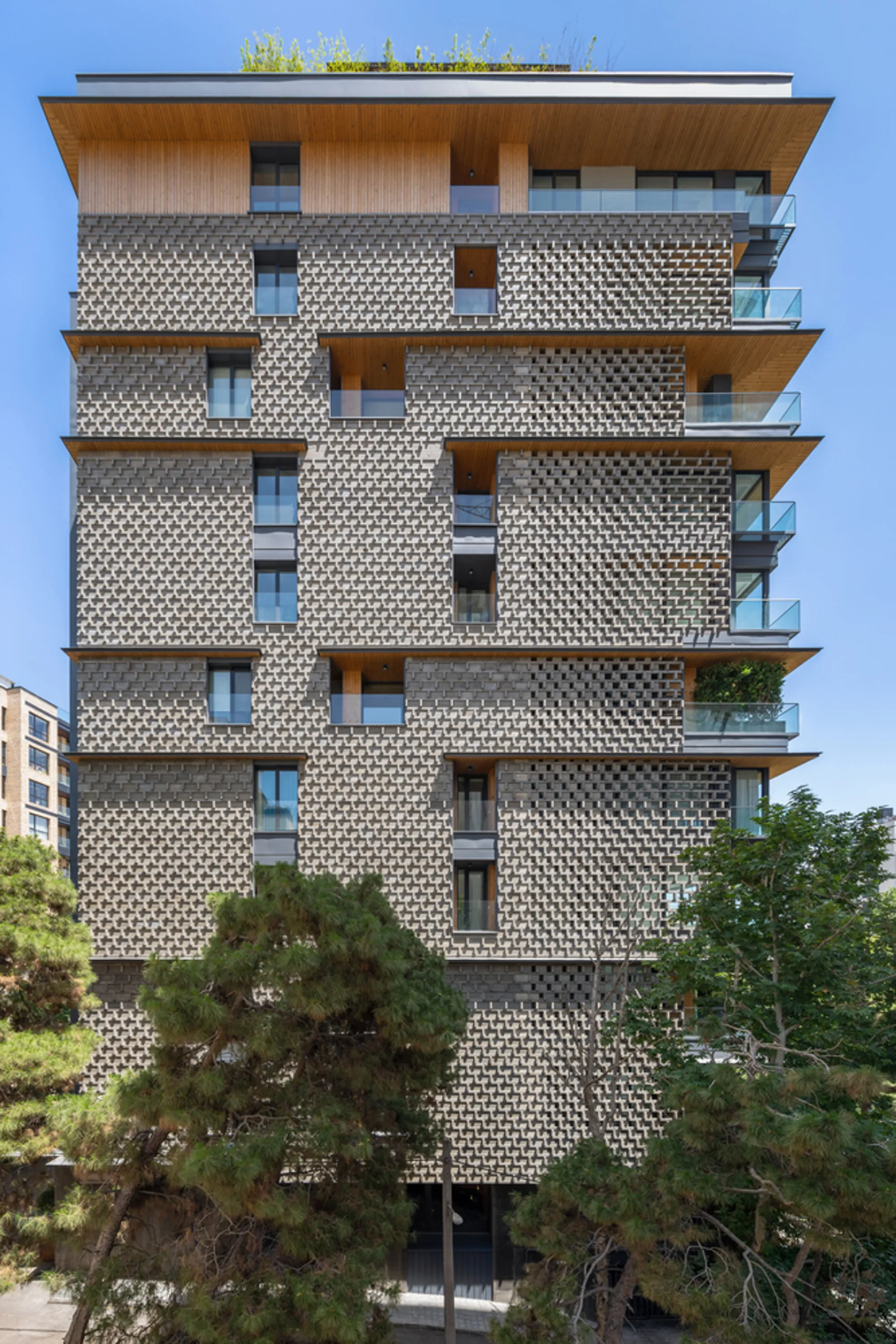
Aria Residential Building by Pargar Architecture and Design Studio
Aria Residential Building redefines urban luxury with double-skin facades, panoramic views, green rooftop, and handcrafted concrete detailing in Tehran.


Project Overview
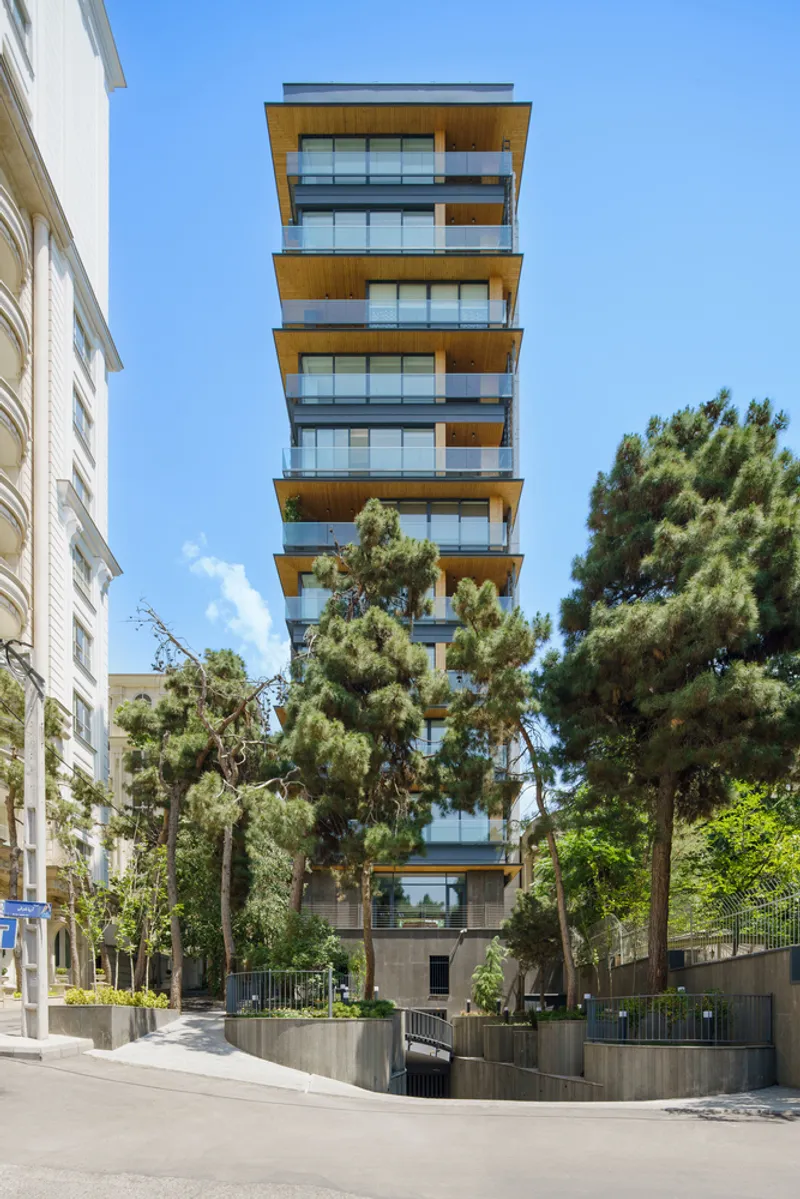
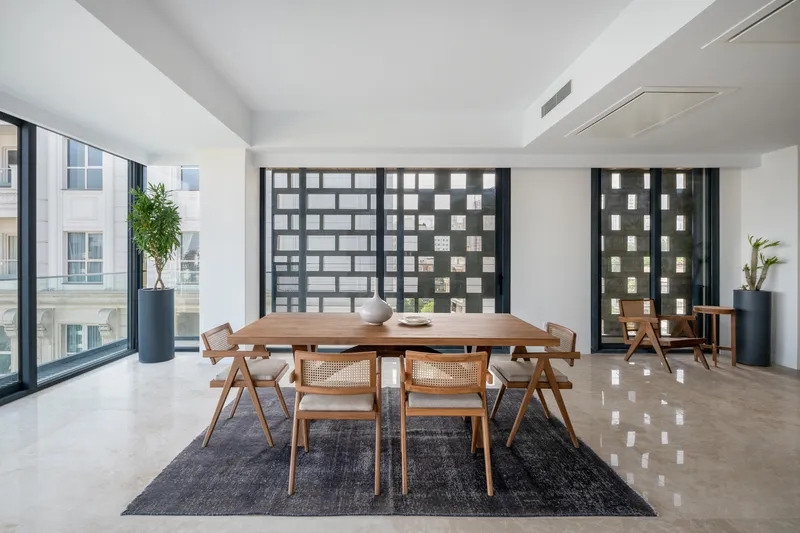
Located in the affluent green district of Farmanieh in northern Tehran, the Aria Residential Building by Pargar Architecture and Design Studio redefines vertical living by integrating landscape, privacy, and daylight access within an urban high-rise format. Spanning 15 levels and 4,270 square meters, the project blends thoughtful materiality, spatial fluidity, and urban responsiveness while offering panoramic hillside views and a strong visual identity.
Site Strategy and Access
Strategically positioned on a corner plot with access from three sides, the design leverages dual entry points: one for vehicular access and parking from the south and a pedestrian entrance from the north. This orientation ensures optimal daylight penetration and enhances the building’s connectivity to the surrounding neighborhood.
Spatial Program
The building comprises:
- 10 residential floors, each housing a single 240 m² unit
- Ground floor with a contemporary lobby and fitness center
- Basement levels -1 to -3, dedicated to parking with individual ramps
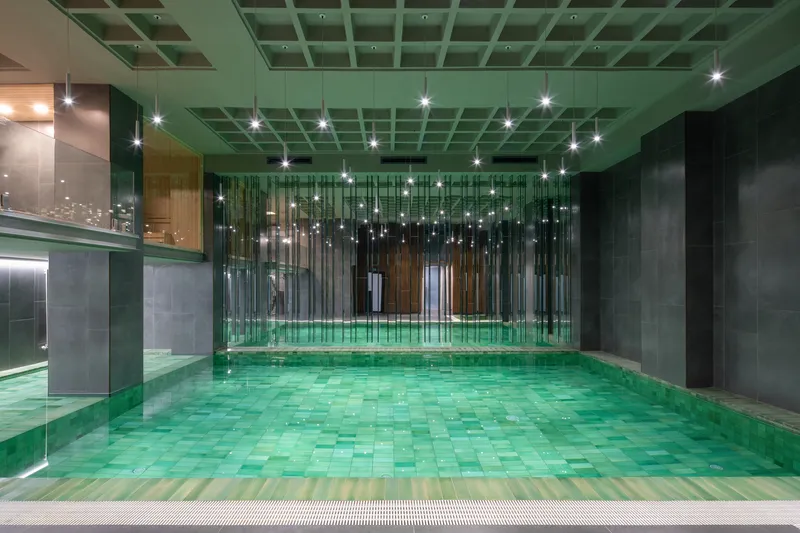
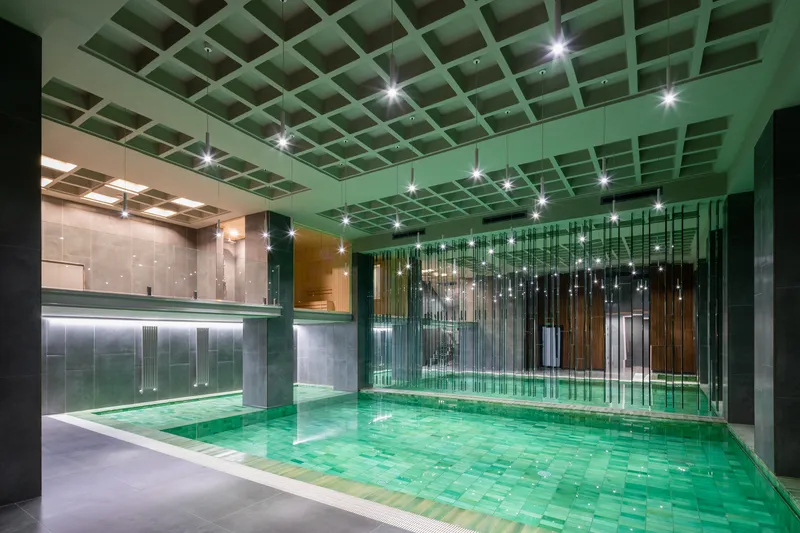
- Level -4, featuring a luxurious swimming pool, spa center, and meeting area
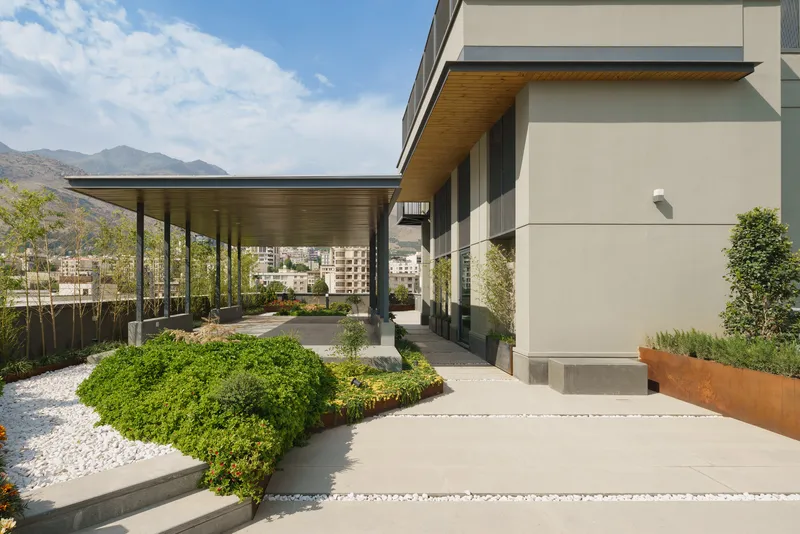
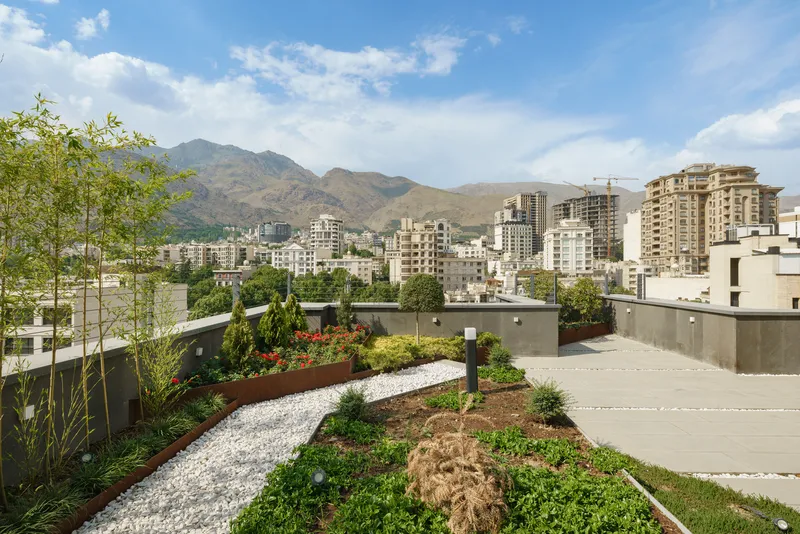
- A green rooftop designed as a social retreat with panoramic views of the surrounding terrain
Two distinct floor plan typologies were developed, offering variations in kitchen and living room placement to cater to user preference and circulation needs.
Architectural Form and Façade Design
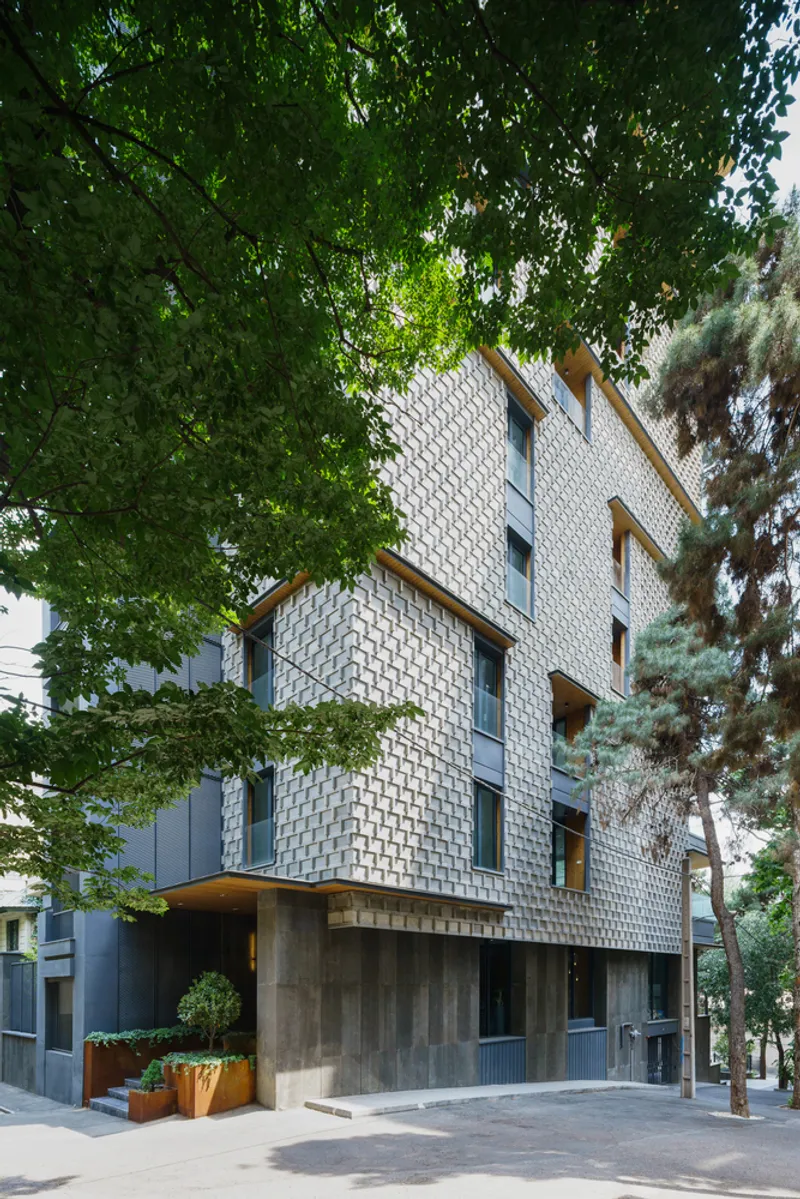
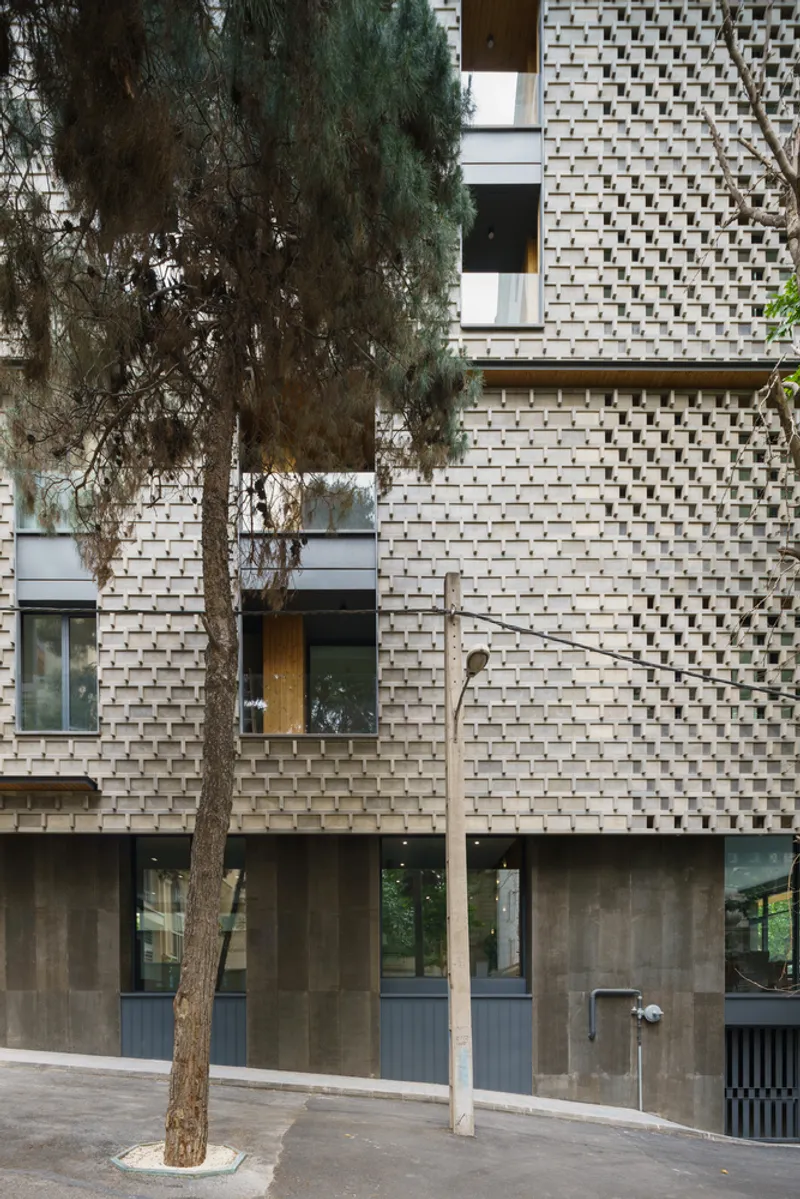
Given the site's constraints, the building adopts a tall and narrow profile, which presented both a challenge and an opportunity in facade articulation. In contrast to Tehran’s trend of fully glazed towers, Aria adopts a double-skin facadesystem, creating depth and texture while enhancing thermal and visual comfort.
This dual-layer facade features:
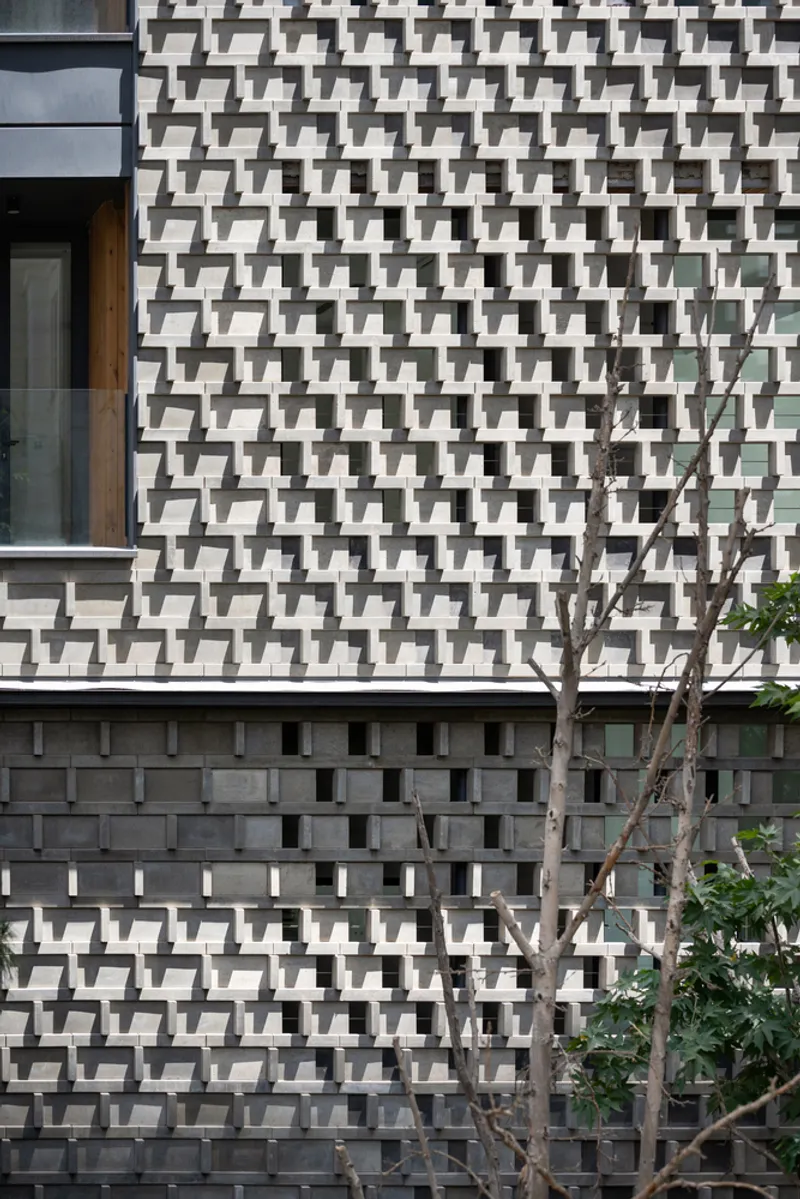
- On-site cast exposed concrete panels, fabricated in a custom basement workshop using vibrated molds and experimental mixes
- A dry-installation system and traditional mortar bonding for flexibility and precision
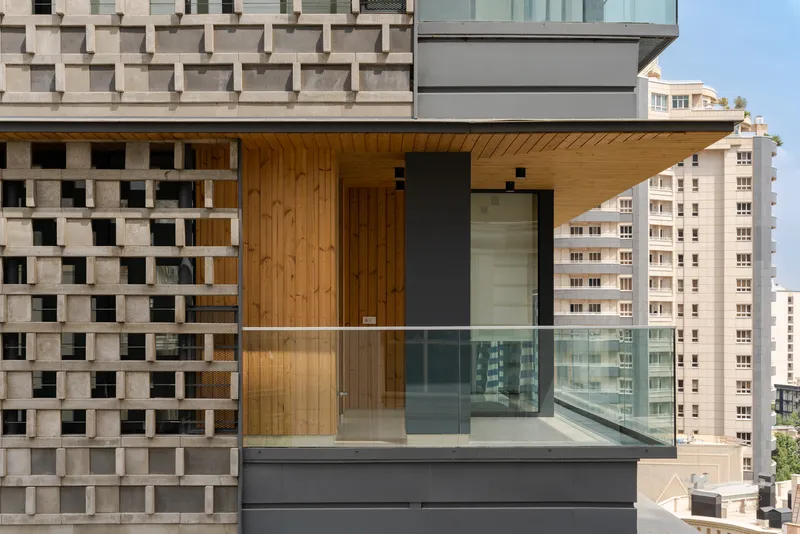
- A gradient transparency from north to south, promoting privacy and ventilation
- Integration of planters and green spaces between the two skins to add biophilic value
Daylighting & Privacy Solutions
Main living areas are oriented to the south, allowing expansive openings and natural light. On the western facade, reduced window sizes and concrete tiling effectively minimize heat gain and glare, especially in private spaces. The design not only balances openness and privacy but also enables sustainable environmental control without sacrificing aesthetic harmony.
Structural & Material Innovation
The on-site fabrication of 18,000 custom concrete tiles represents a major material innovation. Backed by an in-house lab and equipped workshop, the design team was able to test and perfect the concrete finish, resulting in a tactile and expressive building skin.
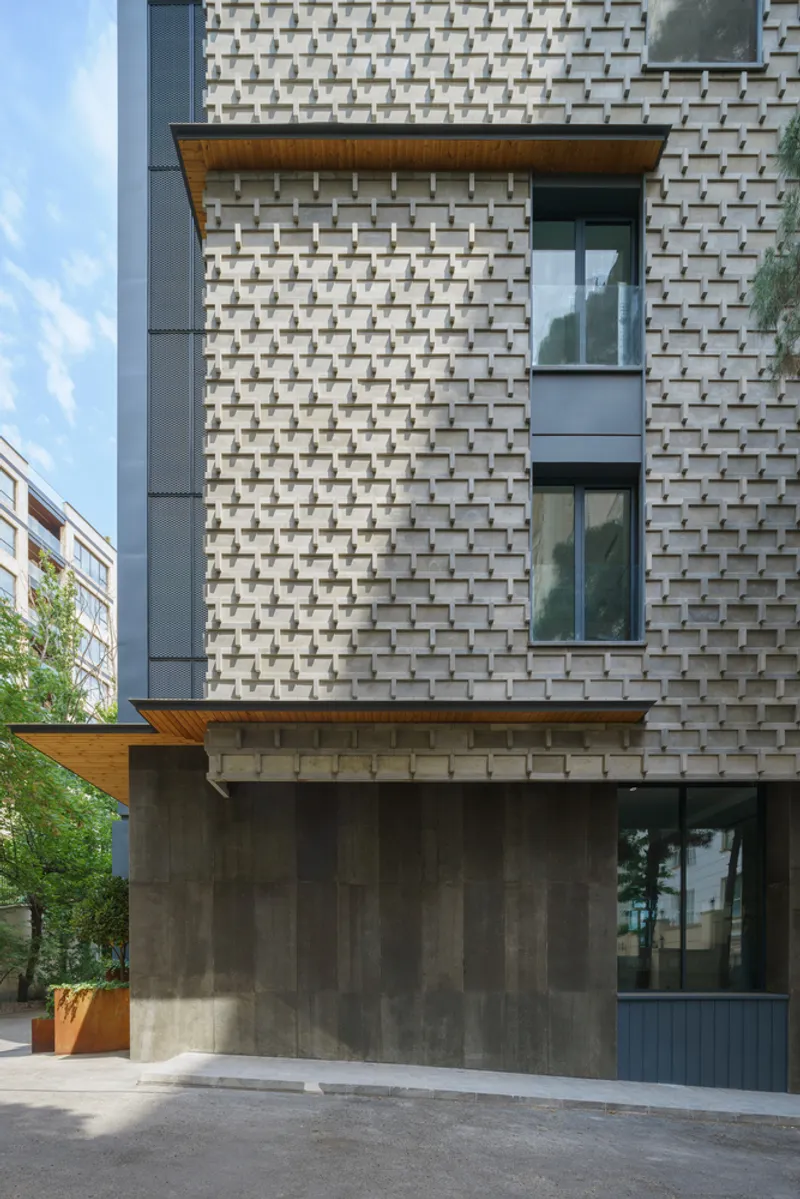
Internally, the building merges functionality and comfort, incorporating robust exposed structural elements alongside refined interior finishes. This hands-on approach to materials and construction defines Aria’s architectural ethos—where structure, texture, and craftsmanship converge.
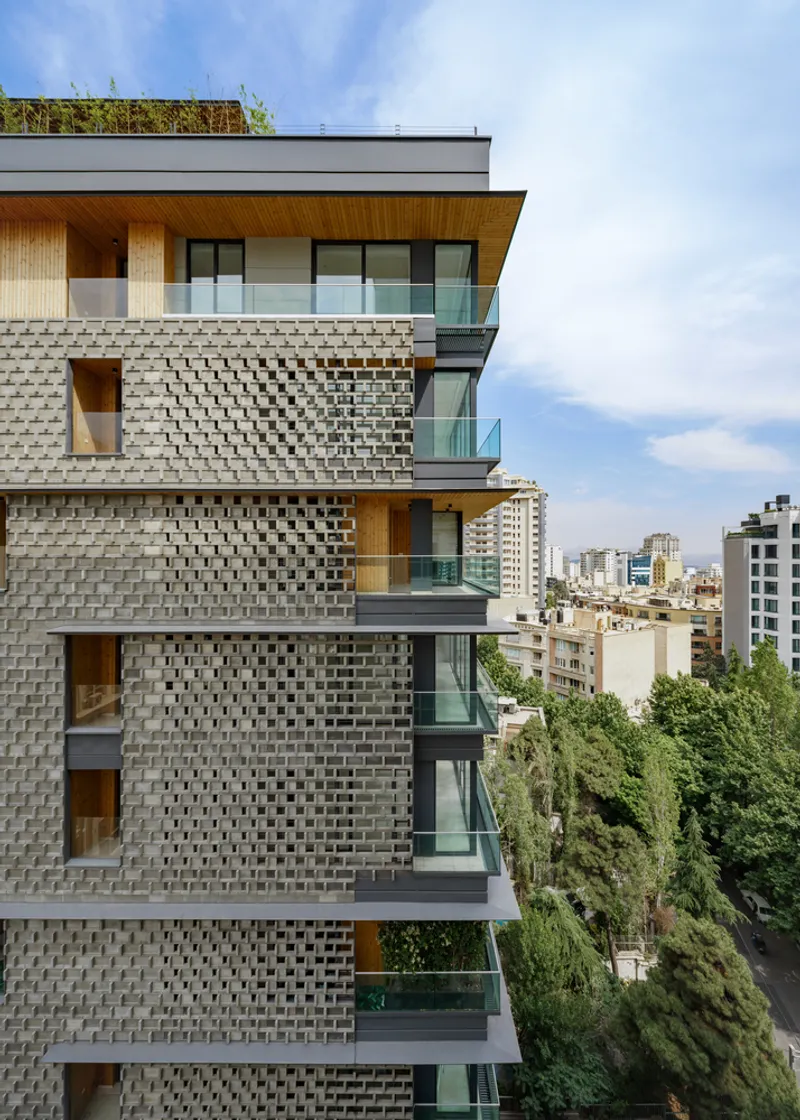
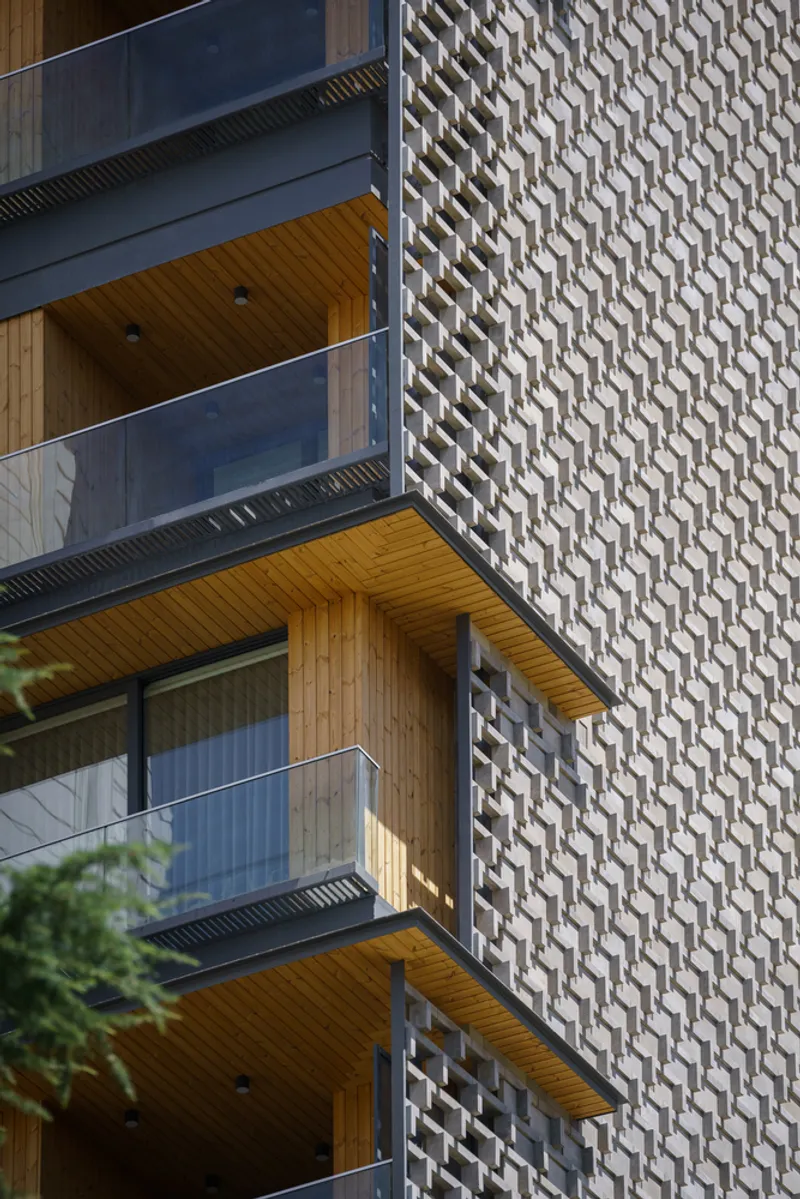
All the photographs are works of Deed Studio & Bordbar




Popular Articles
Popular articles from the community


Play: Fragments of Their World
Familiar architecture becomes modular playground design, creating safe spaces where displaced children can learn, connect, imagine and play.

The Earth Pod: 3D Printed Homes for Resilient Refugee Communities
The Earth Pod reimagines refugee housing through 3D printed homes made from clay, combining resilience, self-sufficiency, and rapid shelter.

Co-Life: Senior Housing Design That Reconnects Older Adults With the City
Co-Life reimagines senior housing design through healing gardens, shared streets, workshops, and a sustainable community across generations.

Lunar Spiral: Space Architecture Shaped by the Mathematics of the Universe
Lunar Spiral reimagines space architecture through Fibonacci geometry, lunar regolith, levitating habitats, and self-sustaining Moon living.
Similar Reads
You might also enjoy these articles


Hodi-Mandai Geram
Project Function: Preservation and revitalization of the Intangible heritage and socio-spatial identity of the Hodi by Housing, Cultural Memory Center, Sacred Grove, landscape, local tourism economy


Olio Towers: A Mid-Rise for Performers That Fuses Housing, Rehearsal, and Stage
Located blocks from Houston's Theater District, this modular tower stacks living units around a central performance atrium.

Oasis: Modular Green Housing Carved into Dhaka's Urban Fabric
A shortlisted Plugin Housing entry reclaims unauthorized settlements in Dhaka with stepped concrete volumes, green roofs, and ventilation-driven design.

Black Hole: A Floating Megastructure for the Post-Physical Era
Emiliano Mazzarotto envisions a spherical, self-scaling arena where e-sports, digital hotels, and holographic stadiums replace traditional public space.
Explore Persian Architecture Competitions
Discover active competitions in this discipline



Challenge to reimagine the Iron Throne


Photograph architecture without architects


Illustrate the lost glory of Angkor Wat - Render Challenge


Design challenge to reuse E-waste
Comments (0)
Please login or sign up to add comments
No comments yet. Be the first to comment!