

Art Nouveau Residential Architecture: The Arch House in Portugal
The Arch House in Portugal redefines Art Nouveau residential architecture, blending historical elegance with modern functionality through arches and open spaces.


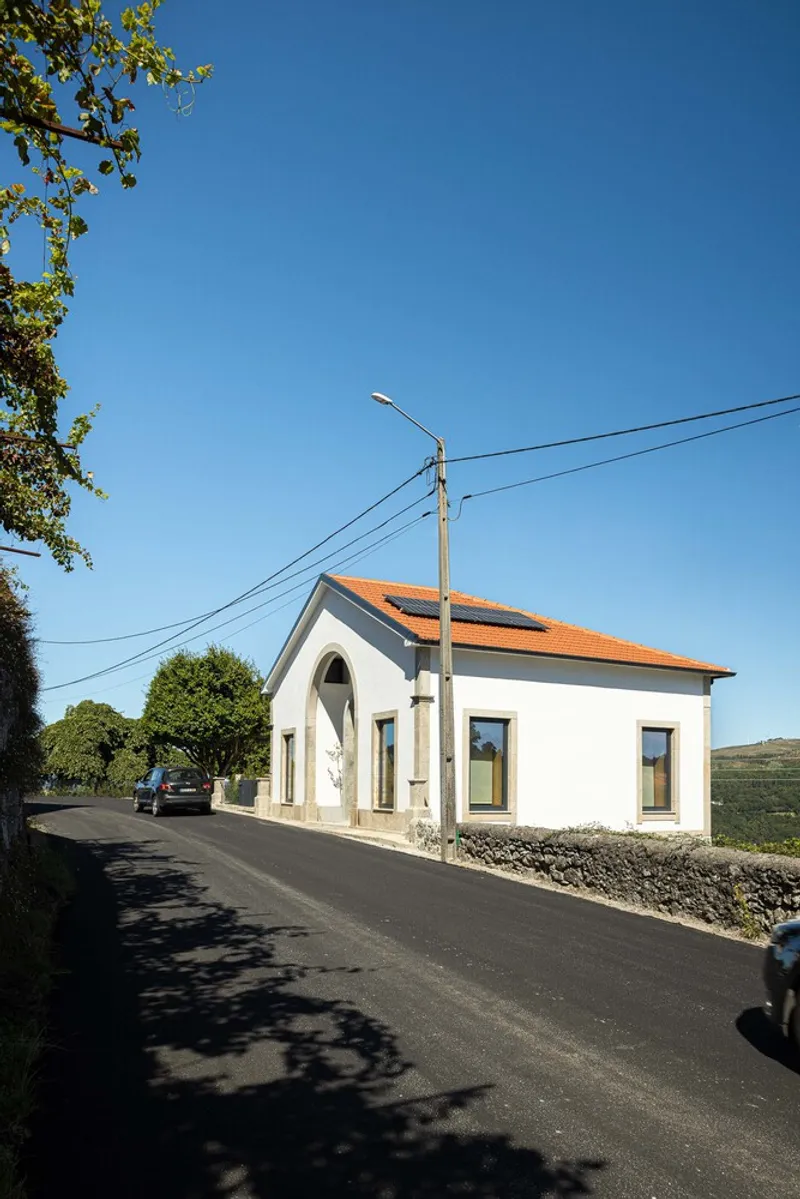
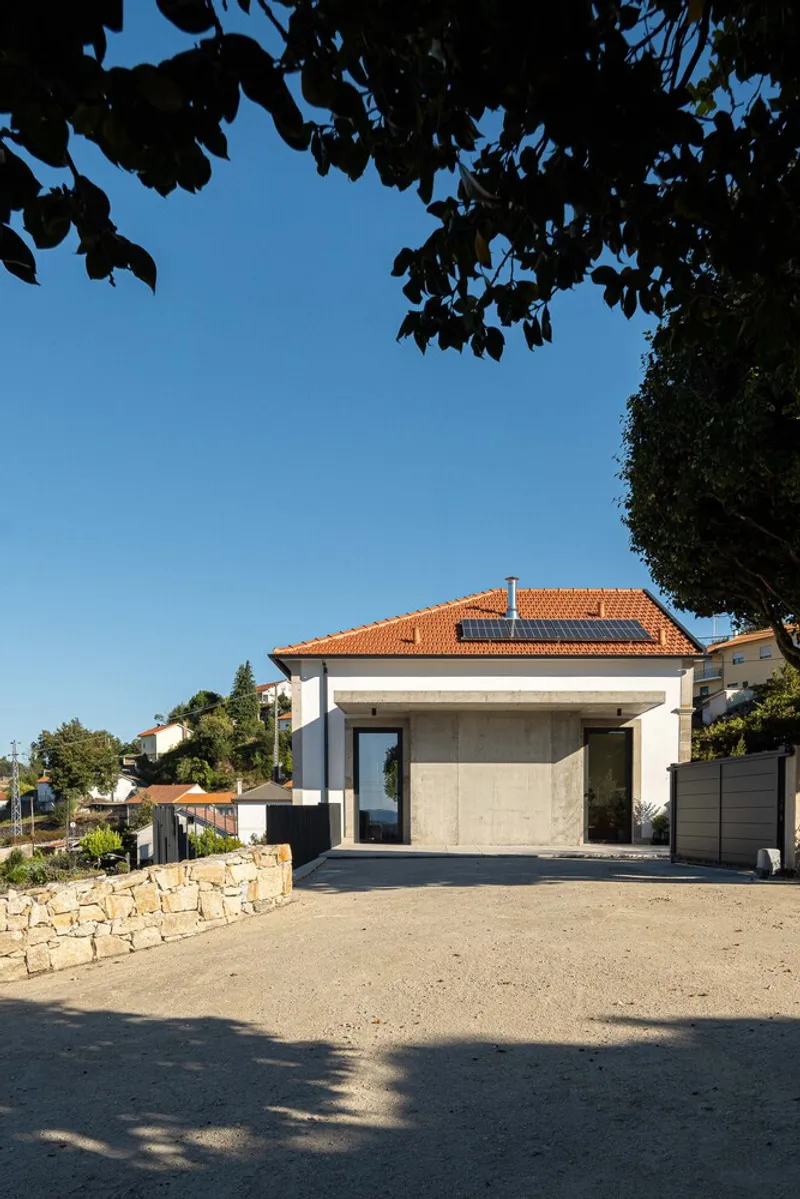
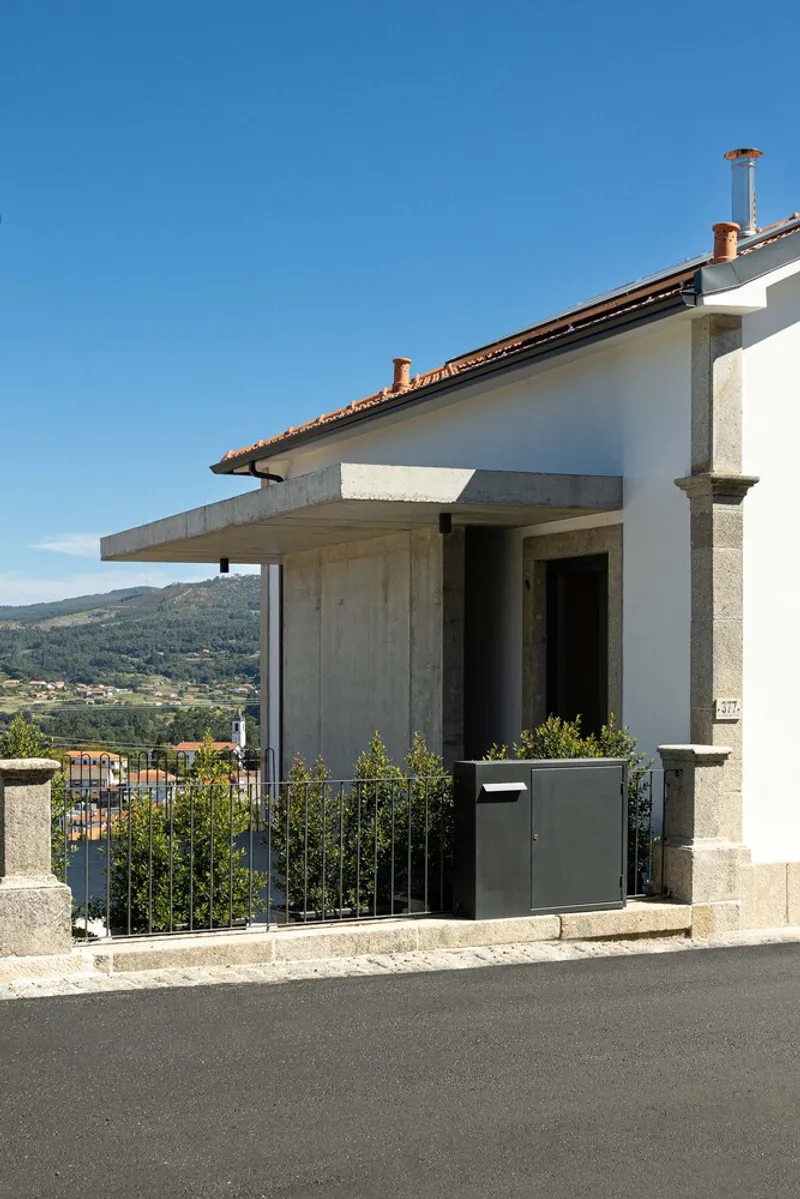
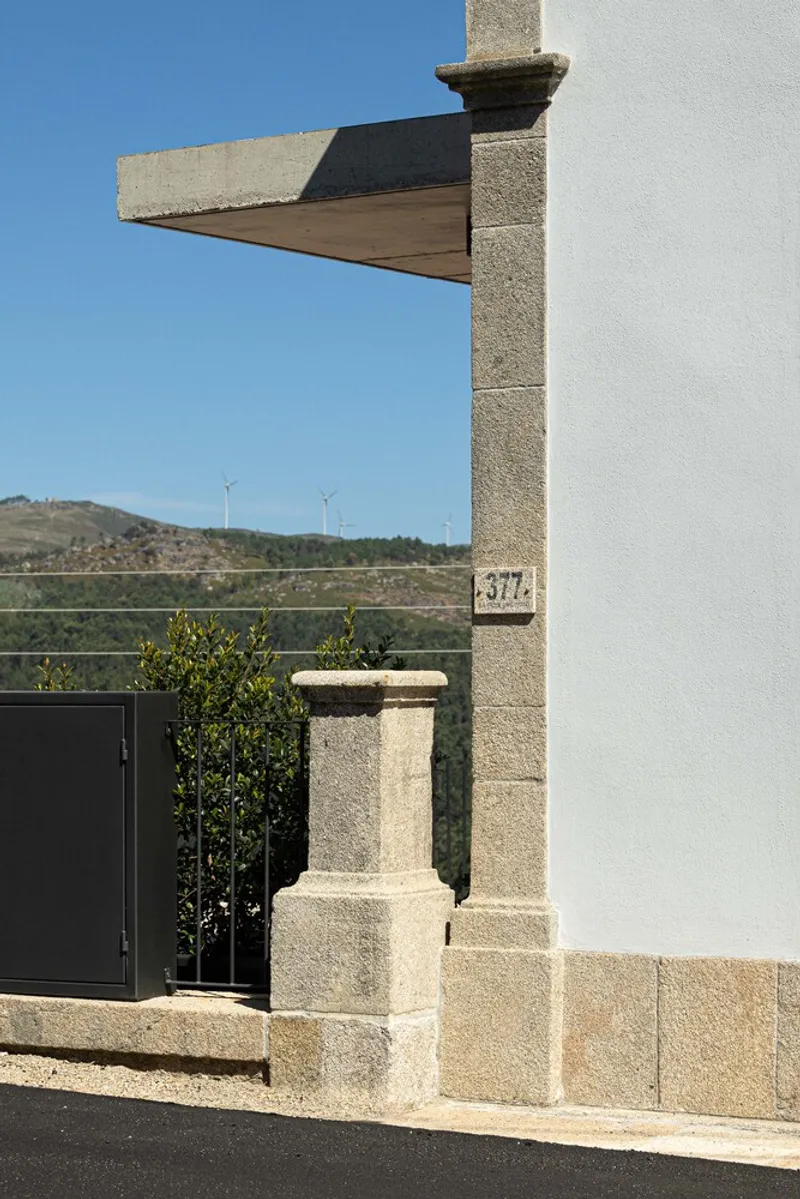
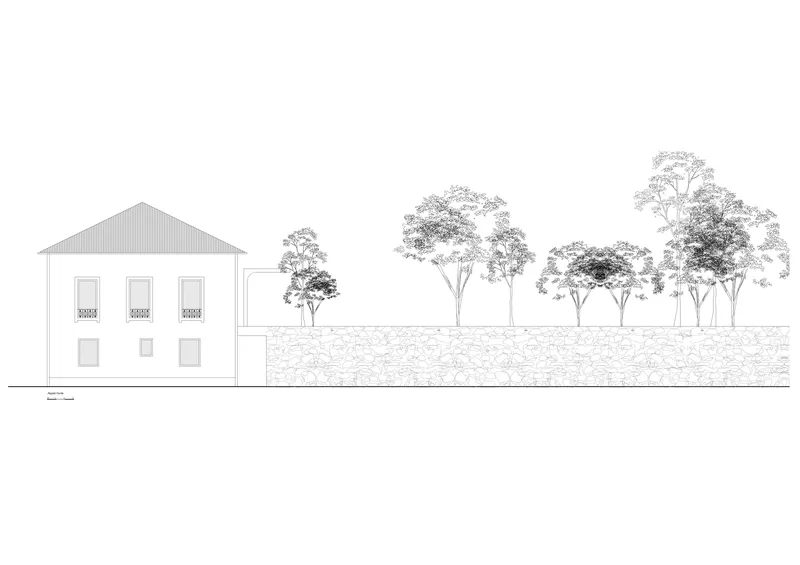
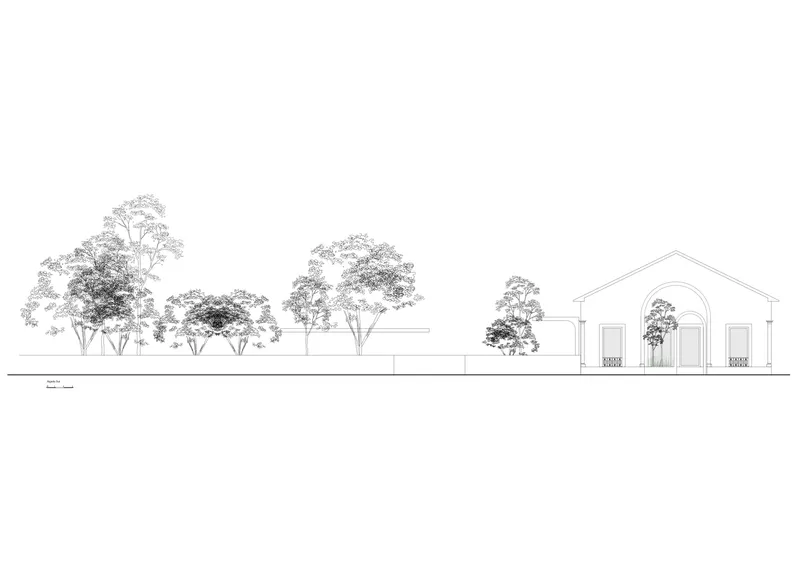
The Arch House in Paredes de Coura, Portugal, designed by Tiago Castro Sousa Lda, is a striking example of Art Nouveau residential architecture. Originally built for commercial use as a pharmacy, the structure stood as a prominent architectural element within the village, defined by its elegant stonework and large openings. However, the interior lacked the grandeur of its exterior, with small, compartmentalized rooms that did not align with the house’s refined façade. The renovation aimed to transform the house into a harmonious living space while embracing the elegance and artistic expression of Art Nouveau.
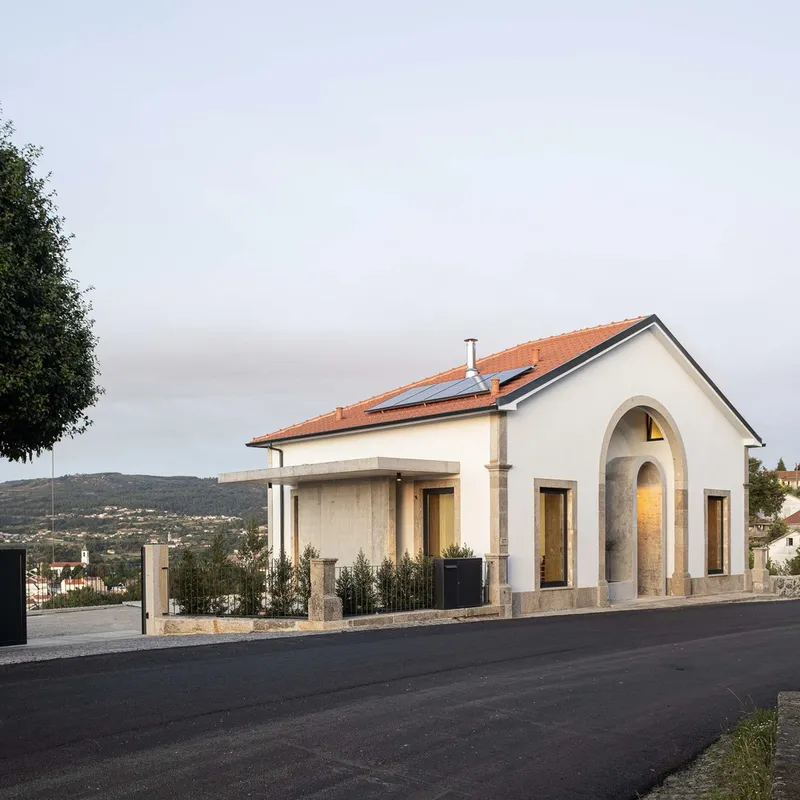
The Architectural Transformation
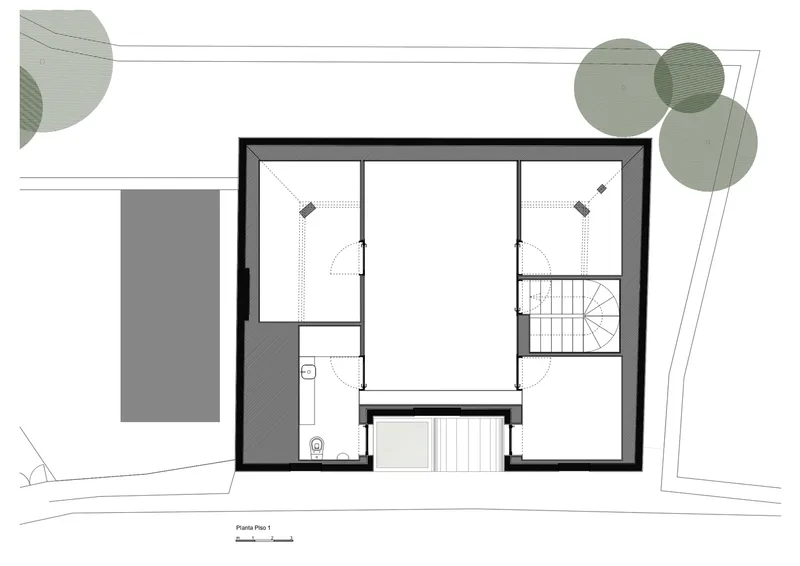
The project sought to bridge the gap between the home’s exterior grandeur and its interior functionality. The original structure had a central space flanked by four smaller rooms, creating a disjointed and restrictive layout. The attic housed two bedrooms, accessible by a narrow, enclosed staircase, reinforcing the sense of segmentation. The redesign introduced a seamless spatial flow through the use of arches, open spaces, and natural light.
The Arch as a Defining Element
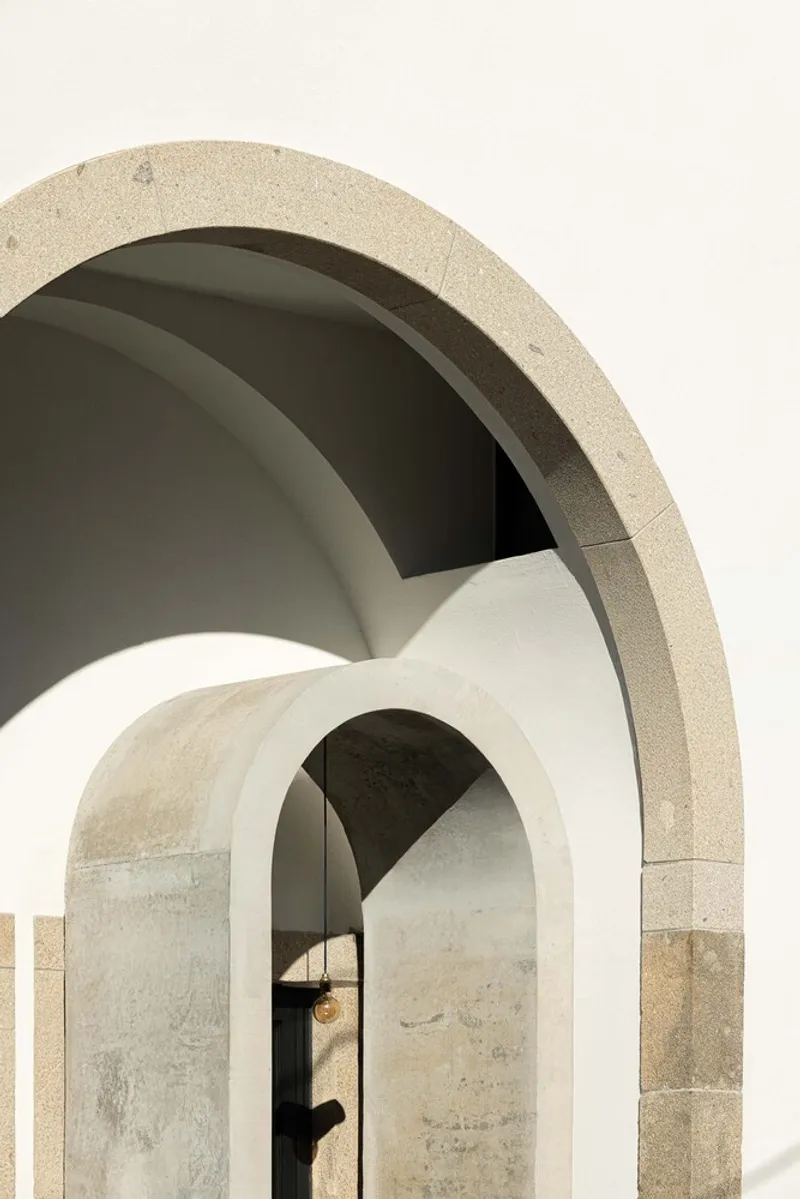
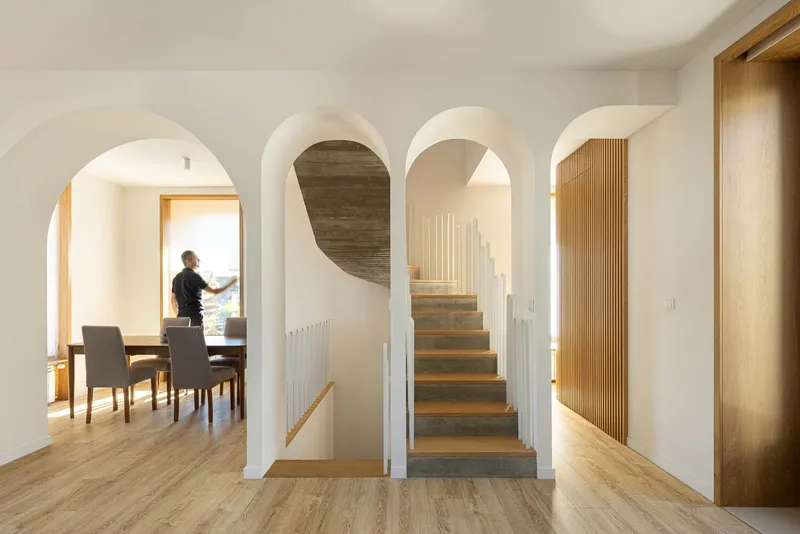
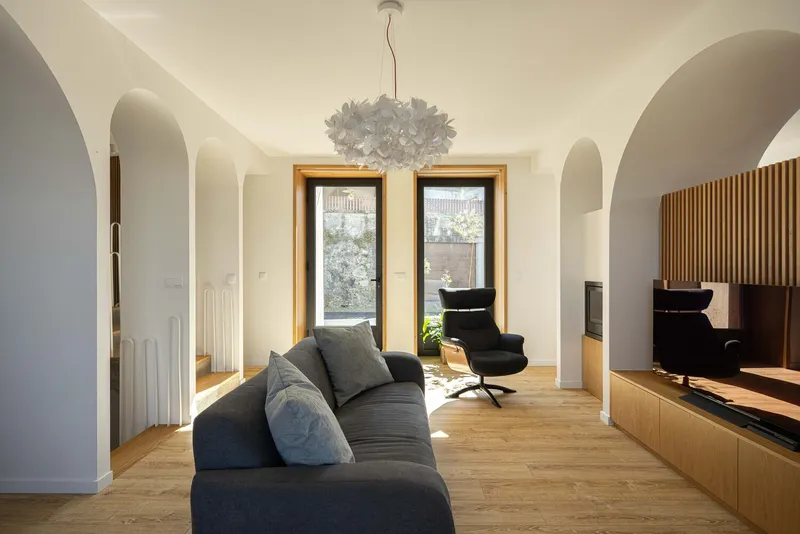
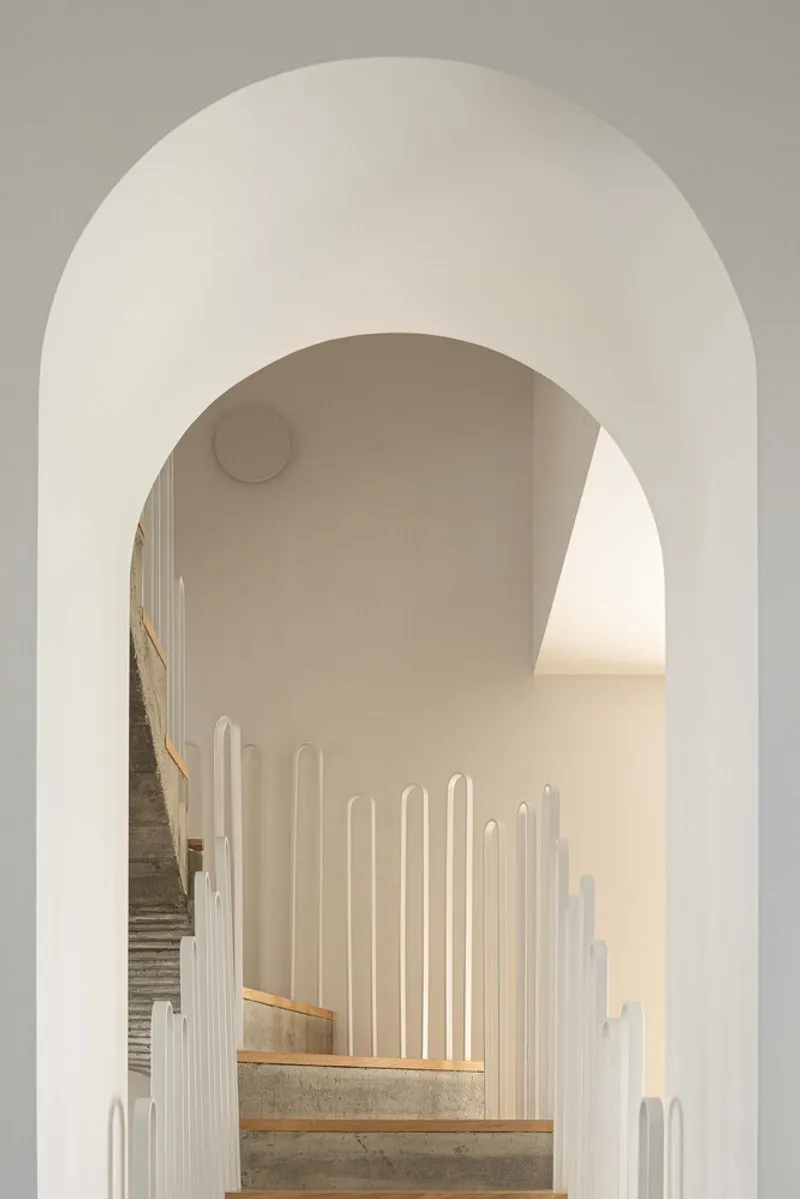
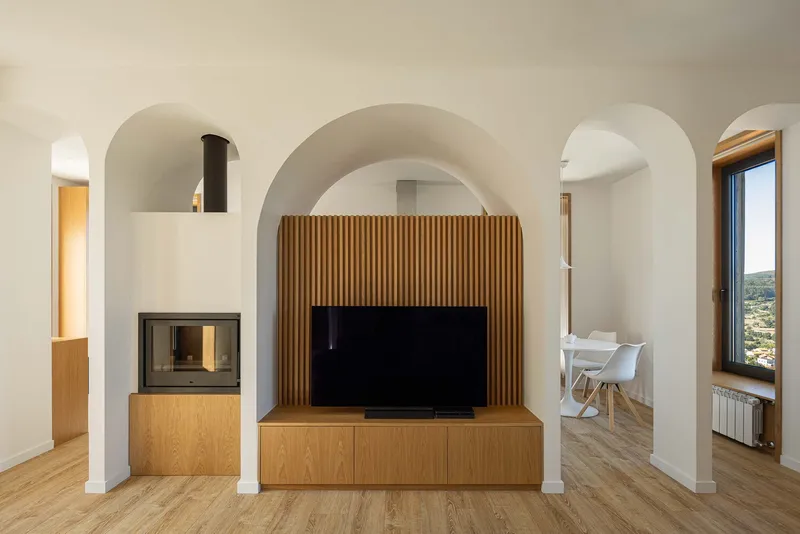
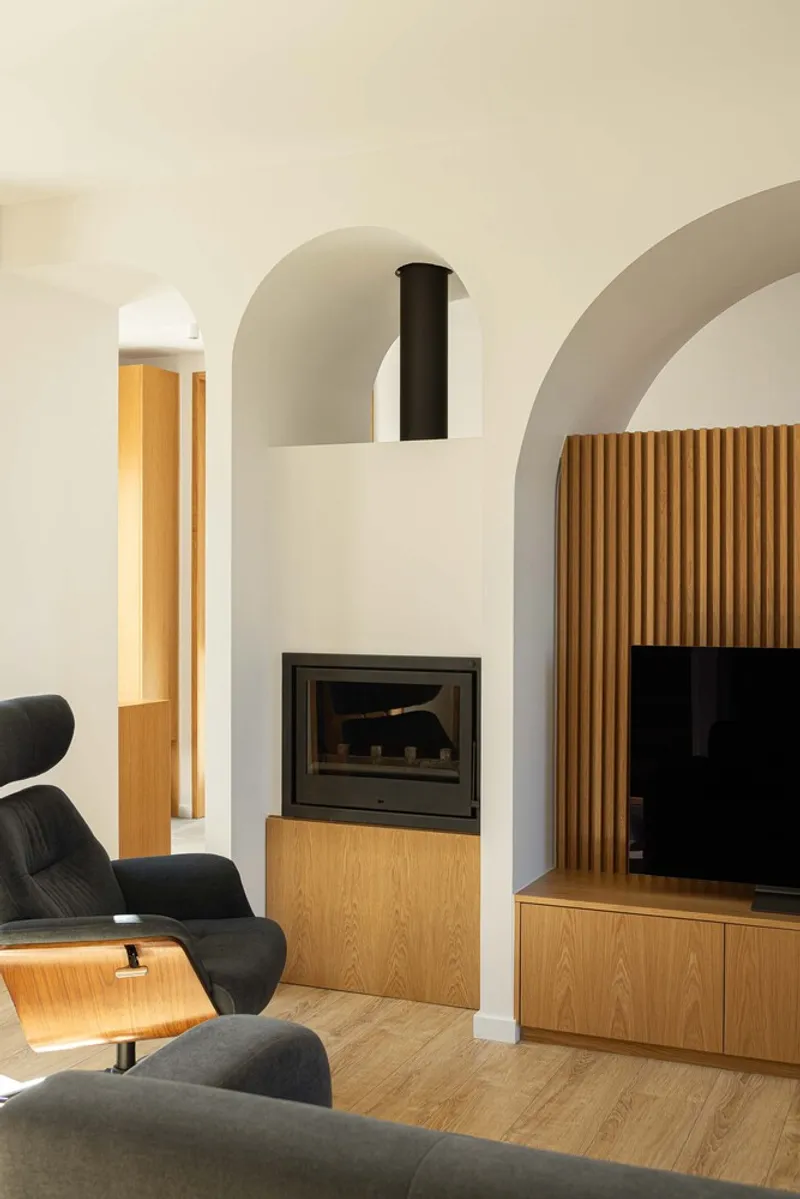
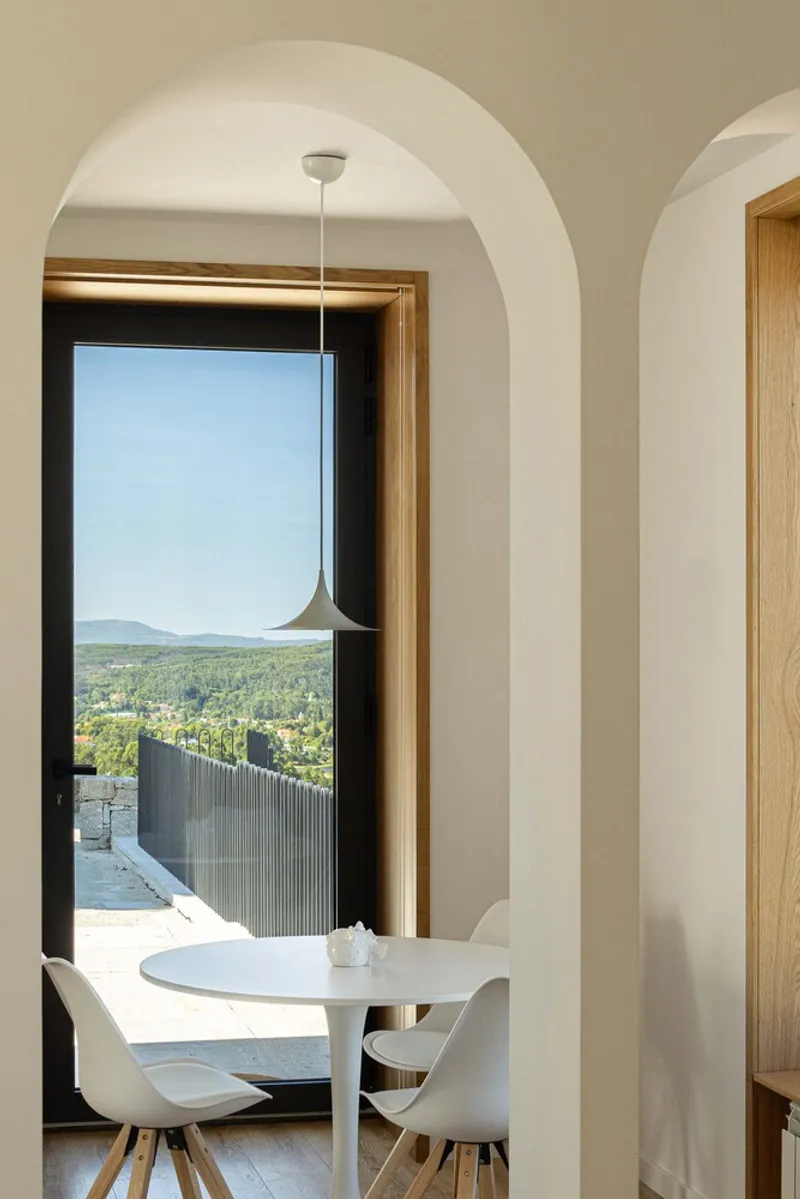
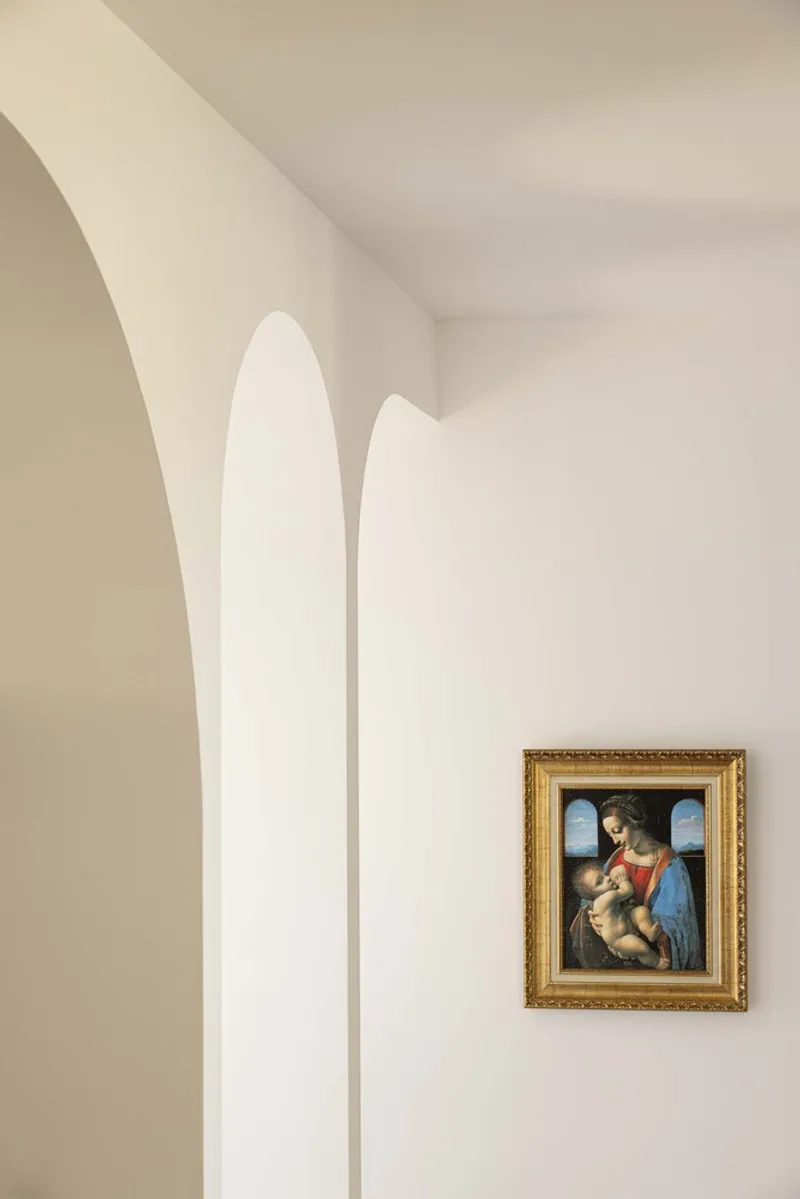
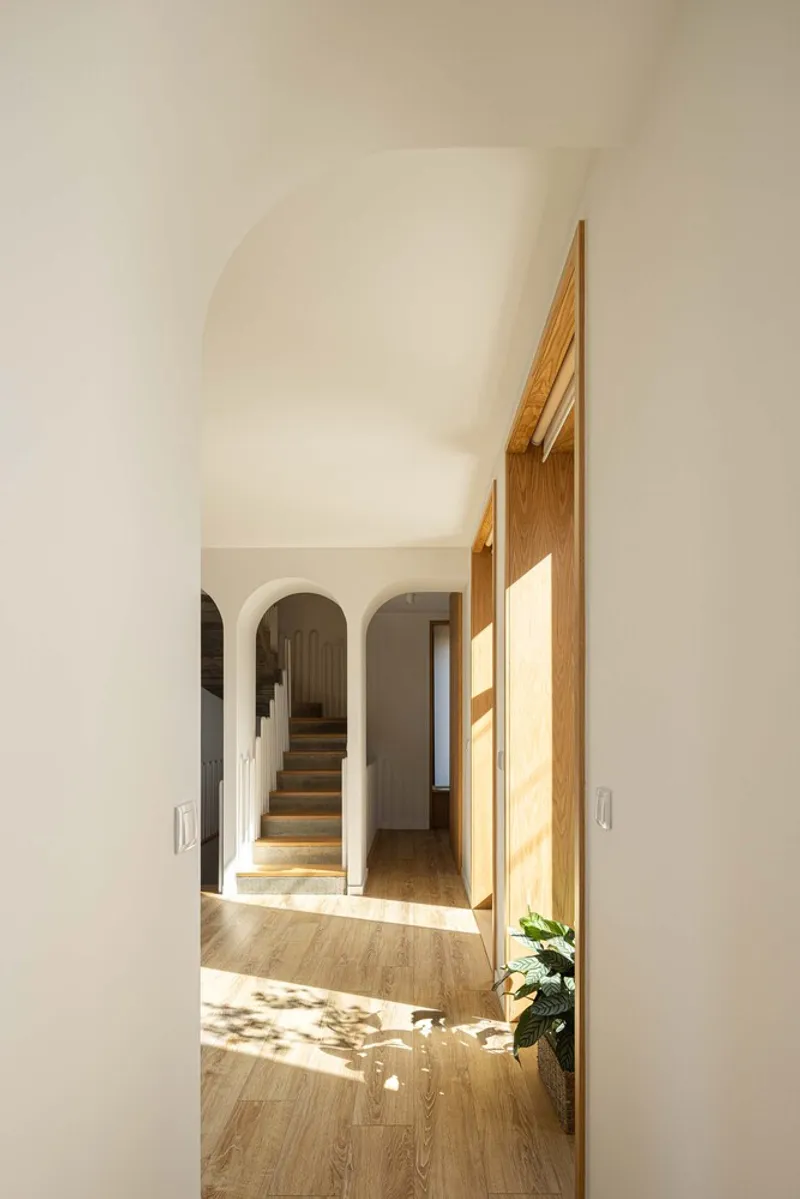
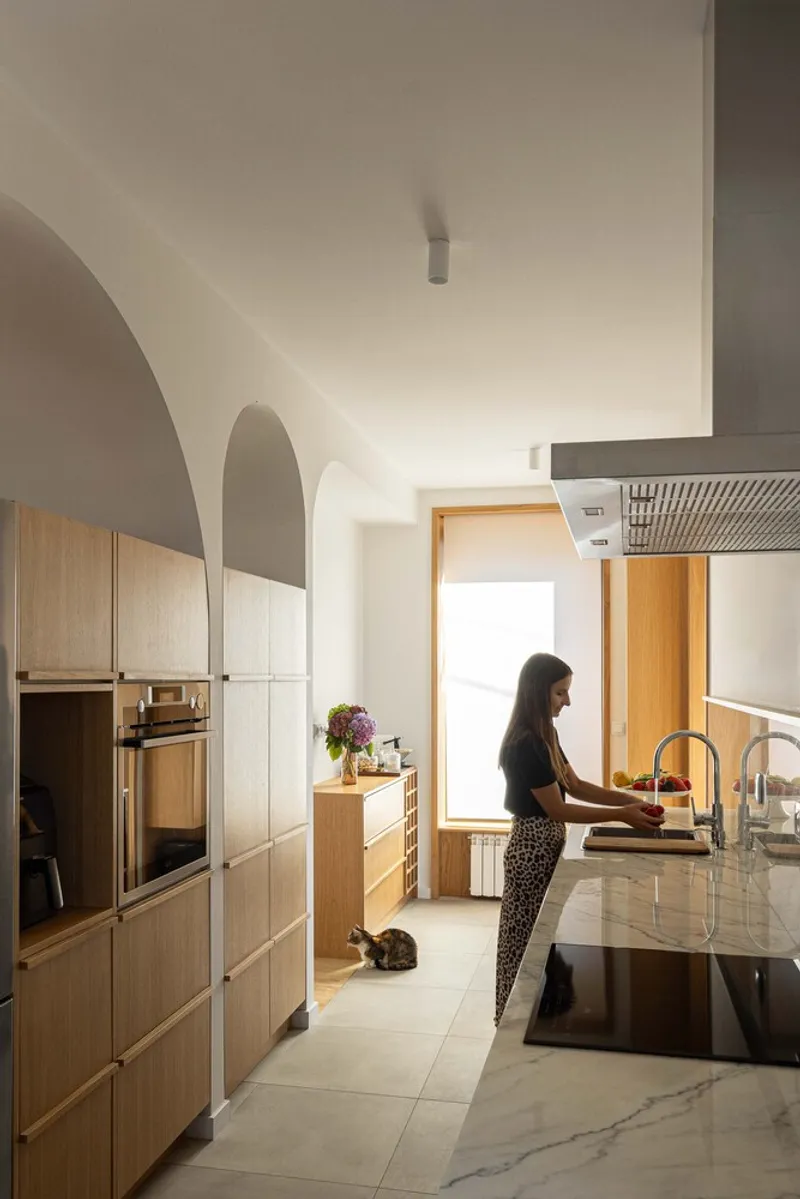
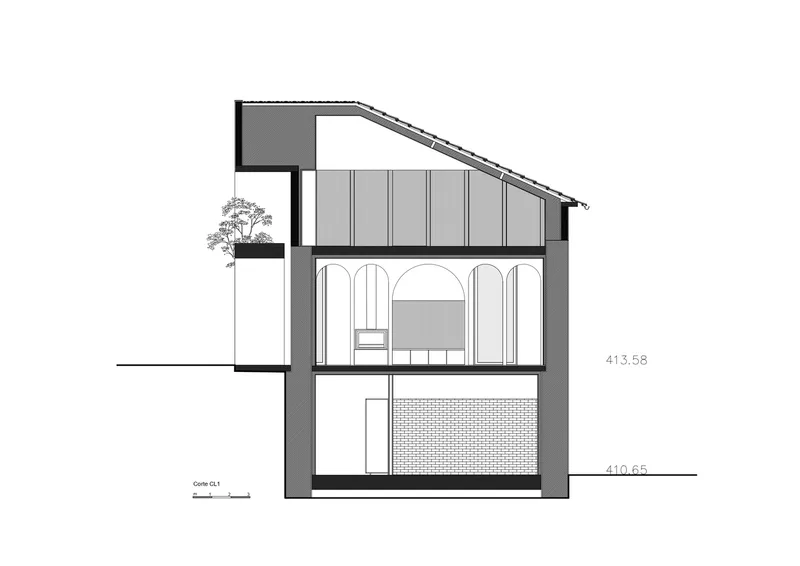
One of the most significant design interventions was the incorporation of arches as both structural and aesthetic elements. The arch, a timeless architectural motif, was used to organize the interior space and evoke the Art Nouveau style. On the ground floor, two prominent arcades subtly divide the space into three distinct yet interconnected zones: the kitchen, living room, and dining area. This open-plan concept enhances spatial fluidity while preserving the elegance and ornamental quality characteristic of Art Nouveau.
Interior Elegance and Materiality
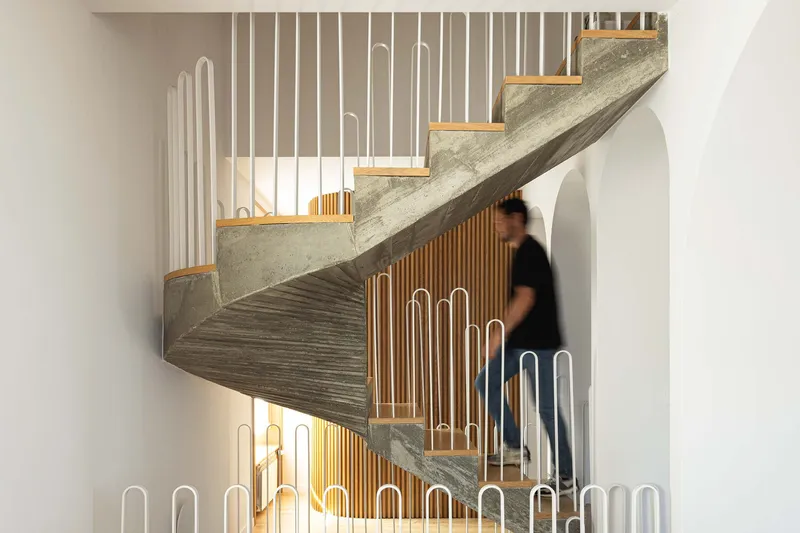
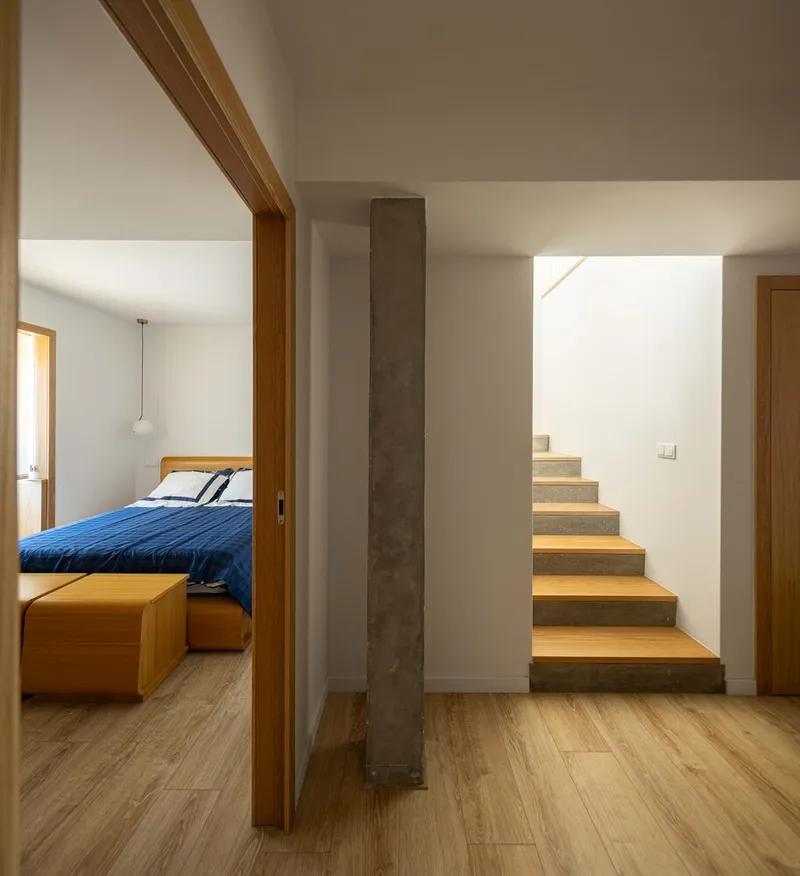
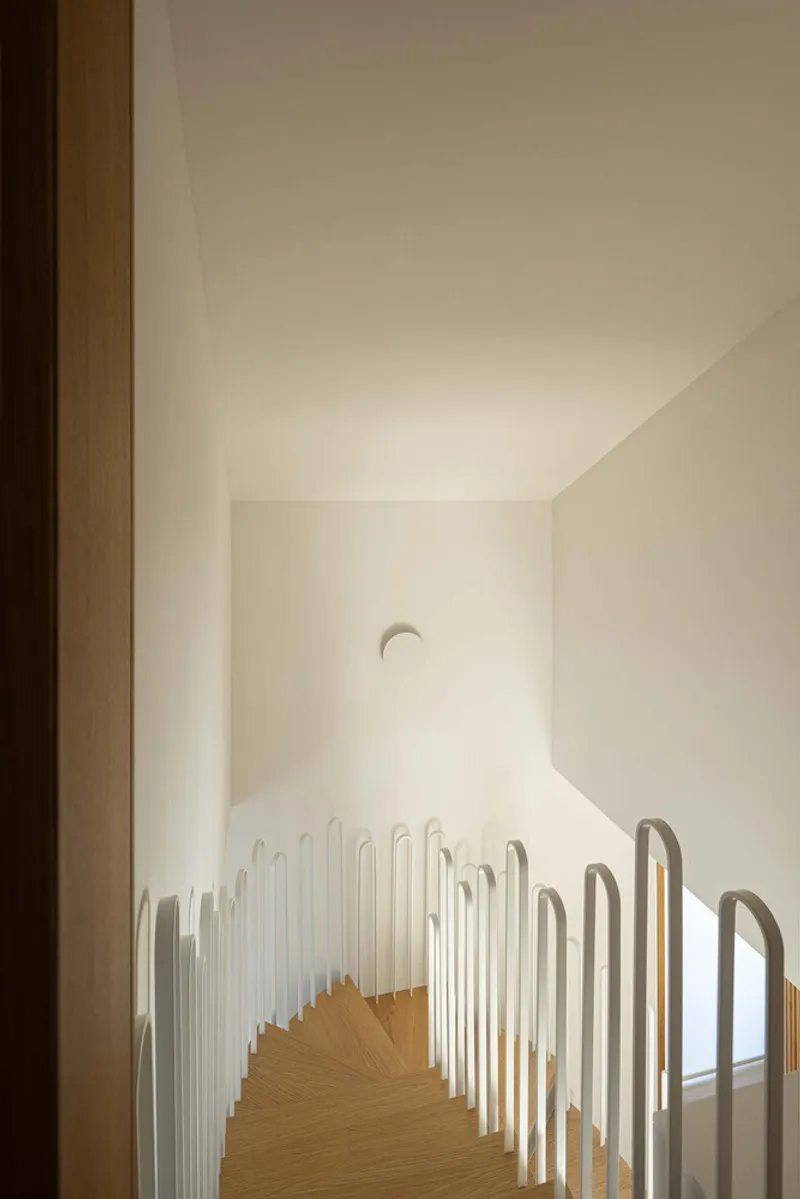
The use of natural light played a crucial role in reshaping the atmosphere of the Arch House. Northern light, soft and constant, was harnessed to create a tranquil and serene environment, particularly in the private quarters. The staircase, a sculptural concrete structure clad in wood, serves as both a functional and decorative element, aligning with the geometric precision of the arches. Through careful material selection, including wood, stone, and refined metal details, the interior reflects both modern comfort and historical artistry.
Functional Zoning and Spatial Organization
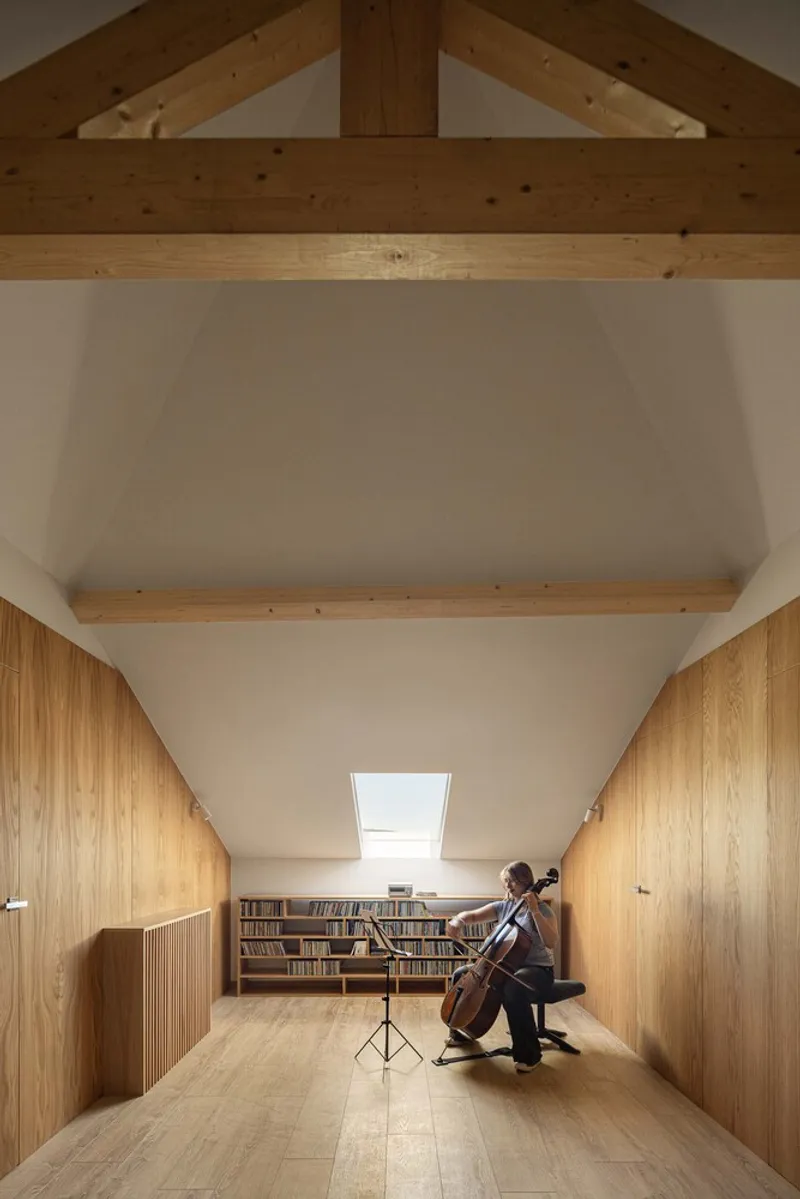
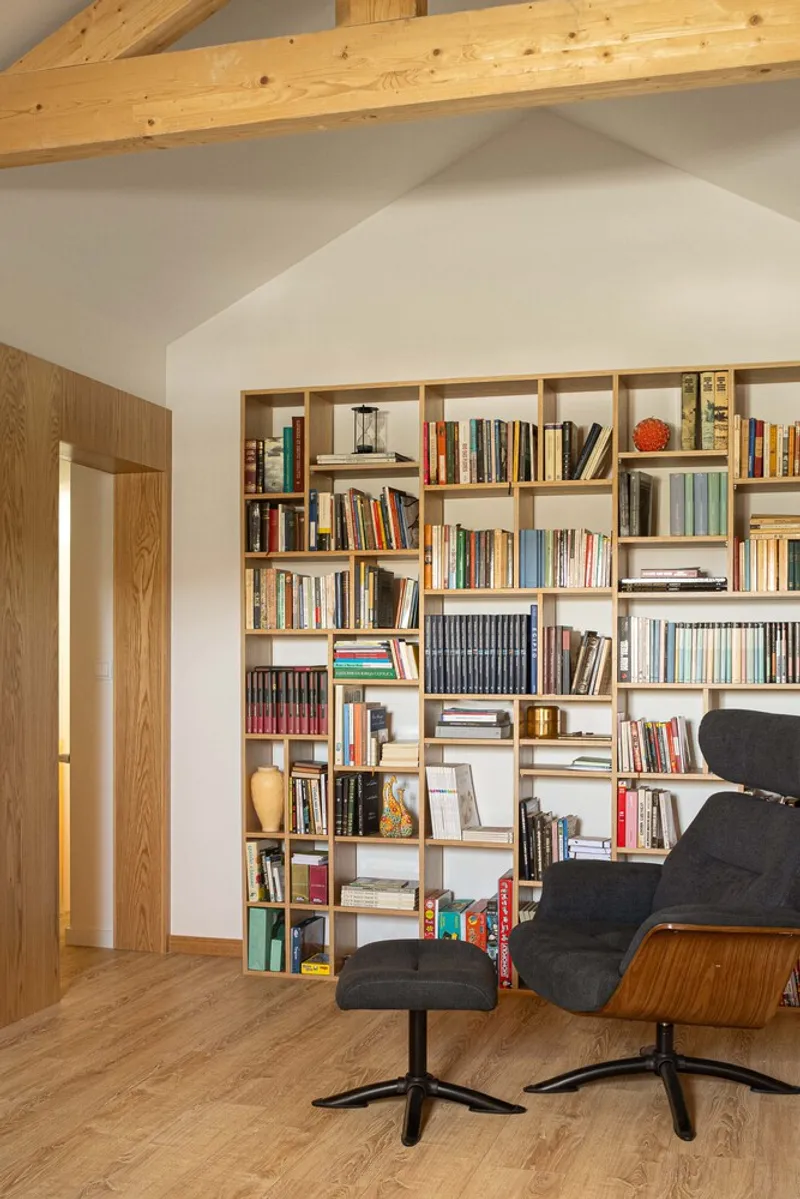
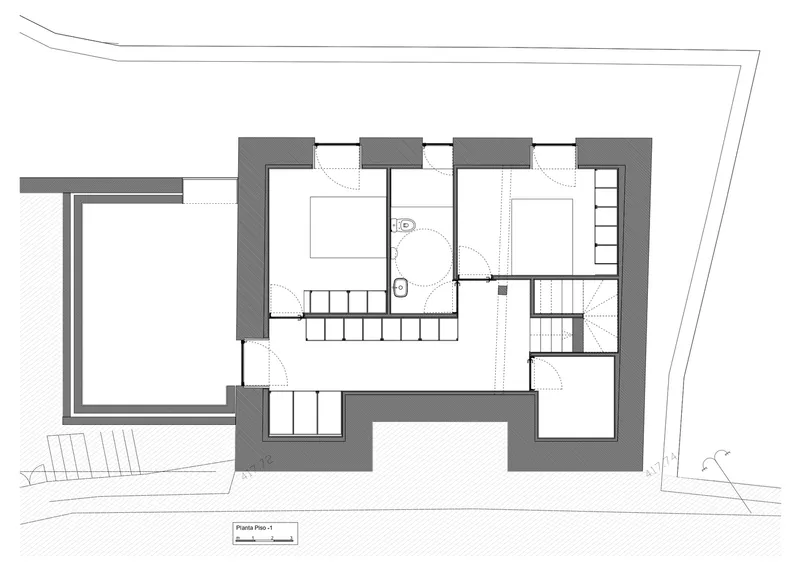
The renovated house follows a logical distribution of spaces across three levels. The entrance level features a single open-plan area divided by arches, providing visual and functional separation between communal spaces. The upper floor serves as an office and support area, while the semi-buried lower floor accommodates the bedrooms, a bathroom, and a laundry room. This arrangement ensures that private areas maintain a sense of calm, shielded from the more active social spaces above.
The Influence of Art Nouveau in the Renovation
The homeowners, passionate admirers of Art Nouveau and the Arts and Crafts movement, sought to embed these influences into their living space. The renovation preserved the house’s historical character while integrating contemporary elements that complement the ornate nature of Art Nouveau design. The arches not only serve as a unifying design feature but also reflect the era’s preference for organic forms and flowing lines. The result is a home that is both functional and artistically evocative, fulfilling the vision of creating an architectural work that embodies Art Nouveau ideals.
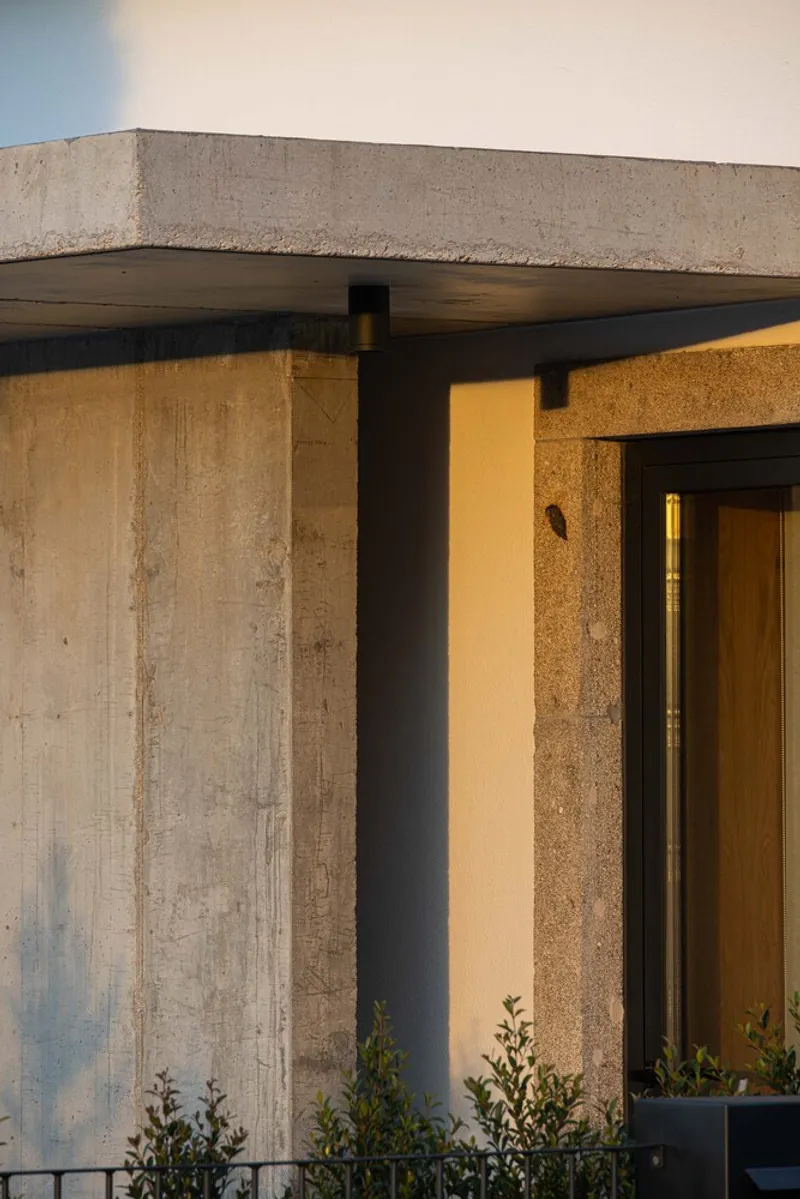
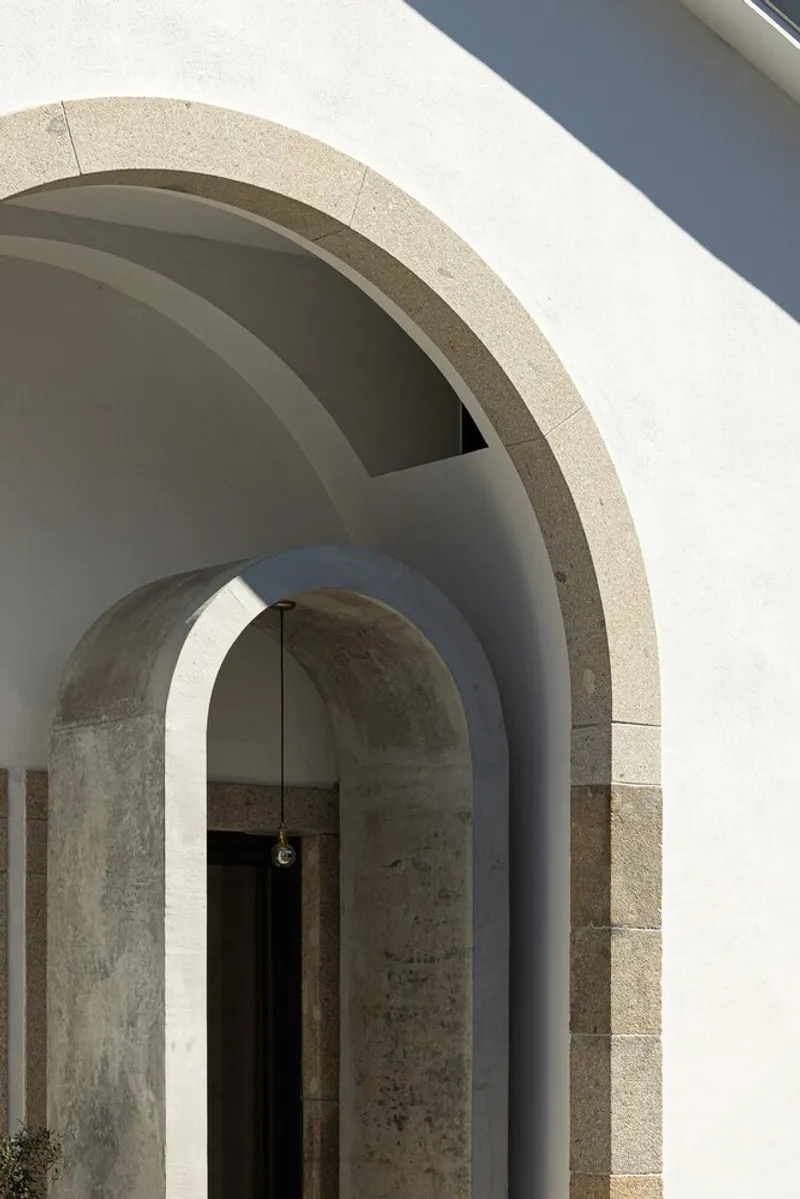
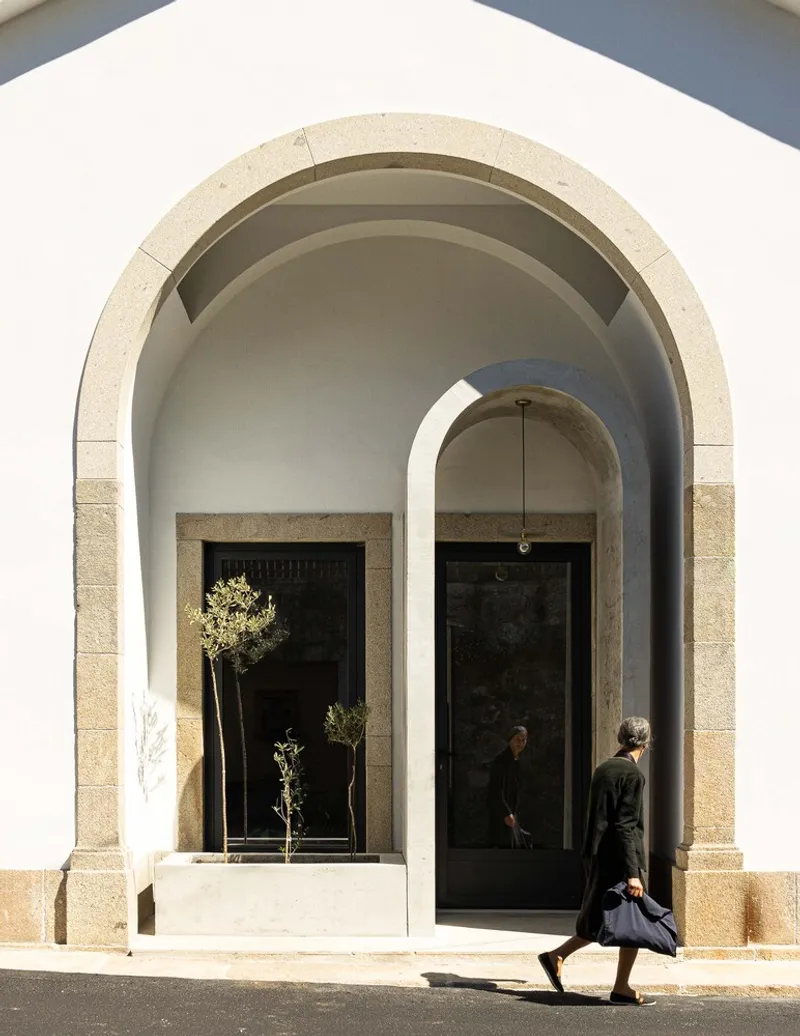
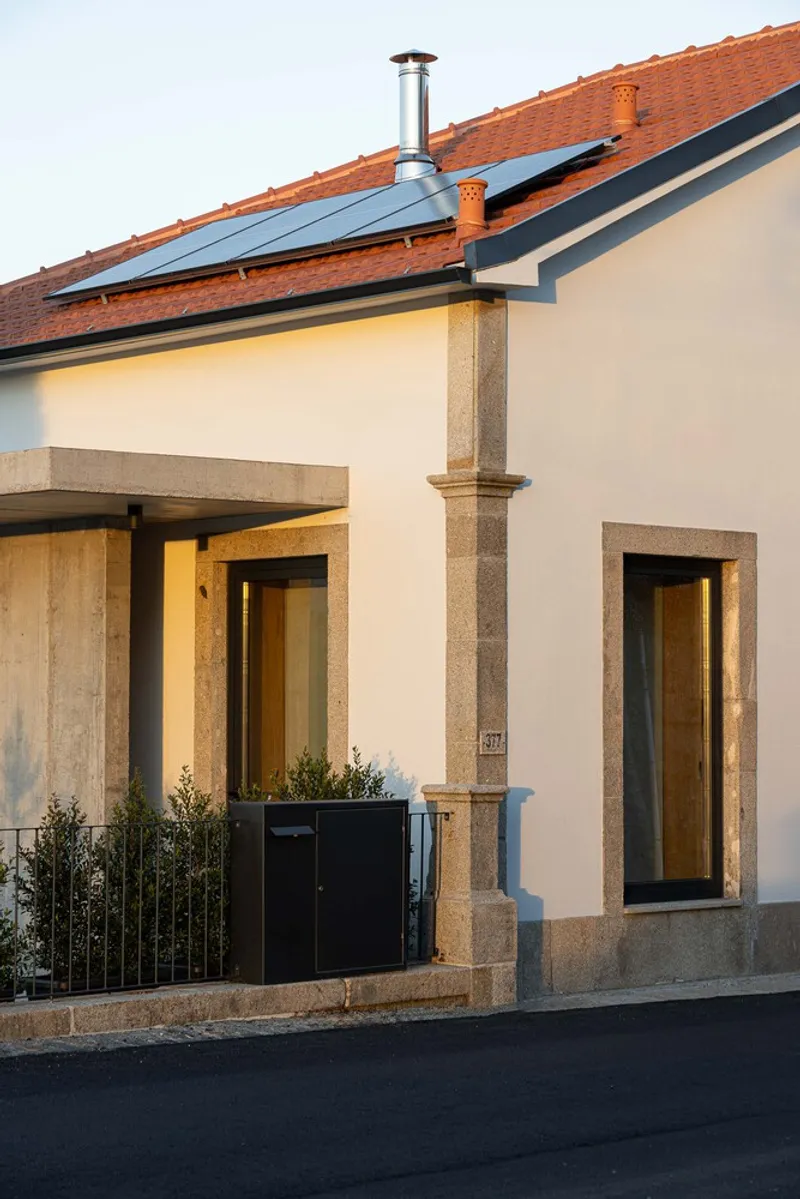
The Arch House exemplifies the successful adaptation of Art Nouveau residential architecture in a modern context. Through the thoughtful use of arches, open spaces, and refined materials, the house now offers a living experience that aligns with its original grandeur. This transformation highlights the enduring beauty of Art Nouveau design principles, proving that historic styles can be reinterpreted to meet contemporary living needs while preserving their artistic essence.



Popular Articles
Popular articles from the community


Singing Woman: Contemporary Architecture Inspired by Estonia’s Voice and the Sea
Singing Woman turns Estonia’s song culture into flowing opera house architecture, blending public life, landscape, sea, and national memory.
Cloaked Colonization: A Mobile Underwater Habitat That Moves Like a Fish
Micah Abaya's shortlisted EHC Pacific entry reimagines ocean settlement as a dispersed network of self-sustaining architectural organisms.
Tsunami Convergenics: Turning Catastrophic Ocean Forces into Underwater Housing Infrastructure
A speculative underwater settlement off the coast of Onagawa, Japan, treats tsunamis and typhoons as energy sources rather than threats.
Temporary Home for Dogs: A Reversed Zoo Rethinks Animal Shelter Architecture
In Bucharest, a sinuous corridor and freed landscape flip the logic of containment, designing a shelter that works to make itself unnecessary.

Similar Reads
You might also enjoy these articles

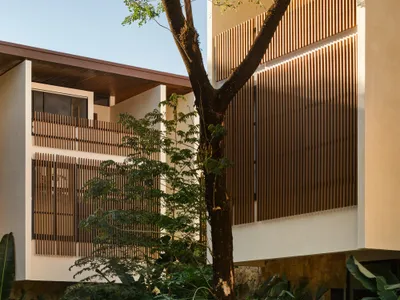
FAMM Arquitectura Organizes Ten Villas Around Courtyards and Jungle in Nosara, Costa Rica
El Molino pairs two elongated volumes with deep overhangs and timber louvers to build a compact coastal community five minutes from the beach.
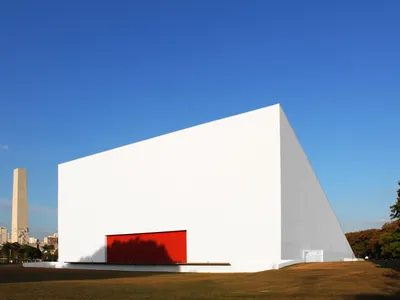
Oscar Niemeyer's Ibirapuera Park Pavilions Define São Paulo's Cultural Identity in Concrete and Curve
A constellation of modernist volumes set within São Paulo's most important urban park, conceived for the city's 400th anniversary in 1954.
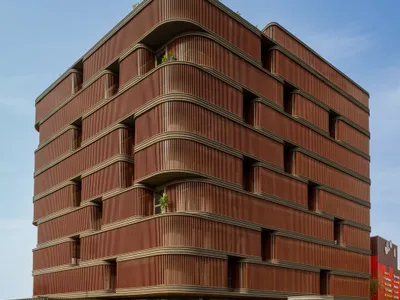
Sanjay Puri Architects Wraps a Jaipur Office Tower in Capsule-Shaped Green Buffers
A nine-level climate-responsive workplace near Jaipur Airport uses stacked planter terraces and aluminium screens to fight 40°C heat.
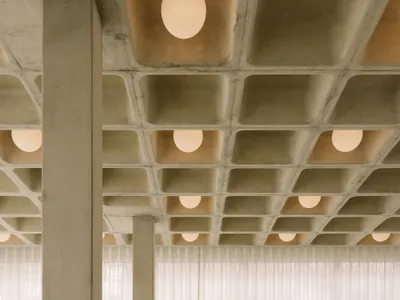
RHO Converts a Berlin Spree-Side Industrial Courtyard into Enkime's 1,000 m² Agency Headquarters
A social media agency's new home in Charlottenburg trades glossy branding for concrete waffle ceilings, glazed tile, and sheer curtains.

Explore Art Nouveau Competitions
Discover active competitions in this discipline

Challenge to reimagine the Iron Throne

Photograph architecture without architects

Illustrate the lost glory of Angkor Wat - Render Challenge

Design challenge to reuse E-waste
Comments (0)
Please login or sign up to add comments
No comments yet. Be the first to comment!