
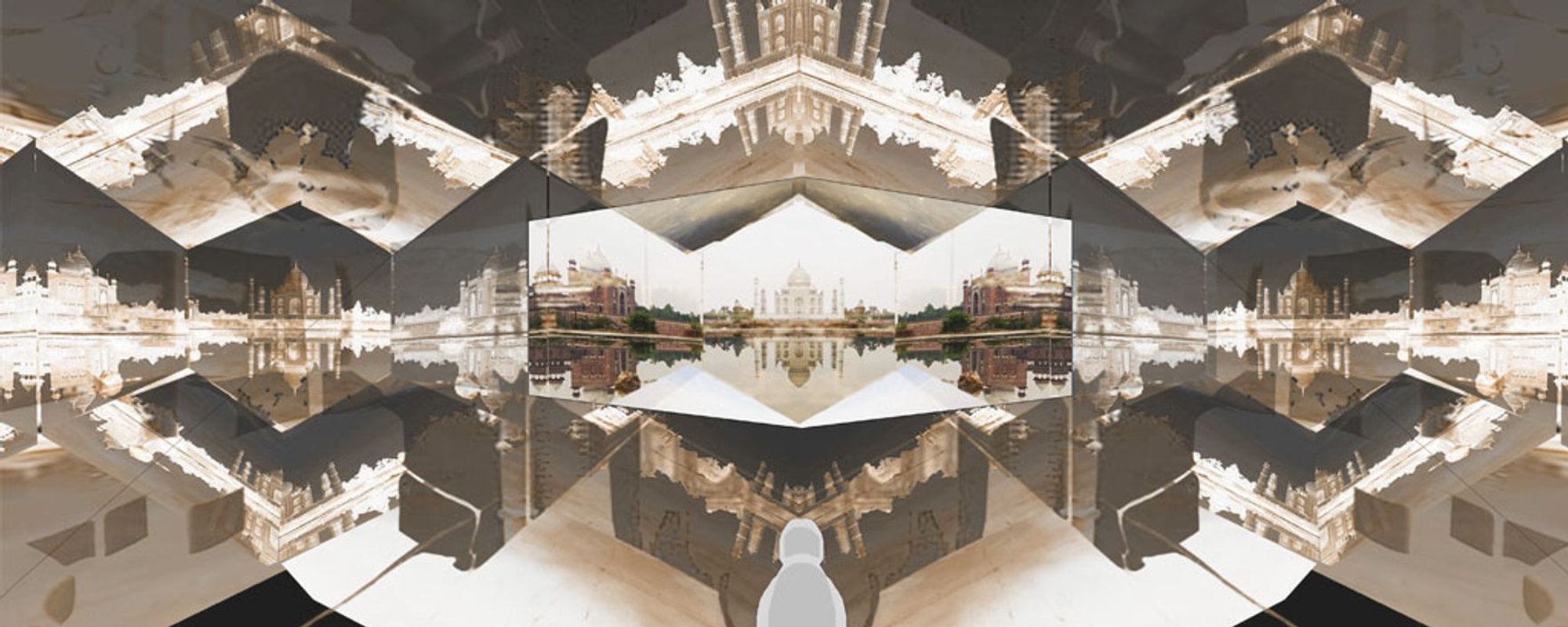
Aux-Siah Bagh – The Garden of Paradise | Conceptual Architecture Design
A visionary reimagination of the Black Taj, merging reflection, geometry, and landscape to honor Shah Jahan's unrealized dream of paradise.

Reimagining the Dream of Shah Jahan
The Black Taj- Aux-Siah Bagh – The Garden of Paradise is a poetic architectural exploration that bridges mythology, memory, and landscape. Designed by Udit, Norman Wei, Franklin, and Ekta Rakholiya, this shortlisted entry for The Black Taj competition revives Shah Jahan's fabled dream of a twin monument to the Taj Mahal. Through the lens of conceptual architecture design, the project delves into the metaphysical relationship between light and darkness, life and afterlife, and architecture and reflection.
In Mughal history, Shah Jahan's envisioned Black Taj Mahal was to be a mirror to the white marble mausoleum across the Yamuna River — a dark reflection symbolizing eternal union. Aux-Siah Bagh (translating to the Garden of Black) manifests this myth as a contemplative subterranean garden, where symmetry, geometry, and reflection converge to form a spatial meditation on paradise.

The Architecture of Reflection
At the heart of Aux-Siah Bagh lies the concept of inversion. The designers reinterpret the legend of the Black Taj not as a physical counterpart, but as a spiritual reflection of the Taj Mahal’s essence. Using an underground typology, the architecture invites visitors into a descent toward introspection — a journey from the tangible to the transcendent.
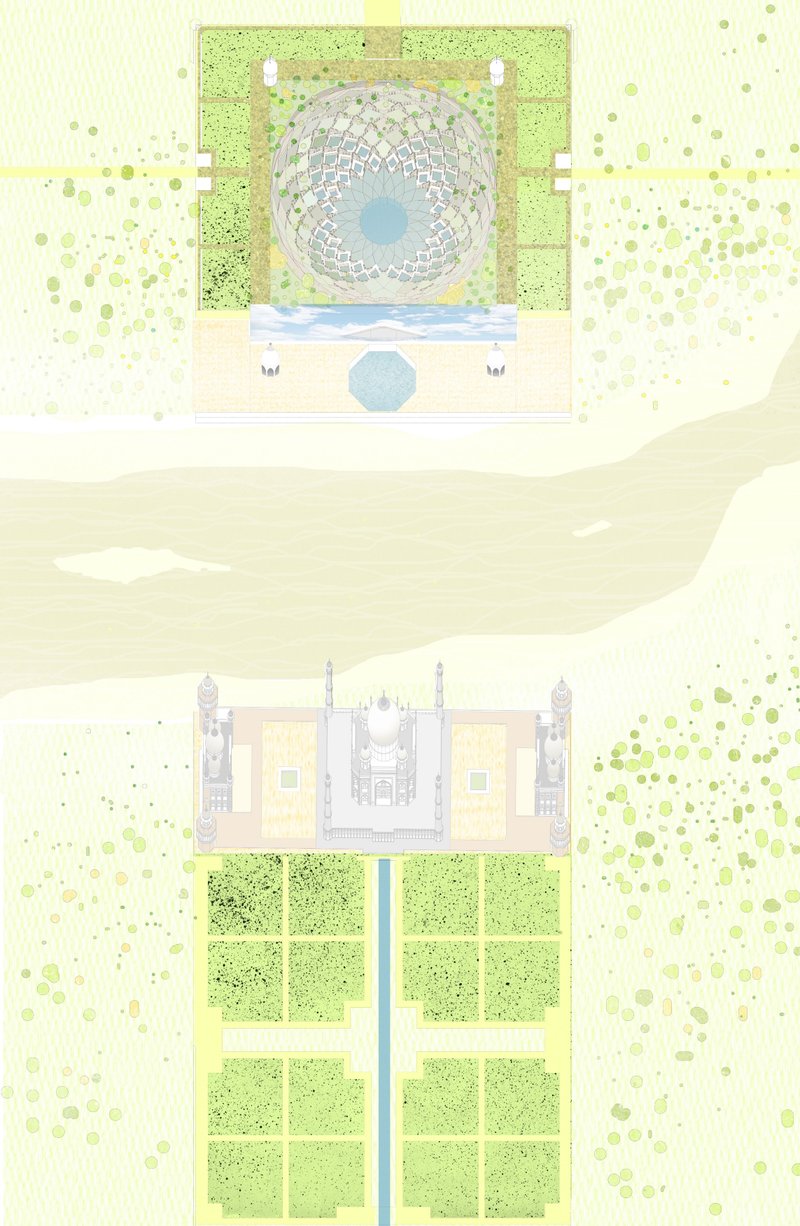
From above, the site aligns perfectly with the Taj Mahal, connected visually and symbolically by the Yamuna River. Below ground, the design unfolds in a series of layered experiences:
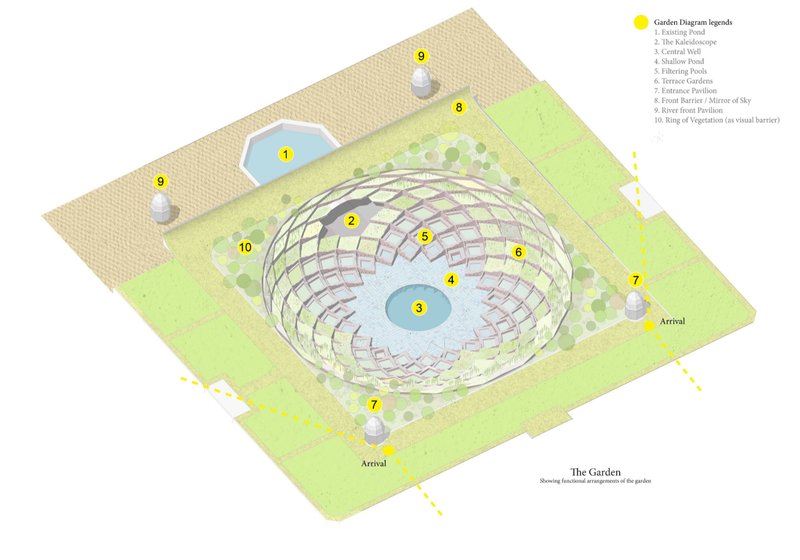
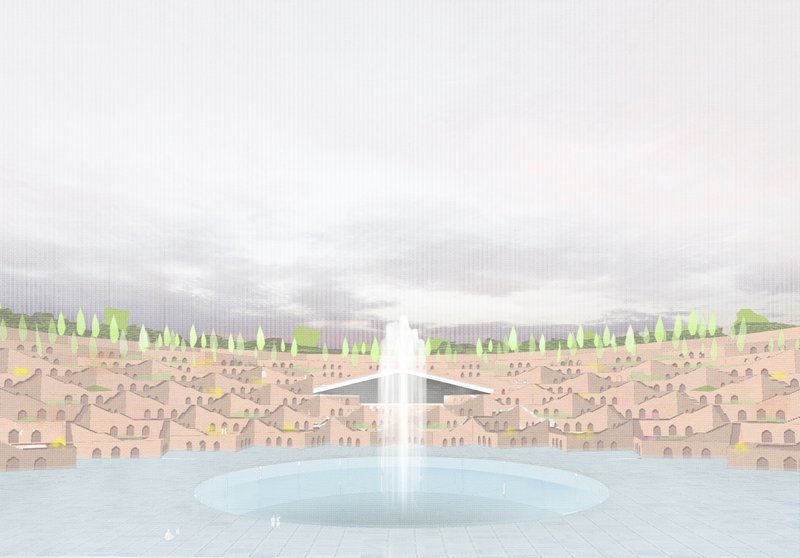
- Mirror of Sky – A tranquil pool that visually aligns with the Taj Mahal, creating a celestial reflection of its dome.
- Void of Contemplation – A silent chamber representing Shah Jahan’s internal reflection and meditation.
- Garden of Abundance – A terraced subterranean garden that combines water, light, and greenery to symbolize rebirth.
- Kaleidoscope of Dreams – An observatory of mirrored surfaces that multiply the Taj Mahal’s reflection infinitely, representing the idea of eternal love and timelessness.
This interplay between reflection and inversion redefines the Mughal narrative — transforming the mythic Black Taj into an introspective architectural journey rather than a monumental counterpart.
Landscape as Memory
The design functions as both memorial and landscape architecture, merging ecological and historical sensibilities. The architects propose a subterranean insertion that harmonizes with the natural terrain without visually competing with the Taj Mahal. Around the main garden, community-oriented functions such as agroforestry, water purification systems, and local gathering spaces extend the project’s impact beyond symbolism into sustainability.
By reintroducing the Mughal Charbagh typology in a new dimension, Aux-Siah Bagh redefines paradise not as a heavenly afterlife but as an earthly continuum — a place where memory, water, and vegetation coexist in reflective balance.
The Garden of Paradise
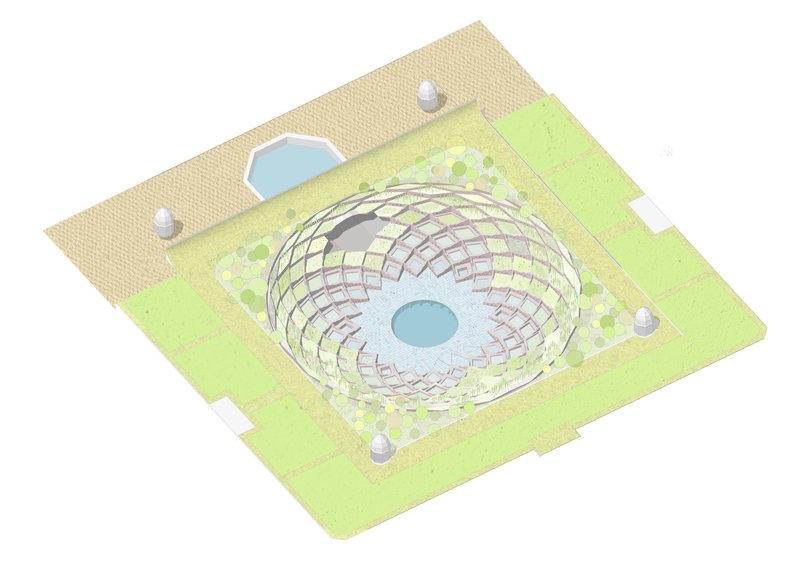
Every layer of the project embodies an aspect of Mughal cosmology. The circular geometry symbolizes infinity, while the central well and reflecting pool form the spiritual axis of the design. Visitors enter through a descending pathway flanked by filtering ponds and terraced greens, gradually immersing into the core pavilion. As light penetrates the structure, reflections animate the space, blurring the boundaries between physical and metaphysical realms.
This choreography of light, water, and form transforms Aux-Siah Bagh into a living metaphor of paradise — one that transcends religion, geography, and time. It is not merely an architectural reconstruction, but a philosophical reinterpretation of how humanity perceives legacy and afterlife through space.
Reviving the Myth through Conceptual Architecture Design
In its essence, Aux-Siah Bagh exemplifies the power of conceptual architecture design — an approach that uses imagination and narrative to question history. Rather than building a physical monument, the project reawakens a cultural memory through spatial storytelling. It bridges heritage and innovation, bringing a speculative lens to Mughal architectural principles.
Through geometry, symmetry, and reflection, Udit, Norman Wei, Franklin, and Ekta Rakholiya have crafted more than a design proposal; they have created a philosophical dialogue between past and future, architecture and emotion. Their Garden of Paradise is not just a site but a state of mind — where the Black Taj eternally reflects in the mirror of imagination.




Popular Articles
Popular articles from the community


Gads Hill Early Learning Center by JGMA: Adaptive Reuse Shaping Community-Focused Educational Architecture
Adaptive reuse transforms fragmented structure into vibrant early learning center with playful façade, natural light, and community-focused sustainable design.
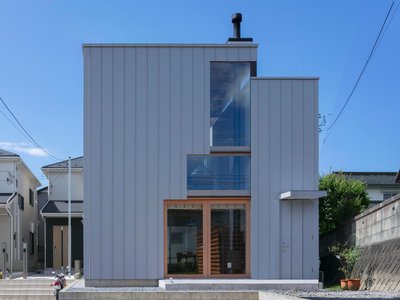
Split House: A Compact Urban Home Blending Privacy, Light, and Flexible Living in Japan
Compact Japanese home featuring DOMA space, flexible café potential, passive lighting, privacy zoning, and sustainable urban living design.


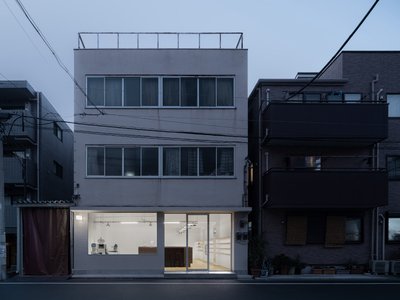
Atelier Macri Concept Store Interior Design by CASE-REAL
Atelier Macri store features a "ko" counter, walnut wood details, cork displays, blending retail, gallery, and seamless customer experiences.

Similar Reads
You might also enjoy these articles

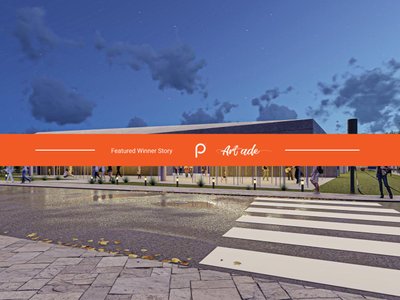
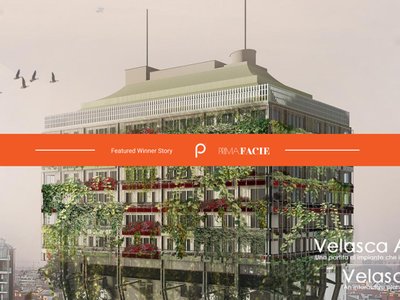
Digital Façade Design for our cities’ urban fronts
Prima Facie - Result Story
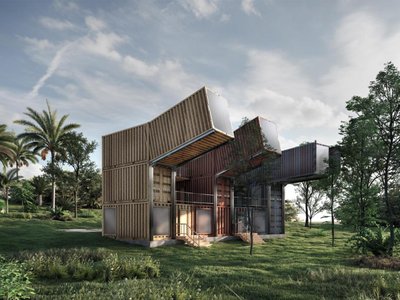
Protecting avian biodiversity: Bird observatories to help spread awareness & save rare bird species.
Results for ‘Fly’ - Landscape design competition out now
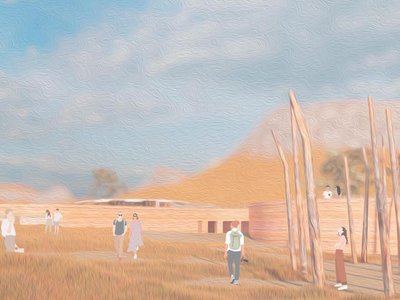
Connecting with nature: Forest interpretation center in Australia's Wollemi National Park
‘Asatti’ - Landscape design competition - Result story

Explore Architecture Competitions
Discover active competitions in this discipline




The International Standard for Design Portfolios


The Global Benchmark for Architecture Dissertation Awards


The Global Benchmark for Graduation Excellence


Challenge to design an urban locus of culture and heritage
Comments (0)
Please login or sign up to add comments
No comments yet. Be the first to comment!