
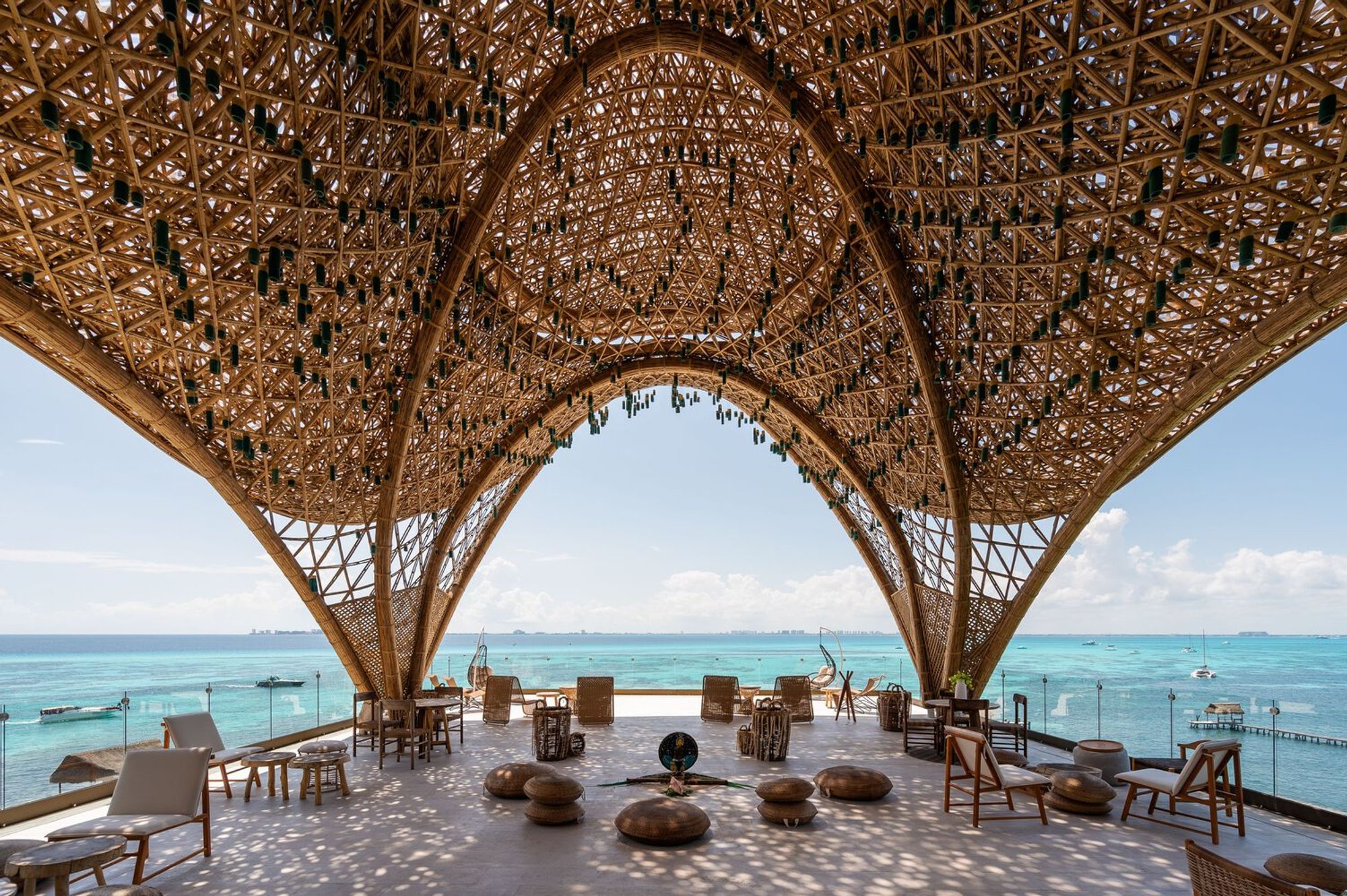
Bamboo Architecture Design in Bioconstruction: A Case Study of Bamboo Temple Hotel
Exploring the Bamboo Temple Hotel, showcasing innovative bamboo architecture design blending sustainability, biomimicry, and cutting-edge bioconstruction technologies.

Bamboo architecture is revolutionizing sustainable building design, blending natural aesthetics with environmental responsibility. At the forefront of this innovation is the Bamboo Temple Hotel, a project by Arquitectura Mixta located on Isla Mujeres, Mexico. This article delves into the design, inspiration, and technology behind the hotel, showcasing bamboo's potential as a material for bioconstruction.
Project Overview: The Bamboo Temple Hotel
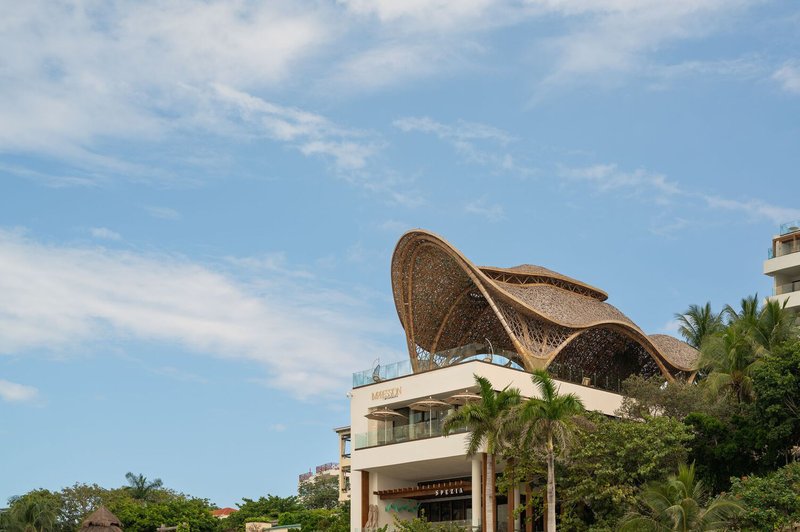
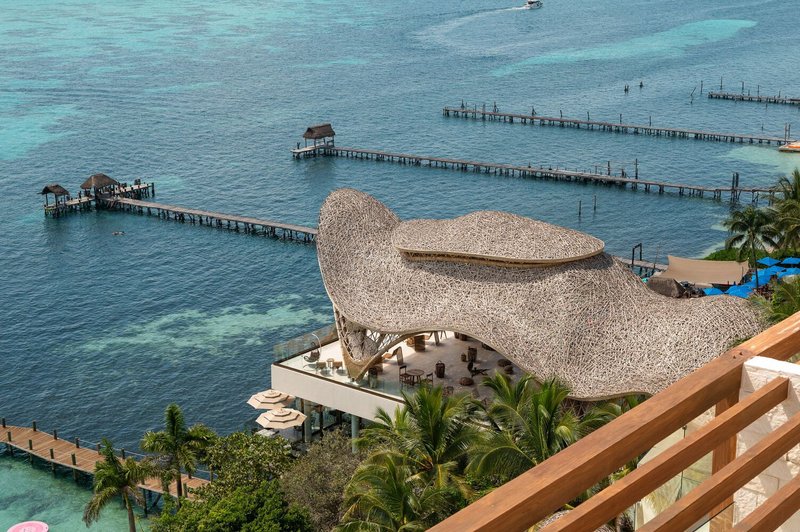
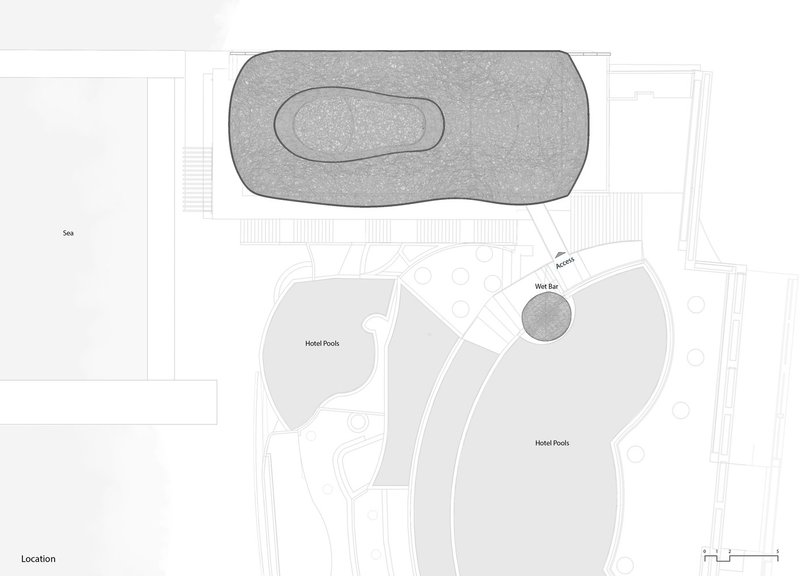
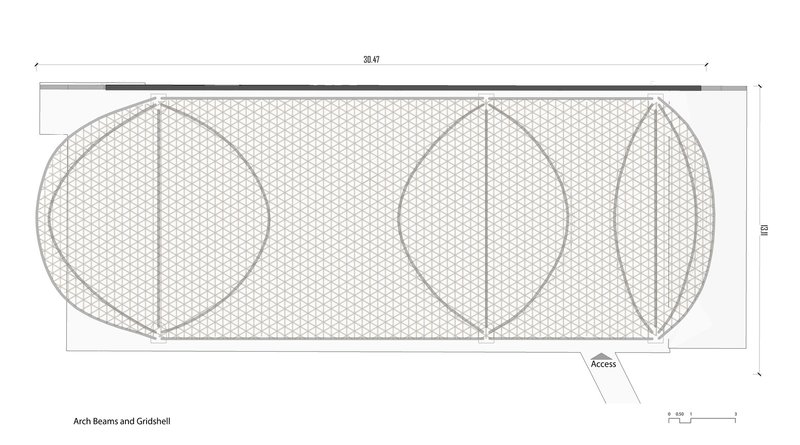
Nestled near the Garrafon Natural Reef Park, the Bamboo Temple Hotel offers panoramic views of the Caribbean Sea, a rare location where both sunrises and sunsets can be admired. Spanning 593 m², the project features four unique bamboo structures that celebrate the vibrant colors and rich biodiversity of the Mexican Caribbean.
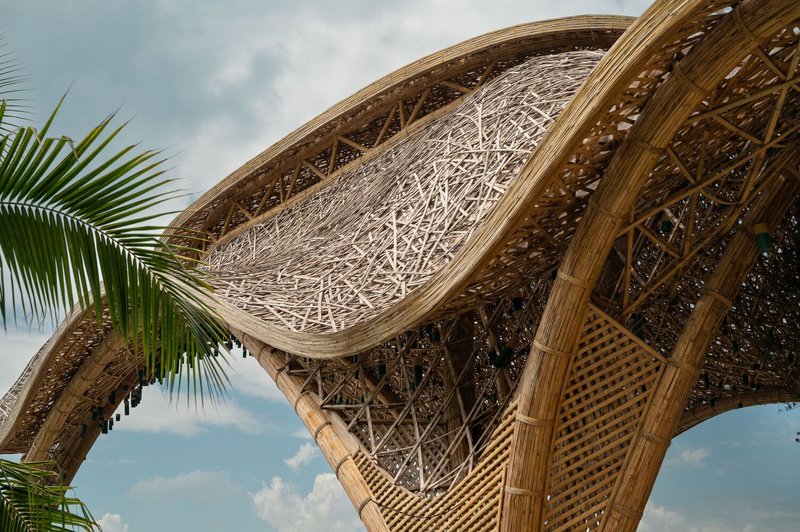
Architectural Concept and Inspiration
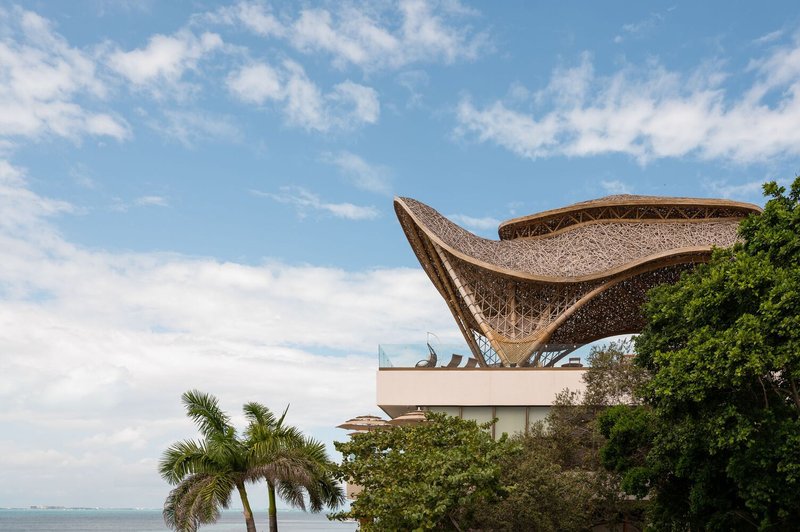
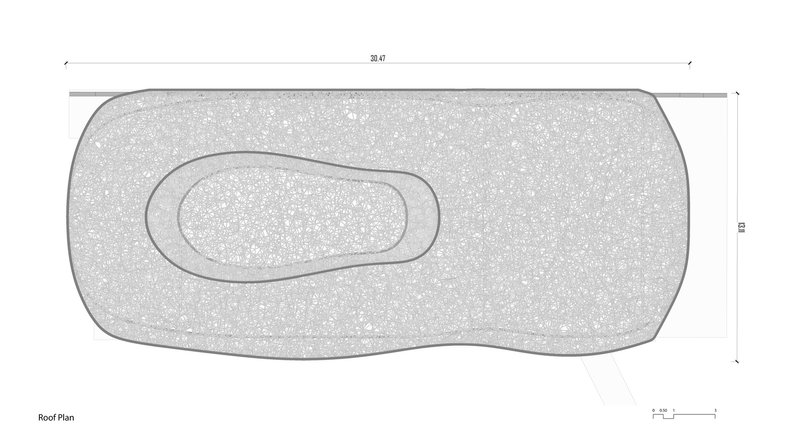
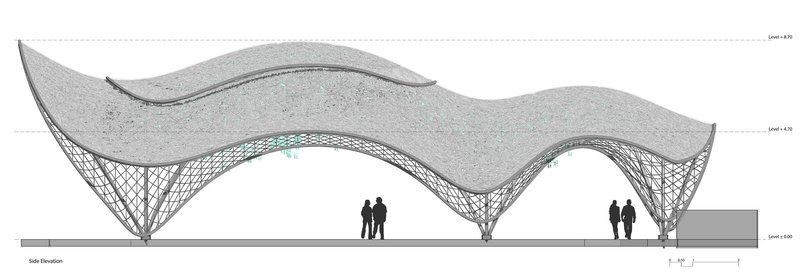
Arquitectura Mixta drew inspiration from the local geography and marine life. The structures evoke the fluidity of waves, the intricacy of coral formations, and the undulating patterns of the Mexican sea slug (Cyphoma gibbosum). This biomimetic approach integrates seamlessly with the tropical environment, creating a dialogue between nature and architecture.
Key Features of Bamboo Architecture Design
1. Dynamic Bamboo Structures
Each of the four structures serves a distinct purpose while maintaining design harmony:
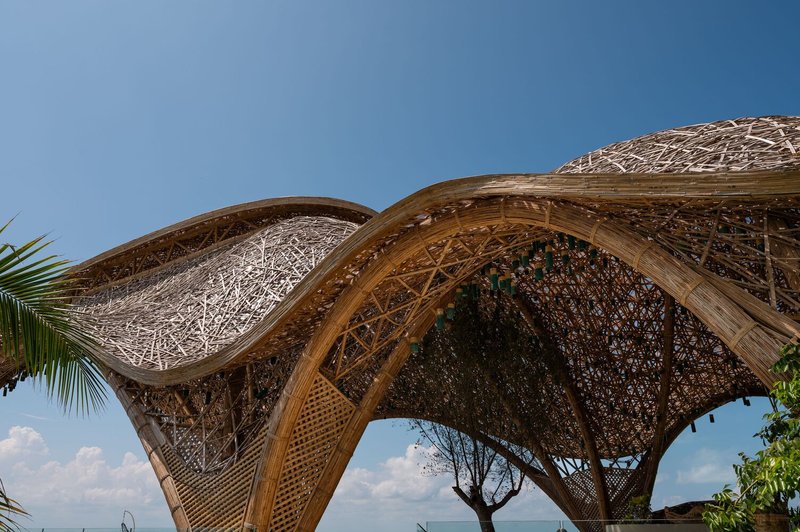
- Ola (Wave): A rooftop structure resembling sea waves, designed as a DJ booth with bamboo columns inspired by coral.
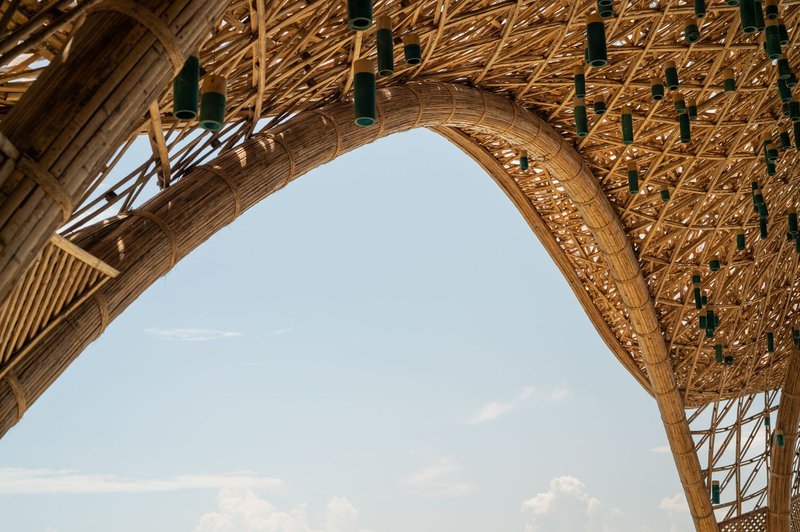
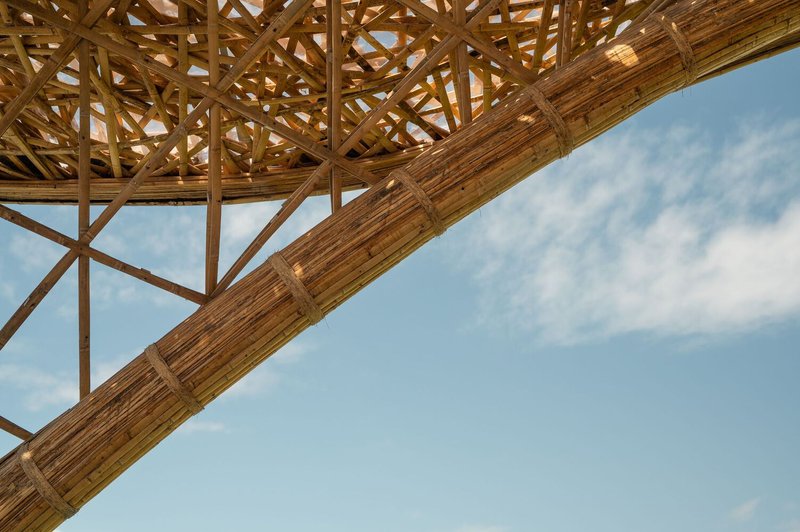
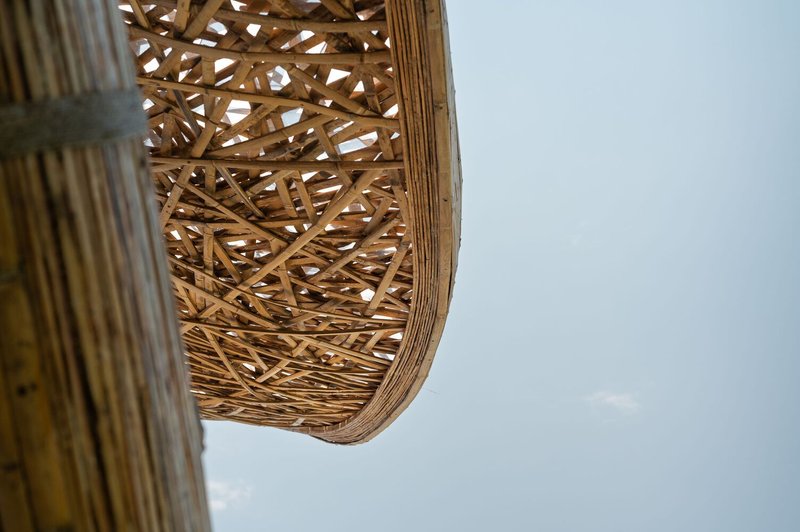
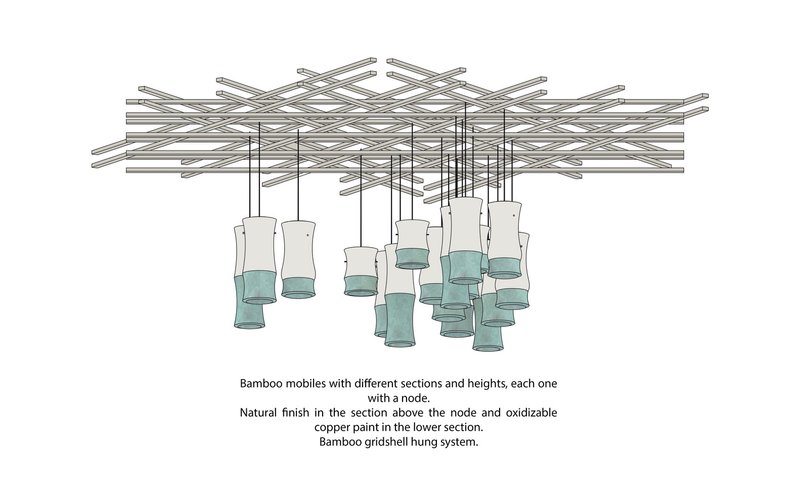
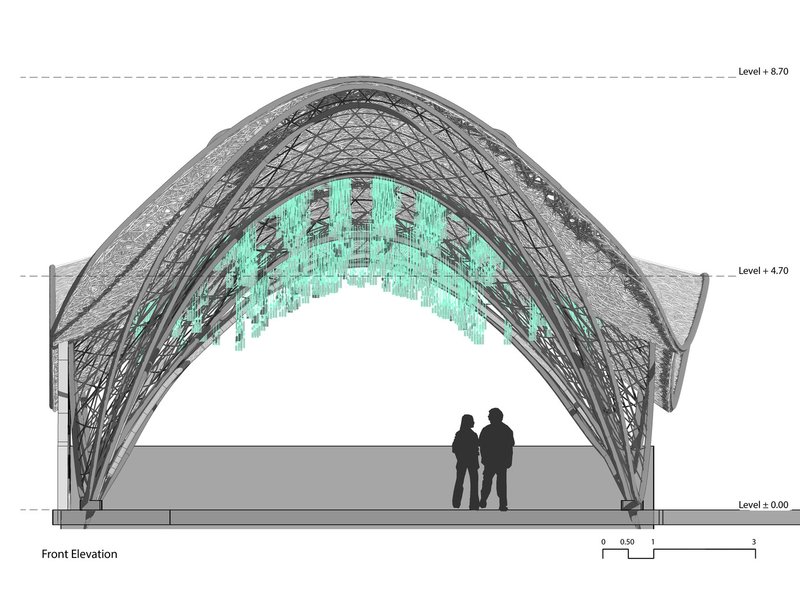
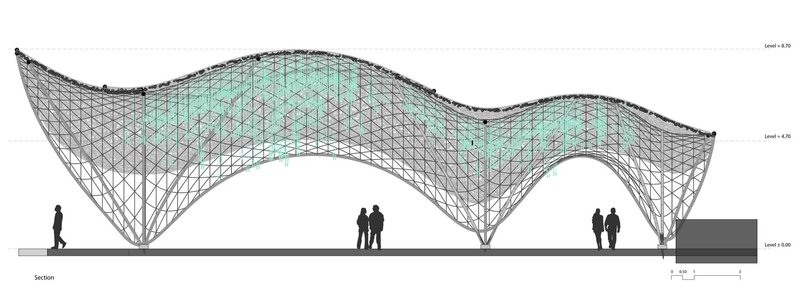
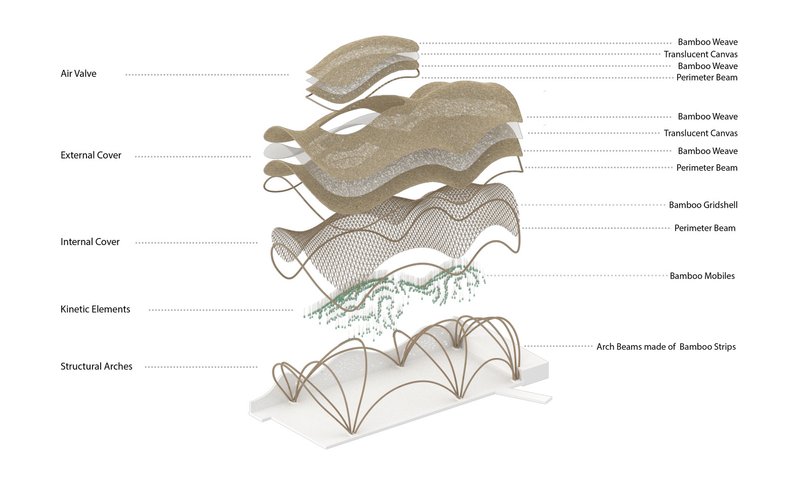
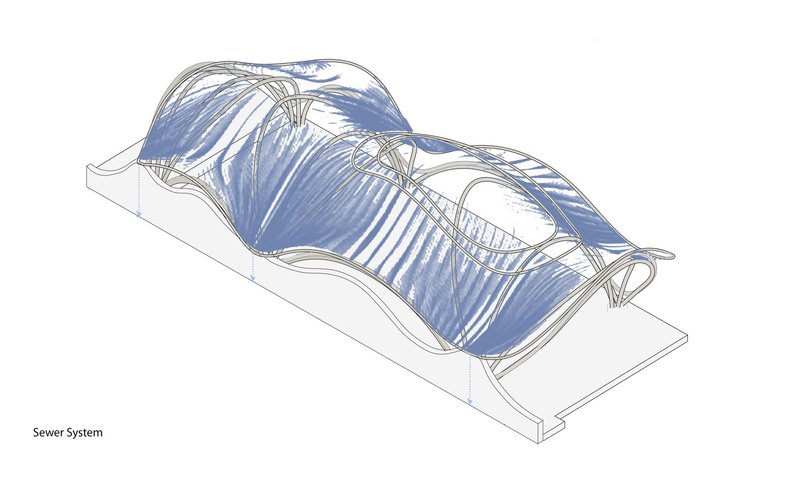
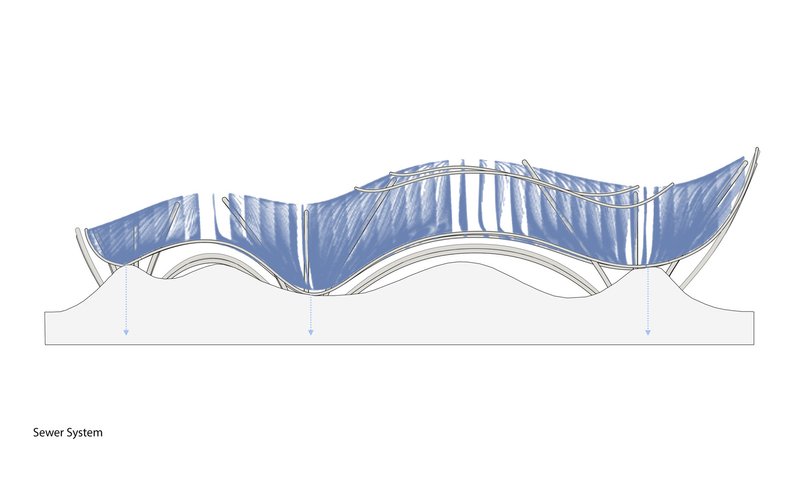
- Templo (Temple): The centerpiece of the project, a 12-meter-high structure featuring catenary arches and bamboo fabrics. Its design mimics the sea slug's patterns, creating a sensory experience with sound and movement.
2. Sustainable Materials and Techniques
The hotel prioritizes sustainability by using bamboo, a renewable material with low environmental impact. Bamboo was crafted into undulating roofs and movable panels, blending traditional craftsmanship with modern computational design.
Bioconstruction Technologies in Bamboo Architecture
1. Computational Algorithms
Arquitectura Mixta employed advanced algorithms for design optimization:
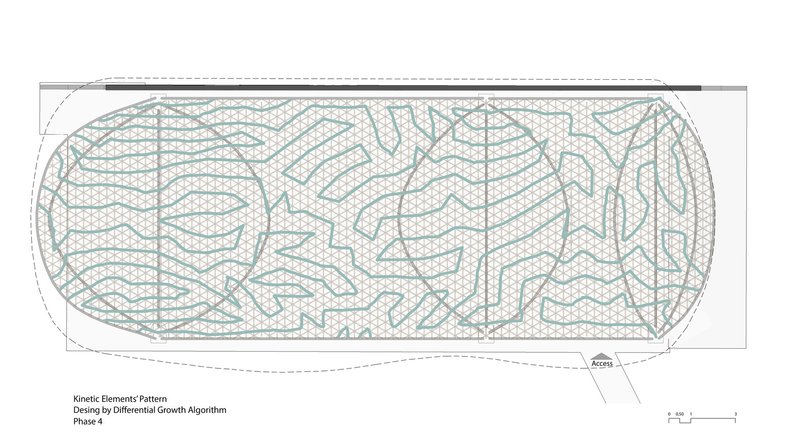
- Python Programming: Used to model mathematical curves for the roof's wave-like structures.
- Environmental Analysis: Tools such as Grasshopper and Ladybug analyzed solar radiation and rainfall, ensuring comfort and efficiency.
- Galapagos Optimization: Genetic algorithms optimized structural support points, enhancing stability and minimizing material use.
2. Integration of Bio-Parametric Design
The Bio-Parametric approach merges parametric modeling with natural forms. In the Bamboo Temple Hotel, this technique facilitated the creation of organic shapes while addressing environmental conditions like wind flow and sunlight exposure.
Benefits of Bamboo Architecture Design
1. Eco-Friendly and Renewable
Bamboo grows rapidly and captures carbon, making it an ideal material for sustainable architecture. Its use in the Bamboo Temple Hotel demonstrates its viability as a primary building material.
2. Sensory and Cultural Integration
The bamboo structures interact with natural elements, producing harmonic sounds when moved by the wind. This feature reflects local culture and fosters a deeper connection between visitors and their surroundings.
3. Pioneering Innovation in Bioconstruction
By integrating computational technologies typically reserved for concrete and metal, Arquitectura Mixta showcases bamboo's adaptability in modern architecture.
The Future of Bamboo Architecture
The Bamboo Temple Hotel exemplifies how bamboo architecture design can redefine bioconstruction. By combining traditional techniques with cutting-edge technologies, this project sets a precedent for sustainable tourism and eco-friendly design. As the world moves towards greener construction methods, bamboo is poised to become a cornerstone of architectural innovation.
All the photographs are work of Pacha Mother / Adrian Hernandez




Popular Articles
Popular articles from the community

20 Most Popular Office Building Projects of 2025
From biophilic workspaces in India to net-positive energy offices in New Delhi, 20 office building projects that defined architecture in 2025.

Sam Crawford Architects Anchors a Sports Pavilion in 10,000 Years of Indigenous History
A V-shaped brick and steel pavilion in southwest Sydney translates ancient clay ovens and gathering traditions into civic architecture.
MIDW Casts a Pavilion Roof from the Earth Itself at the 2025 Osaka Expo
On a fragile reclaimed island, excavated soil becomes formwork for a concrete canopy that will eventually disappear into wisteria.
OUJ Rewires a 72-Square-Meter Taipei Apartment for Multigenerational Living After the Pandemic
Inside a 40-year-old public housing block, plywood volumes and translucent screens turn three cramped bedrooms into a flexible family home.


Similar Reads
You might also enjoy these articles
Olio Towers: A Mid-Rise for Performers That Fuses Housing, Rehearsal, and Stage
Located blocks from Houston's Theater District, this modular tower stacks living units around a central performance atrium.

Oasis: Modular Green Housing Carved into Dhaka's Urban Fabric
A shortlisted Plugin Housing entry reclaims unauthorized settlements in Dhaka with stepped concrete volumes, green roofs, and ventilation-driven design.

Black Hole: A Floating Megastructure for the Post-Physical Era
Emiliano Mazzarotto envisions a spherical, self-scaling arena where e-sports, digital hotels, and holographic stadiums replace traditional public space.
Compact & Sustainable Living in Piraeus: A Four-Level Family Home Built Around Light and Air
A narrow townhouse in one of Greece's densest port cities uses a central atrium and passive strategies to house three generations under one roof.


Explore Hospitality Building Competitions
Discover active competitions in this discipline




The International Standard for Design Portfolios


The Global Benchmark for Architecture Dissertation Awards


The Global Benchmark for Graduation Excellence


Challenge to reimagine the Iron Throne
Comments (0)
Please login or sign up to add comments
No comments yet. Be the first to comment!