

Basilica di Massenzio Exhibition Pathway by Alvisi Kirimoto + Partners – A Contemporary Dialogue with Ancient Rome
Alvisi Kirimoto transforms Rome’s Basilica di Massenzio with a contemporary exhibition pathway blending history, architecture, culture, and modern functionality.


Reviving Ancient Grandeur Through Modern Design
The Basilica di Massenzio Exhibition Pathway by Alvisi Kirimoto + Partners represents a visionary architectural intervention that bridges ancient Roman heritage with contemporary cultural functionality. Commissioned by the Colosseum Archaeological Park, this project redefines how visitors experience one of the most monumental architectural spaces of Imperial Rome.
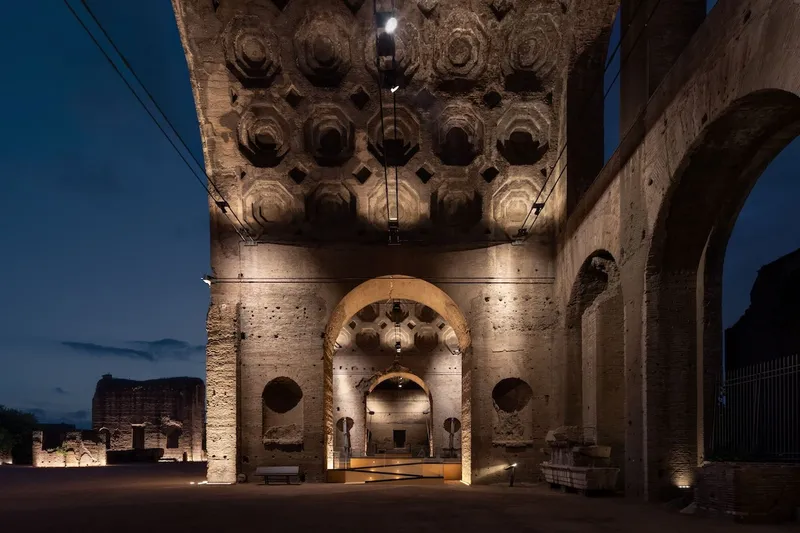
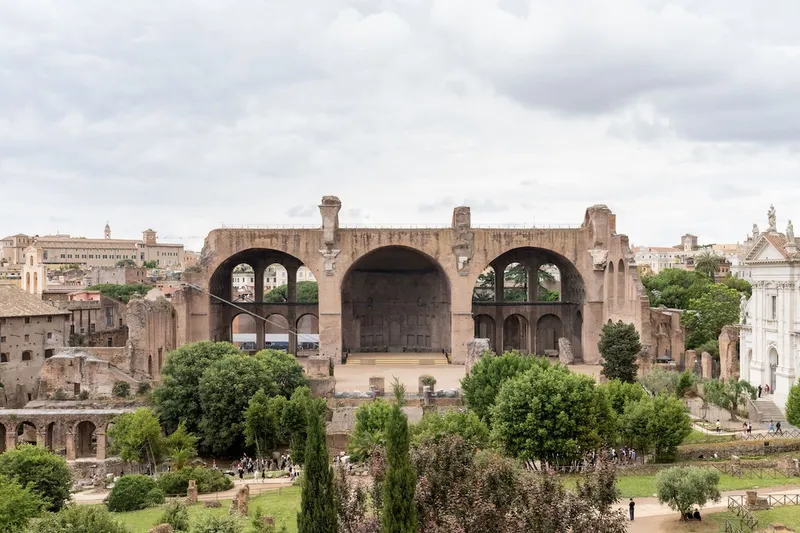
Built in the 4th century AD and renowned for its immense scale and vaulted ceilings, the Basilica of Maxentius and Constantine now enters a new era—one that honors its history while embracing modernity. The design introduces a multifunctional stage, new flooring, and interactive totems, creating a dynamic and inclusive exhibition pathway that invites both reflection and performance.
Balancing Memory and Modernity
Respecting the Basilica’s archaeological integrity, the project seamlessly integrates new architectural elements without disrupting the monument’s ancient rhythm. The result is a subtle yet powerful dialogue between past and present, where minimalist design coexists with monumental history.
“The intervention is both contemporary and respectful,” explains architect Massimo Alvisi. “It was conceived as a tool for cultural activation—a way to bring life, performance, and public dialogue back to a place of extraordinary historical depth.”
Through this approach, Alvisi Kirimoto + Partners achieves more than restoration; they reimagine the Basilica as a living cultural space, capable of hosting events, exhibitions, and performances within the ancient Roman fabric.
The Stage: A Contemporary Heart in an Ancient Space
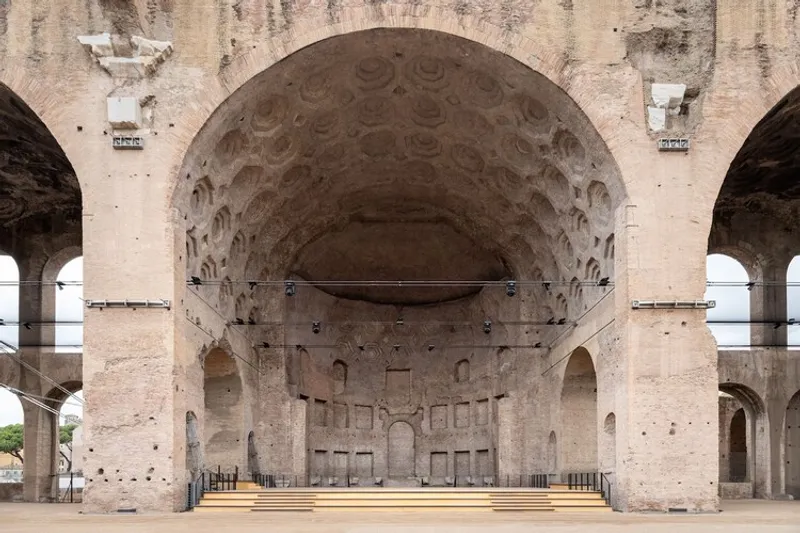
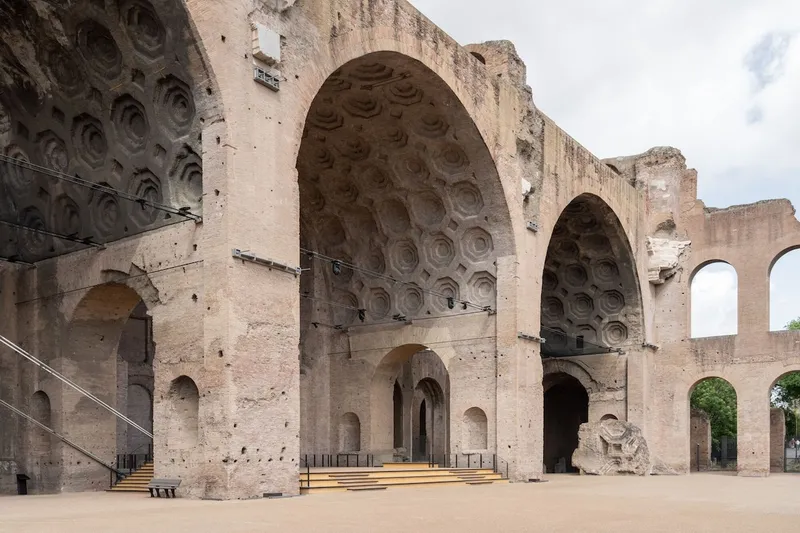
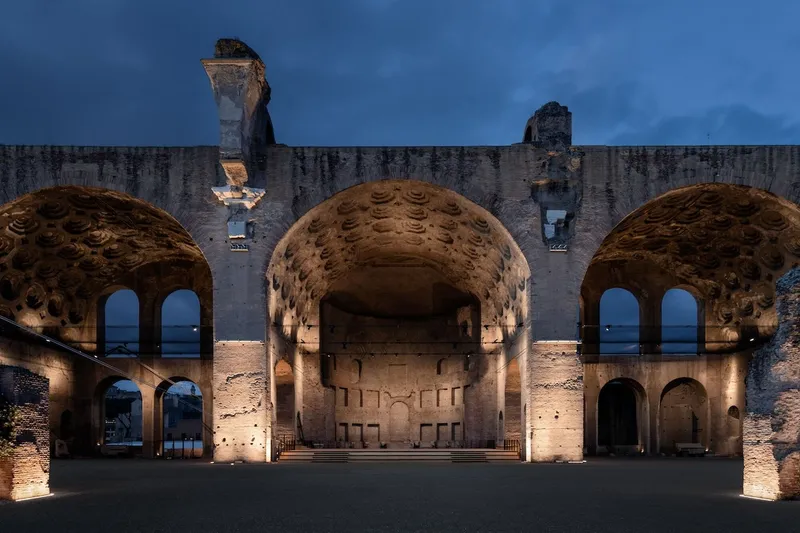
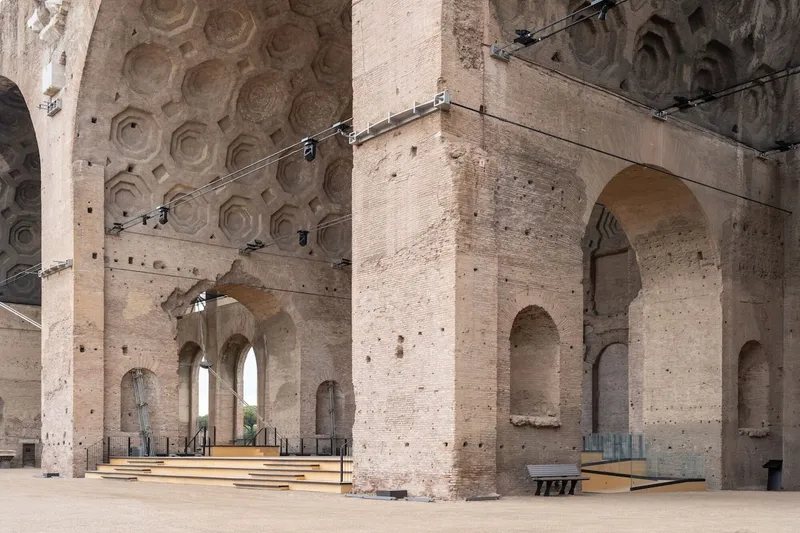
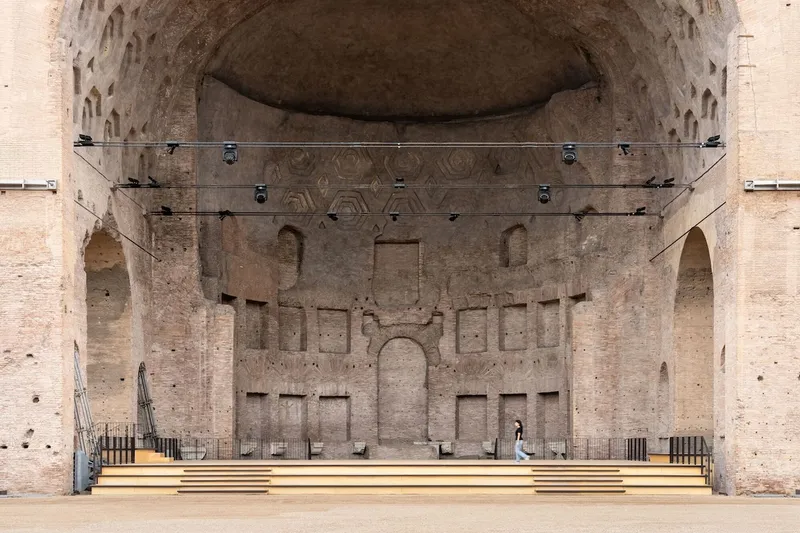
At the core of the project lies the new multifunctional stage, positioned within the Basilica’s central nave. More than an installation, it acts as a cultural catalyst, creating new connections between visitors, architecture, and performance.
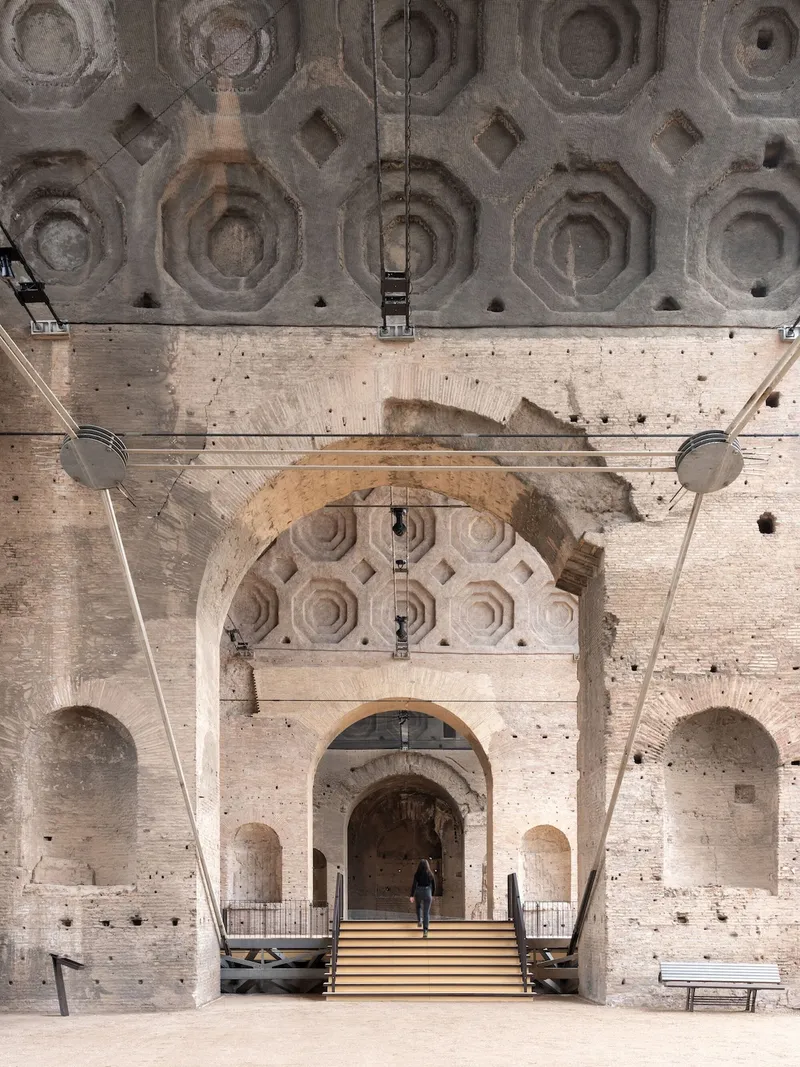
Accessible from all directions, the stage reestablishes transversal movement through the nave’s three aisles—once obstructed by steel structures—restoring the spatial unity of the ancient hall.
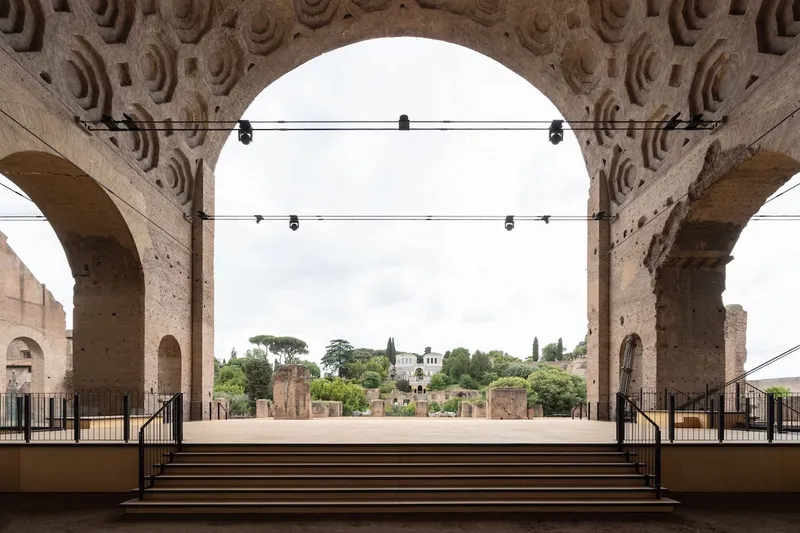
This modular platform, constructed with a steel frame and Keller grating, features birch plywood panels layered with wooden slats that intensify toward the center, drawing attention inward and focusing the gaze on the monumental architecture surrounding it.
The stage is designed not just for aesthetics but for functionality and inclusivity. It can host theatrical performances, film screenings, conferences, and cultural gatherings, reactivating the site as a vibrant space for artistic expression and public engagement.
Architecture for Accessibility and Experience
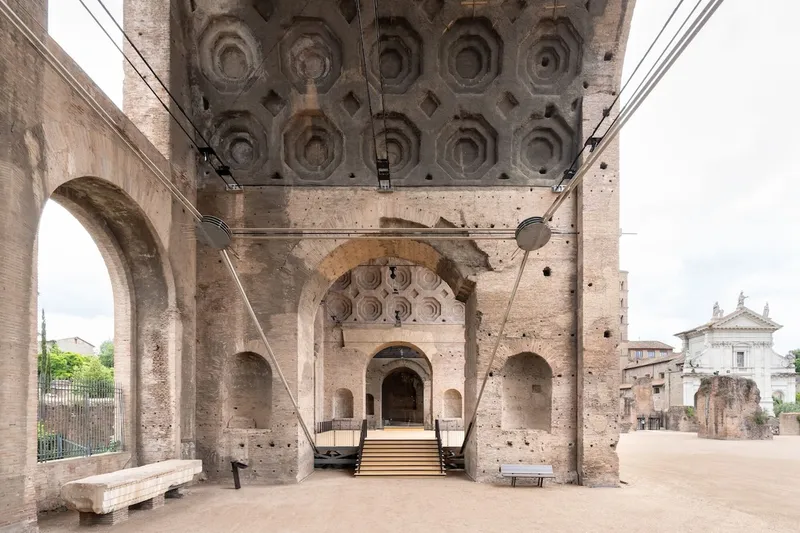
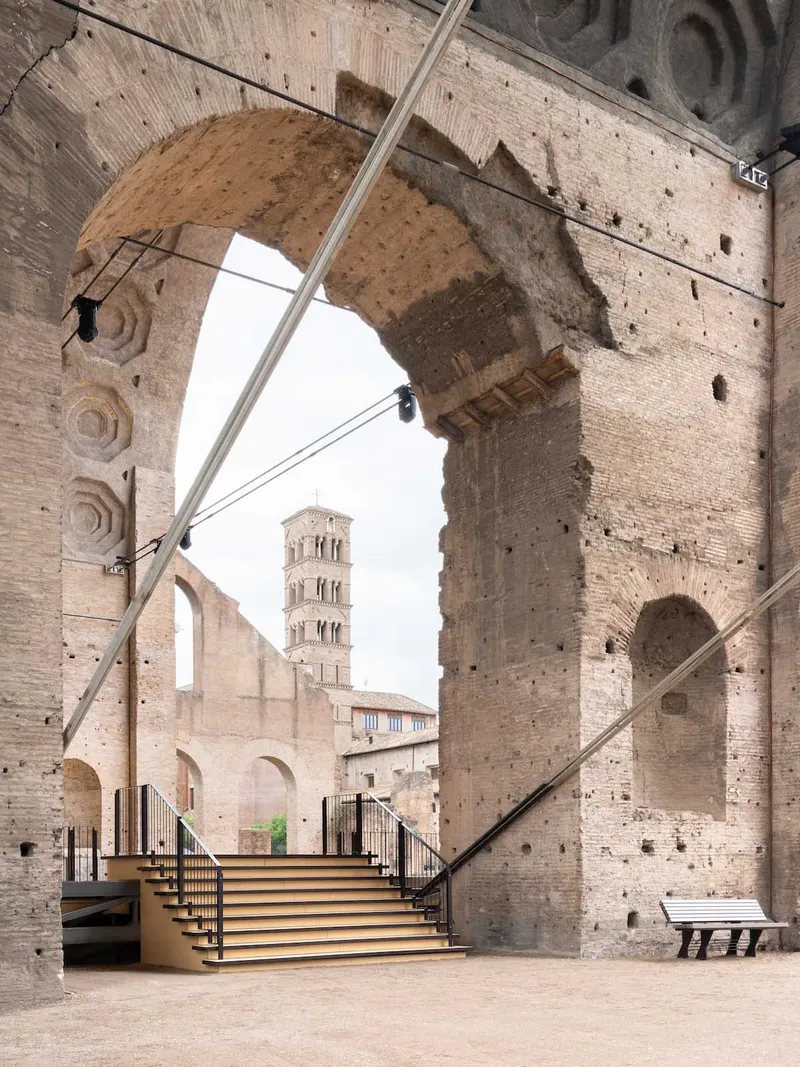
The Basilica di Massenzio Exhibition Pathway prioritizes accessibility and visitor experience. Stepped seating areas in front of the stage open toward the Horti Farnesiani, while ramps and staircases along the sides ensure smooth circulation between the aisles.
A secondary staircase on the north side leads directly to the apse, offering visitors an intimate perspective of the ancient architectural details. Thoughtful elements like integrated LED lighting, painted steel railings, and strategically placed benches enhance safety, comfort, and contemplation.
Backstage operations—such as dressing rooms and stage access points—are efficiently organized to support event functionality without disturbing the monument’s tranquility.
Sustainable Construction and Modular Innovation
Constructed with modular precision, the intervention demonstrates sustainable design principles that minimize invasive impact on the historic structure. The steel framework provides strength and reversibility, while the birch plywood and wood slats evoke warmth and craftsmanship within the stone colonnades.
The forecourt of the Basilica was resurfaced with natural earth and lime flooring, chosen for permeability and material authenticity. Two metal informational totems equipped with audiovisual systems further enhance the visitor experience, merging ancient history with digital interpretation.
This careful use of reversible materials ensures that every new addition remains temporary and respectful, preserving the monument’s archaeological integrity for future generations.
Redefining Heritage Through Contemporary Culture
The Basilica di Massenzio Exhibition Pathway transcends the notion of restoration—it is a cultural reactivation. Every architectural decision—from the geometry of the stage to the tone of the materials—reflects a philosophy of coexistence between history and innovation.
By transforming the Basilica into a living cultural venue, Alvisi Kirimoto + Partners not only preserve memory but also create new possibilities for experience. The intervention reconnects the monument with the visitor flow of the Roman Forum, transforming it into a vibrant public landmark that bridges centuries of architectural evolution.
Through light, structure, and human interaction, the project breathes new life into one of Rome’s most iconic heritage sites, allowing it to resonate once again with sound, movement, and meaning.
All the photographs are works of Giuseppe Miotto - Marco Cappelletti Studio


Popular Articles
Popular articles from the community


Opera by the Sea Estonia: Three Shells Dissolving Architecture into Tallinn's Coastline
A winning opera house proposal replaces monumental form with interconnected shells that blur the boundary between building, park and Baltic Sea.

Extended Shell: Retrofitting Kolkata's Balconies as Living Urban Thresholds
A modular retrofit system recovers the social and environmental intelligence of Kolkata's historic verandas for contemporary Park Street residents.

Opera on the Sea: Driftwood Logic Shapes a Timber Opera House on Estonia's Coast
Trevor Orgill's opera house translates the entangled drift of floating timber into a civic building where wood, water, and music converge.

Manzana Morphosis: Stretching Barcelona's Grid into a Living Landscape for 2050
A radical reworking of the Eixample manzana turns density into a tool for generous public space, vertical ecology, and environmental performance.

Similar Reads
You might also enjoy these articles


Hodi-Mandai Geram
Project Function: Preservation and revitalization of the Intangible heritage and socio-spatial identity of the Hodi by Housing, Cultural Memory Center, Sacred Grove, landscape, local tourism economy


Olio Towers: A Mid-Rise for Performers That Fuses Housing, Rehearsal, and Stage
Located blocks from Houston's Theater District, this modular tower stacks living units around a central performance atrium.

Oasis: Modular Green Housing Carved into Dhaka's Urban Fabric
A shortlisted Plugin Housing entry reclaims unauthorized settlements in Dhaka with stepped concrete volumes, green roofs, and ventilation-driven design.

Black Hole: A Floating Megastructure for the Post-Physical Era
Emiliano Mazzarotto envisions a spherical, self-scaling arena where e-sports, digital hotels, and holographic stadiums replace traditional public space.

Explore Digital Colosseum Competitions
Discover active competitions in this discipline

Challenge to reimagine the Iron Throne

Photograph architecture without architects

Illustrate the lost glory of Angkor Wat - Render Challenge

Bring back Drive In's
Comments (0)
Please login or sign up to add comments
No comments yet. Be the first to comment!