
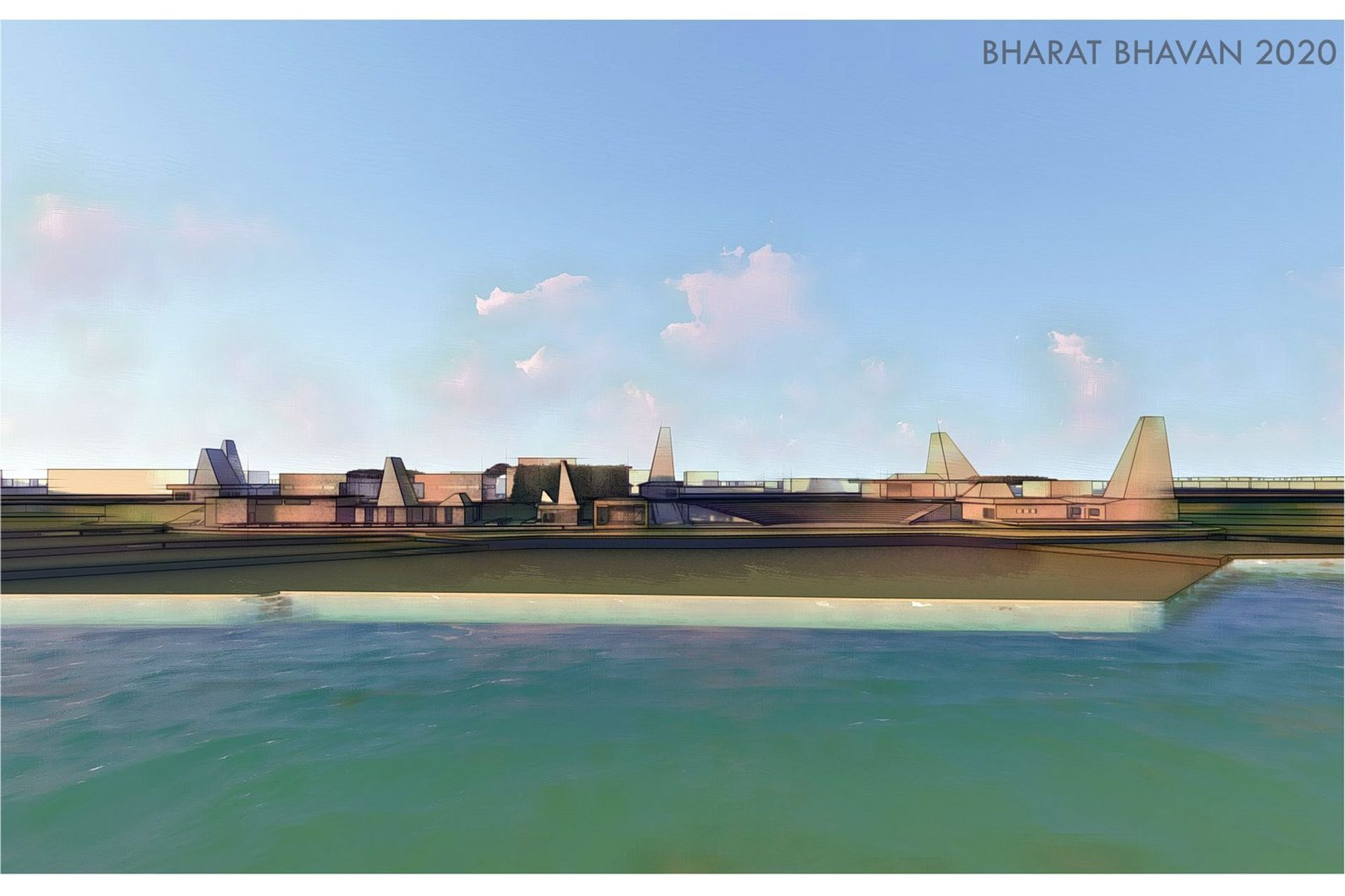
Bharat Bhavan 2020 | Vernacular Cultural Architecture in Madurai
A contemporary cultural hub rooted in Tamil heritage, where vernacular architecture, landscape, and community life converge along Madurai’s sacred waters.

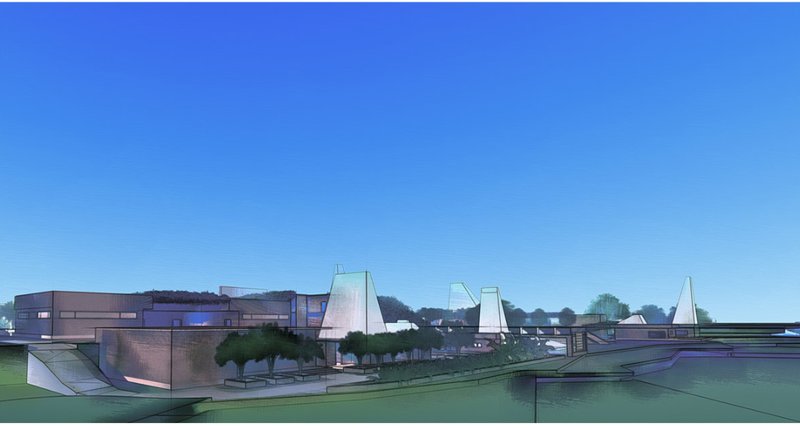
Bharat Bhavan 2020 is envisioned as a landmark of vernacular cultural architecture, celebrating the layered identity of Tamil Nadu through space, form, and experience. Conceived as a holistic cultural campus, the project integrates art, architecture, agriculture, literature, and public life into a unified environment that reflects both the ancient legacy and contemporary aspirations of Madurai.
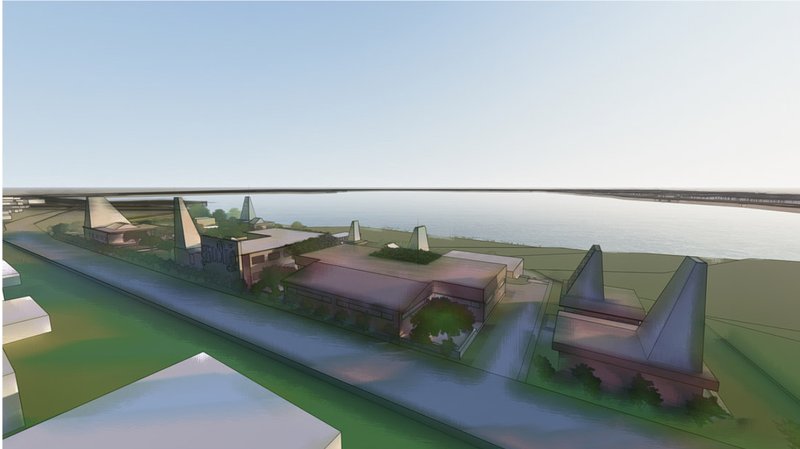
Located near Vandiur Lake, the proposal responds to Madurai’s historic status as a temple city—one shaped by literature, ritual, water systems, and civic gathering spaces. Rather than creating an isolated monument, Bharat Bhavan unfolds as a porous cultural landscape that invites people to engage with tradition as a living, evolving process.
Context: Madurai as a Cultural and Temple City
Tamil Nadu is home to many heritage cities such as Thanjavur and Kumbakonam, yet Madurai stands distinct due to its enduring cultural prominence. Institutions like the historic Tamil Sangam and the city’s recurring presence in ancient literature establish Madurai as a nucleus of language, art, and collective memory.
The site near Vandiur Lake reinforces this cultural continuity. Water bodies have historically shaped South Indian settlements, serving not only ecological functions but also social and ritual roles. Bharat Bhavan draws from this context, positioning architecture as a mediator between landscape, culture, and everyday public life.
Design Philosophy: Interpreting Vernacular Architecture
The architectural language of Bharat Bhavan is derived from abstraction rather than imitation. Traditional elements are reinterpreted to suit contemporary needs while retaining their symbolic and spatial essence.
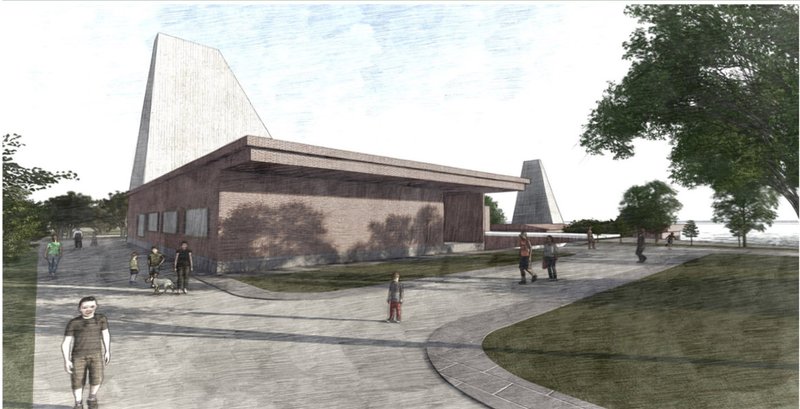
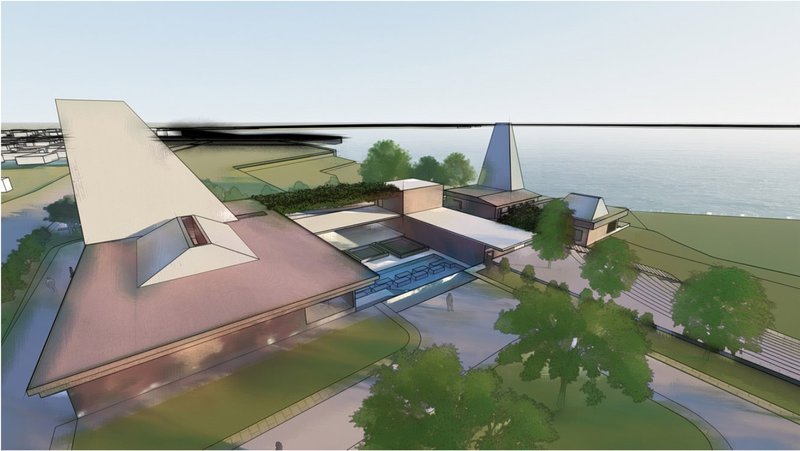
- Gopuram-Inspired Roof Forms: The iconic temple gopuram is abstracted into angular roof geometries, creating a recognizable yet modern skyline.
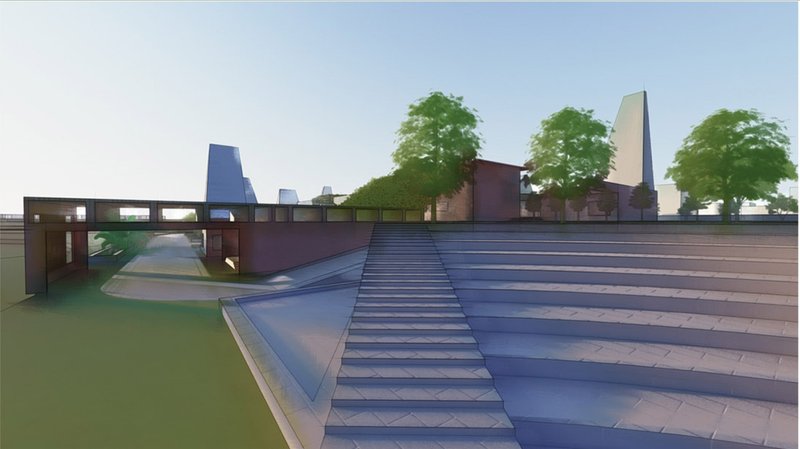
- Stepwell and Temple Tank References: Amphitheaters and stepped public spaces descend toward the lake, echoing the spatial logic of historic temple wells and water tanks.
- Pillared Halls and Courtyards: Open, columned spaces encourage gathering, movement, and visual continuity, blending interior and exterior realms.
This approach positions the project firmly within vernacular cultural architecture, where climate, materiality, and social use define form.
Spatial Organization and Programmatic Zones
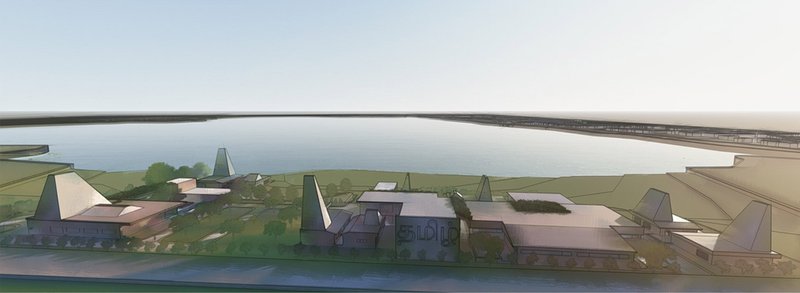
Bharat Bhavan is organized as a series of interconnected blocks, each dedicated to a specific cultural function while remaining visually and physically linked to the whole.
Admin and Agriculture Information Center
Acknowledging agriculture as a foundational aspect of Tamil Nadu’s economy and culture, this zone houses administrative offices, AV halls, workshops, and vertical farming areas. The integration of agriculture within a cultural campus reinforces the relationship between land, livelihood, and tradition.
Literature Hub
Literature forms the intellectual core of the project. The Literature Hub includes a library, seminar halls, lecture spaces, and resource centers. A dedicated façade wall displaying Tamil literature becomes a visible cultural statement along the main elevation, asserting language as an architectural element.
Museums, Galleries, and Performance Spaces
Exhibition halls, museums, and concert spaces narrate the artistic and historical evolution of the region. The amphitheater, inspired by stepwell geometry, functions as both a performance venue and a social gathering space overlooking the landscape.
Community and Commercial Spaces
Shopping, training areas, food courts, and multipurpose halls ensure that the complex remains active throughout the day. These spaces support artisans, learners, and visitors alike, transforming Bharat Bhavan into a living cultural ecosystem rather than a static institution.
Landscape, Climate, and Sustainability
Climate responsiveness is central to the project’s design strategy. Building orientation favors the north to minimize heat gain, while shaded pathways, courtyards, and vegetation create comfortable microclimates.
- Landscape Integration: Parks and green buffers soften built edges and provide visual continuity toward the lake.
- Vertical Farming: Embedded agricultural zones promote sustainability and awareness.
- Material Selection: Locally inspired materials reflect Madurai’s vernacular construction traditions, ensuring cultural and environmental resonance.
Accessibility within the site is managed through electric carts and pods, reducing vehicular intrusion and enhancing pedestrian experience.
Architecture as a Cultural Narrative
Bharat Bhavan 2020 positions architecture as a storyteller. Each block, pathway, and open space contributes to a narrative of Tamil identity—one that embraces history while adapting to contemporary civic life. The seamless blending of art, agriculture, literature, and public space allows visitors to experience culture not as an exhibit, but as a lived environment.
By grounding modern design in vernacular principles, the project demonstrates how vernacular cultural architecture can remain relevant, inclusive, and forward-looking in today’s urban contexts.
Project Details
Project: Bharat Bhavan 2020
Location: Near Vandiur Lake, Madurai, Tamil Nadu, India
Designers: Lijo Lukose, Gopika R, Besto Thomas
Bharat Bhavan 2020 reimagines the cultural institution as a dynamic landscape shaped by memory, community, and climate. Rooted in the vernacular yet expressed through contemporary design, the project stands as a compelling example of how architecture can preserve heritage while fostering future cultural expression.


Popular Articles
Popular articles from the community

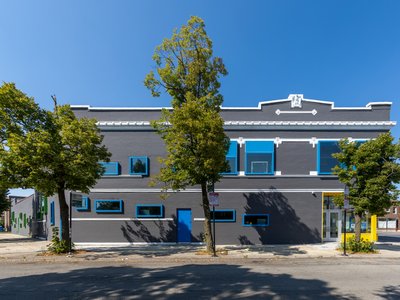
Gads Hill Early Learning Center by JGMA: Adaptive Reuse Shaping Community-Focused Educational Architecture
Adaptive reuse transforms fragmented structure into vibrant early learning center with playful façade, natural light, and community-focused sustainable design.


The Ken Roberts Memorial Delineation Competition (Krob)
As the most senior architectural drawing competition currently in operation anywhere in the world, it draws hundreds of entries each year, awarding the very best submissions in a series of medium-based categories.
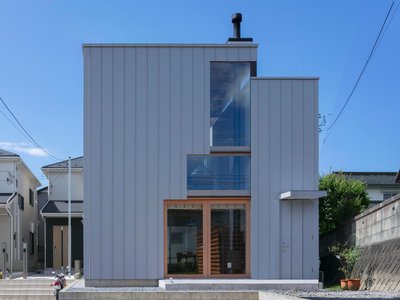
Split House: A Compact Urban Home Blending Privacy, Light, and Flexible Living in Japan
Compact Japanese home featuring DOMA space, flexible café potential, passive lighting, privacy zoning, and sustainable urban living design.
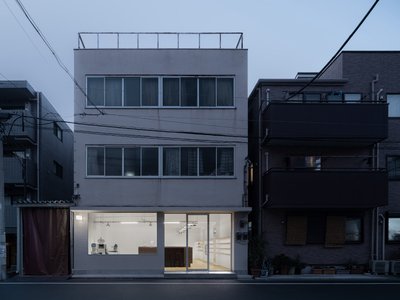
Atelier Macri Concept Store Interior Design by CASE-REAL
Atelier Macri store features a "ko" counter, walnut wood details, cork displays, blending retail, gallery, and seamless customer experiences.

Similar Reads
You might also enjoy these articles

Digital Façade Design for our cities’ urban fronts
Prima Facie - Result Story
Protecting avian biodiversity: Bird observatories to help spread awareness & save rare bird species.
Results for ‘Fly’ - Landscape design competition out now
Connecting with nature: Forest interpretation center in Australia's Wollemi National Park
‘Asatti’ - Landscape design competition - Result story

Explore Sustainable Design Competitions
Discover active competitions in this discipline





Comments (0)
Please login or sign up to add comments
No comments yet. Be the first to comment!