

Biophilic House Design in India: Villa Prakriti by unTAG
A biophilic farmhouse in Igatpuri, India that harmonizes architecture, terrain, and tradition through sustainable, climate-responsive design.


Embracing Nature in the Sahyadris
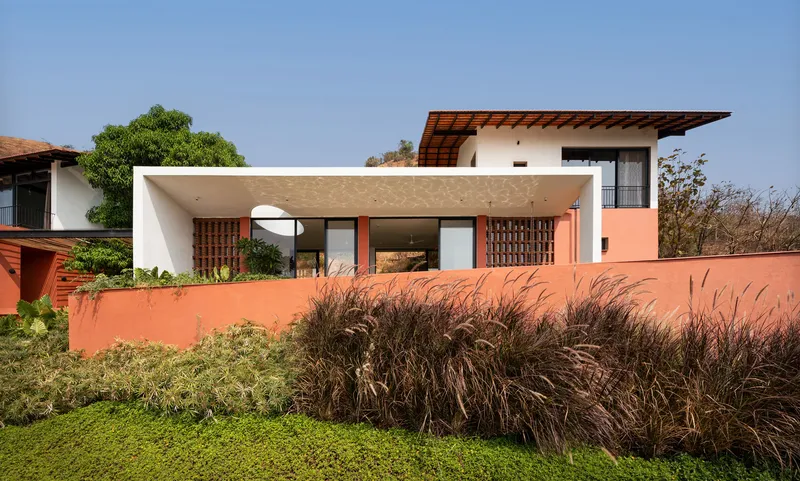
Villa Prakriti, designed by unTAG, is a profound example of biophilic house design in India, nestled in the lush landscape of Igatpuri, Maharashtra. Cradled by the Sahyadri mountains, the 4,500-square-foot residence does not just sit within nature—it breathes with it. Named after the Sanskrit word for “nature,” the villa is a sensory and spatial dialogue between architecture and the living forest around it.
Rooted in Terrain, Not Over It
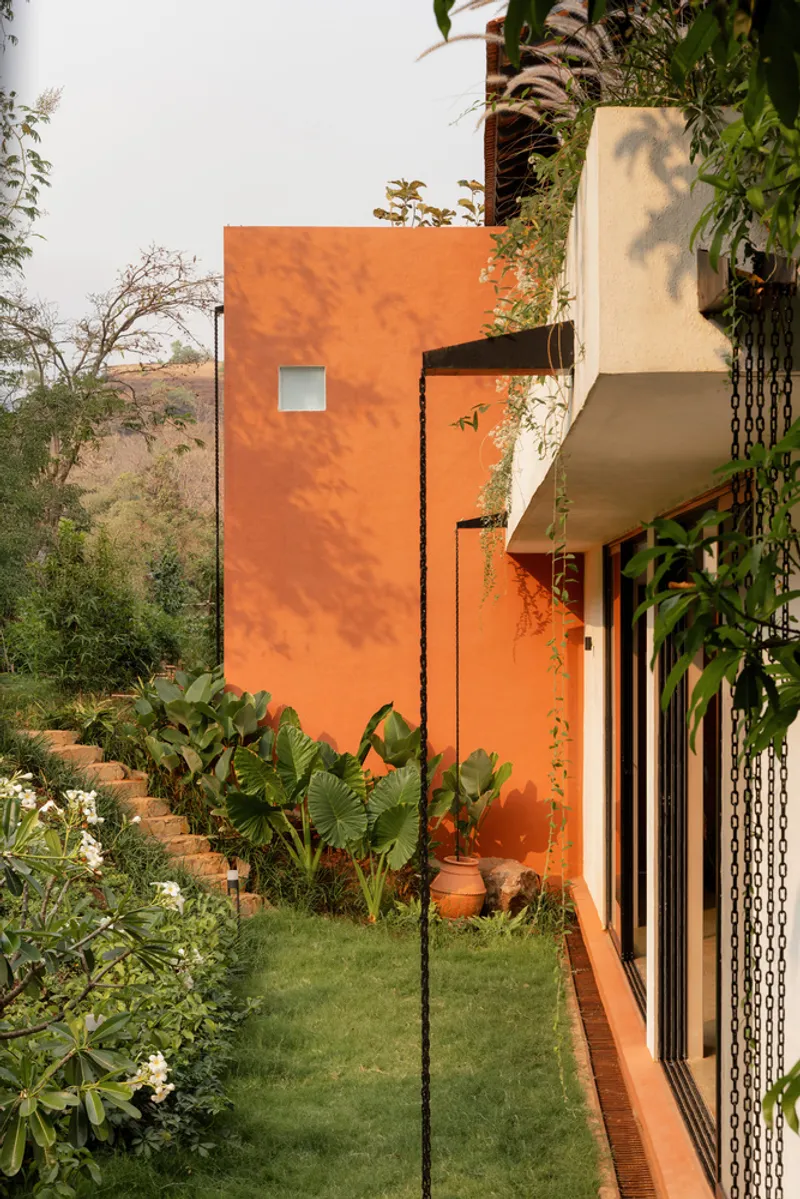
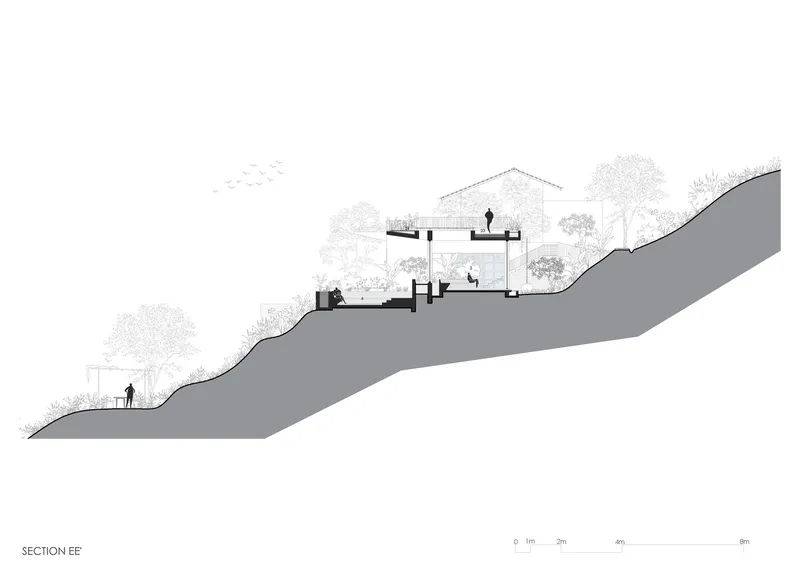
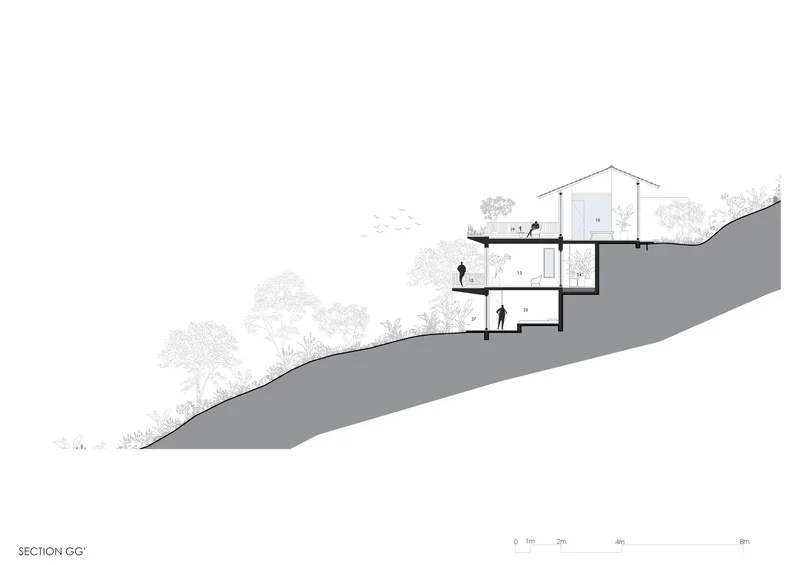
Rather than terraforming the landscape into submission, the villa respects the natural contours of the site. The home gently navigates the terrain, embracing a minimal cut-and-fill approach. This approach enables architecture to participate in the landscape’s rhythm, allowing the structure to grow with the land, not against it.
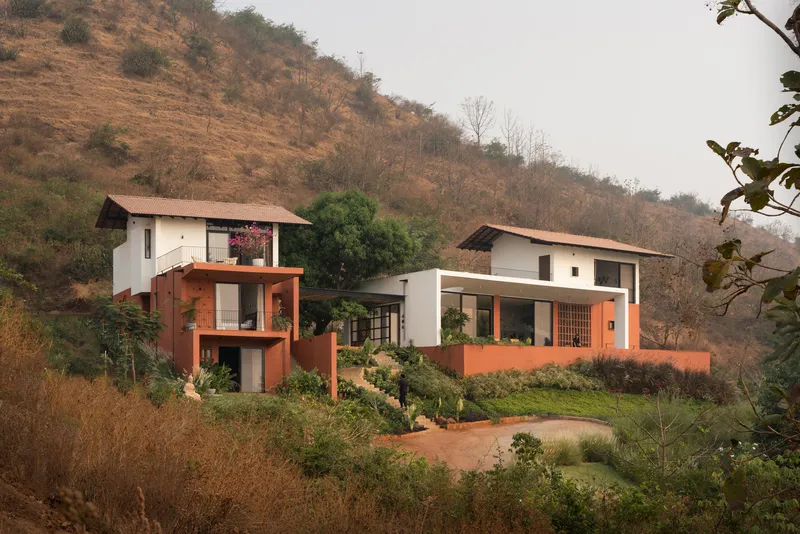
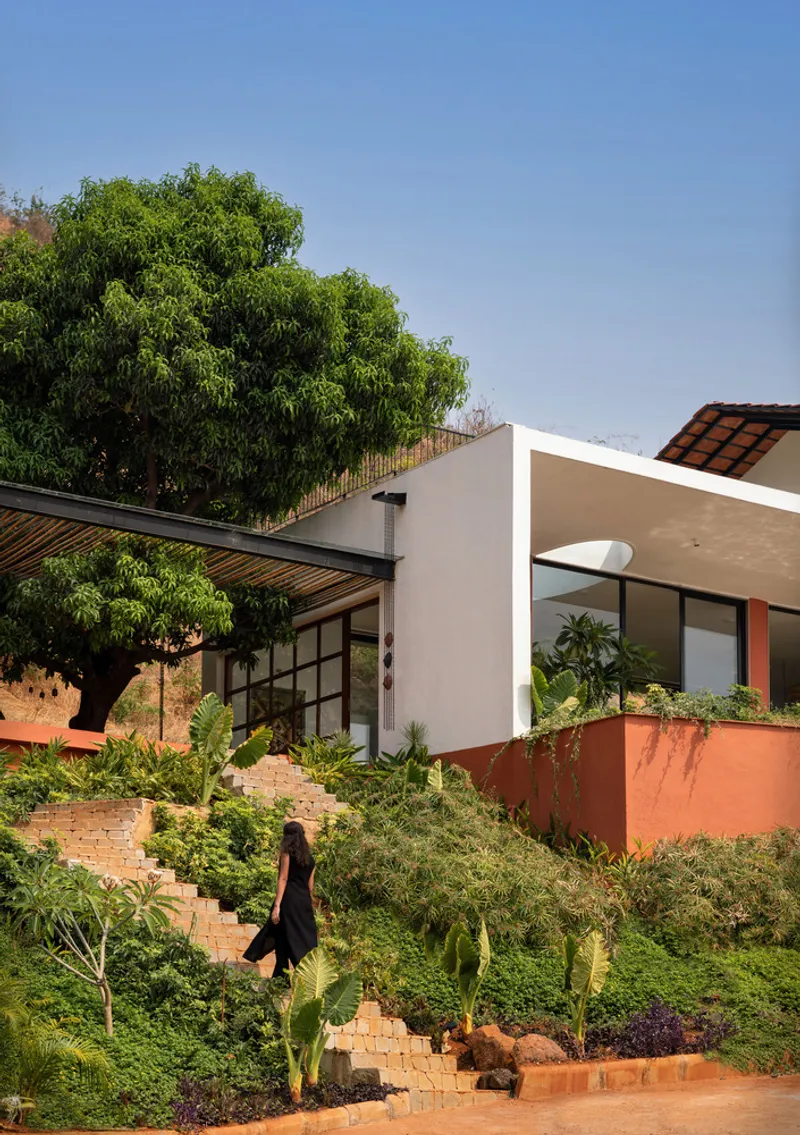
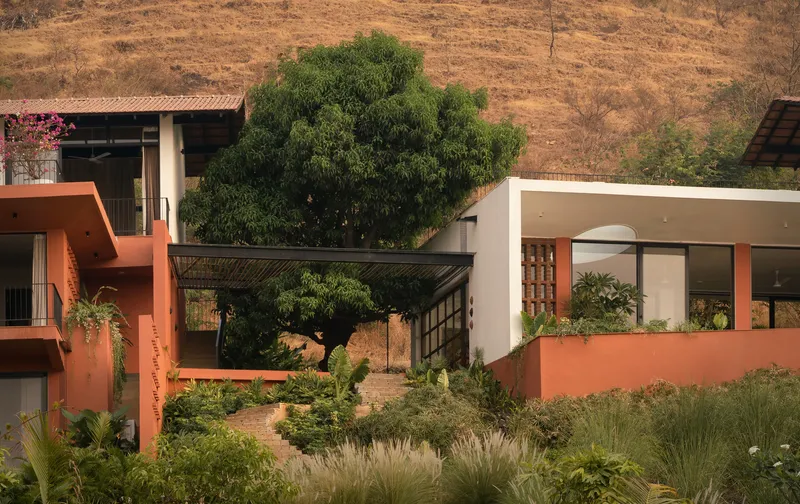
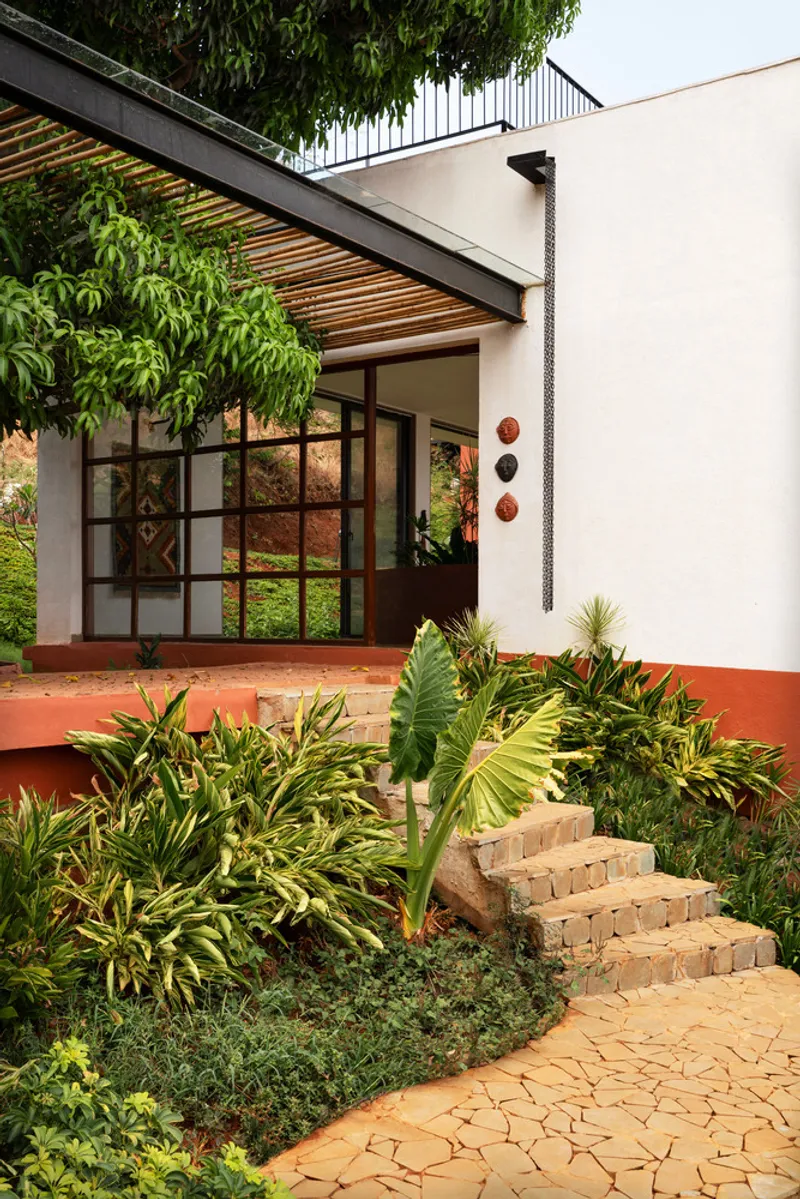
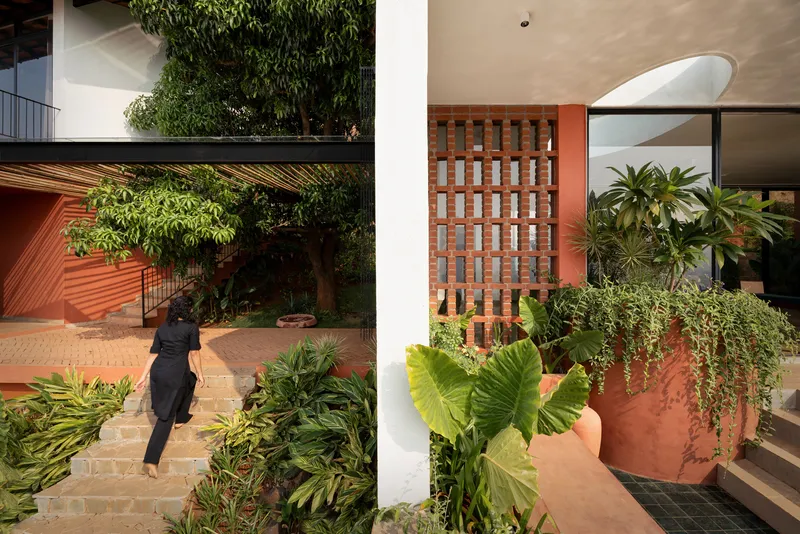
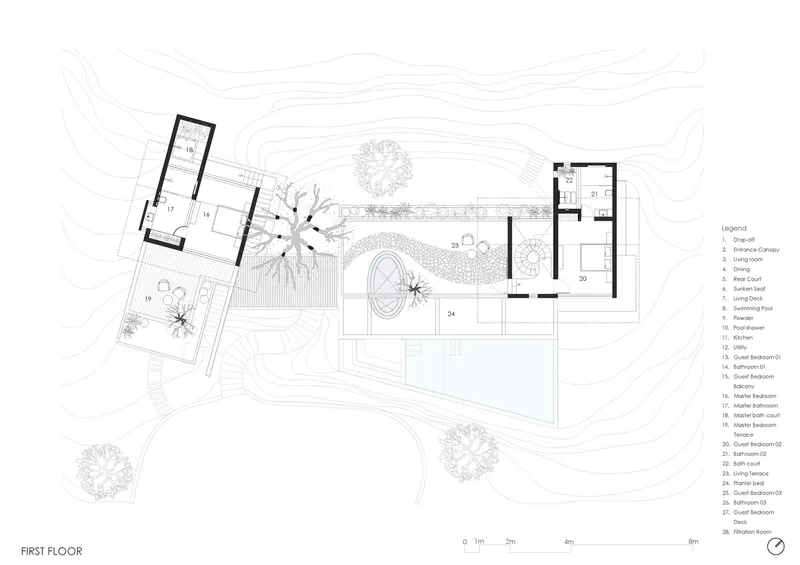
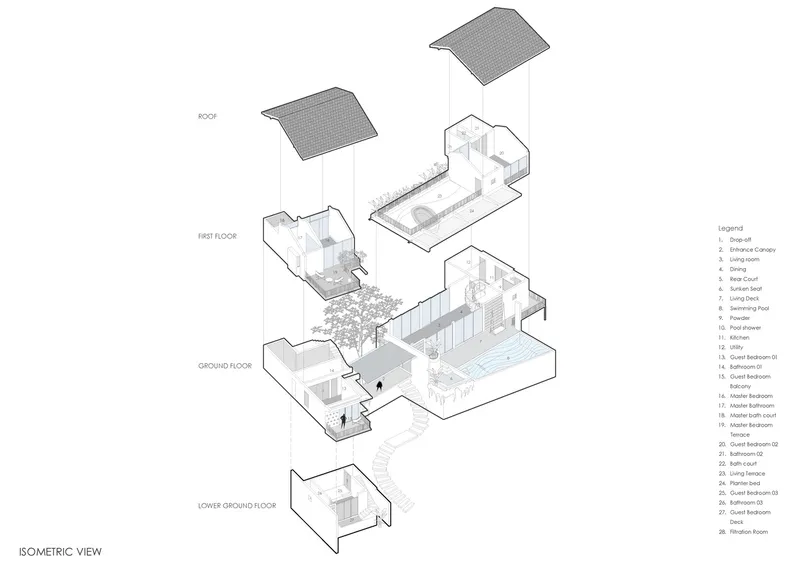
The spatial planning stems from a single mango tree—the sacred and symbolic axis mundi. Around this tree, two wings unfold: one public, one private. The result is a central courtyard — the “mango court” — that links functions and generations. The home is accessed via a winding staircase through a dense tropical thicket, a spatial prelude to the immersive natural experience ahead.
Living Spaces That Listen
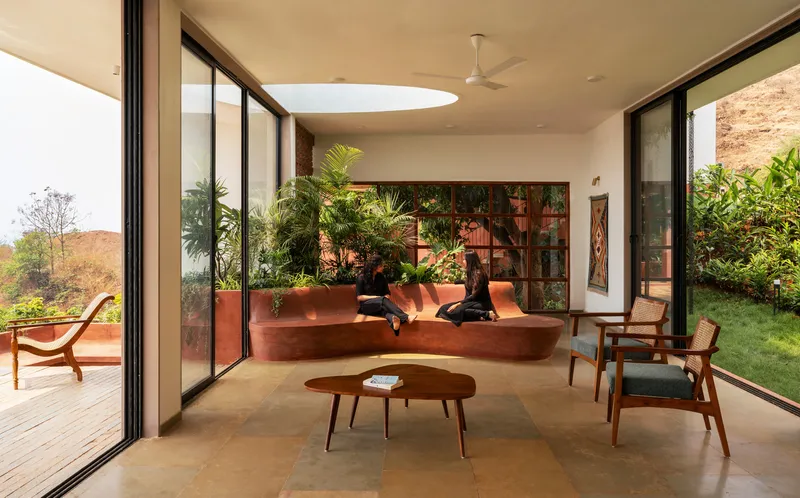
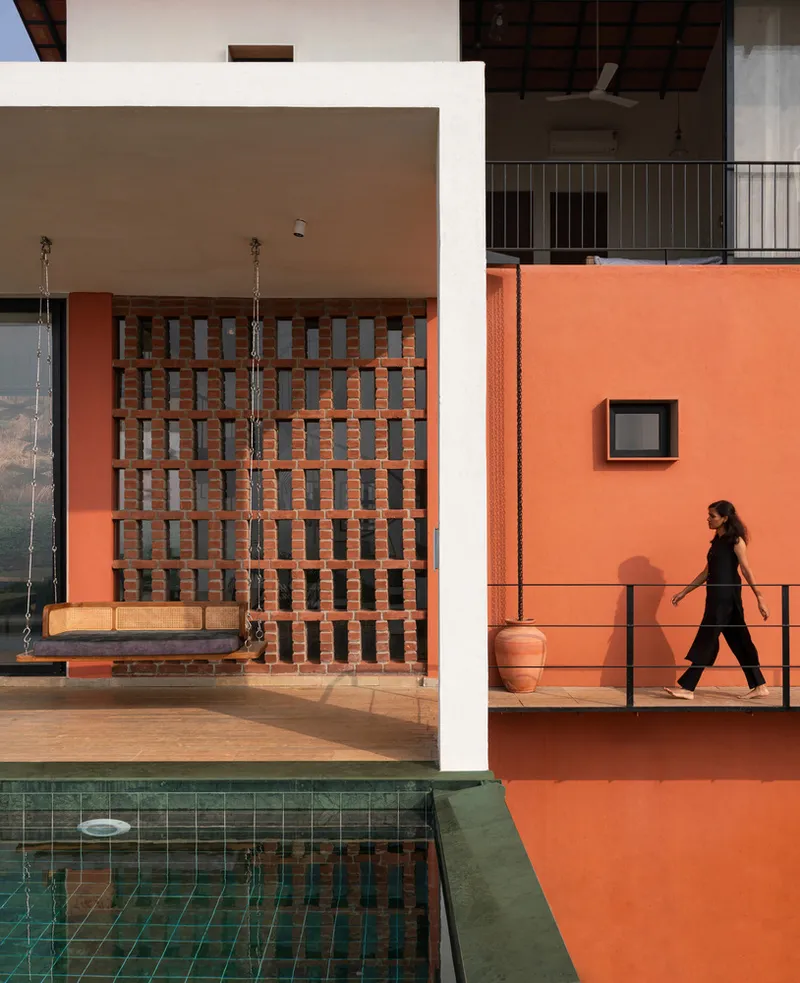
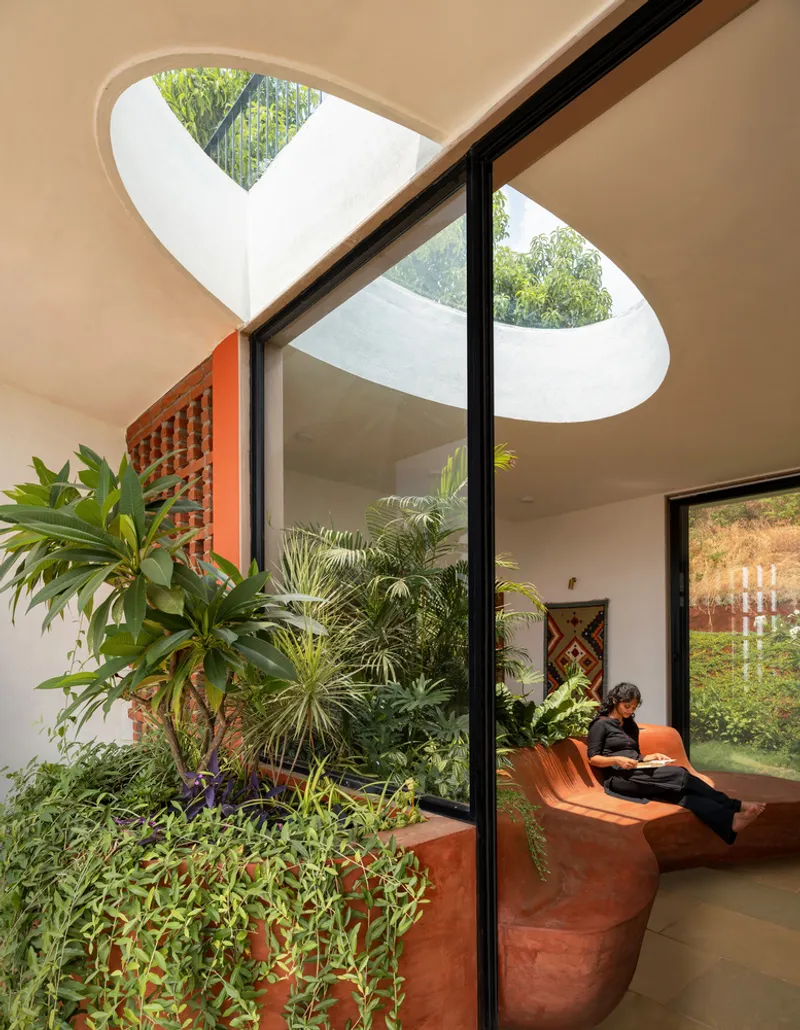
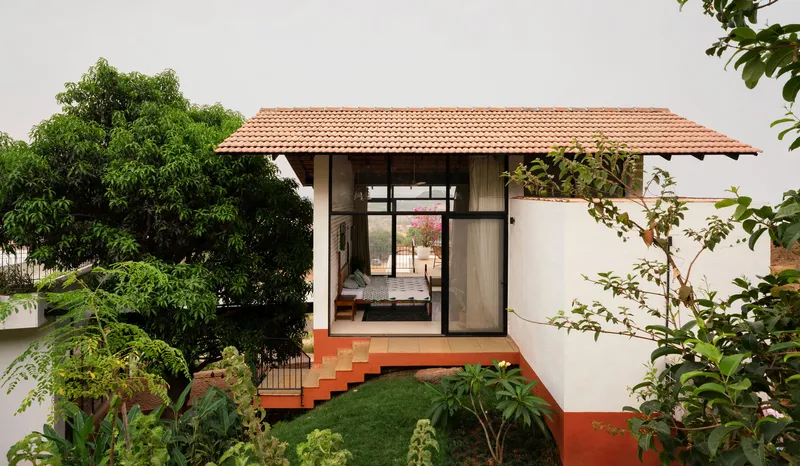
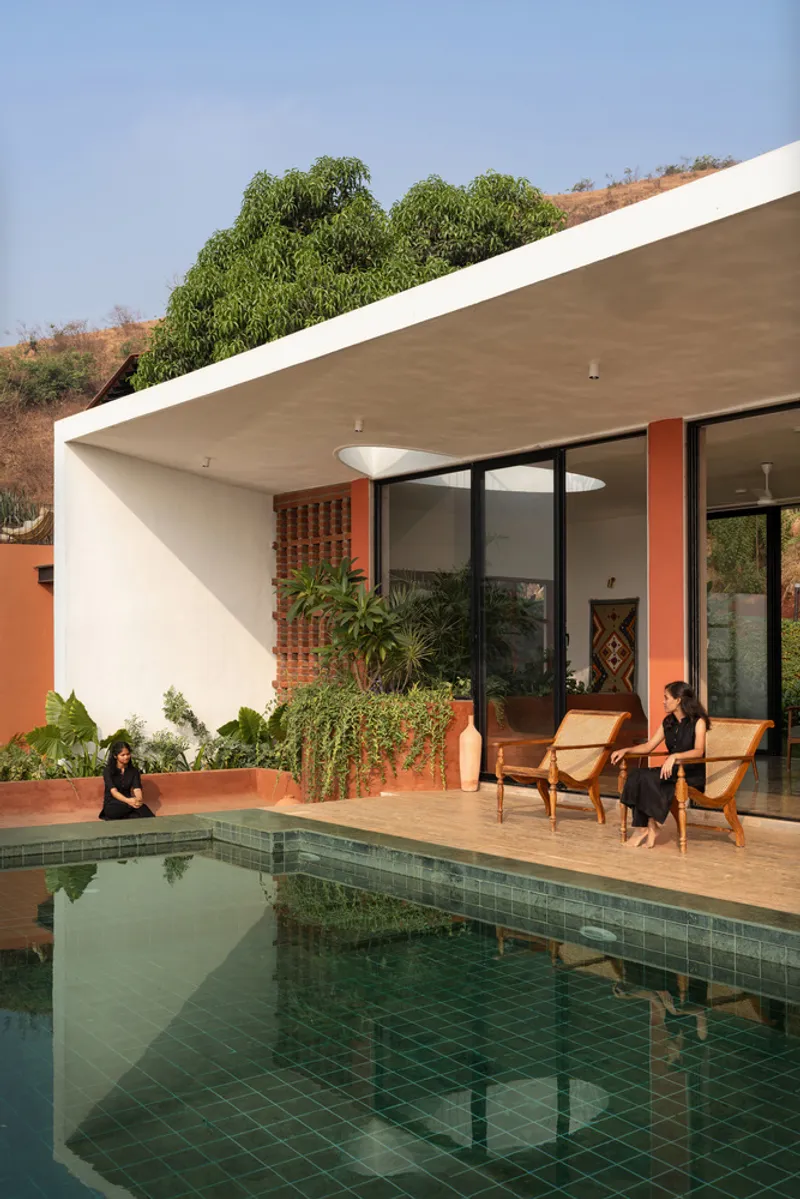
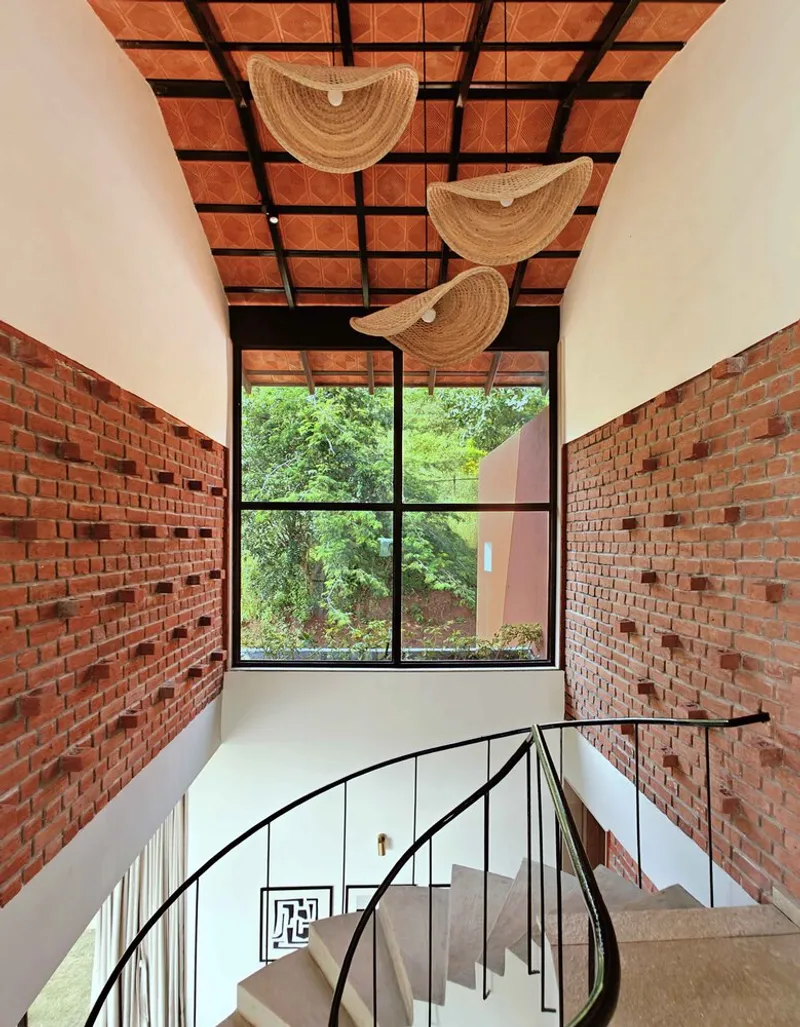
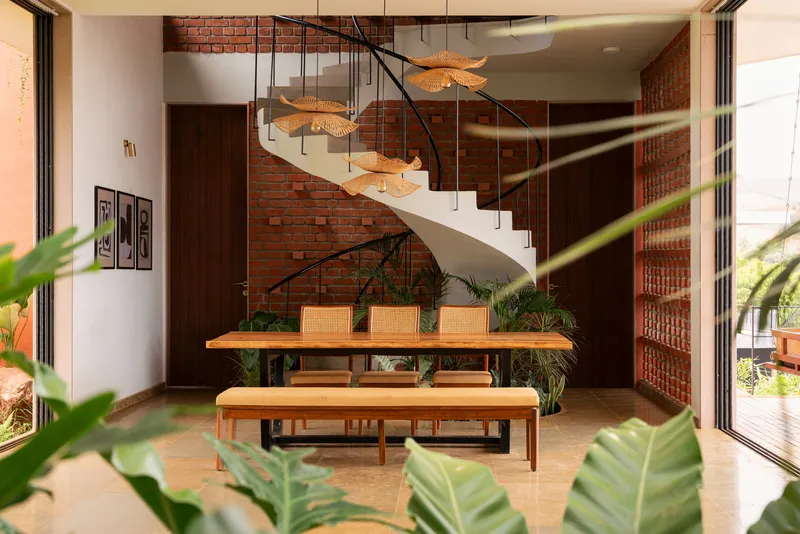
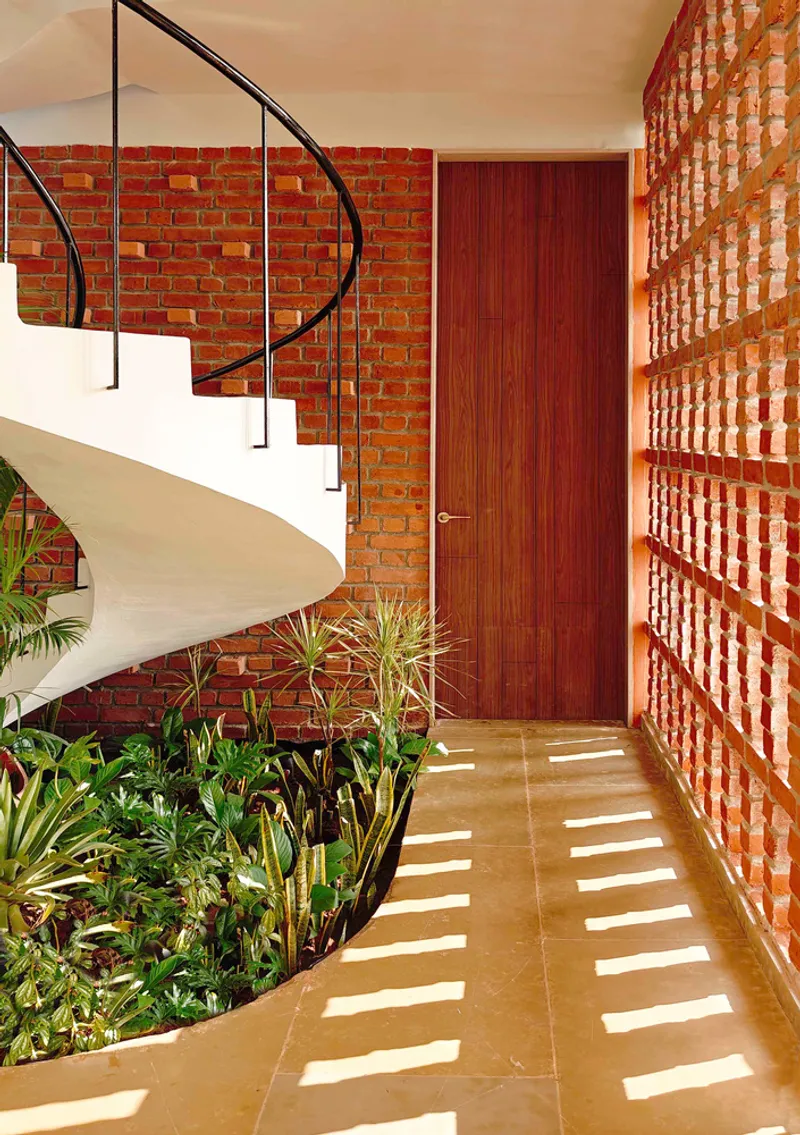
The living area acts as a threshold between two contrasting landscapes. A south-facing verandah frames the distant Sahyadris and opens to a trapezoidal infinity pool. Inside, natural materials continue the organic narrative. A built-in planter bed, elliptical skylight, and terracotta hues invite tactile, visual, and even olfactory connection to nature. An internal spiral staircase, wrapped in greenery, leads to the upper bedroom, while other bedrooms are tiered across outdoor stairs and interspersed with vegetation.
Passive Design with Local Intelligence
In response to the local climate, biophilic house design in India often relies on passive design strategies—and Villa Prakriti excels in this regard. Sloping clay tile roofs, deep verandahs, brick jaalis, and open balconies filter light, reduce solar gain, and optimize cross ventilation. The building breathes with its environment, using materials like local bricks and Shahabad stone to ensure thermal comfort while embedding contextual identity.
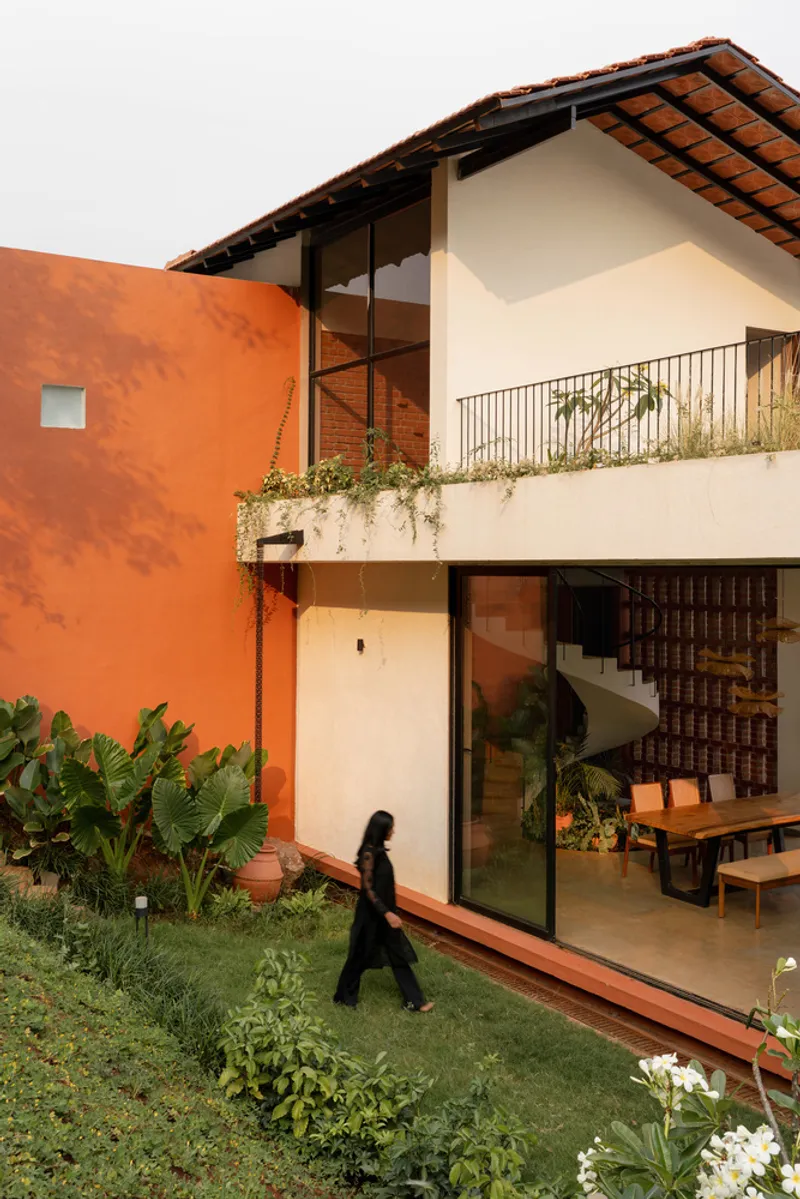
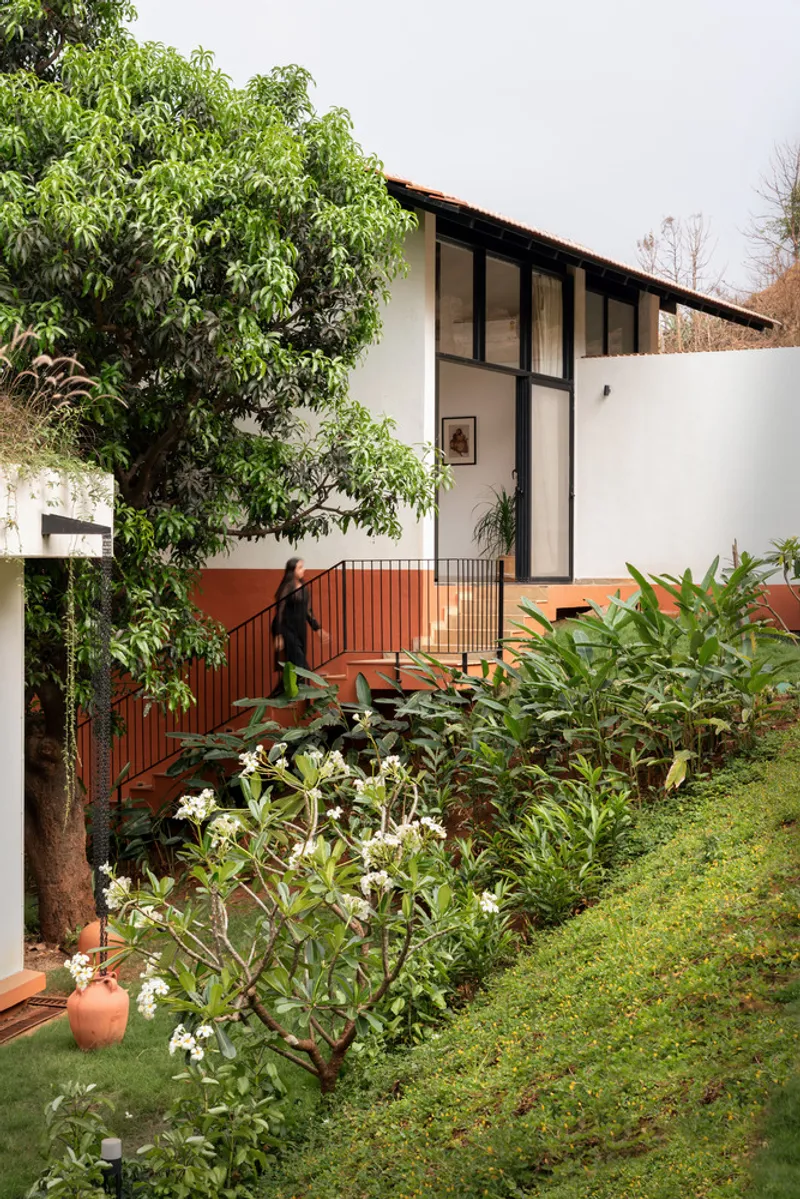
Indoor spaces remain minimal and honest. A white-washed base shell plays host to regional textures—wood, clay, woven lights—that evoke vernacular charm without excess. It’s a design language that is both elemental and evocative, enhancing the lived experience through authenticity rather than decoration.
Material Ecology and Spiritual Continuity
Materials used in Villa Prakriti aren’t merely selected for aesthetics but for their ecological and cultural resonance. Brick provides mass and tactility. Shahabad stone connects the home to its geology. Bamboo pergolas, clay tile roofing, and native landscaping echo age-old practices. Together, these decisions allow the building to slip quietly into the land, rather than standing apart.
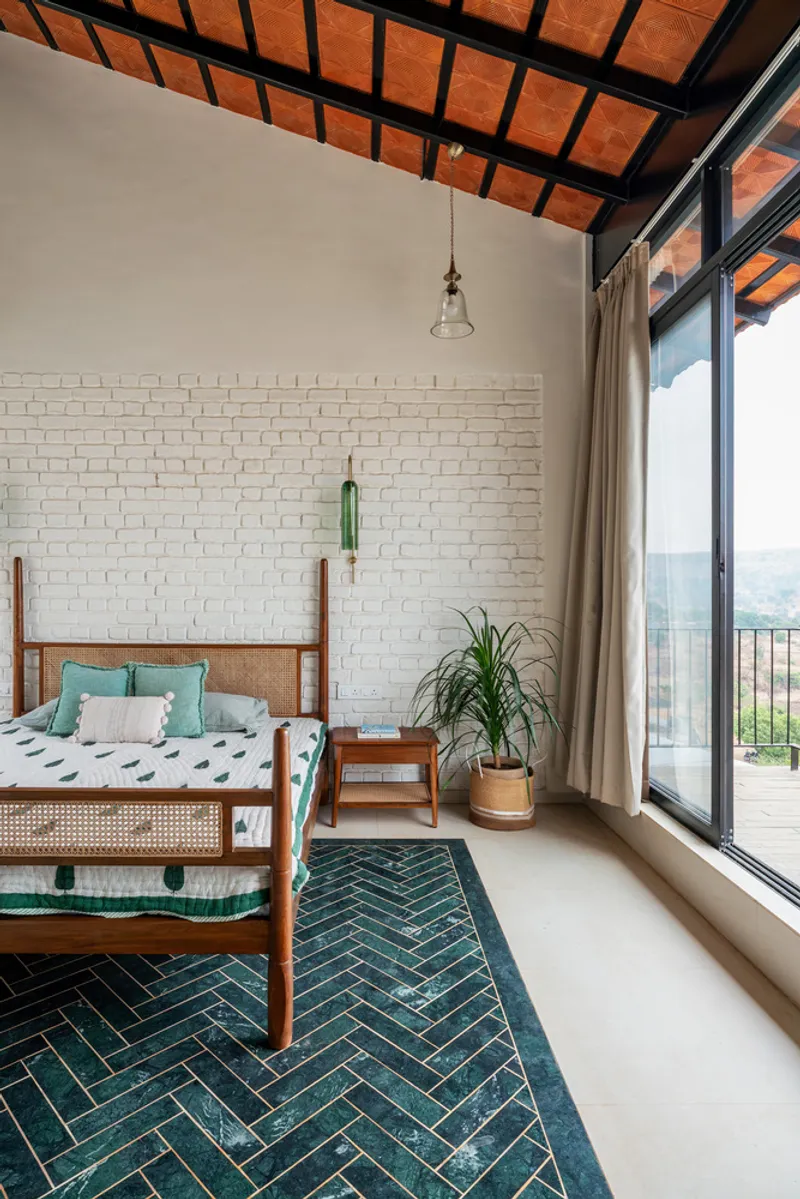
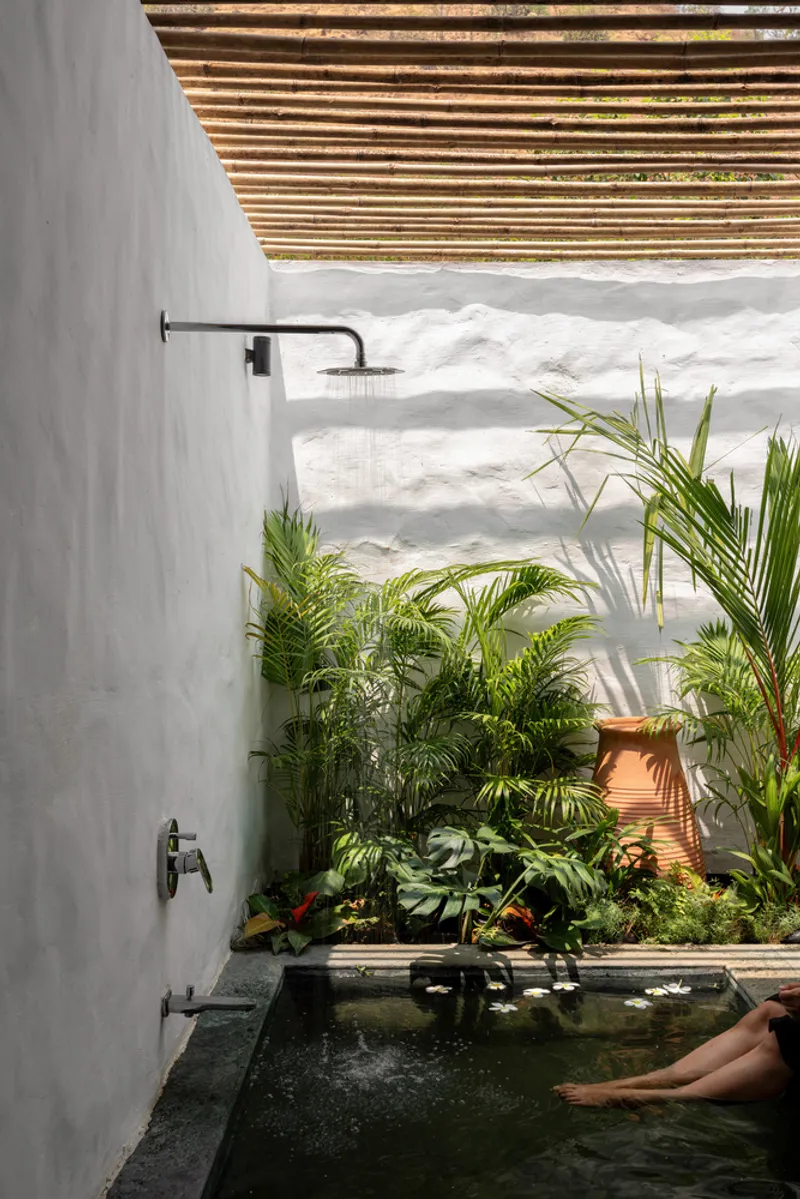
More than just a structure, the villa becomes a living organism—adaptive, evolving, and inseparable from the landscape. The blurred thresholds between indoor and outdoor create a continuum where walls dissolve and light dances freely.
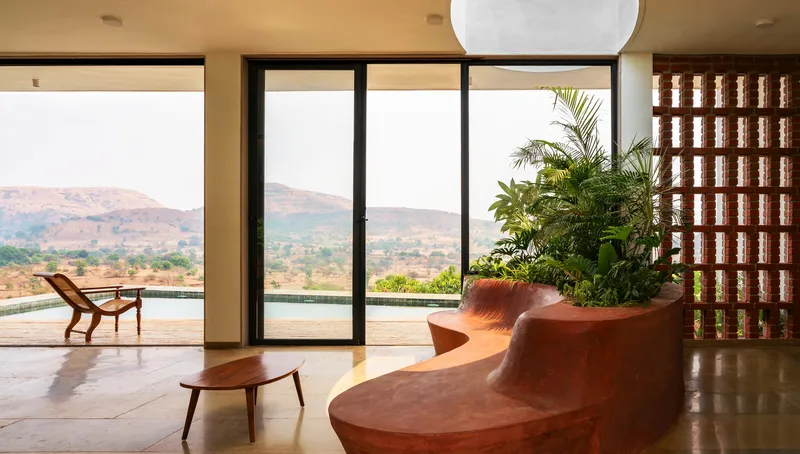
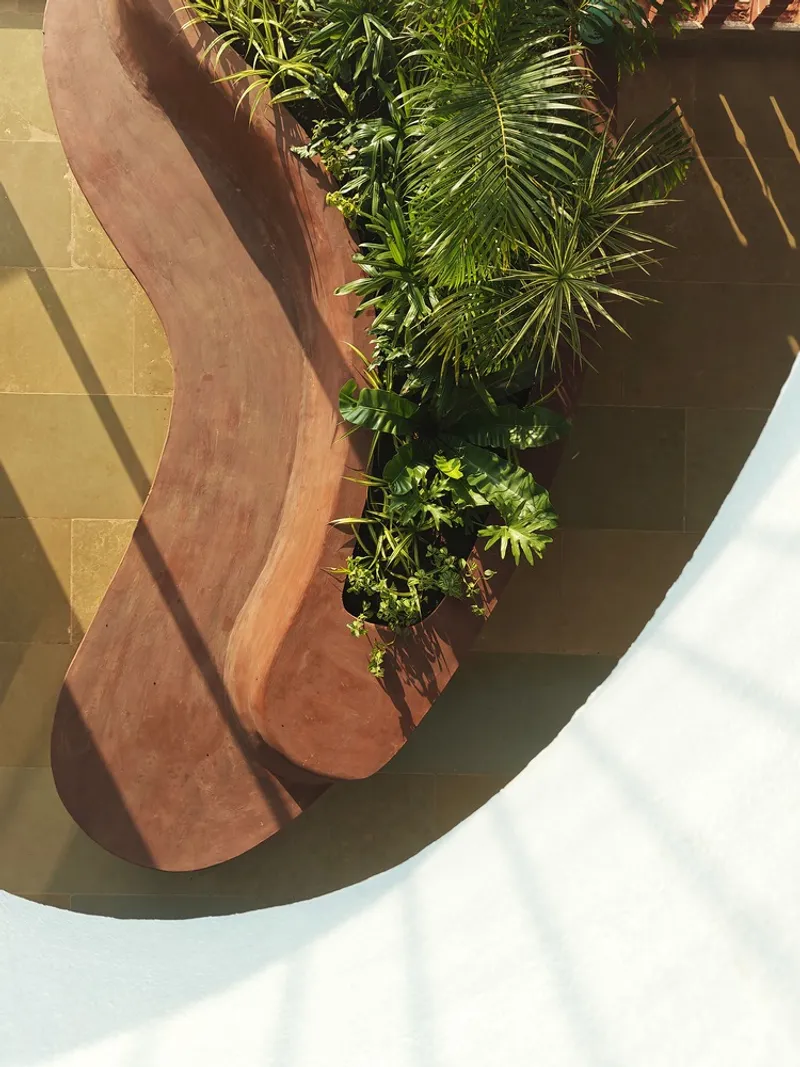
Architecture That Invites Rewilding
Every decision at Villa Prakriti is a gesture toward regeneration—of landscape, climate, and memory. It is a house that invites the forest to return. The boundary between architecture and ecology disappears in favor of something far more resilient and sacred: coexistence.
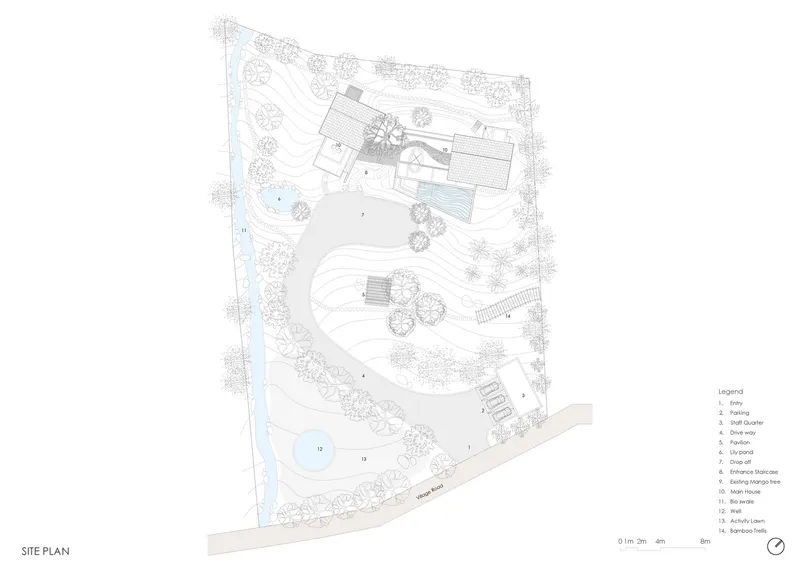
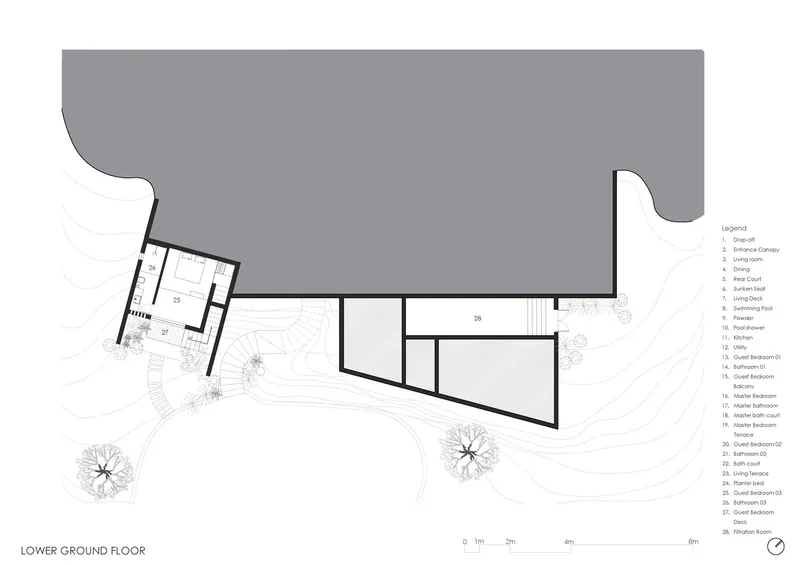
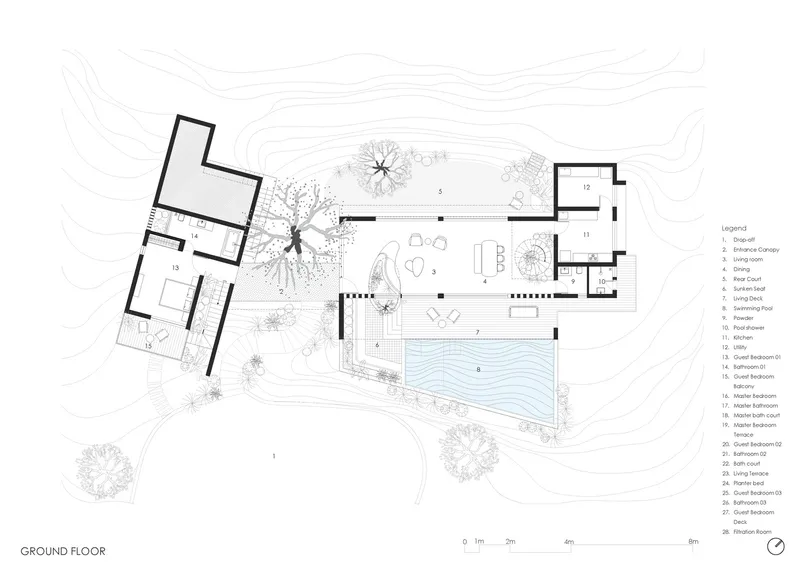
This is not simply a farmhouse in the Sahyadris—it is a philosophy in brick, stone, and wood. A grounded vision for biophilic house design in India that serves as a blueprint for sustainable living rooted in place, people, and planet.
All the photographs are works of Pranit Bora


Popular Articles
Popular articles from the community


Singing Woman: An Opera House That Performs Before the Curtain Rises
Ovidiu Cristian Pavel's conceptual opera house translates Estonia's choral identity into a sculpted waterfront landmark facing the Baltic Sea.

Opera on the Sea: Driftwood Logic Shapes a Timber Opera House on Estonia's Coast
Trevor Orgill's opera house translates the entangled drift of floating timber into a civic building where wood, water, and music converge.
Faces of the Soviet Avant-Garde: Turning Moscow's Street Names into an Open-Air Museum
A network of sculptural installations across a Moscow residential district transforms forgotten architect names into spatial encounters with cultural memor
Extended Shell: Retrofitting Kolkata's Balconies as Living Urban Thresholds
A modular retrofit system recovers the social and environmental intelligence of Kolkata's historic verandas for contemporary Park Street residents.

Similar Reads
You might also enjoy these articles

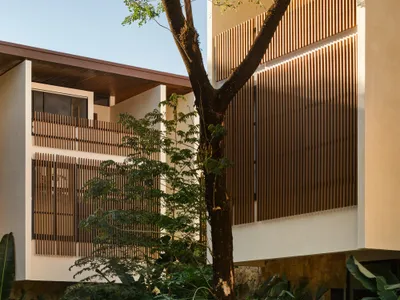
FAMM Arquitectura Organizes Ten Villas Around Courtyards and Jungle in Nosara, Costa Rica
El Molino pairs two elongated volumes with deep overhangs and timber louvers to build a compact coastal community five minutes from the beach.
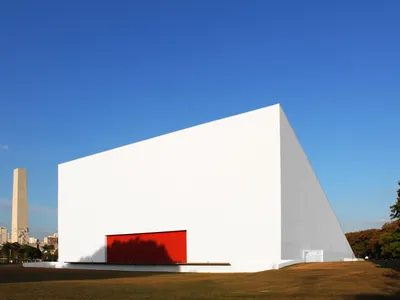
Oscar Niemeyer's Ibirapuera Park Pavilions Define São Paulo's Cultural Identity in Concrete and Curve
A constellation of modernist volumes set within São Paulo's most important urban park, conceived for the city's 400th anniversary in 1954.
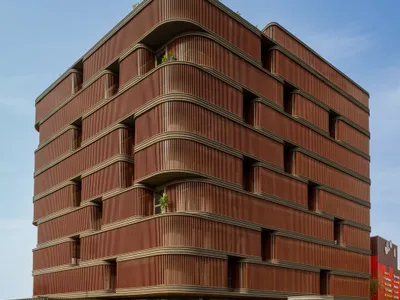
Sanjay Puri Architects Wraps a Jaipur Office Tower in Capsule-Shaped Green Buffers
A nine-level climate-responsive workplace near Jaipur Airport uses stacked planter terraces and aluminium screens to fight 40°C heat.
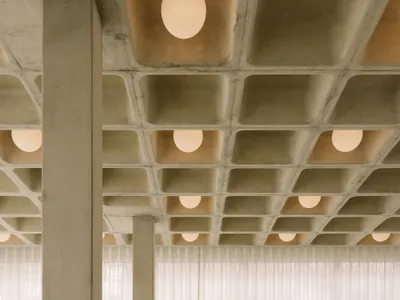
RHO Converts a Berlin Spree-Side Industrial Courtyard into Enkime's 1,000 m² Agency Headquarters
A social media agency's new home in Charlottenburg trades glossy branding for concrete waffle ceilings, glazed tile, and sheer curtains.

Explore Biophilic Competitions
Discover active competitions in this discipline

Challenge to reimagine the Iron Throne

Photograph architecture without architects

Illustrate the lost glory of Angkor Wat - Render Challenge

Design challenge to reuse E-waste
Comments (0)
Please login or sign up to add comments
No comments yet. Be the first to comment!