
Blending Commerce and Comfort: House in Shirsagi's Modern Home with Integrated Store Design
House in Shirsagi by Buttondesign is a unique blend of a modern home with an integrated store, fostering community engagement in Japan.


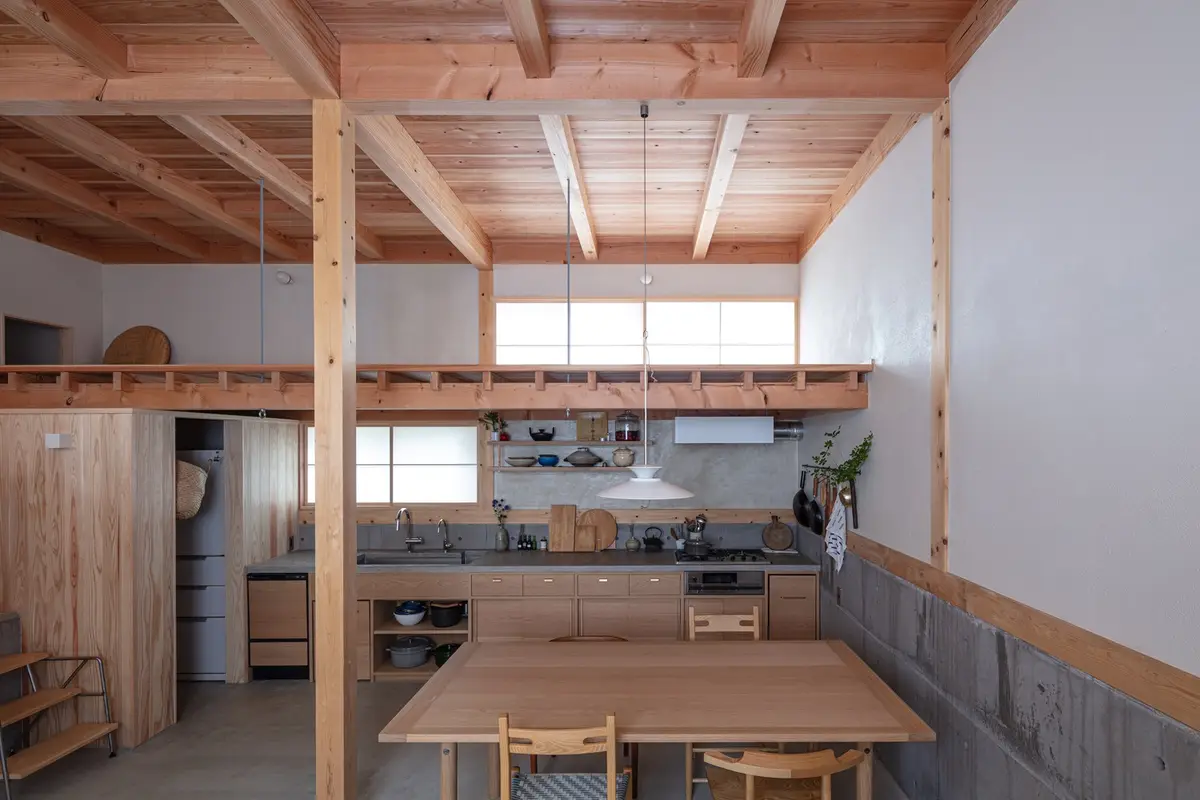
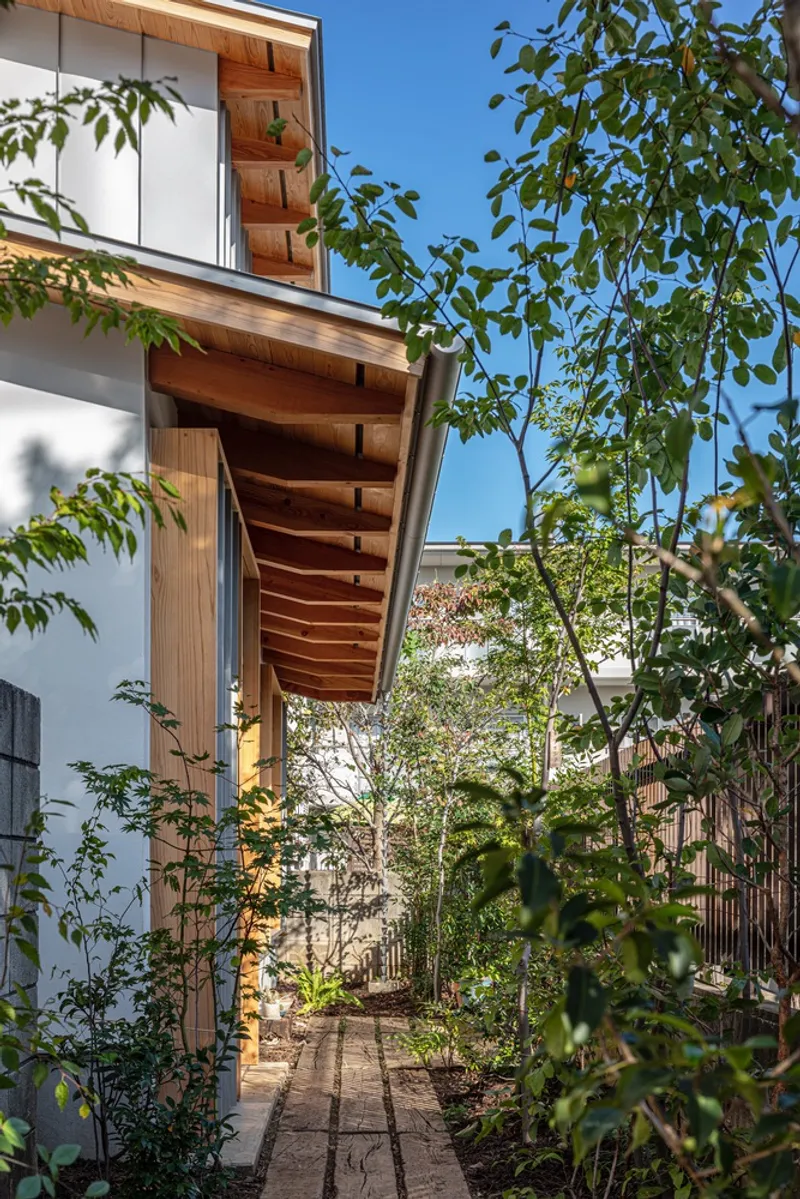
In the tranquil neighborhood of Nakano City, Japan, lies a remarkable example of modern home with integrated store design. The House in Shirsagi, conceptualized by the innovative team at Buttondesign and realized in 2019, redefines the traditional boundaries between living spaces and commercial areas within its 90 m² footprint. Captured beautifully by photographer Satoshi Asakawa, this project presents a harmonious blend of personal and public realms.

Designing for Openness and Connectivity
Embracing the Urban Landscape
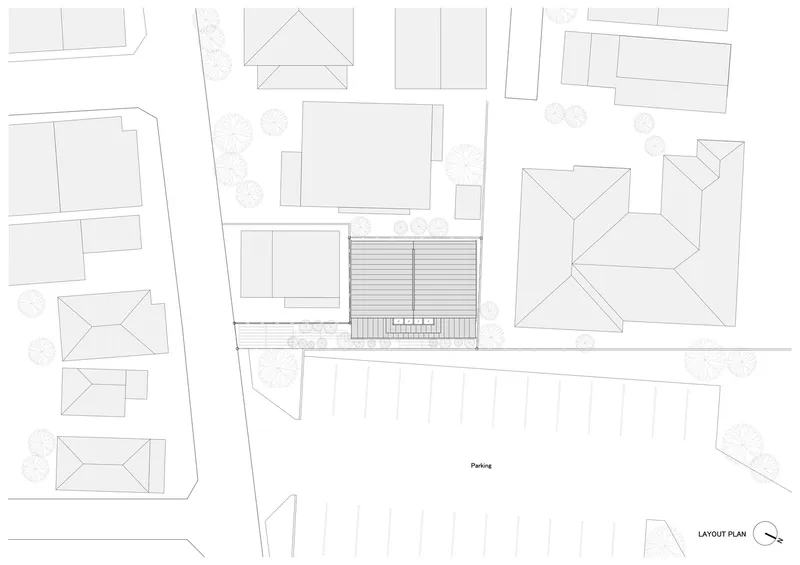
Despite its flagpole lot characteristic, the House in Shirsagi enjoys an unencumbered openness, courtesy of its adjacency to a vast parking area reminiscent of a park's expanse. This setup, while temporary like the fleeting nature of urban green spaces, inspired a thoughtful design approach that emphasizes connection with the environment and anticipates future urban transformations.


A Storefront that Welcomes
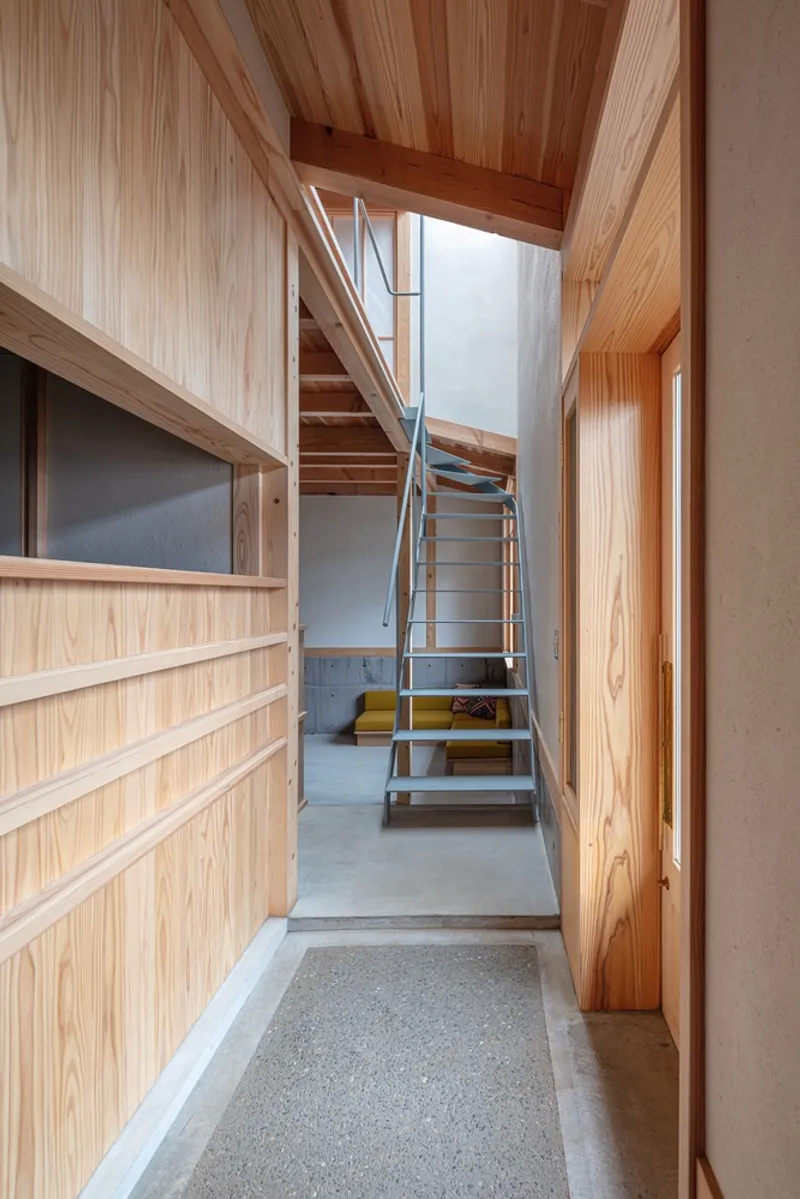
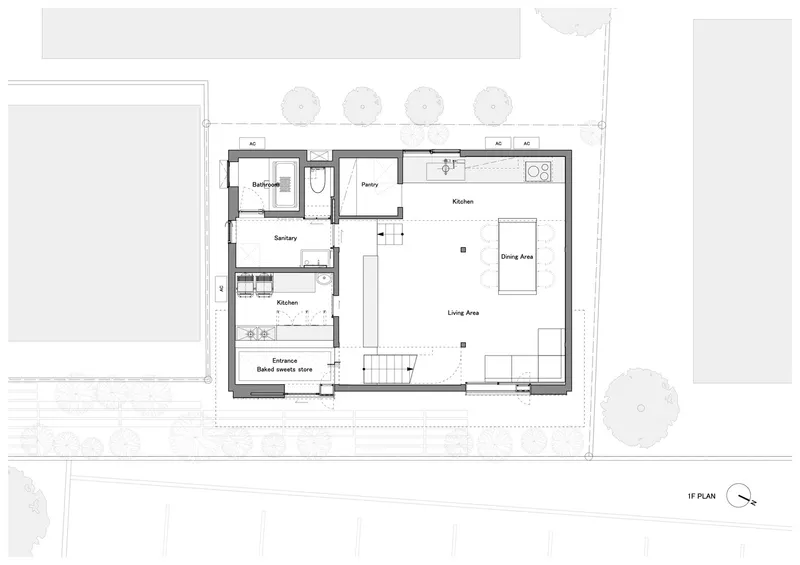
At the heart of the design lies the integration of a small baked sweets store, invitingly positioned at the residence's entrance. This strategic co-location blurs the distinction between the domicile and the bustling street life, creating a welcoming threshold that draws the community in.
The Architectural Journey Within
A Subterranean Sanctuary of Culinary Delight
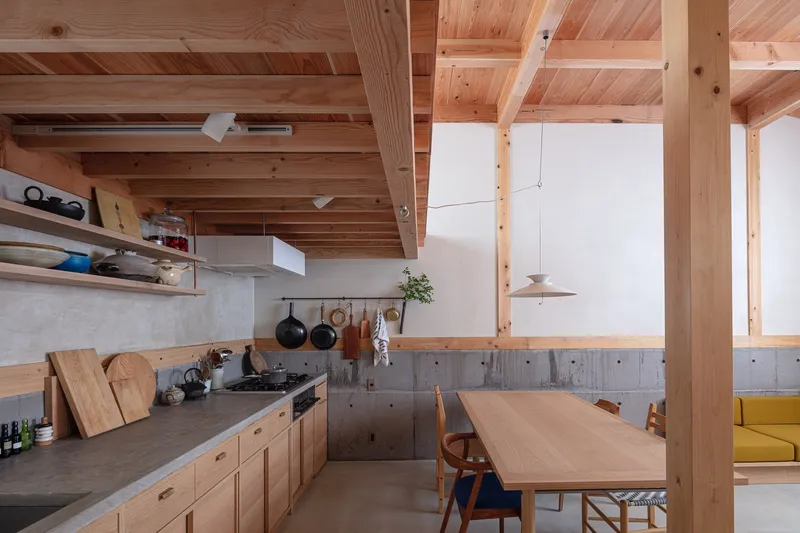
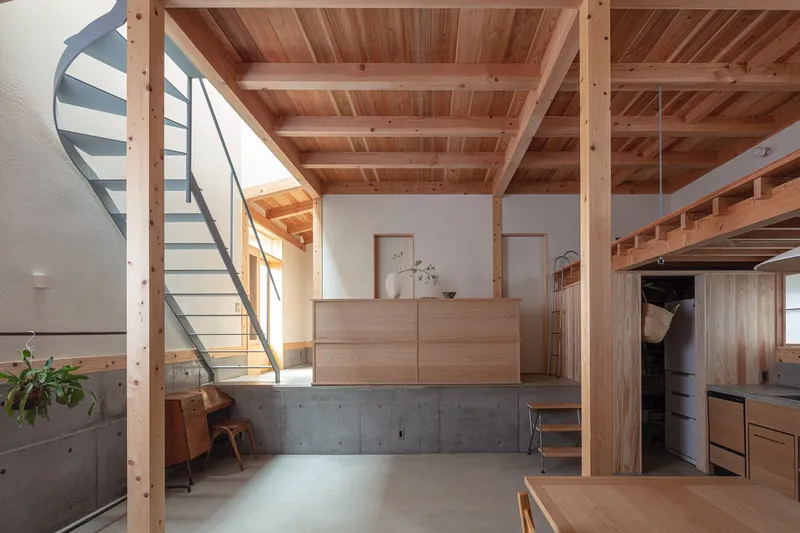
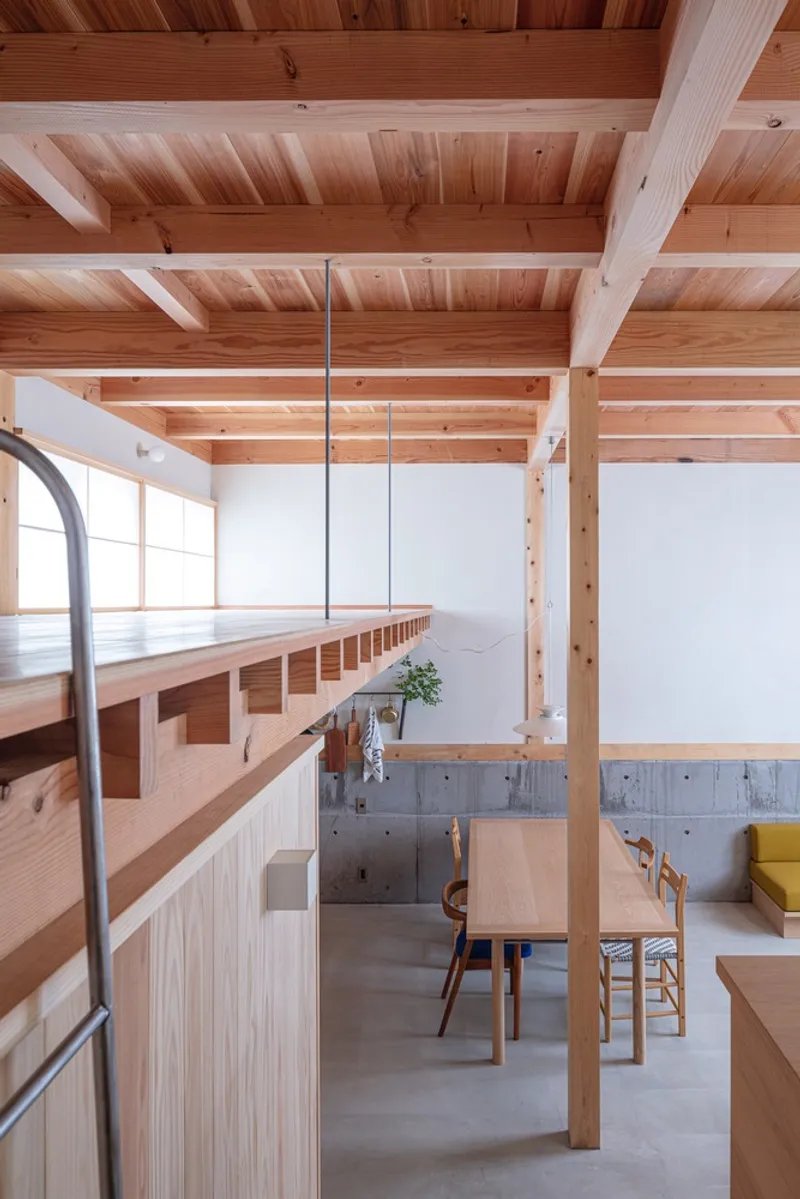
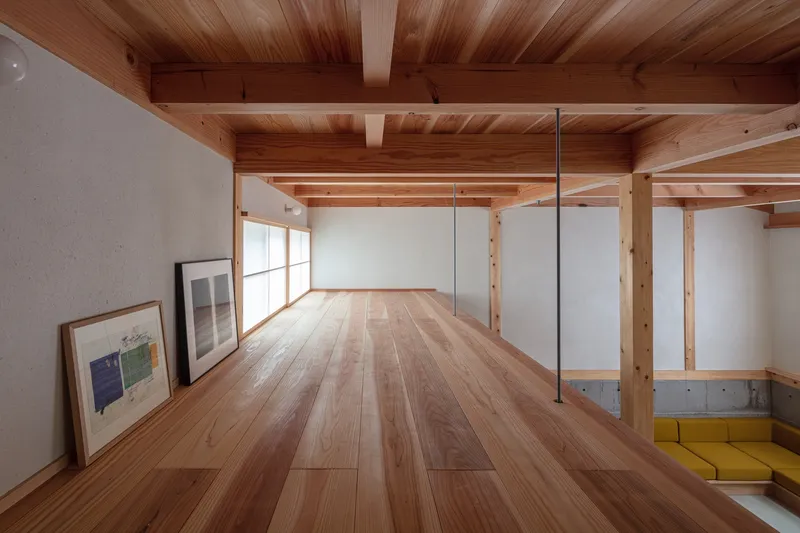
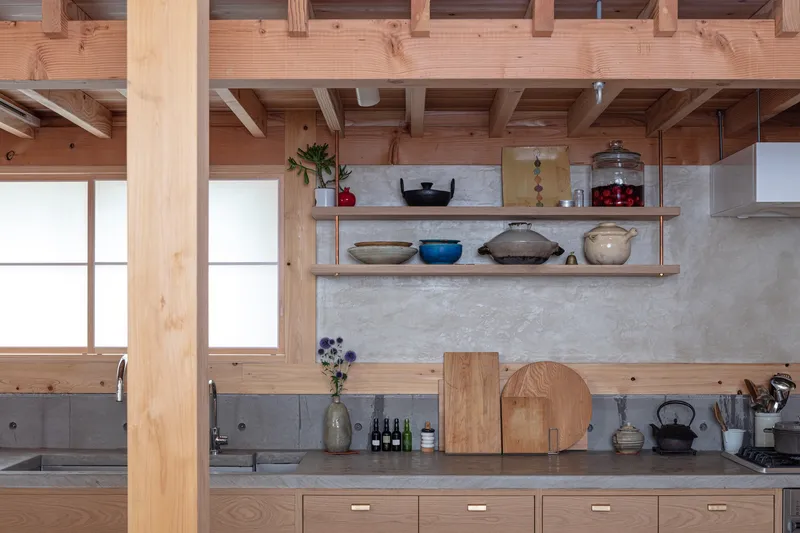
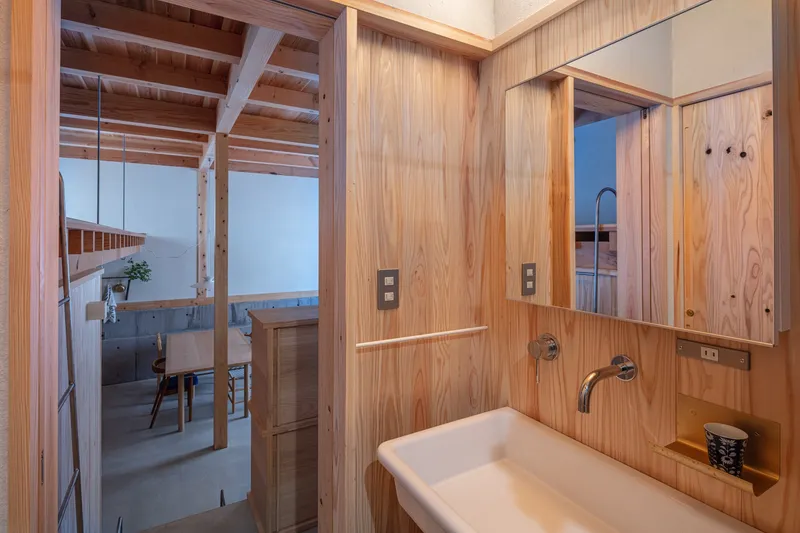
Venturing deeper into the residence, visitors are greeted by an expansive, semi-buried earthen floor that hosts a sprawling kitchen. This area, designed as the house's nucleus, not only showcases the central role of "food" but is also envisioned as a future hub for cooking workshops, further opening the house to the local community.
Ascending to Light and Versatility
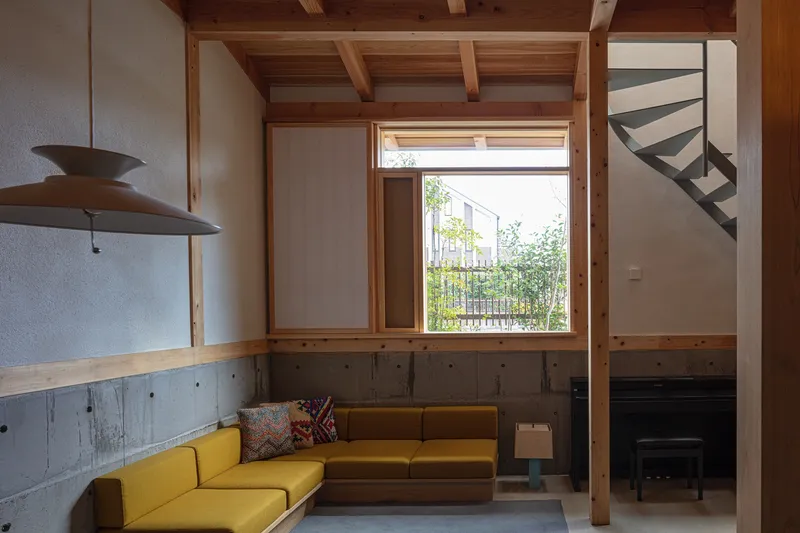
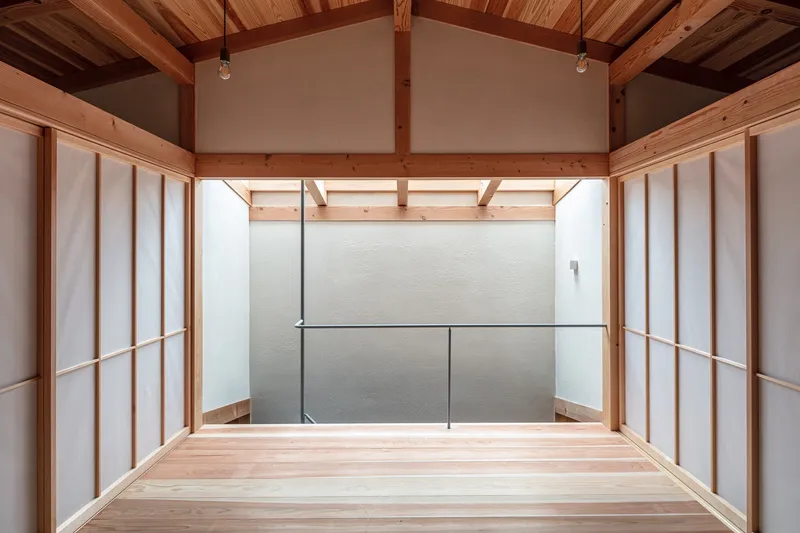
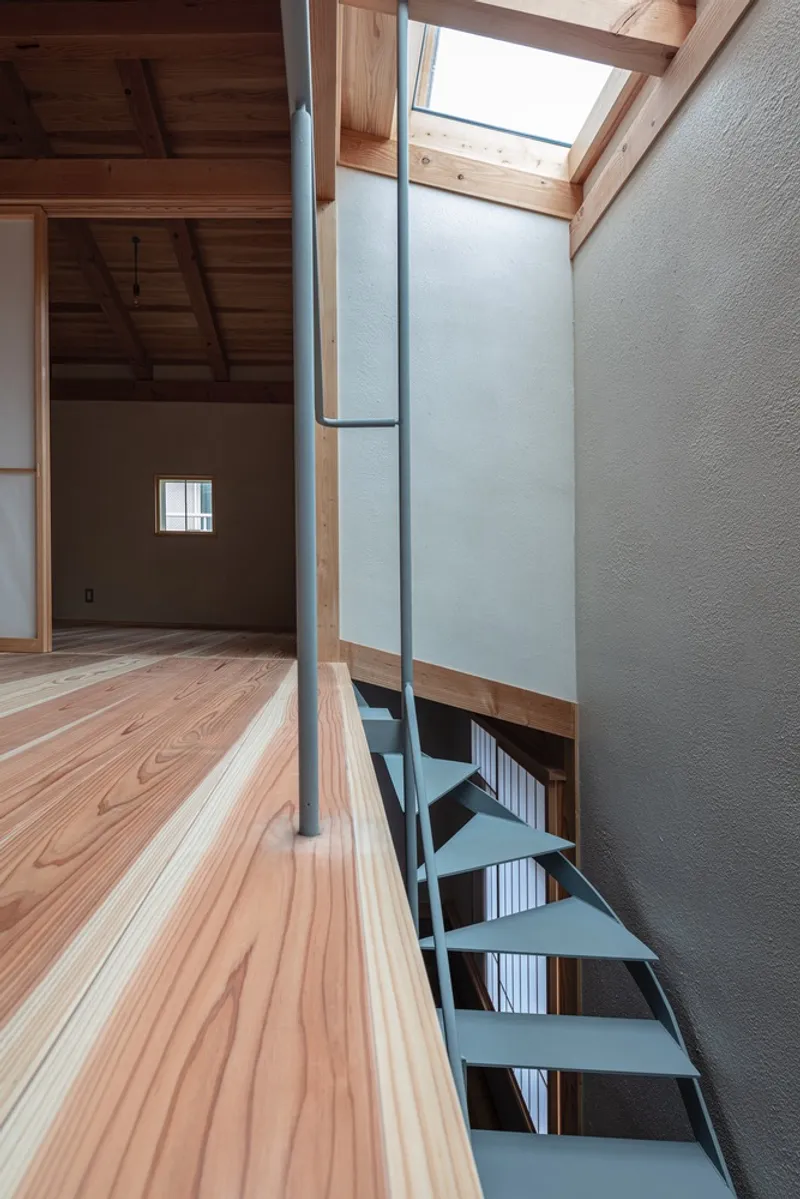
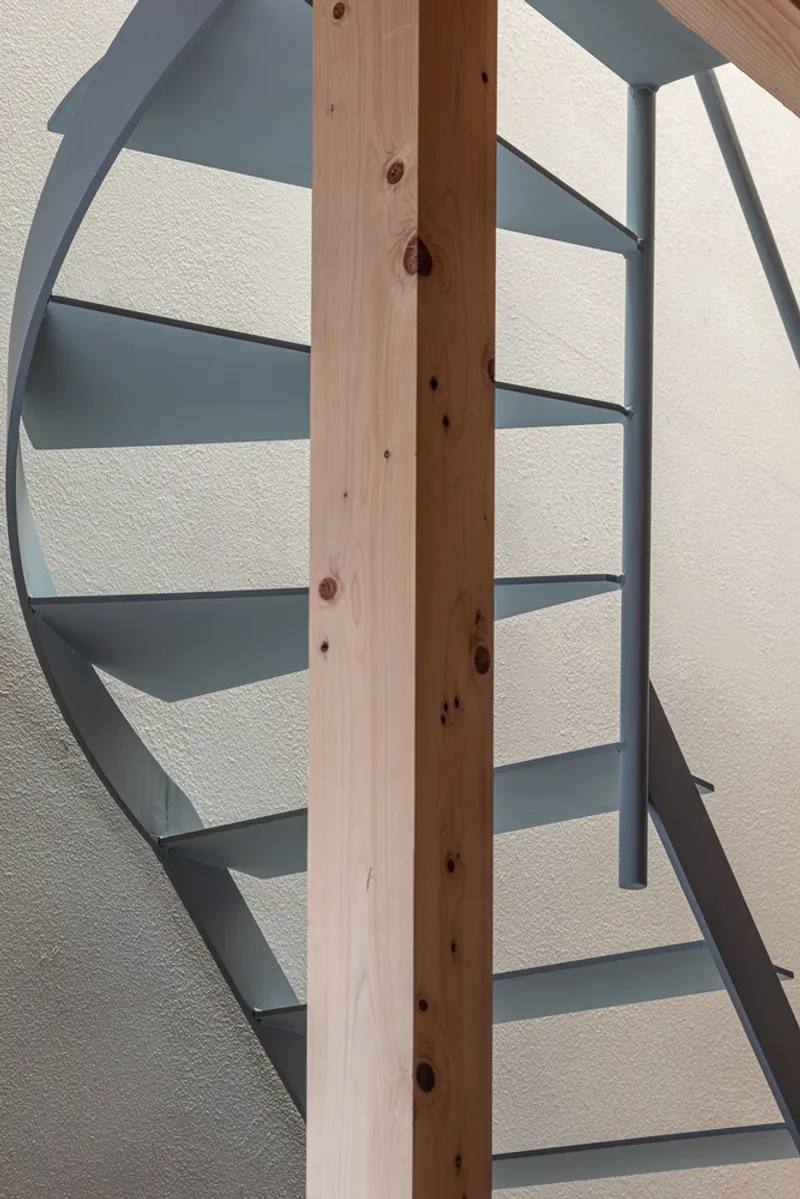
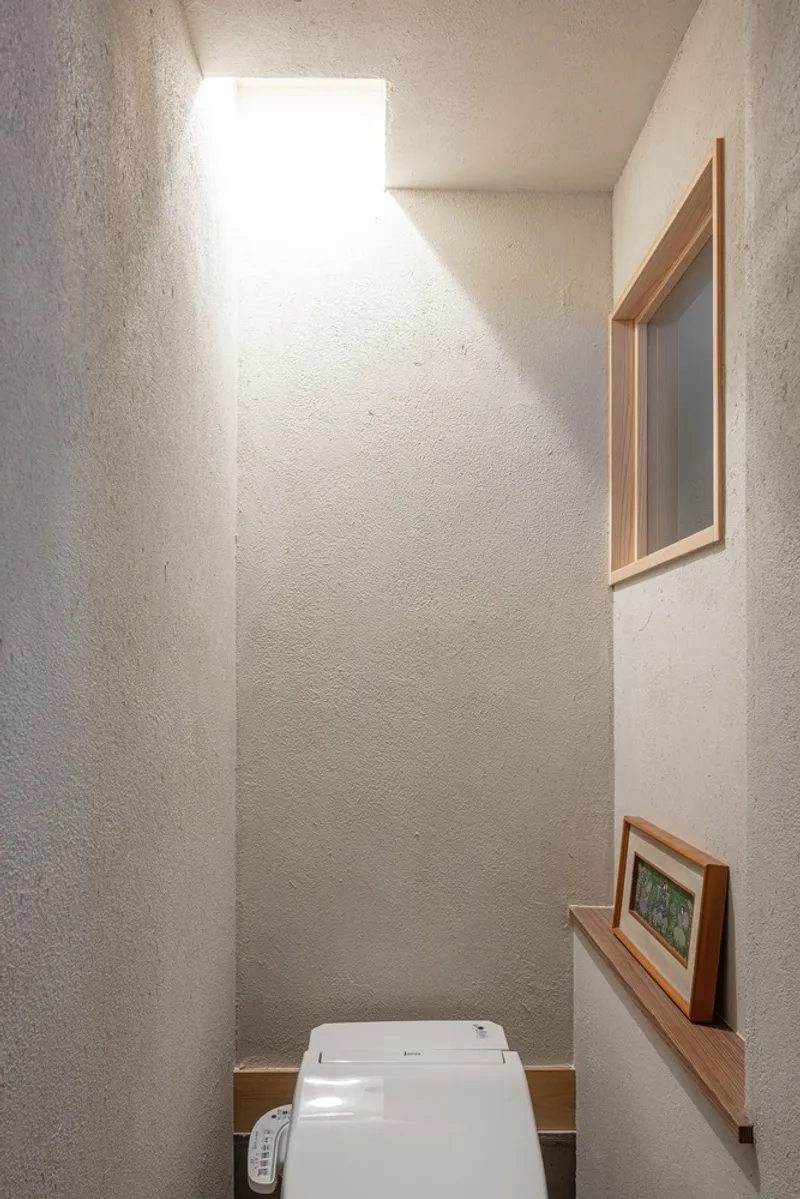
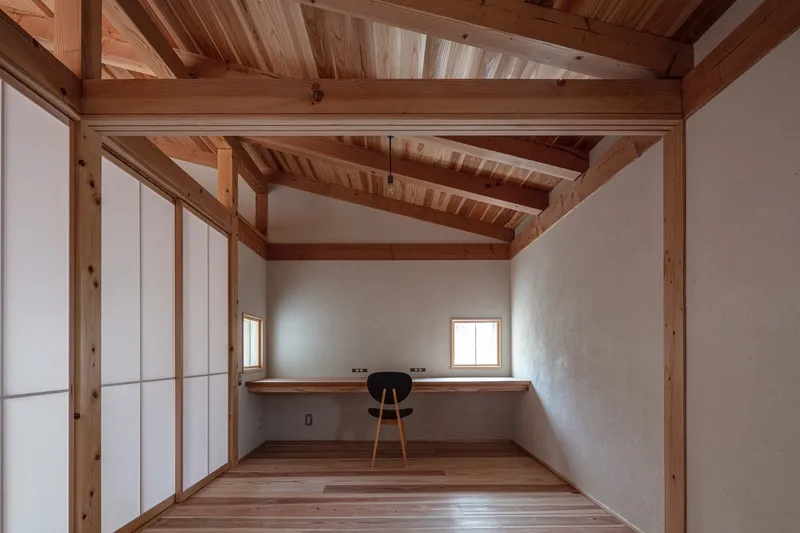
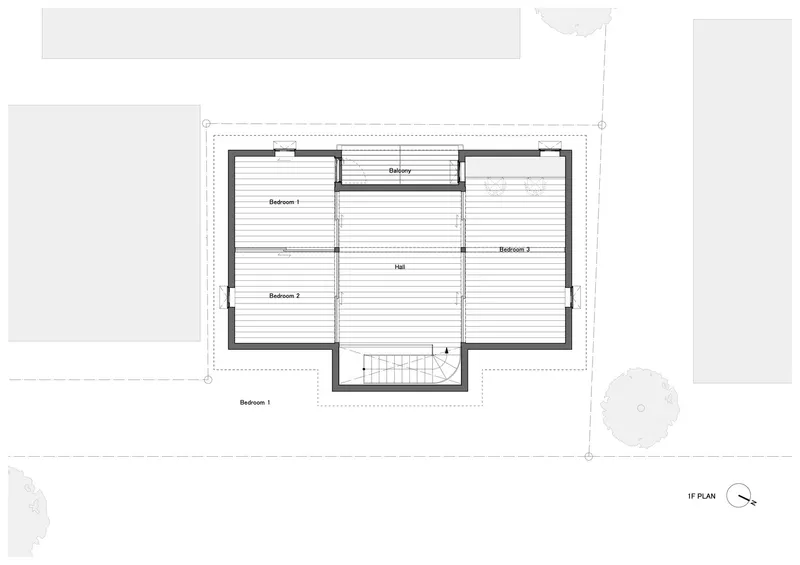
The second floor, emerging from the earthen foundation, offers a flexible living area that adapts to the residents' evolving needs. Shielded from the external parking lot, this space relies on skylights to bathe the interior in natural light, creating an intimate atmosphere disconnected from the immediate urban fabric yet deeply rooted in the home's core axis.

A Vision of Living and Sharing
House in Shirsagi by Buttondesign exemplifies the potential of modern home with integrated store design, showcasing how architecture can fluidly merge the public allure of a storefront with the privacy and warmth of a residential space. As this home continues to evolve and embrace its urban context, it stands as a testament to the adaptive and inclusive nature of contemporary living spaces, where commerce and comfort coexist in seamless harmony.
All photographs are work of Satoshi Asakawa


Popular Articles
Popular articles from the community


Cloaked Colonization: A Mobile Underwater Habitat That Moves Like a Fish
Micah Abaya's shortlisted EHC Pacific entry reimagines ocean settlement as a dispersed network of self-sustaining architectural organisms.
Tsunami Convergenics: Turning Catastrophic Ocean Forces into Underwater Housing Infrastructure
A speculative underwater settlement off the coast of Onagawa, Japan, treats tsunamis and typhoons as energy sources rather than threats.
Extended Shell: Retrofitting Kolkata's Balconies as Living Urban Thresholds
A modular retrofit system recovers the social and environmental intelligence of Kolkata's historic verandas for contemporary Park Street residents.

Manzana Morphosis: Stretching Barcelona's Grid into a Living Landscape for 2050
A radical reworking of the Eixample manzana turns density into a tool for generous public space, vertical ecology, and environmental performance.

Similar Reads
You might also enjoy these articles


Hodi-Mandai Geram
Project Function: Preservation and revitalization of the Intangible heritage and socio-spatial identity of the Hodi by Housing, Cultural Memory Center, Sacred Grove, landscape, local tourism economy


Olio Towers: A Mid-Rise for Performers That Fuses Housing, Rehearsal, and Stage
Located blocks from Houston's Theater District, this modular tower stacks living units around a central performance atrium.

Oasis: Modular Green Housing Carved into Dhaka's Urban Fabric
A shortlisted Plugin Housing entry reclaims unauthorized settlements in Dhaka with stepped concrete volumes, green roofs, and ventilation-driven design.

Black Hole: A Floating Megastructure for the Post-Physical Era
Emiliano Mazzarotto envisions a spherical, self-scaling arena where e-sports, digital hotels, and holographic stadiums replace traditional public space.

Explore Architecture Competitions
Discover active competitions in this discipline

Challenge to reimagine the Iron Throne

Photograph architecture without architects

Illustrate the lost glory of Angkor Wat - Render Challenge

Design challenge to reuse E-waste
Comments (0)
Please login or sign up to add comments
No comments yet. Be the first to comment!