
Brasserie Gallia: A Sustainable and Contextual Architectural Transformation
Brasserie Gallia transforms an industrial site into a sustainable Tap Room, featuring recycled materials, energy-efficient design, and circular construction principles.


Revitalizing Industrial Heritage into a Contemporary Tap Room
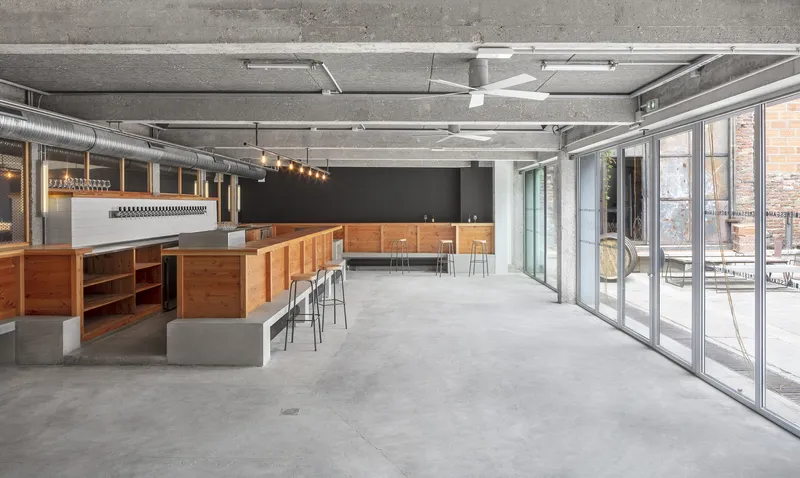
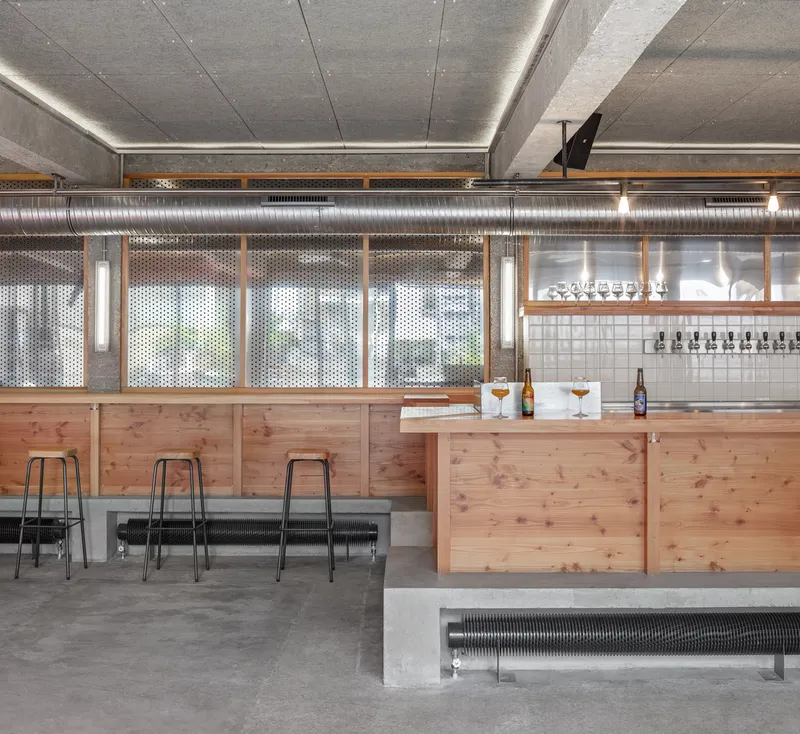
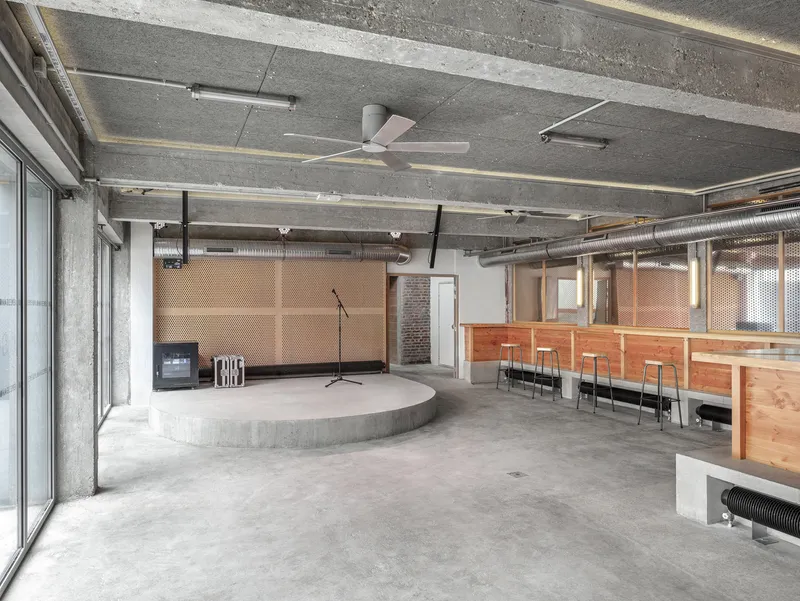
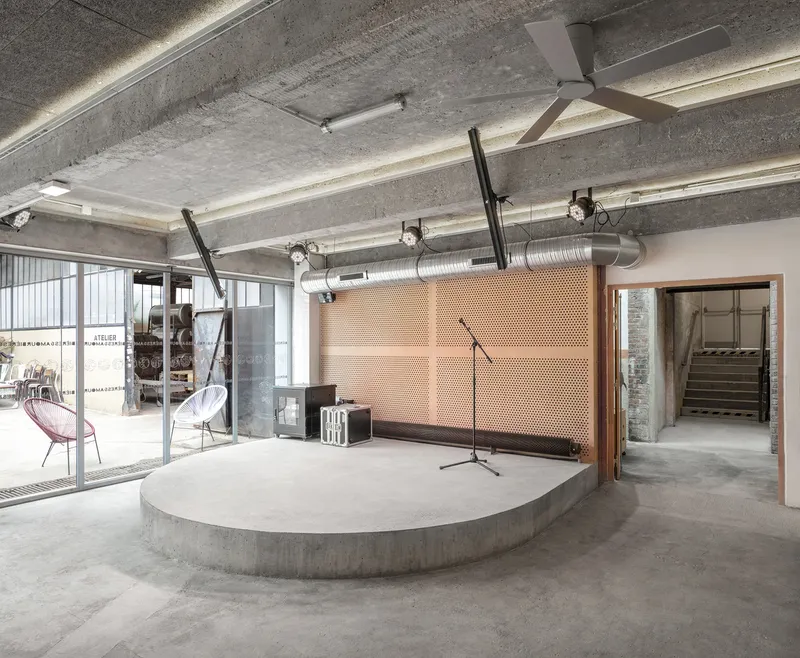
Brasserie Gallia, designed by Maxime Jansens Architecture and Erwan Bonduelle Architecture, is a remarkable adaptive reuse project located in Pantin, France. The architects transformed two former industrial buildings into a vibrant Tap Room and entertainment space for Gallia Paris, seamlessly integrating industrial heritage with modern sustainability principles.
Industrial Aesthetics with Sustainable Innovations
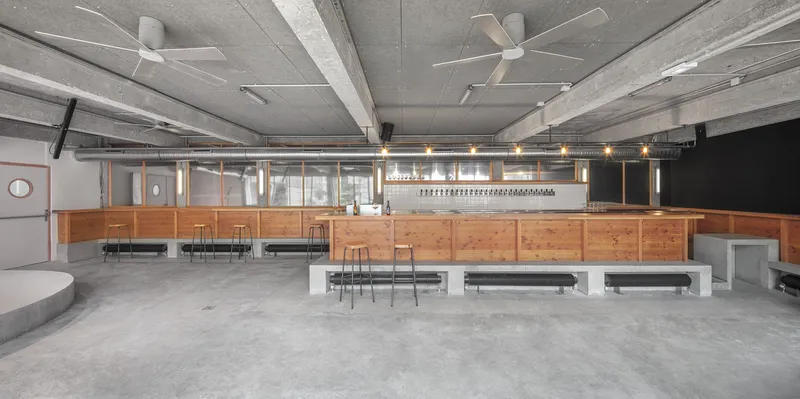
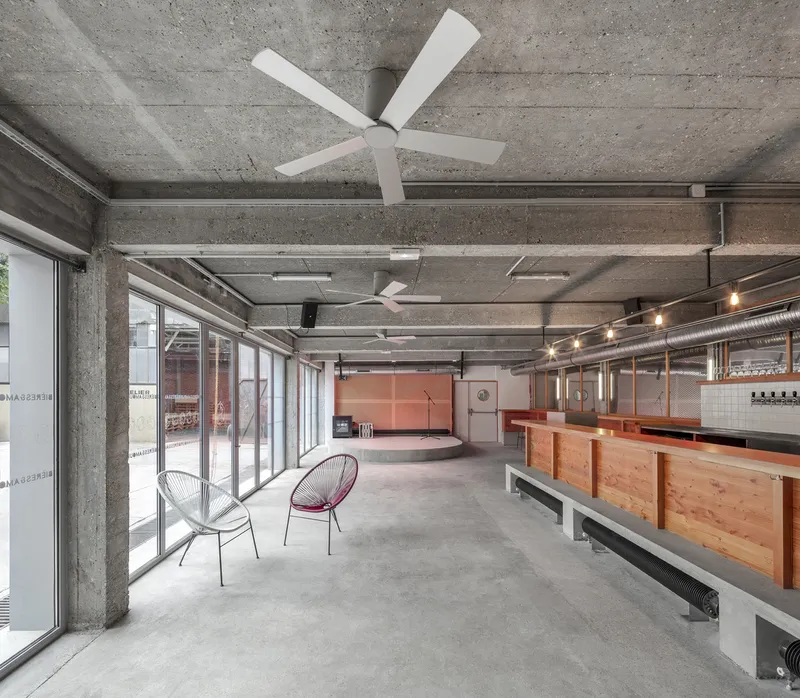
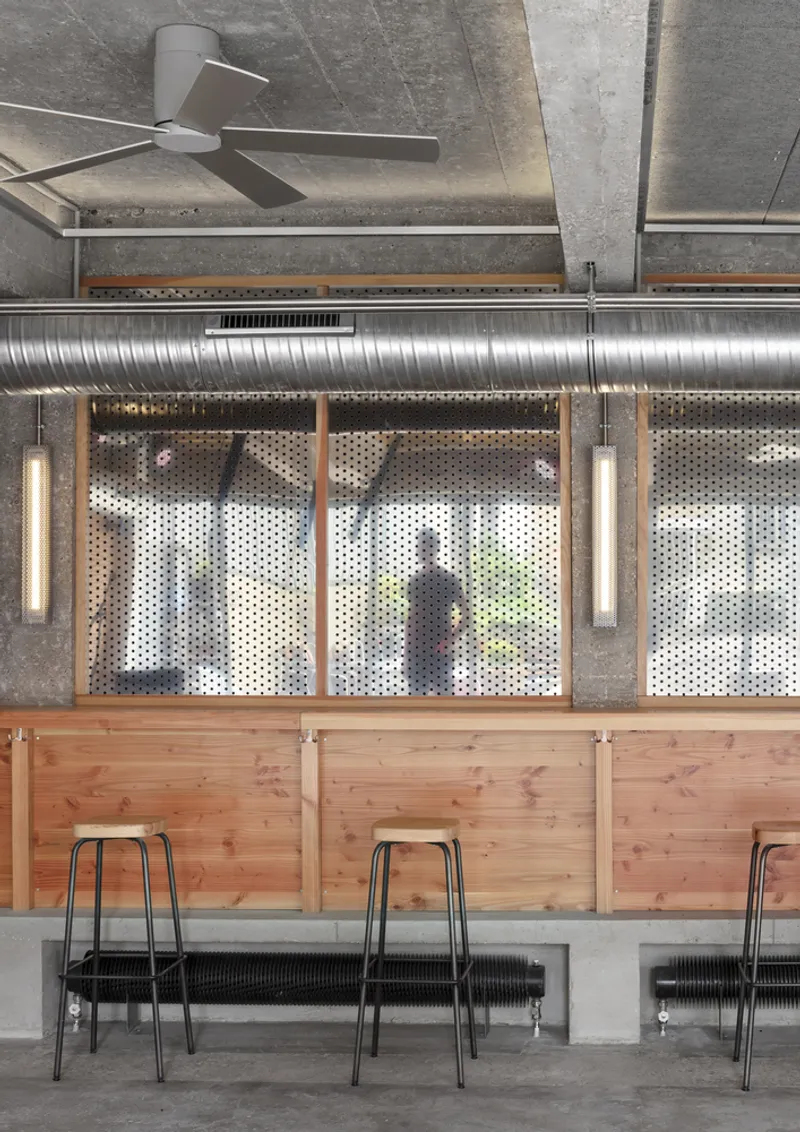
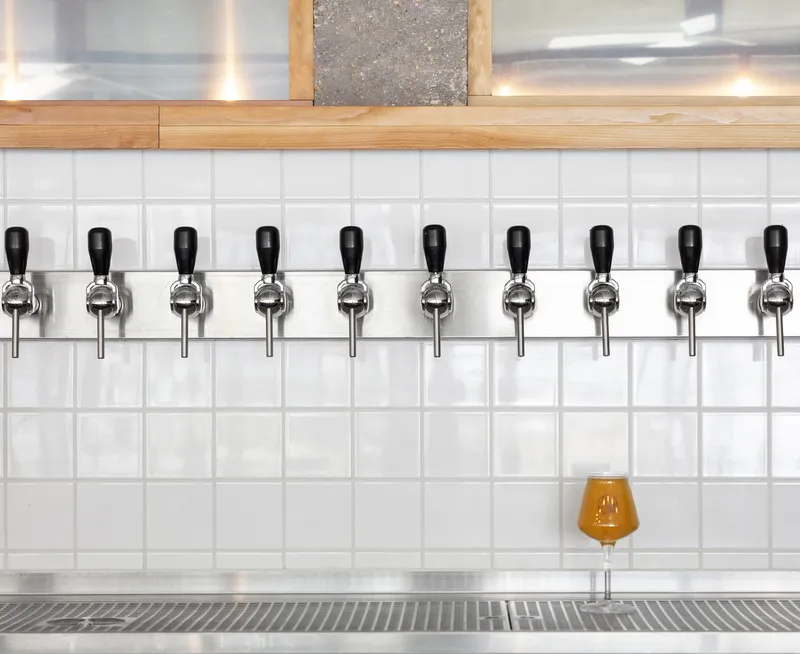
Housed within a historic 350 m² industrial complex, the brewery's bar area is directly supplied by its adjacent production facility, maintaining an authentic connection between the brewing process and customer experience. The project embodies a "factory bar" aesthetic, embracing architectural simplicity and contextual design.
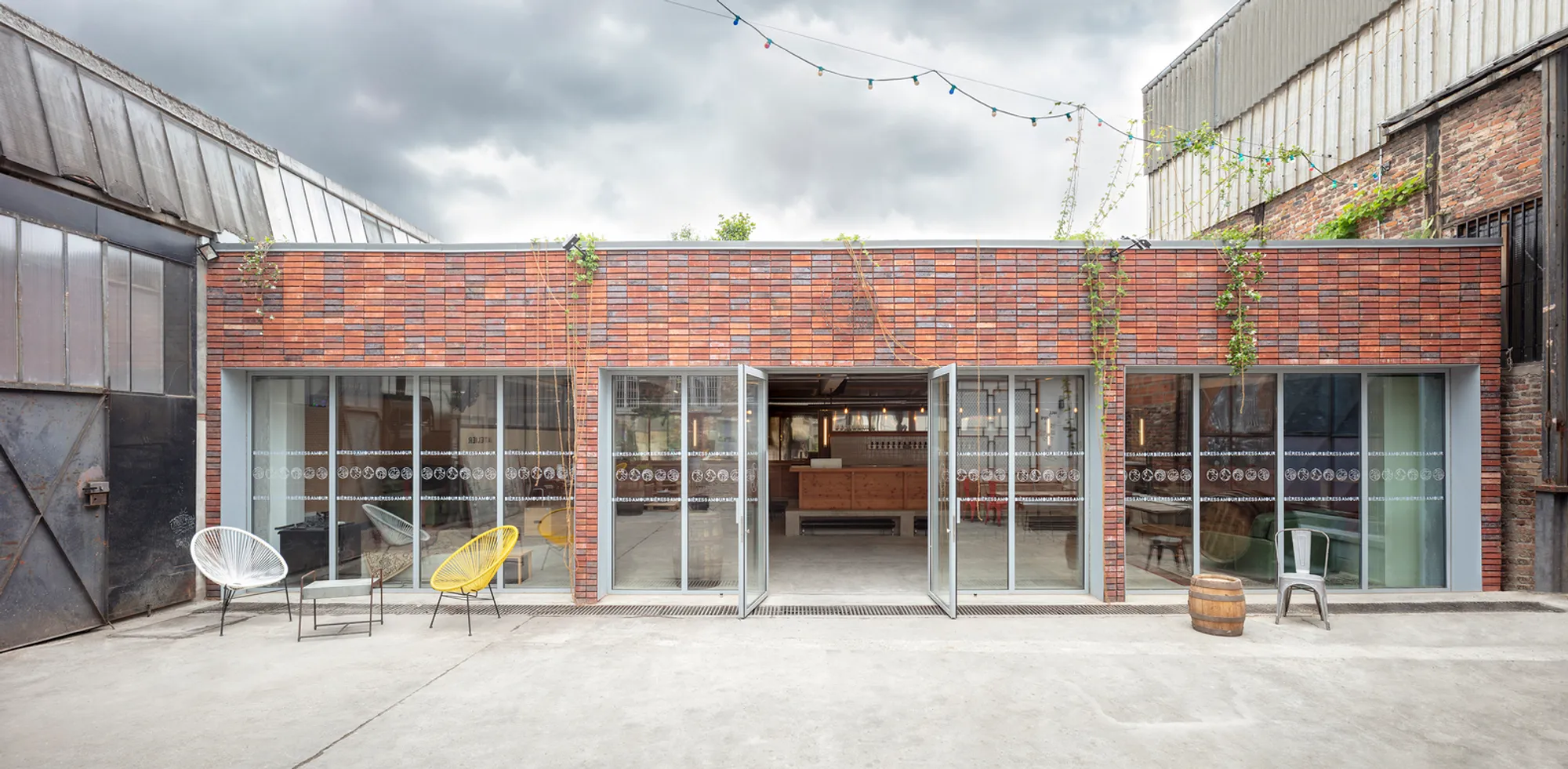
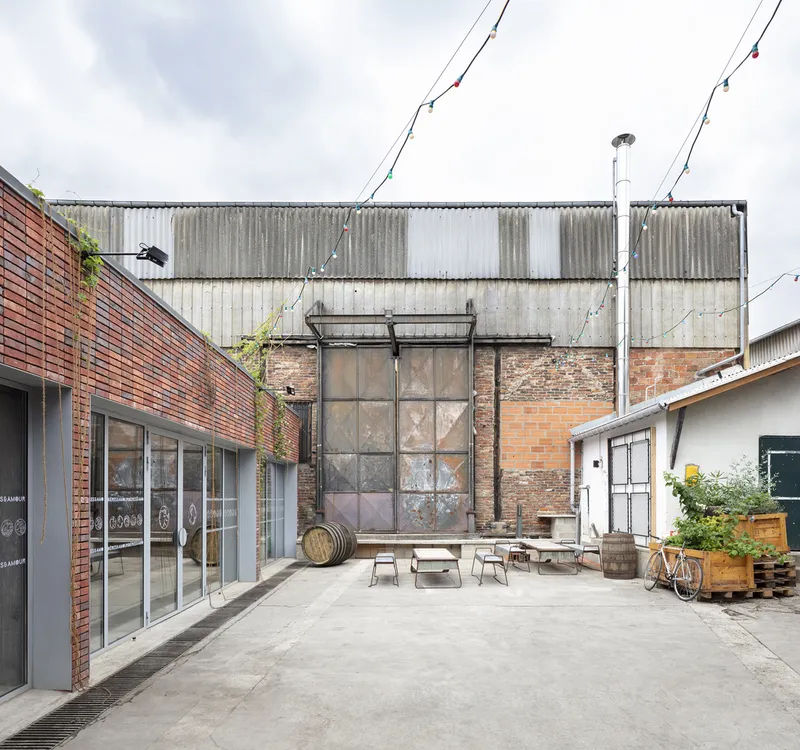
A strong commitment to environmental sustainability guided the renovation. The existing concrete structure was insulated and enclosed with a glazed façade, maximizing natural light and thermal efficiency. The exterior features handmade bricks sourced from a local brickyard, reinforcing regional craftsmanship while promoting low-carbon construction techniques.
Recyclable Brick Façade: A Nod to Circular Construction
The architectural design pays homage to the site’s industrial past, particularly its former role as a material storage facility. The brickwork façade mimics stacked materials awaiting reuse, symbolizing the circular life cycle of construction materials. To further enhance its sustainability, bricks are bound using lime instead of cement, enabling easy disassembly and future reuse upon demolition.
Harnessing Brewery Waste for Energy Efficiency
Brasserie Gallia also integrates innovative energy recovery systems. Waste from the beer brewing process, such as spent grain, is collected in fermentation bins, generating heat that is recycled to warm the bar area. This energy-conscious approach reduces reliance on external heating sources, significantly lowering the building’s carbon footprint.
A Benchmark for Adaptive Reuse in Sustainable Architecture
Brasserie Gallia exemplifies responsible architecture, balancing historic preservation, energy efficiency, and circular construction methods. By repurposing an industrial site, integrating local materials, and minimizing waste, the project sets a precedent for sustainable urban regeneration.
All Photographs are works of Cécile Septet



Popular Articles
Popular articles from the community


The Earth Pod: 3D Printed Homes for Resilient Refugee Communities
The Earth Pod reimagines refugee housing through 3D printed homes made from clay, combining resilience, self-sufficiency, and rapid shelter.

Co-life: Sustainable Architecture for Age-Friendly Community Living
Co-life reimagines sustainable architecture for seniors through courtyards, rammed earth, shared gardens, and spaces designed for belonging.

Play: Fragments of Their World
Familiar architecture becomes modular playground design, creating safe spaces where displaced children can learn, connect, imagine and play.

The Musturak Paradise: Senior Living Architecture for a Connected Future in Temara, Morocco
The Musturak Paradise reimagines senior living architecture in Temara via private homes, social spaces, culture, community, and shared care.

Similar Reads
You might also enjoy these articles


Hodi-Mandai Geram
Project Function: Preservation and revitalization of the Intangible heritage and socio-spatial identity of the Hodi by Housing, Cultural Memory Center, Sacred Grove, landscape, local tourism economy


Olio Towers: A Mid-Rise for Performers That Fuses Housing, Rehearsal, and Stage
Located blocks from Houston's Theater District, this modular tower stacks living units around a central performance atrium.

Oasis: Modular Green Housing Carved into Dhaka's Urban Fabric
A shortlisted Plugin Housing entry reclaims unauthorized settlements in Dhaka with stepped concrete volumes, green roofs, and ventilation-driven design.

Black Hole: A Floating Megastructure for the Post-Physical Era
Emiliano Mazzarotto envisions a spherical, self-scaling arena where e-sports, digital hotels, and holographic stadiums replace traditional public space.


Explore Urban Design Competitions
Discover active competitions in this discipline



Challenge to reimagine the Iron Throne


Photograph architecture without architects


Illustrate the lost glory of Angkor Wat - Render Challenge


Design challenge to reuse E-waste
Comments (0)
Please login or sign up to add comments
No comments yet. Be the first to comment!