

Brick Abode
In the midst of the hustle and bustle of the city, take a moment to reflect on the simplistic beauty and the real essence of Bangalore.

Q1 : Discuss the user profile chosen.
Ans: The residence design of a contemporary Indian family features three people: parents with their 10-year-old daughter. Indian households frequently host several visitors. This design includes a separate room for the guest to live in. Access to public areas is available to visitors.
Q2 : Elaborate on the lifestyle imagined for the chosen user.
Ans: The Father works in a city renowned for its IT industry, while the mother is a homemaker. Father was raised in Bangalore and has a great affinity for the IT industry. He wants the structure to represent Bangalore architecture by retaining the exposed brick on the facade. Moreover, private spaces like the master bedroom and a kid's bedroom should be kept on the upper levels, while public and semi-public spaces has been kept on the ground floor.
Q3 : What strategy have you adopted in your design to ensure the basics of light and ventilation inside the building?
Buildings that face north can use less energy because they receive less direct sunlight. Since the light is less powerful and more diffuse than direct sunlight. By helping to keep interior temperatures more constant throughout the day, it can lessen the demand for heating and cooling.
The double-glazed glass roof provides natural light and ventilation for the courtyard, central corridor and windows of that area and front façade glass windows provide the ventilation for the bedrooms and livings space. Family lounge is designed more open with foldable louver windows which will get maximum sunlight than normal window.
Q4 : What aspect of your design anchors it to the city chosen?
Buildings may be made pleasant and energy-efficient for Bangalore's mild climate by implementing the passive design principles for lighting, ventilation, fenestration, and Efficient heating and cooling systems. The house was designed using widely accessible sustainable materials from Bangalore, such as recycled wood and mud bricks. By keeping the exposed brick on the façade and courtyard walls, the building is intended to depict Bangalore architecture.
Q5 : How can such a design in your chosen city be made at a low cost?
Brick, glass, and wood, among other materials, are easily available in Bangalore at affordable prices. These local materials can also lower the cost of transportation. The energy required for heating and cooling a home can be decreased by implementing passive design techniques like natural ventilation. While keeping the house's design modest and simple might help in lowering construction expenses, as it will require less customization and specialized labor.
Q6 : How can the suggested lifestyle based spaces be used to give a modern definition for a house in the contemporary problem of space crunch?
Using every square inch of space properly is crucial given the current space crunch problem. By designing spaces that may be used for multiple functions.
In the designing of this house, we used dining space can also serve as a workspace.
A small-scale design that puts an emphasis on simplicity and effective use of space may help build a contemporary and useful house without taking up too much room. By include outside areas for living, including rooftop gardens and rooftop patio. Vertical living can be a workable solution to space restrictions in metropolitan locations like Bangalore. Without compromising convenience or comfort, it is feasible to make the most of the available space by including elements like multi-story living areas.




Popular Articles
Popular articles from the community


Conexión: Biophilic Design Reimagines High-Rise Living in Hong Kong
Conexión reimagines high-rise living in Hong Kong through biophilic design, green facades, shared spaces, daylight, water and nature within.

EW PARK: Sustainable Architecture Reimagines the Future of Urban Parking
EW PARK reimagines city parking as a modular wooden tower combining automation, solar energy, electric mobility, and adaptable urban design.

Riyadh For All: Intergenerational Urban Design for Active Aging in Rabat
Riyadh For All reimagines urban design in Rabat with intergenerational co-living, adaptive courtyards, and Moroccan cultural exchange today.

The Musturak Paradise: Senior Living Architecture for a Connected Future in Temara, Morocco
The Musturak Paradise reimagines senior living architecture in Temara via private homes, social spaces, culture, community, and shared care.

Similar Reads
You might also enjoy these articles

The Rhythm of Seasons
A Farmers' Market Connecting Nature and the City


More Than a Building-Designing a Living System
More Than a Building-Designing a Living System
Base Beyond
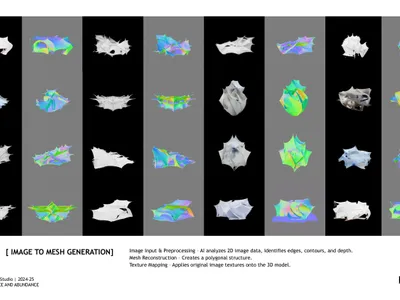
DESERT COMPOUND ARID: TOURISM OF ABSENCE AND ABUNDANCE

Explore Bangalore Competitions
Discover active competitions in this discipline


Challenge to design luxury tourism on rails


Challenge to reimagine the Iron Throne


Photograph architecture without architects


VR headsets Storefront design competition
Comments (0)
Please login or sign up to add comments
No comments yet. Be the first to comment!