
Bridleway House: A Masterclass in Timber Extension Architecture by Guttfield Architecture
The article explores the innovative use of timber extension architecture in Bridleway House, blending modern design with rural charm.


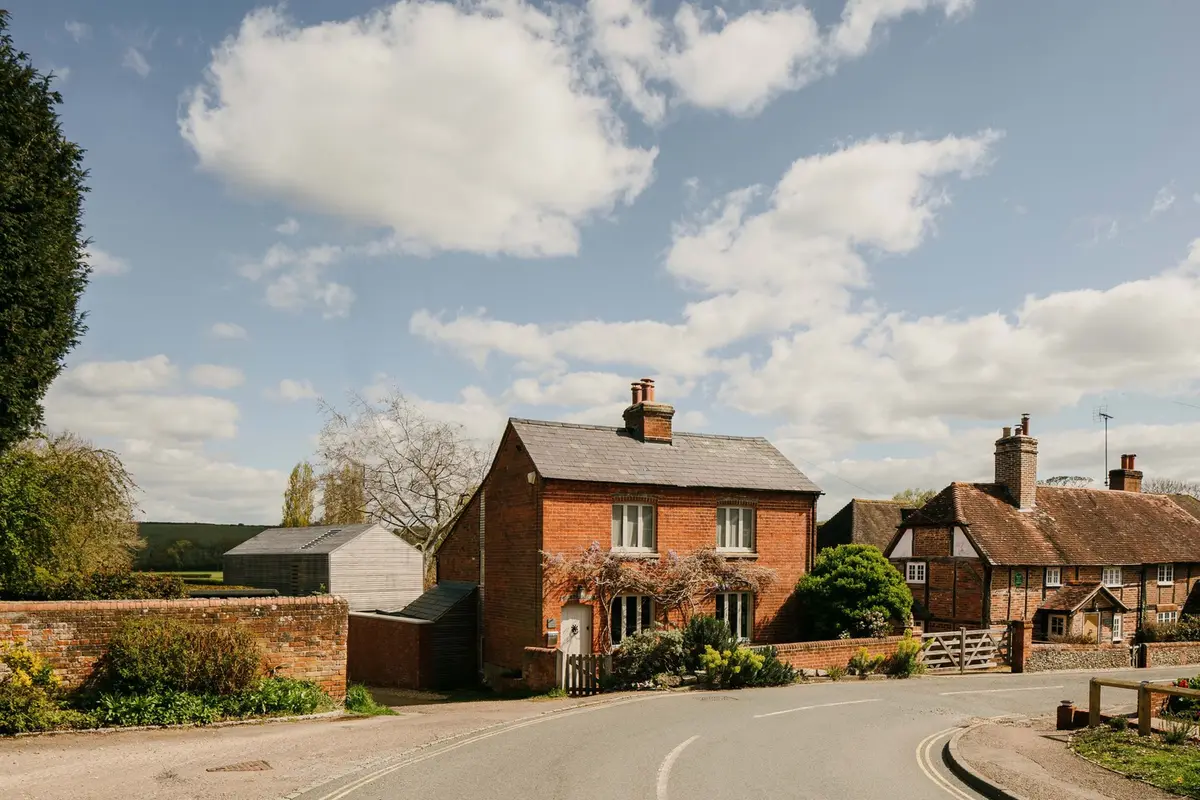
In the realm of contemporary architecture, few design choices offer the warmth, natural beauty, and sustainability of timber. One standout example of this is the Bridleway House, designed by Guttfield Architecture. Located in the idyllic countryside of Purley on Thames, this architectural marvel is an example of how timber can be used to seamlessly integrate modern design with the rural landscape. The project features a striking timber extension added to a traditional red brick cottage, creating a perfect blend of old and new while embracing the surrounding environment.
In this article, we will explore how timber extension architecture is used in the Bridleway House to redefine the concept of modern living in the countryside. We'll break down the design elements, materials used, and how this approach to architecture has a lasting impact on the home’s aesthetics, sustainability, and functionality.


The Vision Behind Bridleway House: A Fusion of Tradition and Modernity
The Bridleway House extension is a perfect example of how architects can take inspiration from the past and fuse it with contemporary design to create something unique and inspiring. The site itself is located in a prominent position within a Thameside village, surrounded by the natural beauty of the North Wessex Downs Area of Outstanding Natural Beauty.
The design needed to be sensitive to both the historic character of the area and the client's desire to introduce a novel architectural feature into their home. The solution? A barn-like timber extension that combines clean, modern lines with the rustic charm of traditional farm buildings. This bold move not only adds to the visual appeal of the home but also ensures that it becomes a functional space that enhances the lifestyle of its occupants.


Key Elements of Timber Extension Architecture
1. Barn-Inspired Design
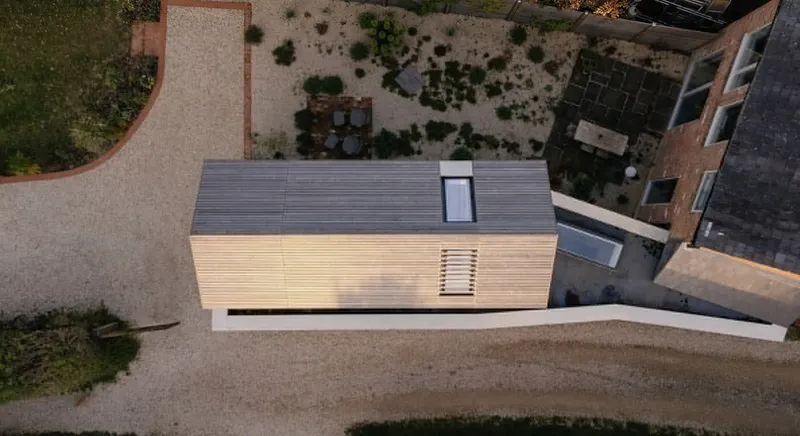
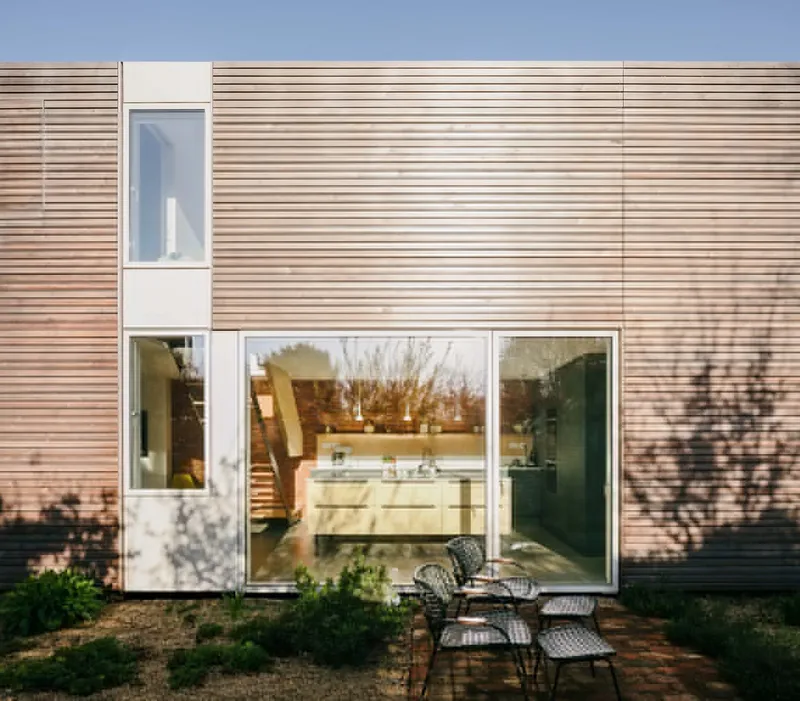
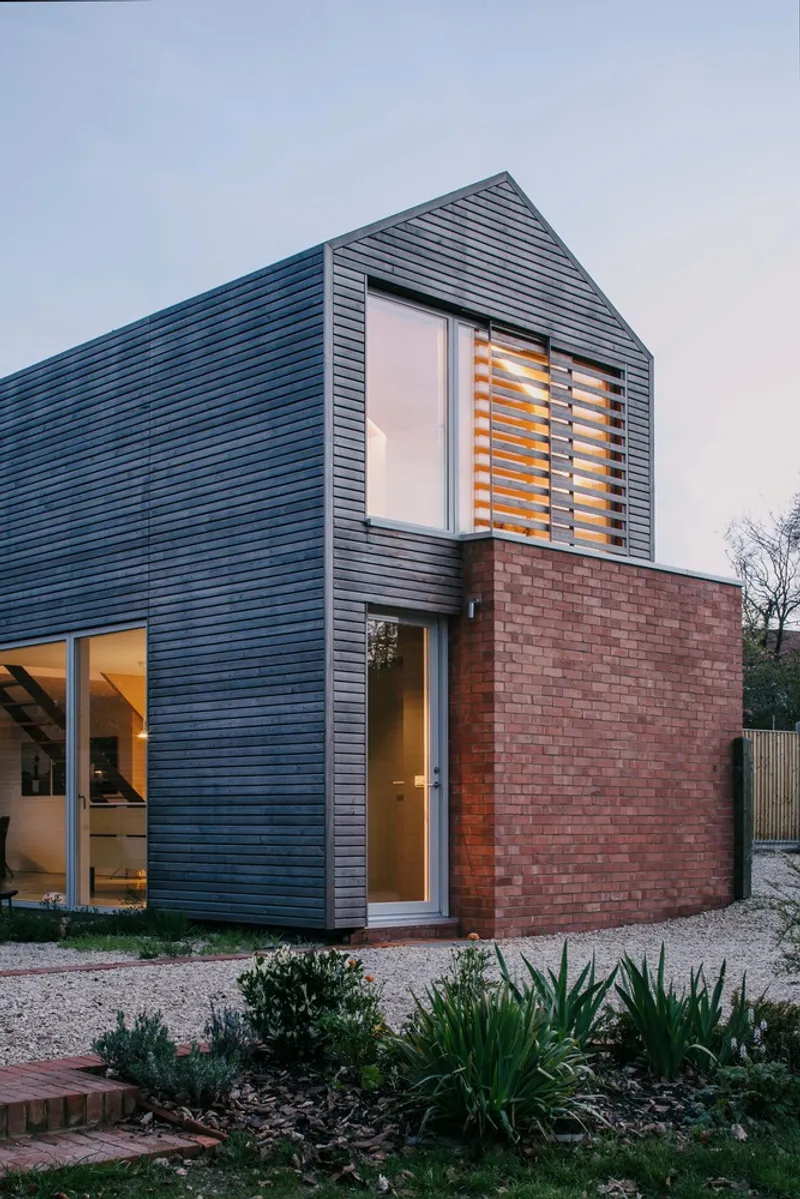
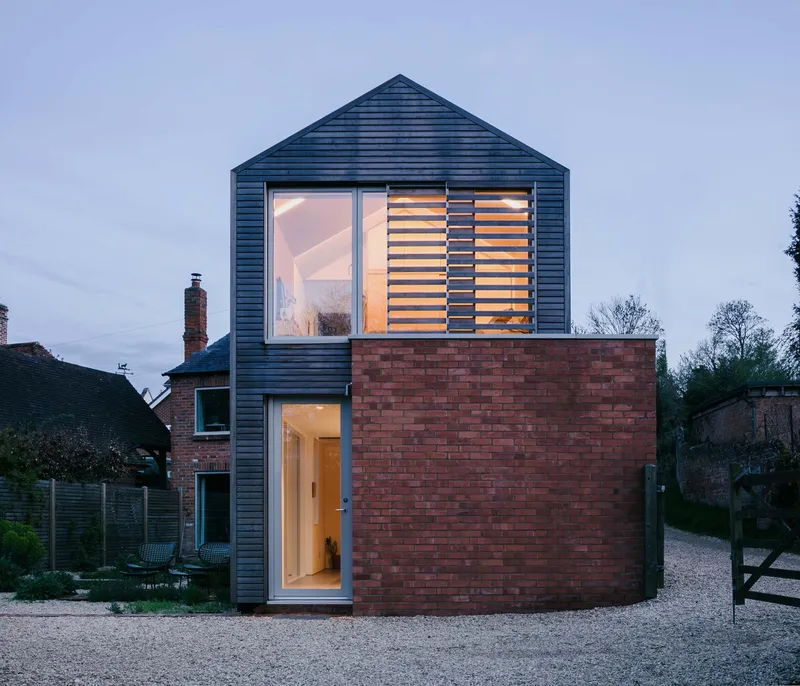
At the heart of the Bridleway House extension is its barn-inspired form. The use of timber and the barn-like volume references the rural context, while the clean, minimal detailing sets it apart from conventional designs. The choice of Siberian Larch cladding creates a connection with the environment, providing both durability and a natural aesthetic that contrasts beautifully with the red brick of the original cottage. The design intentionally incorporates horizontal slats of Siberian Larch not just for cladding but also to envelop the roof, gutters, and rainwater pipes. This seamless integration of materials enhances the extension’s visual appeal and provides a cohesive look that ties the new with the old.

2. A New Master Suite with Expansive Views
The extension’s first floor is dedicated to a master suite, designed to maximize the breathtaking views of the countryside. The bedroom is vaulted, following the barn-like form of the new wing, and is lined with birch plywood. This material was chosen not only for its warmth but also for its ability to reflect the natural light that floods the room. A full-width picture window frames the stunning vistas, creating a visual connection between the interior and the landscape beyond. To maintain privacy while still embracing the outdoors, the architects designed sliding timber shutters that allow the residents to control the level of visibility and privacy.
3. Natural Materials and Sustainability
The choice of materials in this project speaks to the architects’ commitment to sustainability. In addition to Siberian Larch, birch plywood is used extensively throughout the interiors, from the kitchen and bathroom to the wardrobe and bedframe. This use of timber not only adds warmth and texture to the spaces but also reflects the sustainable ethos that underpins the project. The design also incorporates drought-resistant plants in the kitchen garden, further contributing to the home's environmental consciousness.
4. Innovative Privacy Solutions
One of the challenges the architects faced was ensuring privacy while adhering to local planning restrictions. The solution? A clever arrangement of interwoven larch shutters that slide across each other, providing flexibility and enabling the homeowners to create a variety of views and levels of privacy. This innovative design feature not only adds a touch of whimsy but also contributes to the overall aesthetics of the home.

The Role of Timber in Modern Architecture
The timber extension architecture of Bridleway House serves as a powerful reminder of timber's potential in modern design. When used effectively, timber can create spaces that are not only functional but also rich in character and beauty. The material’s versatility allows it to be used in a variety of architectural styles, from rustic to minimalist, and in different contexts, whether urban or rural.
In the case of Bridleway House, the use of timber was central to the design’s success. It allowed the architects to create a contemporary extension that was both innovative and sensitive to its surroundings. The warmth of the material also adds a sense of comfort and homeliness, which is essential in any residential design.

The Impact of Timber Extension Architecture on Modern Living
The Bridleway House extension exemplifies how timber architecture can improve quality of life in a residential setting. The design offers several benefits:
- Enhanced Natural Light: The large windows and open-plan design ensure that natural light floods the living spaces, creating a bright and airy atmosphere.
- Connection to Nature: The large windows and natural materials create a seamless transition between the interior and the exterior, allowing the homeowners to feel connected to the beautiful landscape.
- Sustainability: The use of eco-friendly materials and energy-efficient design elements ensures that the home is sustainable and has a minimal environmental impact.
- Privacy and Flexibility: The innovative use of shutters allows for privacy without sacrificing natural light or views.

Timber Extension Architecture for the Future
Bridleway House, with its timber extension, is an outstanding example of how timber extension architecture can transform a traditional home into a modern masterpiece. By combining traditional materials with contemporary design principles, Guttfield Architecture has created a home that is both beautiful and functional, responding to the needs of its inhabitants while enhancing the natural environment.
This project demonstrates that timber is more than just a building material—it’s a design tool that can bring warmth, sustainability, and elegance to modern living spaces. As more architects embrace timber in their designs, we can expect to see more homes that celebrate the timeless beauty of this versatile material while pushing the boundaries of what modern architecture can achieve.


All the photographs are work of Will Scott Photography


Popular Articles
Popular articles from the community


The Ocean Hive: Sustainable Architecture for a Self-Sufficient Civilization at Sea
The Ocean Hive imagines sustainable architecture at sea, where modular habitats, algae, wave power and ocean waste sustain a growing colony.

ALGAL REALM: A Bio-Integrated Lunar Habitat Design for Life Beyond Earth
ALGAL REALM reimagines lunar habitat design with algae-powered life support, 3D-printed regolith, and vertical living for a lunar future.

Little Red Riding Hood: Architectural Design as a Journey Through Fear, Light, and Storytelling
Little Red Riding Hood reimagines the fairy tale through architectural design shaped by fear, light, scale, memory, uncertainty, and choice.

Play: Fragments of Their World
Familiar architecture becomes modular playground design, creating safe spaces where displaced children can learn, connect, imagine and play.

Similar Reads
You might also enjoy these articles


Hodi-Mandai Geram
Project Function: Preservation and revitalization of the Intangible heritage and socio-spatial identity of the Hodi by Housing, Cultural Memory Center, Sacred Grove, landscape, local tourism economy


Olio Towers: A Mid-Rise for Performers That Fuses Housing, Rehearsal, and Stage
Located blocks from Houston's Theater District, this modular tower stacks living units around a central performance atrium.

Oasis: Modular Green Housing Carved into Dhaka's Urban Fabric
A shortlisted Plugin Housing entry reclaims unauthorized settlements in Dhaka with stepped concrete volumes, green roofs, and ventilation-driven design.

Black Hole: A Floating Megastructure for the Post-Physical Era
Emiliano Mazzarotto envisions a spherical, self-scaling arena where e-sports, digital hotels, and holographic stadiums replace traditional public space.

Explore Building Extension Competitions
Discover active competitions in this discipline

Challenge to reimagine the Iron Throne

Photograph architecture without architects

Illustrate the lost glory of Angkor Wat - Render Challenge

Design challenge to reuse E-waste
Comments (0)
Please login or sign up to add comments
No comments yet. Be the first to comment!