

Buitenplaats Koningsweg by MVRDV: Harmonizing History, Nature, and Modern Housing
Buitenplaats Koningsweg transforms a WWII German military base in Arnhem into sustainable residential homes, blending history, forest landscapes, and modern design.


Buitenplaats Koningsweg is a transformative architectural and cultural project that reimagines a former WWII German military base into a unique residential and cultural enclave. Designed by the visionary team at MVRDV, in collaboration with Buro Harro and KondorWessels Projecten, this project brings together history, sustainability, and modern living within the lush Veluwe forest, one of the Netherlands' most significant natural landscapes.

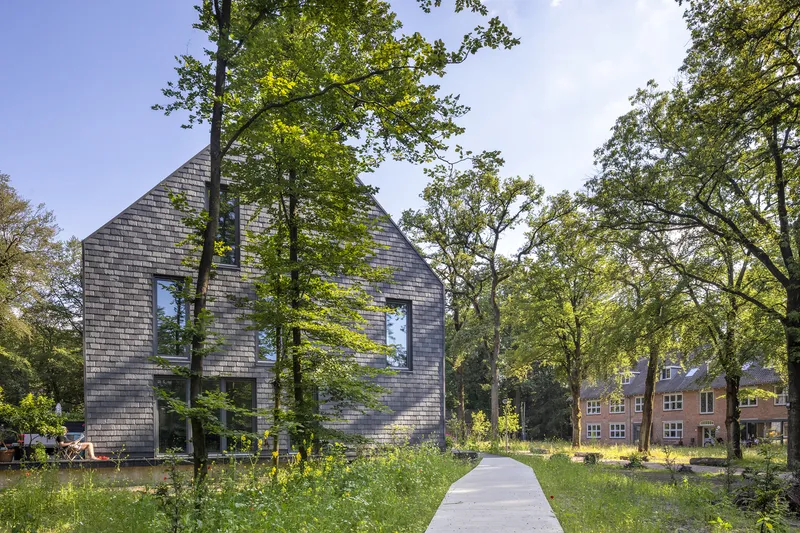
Reviving History: From Military Base to Residential Haven
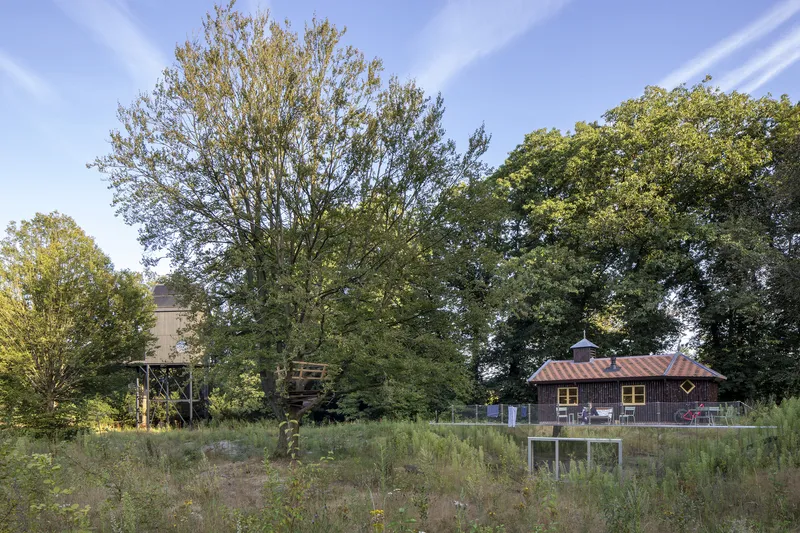
The site originally housed Kamp Koningsweg Noord and Zeven Provinciën, linked to the Deelen airfield, the largest German airfield in the Netherlands during World War II. Concrete military bunkers were cleverly disguised as farmhouses to blend with the natural surroundings.
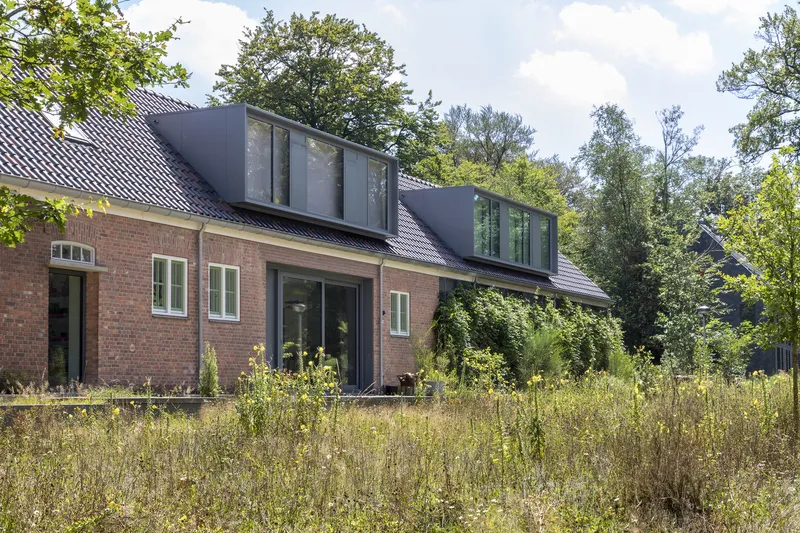
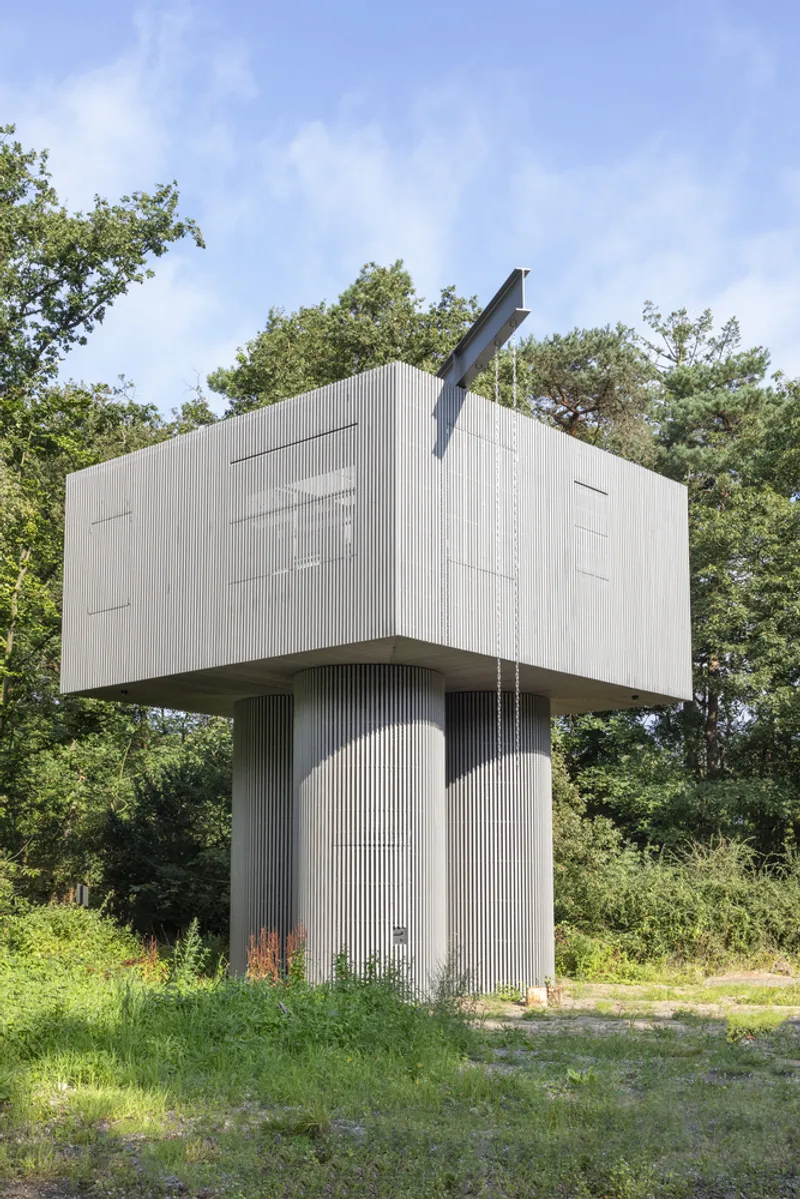
In the latter half of the 20th century, various alterations were made, but today, the surviving structures are protected as Dutch national monuments. MVRDV’s approach respects this heritage while introducing subtle modern interventions. Existing brick buildings are preserved, while later Dutch constructions are transformed with features like dark grey dormer windows and doorways, making new interventions clearly identifiable. Demolished buildings were reconstructed with light grey materials, preserving their original shapes and sizes.
“How could modern interventions highlight the site's history while maintaining the original camouflage? We made changes hyper-legible,” says Nathalie de Vries, founding partner of MVRDV.

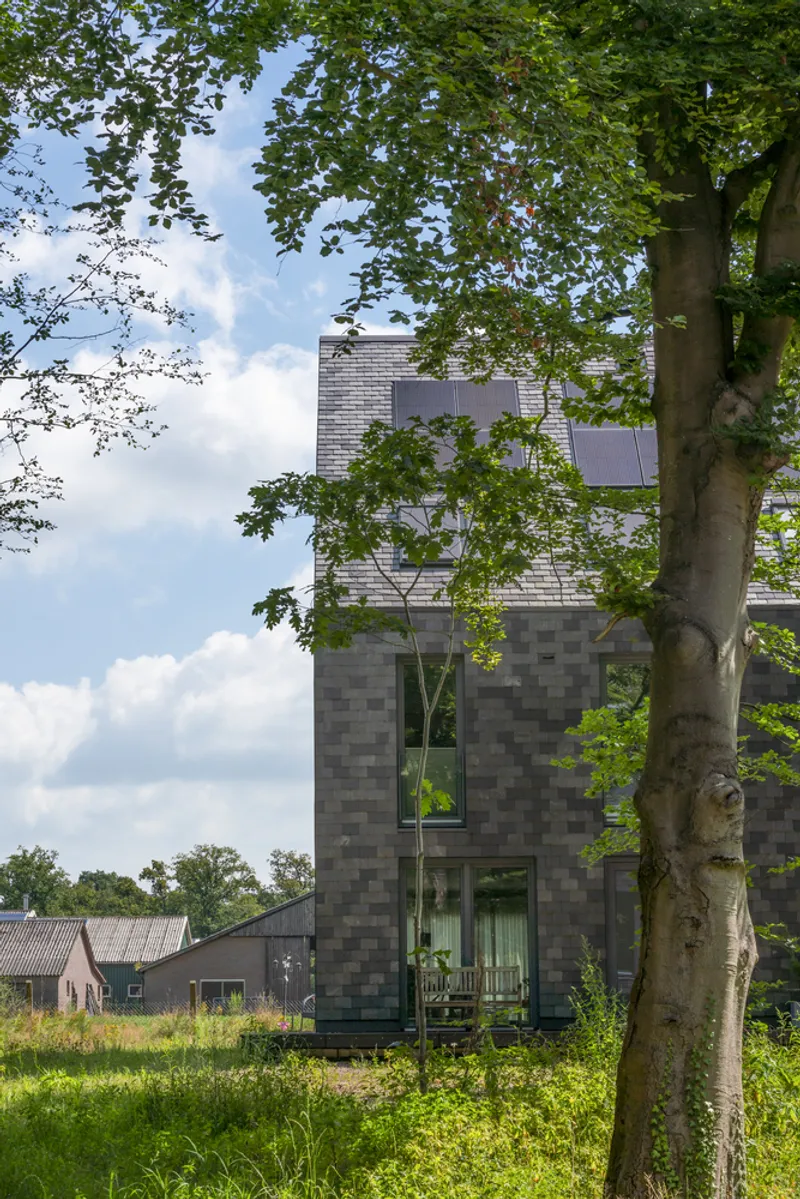
Masterplan: Integrating Nature and Architecture
The landscape design by Buro Harro transforms the formerly desolate site into a thriving, serene environment. Hard landscaping is minimal, with narrow footpaths and open spaces allowing nature to flourish. Fences were removed, enabling wildlife to roam freely and reconnecting the site to the surrounding Veluwe forest.
“The site was heavily paved and desolate. Now, people live, work, and relax in a landscape that feels timeless,” notes Harro de Jong of Buro Harro.
This rewilding effort blurs the boundary between the residential development and the forest. Public spaces will soon be officially transferred to the municipality of Arnhem, ensuring long-term ecological and social integration.


Residential Architecture: Townhouses in the Forest
The final stage of this sixteen-year transformation introduced three nearly identical residential buildings, each housing seven terraced homes. These "townhouses in the forest" follow the masterplan's Image Quality Plan, replicating the size, shape, and positioning of historical buildings while using grey slate walls and roofs to indicate reconstruction.
Residents can choose from multiple floor plans. Homes are elevated above ground level and feature small projecting decks for outdoor enjoyment. Large shared spaces connect the homes, fostering a sense of community while maintaining intimate ties to the surrounding forest.

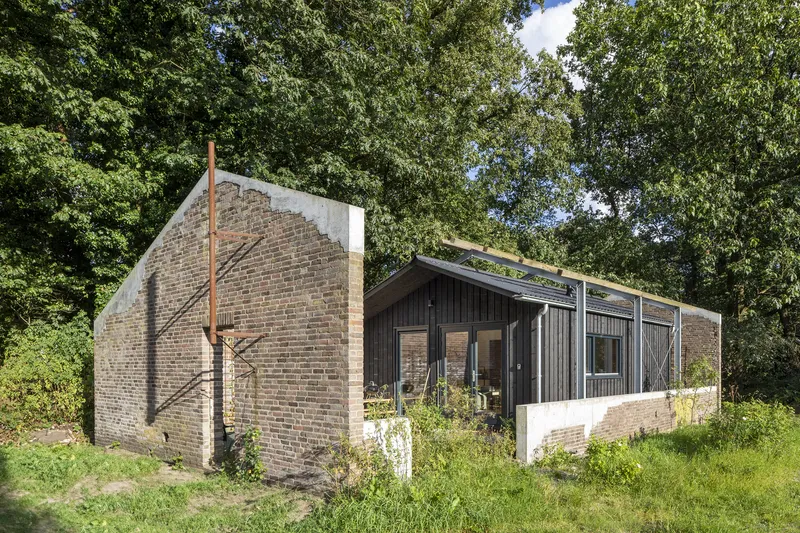
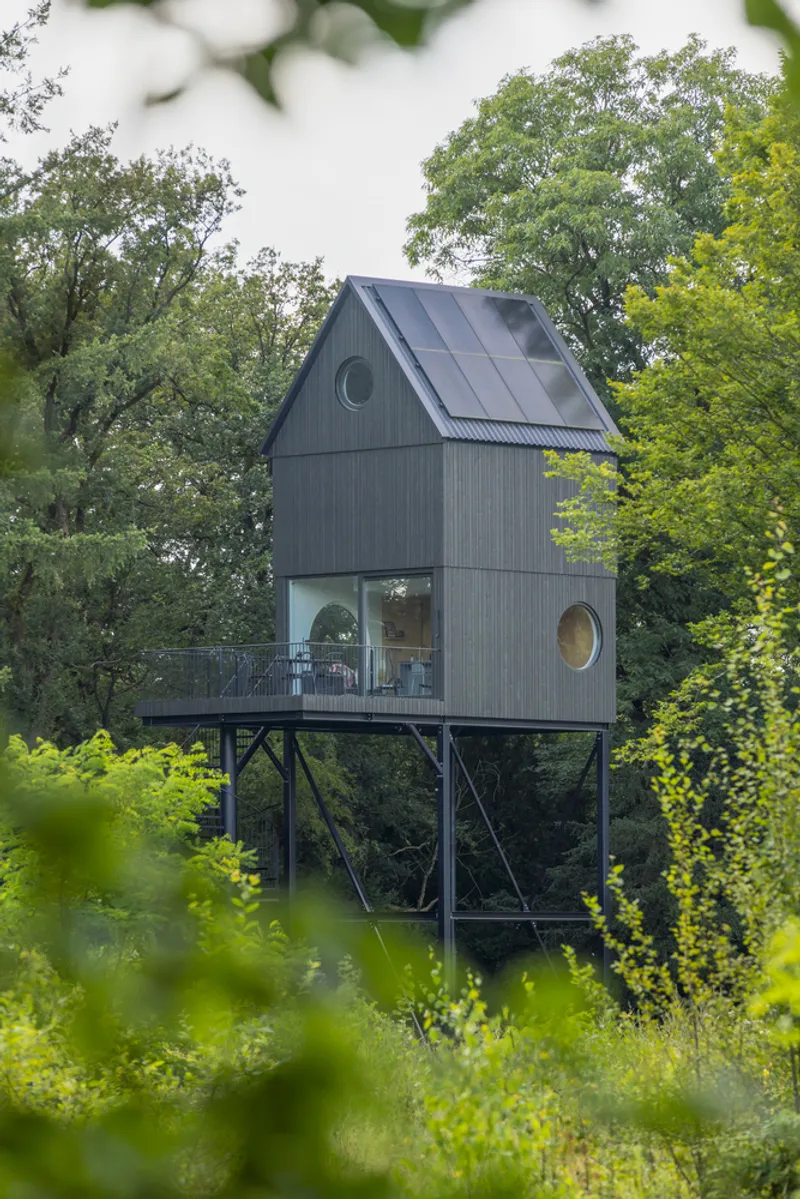
Holiday Follies: Creative and Quirky Designs
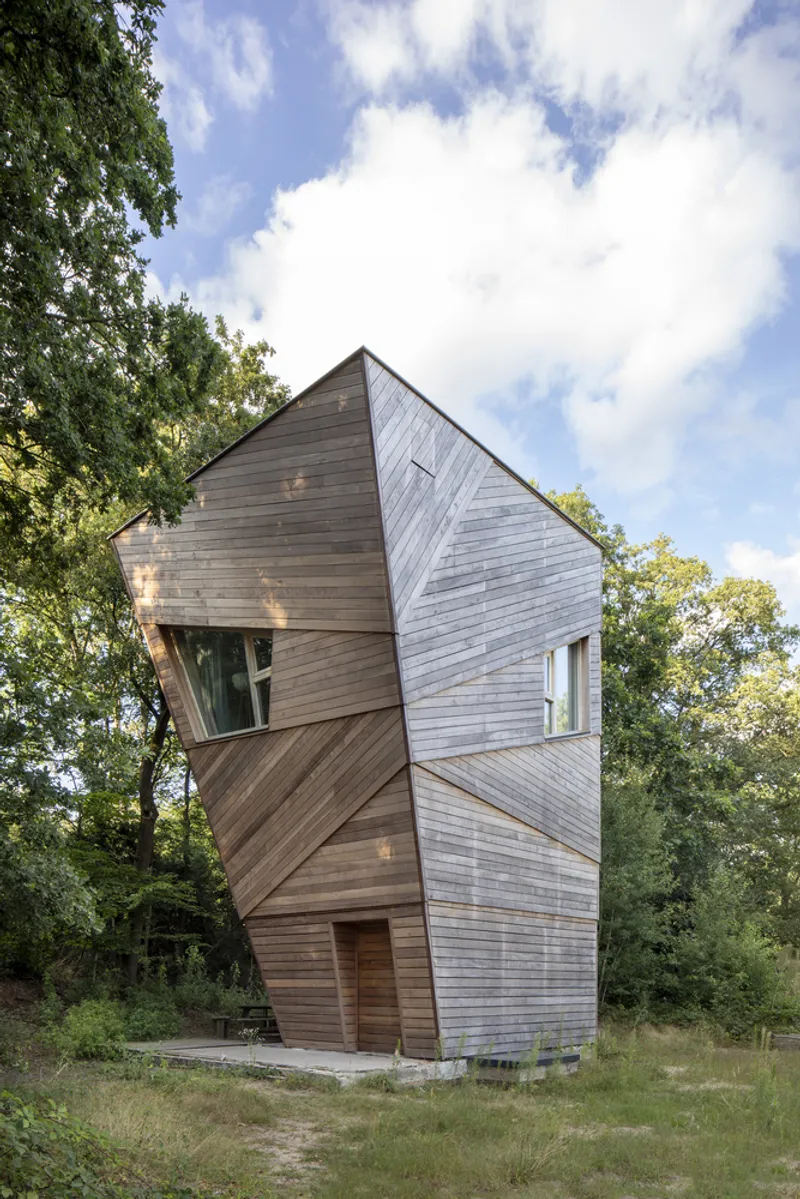
In the northern part of the site, eleven holiday rental follies integrate seamlessly with the forest. Designed through a competition by KondorWessels Projecten and Buro Harro, these playful structures continue the project’s theme of camouflage and disguise, offering unique lodging experiences in a natural setting.
Sustainability and Eco-Friendly Design
Sustainability was a key focus in all aspects of the project. Measures include:
- Timber-framed walls and roofs
- Concrete mixes using recycled aggregates
- Floating decks made from recycled plastic
- Solar panels and high insulation, making most homes energy-neutral
- Parking spaces designed for future electric car charging and bicycle storage
These features encourage sustainable living and reduce the environmental footprint of the development.

A Living Testament to History and Nature
Buitenplaats Koningsweg stands as a remarkable example of adaptive reuse in cultural and residential architecture. By combining historical preservation, modern housing, sustainable design, and immersive natural landscapes, MVRDV, Buro Harro, and KondorWessels Projecten have created a project that is both innovative and respectful of its surroundings.
This unique residential and cultural enclave demonstrates how thoughtful architecture can revive history, connect communities, and celebrate nature all at once.
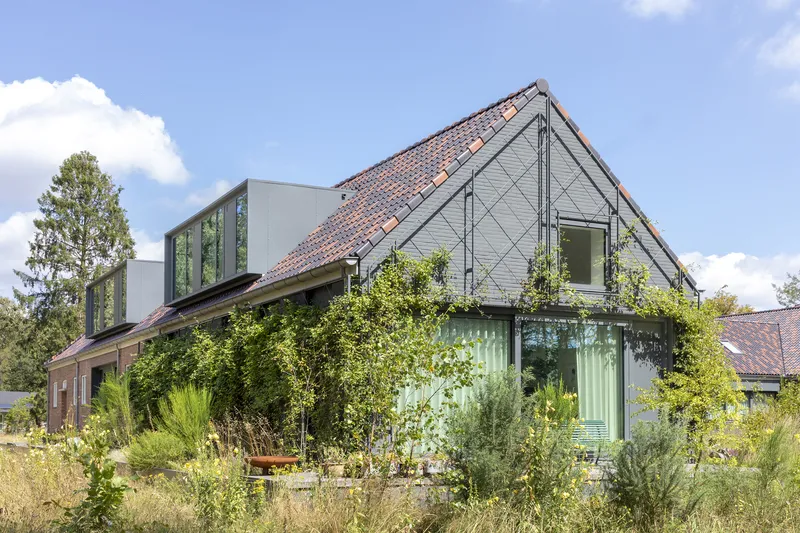

All photographs are works of Daria Scagliola, Jannes Linders


Popular Articles
Popular articles from the community


Cube Design Draws an Ecological Corridor Between Two Shenzhen Hills with the Nankai Building
Beside Shenzhen's container docks, the Nankai Building pairs stacked balconies with a climbing green screen to connect two hillsides across its height.

David Ortega Stacks a Two-Story Mexico City Penthouse Around a Steel Stair and a Pergola-Shaded Roof Terrace
In Colonia Roma, a 300 m² penthouse uses oak joinery, a planted steel stair and a slatted roof pergola to make a new-build apartment feel like a house.

U.GA Architects Wraps an Oval Rooftop Pool in Curved Board-Formed Concrete on Busan's Jeollidan-gil
In Busan's Jeonpo-dong, a 454 m² mixed-use block stacks a neighborhood facility, guest rooms and an oval rooftop pool inside spiraling concrete walls.

Jaramillo Van Sluys Arquitectura and Urbanismo Turn a Demolished Registry Lot in Quito into an Orchard Plaza
In Quito's Centro Histórico, a 2,800 m² plaza exposes the San Agustín convent wall and redraws its lost Augustinian orchard in volcanic stone.

Similar Reads
You might also enjoy these articles


Hodi-Mandai Geram
Project Function: Preservation and revitalization of the Intangible heritage and socio-spatial identity of the Hodi by Housing, Cultural Memory Center, Sacred Grove, landscape, local tourism economy


Olio Towers: A Mid-Rise for Performers That Fuses Housing, Rehearsal, and Stage
Located blocks from Houston's Theater District, this modular tower stacks living units around a central performance atrium.

Oasis: Modular Green Housing Carved into Dhaka's Urban Fabric
A shortlisted Plugin Housing entry reclaims unauthorized settlements in Dhaka with stepped concrete volumes, green roofs, and ventilation-driven design.

Black Hole: A Floating Megastructure for the Post-Physical Era
Emiliano Mazzarotto envisions a spherical, self-scaling arena where e-sports, digital hotels, and holographic stadiums replace traditional public space.

Explore Cultural Architecture Competitions
Discover active competitions in this discipline

Challenge to reimagine the Iron Throne

Photograph architecture without architects

Illustrate the lost glory of Angkor Wat - Render Challenge

Bring back Drive In's
Comments (0)
Please login or sign up to add comments
No comments yet. Be the first to comment!