

Buzenval Social Housing by NZI Architectes: A Perfect Blend of Context and Design
Buzenval by NZI Architectes integrates modern social housing with urban context, featuring brick facades, sustainable materials, and functional design.


Located in Paris, France, the Buzenval social housing project by NZI Architectes brings a thoughtful architectural approach to a corner plot at the intersection of two distinct city streets. The project, covering an area of 1300 m² and completed in 2023, exemplifies a harmonious blend of modern design principles with the urban context of its surroundings.

Architectural Vision and Urban Context
The design of Buzenval is a response to the unique characteristics of its urban setting. Positioned at the intersection of Rue Terre-Neuve and Rue Buzenval, the project needed to strike a balance between the diverse identities expressed by the city's two major streets. The design sought to respect and integrate these urban personalities while creating a cohesive architectural response.
To better understand the site's context, the design team approached the project by considering two key building typologies:
- A Corner Building – Positioned along Rue Terre-Neuve, this building engages with its linear street layout while maintaining a dialogue with the neighboring building.
- A Set-Back Building on Rue Buzenval – This building, with four floors plus a set-back third level, aligns with the city's sloping typology. The design follows the typical massing of such buildings while ensuring the architecture responds to the surrounding urban scale.

Urban Integration: The Corner Building
The corner building serves as the defining element of the project. Shaped according to urban rules, its massing and design language draw inspiration from the neighboring structures, particularly in the use of window grids and horizontal cornices. This building serves as an anchor point, engaging with the street at both the pedestrian and visual levels.
The ground floor of the corner building is raised at 3.20 meters, and the design follows the rhythm of the adjacent building through a careful arrangement of horizontal elements. A key feature of the design is the incorporation of metal guardrails, which both complement the neighboring building and create visual continuity. The use of horizontal elements and varying volumes fragments the height of the building, ensuring it doesn’t dominate the surrounding landscape.

Materiality and Facade Design
The choice of materials plays a crucial role in the building’s aesthetic and contextual integration. The corner building is clad in brick, which contrasts with the smooth, mass-tinted white pre-wall facade of the building on Rue Buzenval. This deliberate contrast between textures and materials emphasizes the distinction between the two buildings while ensuring they remain in harmony within the urban fabric.
The brick facade features fine detailing, including projections and shadows that add depth and visual interest. Full-height wooden joinery and integrated metal frames provide warmth to the structure, while the rounded corners of the building add a soft, inviting gesture, which extends to the courtyard as well.

Functional Design: Minimizing Visual Impact
To avoid overpowering the site, the design of the building along Rue Buzenval is intentionally subdued. By avoiding a penthouse structure on the fourth floor, the project ensures that the building maintains a low profile in relation to the surrounding townhouses. This decision also preserves the spatial integrity of the rear section of the plot, preventing the massing from feeling out of scale.
A key feature of the design is the open skyline, which allows natural light to penetrate deep into the courtyard and provides unobstructed views of the sky. This design choice not only enhances the quality of life for the residents but also ensures the building contributes positively to the urban experience.


Sustainable Design and Material Choices
The Buzenval social housing project is a thoughtful response to both urbanism and sustainability. The careful selection of materials, from the brick facade to the wooden joinery and metal frames, reflects a commitment to long-lasting, sustainable construction. The integration of transparent spaces between buildings enhances the overall circulation and allows light to flood the interior spaces, ensuring that the building is both functional and energy-efficient.
The Buzenval project by NZI Architectes exemplifies how architecture can engage with its context while offering innovative solutions for urban living. By balancing urban identity, functional design, and sustainable material choices, Buzenval stands as a model for future social housing projects. The project not only contributes to the urban landscape but also enhances the lives of its residents by providing thoughtful, well-integrated spaces in one of the world’s most dynamic cities.


Popular Articles
Popular articles from the community

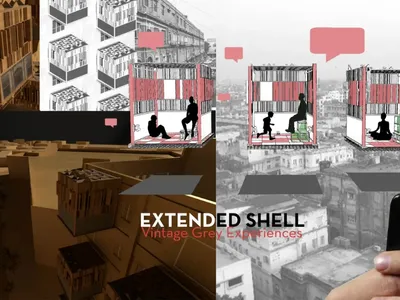
Extended Shell: Retrofitting Kolkata's Balconies as Living Urban Thresholds
A modular retrofit system recovers the social and environmental intelligence of Kolkata's historic verandas for contemporary Park Street residents.
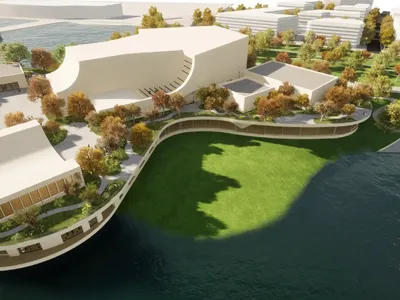
The Amber Palace Opera: A Geological Fiction Surfaces on Tallinn's Baltic Waterfront
Pierre Brillard reimagines a Baltic legend as a public landscape, opera house, and waterfront promenade rooted in Tallinn's coastal identity.
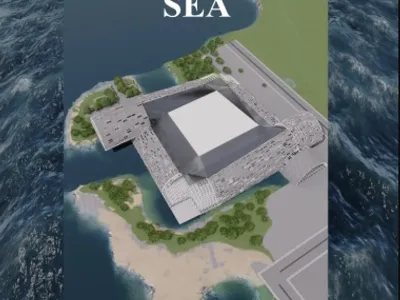
Opera on the Sea: Driftwood Logic Shapes a Timber Opera House on Estonia's Coast
Trevor Orgill's opera house translates the entangled drift of floating timber into a civic building where wood, water, and music converge.
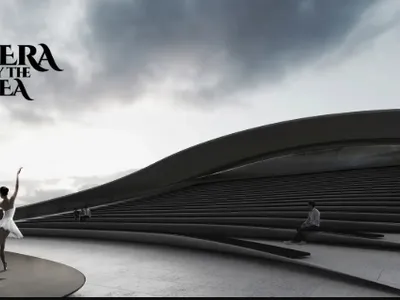
Opera by the Sea Estonia: Three Shells Dissolving Architecture into Tallinn's Coastline
A winning opera house proposal replaces monumental form with interconnected shells that blur the boundary between building, park and Baltic Sea.

Similar Reads
You might also enjoy these articles

Hodi-Mandai Geram
Project Function: Preservation and revitalization of the Intangible heritage and socio-spatial identity of the Hodi by Housing, Cultural Memory Center, Sacred Grove, landscape, local tourism economy

Olio Towers: A Mid-Rise for Performers That Fuses Housing, Rehearsal, and Stage
Located blocks from Houston's Theater District, this modular tower stacks living units around a central performance atrium.
Oasis: Modular Green Housing Carved into Dhaka's Urban Fabric
A shortlisted Plugin Housing entry reclaims unauthorized settlements in Dhaka with stepped concrete volumes, green roofs, and ventilation-driven design.

Black Hole: A Floating Megastructure for the Post-Physical Era
Emiliano Mazzarotto envisions a spherical, self-scaling arena where e-sports, digital hotels, and holographic stadiums replace traditional public space.

Explore Housing Competitions
Discover active competitions in this discipline

Challenge to reimagine the Iron Throne

Photograph architecture without architects

Illustrate the lost glory of Angkor Wat - Render Challenge

Design challenge to reuse E-waste
Comments (0)
Please login or sign up to add comments
No comments yet. Be the first to comment!