
Cabin in the Buenos Aires Delta by Matías Cosenza Arquitecto – A Modern Refuge in the Heart of Nature
A sustainable wooden cabin on stilts in Buenos Aires Delta, blending modern design, natural harmony, and flood-resilient architecture beautifully.

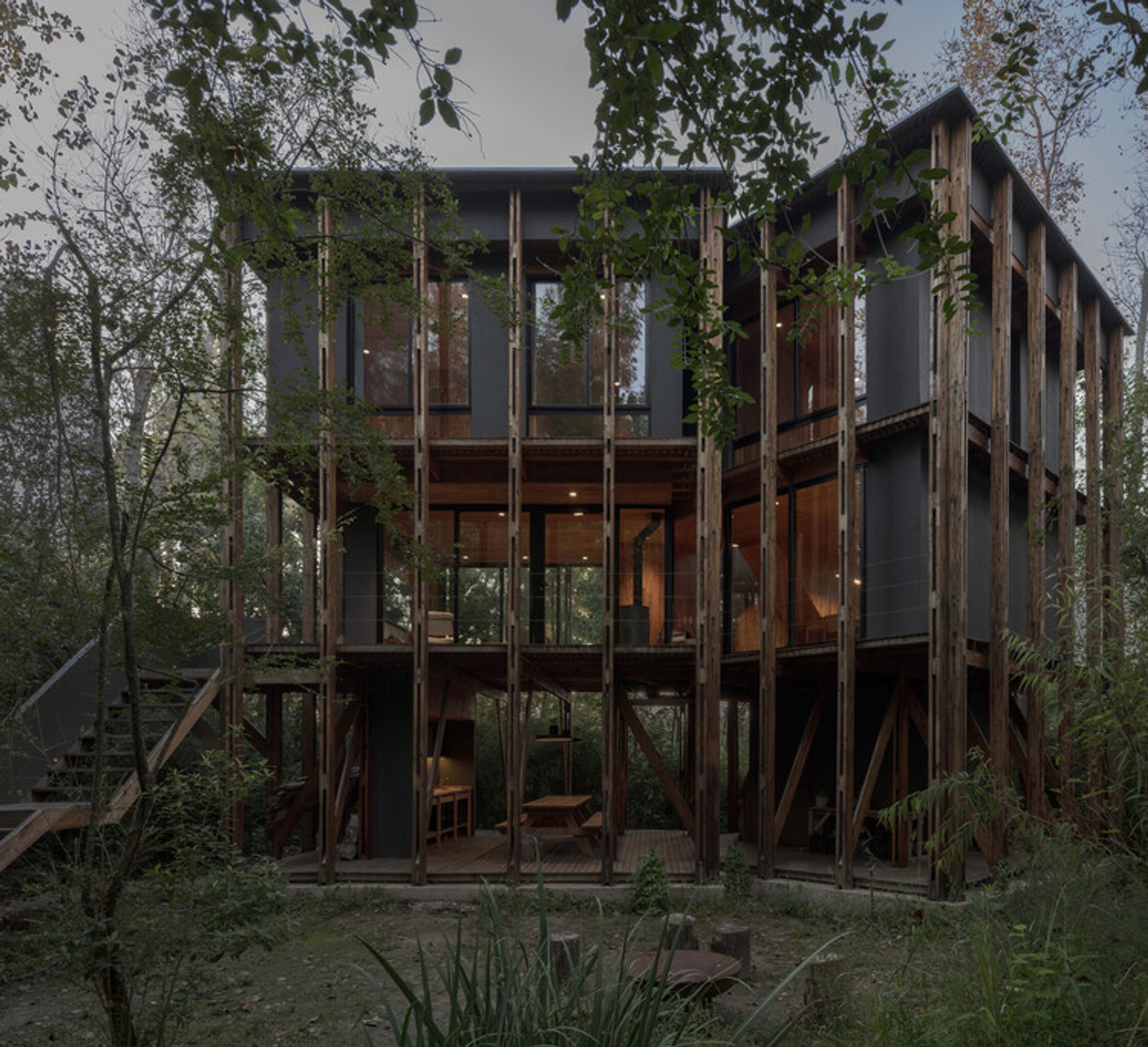
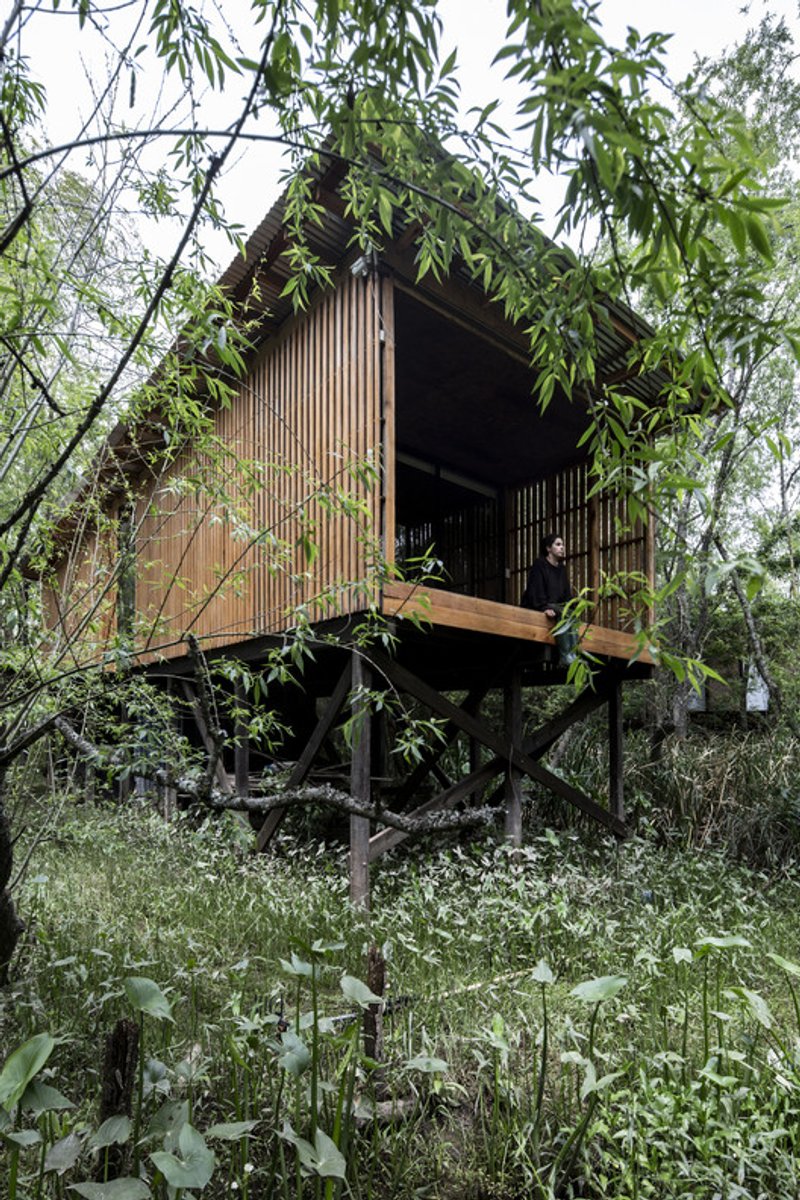
Nestled at the raw confluence of the Paraná and Uruguay Rivers, where their waters merge into the Río de la Plata, stands the Cabin in the Buenos Aires Delta — an architectural dialogue between human craft and wild nature. Designed by Matías Cosenza Arquitecto, this 150-square-meter wooden retreat rises gracefully above the wetlands of Dique Luján, Argentina. Accessible only by water, the cabin redefines isolation as luxury — a sustainable, poetic expression of coexistence with the natural world.
Context and Vision
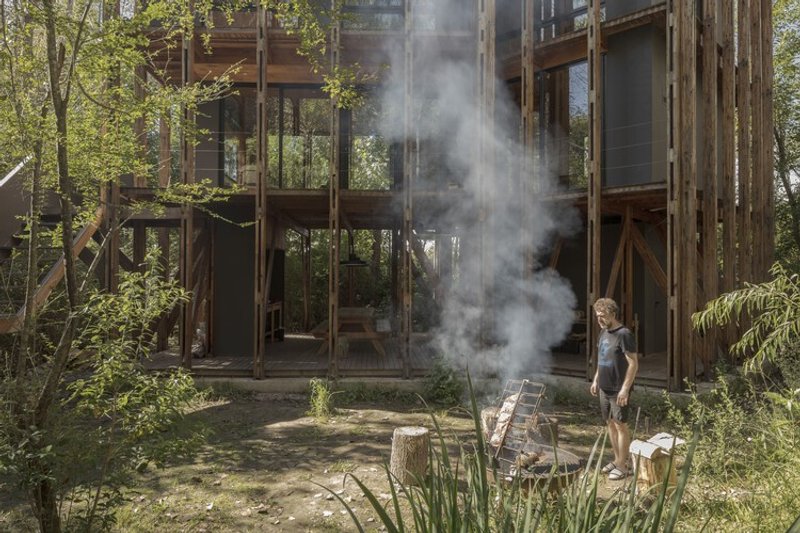
The Buenos Aires Delta is a landscape of wetlands, dense foliage, and shifting water levels — a living ecosystem that demands respect. In such a volatile environment, architecture must adapt to rhythm rather than control it. Here, Cosenza’s vision was not to hide the structure within the landscape but to allow it to stand in conversation with its surroundings. The result is a dwelling that acknowledges nature’s dominance while asserting human presence through thoughtful design and precise geometry.
Design Concept
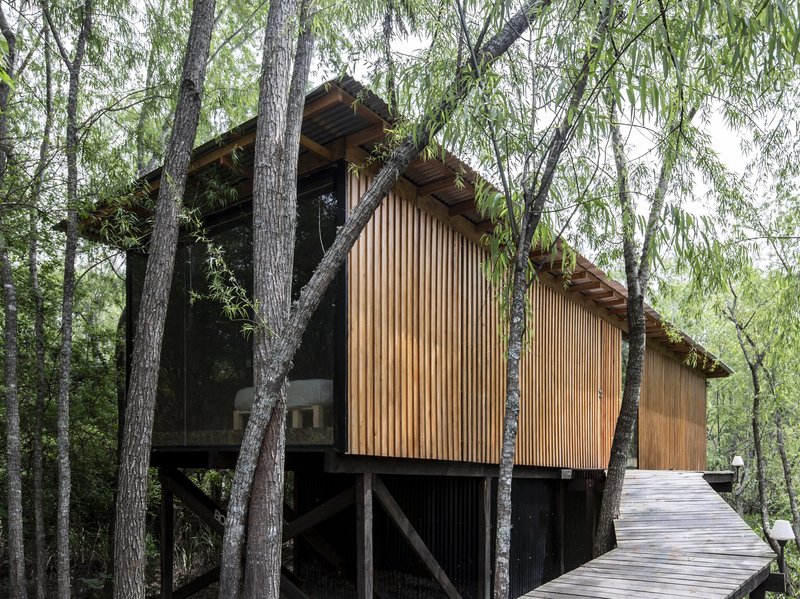
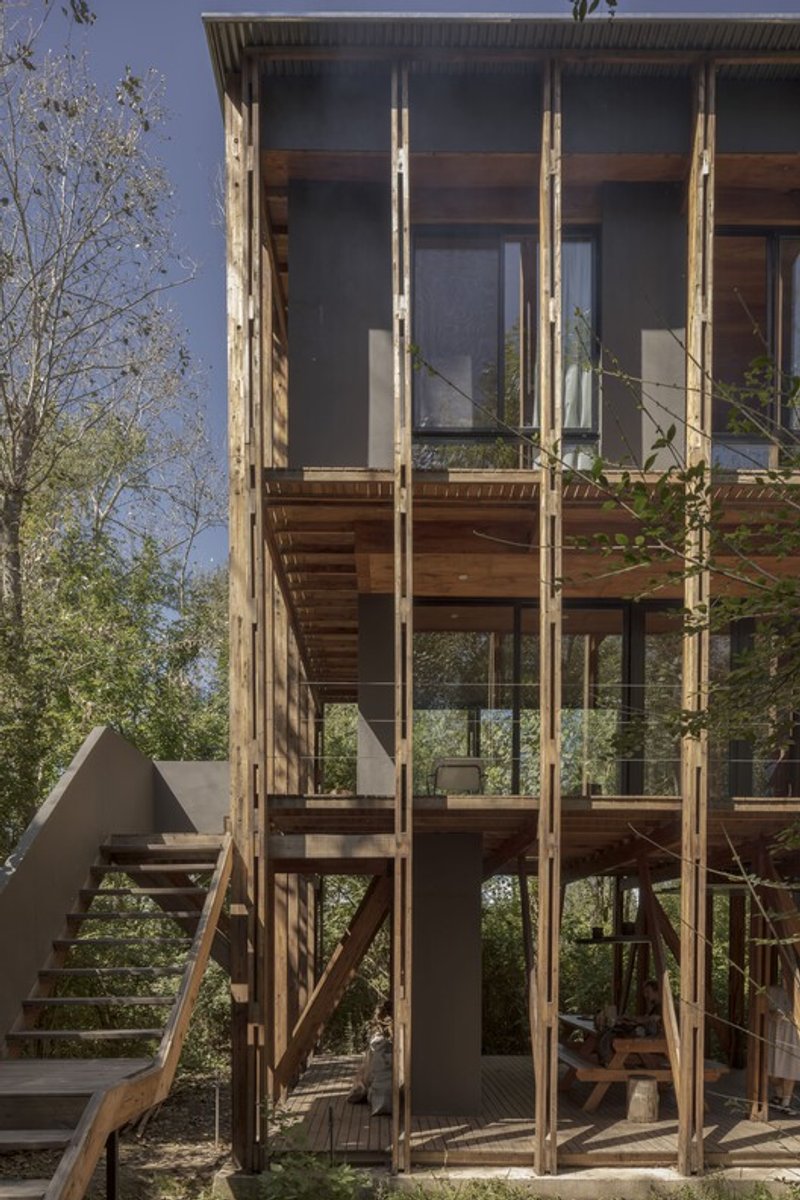
The cabin is built on a stilt system — an ancient technique reimagined through modern construction methods. These stilts, industrialized yet organic, lift the home above potential floods while integrating it seamlessly into the terrain. The structure avoids the typical base-on-box typology; instead, the architecture emerges within its foundation, blending solidity and lightness.
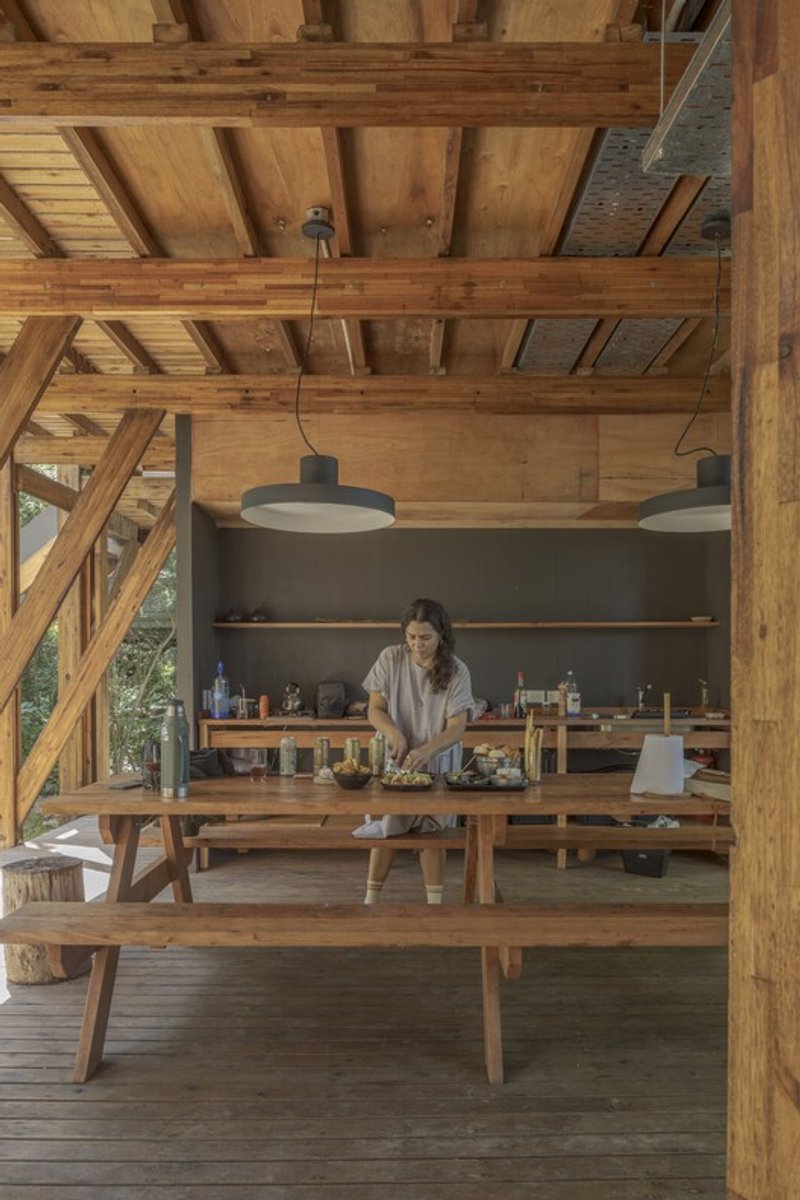
Constructed primarily from Eucalyptus rostrata, a non-native yet regionally adapted wood, the cabin reflects both sustainability and resilience. Each wooden section follows a strict 1.22-meter modular grid, optimizing transport, assembly, and material efficiency. This precision allows the cabin to feel both handcrafted and engineered, a fusion of rustic authenticity and architectural intelligence.
Form and Material Expression
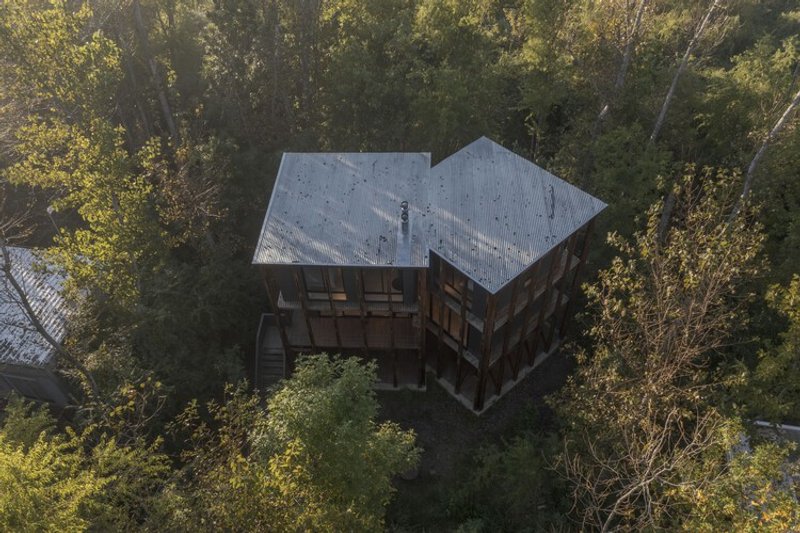
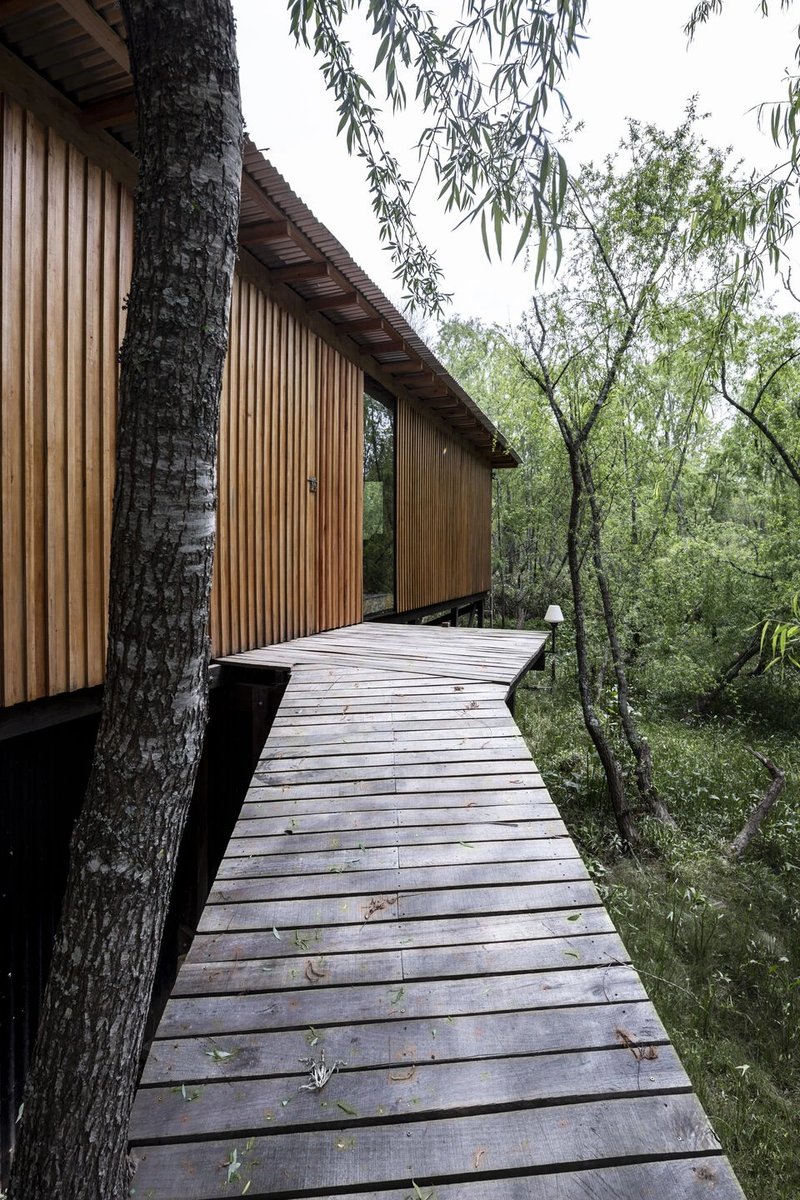
The project explores two connected cubic volumes — minimalist yet monumental in their presence. These cubes rise from the grid of stilts like a cultivated forest, framing human life amid natural chaos. The façade, entirely clad in wood, weathers over time, blending visually with the wetland’s earthy tones.
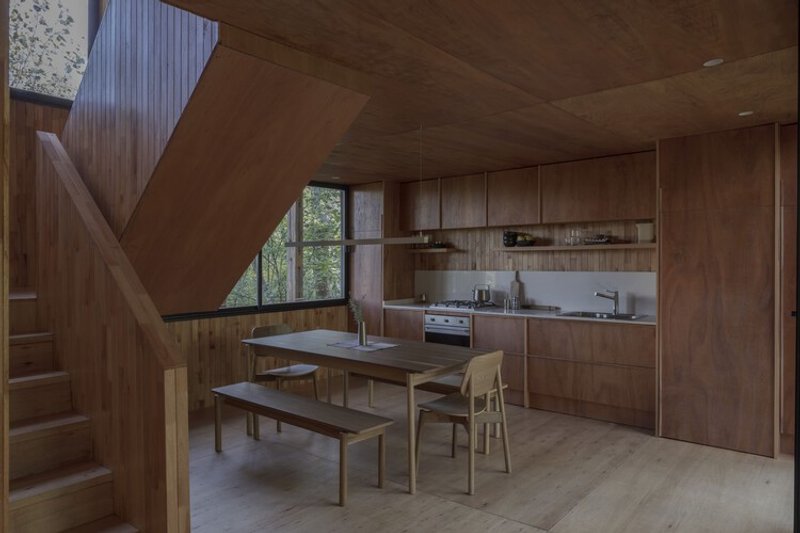
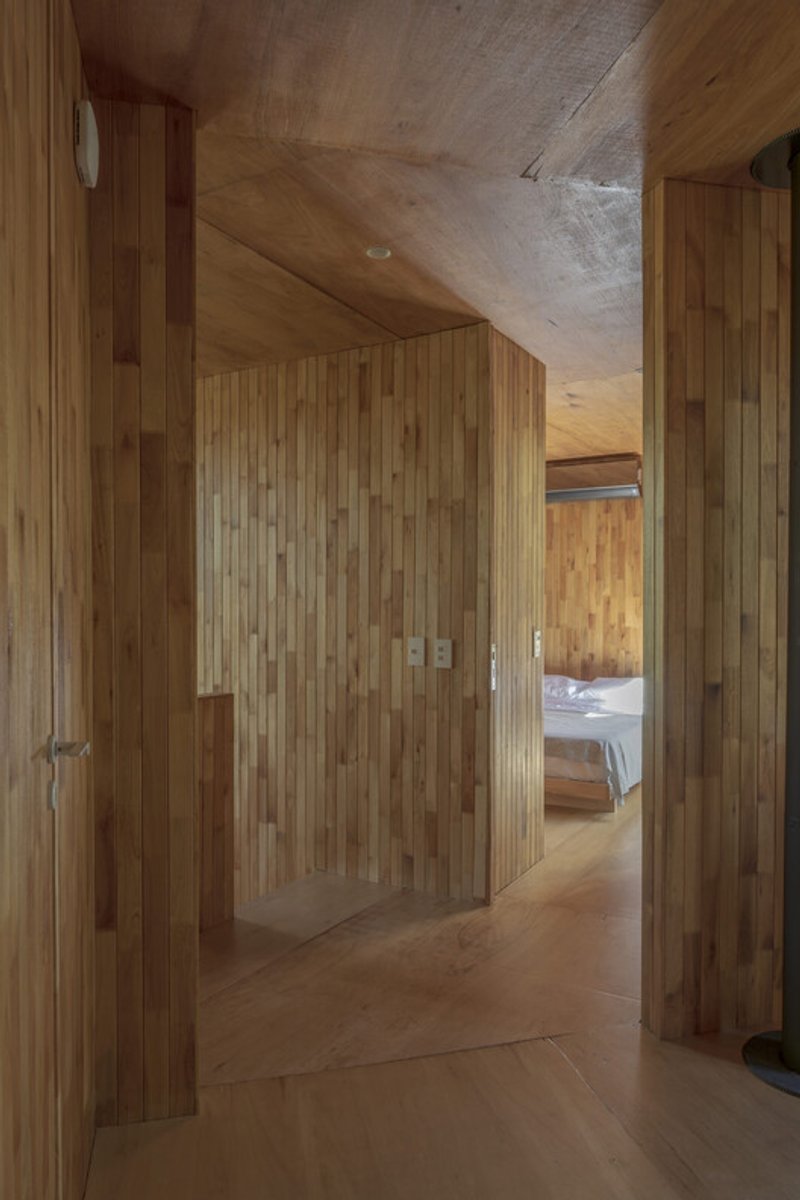
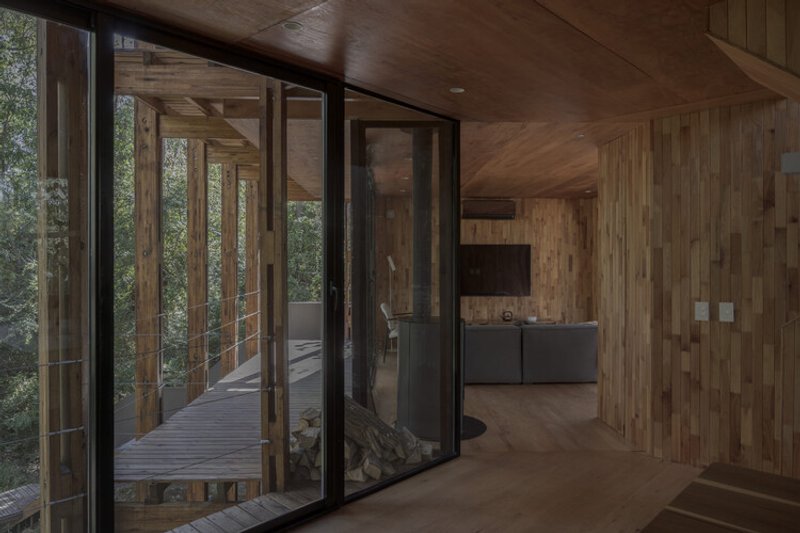
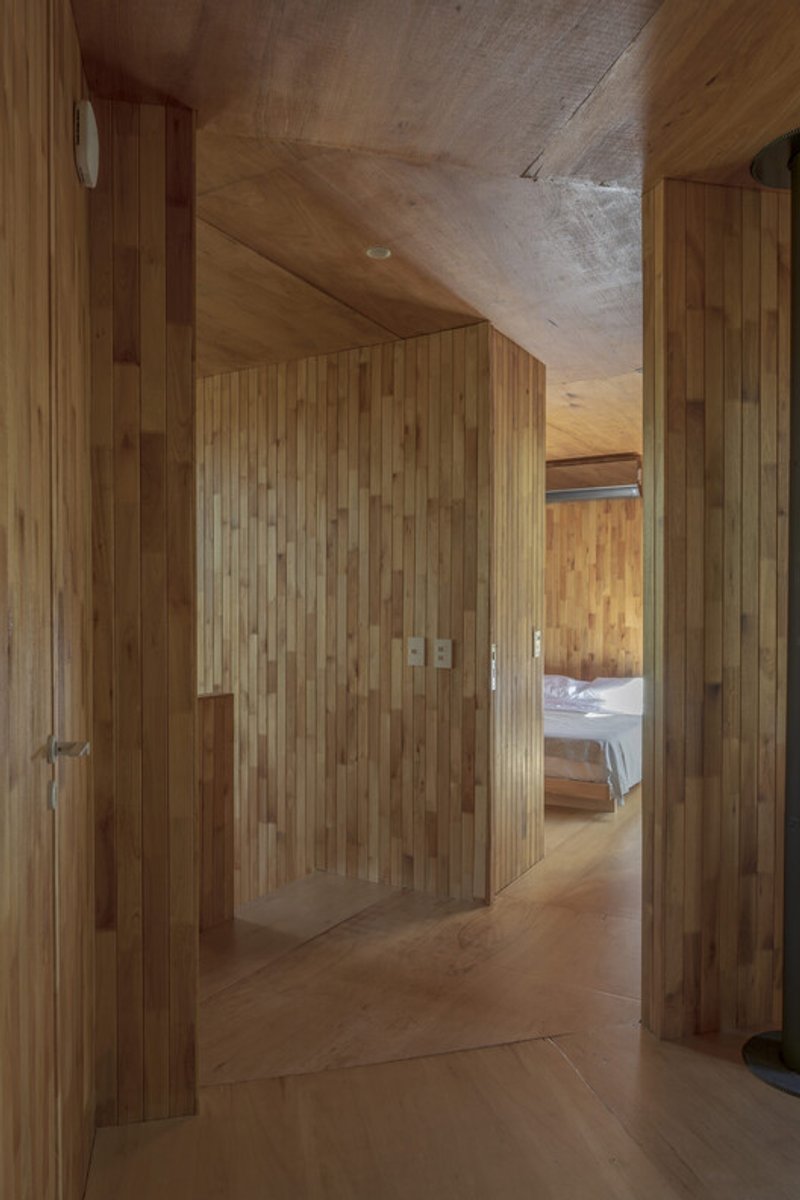
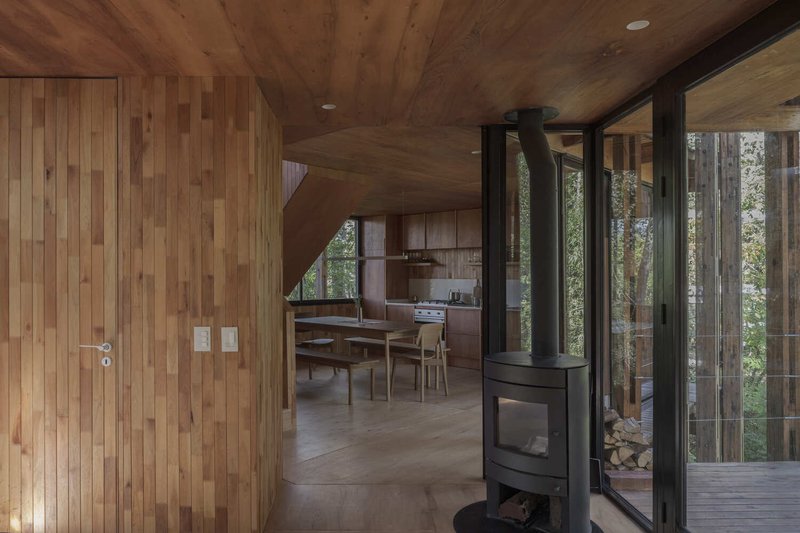
Inside, warm wooden interiors, exposed beams, and large openings create an intimate connection between inhabitants and landscape. Natural light filters through wooden slats, casting moving shadows that echo the surrounding trees. Spaces flow openly — the kitchen, dining, and resting zones unified by texture, tone, and proportion.
Sustainability and Environmental Dialogue
Every aspect of the cabin reinforces a symbiotic relationship with the Delta’s ecosystem. Elevated construction minimizes ecological impact, while local materials reduce transportation emissions. The wooden structure promotes thermal comfort and energy efficiency, and the entire system allows natural ventilation and light to dominate.
By employing modular prefabrication and on-site adaptability, the cabin embraces sustainable architecture not as an aesthetic choice but as an environmental responsibility. It becomes an example of eco-conscious architecture in Argentina, harmonizing technology, craft, and ecology.
Architectural Essence
Rather than disappearing into the forest, the Cabin in the Buenos Aires Delta stands as an expressive, tactile response to its setting — a blend of modern minimalism and vernacular wisdom. It challenges architectural conventions by rooting itself in both the human and the elemental. In its quiet dialogue with the Delta, it becomes a metaphor for coexistence — resilient, adaptable, and profoundly aware of nature’s timeless force.
All the photographs are works of Bruto Studio



Popular Articles
Popular articles from the community

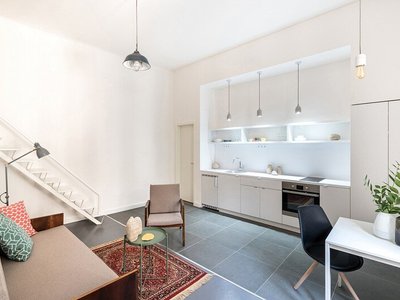
Marvila Apartment Renovation in Lisbon: A Bright Minimalist Attic Transformation by KEMA Studio
Bright attic transformed into minimalist Lisbon apartment with skylights, sustainable materials, open plan layout, and industrial-inspired interior design elements.
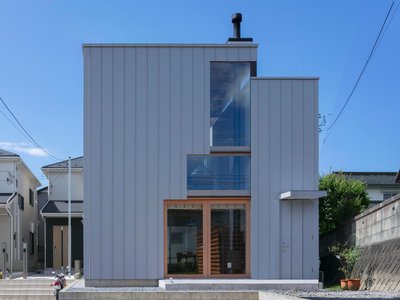
Split House: A Compact Urban Home Blending Privacy, Light, and Flexible Living in Japan
Compact Japanese home featuring DOMA space, flexible café potential, passive lighting, privacy zoning, and sustainable urban living design.
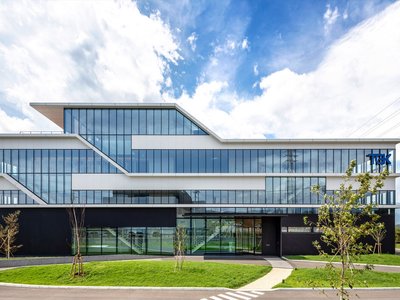
TGK Nirasaki Plant: A Smart Factory Blending Technology, Landscape, and Wellness
Smart factory in Japan blending IoT manufacturing, scenic trail design, natural ventilation, and landscape integration to enhance user experience and sustainability.

Filtering Space: A Gradual Spatial Experience
From urban intensity to spatial calm.
Similar Reads
You might also enjoy these articles
Filtering Space: A Gradual Spatial Experience
From urban intensity to spatial calm.


The Ken Roberts Memorial Delineation Competition (Krob)
As the most senior architectural drawing competition currently in operation anywhere in the world, it draws hundreds of entries each year, awarding the very best submissions in a series of medium-based categories.


Waterfront Redevelopment and Urban Revitalization in Mumbai: Forging a New Dawn for Darukhana
A transformative waterfront redevelopment project reimagining Darukhana’s shipbreaking heritage into an inclusive urban future.

OUT-OF-MAP: A Call for Postcards on Feminist Narratives of Public Space
Rhizoma Design and Research Lab invites artists, designers, architects, researchers, and students to reflect on how feminist perspectives can reshape public space. Selected works will be exhibited in Barcelona, October 2026. Submissions open until 15 April 2026.


Explore Architecture Competitions
Discover active competitions in this discipline




The International Standard for Design Portfolios


The Global Benchmark for Architecture Dissertation Awards


The Global Benchmark for Graduation Excellence


Challenge to reimagine the Iron Throne
Comments (0)
Please login or sign up to add comments
No comments yet. Be the first to comment!