
Cao Lanh House by Tad.atelier: A Poetic Retreat in Rural Vietnam
Cao Lanh House by Tad.atelier blends tradition and modernity, using reclaimed wood, riverside integration, and minimalist design for poetic living.


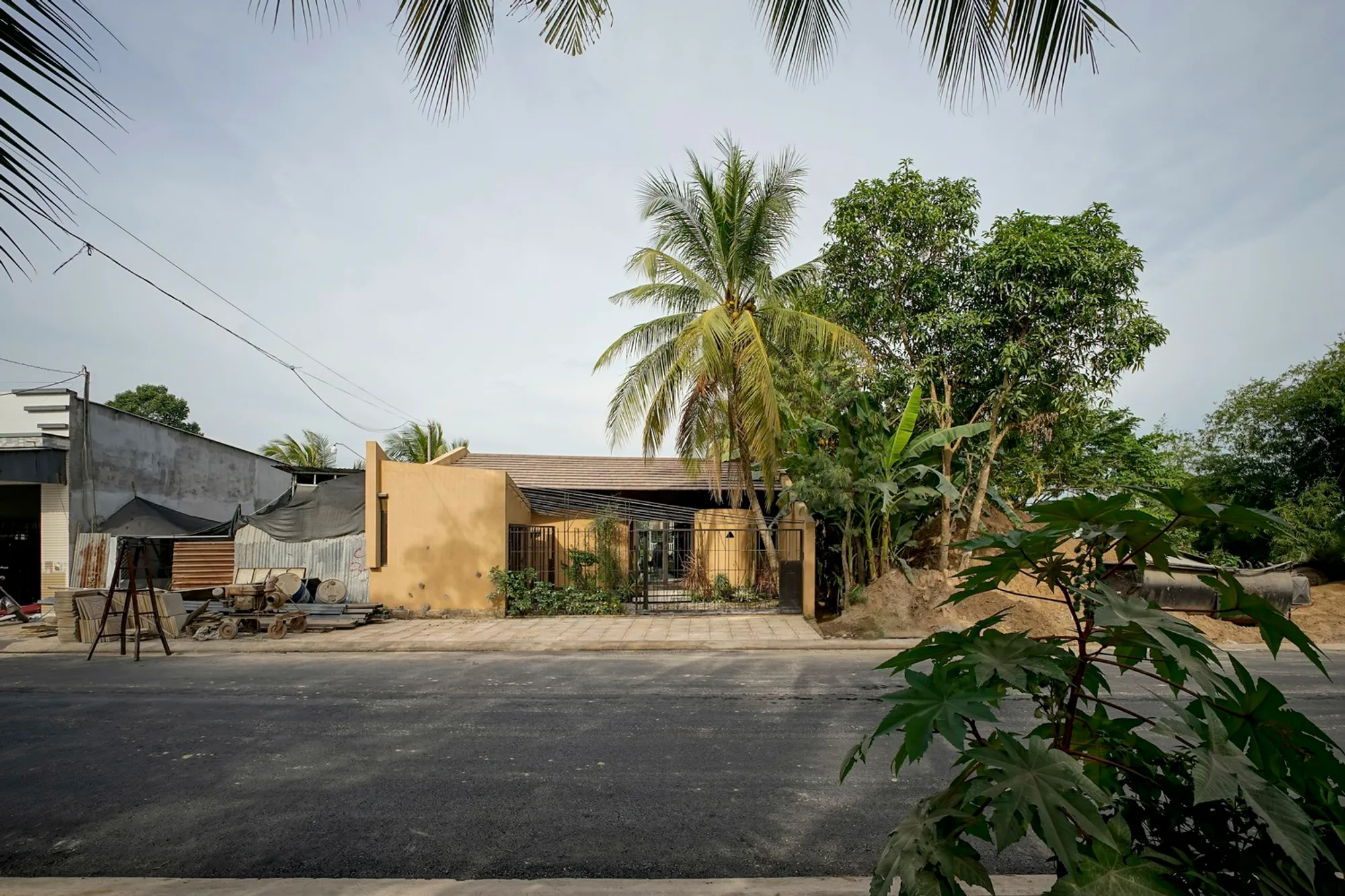
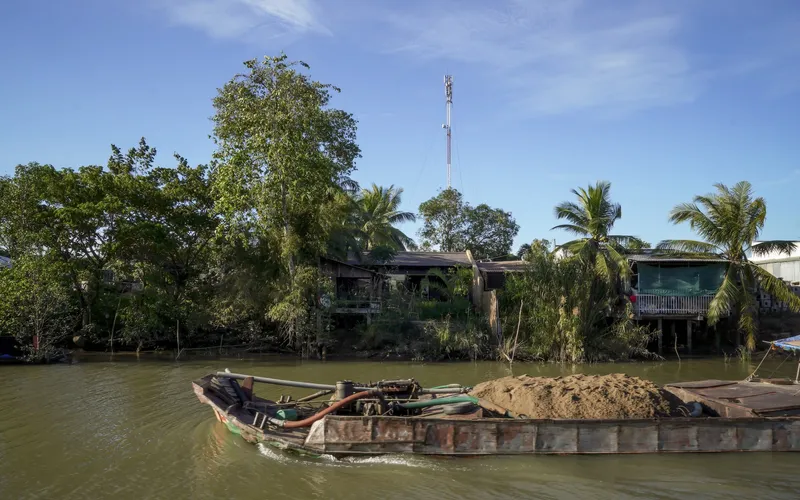
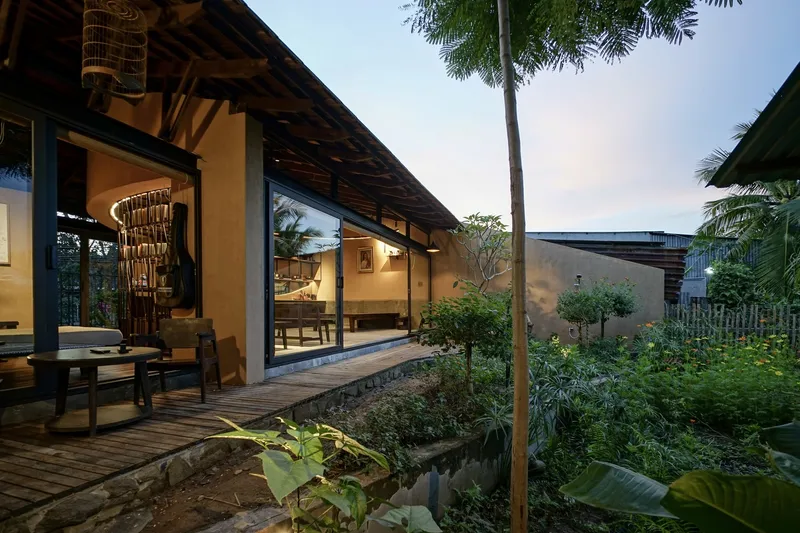
Located in Tan Thuan Tay Village on the outskirts of Cao Lanh City, Vietnam, the Cao Lanh House designed by Tad.atelier is a delicate balance between tradition and modernity. Set along the riverbank, the 60 m² residence was completed in 2021 for a poet seeking solitude, reflection, and connection with nature.
Architecture Rooted in Local Spirit
The project responds to the growing urbanization of Cao Lanh’s countryside. As modern development expands, the architects aimed to retain the charm of traditional rural houses. The design draws inspiration from the region’s vernacular architecture, using local materials, a sloping roof form, and construction techniques reflecting craftsmanship rooted in the Mekong Delta.
The result is a home that feels as though it has always belonged to the site — timeless, authentic, and deeply contextual.
Blurring Boundaries Between Home and Landscape
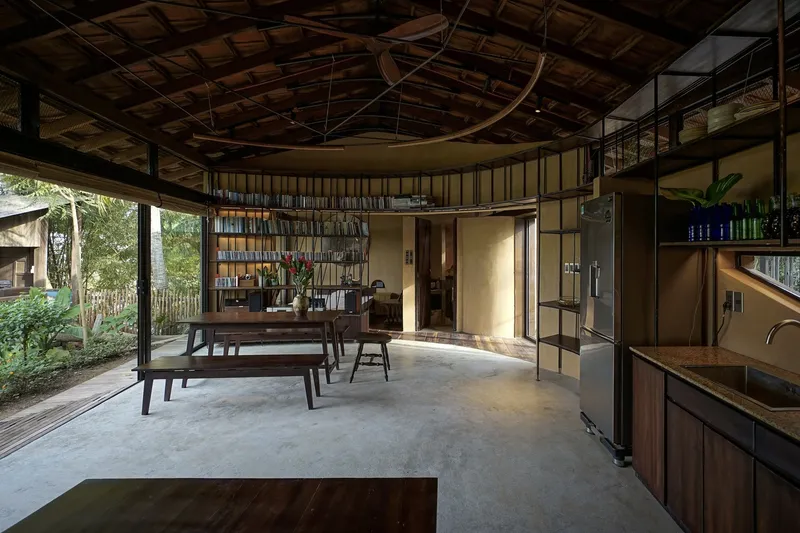
One of the most striking qualities of Cao Lanh House is its integration with the riverside environment. Instead of separating home and nature, Tad.atelier created buffer zones between garden and water, transforming boundaries into fluid, organic spaces.
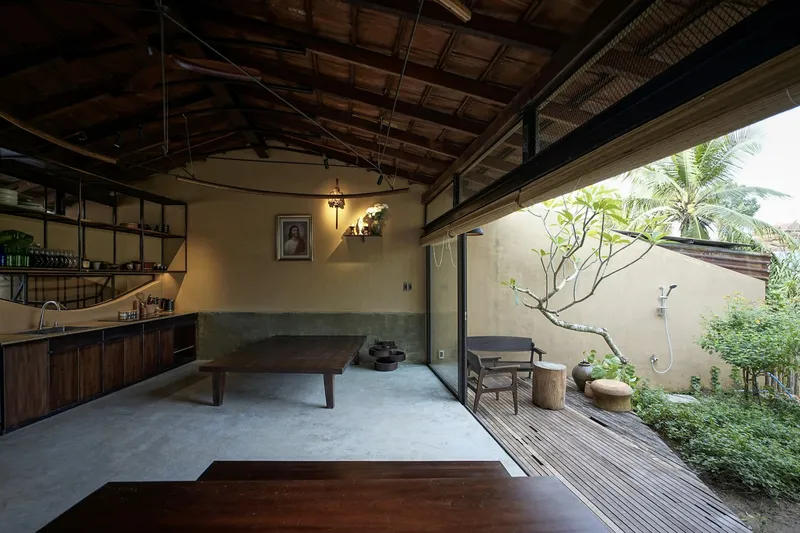
The open veranda and garden-facing living space allow the homeowner to remain immersed in the changing atmosphere of the riverbank. The oblique orientation of walls and openings enhances sightlines, inviting light, breeze, and nature into daily life.
A House Like a Bird’s Nest
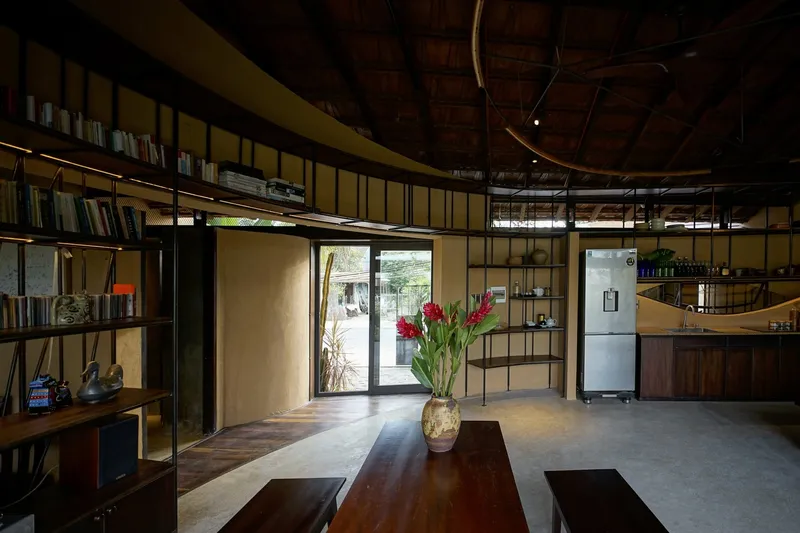
The homeowner envisioned the project as his “second bird’s nest” — a return to roots after years of city living. Much like a bird builds from what it finds around, the house was assembled from reclaimed materials, including the timber frame of an old local dwelling.
This reuse extends beyond structure: furniture and household objects crafted from bamboo, rattan, and leftover wood were adapted into the new home. Even a small stilt hut by the river was built from construction remnants, further embodying the spirit of resourcefulness and sustainability.
Minimalist Living, Maximum Meaning
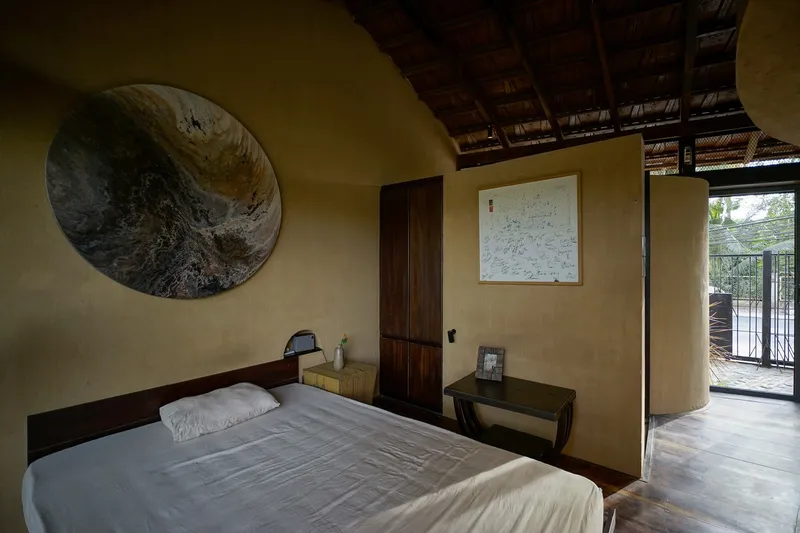
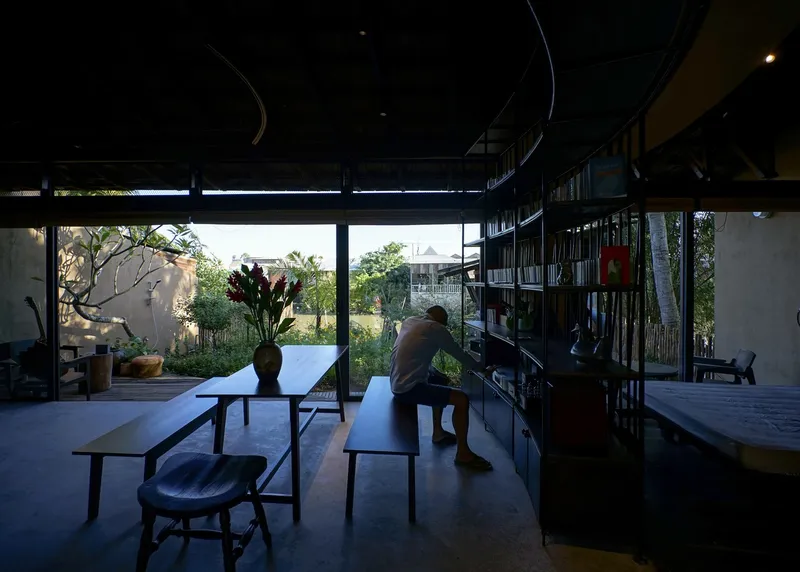
The house was designed with one flexible living space to serve as bedroom, study, and lounge. Conventional partitions were avoided, ensuring a seamless flow between functions. Most activities spill out into the veranda and garden, reflecting a lifestyle closely connected to outdoor rhythms.
This minimalist approach not only addresses the practical needs of a single occupant but also nurtures a meditative environment suited to the poetic soul of its owner.
A Home with Spiritual Depth
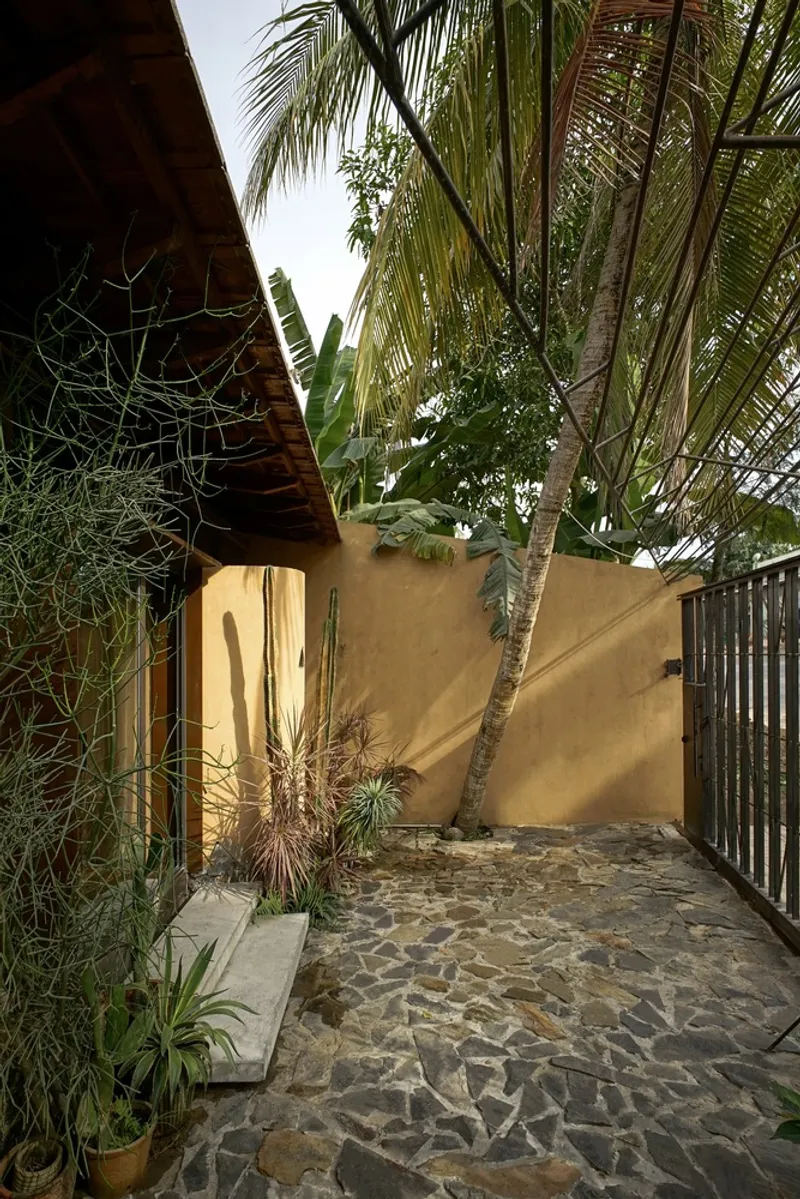
Beyond function, the Cao Lanh House is an introspective sanctuary. It is a place where the poet can live, write, and engage with his surroundings in silence. The architecture protects him from sun and rain, yet it also opens his life to the wider landscape and community.
In this way, the house becomes more than a structure — it is an extension of the owner’s inner world, a poetic retreat grounded in both memory and place.




Popular Articles
Popular articles from the community


Lunar Spiral: Space Architecture Shaped by the Mathematics of the Universe
Lunar Spiral reimagines space architecture through Fibonacci geometry, lunar regolith, levitating habitats, and self-sustaining Moon living.

Conexión: Biophilic Design Reimagines High-Rise Living in Hong Kong
Conexión reimagines high-rise living in Hong Kong through biophilic design, green facades, shared spaces, daylight, water and nature within.

Hill & Cross Opera: Sculptural Opera House Architecture Shaped by Tallinn’s Landscape and Identity
Hill & Cross Opera reimagines opera house architecture in Tallinn through its sculptural hill, civic plaza, glass wave and a luminous cross.

Play: Fragments of Their World
Familiar architecture becomes modular playground design, creating safe spaces where displaced children can learn, connect, imagine and play.

Similar Reads
You might also enjoy these articles


Hodi-Mandai Geram
Project Function: Preservation and revitalization of the Intangible heritage and socio-spatial identity of the Hodi by Housing, Cultural Memory Center, Sacred Grove, landscape, local tourism economy


Olio Towers: A Mid-Rise for Performers That Fuses Housing, Rehearsal, and Stage
Located blocks from Houston's Theater District, this modular tower stacks living units around a central performance atrium.

Oasis: Modular Green Housing Carved into Dhaka's Urban Fabric
A shortlisted Plugin Housing entry reclaims unauthorized settlements in Dhaka with stepped concrete volumes, green roofs, and ventilation-driven design.

Black Hole: A Floating Megastructure for the Post-Physical Era
Emiliano Mazzarotto envisions a spherical, self-scaling arena where e-sports, digital hotels, and holographic stadiums replace traditional public space.

Explore Architecture Competitions
Discover active competitions in this discipline



Challenge to reimagine the Iron Throne


Photograph architecture without architects


Illustrate the lost glory of Angkor Wat - Render Challenge


Design challenge to reuse E-waste
Comments (0)
Please login or sign up to add comments
No comments yet. Be the first to comment!