
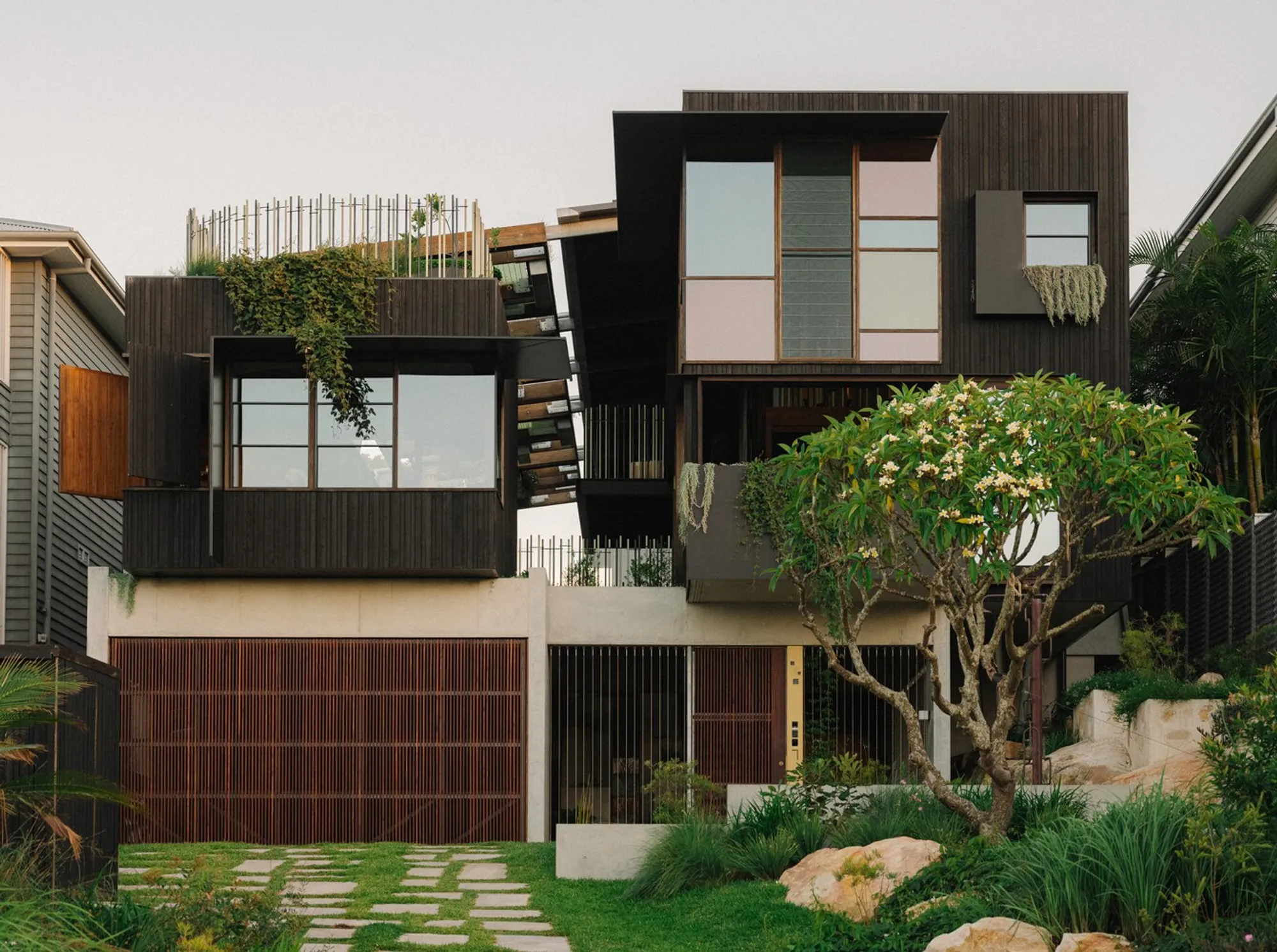
Carbon-Positive Home Design in Australia: The Holocene House by CplusC Architectural Workshop
Holocene House in Australia is a carbon-positive, nature-integrated home that combines innovative design with environmental sustainability.


Nestled in the vibrant coastal landscape of Manly, Australia, the Holocene House stands as a beacon of sustainability and environmental consciousness. Designed by CplusC Architectural Workshop, this innovative, carbon-positive home is the first in Australia to receive certification from the global Active House Alliance. Holocene House represents a significant step forward in creating homes that not only harmonize with nature but also improve the environment.
The Concept: A Home in Harmony with Nature
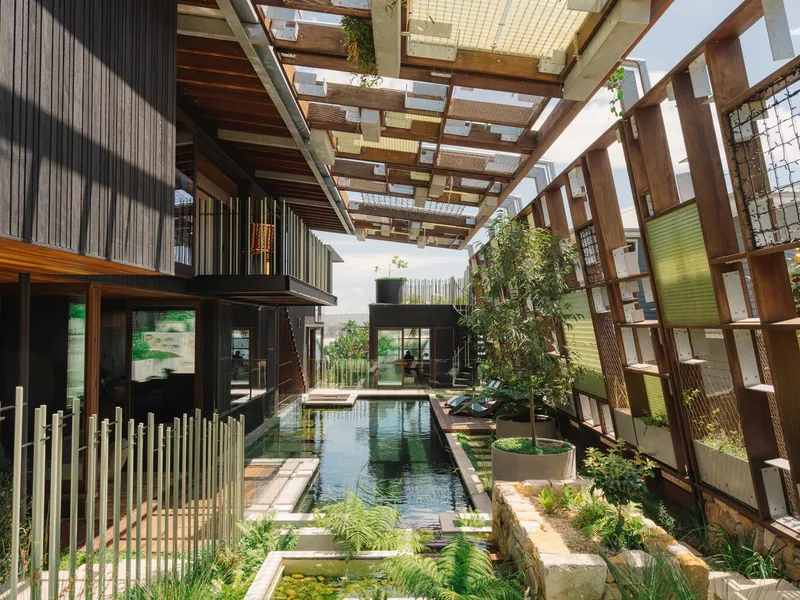
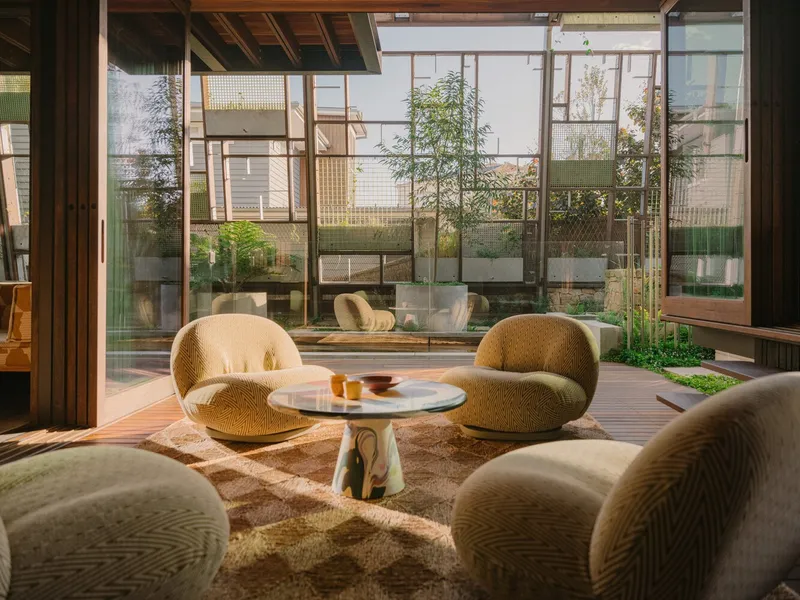
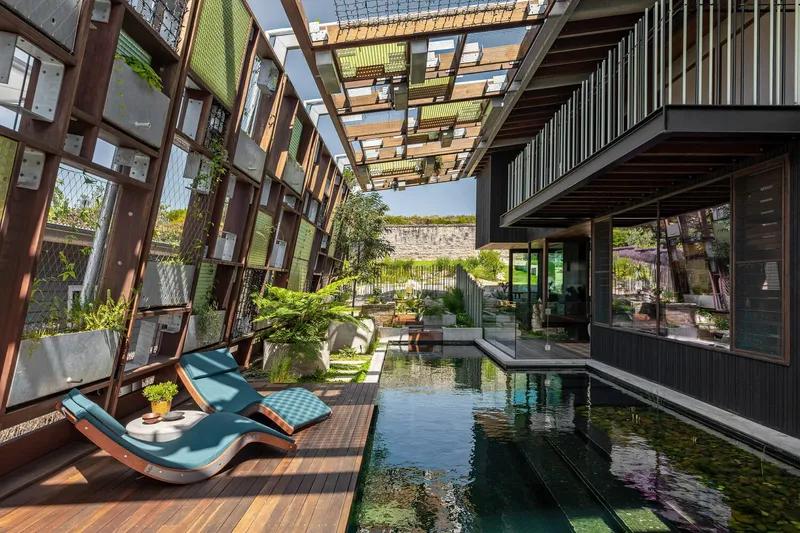
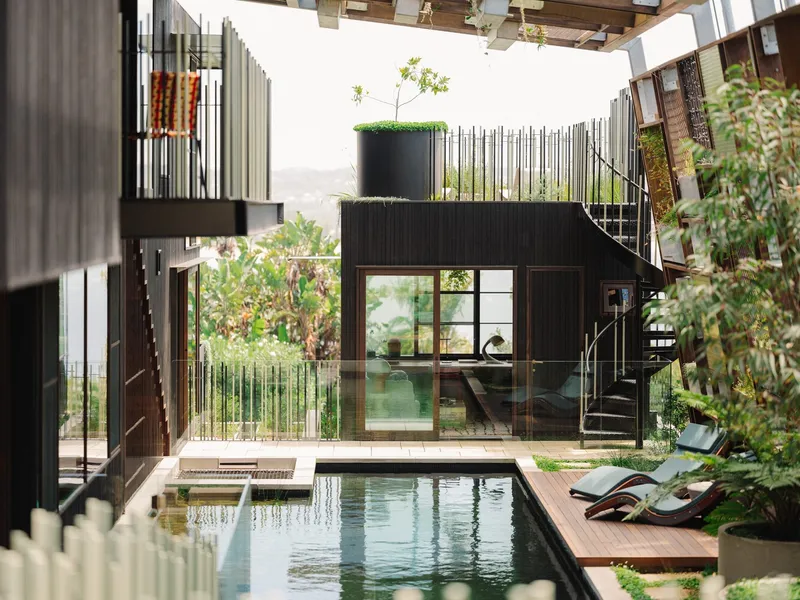
Holocene House is not just a place to live; it is a sanctuary where nature thrives. The design is deeply inspired by the concept of a rainforest creek, with water flowing through the space like a natural stream. The home is surrounded by lush plants and features a stunning biofiltration system. This water system flows into a natural swimming pool, enhancing the immersive experience of living in nature. The system is designed for complete water recycling, ensuring that the water is cleansed and reused, minimizing waste and environmental impact.
Bushfire and Fauna Considerations
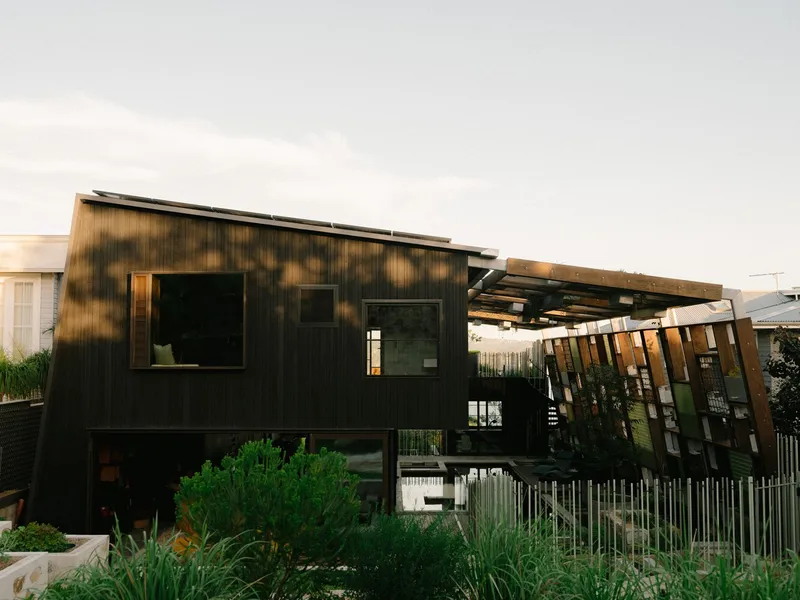
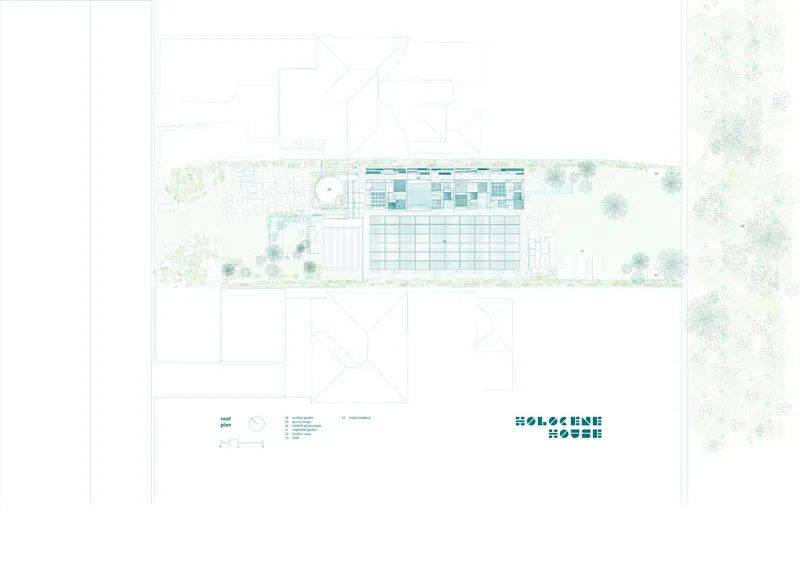
The location of Holocene House brings both breathtaking beauty and unique challenges. With million-dollar views of Sydney's Shelly Beach to the front and a national park at the rear, the site is rich in natural beauty. However, the proximity to bushland required the design to meet stringent fire safety standards. The home achieved a Bushfire Attack Level (BAL) rating of 29, ensuring safety in the event of bushfires. Additionally, the house provides a bandicoot corridor, allowing these endangered animals to forage undisturbed at night.
A Carbon-Positive Home
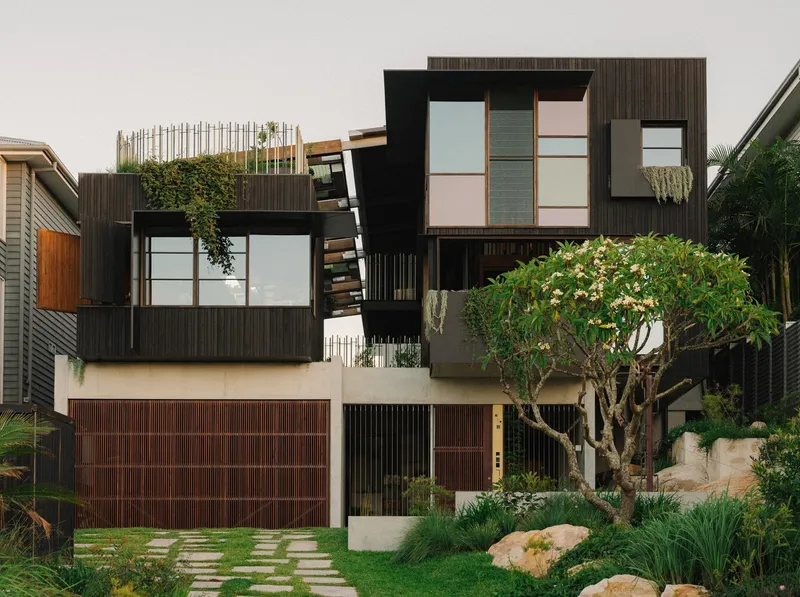
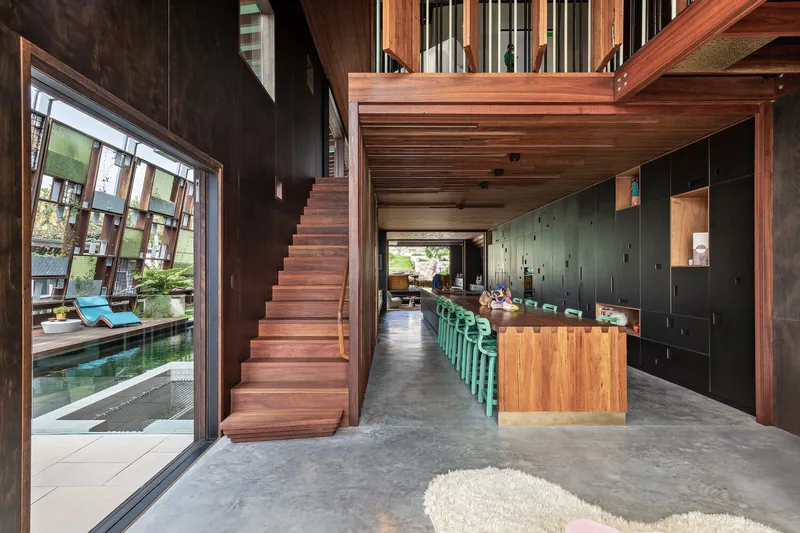
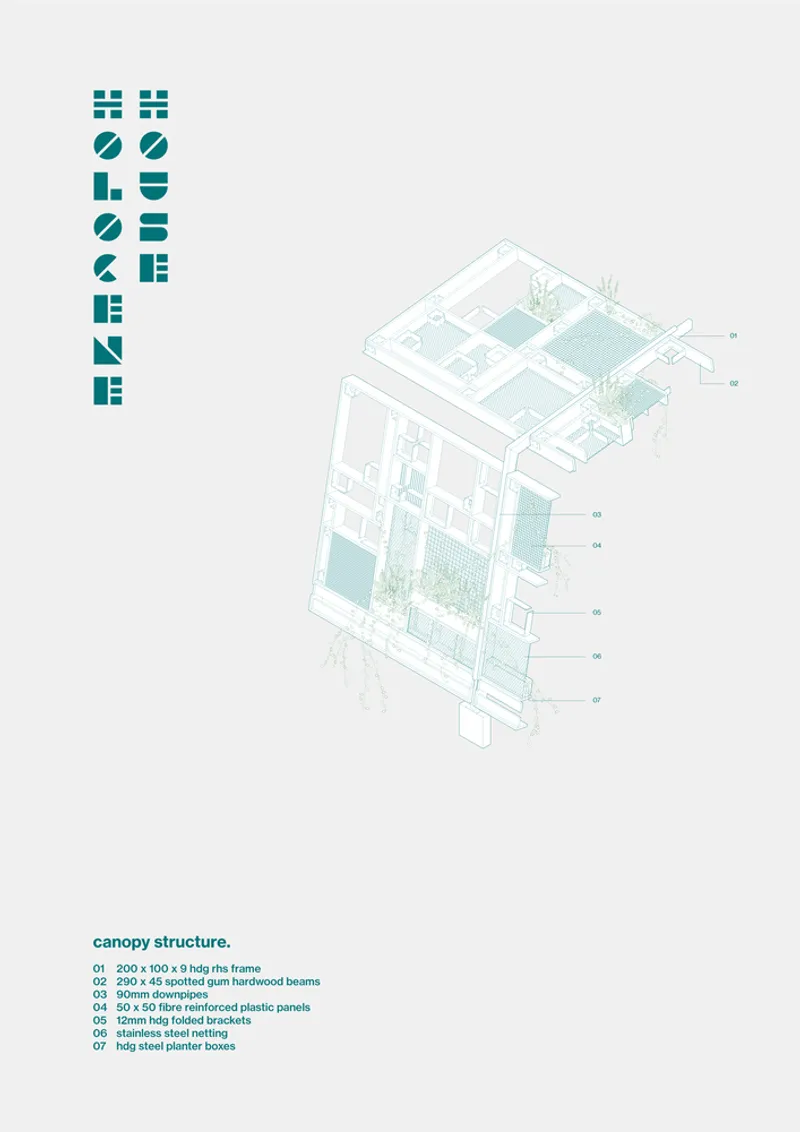
Holocene House is designed with a focus on regenerative thinking, achieving carbon positivity by producing more energy than it consumes. The home’s exterior features low-embodied-energy spotted gum Shou Sugi Ban cladding, which is both sustainable and visually striking. The home incorporates photovoltaic panels that generate 20% more energy than the family’s needs, ensuring a reduced carbon footprint.
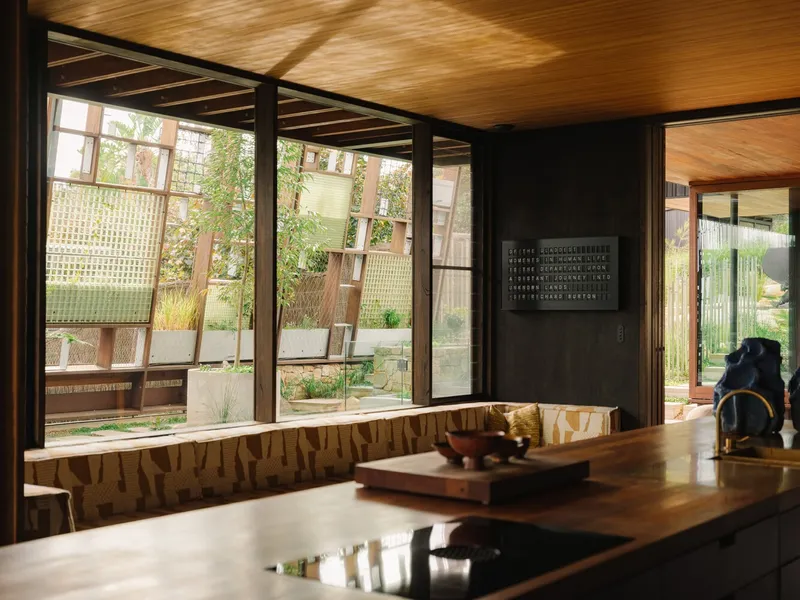
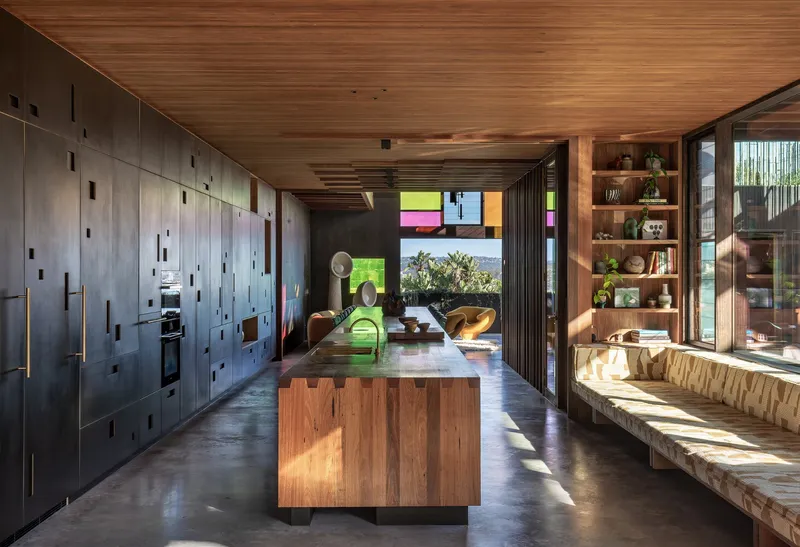
In addition to energy efficiency, the house also boasts a 15-kilolitre underground rainwater tank, ensuring water self-sufficiency. The greywater system nurtures local plants, maintaining the lush garden year-round.
Creating a Living Water Source
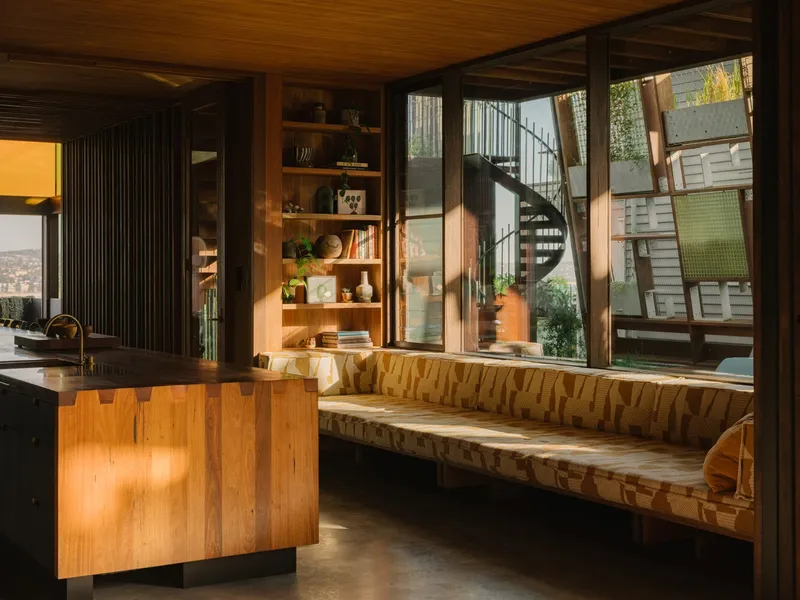
The central design feature of Holocene House is the living water source that runs through the home, framed by greenery. The natural swimming pool, integrated into the biofiltration system, animates the living spaces and expansive outdoor deck. This flowing water system is not only an aesthetic feature but also serves an ecological function, nurturing the coastal ecosystem while providing a soothing, peaceful environment for the residents.
Connection to Nature and Playful Design
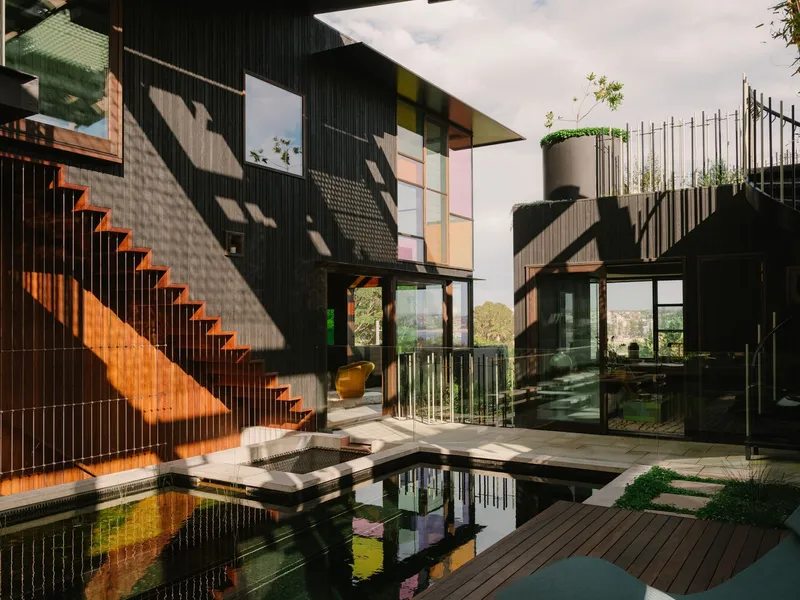
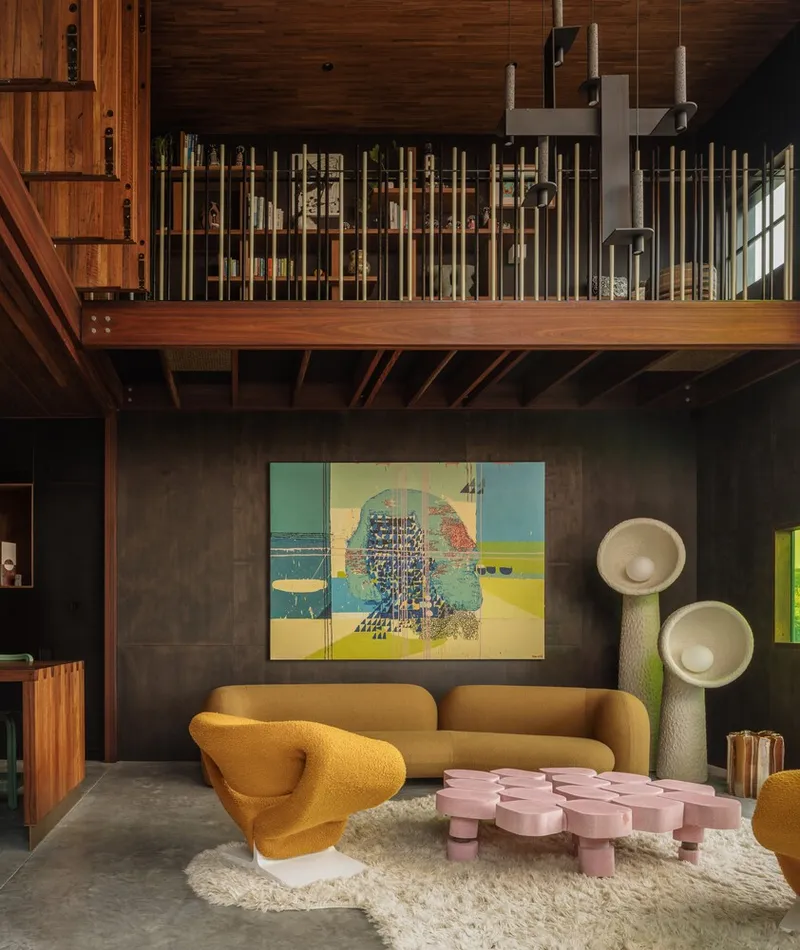
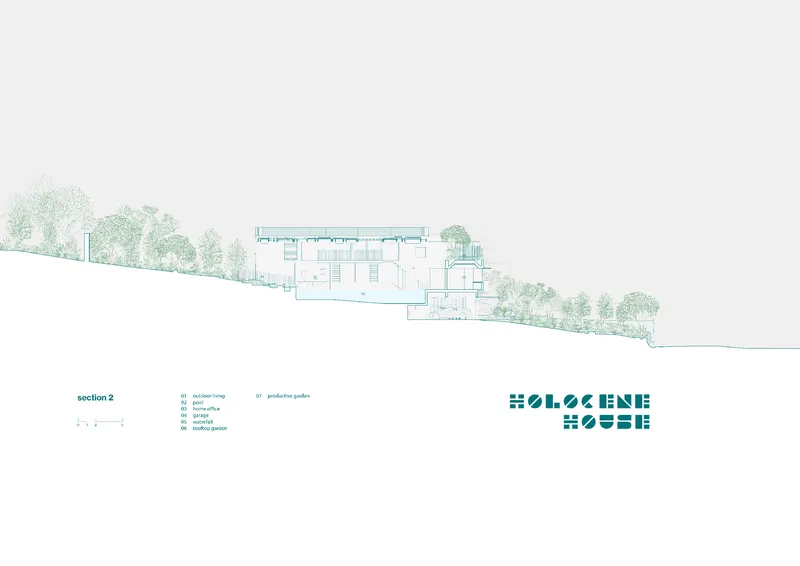
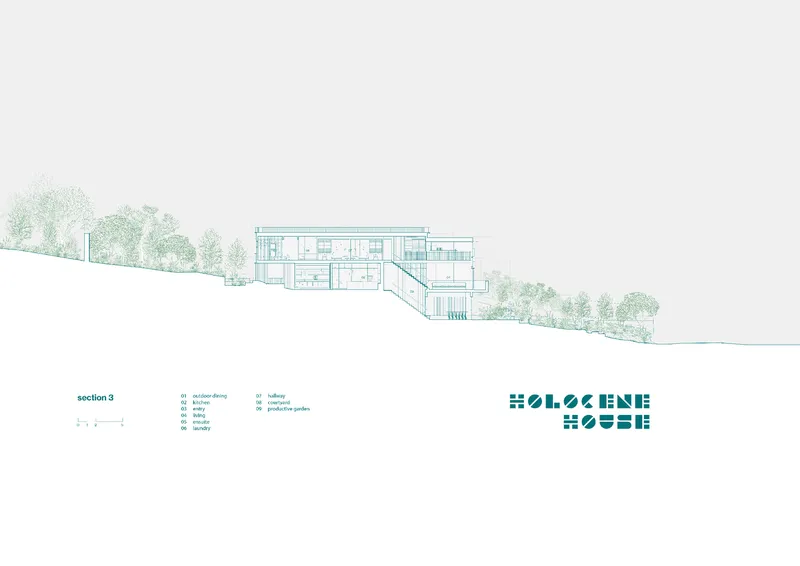
Holocene House invites its residents to engage with nature in a truly unique way. Stepping stones guide visitors into the home, leading them beside the cascading waterfall that marks the entrance. Inside, the space is designed to open up to the outdoors, with every room offering a direct connection to the surrounding natural beauty. The unconventional patchwork of stained-glass windows in the double-height living space frames the breathtaking views of the harbor, offering a refreshing perspective on Sydney’s iconic coastline.
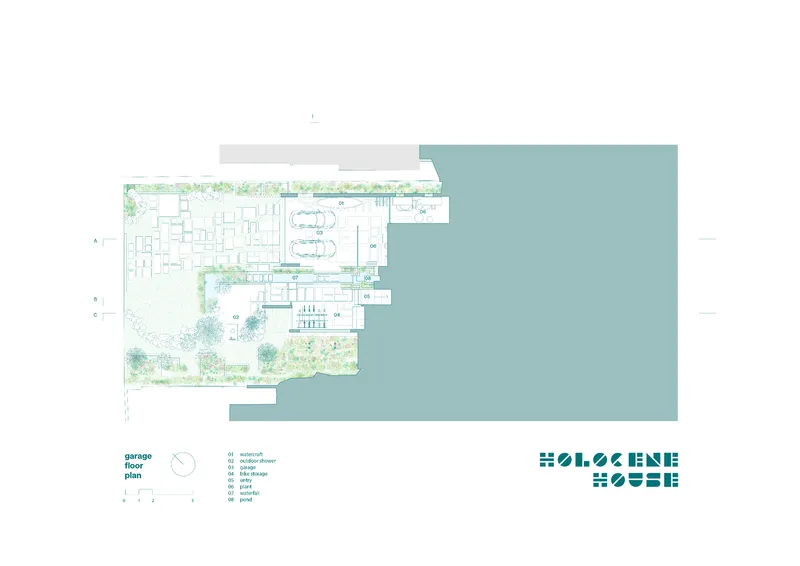
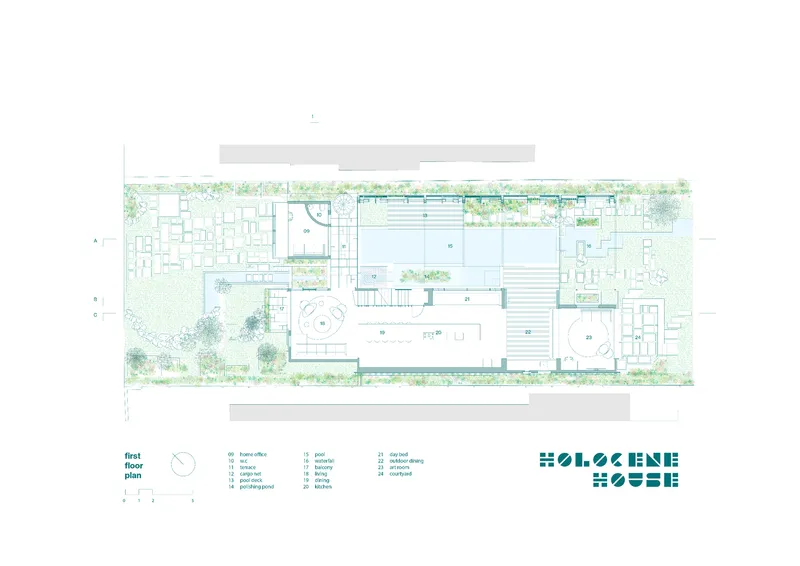
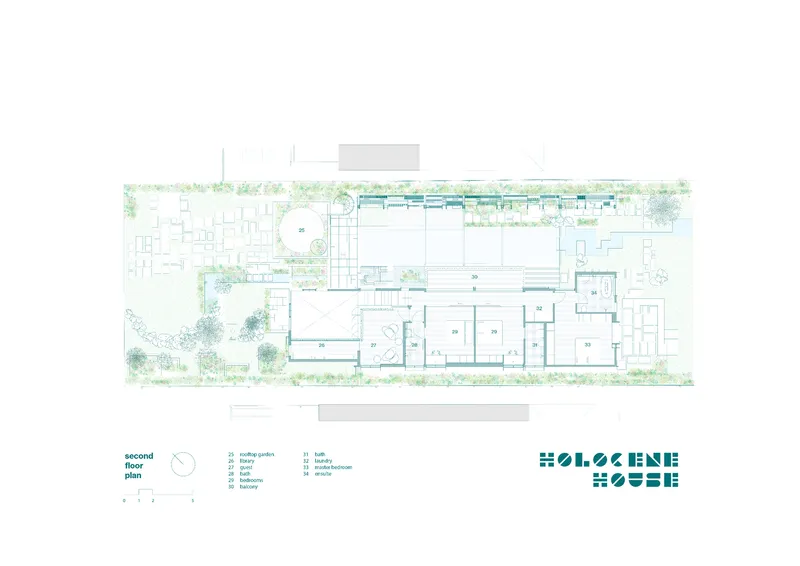
The home’s design prioritizes family life, with an inward-facing layout that turns away from the views. Instead, the residents can enjoy the vistas by climbing the spiral staircase to a private rooftop garden. This design decision underscores the home’s focus on creating an intimate relationship with nature, emphasizing the importance of sustaining life within the environment.
Resilient and Sustainable Design
Holocene House is not only energy efficient but also climate resilient. The house’s design ensures that it can withstand the challenges posed by the surrounding environment, from bushfires to extreme weather events. The natural swimming pool plays a crucial role in preserving the local ecology, providing a habitat for coastal wildlife. The home’s integration with the natural world is a testament to the possibility of creating architecture that nurtures both people and the planet.
A Sustainable Future in Architecture
The Holocene House stands as a model of sustainable home design, demonstrating that it is possible to create a home that is both carbon-positive and deeply connected to the natural world. By embracing innovative systems, environmentally conscious materials, and a commitment to regenerative thinking, the Holocene House sets a new standard for future homes in Australia and around the world.
All Photographs are work of Renata Dominik, Michael Lassman, Felix Mooneeram




Popular Articles
Popular articles from the community


Hill & Cross Opera: Sculptural Opera House Architecture Shaped by Tallinn’s Landscape and Identity
Hill & Cross Opera reimagines opera house architecture in Tallinn through its sculptural hill, civic plaza, glass wave and a luminous cross.

Riyadh For All: Intergenerational Urban Design for Active Aging in Rabat
Riyadh For All reimagines urban design in Rabat with intergenerational co-living, adaptive courtyards, and Moroccan cultural exchange today.

Lunar Spiral: Space Architecture Shaped by the Mathematics of the Universe
Lunar Spiral reimagines space architecture through Fibonacci geometry, lunar regolith, levitating habitats, and self-sustaining Moon living.

Play: Fragments of Their World
Familiar architecture becomes modular playground design, creating safe spaces where displaced children can learn, connect, imagine and play.

Similar Reads
You might also enjoy these articles


Hodi-Mandai Geram
Project Function: Preservation and revitalization of the Intangible heritage and socio-spatial identity of the Hodi by Housing, Cultural Memory Center, Sacred Grove, landscape, local tourism economy


Olio Towers: A Mid-Rise for Performers That Fuses Housing, Rehearsal, and Stage
Located blocks from Houston's Theater District, this modular tower stacks living units around a central performance atrium.

Oasis: Modular Green Housing Carved into Dhaka's Urban Fabric
A shortlisted Plugin Housing entry reclaims unauthorized settlements in Dhaka with stepped concrete volumes, green roofs, and ventilation-driven design.

Black Hole: A Floating Megastructure for the Post-Physical Era
Emiliano Mazzarotto envisions a spherical, self-scaling arena where e-sports, digital hotels, and holographic stadiums replace traditional public space.


Explore Architecture Competitions
Discover active competitions in this discipline



Challenge to reimagine the Iron Throne


Photograph architecture without architects


Illustrate the lost glory of Angkor Wat - Render Challenge


Design challenge to reuse E-waste
Comments (0)
Please login or sign up to add comments
No comments yet. Be the first to comment!