

Carlo Scarpa Architecture: The Timeless Brilliance of the Olivetti Showroom in Venice
A detailed look at Carlo Scarpa’s Olivetti Showroom, where modern architecture, material craft, and historical context harmoniously converge.


A Masterpiece Hidden in Plain Sight
Under the arches of Saint Mark's Square in Venice, the Olivetti Showroom by Carlo Scarpa remains one of modern architecture’s most refined yet understated gems. Modest in scale but masterful in execution, this 1958 project transforms a narrow corner of urban fabric into an architectural meditation on material, light, and form. It is a case study in Carlo Scarpa architecture—where the poetic and the practical converge in extraordinary ways.
Commission and Concept: Elevating Industrial Design through Architecture
The story of the Olivetti Showroom began in 1956, when Scarpa won the National Olivetti Award for Architecture. Inspired by Olivetti's pioneering vision in industrial design—particularly its iconic typewriters—Scarpa was commissioned to design a showroom that was less commercial and more theatrical. Completed in 1958, it became a spatial stage to elevate machines through architectural choreography, aligning perfectly with Scarpa’s ethos of turning construction into composition.

Transforming Constraints into Opportunities
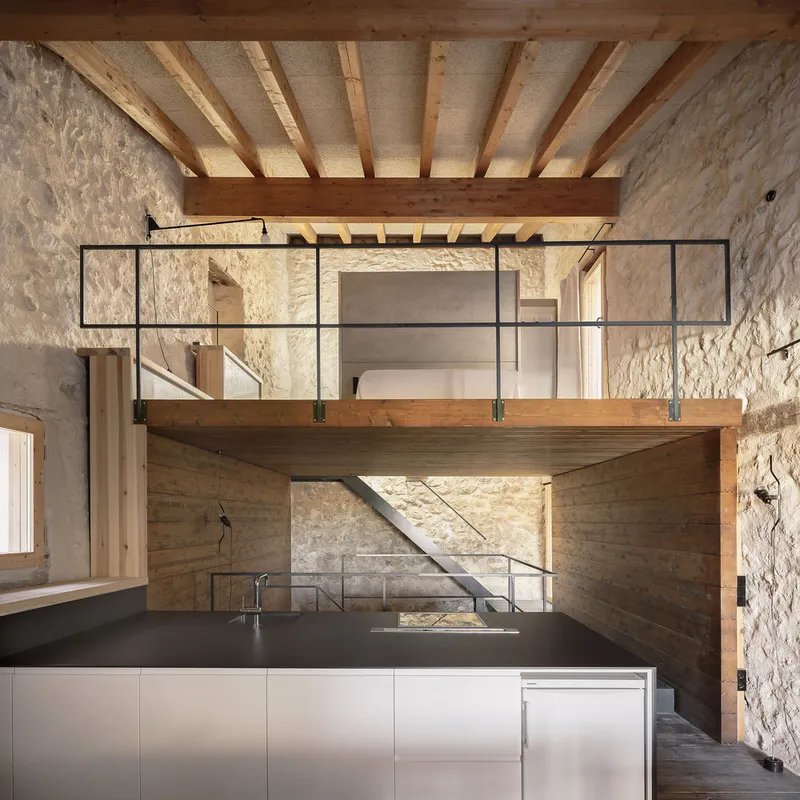
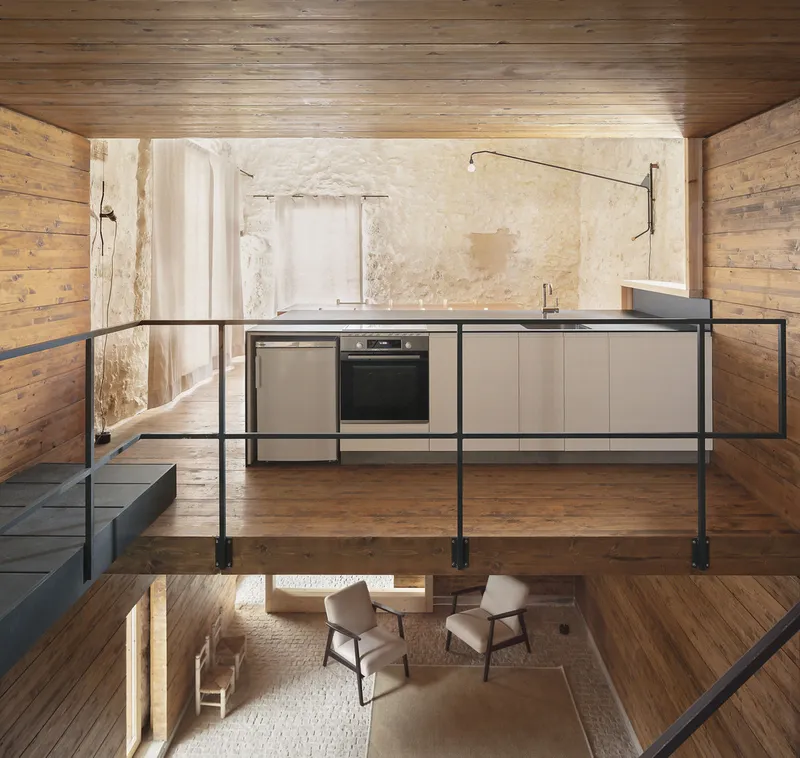
Working within the historical shell of a Venetian colonnade, Scarpa introduced transformative spatial gestures. The interior was flooded with natural light through newly opened windows, and the upper level was reorganized into suspended walkways and open balconies. These insertions respected the building's original shell but infused it with a modern sense of spatial fluidity. Scarpa’s signature staircase became the project’s central sculptural element—both a functional link and a poetic anchor.
The Staircase: Asymmetry as Architecture
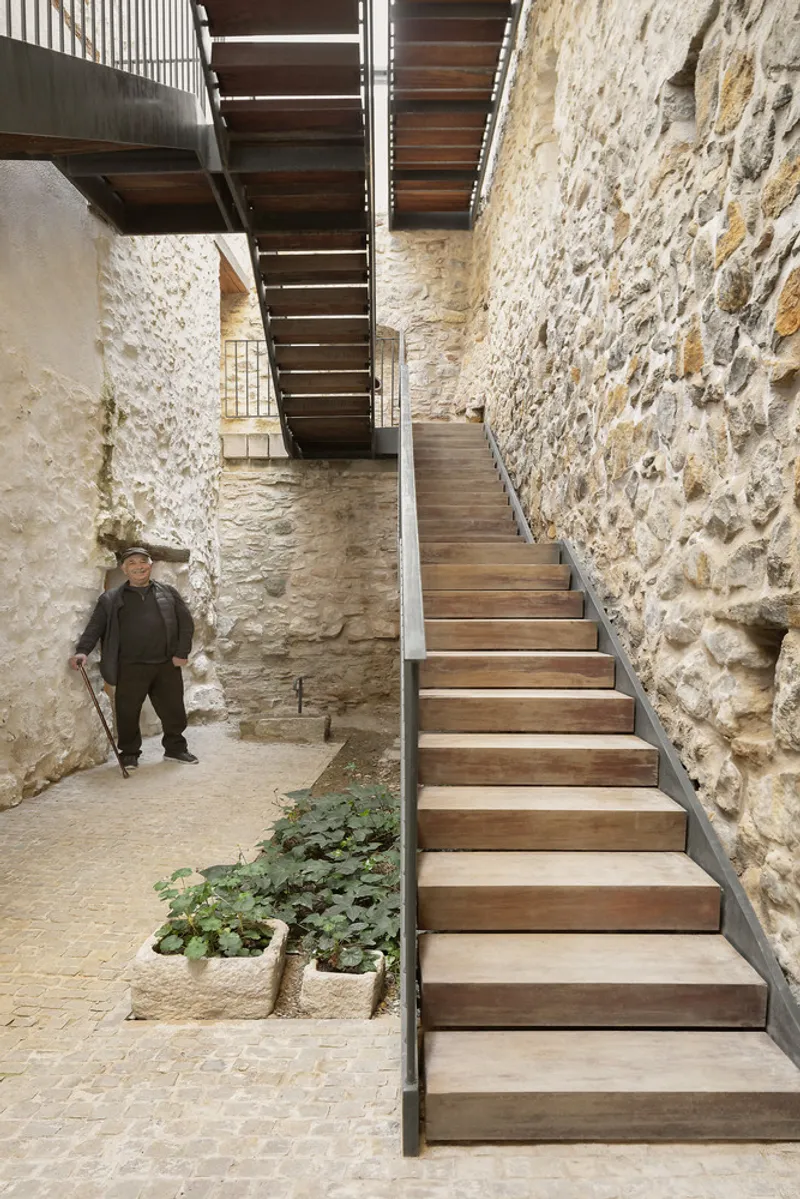
At the heart of the space stands a staircase that epitomizes Scarpa's attention to detail, rhythm, and illusion. Each tread varies in shape and dimension, supported by brass brackets that are intentionally misaligned. This creates an organic irregularity within a strict geometric grid, bringing softness to the space. The stair does more than connect levels—it becomes a display surface, a sculptural form, and a functional object, simultaneously concealing a storage core and articulating circulation.


Material Mastery: Brass, Wood, and Light
Scarpa’s use of brass and metal detailing is not merely decorative but elemental to the architecture’s rhythm. From door pulls and handrails to stair brackets and tension rods, metal accents serve as visual punctuation, marking transitions and anchoring junctions. The brass catches and reflects ambient light, introducing a second layer of illumination that subtly changes with the passage of time. As the metal patinates, it embeds time itself into the material story of the showroom.

Illusion and Precision in Joinery
Perhaps the most intellectually provocative detail is the central column, which appears to penetrate a horizontal beam in the style of traditional Japanese joinery. Upon close inspection, the illusion is revealed: the post is hollow, separated from the beam it seems to support. Scarpa uses such visual misdirection not to deceive, but to engage viewers in a deeper awareness of architectural craft. Even the lap joints at column edges are intentionally rough, emphasizing material truth over formal perfection.


Flooring and Final Details: Grounding the Space
The floor of the showroom completes Scarpa’s holistic architectural vision. A terrazzo-like surface made of marble and glass chips shimmers softly under natural light, subtly organizing spatial zones through color shifts and joint placement. Like the stair or column, the floor is rich in texture and meaning. Its quiet elegance enhances the showroom’s identity as a cohesive, contemplative space—where every joint and junction speaks of care, control, and intention.

Restoration and Legacy
After years of neglect and misuse, the Olivetti Showroom was restored in 2011, faithfully returning Scarpa’s vision to the public. Today, it is maintained by the Fondo Ambiente Italiano (FAI) and remains a pilgrimage site for architecture lovers, designers, and scholars of Carlo Scarpa architecture. It is more than a historic interior—it is a lasting testament to the expressive potential of architectural detail.

A Living Monument to Craft and Culture
The Olivetti Showroom is not just a showroom, but a narrative space where craftsmanship, structure, and light engage in ongoing dialogue. It embodies the essence of Carlo Scarpa architecture: respectful of history, daring in detail, and deeply human in scale. This small but mighty project continues to inspire generations with its quiet brilliance—a timeless example of how architecture can elevate both place and product into poetry.
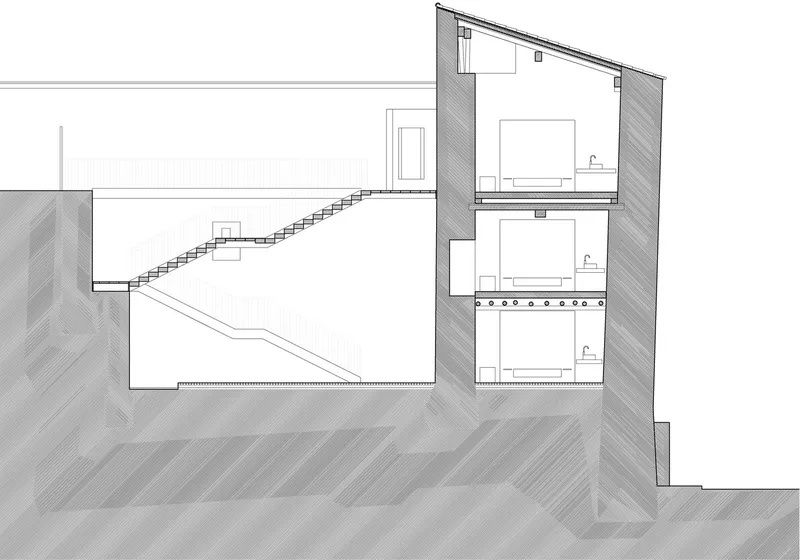
All photographs are works of Jonathan Yeung, Orch_chemollo, EBRIMINI via Shutterstock


Popular Articles
Popular articles from the community


longwave studio Reorganizes a 112 m² Tainan Apartment Around the Daily Routines of a Family and Two Cats
In Tainan, Taiwan, birch plywood, rust-red furniture and a freestanding plaster wall link arrival, storage, work and family life in one apartment.

David Macias Steps a Doorless Stone and Plaster House Down a Tropical Colombian Hillside
In the humid hills of Colombia, Threshold House replaces the front door with an open void and terraces its 850 m² down the slope instead of fighting it.

Architekt Andreas Gruber Scatters 23 Dark Timber Chalets Across a South Tyrolean Forest Edge
In Molini di Tures, Amonti Chalets breaks a resort into a hamlet of gabled timber houses, with parking, storage and services pushed into the slope.

Cube Design Draws an Ecological Corridor Between Two Shenzhen Hills with the Nankai Building
Beside Shenzhen's container docks, the Nankai Building pairs stacked balconies with a climbing green screen to connect two hillsides across its height.

Similar Reads
You might also enjoy these articles


Bamboo Housing Challenge 2026: Design Affordable, Sustainable Homes Using Bamboo
An international design competition by Bamboo U and IBUKU inviting architects and designers to reimagine affordable housing using bamboo — with the winning design built full-scale in Bali.

Computational Design & Education: Beegraphy Design Awards Introduces 7th Category (Featuring Jiyun's Innovative Approach)
Dive into Beegraphy’s 7th Design Awards category, where computational design meets education to create immersive, interactive learning tools, inspired by Jiyun’s work.

From Parametric Lighting to Urban Furniture: Join the 2nd Workshop in Beegraphy’s Computational Design Series
Dive into Cutting-Edge Design Techniques and Practical Applications with Industry Experts

Last Call: Unleash Your Architectural Genius in SHAK's Kindergarten Design Competition
Urgent call for architects to join SHAK's kindergarten design competition before the looming deadline

Explore Architecture Competitions
Discover active competitions in this discipline

Challenge to reimagine the Iron Throne

Photograph architecture without architects

Illustrate the lost glory of Angkor Wat - Render Challenge

Design challenge to reuse E-waste
Comments (0)
Please login or sign up to add comments
No comments yet. Be the first to comment!