
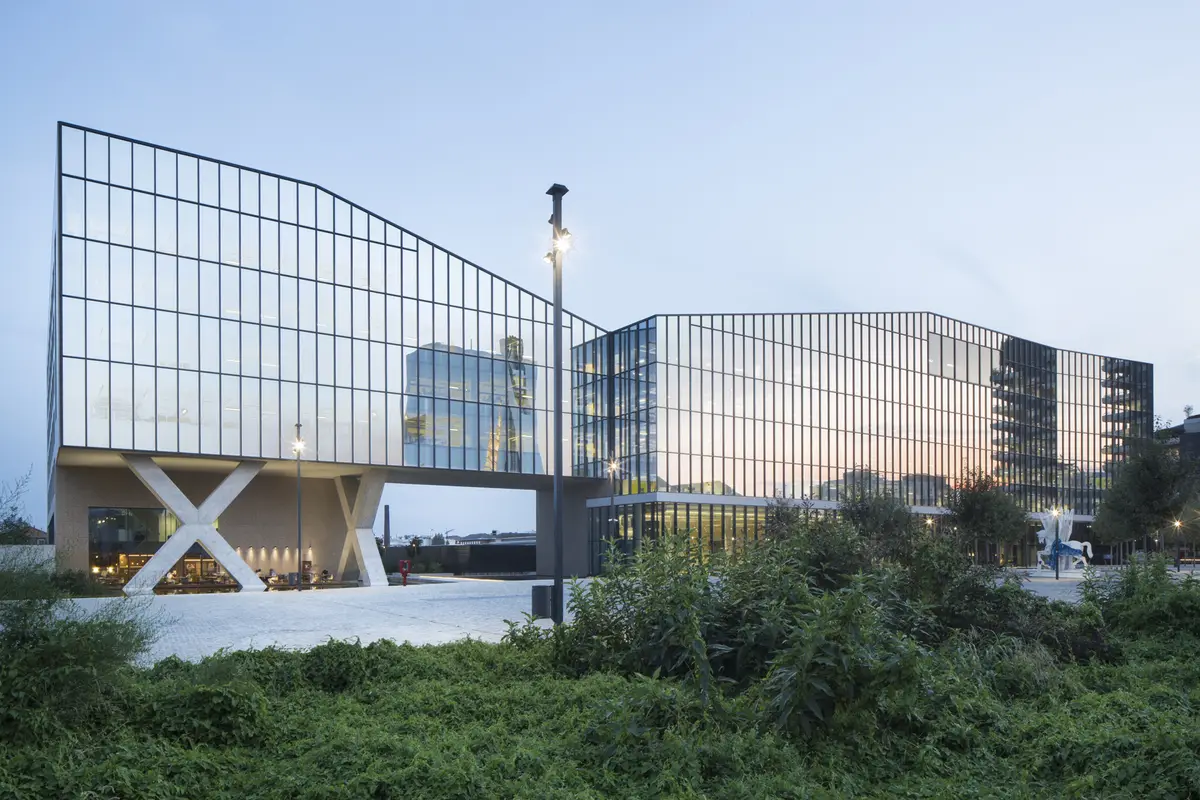
Casa Moncler Headquarters by ACPV ARCHITECTS Antonio Citterio Patricia Viel
Casa Moncler by ACPV ARCHITECTS redefines corporate architecture through industrial heritage, sustainability, and bioclimatic design within Milan’s regenerated Symbiosis District.


A Landmark of Urban Regeneration and Sustainable Innovation in Milan
Casa Moncler, designed by ACPV ARCHITECTS Antonio Citterio Patricia Viel, stands as a powerful symbol of urban regeneration, corporate innovation, and sustainable architecture in Milan’s Symbiosis District—a former industrial zone now reimagined as a thriving ecosystem of design, productivity, and green urbanism.
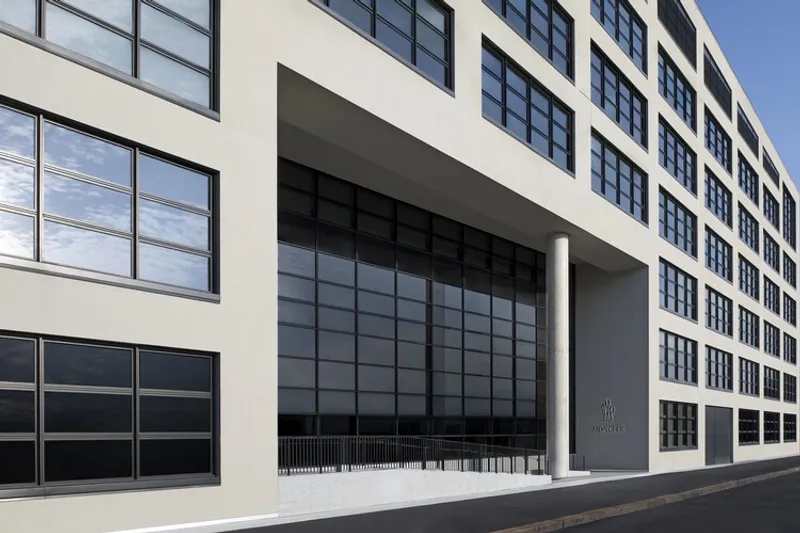
This monumental 77,000-square-meter headquarters redefines what a contemporary corporate campus can be: a dynamic urban organism balancing architectural rigor, human well-being, and environmental consciousness. Spanning six above-ground floors and two basement levels, Casa Moncler accommodates over 700 employees within flexible, light-filled workspaces that blend industrial heritage with modern efficiency.
Architectural Vision: Industrial Heritage Reinterpreted
The architecture of Casa Moncler draws deeply from Milan’s industrial past. Its morphology and materiality reinterpret the essence of traditional manufacturing facilities through a language that is minimal, refined, and functionally expressive.
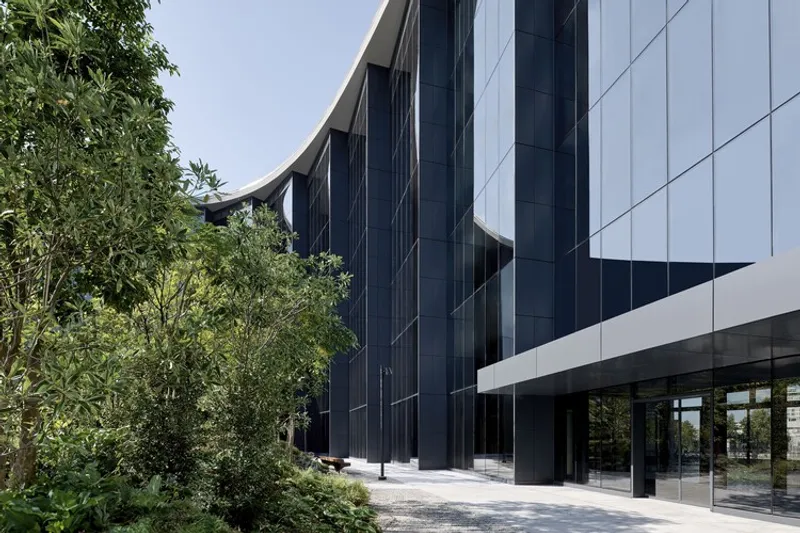
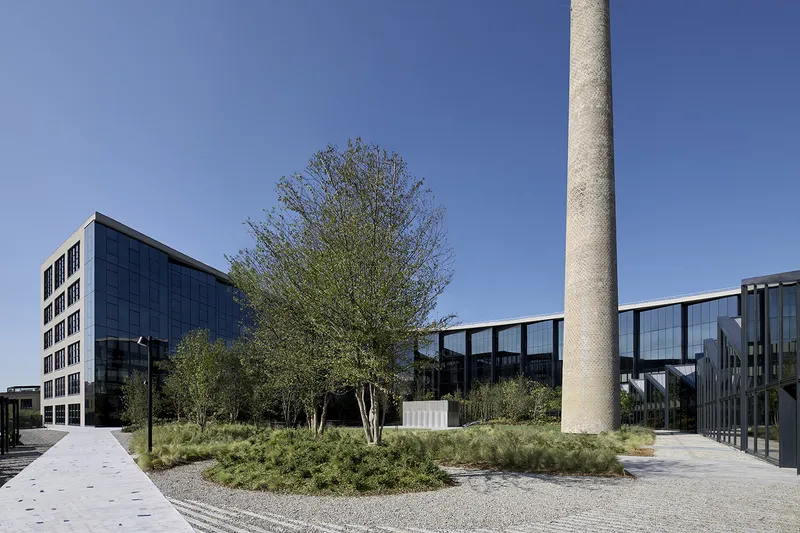
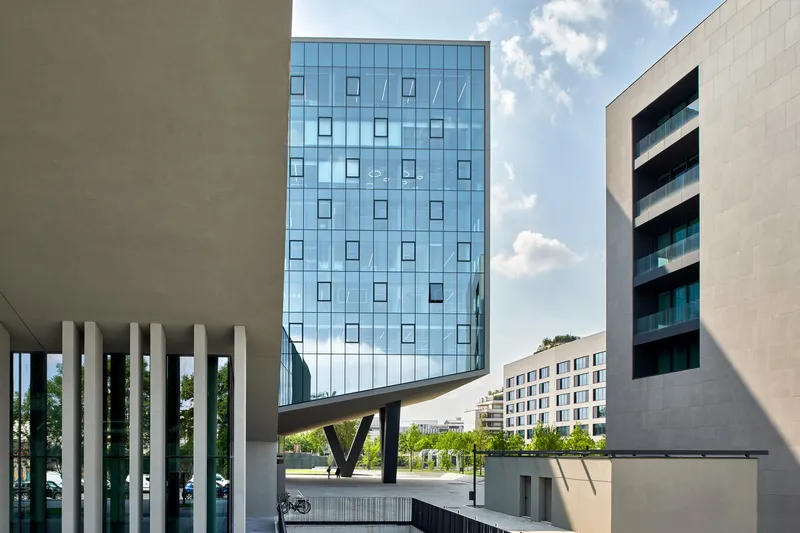
The main volume exhibits compositional precision and material restraint, while a semi-underground showroom with a sawtooth roof recalls classic factory silhouettes—creating a visual dialogue between the district’s historic fabric and its new architectural identity.
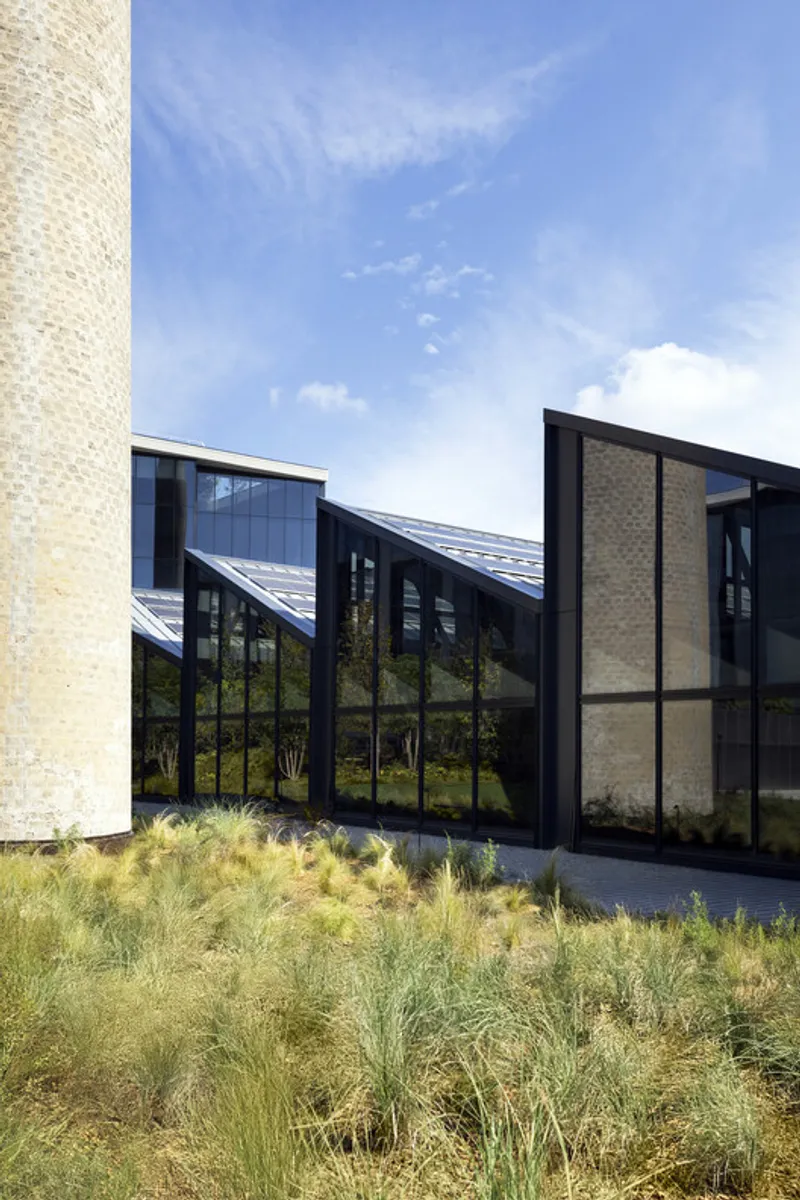
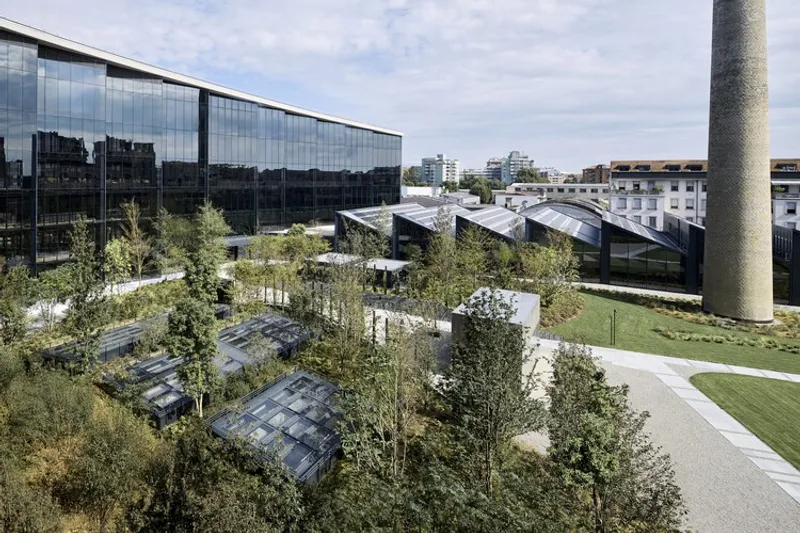
Anchoring the site is a preserved industrial chimney, reimagined as a functional bioclimatic element that passively draws air and contributes to the building’s sustainable climate strategy. This gesture bridges the past and present, transforming industrial memory into a driver of environmental performance.
The Building-as-a-City Concept
At the heart of the design lies the idea of the Building-as-a-City—a holistic architectural ecosystem that supports diverse functions and human interactions.
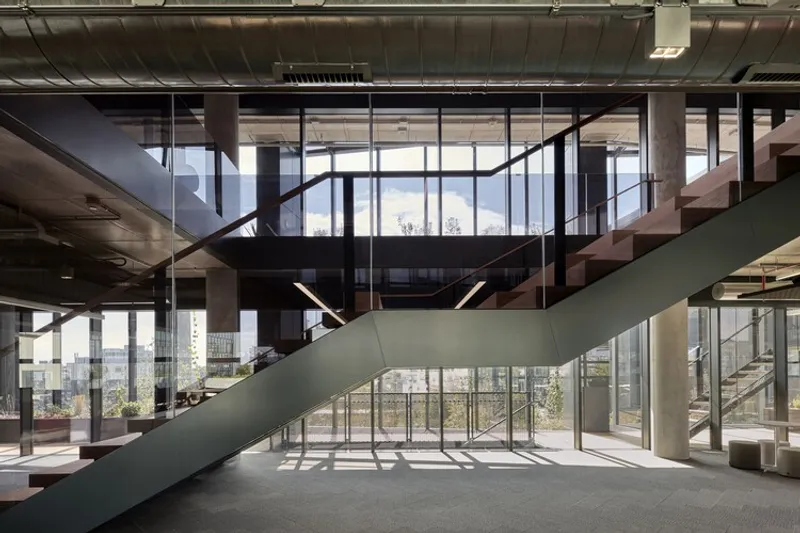
Casa Moncler integrates offices, showrooms, a gym, an auditorium, and social areas into a continuous, vertically organized structure. Each floor is reconfigurable, allowing spaces to adapt to evolving modes of work and creativity.
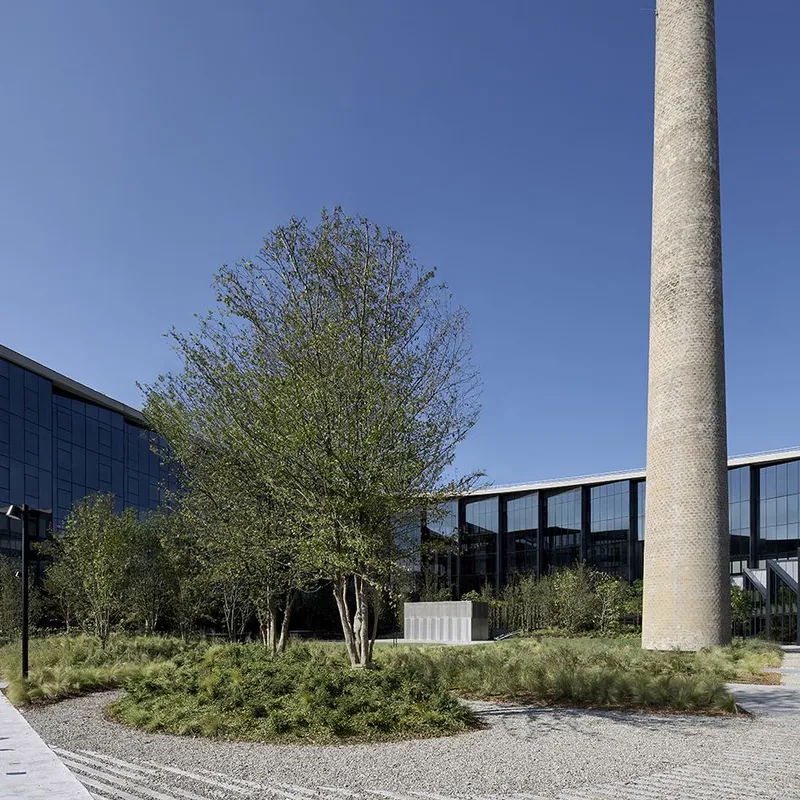
The result is an urban microcosm—a living environment that encourages collaboration, innovation, and community within the framework of a sustainable corporate culture.
Environmental Integration and Bioclimatic Design
A defining feature of Casa Moncler is its bioclimatic courtyard—a vast, glazed heart of the building that floods interiors with natural light while fostering visual and sensory connection to greenery.
The 7,500-square-meter internal garden, designed in collaboration with Parcnouveau, incorporates native plant species and open social spaces, creating a serene outdoor extension of the workplace.
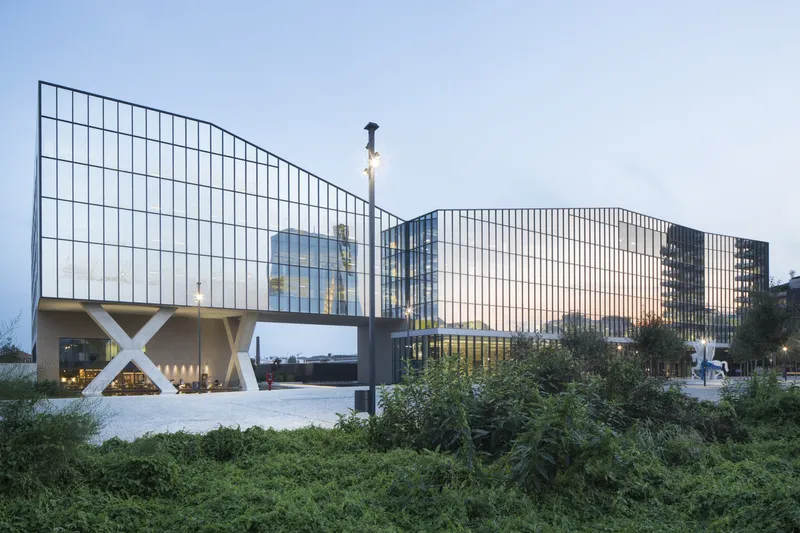
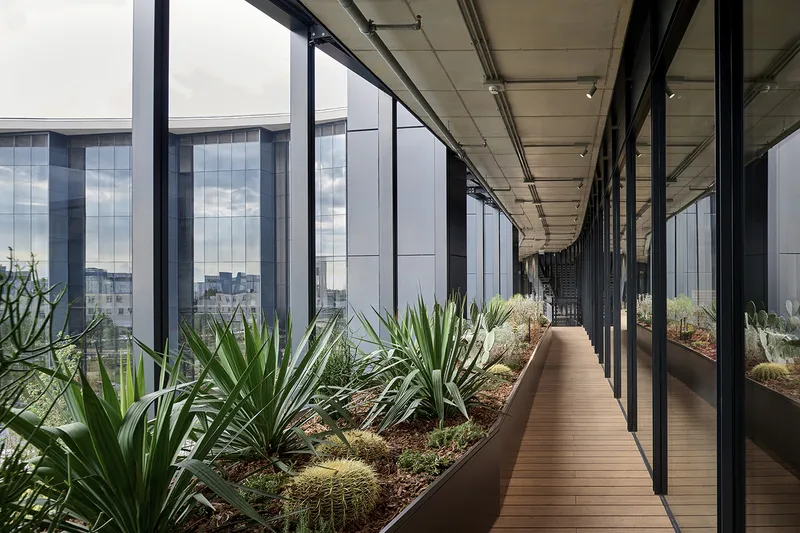
The preserved chimney now functions as a passive ventilation tower, channeling fresh air through three distinct ecosystems—steppe, Mediterranean scrub, and cold desert—each chosen for resilience and adaptability to Milan’s climate. This bioclimatic greenhouse not only regulates temperature and air quality but also symbolizes architecture in harmony with nature.
Sustainable Strategies and Material Circularity
Casa Moncler achieves exceptional energy and environmental performance, aligning with LEED and WELL certification standards.
The building envelope features high-performance glazing and integrated shading systems that optimize daylight and thermal comfort. Mechanical systems are designed for efficiency and low energy consumption, ensuring a consistent balance between performance and occupant well-being.
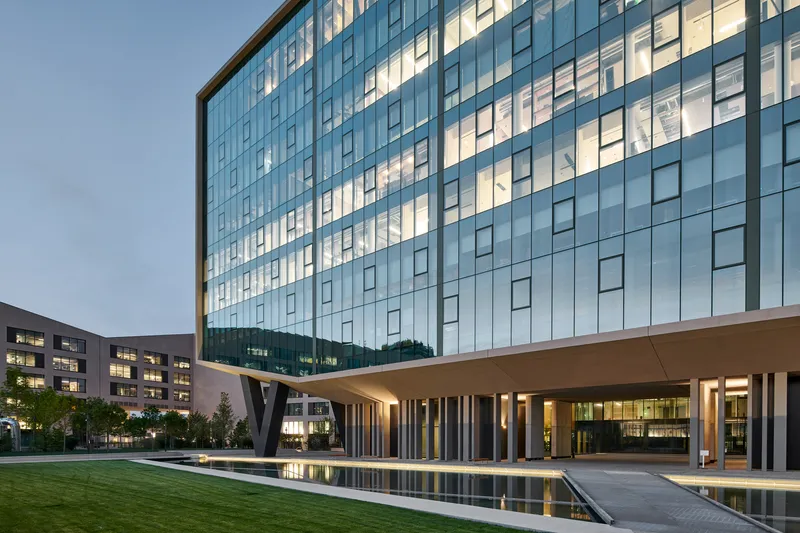
Interiors are crafted with a circular design philosophy, utilizing recycled and regenerated materials derived from production waste. Acoustic panels, claddings, and finishes embody the brand’s sustainable ethos—where luxury and responsibility coexist seamlessly.
Leadership Vision
“We designed a building with a manufacturing character—rigorous, measured, and deeply rooted in Milan’s urban evolution,”— Antonio Citterio, Chairman and Co-founder, ACPV ARCHITECTS
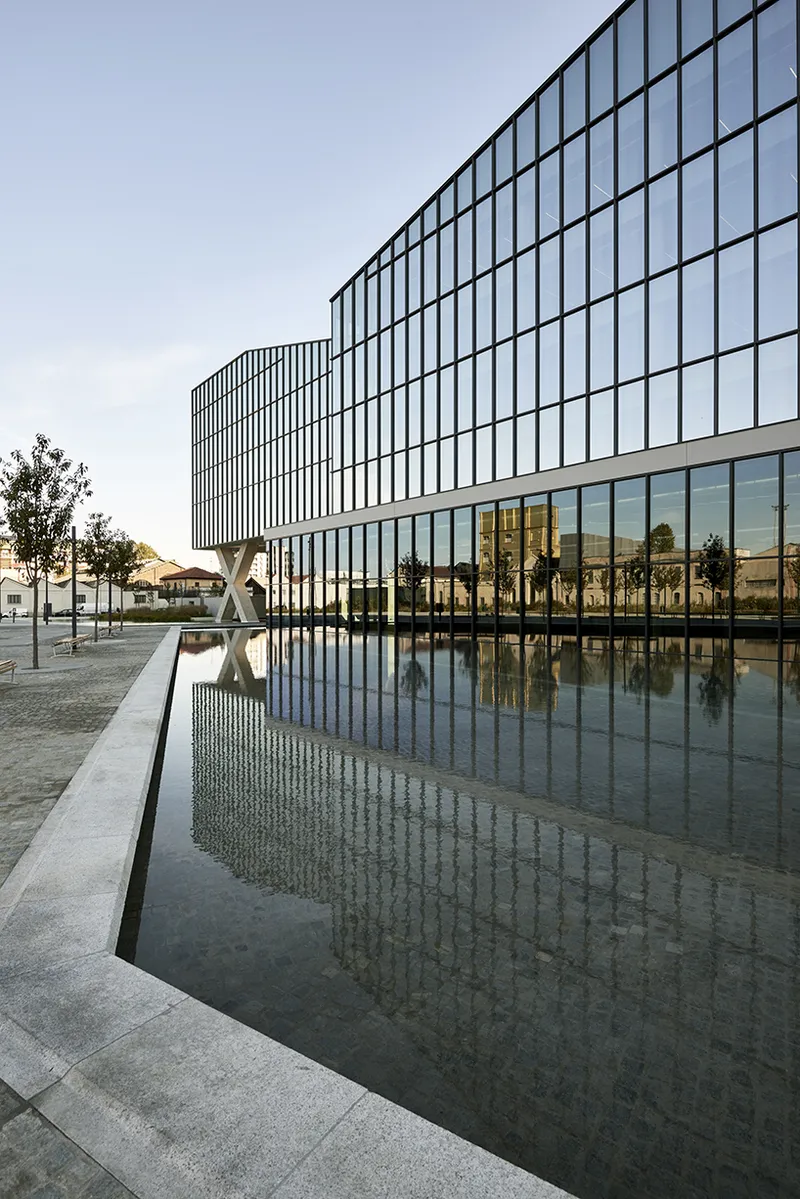
“The project integrates identity and innovation, well-being and comfort, creating a new paradigm for corporate architecture,”— Patricia Viel, Co-founder, ACPV ARCHITECTS
“Casa Moncler represents a sustainable dialogue between city, public space, and productivity—an urban model for the Milan of the future,”— Mauro Novazzi, Partner, ACPV ARCHITECTS
Urban Context: The Symbiosis District
Casa Moncler is part of the Symbiosis Community District, an ambitious masterplan by ACPV ARCHITECTS and developed by Covivio. Spread over 125,000 m², the district transforms a former industrial zone into a mixed-use urban landscape integrating offices, education, retail, and hospitality functions.
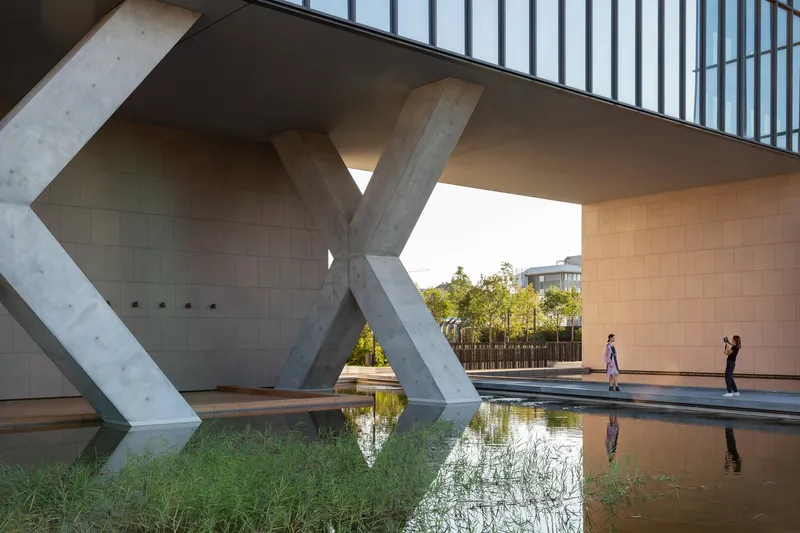
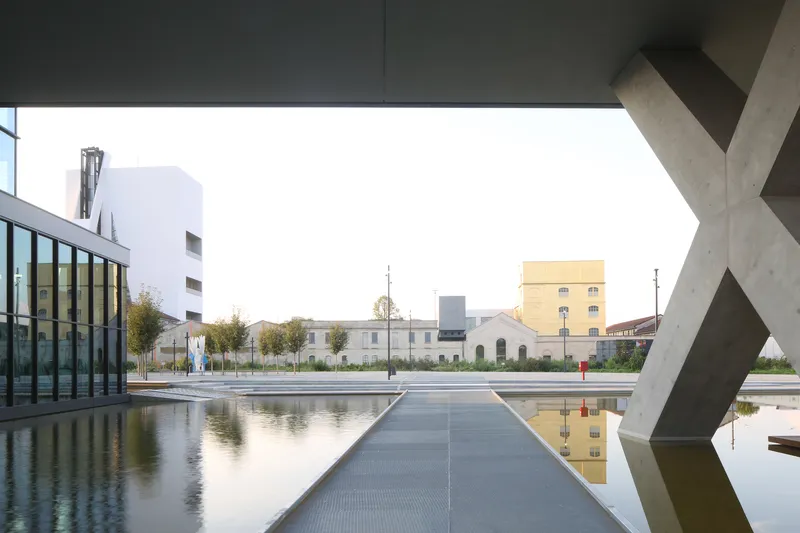
A 1.3-kilometer pedestrian spine connects green spaces, water features, plazas, and event zones—embodying an urban philosophy that prioritizes connectivity, ecological balance, and human experience.
Through this comprehensive regeneration, Symbiosis and Casa Moncler together redefine Milan’s southern quadrant as a model for sustainable urban evolution—a place where architecture, ecology, and identity coexist dynamically.
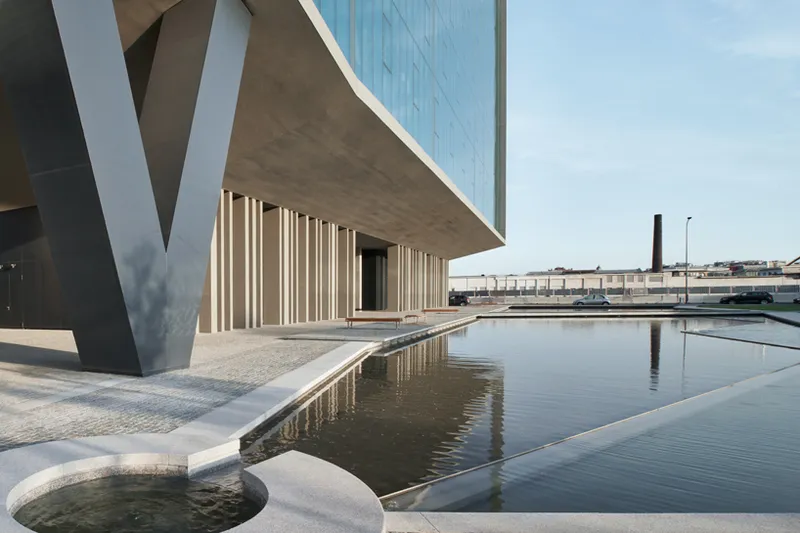
All the Photographs are works of Leo Torri, Davide Bozzalla


Popular Articles
Popular articles from the community


Opera on the Sea: Driftwood Logic Shapes a Timber Opera House on Estonia's Coast
Trevor Orgill's opera house translates the entangled drift of floating timber into a civic building where wood, water, and music converge.
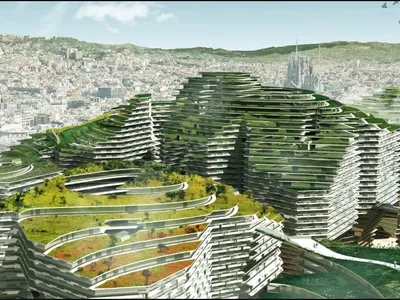
Manzana Morphosis: Stretching Barcelona's Grid into a Living Landscape for 2050
A radical reworking of the Eixample manzana turns density into a tool for generous public space, vertical ecology, and environmental performance.


Cube Design Draws an Ecological Corridor Between Two Shenzhen Hills with the Nankai Building
Beside Shenzhen's container docks, the Nankai Building pairs stacked balconies with a climbing green screen to connect two hillsides across its height.

Aquadapt: An Underwater Habitat That Rewrites Its Rooms by the Hour
Curved modules ring the seabed while one shell shifts from breakfast room to cinema, farm and football pitch as residents' needs change.

Similar Reads
You might also enjoy these articles


Hodi-Mandai Geram
Project Function: Preservation and revitalization of the Intangible heritage and socio-spatial identity of the Hodi by Housing, Cultural Memory Center, Sacred Grove, landscape, local tourism economy


Olio Towers: A Mid-Rise for Performers That Fuses Housing, Rehearsal, and Stage
Located blocks from Houston's Theater District, this modular tower stacks living units around a central performance atrium.

Oasis: Modular Green Housing Carved into Dhaka's Urban Fabric
A shortlisted Plugin Housing entry reclaims unauthorized settlements in Dhaka with stepped concrete volumes, green roofs, and ventilation-driven design.

Black Hole: A Floating Megastructure for the Post-Physical Era
Emiliano Mazzarotto envisions a spherical, self-scaling arena where e-sports, digital hotels, and holographic stadiums replace traditional public space.

Explore Office Building Competitions
Discover active competitions in this discipline

Challenge to reimagine the Iron Throne

Photograph architecture without architects

Illustrate the lost glory of Angkor Wat - Render Challenge

Design challenge to reuse E-waste
Comments (0)
Please login or sign up to add comments
No comments yet. Be the first to comment!