
Cebú Ranch by RootStudio: A Fusion of Craft, Sustainability, and Industrial Architecture in Oaxaca
Cebú Ranch blends sustainable industrial design with artisanal craftsmanship, creating a mezcal distillery rooted in Oaxacan tradition and landscape.


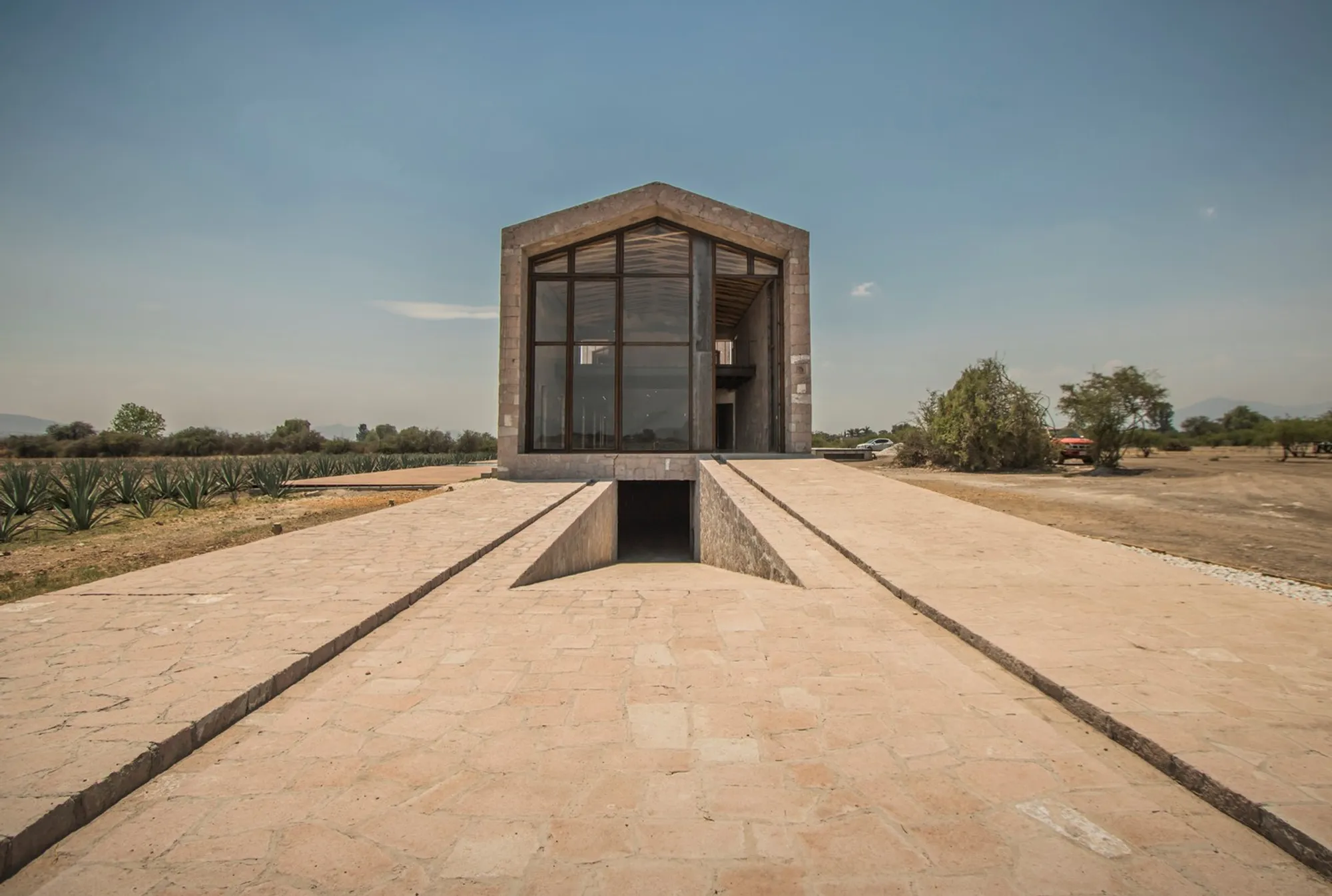
Nestled in the heart of Tlacolula de Matamoros in Oaxaca’s mezcal-producing valley, Cebú Ranch by RootStudio emerges as a striking synthesis of artisanal architecture, sustainable industrial production, and regional identity. Spanning 3,500 square meters across three levels and surrounded by 10 hectares of maguey fields, this project was conceived as part of Grupo Amantes, a collective dedicated to handcrafted mezcal production.
Artisanal Integration and Cultural Expression
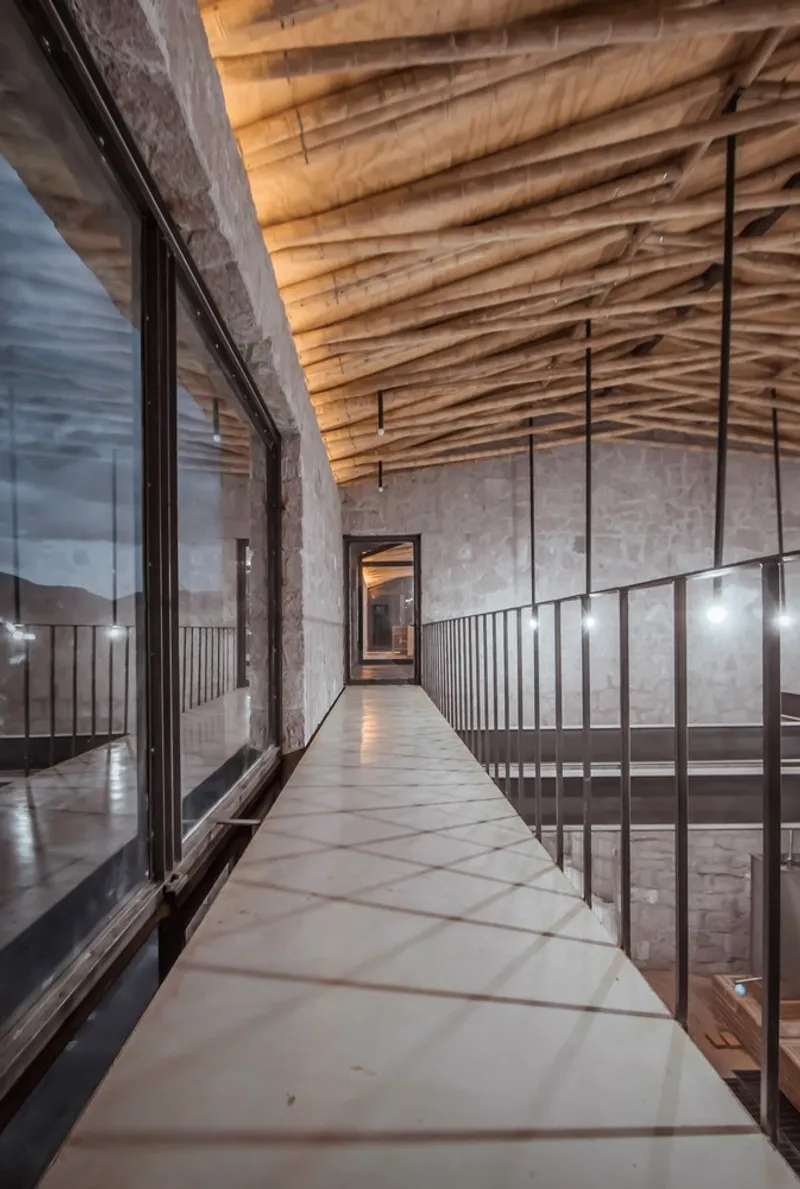
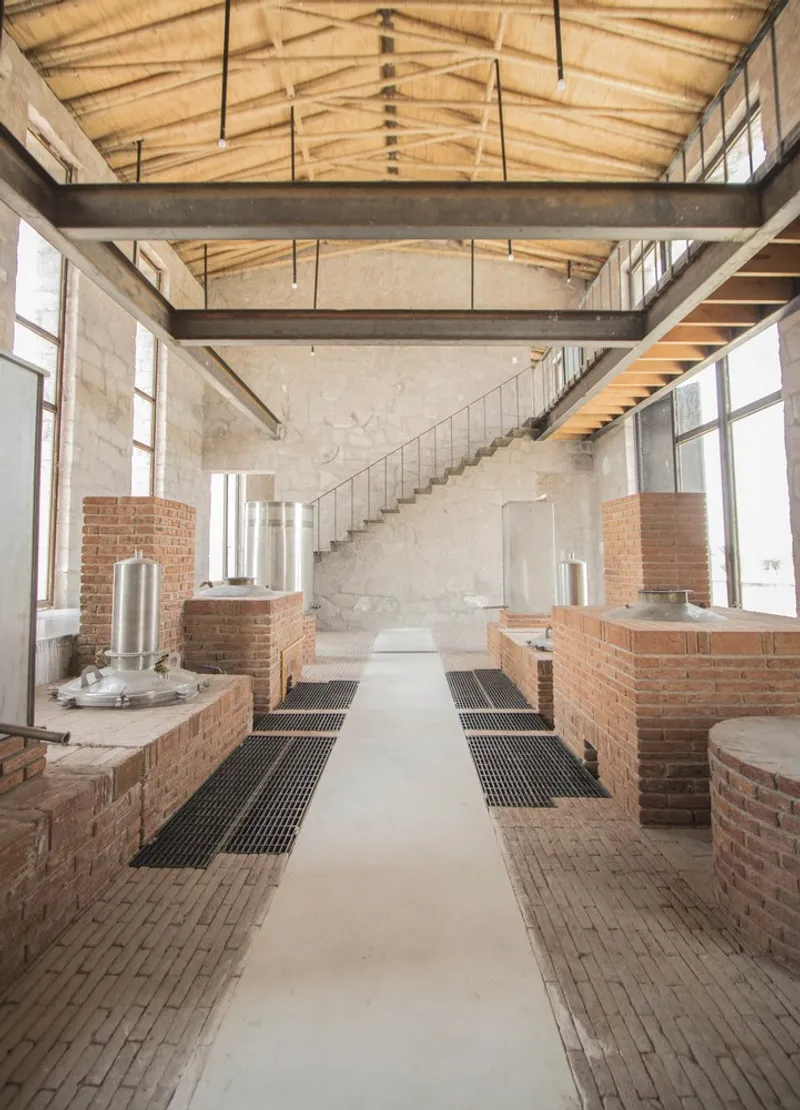
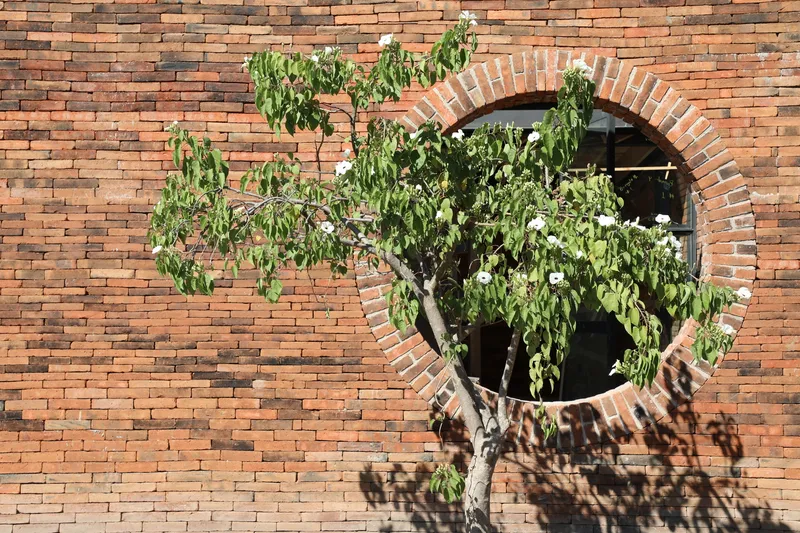
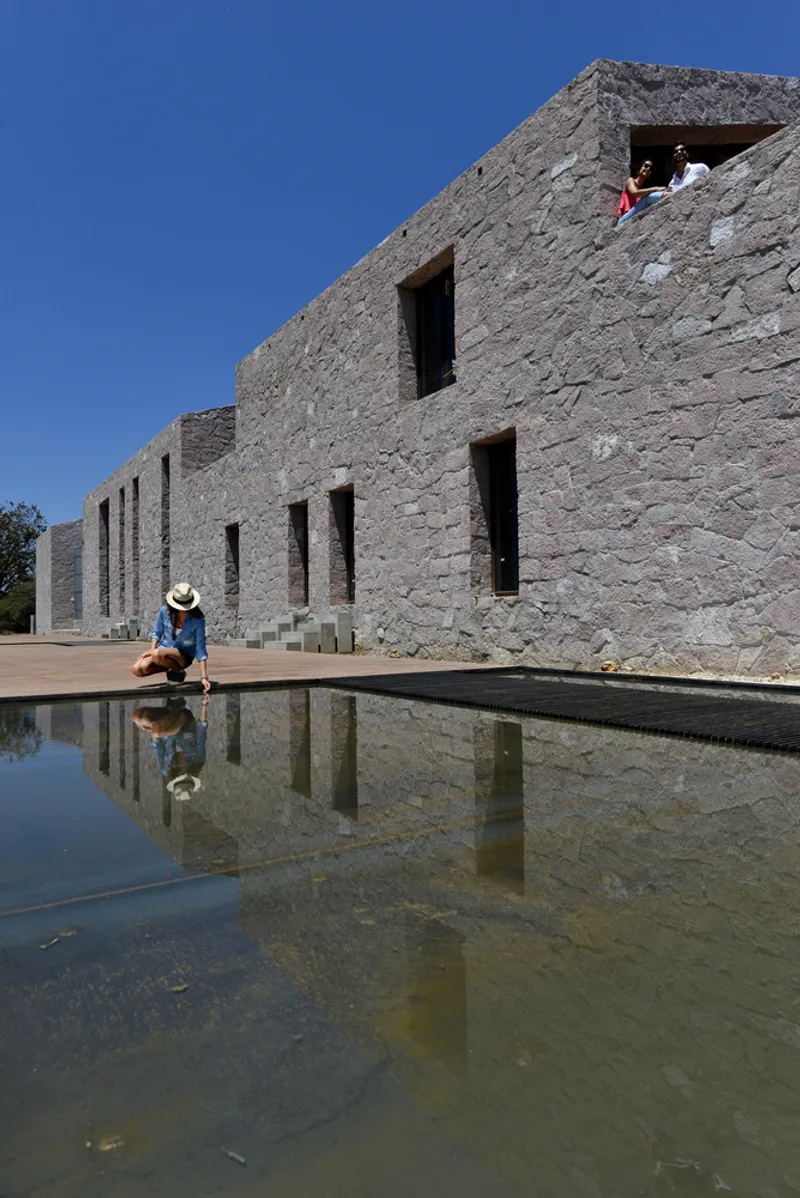
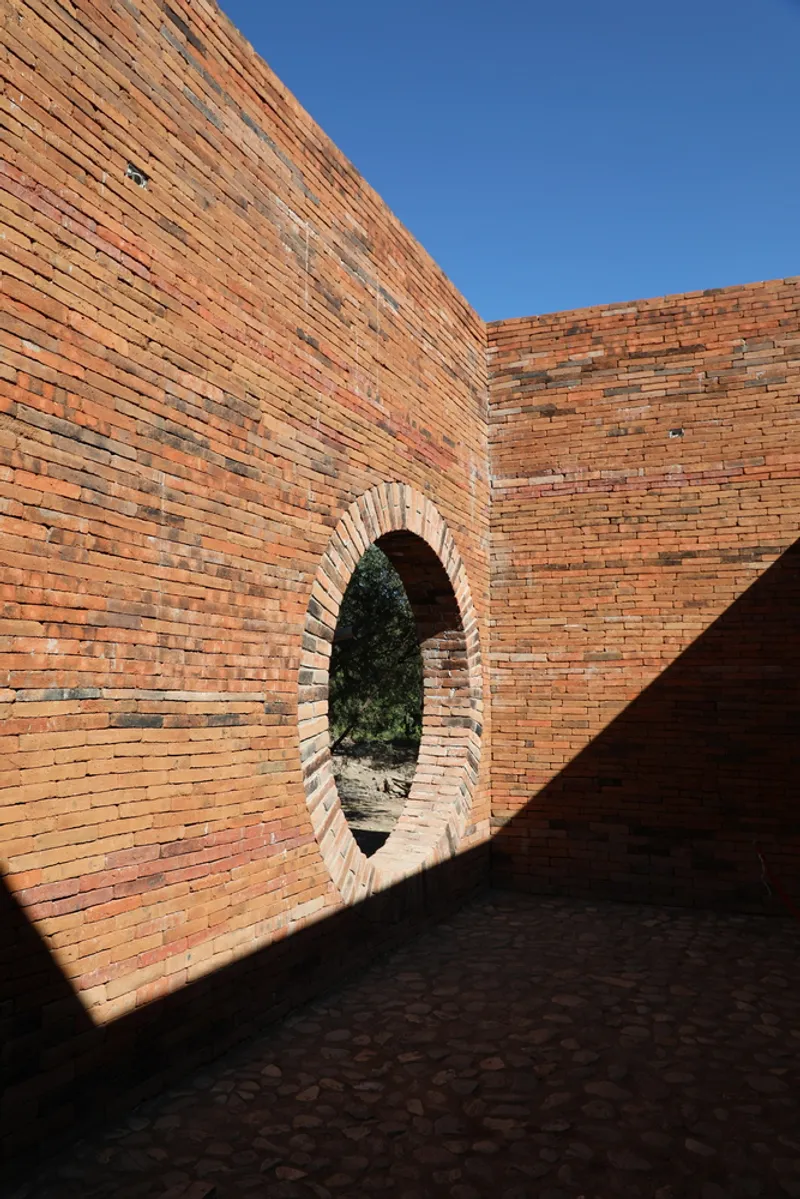
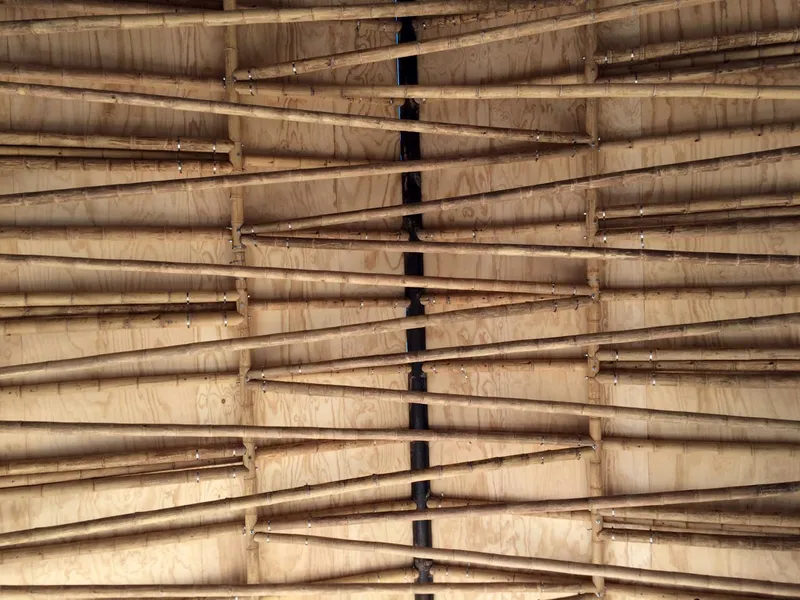
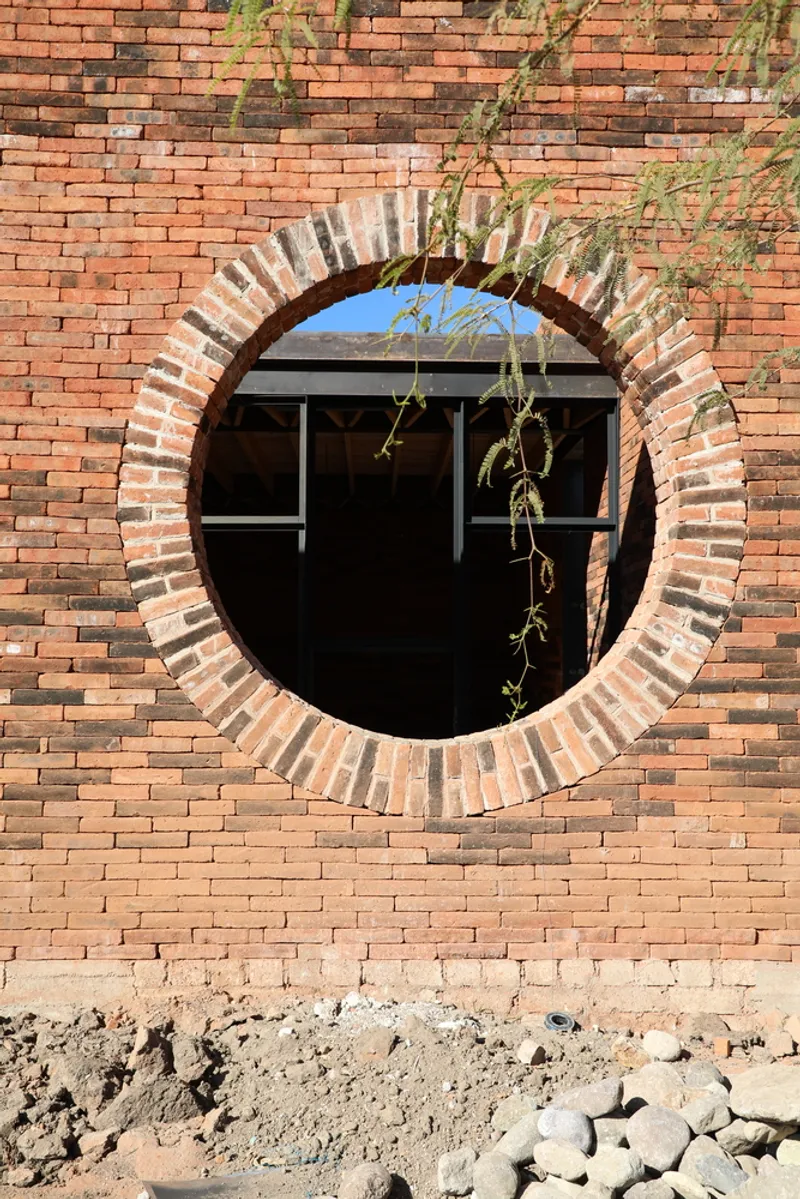
At its core, Cebú Ranch champions handcrafted construction and local materials, making it both a functional distillery and a monument to Oaxacan craftsmanship. Local artisans played an essential role in shaping the architecture—from quarry stone masonry and handmade brickwork to the bamboo roof structure covered in clay tiles. The presence of Oaxacan artist Luis Zárate, who designed the elevated water tank, deepens the connection between contemporary design and cultural heritage.
Environmental Sensitivity and Sustainable Infrastructure
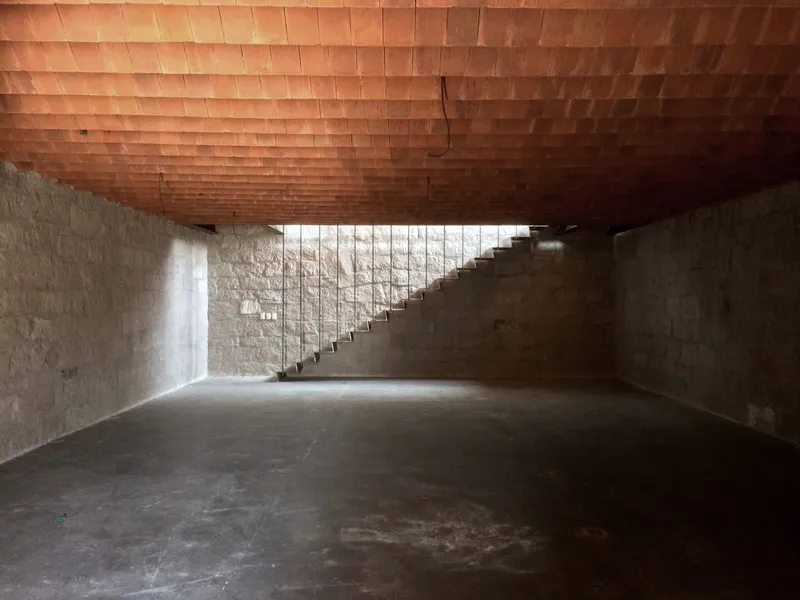
Sustainability drives the entire architectural narrative. A network of biodigesters integrates the treatment of gray and black water, combined with organic waste from mezcal production. This not only reduces the project's environmental impact but also preserves the purity of local groundwater. The building’s underground fermentation cellar, located 3 meters below ground, provides ideal thermal conditions for aging mezcal without artificial climate control.
Structural Strategy and Seismic Resilience
Responding to Oaxaca’s seismic nature, the structure is both resilient and regionally sensitive. The building’s base uses masonry strip foundations reinforced with concrete columns, topped by a structural slab of welded I-beams, wooden planks, and concrete. Above, the bamboo roof structure offers a flexible system ideal for earthquake-prone zones, while simultaneously promoting sustainable timber alternatives.
Visual Connections and Site Integration
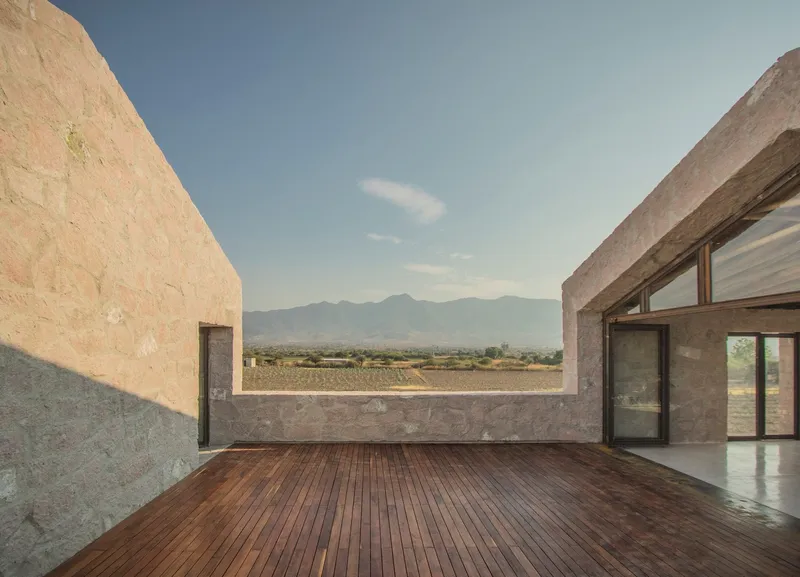
Strategically placed at the center of the estate, the ranch enjoys panoramic views of the prehispanic ruins of Yagul and surrounding mountain ranges. The site plan subtly unites the elevated tank, land pit, and local water tank through a conceptual “water line,” reinforcing both symbolic and functional continuity across the terrain.
A Human-Centered Industrial Architecture
Cebú Ranch is more than a production facility—it’s a manifestation of humanized industrial architecture. Every beam, wall, and tile tells the story of skilled laborers: stone-cutters, bricklayers, carpenters, and blacksmiths, whose craftsmanship adds tactile and cultural richness to the space. It celebrates the local vernacular while adapting to the technical requirements of modern mezcal production.




Popular Articles
Popular articles from the community


Play: Fragments of Their World
Familiar architecture becomes modular playground design, creating safe spaces where displaced children can learn, connect, imagine and play.

Co-life: Sustainable Architecture for Age-Friendly Community Living
Co-life reimagines sustainable architecture for seniors through courtyards, rammed earth, shared gardens, and spaces designed for belonging.

Lunar Spiral: Space Architecture Shaped by the Mathematics of the Universe
Lunar Spiral reimagines space architecture through Fibonacci geometry, lunar regolith, levitating habitats, and self-sustaining Moon living.

The Earth Pod: 3D Printed Homes for Resilient Refugee Communities
The Earth Pod reimagines refugee housing through 3D printed homes made from clay, combining resilience, self-sufficiency, and rapid shelter.

Similar Reads
You might also enjoy these articles


Hodi-Mandai Geram
Project Function: Preservation and revitalization of the Intangible heritage and socio-spatial identity of the Hodi by Housing, Cultural Memory Center, Sacred Grove, landscape, local tourism economy


Olio Towers: A Mid-Rise for Performers That Fuses Housing, Rehearsal, and Stage
Located blocks from Houston's Theater District, this modular tower stacks living units around a central performance atrium.

Oasis: Modular Green Housing Carved into Dhaka's Urban Fabric
A shortlisted Plugin Housing entry reclaims unauthorized settlements in Dhaka with stepped concrete volumes, green roofs, and ventilation-driven design.

Black Hole: A Floating Megastructure for the Post-Physical Era
Emiliano Mazzarotto envisions a spherical, self-scaling arena where e-sports, digital hotels, and holographic stadiums replace traditional public space.


Explore Industrial Building Competitions
Discover active competitions in this discipline



Challenge to reimagine the Iron Throne


Photograph architecture without architects


Illustrate the lost glory of Angkor Wat - Render Challenge


Design challenge to reuse E-waste
Comments (0)
Please login or sign up to add comments
No comments yet. Be the first to comment!