

Cellar Extension at Domaine de Malmont by ARTELABO Architecture
A heritage-sensitive winery extension integrating gravity-based production, seamless architectural continuity, and restrained materials within the historic Domaine de Malmont landscape.


Set within the historic landscape of Villeneuvette, France, the Cellar Extension at Domaine de Malmont by ARTELABO architecture is a carefully articulated industrial architecture project that balances functional wine production requirements with architectural continuity and heritage sensitivity. Completed in 2023, the 291-square-meter extension forms part of a remarkable architectural ensemble, where the new intervention seeks not to compete with its surroundings but to strengthen the coherence of the Domaine as a whole.
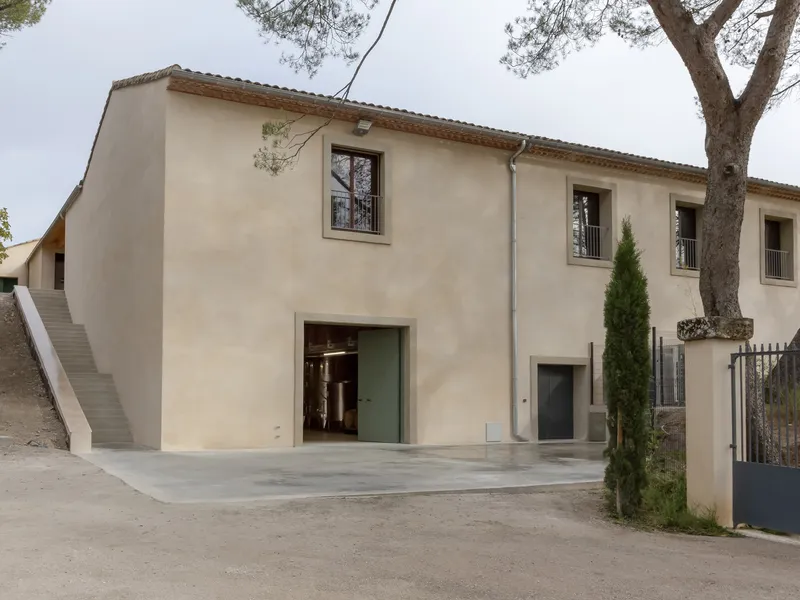
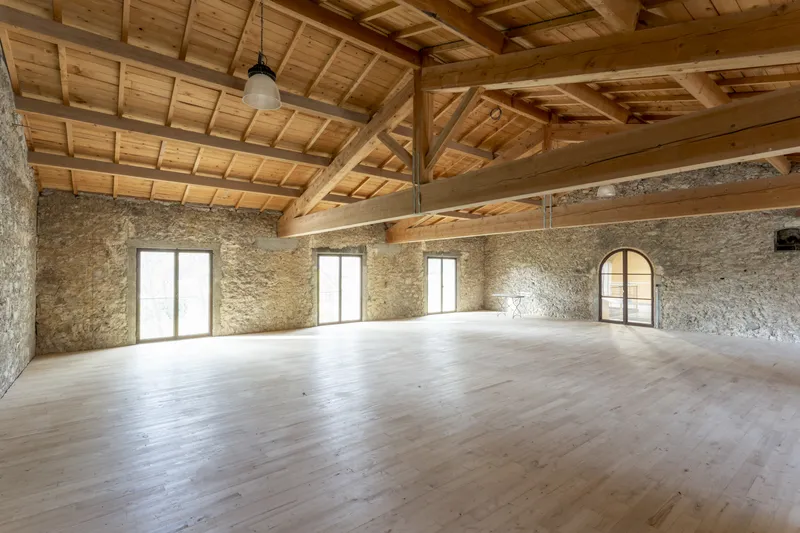
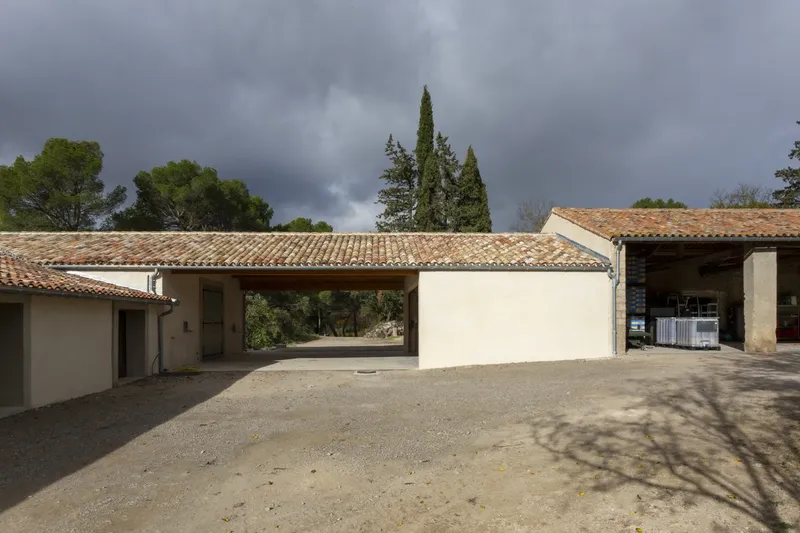
The project responds to the need for an expanded wine cellar while maintaining a strong physical and visual relationship with the existing structures. Rather than operating as a standalone addition, the new cellar is conceived as an architectural continuation, directly connected to the original wine cellar and extended laterally to interface with an adjacent hangar. This deliberate configuration allows the extension to integrate seamlessly into the site’s working landscape, reinforcing the logic of wine production while respecting the historic character of the estate.
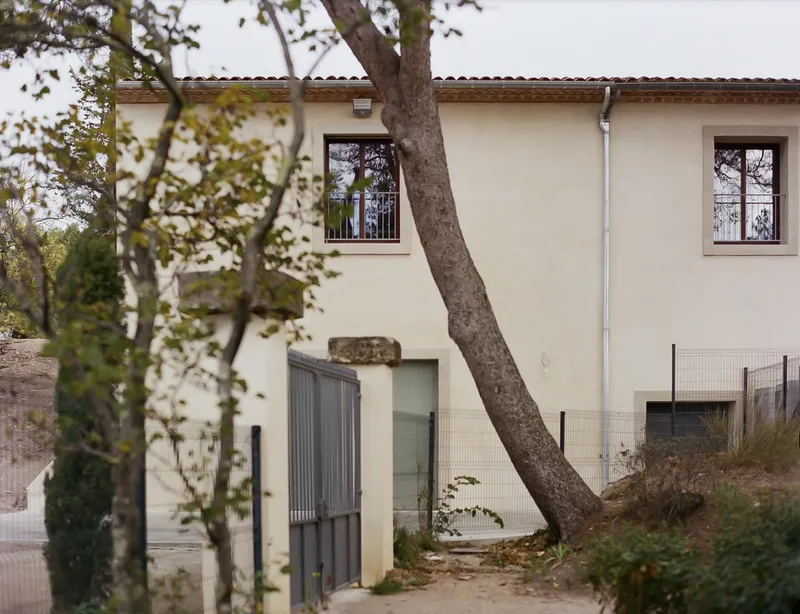
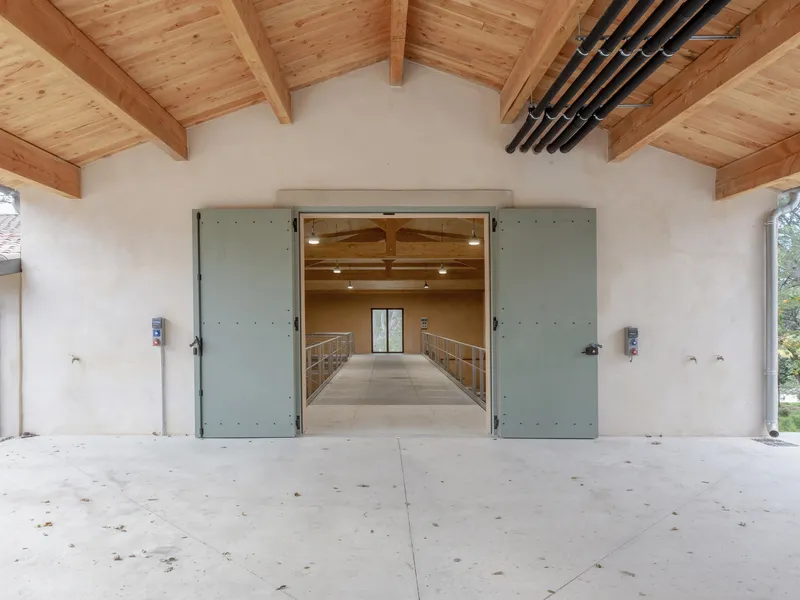
A defining architectural gesture of the project is the roof extension, which performs both functional and spatial roles. At ground level, it creates a sheltered grape reception area, improving operational efficiency during harvest periods while protecting the process from climatic exposure. At the scale of the Domaine, the roofline becomes a unifying element that visually binds the new and existing buildings, ensuring that the extension reads as a natural evolution rather than a contemporary rupture.
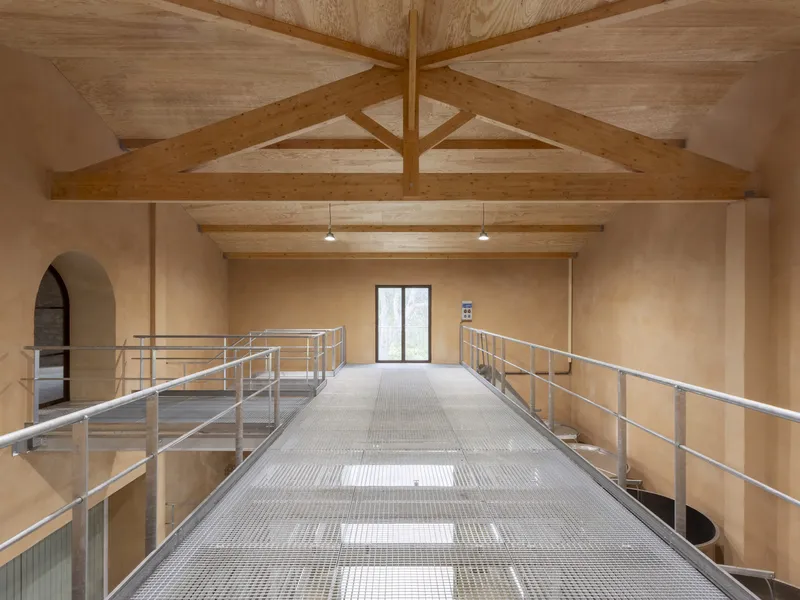
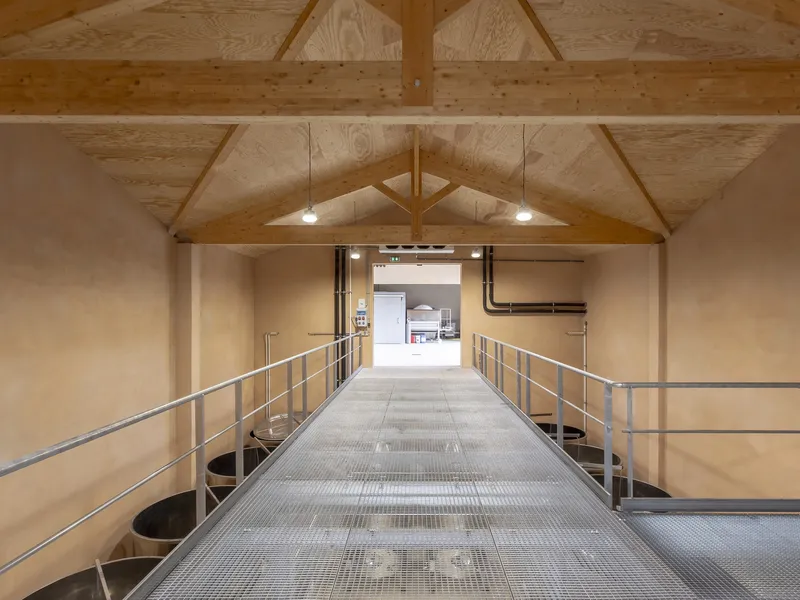
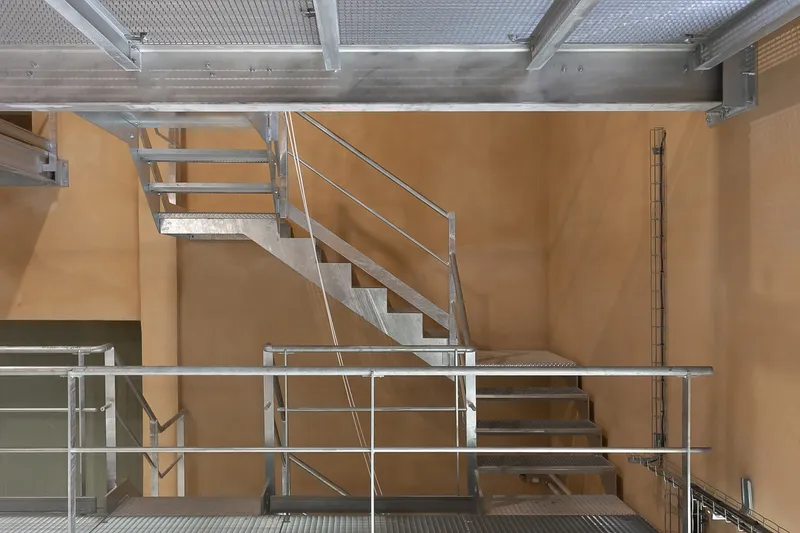
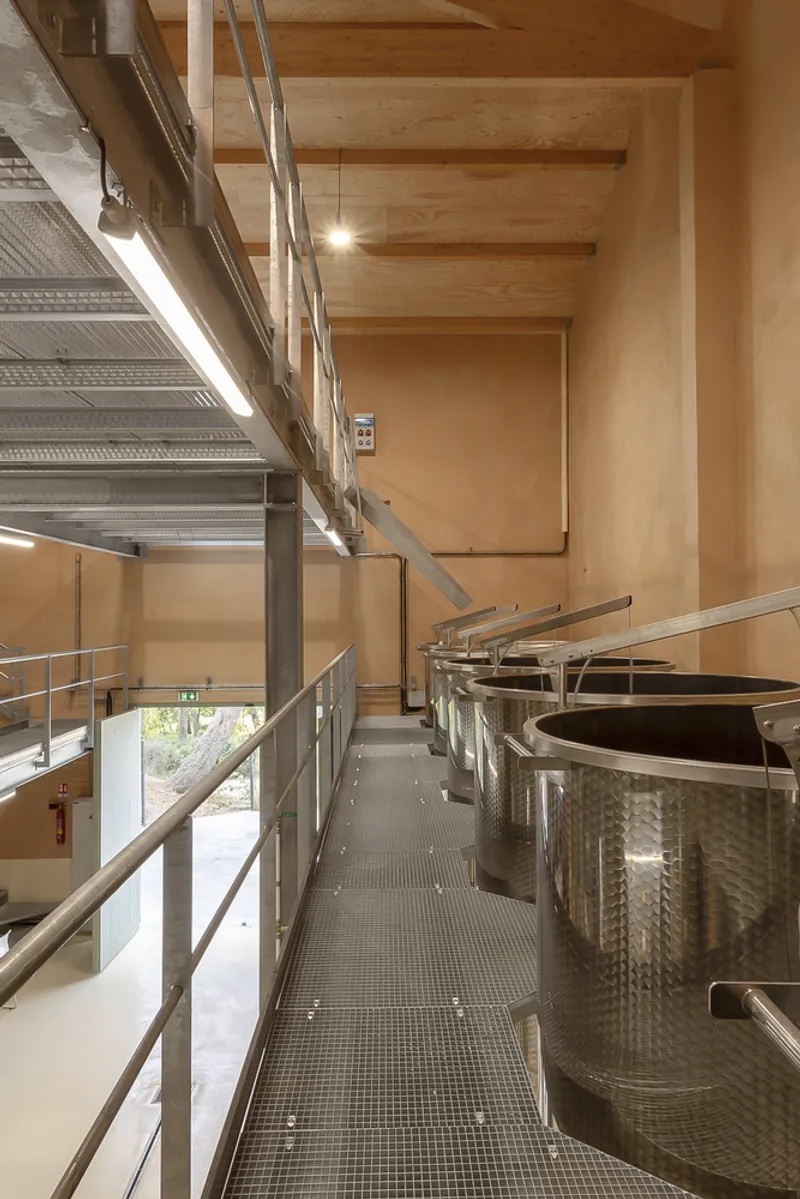
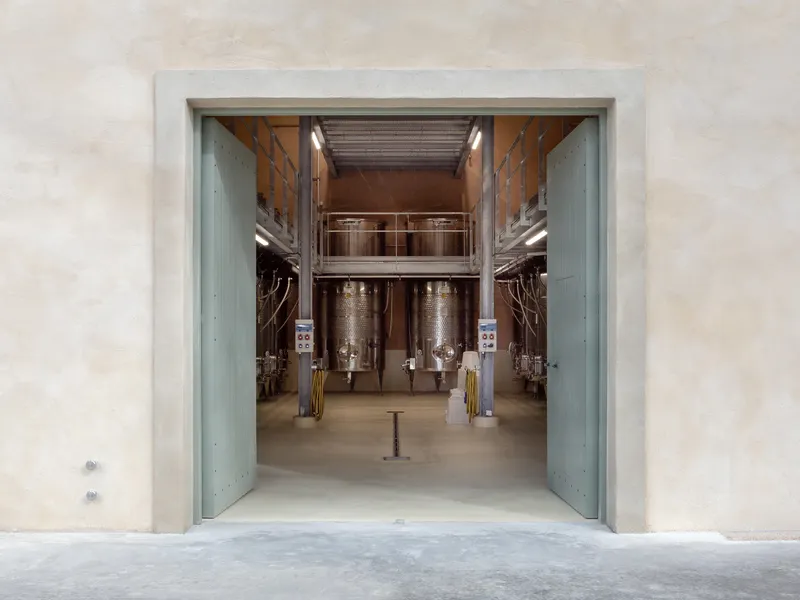
The site’s topography plays a central role in shaping the project’s spatial organization. The wine cellar is distributed across multiple levels, enabling a gravity-based winemaking process that minimizes mechanical intervention and supports traditional production methods. Internally, the layout unfolds across three interconnected levels, allowing safe and efficient movement throughout every stage of wine production, from grape intake and processing to fermentation and storage. The extension maintains continuous physical and operational connections to the existing cellar, ensuring a coherent workflow throughout the entire facility.
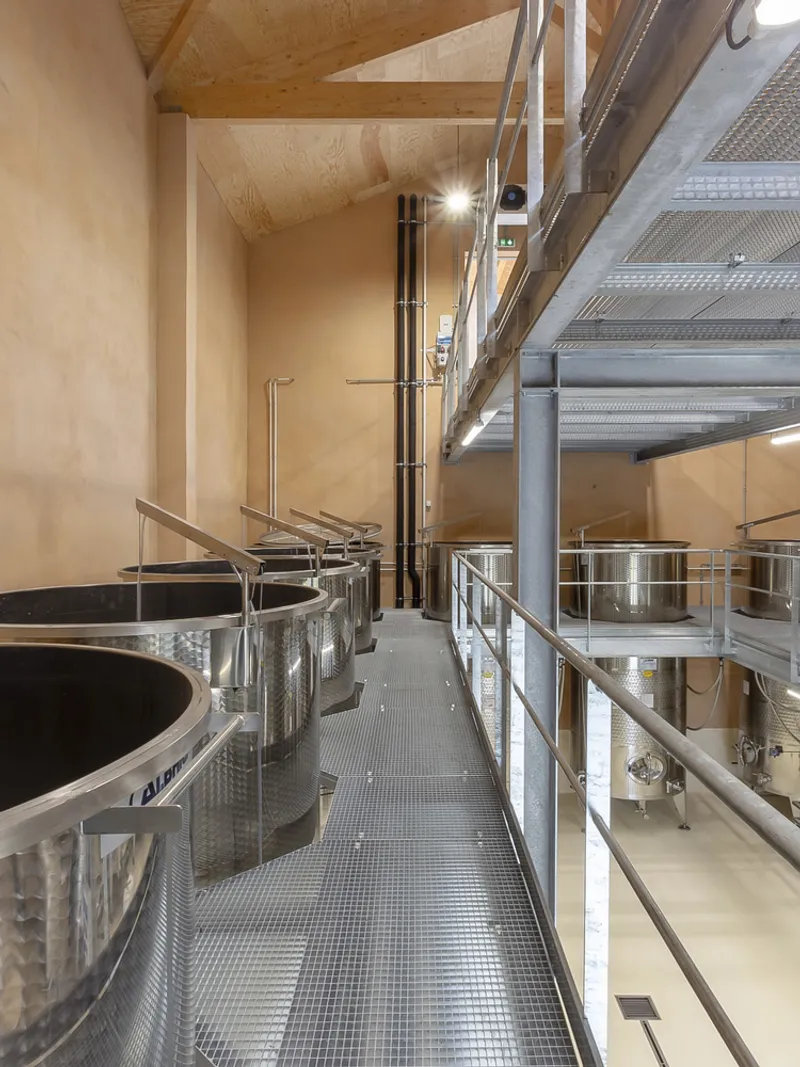
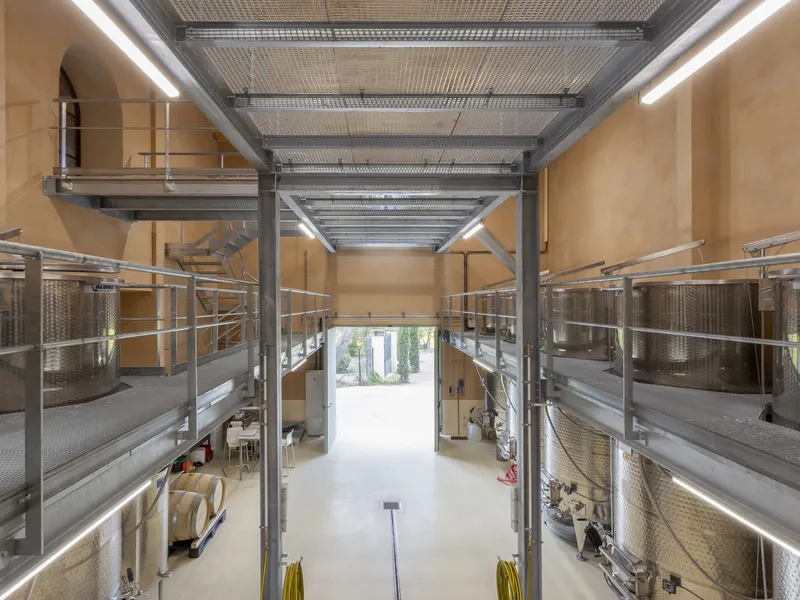
Materiality and exterior finishes are deliberately restrained, echoing the tones and textures of the Domaine’s existing buildings. This architectural restraint reinforces a sense of permanence and belonging, giving the impression that the new cellar has always been part of the estate. Openings, façades, and structural elements are composed to align with the rhythm and proportions of the surrounding architecture, subtly expressing contemporary construction while remaining deeply rooted in the site’s heritage context.
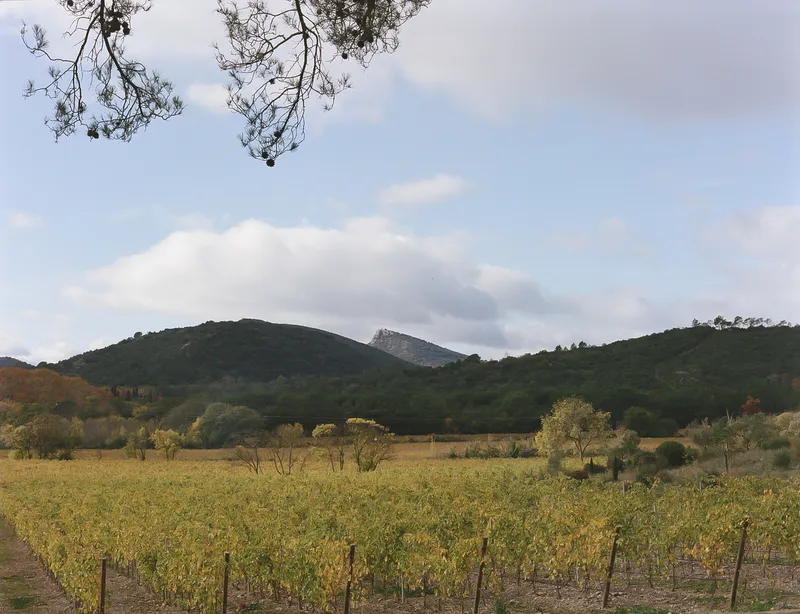
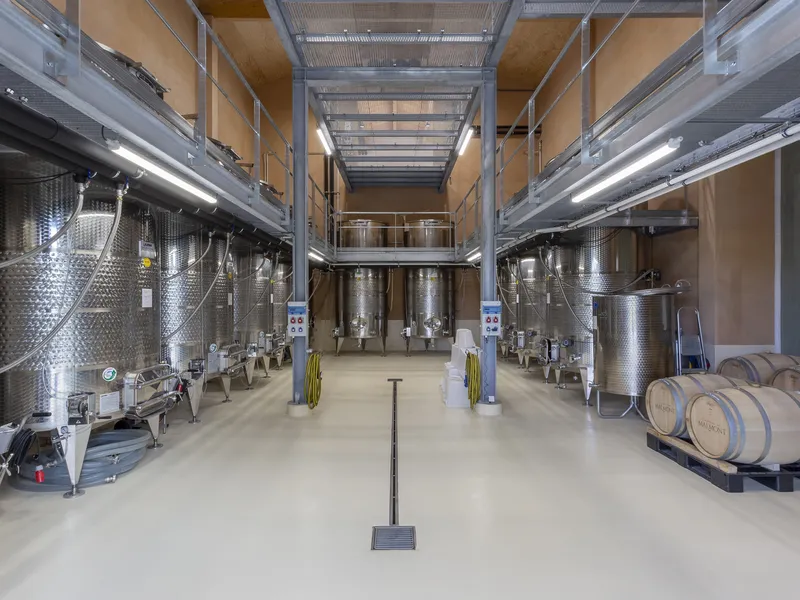
Through its measured architectural language and site-responsive design strategy, the Cellar Extension at Domaine de Malmont exemplifies how industrial architecture can engage respectfully with historical environments. ARTELABO architecture delivers a project that supports modern wine production demands while preserving the identity, continuity, and spatial harmony of a longstanding viticultural landscape.
All photographs are works of
Mary Gaudin


Popular Articles
Popular articles from the community


GROUP A Strips a 1969 Rotterdam Harbor Headquarters to Its Frame and Wraps It in Timber Louvers
In Rotterdam's M4H harbor district, Ferro Offices reuses a 1969 frame, adds one timber storey and reaches BREEAM-NL Outstanding.

LT2A and OPEN Architectes Thread a Brick and Glass High School Through a Wooded Belgian Campus
In Braine-l'Alleud, a 3,000 m² wing for Collège Cardinal Mercier pairs pale brick with a glazed colonnade, deferring to a small chapel and a dense wood.

Jaramillo Van Sluys Arquitectura and Urbanismo Turn a Demolished Registry Lot in Quito into an Orchard Plaza
In Quito's Centro Histórico, a 2,800 m² plaza exposes the San Agustín convent wall and redraws its lost Augustinian orchard in volcanic stone.

Architekt Andreas Gruber Scatters 23 Dark Timber Chalets Across a South Tyrolean Forest Edge
In Molini di Tures, Amonti Chalets breaks a resort into a hamlet of gabled timber houses, with parking, storage and services pushed into the slope.

Similar Reads
You might also enjoy these articles


Hodi-Mandai Geram
Project Function: Preservation and revitalization of the Intangible heritage and socio-spatial identity of the Hodi by Housing, Cultural Memory Center, Sacred Grove, landscape, local tourism economy


Olio Towers: A Mid-Rise for Performers That Fuses Housing, Rehearsal, and Stage
Located blocks from Houston's Theater District, this modular tower stacks living units around a central performance atrium.

Oasis: Modular Green Housing Carved into Dhaka's Urban Fabric
A shortlisted Plugin Housing entry reclaims unauthorized settlements in Dhaka with stepped concrete volumes, green roofs, and ventilation-driven design.

Black Hole: A Floating Megastructure for the Post-Physical Era
Emiliano Mazzarotto envisions a spherical, self-scaling arena where e-sports, digital hotels, and holographic stadiums replace traditional public space.

Explore Architecture Competitions
Discover active competitions in this discipline

Challenge to reimagine the Iron Throne

Photograph architecture without architects

Illustrate the lost glory of Angkor Wat - Render Challenge

Design challenge to reuse E-waste
Comments (0)
Please login or sign up to add comments
No comments yet. Be the first to comment!