

Château Cantemerle Winery: A Historic Bordeaux Estate Reimagined by BPM Architectes
Château Cantemerle Winery blends historic Bordeaux charm with modern winemaking, sustainable design, and expanded facilities, creating a functional, elegant, and eco-conscious estate.


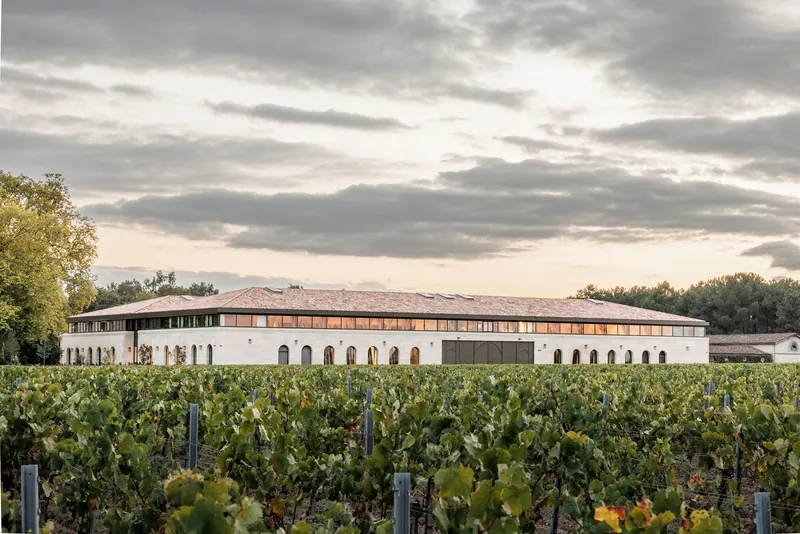
Château Cantemerle, located in Macau within the prestigious Haut-Médoc wine region, is one of the oldest and most celebrated wine estates in Bordeaux. Set across twenty-eight hectares of wooded parkland, the château combines centuries-old heritage with a contemporary vision for winemaking. Between 2023 and 2025, BPM Architectes led a transformative project to restore, reorganize, and expand the estate while preserving its historical identity.
Restoration and Expansion of a Bordeaux Landmark
The comprehensive intervention—commissioned by the SMABTP group, owners since 1981—revitalizes both the wine production facilities and the visitor experience. The project includes:
- Restoration of the historic château
- Expansion of the vat room and wine cellar
- Enlargement of bottle storage areas
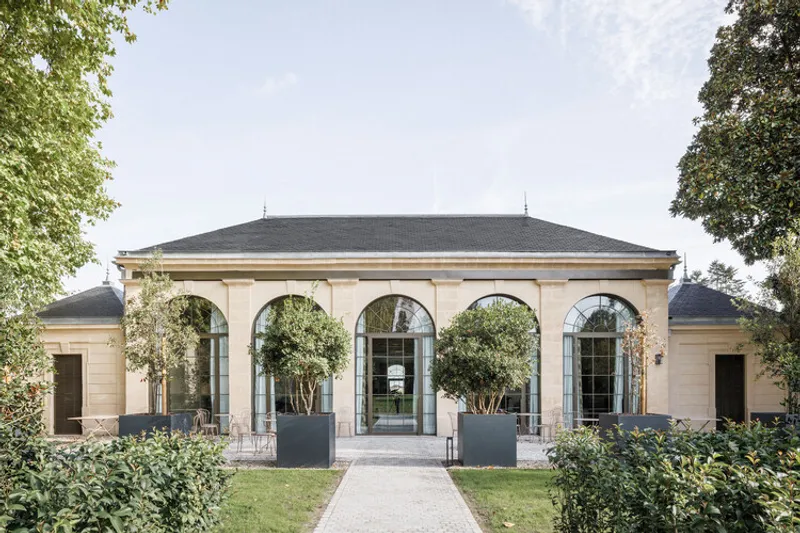
- Conversion of the orangery into a seminar space
- Redesign of the tasting room
- Creation of a new boutique
- A cohesive landscape project linking all interventions
The objective was to merge tradition and efficiency, ensuring Château Cantemerle serves as both a world-class production site and an inviting destination for guests.
A Harmonious Blend of Heritage and Contemporary Architecture
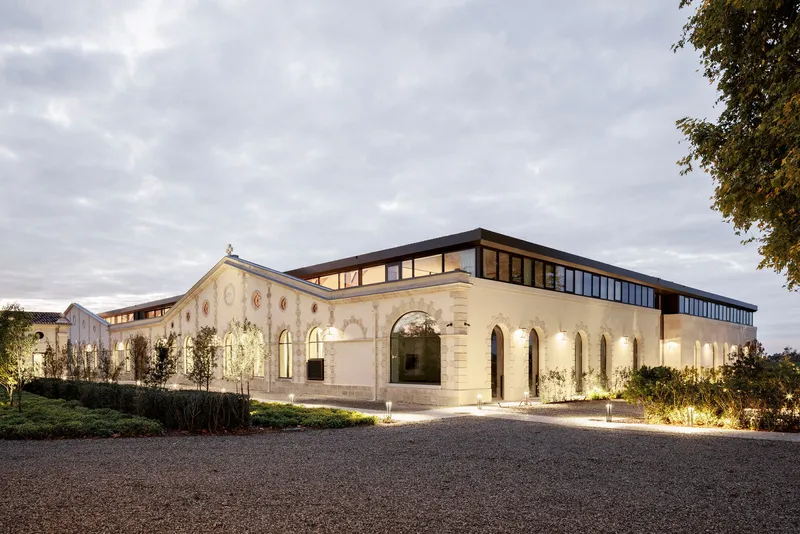
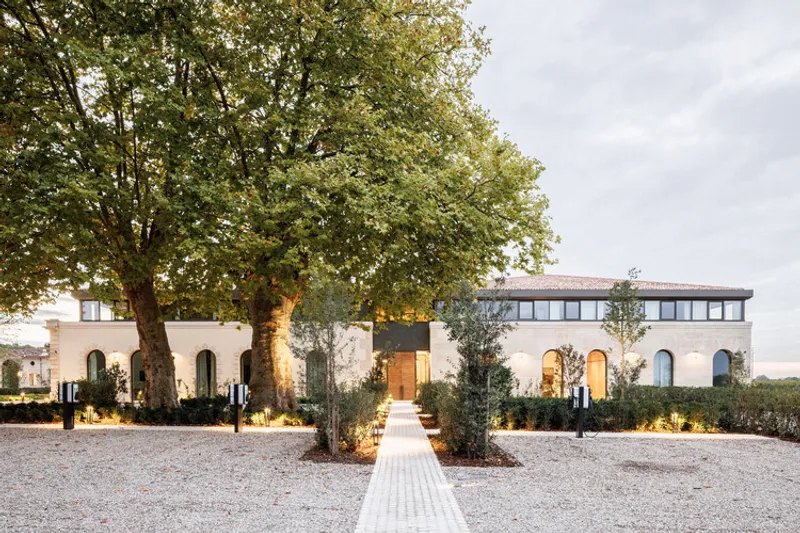
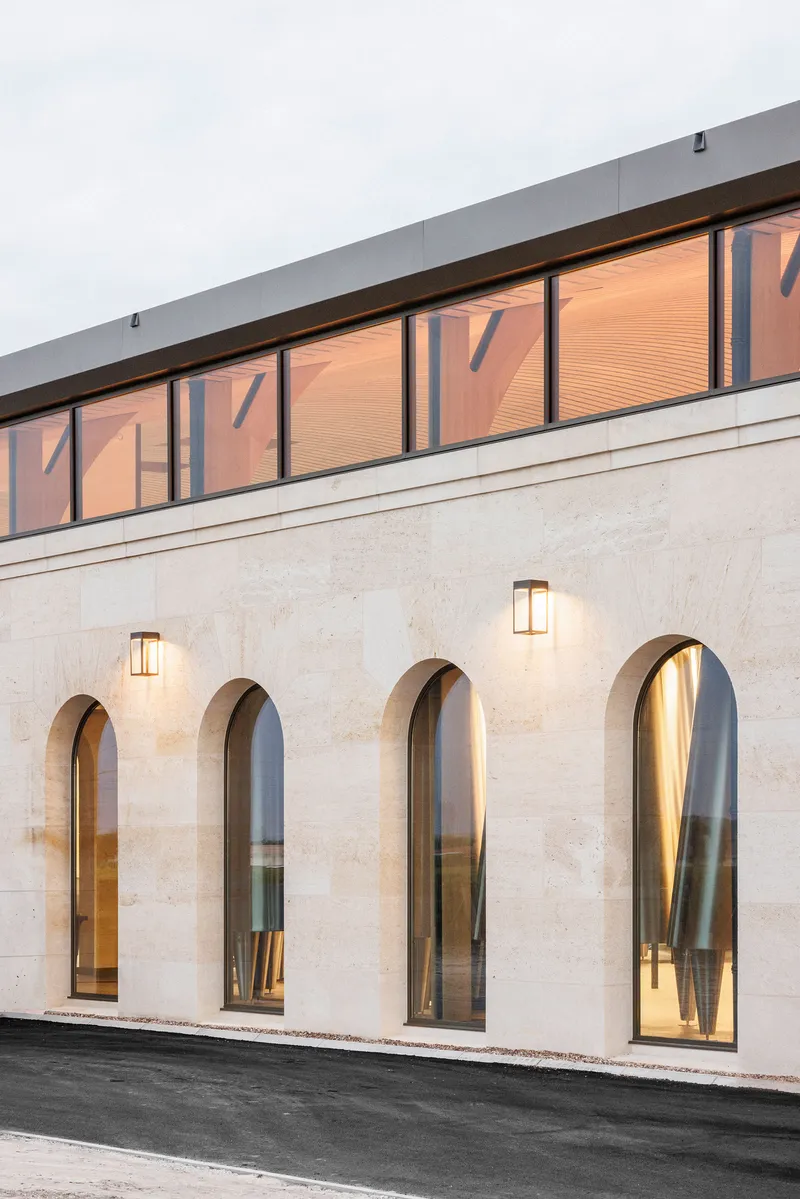
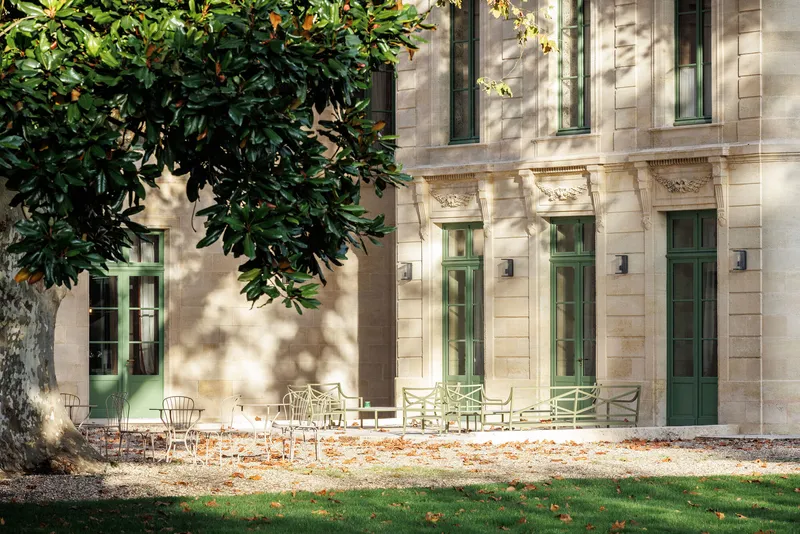
BPM Architectes focused on unifying materials and volumes across the estate. The restored stone façades, traditional slate and tile roofs, and tree-lined pathways ensure a seamless dialogue between historic structures and modern extensions.
The château, used privately, underwent a full interior restructuring. Nine bedrooms, large living rooms, dining areas, and reception spaces now reflect both elegance and comfort. The woodwork was recreated identically, preserving the estate’s classical aesthetic.
The orangery was enlarged and redesigned to host seminars for up to fifty people. Its new extension adopts the architectural vocabulary of the site, maintaining continuity with the adjacent vat room.
State-of-the-Art Winemaking Facilities
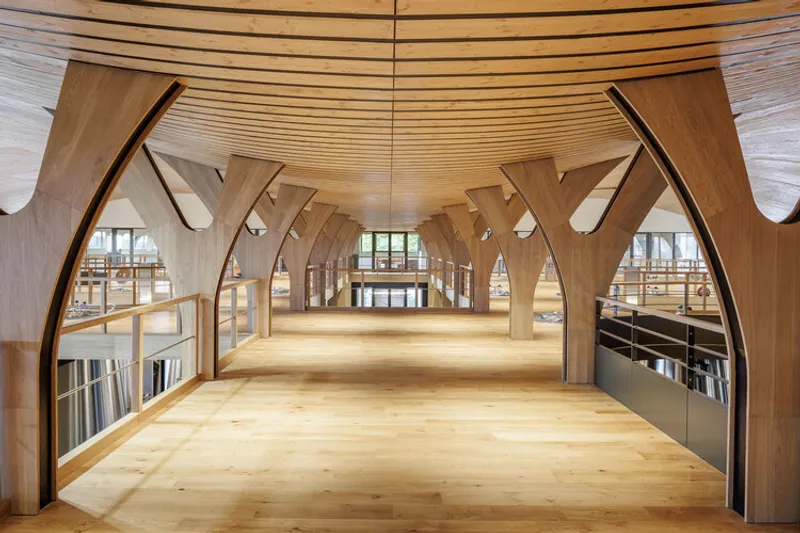
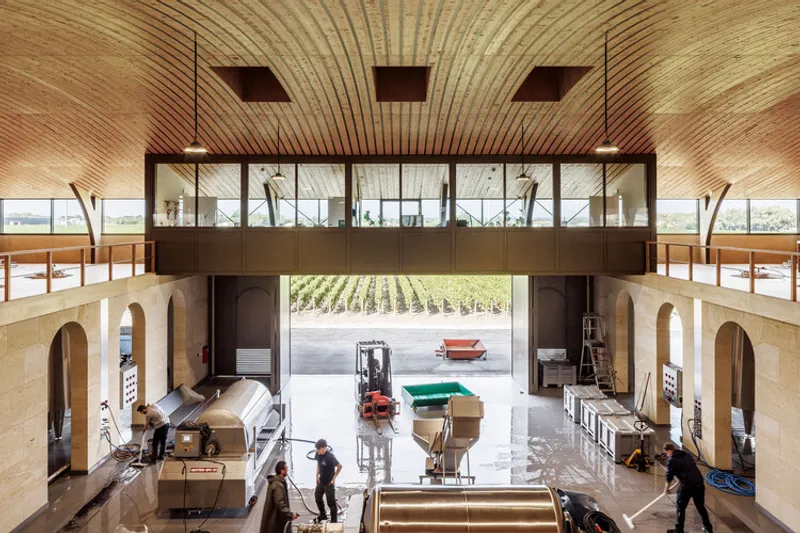
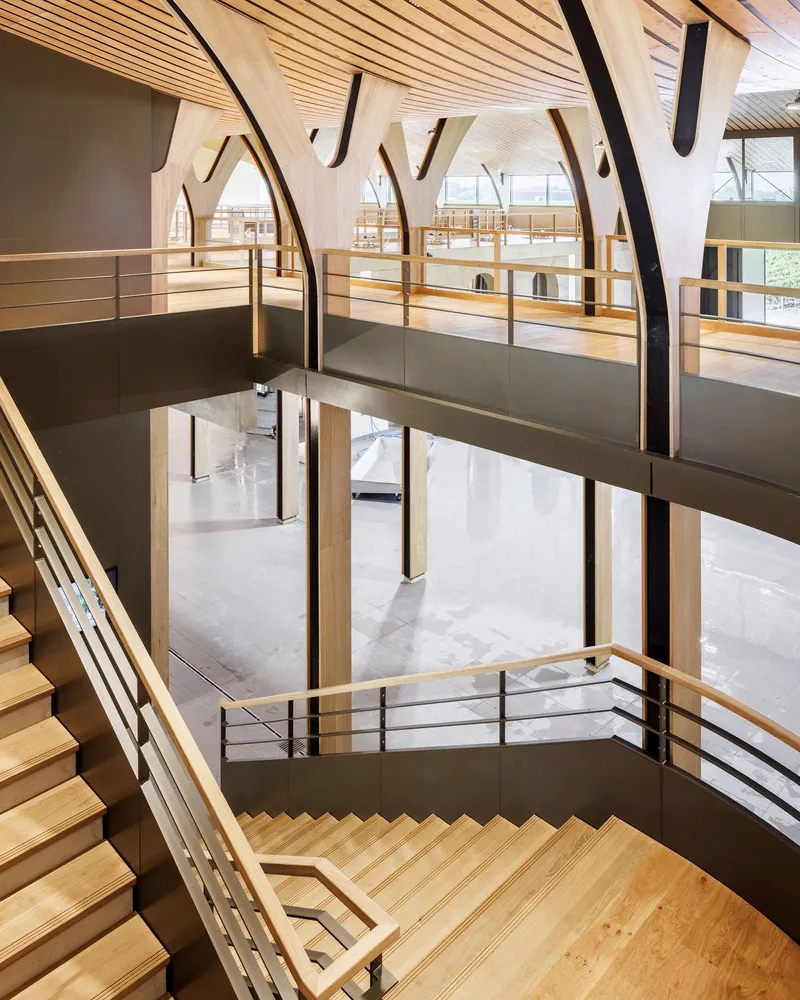
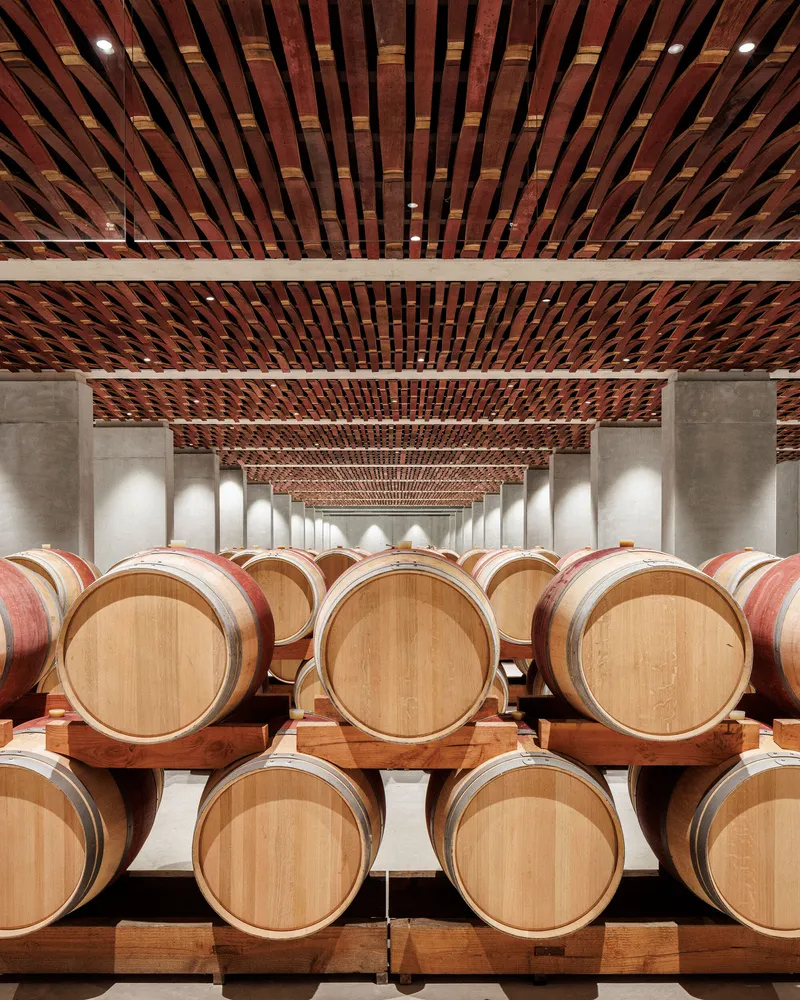
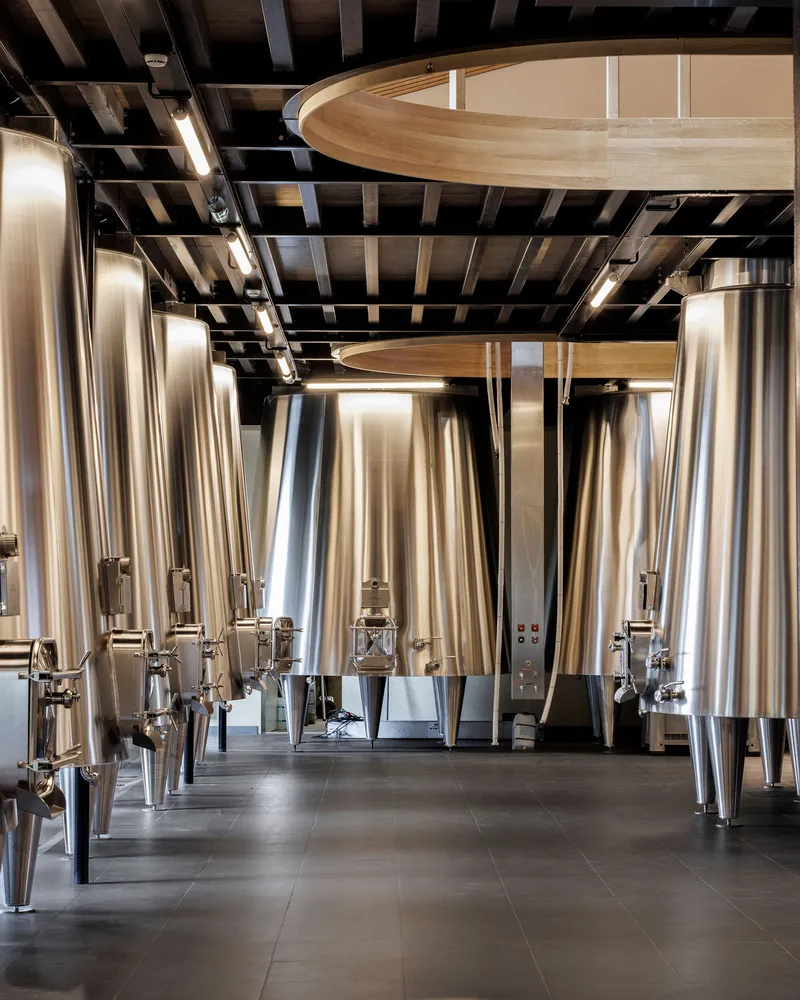
The vat room and wine cellar form the core of the estate’s technical upgrades. The façade of the original vat room facing the main courtyard was preserved, and a terrace now connects it to the extension. A combination of timber and steel frames supports a suspended roof that enhances spatial clarity and natural light.
With the project, the building’s area doubled. Key enhancements include:
- A new barrel cellar located in the basement
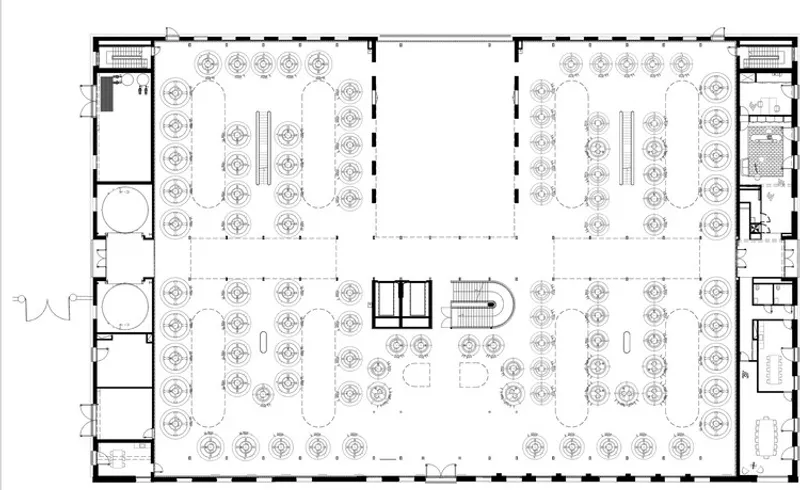
- A vat room containing 114 vats, arranged around the harvest courtyard
- Management offices and tasting spaces positioned above, spanning two levels
- A bottle storage facility expanded by two naves, accommodating two million additional bottles
This enlarged storage area also functioned as a temporary vat room during two consecutive harvests.
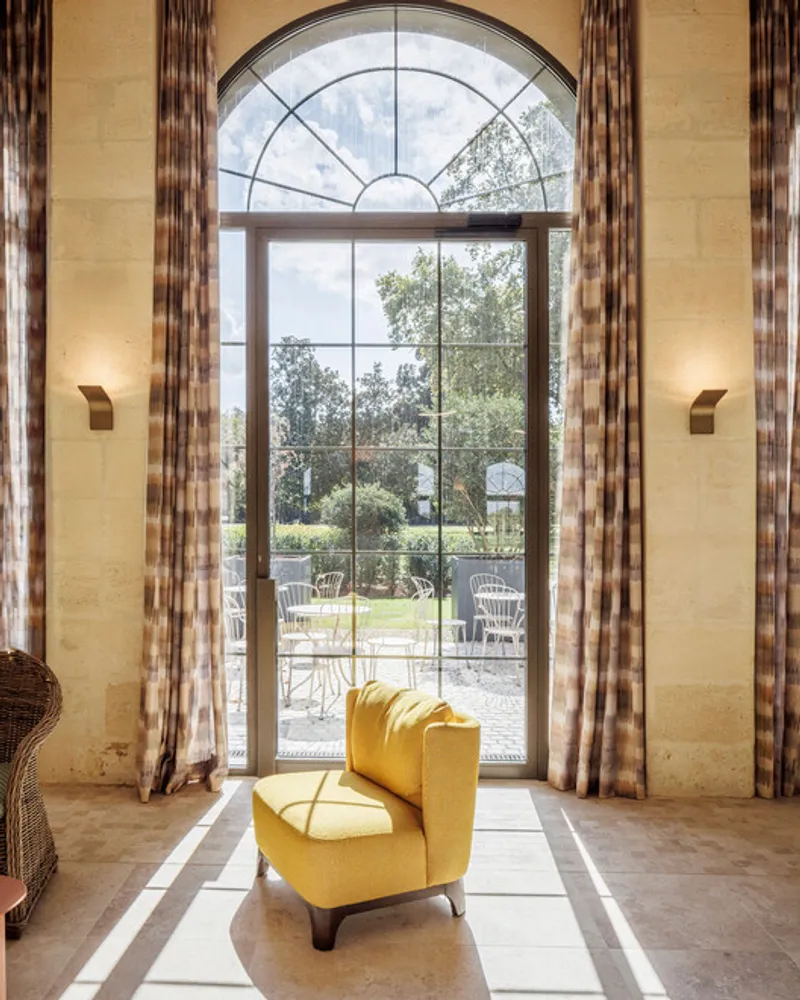
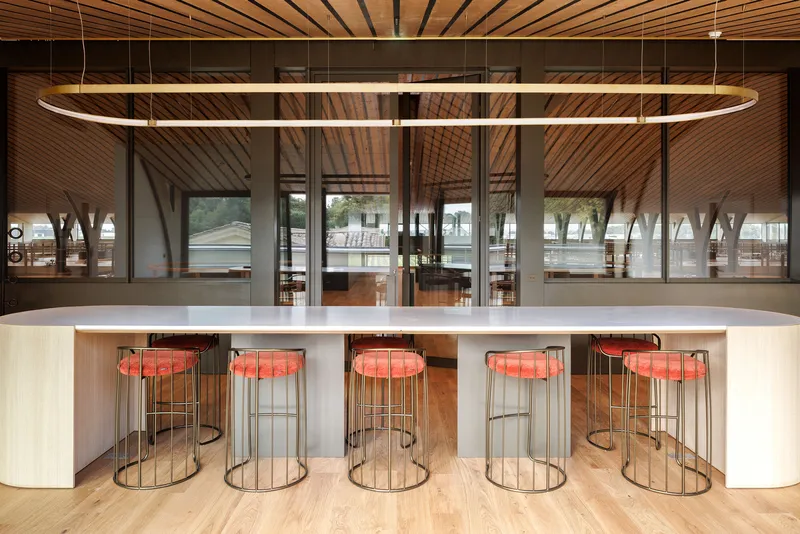
Visitors now experience an upgraded tasting room and a newly designed shop opening onto a terrace overlooking the château—creating a refined setting for wine appreciation.
Sustainable Strategies and Landscape Integration
A new landscape masterplan connects all buildings through organically flowing pathways framed by mature trees. The estate’s design aligns with three guiding principles:
- Optimize winemaking processes
- Provide functional, ergonomic workspaces
- Incorporate eco-responsible solutions
Sustainable features include:
- Geothermal systems for efficient thermal comfort
- Photovoltaic panels generating renewable energy
- Sensible use of natural materials and restored heritage elements
After twenty-five months of work, Château Cantemerle emerges as a modernized, sustainable winery that remains deeply rooted in its historical charm.
All the photographs are works of 11H45


Popular Articles
Popular articles from the community


Opera on the Sea: Driftwood Logic Shapes a Timber Opera House on Estonia's Coast
Trevor Orgill's opera house translates the entangled drift of floating timber into a civic building where wood, water, and music converge.
Extended Shell: Retrofitting Kolkata's Balconies as Living Urban Thresholds
A modular retrofit system recovers the social and environmental intelligence of Kolkata's historic verandas for contemporary Park Street residents.

The Amber Palace Opera: A Geological Fiction Surfaces on Tallinn's Baltic Waterfront
Pierre Brillard reimagines a Baltic legend as a public landscape, opera house, and waterfront promenade rooted in Tallinn's coastal identity.
Temporary Home for Dogs: A Reversed Zoo Rethinks Animal Shelter Architecture
In Bucharest, a sinuous corridor and freed landscape flip the logic of containment, designing a shelter that works to make itself unnecessary.

Similar Reads
You might also enjoy these articles


Hodi-Mandai Geram
Project Function: Preservation and revitalization of the Intangible heritage and socio-spatial identity of the Hodi by Housing, Cultural Memory Center, Sacred Grove, landscape, local tourism economy


Olio Towers: A Mid-Rise for Performers That Fuses Housing, Rehearsal, and Stage
Located blocks from Houston's Theater District, this modular tower stacks living units around a central performance atrium.

Oasis: Modular Green Housing Carved into Dhaka's Urban Fabric
A shortlisted Plugin Housing entry reclaims unauthorized settlements in Dhaka with stepped concrete volumes, green roofs, and ventilation-driven design.

Black Hole: A Floating Megastructure for the Post-Physical Era
Emiliano Mazzarotto envisions a spherical, self-scaling arena where e-sports, digital hotels, and holographic stadiums replace traditional public space.

Explore Wineyard Competitions
Discover active competitions in this discipline

Challenge to reimagine the Iron Throne

Photograph architecture without architects

Illustrate the lost glory of Angkor Wat - Render Challenge

Design challenge to reuse E-waste
Comments (0)
Please login or sign up to add comments
No comments yet. Be the first to comment!