

Cheongdam Carapace: A Biomorphic Architecture Design by L’EAU Design
A protective shell-inspired commercial building blending biomorphic architecture design with privacy, adaptability, and urban sensitivity in Seoul.


A Shell-Inspired Building in Urban Seoul
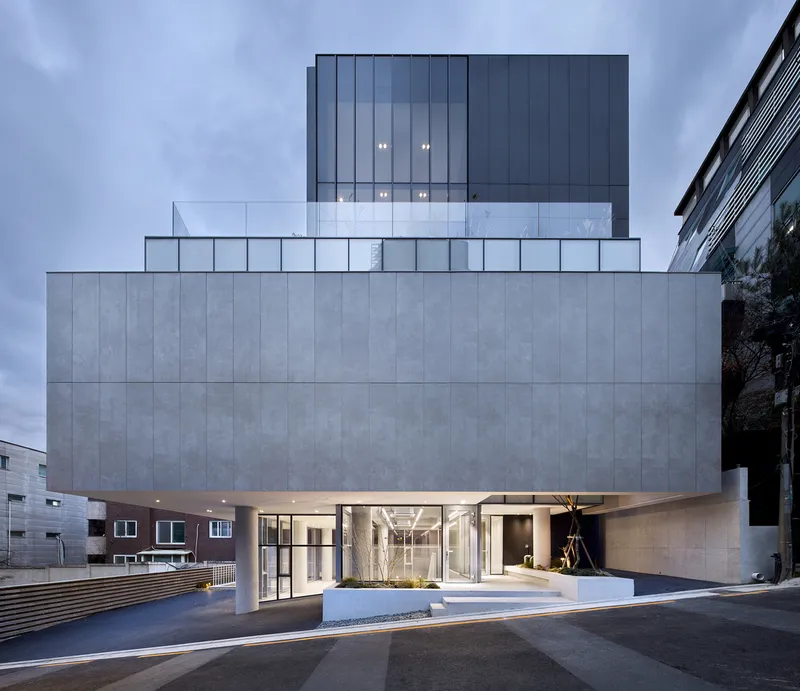
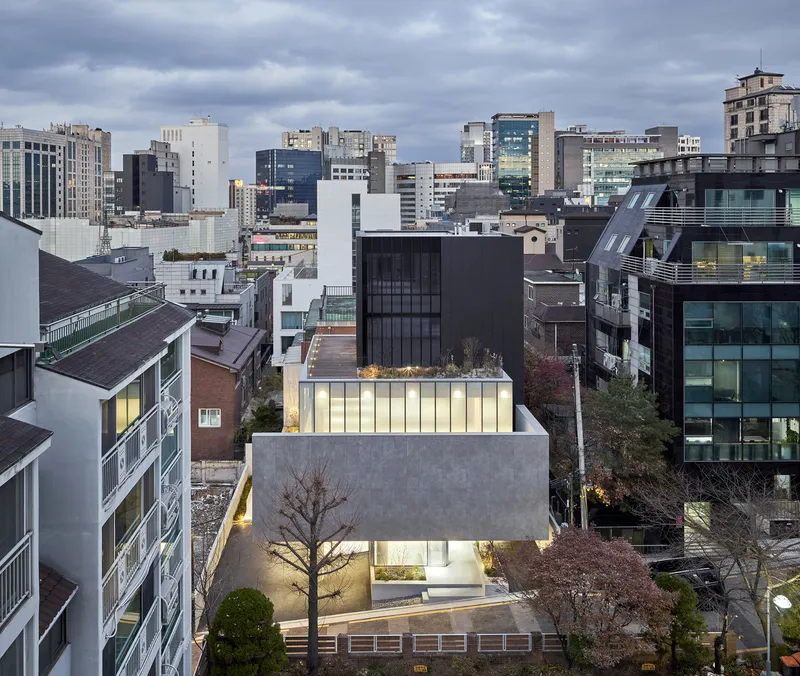
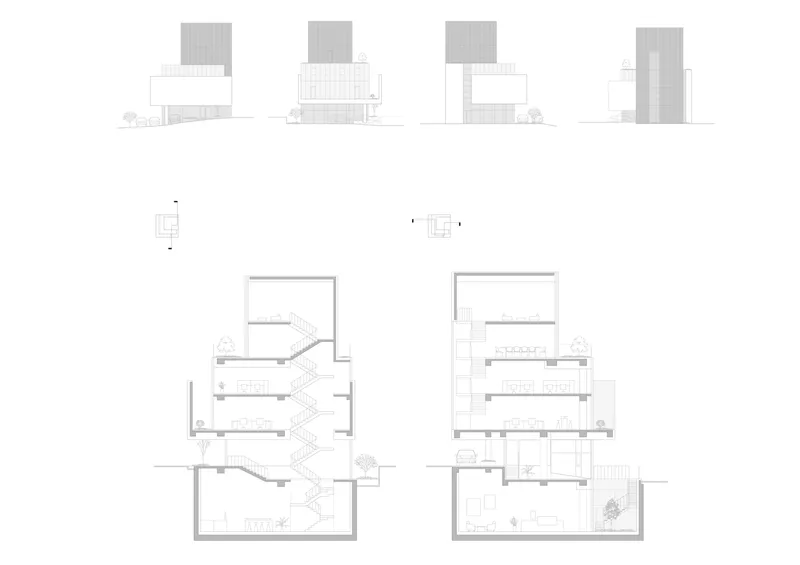
Located in the tranquil residential district of Cheongdam-dong, Seoul, Cheongdam Carapace by L’EAU design is a compelling example of biomorphic architecture design. Drawing direct inspiration from the evolutionary defense mechanisms of nature—namely the carapace, or protective shell found in turtles and crustaceans—the building encapsulates both metaphor and function. With its 886 m² of built area, the structure forms a physical and symbolic shell, offering privacy, protection, and thermal regulation amidst a dense urban landscape.
Architecture as Evolutionary Protection
The design concept takes a biological cue: the carapace, a structural and defensive form developed by many organisms to survive in hostile environments. This exoskeletal structure safeguards vital systems, regulates internal temperature, and defends against predators or environmental challenges. L’EAU design appropriates this natural system as an architectural metaphor, creating a hardened outer structure that wraps the internal program much like a crustacean shell.
Much like how crustaceans shed and regenerate their shells, Cheongdam Carapace also hints at architectural transformation and renewal, adapting itself to the site’s dual condition: a boundary between private residences and adjacent urban blocks.
Urban Shell: Context and Function
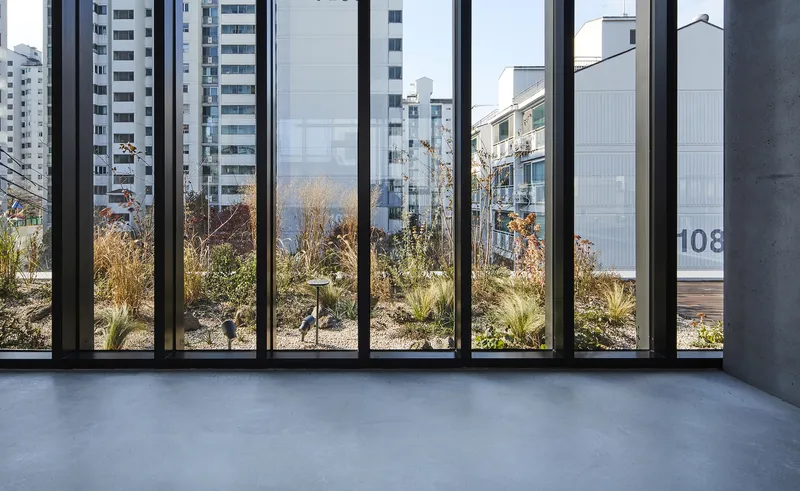
Set within a tight, visually exposed site, the building serves a dual purpose: shielding its interior functions from the visual noise of the neighborhood while also offering comfort and controlled permeability to its occupants. The hard, angular envelope emerges as a continuous shell that modulates visibility, solar exposure, and acoustic insulation.
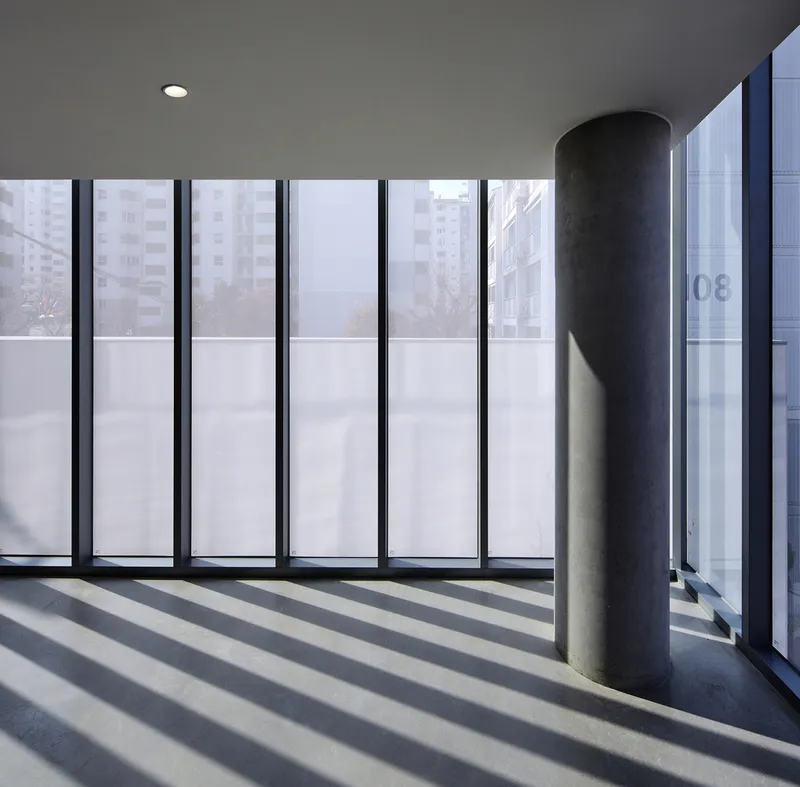
Despite its sculptural quality, the form is not arbitrary. Each elevation and opening reacts to contextual pressure points: residential facades, street views, and the shadows of the adjacent apartment buildings. The exterior may appear monolithic, but it’s an intricately calibrated biomorphic skin—thick where needed for privacy and thin where light and air are allowed to penetrate.
Interior Spatial Strategy: Wrapped in Comfort
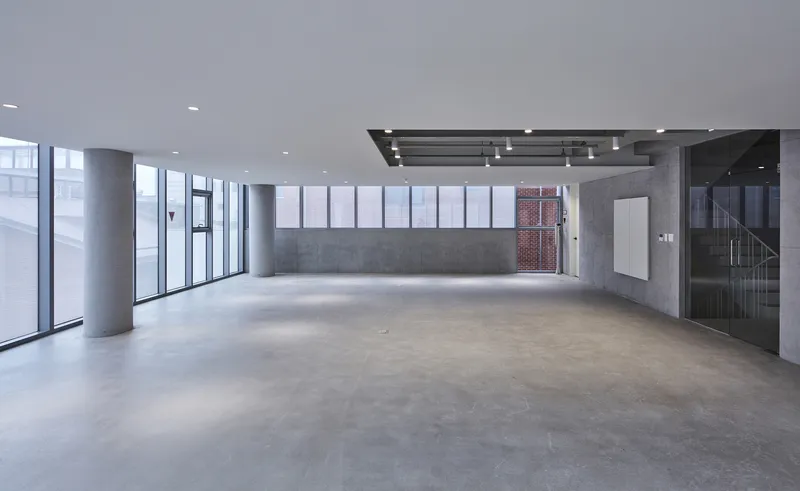
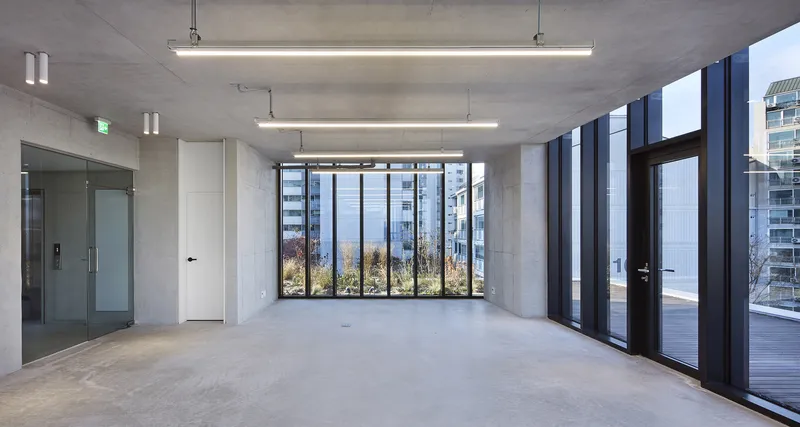
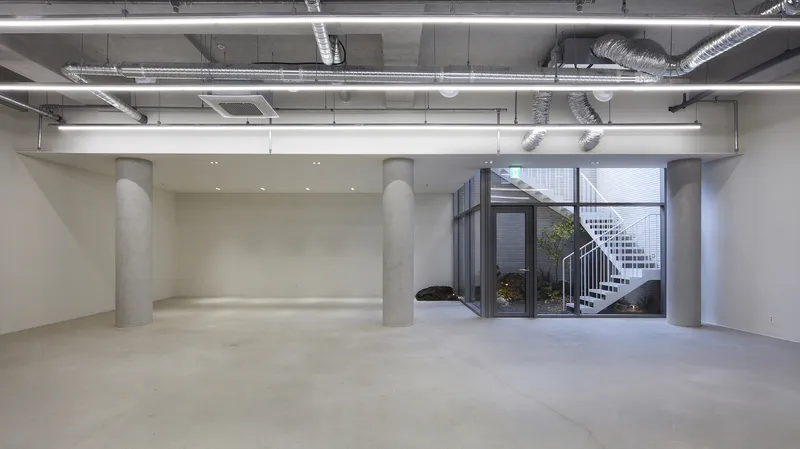
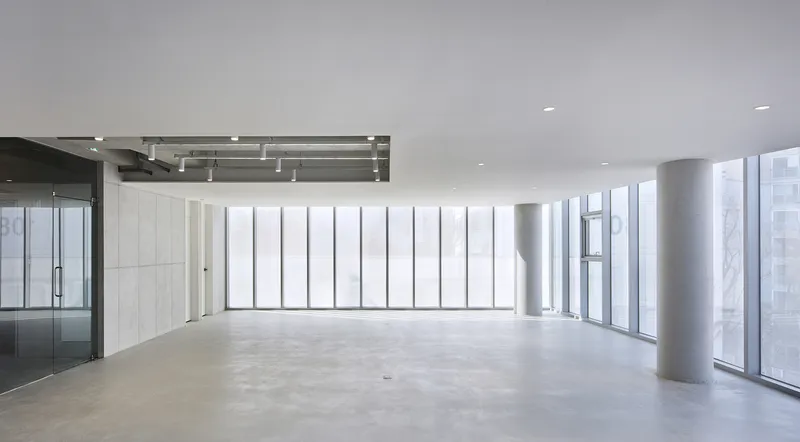
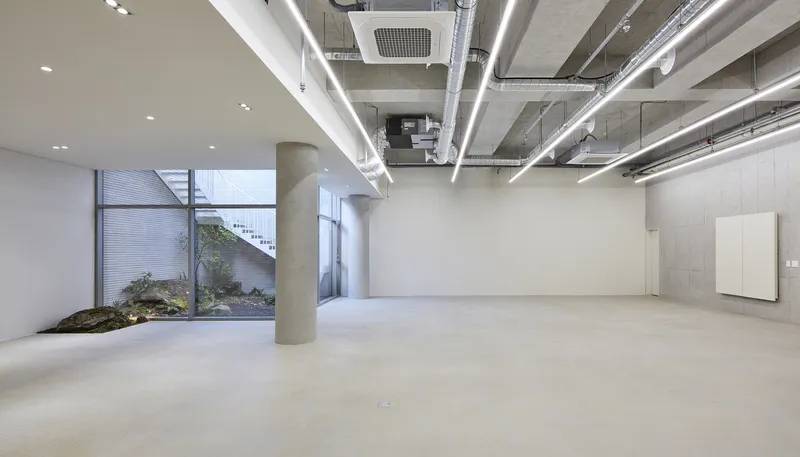
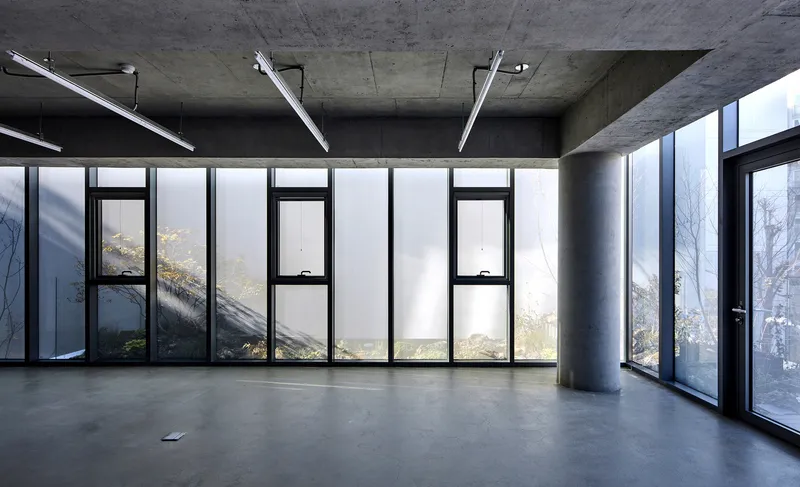
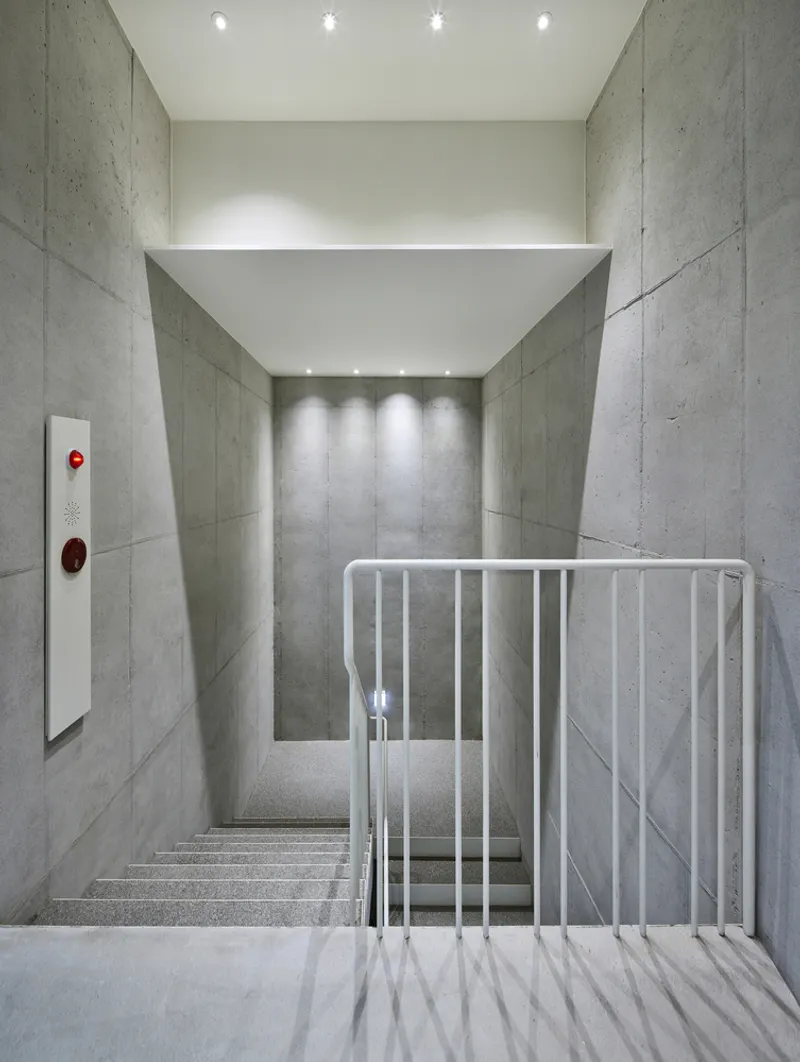
The internal organization reflects a cocoon-like layout, maximizing usable volume while maintaining a sense of enclosure. Materials and detailing continue the biomorphic language: flowing curves, layered textures, and softened transitions between zones create a sense of organic continuity.
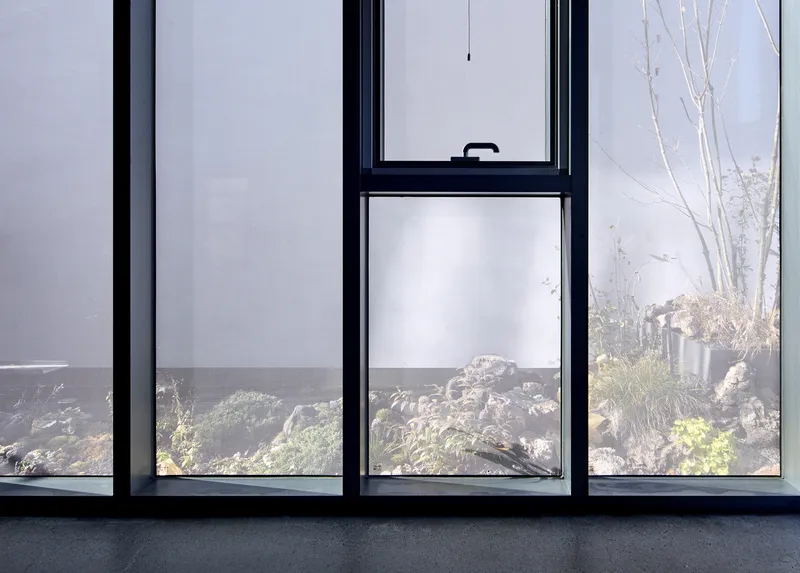
The structure protects from the exterior world, much like its natural counterparts, yet it opens subtly in curated places. Large glazing apertures are shielded by the shell’s overhangs, acting like biological opercula—regulating exposure without compromising internal comfort.
Metaphor Meets Function in Biomorphic Design
Cheongdam Carapace stands out not only for its expressive shell form but for how deeply it roots its architecture in biological logic. The result is not a literal biomimicry, but a refined biomorphic architecture design that transforms metaphor into material. It’s a building that behaves like a living organism—protective, adaptive, and deeply aware of its environment.
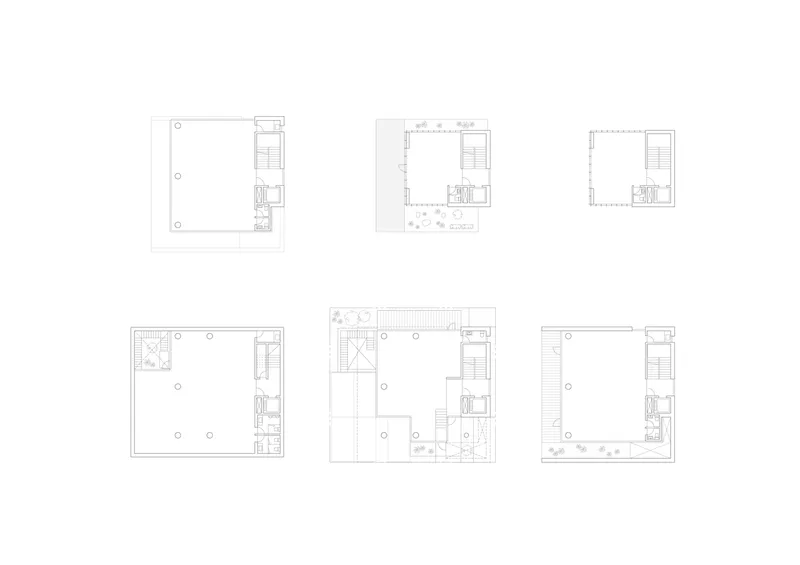
By synthesizing biological reference and urban necessity, L’EAU design delivers a structure that goes beyond commercial utility. It tells a story—of evolution, adaptation, and the poetic beauty of architectural resilience.
All the photographs are works of Yongkwan Kim


Popular Articles
Popular articles from the community


Cube Design Draws an Ecological Corridor Between Two Shenzhen Hills with the Nankai Building
Beside Shenzhen's container docks, the Nankai Building pairs stacked balconies with a climbing green screen to connect two hillsides across its height.


Manzana Morphosis: Stretching Barcelona's Grid into a Living Landscape for 2050
A radical reworking of the Eixample manzana turns density into a tool for generous public space, vertical ecology, and environmental performance.

Aquadapt: An Underwater Habitat That Rewrites Its Rooms by the Hour
Curved modules ring the seabed while one shell shifts from breakfast room to cinema, farm and football pitch as residents' needs change.

Singing Woman: An Opera House That Performs Before the Curtain Rises
Ovidiu Cristian Pavel's conceptual opera house translates Estonia's choral identity into a sculpted waterfront landmark facing the Baltic Sea.

Similar Reads
You might also enjoy these articles
Cube Design Draws an Ecological Corridor Between Two Shenzhen Hills with the Nankai Building
Beside Shenzhen's container docks, the Nankai Building pairs stacked balconies with a climbing green screen to connect two hillsides across its height.

Praksis A and Studio Sted Bend a Red Timber Cabin Across the Granite of Norway's Southern Coast
On the southern Norwegian coast, a 105 m² cabin follows the rock on slender posts, pairing red cladding outside with pine, brick and plywood within.

David Ortega Stacks a Two-Story Mexico City Penthouse Around a Steel Stair and a Pergola-Shaded Roof Terrace
In Colonia Roma, a 300 m² penthouse uses oak joinery, a planted steel stair and a slatted roof pergola to make a new-build apartment feel like a house.

PARALELA and LB2 Thread a Public Walkway Through the Base of a Las Condes Residential Tower
In Las Condes, Santiago, the Hamlet Building gives its fenceless ground floor to a 70-metre wooded passage linking two streets and the metro.

Explore Concrete Shell Competitions
Discover active competitions in this discipline

Challenge to reimagine the Iron Throne

Photograph architecture without architects

Illustrate the lost glory of Angkor Wat - Render Challenge

Design challenge to reuse E-waste
Comments (0)
Please login or sign up to add comments
No comments yet. Be the first to comment!