

Chinar Textile Studio: A Model of Sustainable Architecture for Creative Workspaces
Chinar Textile Studio showcases sustainable architecture in Jaipur, combining traditional aesthetics with modern design and energy-efficient solutions.


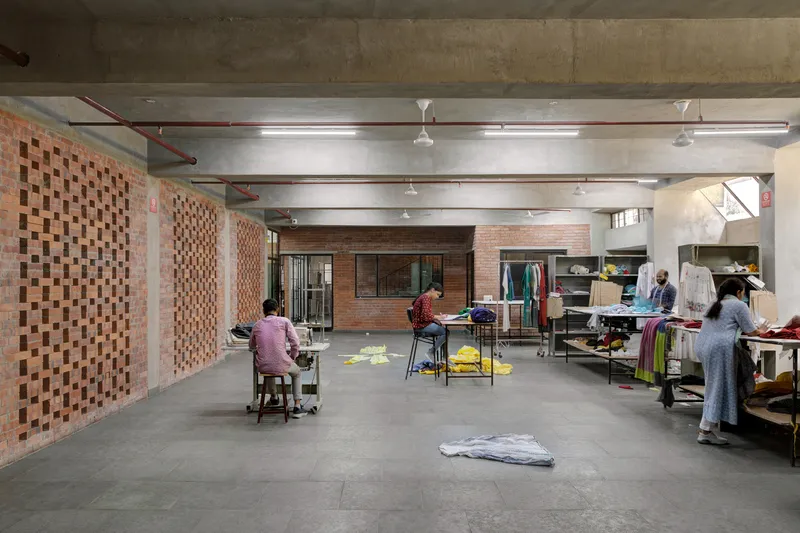
Chinar Textile Studio, designed by Juhi Mehta Architects, is a remarkable example of sustainable architecture in Jaipur, India. The project, completed in 2021, is a textile manufacturing unit that combines functional design with climate-responsive architecture. It emphasizes creating a comfortable and efficient workspace while celebrating the artistic craftsmanship of textiles. Set in an industrial area on the outskirts of Jaipur, this 2200 m² facility blends traditional aesthetics with modern architectural techniques to create a conducive environment for over 100 workers, including tailors and weavers.
Architectural Concept and Design Inspiration
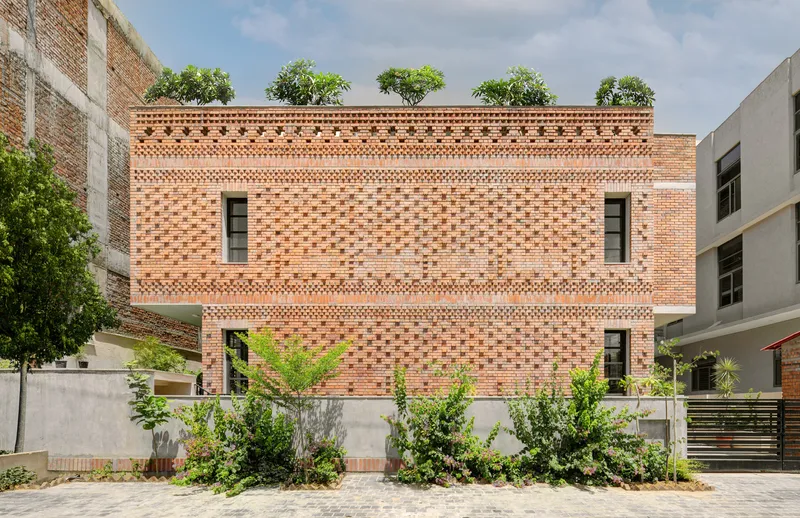
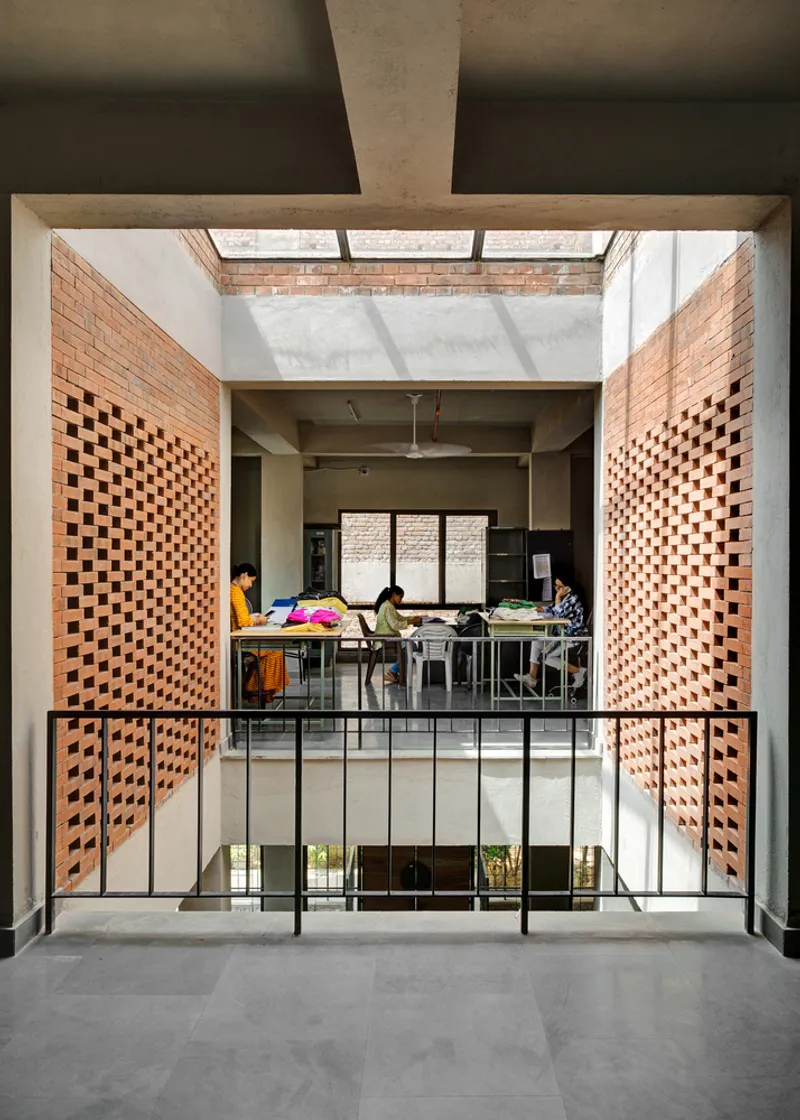
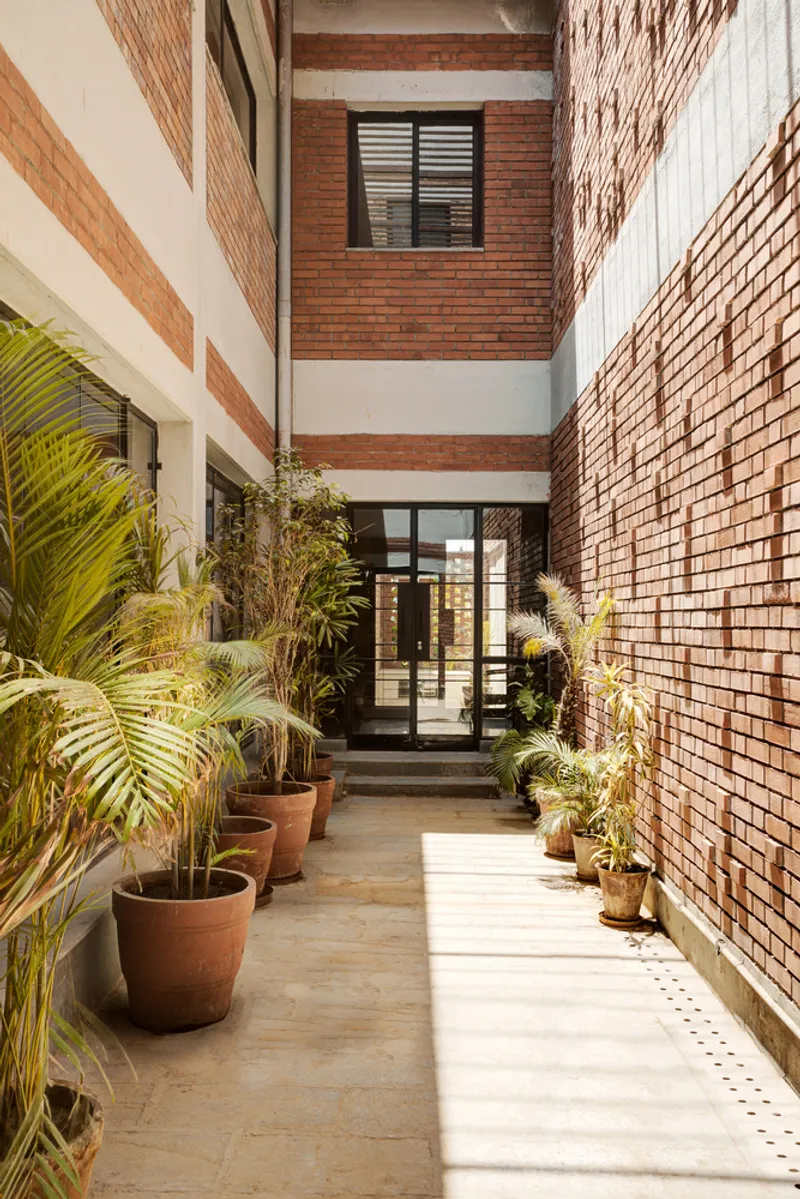
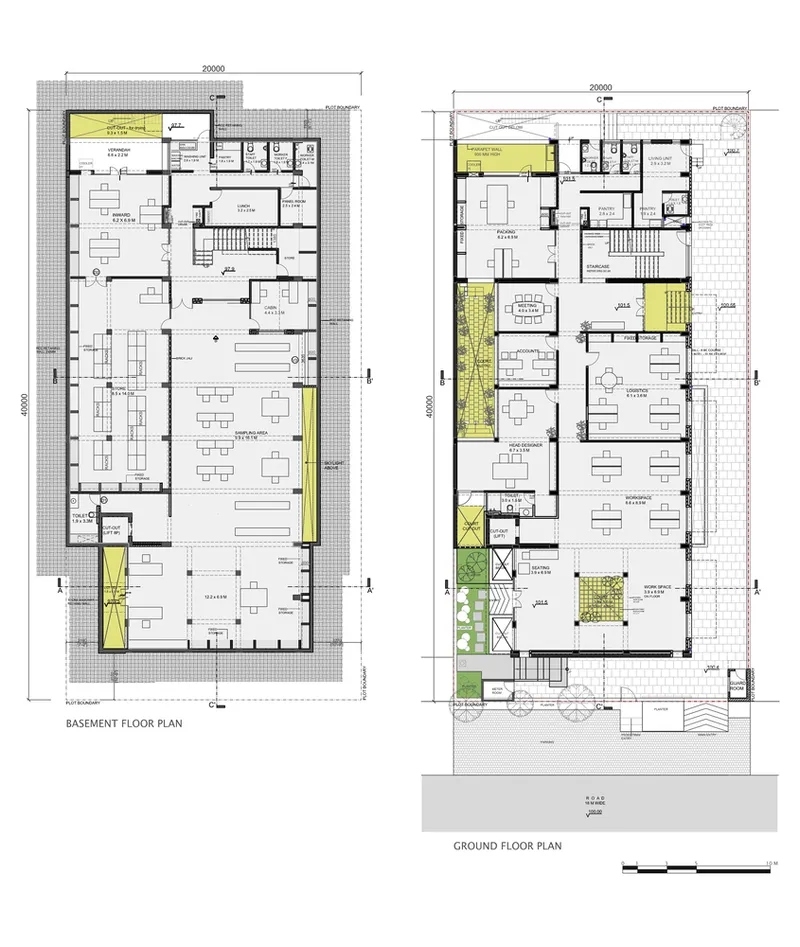
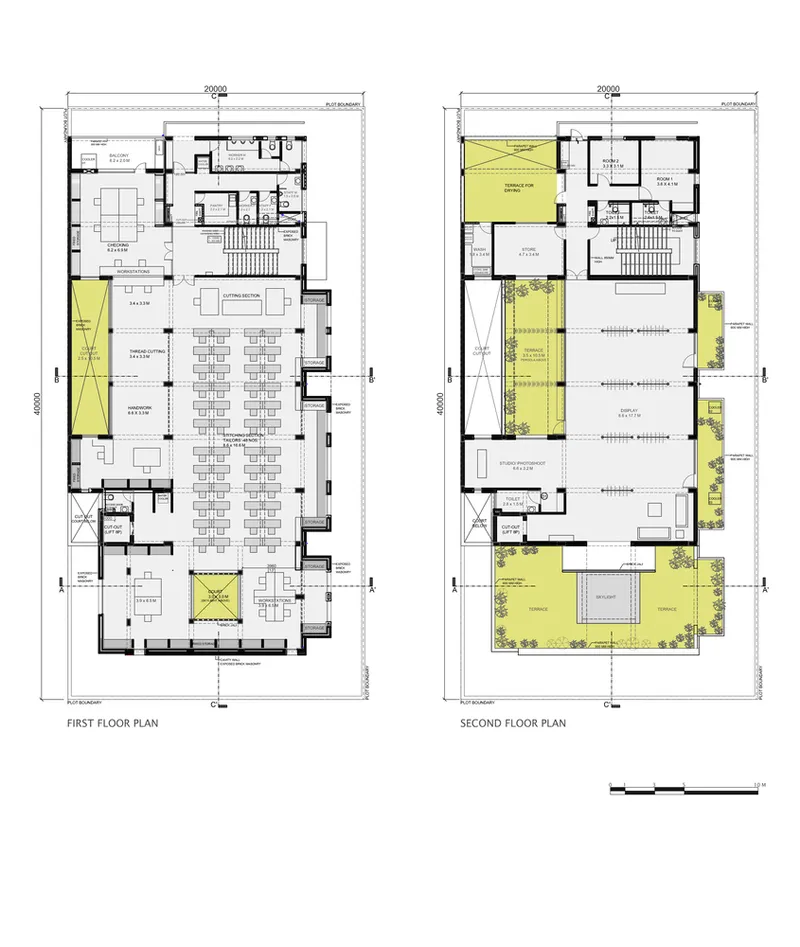
The design of Chinar Textile Studio draws inspiration from the historic havelis of Jaipur, particularly their internal courtyards and solid brick facades. The studio reinterprets these traditional elements to address the extreme climatic conditions of Rajasthan. The architects envisioned a space that would not only accommodate the operational needs of the textile manufacturing process but also provide a stimulating and comfortable atmosphere for creativity and craftsmanship. Natural light plays a crucial role in the design, with internal courtyards strategically positioned to flood the space with daylight, enhancing productivity and worker well-being.
Sustainable and Climate-Responsive Features
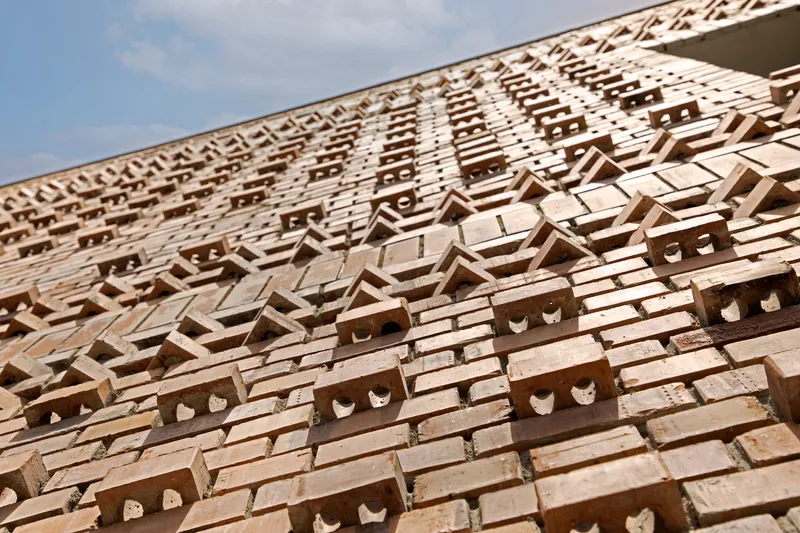
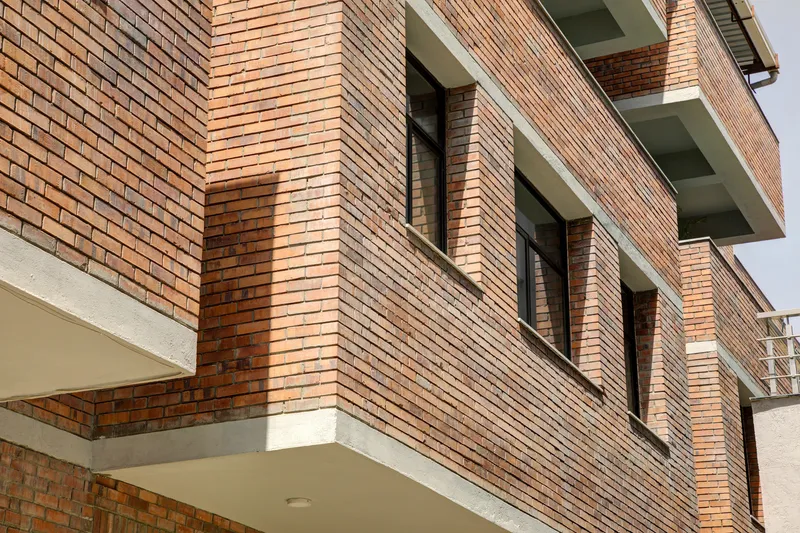
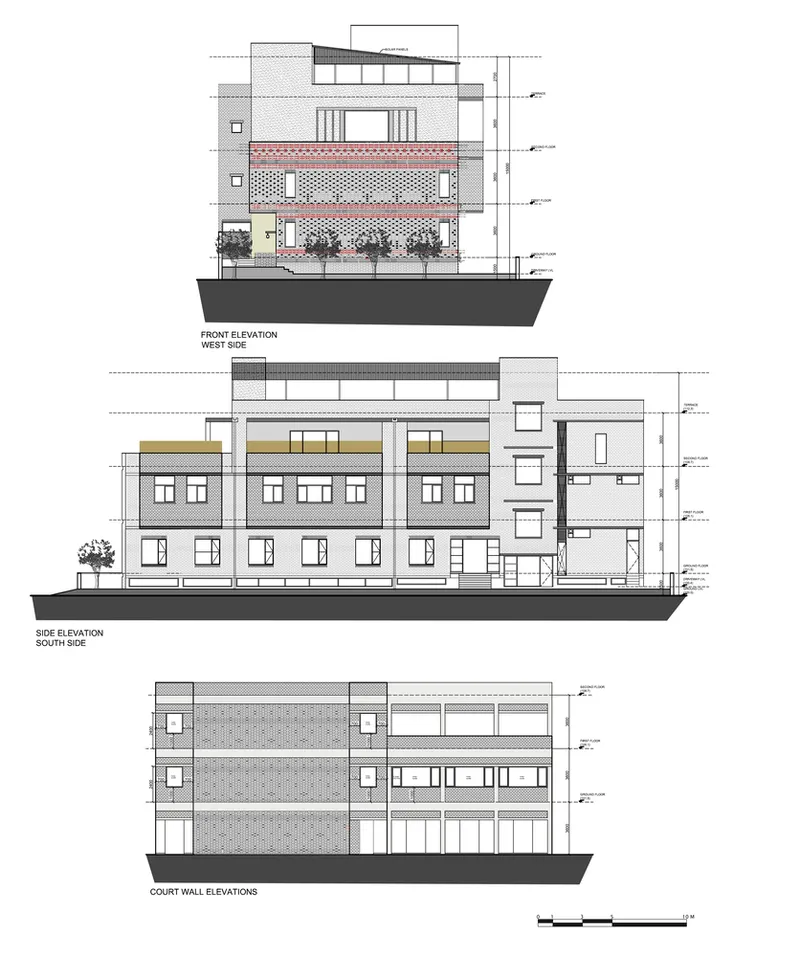
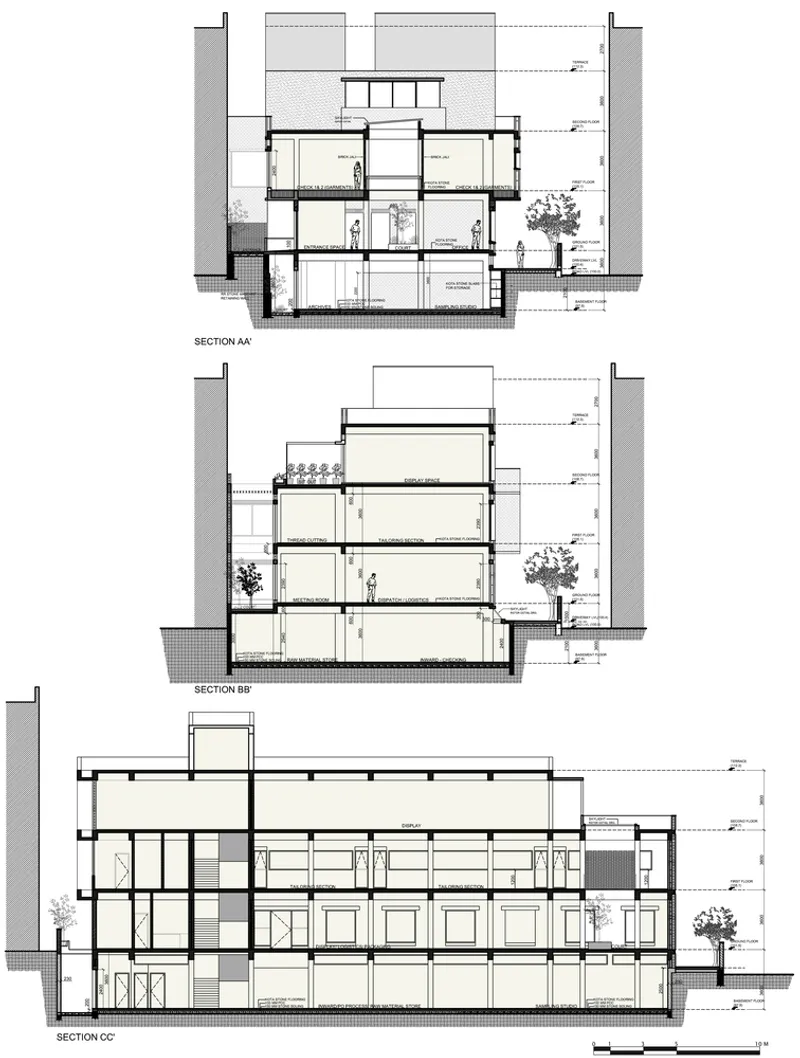
The use of locally sourced Class A clay bricks is a key feature in the studio’s construction. These bricks form the building’s primary envelope, with cavity walls on the south and west sides to help regulate internal temperatures and provide thermal comfort. The solid brick facade, with its unique pattern, serves both aesthetic and functional purposes. It creates a rhythm of light and shadow while blocking harsh sunlight, reducing the need for artificial cooling. The design also incorporates rainwater harvesting and solar panels, making the building energy-efficient and reducing its carbon footprint.
Interior Layout and Functional Zoning
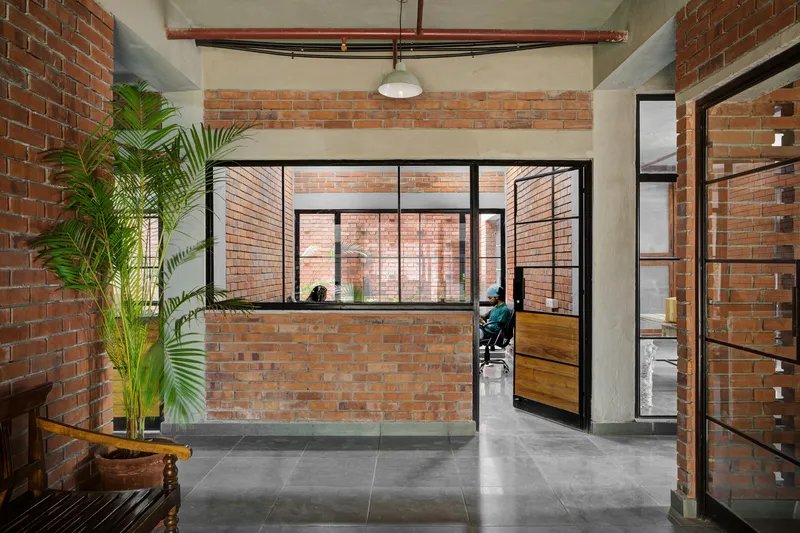
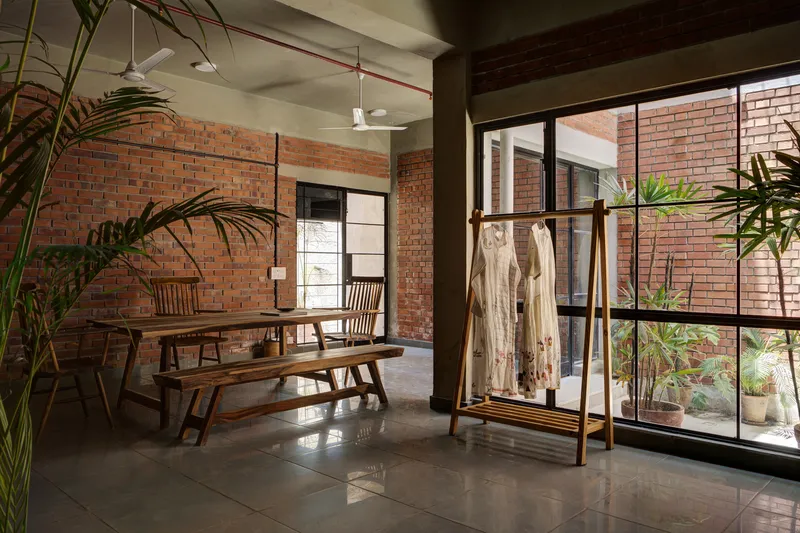
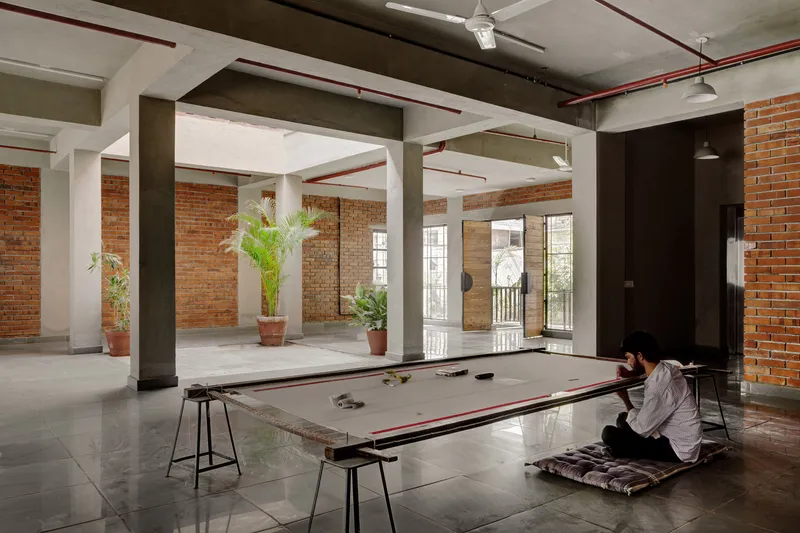
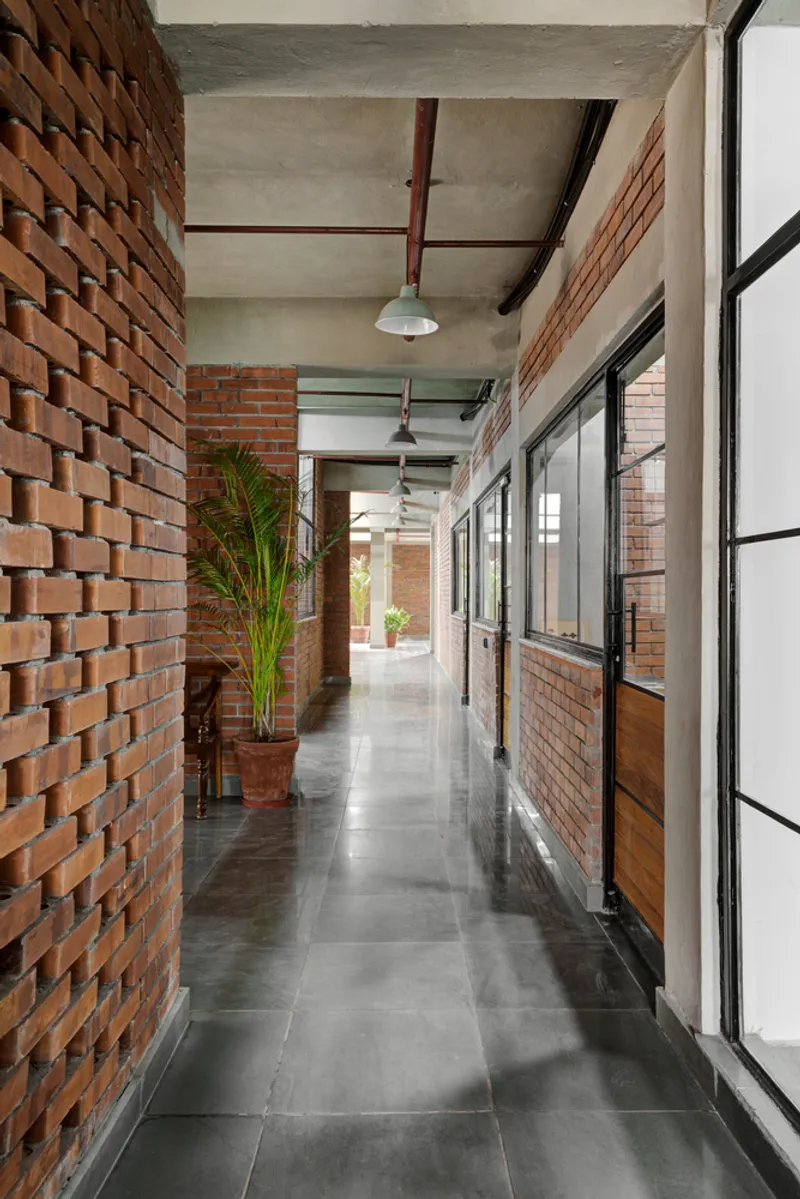
Chinar Textile Studio is designed with a focus on functionality and flow. The internal layout is organized around central courtyards, allowing for abundant natural light to reach all areas of the building. The ground floor houses the weavers, craftsmen, and the head designer’s team, while the basement is dedicated to raw material storage and a sampling studio. The first floor is home to the tailors and production units, ensuring that the various stages of textile production are seamlessly integrated. The second floor serves as a small display space, opening up to terraces on two sides, offering a glimpse into the final products.
Architectural Materials and Finishes
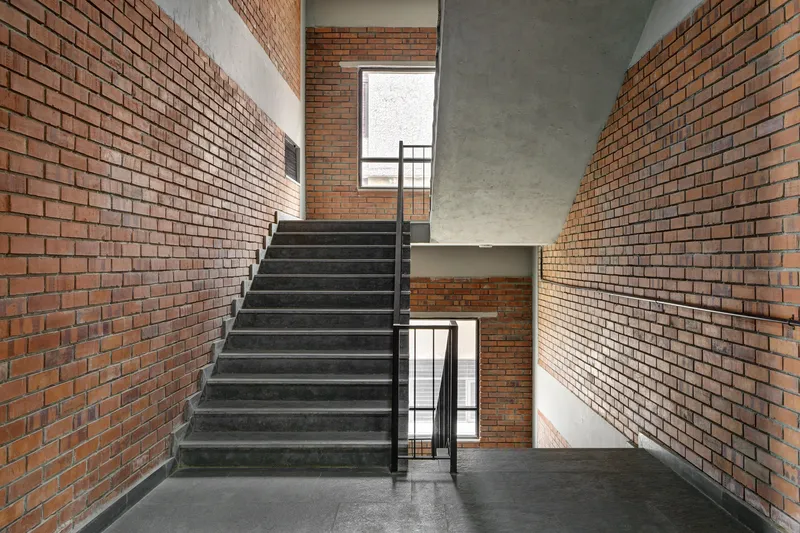
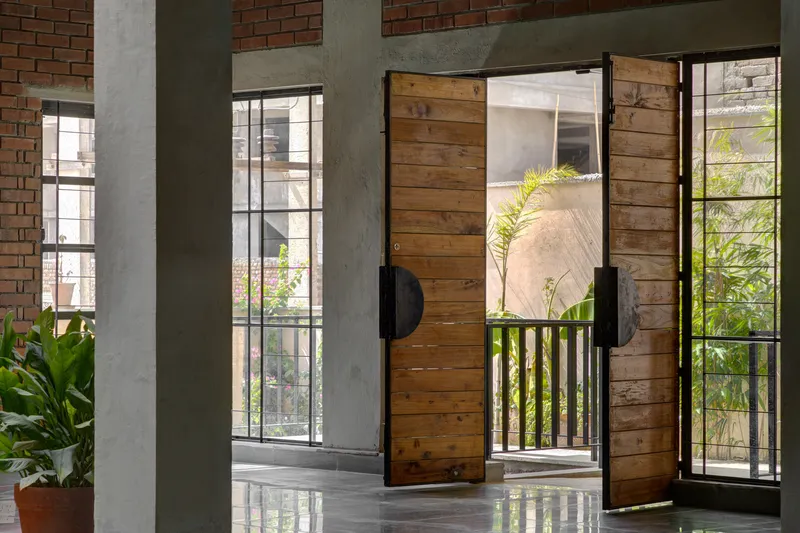
Inside the building, the choice of materials reflects a commitment to simplicity and durability. The exposed brick walls, concrete-finished slabs, and Kota stone floors create a neutral palette that highlights the creative work of the craftsmen. These materials not only provide a timeless aesthetic but also contribute to the building’s thermal performance. The courtyards bring light deep into the interior, making the space more inviting and energizing. The open, airy spaces ensure a comfortable working environment that encourages focus and creativity.
Energy Efficiency and Sustainability
Energy efficiency is a central theme in the design of Chinar Textile Studio. With abundant natural light, the building reduces the need for artificial lighting, thus lowering energy consumption. The brick facade’s ability to keep the building cool during the hot summer months means that air conditioning is not required, even during the hottest times of the year. This is particularly important in Rajasthan’s extreme climate. The installation of solar panels and a rainwater harvesting system further enhances the building’s sustainability by generating renewable energy and reusing water for daily operations.
A Model for Sustainable Industrial Architecture
Chinar Textile Studio is a stunning example of how architecture can respond to the environmental and functional needs of a project. By blending traditional design elements with modern sustainability practices, Juhi Mehta Architects have created a space that is both aesthetically pleasing and climatically comfortable. This textile studio serves as a model for sustainable architecture, demonstrating how industrial buildings can be designed with respect for local culture, climate, and the well-being of its occupants.
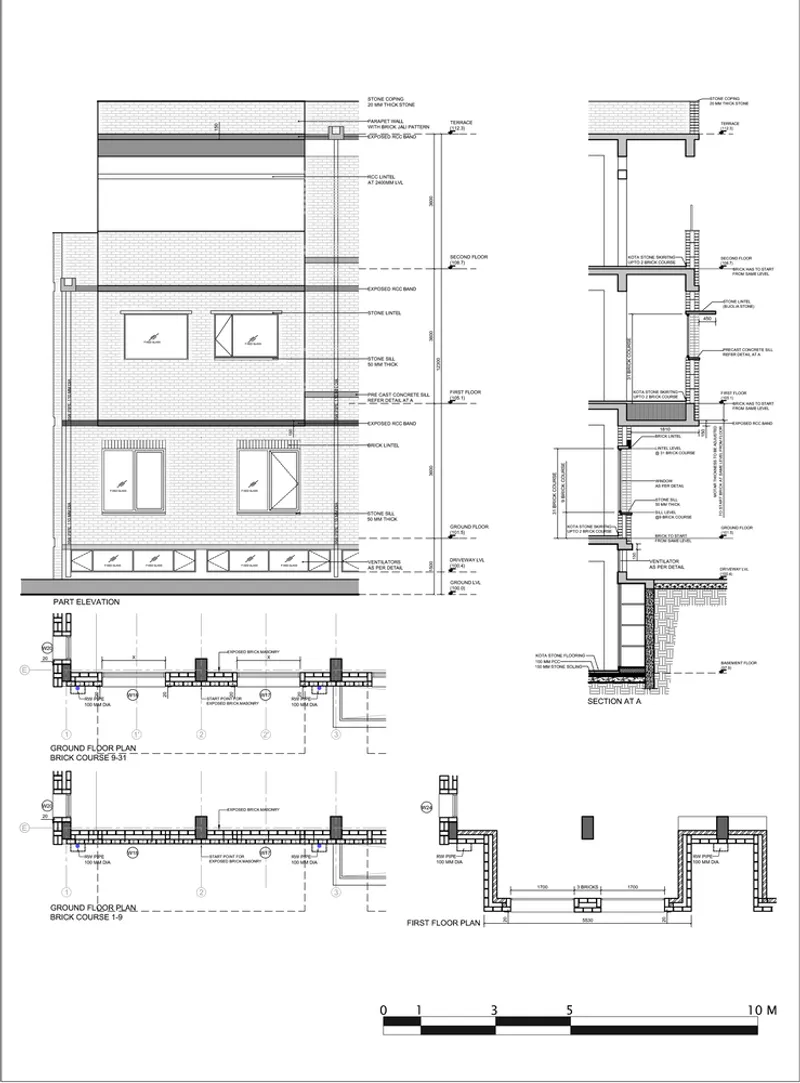
All Photographs are work of Studio BluOra


Popular Articles
Popular articles from the community

Extended Shell: Retrofitting Kolkata's Balconies as Living Urban Thresholds
A modular retrofit system recovers the social and environmental intelligence of Kolkata's historic verandas for contemporary Park Street residents.
Opera by the Sea Estonia: Three Shells Dissolving Architecture into Tallinn's Coastline
A winning opera house proposal replaces monumental form with interconnected shells that blur the boundary between building, park and Baltic Sea.
Manzana Morphosis: Stretching Barcelona's Grid into a Living Landscape for 2050
A radical reworking of the Eixample manzana turns density into a tool for generous public space, vertical ecology, and environmental performance.
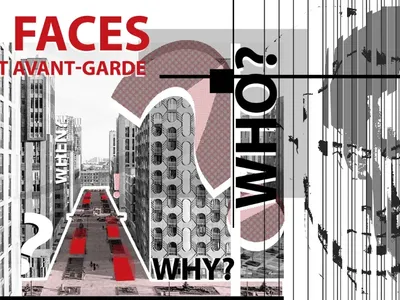
Faces of the Soviet Avant-Garde: Turning Moscow's Street Names into an Open-Air Museum
A network of sculptural installations across a Moscow residential district transforms forgotten architect names into spatial encounters with cultural memor

Similar Reads
You might also enjoy these articles


Hodi-Mandai Geram
Project Function: Preservation and revitalization of the Intangible heritage and socio-spatial identity of the Hodi by Housing, Cultural Memory Center, Sacred Grove, landscape, local tourism economy


Olio Towers: A Mid-Rise for Performers That Fuses Housing, Rehearsal, and Stage
Located blocks from Houston's Theater District, this modular tower stacks living units around a central performance atrium.

Oasis: Modular Green Housing Carved into Dhaka's Urban Fabric
A shortlisted Plugin Housing entry reclaims unauthorized settlements in Dhaka with stepped concrete volumes, green roofs, and ventilation-driven design.

Black Hole: A Floating Megastructure for the Post-Physical Era
Emiliano Mazzarotto envisions a spherical, self-scaling arena where e-sports, digital hotels, and holographic stadiums replace traditional public space.

Explore Recycled Textile Wall Panels Competitions
Discover active competitions in this discipline

Challenge to reimagine the Iron Throne

Photograph architecture without architects

Illustrate the lost glory of Angkor Wat - Render Challenge

Design challenge to reuse E-waste
Comments (0)
Please login or sign up to add comments
No comments yet. Be the first to comment!