
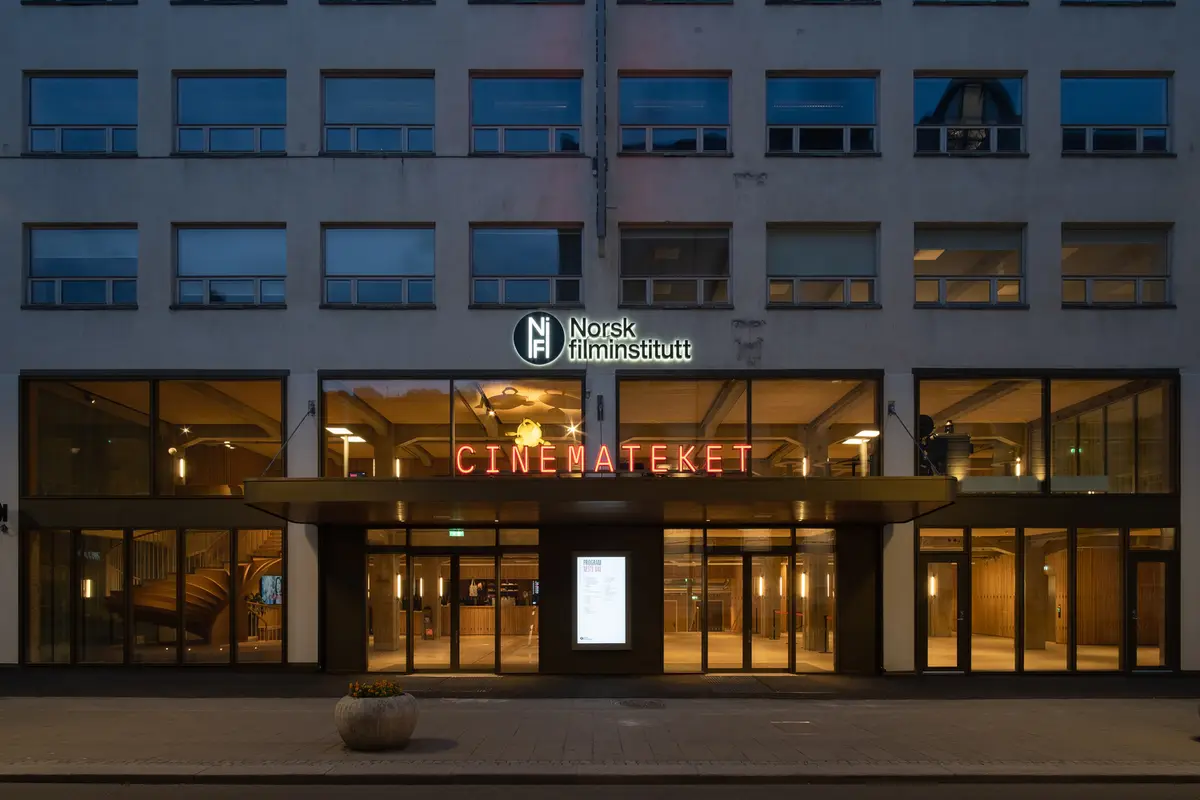
Cinemateket: A Modern Take on Classic Cinema Architecture Design
This article details Cinemateket in Oslo, showcasing its blend of historic and modern cinema architecture design elements by SAAHA AS.


Cinemateket in Oslo, designed by SAAHA AS, stands as a beacon of cinema architecture design, blending historical elements with contemporary aesthetics to create a unique movie-going experience. Located within a robust 1940s concrete warehouse, this project showcases how architectural innovation can coexist with classic design.


Reviving the Classic Cinema Experience
Design Philosophy
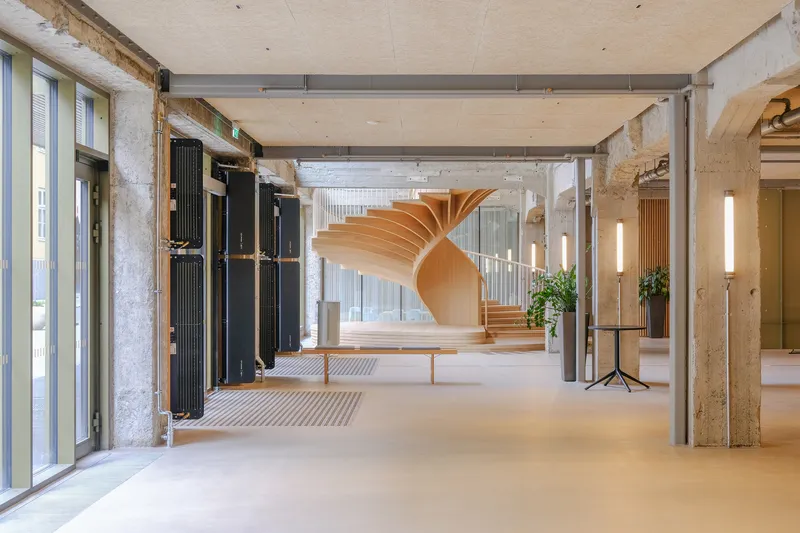
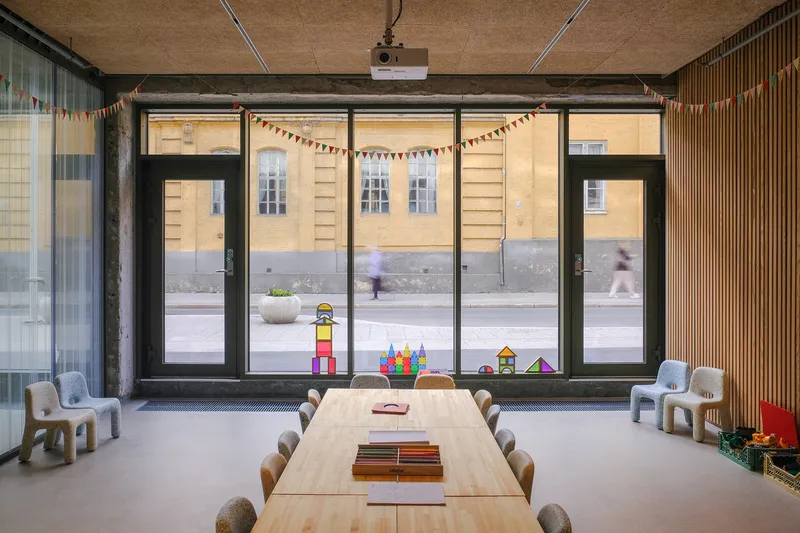
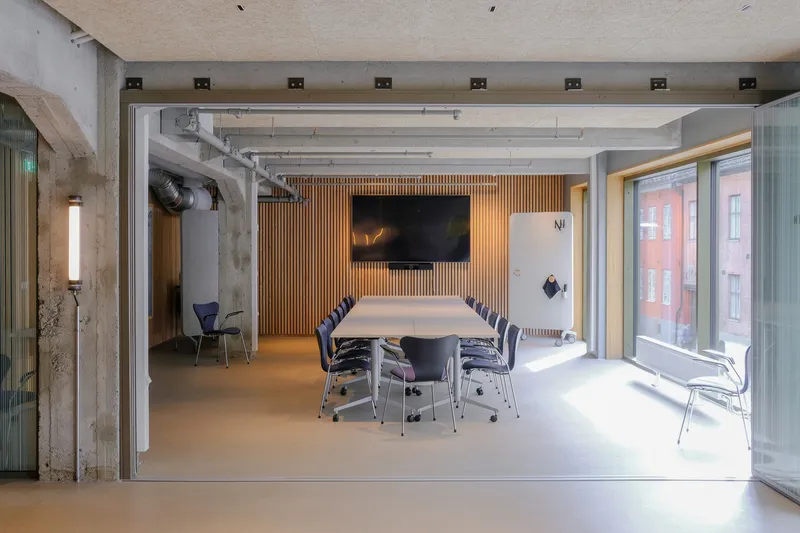
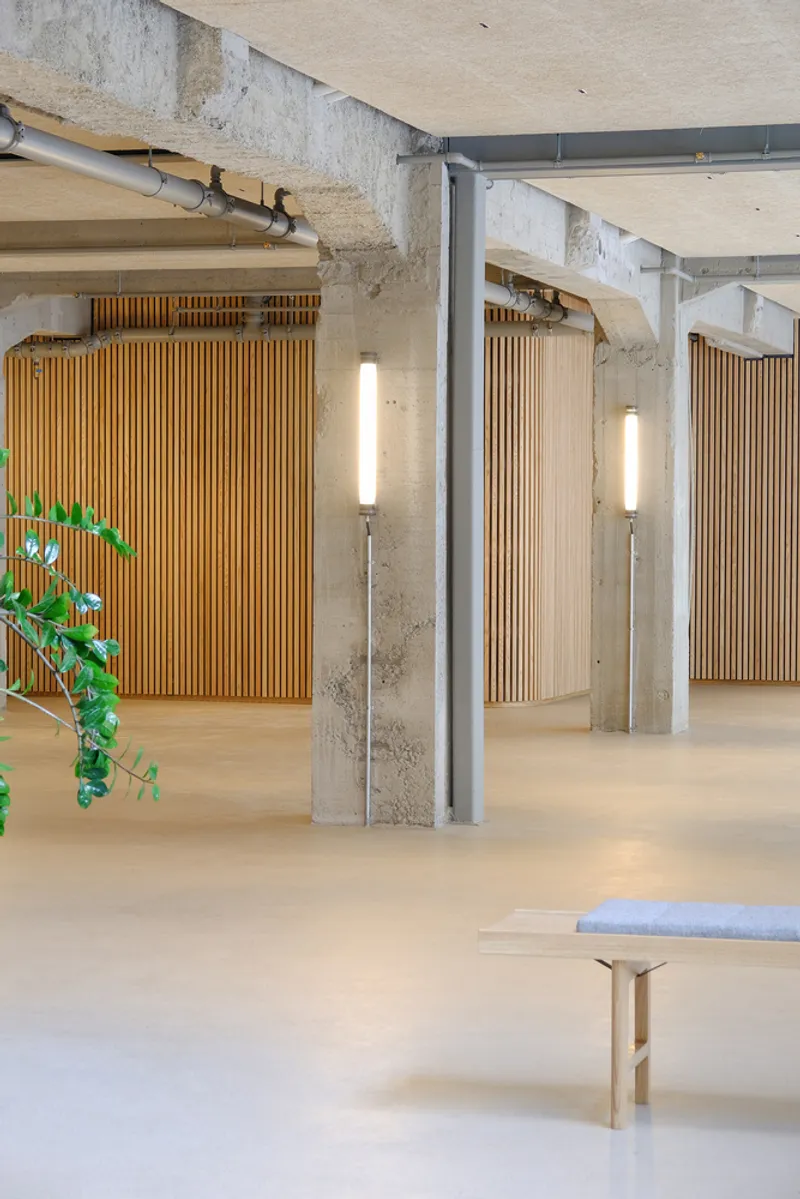
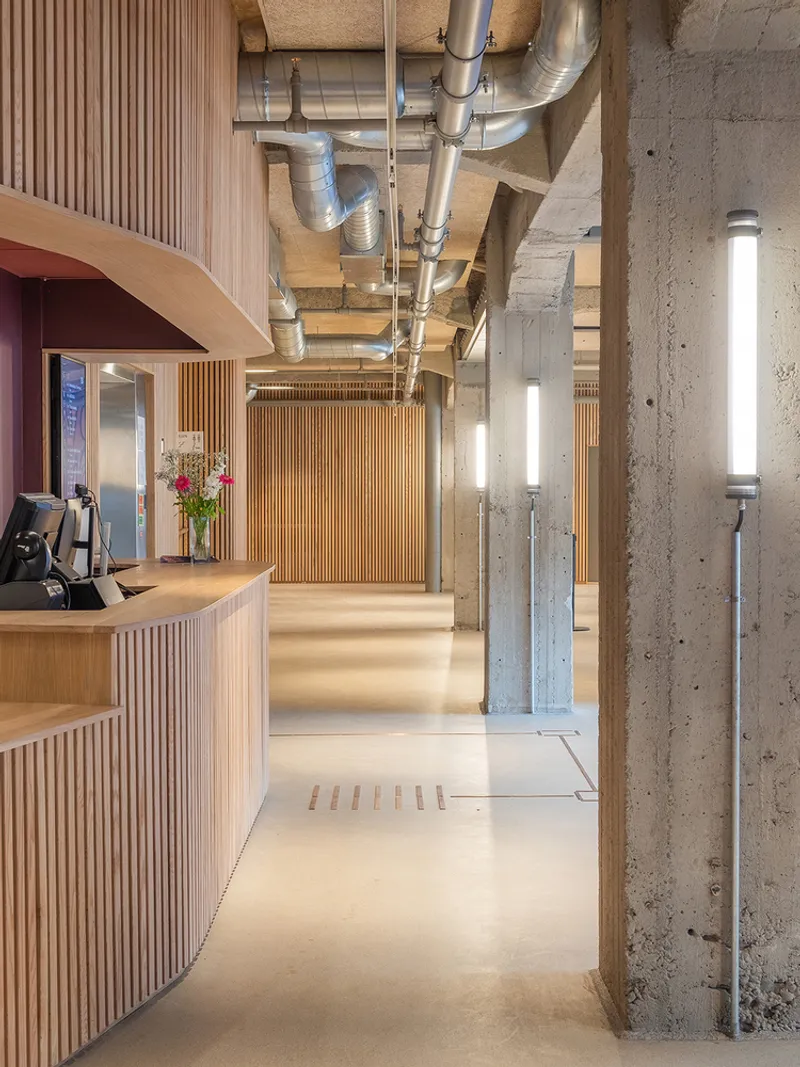
The design of Cinemateket pays homage to the golden era of cinema while incorporating modern materials like oak timber, powder-coated aluminum, and glass. These elements create a visual dialogue with the building’s original concrete structure, emphasizing durability and style.
Enhancing Visitor Experience
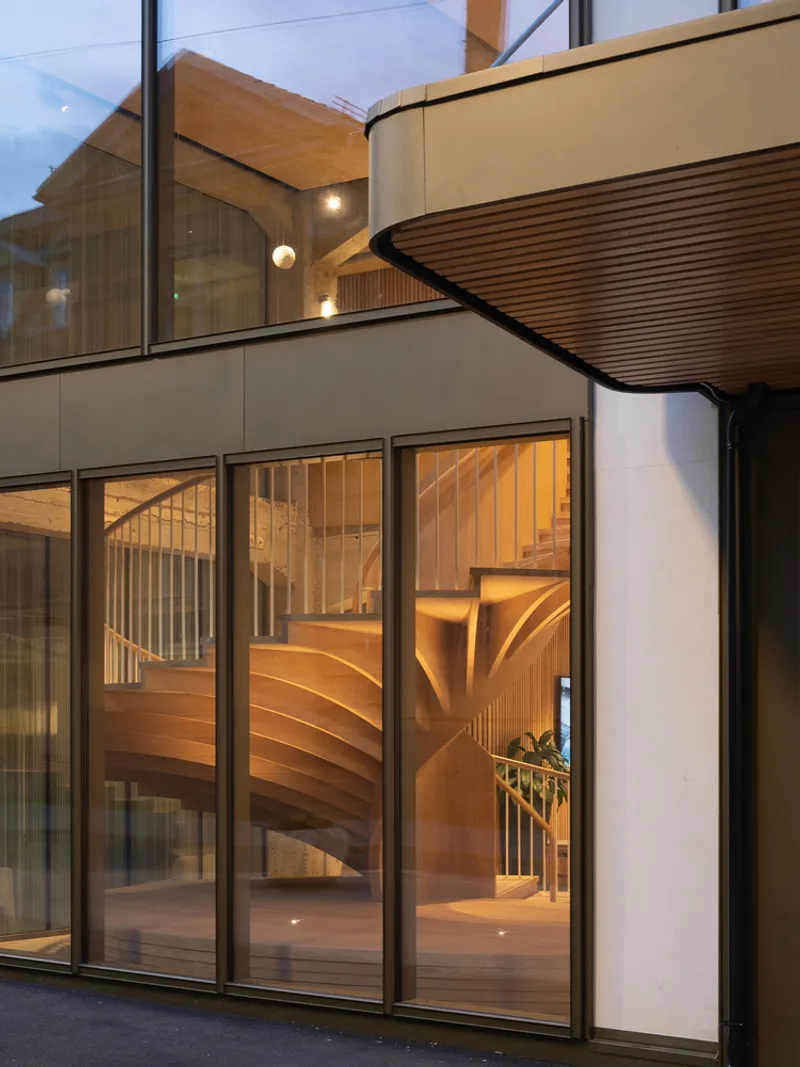
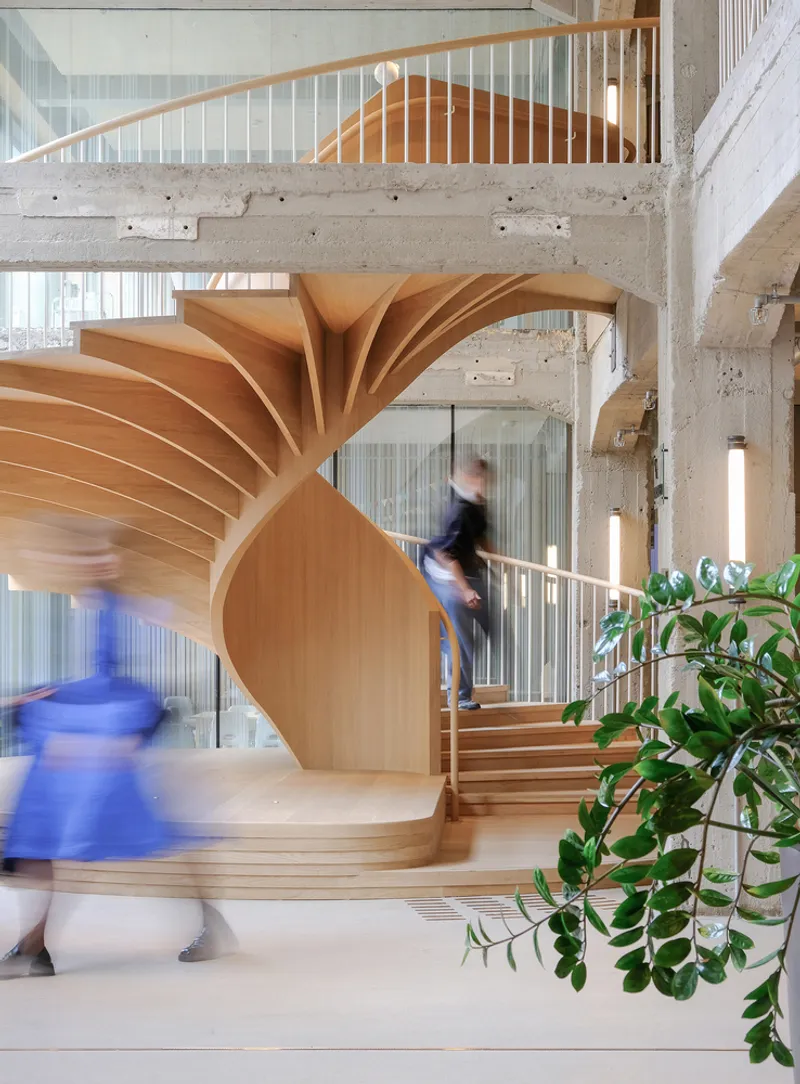
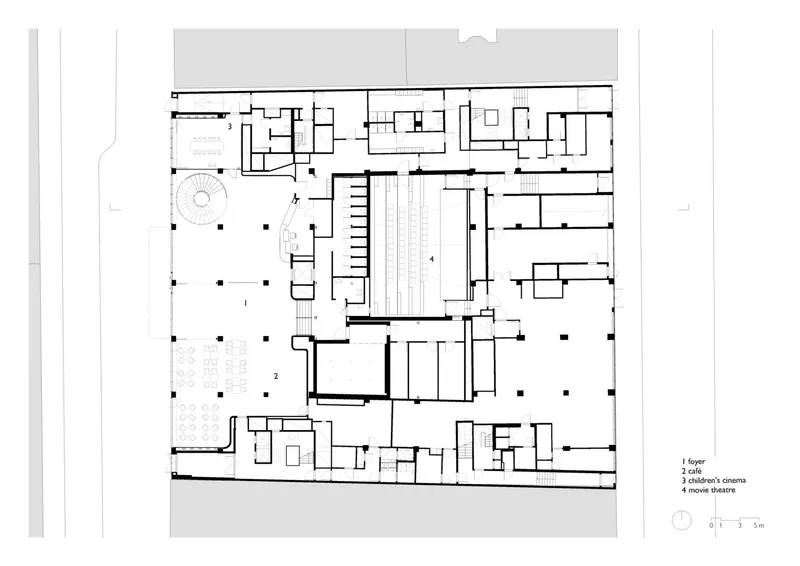
From the moment visitors enter the building, they are taken on a journey designed to heighten their sense of anticipation and excitement. The layout includes a grand foyer that extends over two stories, connected by a bespoke spiral staircase crafted in collaboration with artist Tron Meyer. This staircase not only serves as a functional piece but also as a focal point for social interaction, embodying the essence of seeing and being seen.


Architectural Features and Innovations
Facade and Public Interface
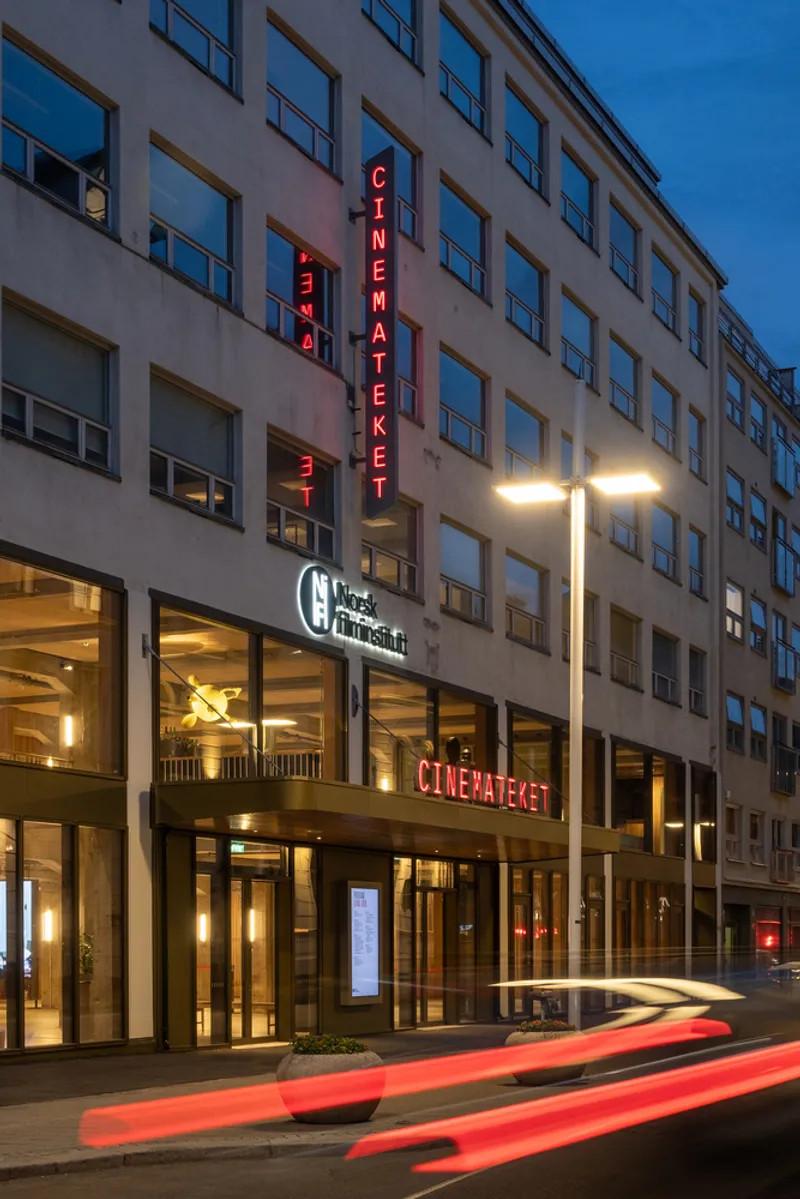
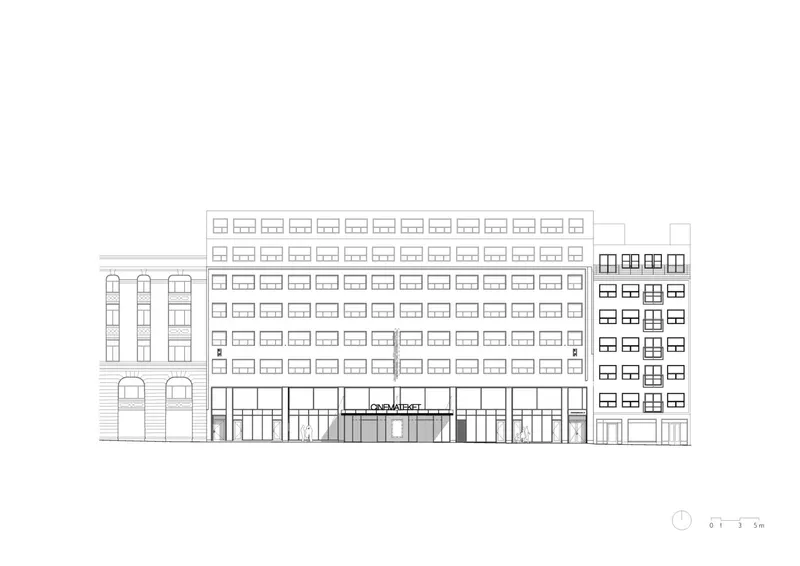
The transformation of Cinemateket’s facade plays a critical role in its architectural presence. By extending the facade to the street line and incorporating large, double-story windows, the building now engages more actively with the street scene, inviting passersby to glimpse the activity within. These changes, alongside new Art Deco-inspired elements like awnings and signage, nod to traditional cinema design while projecting a refreshed, vibrant image.
Interior Design and Acoustics
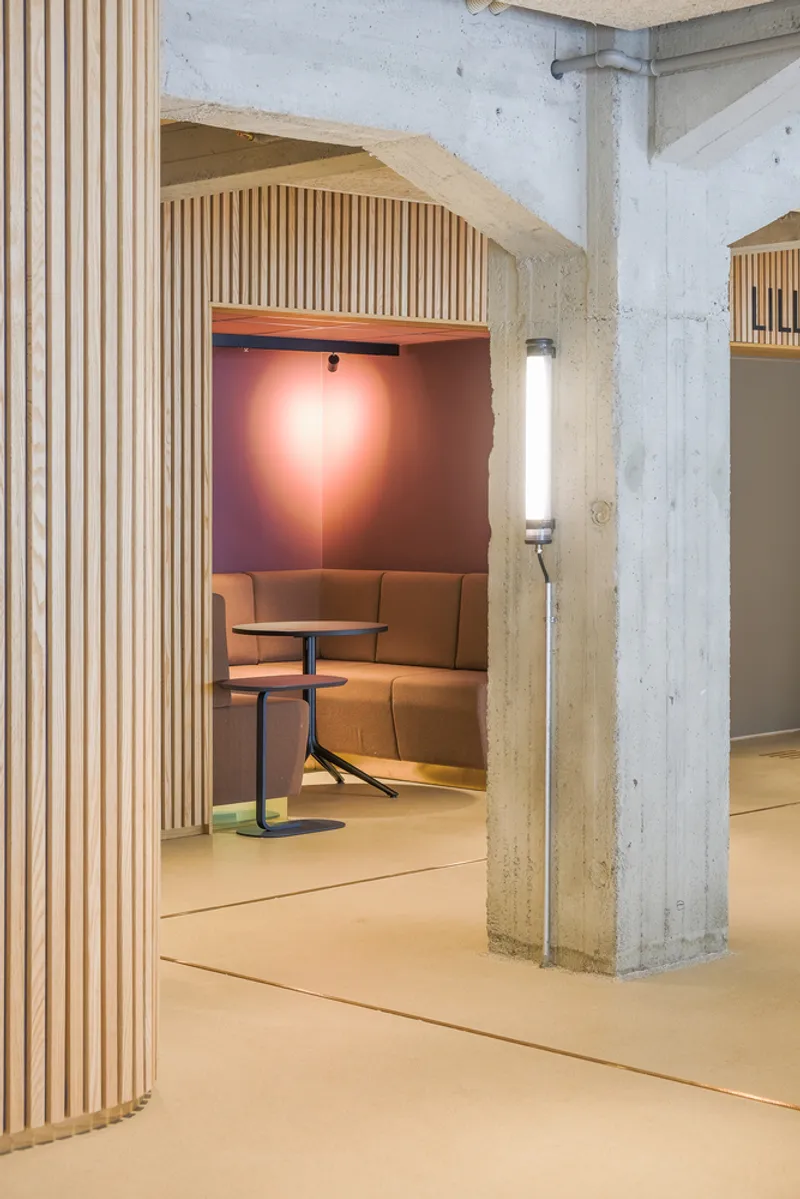
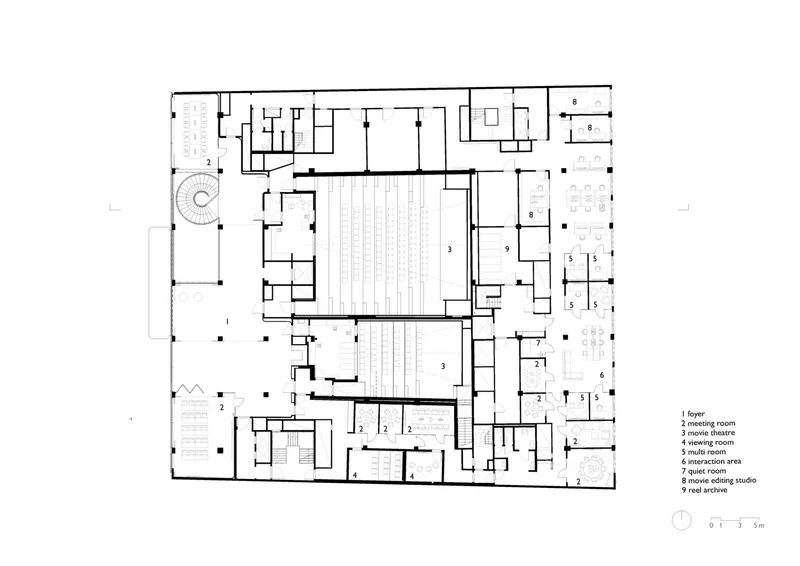
Behind the aesthetic enhancements, the cinema houses state-of-the-art Dolby Atmos sound systems within its theatres. The interior spaces are defined by undulating oak spires that transition guests from the urban exterior to the cinematic interior, enhancing both acoustical quality and visual appeal.


Sustainability in Cinema Design
Reusing Existing Structures
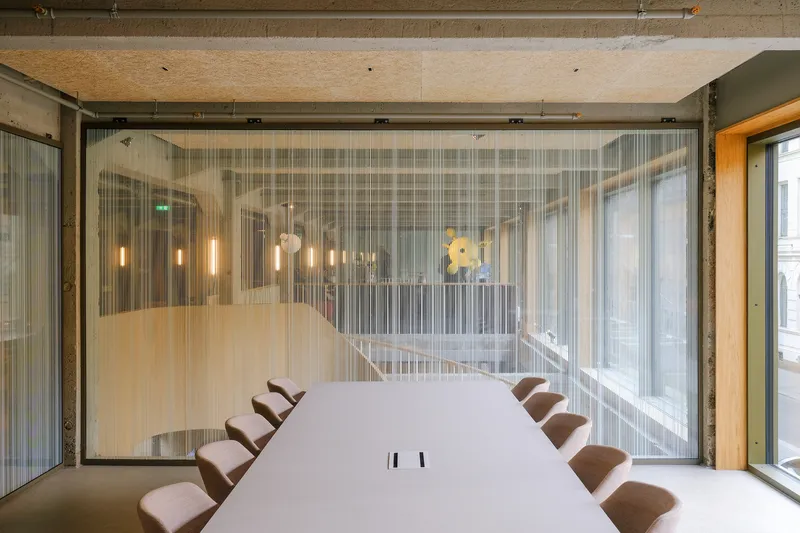
A fundamental aspect of Cinemateket’s design philosophy is sustainability. The decision to repurpose the existing warehouse is a testament to the project's commitment to reducing environmental impact. Utilizing the inherent qualities of existing materials not only conserves resources but also adds to the authenticity and texture of the space.


Community and Accessibility
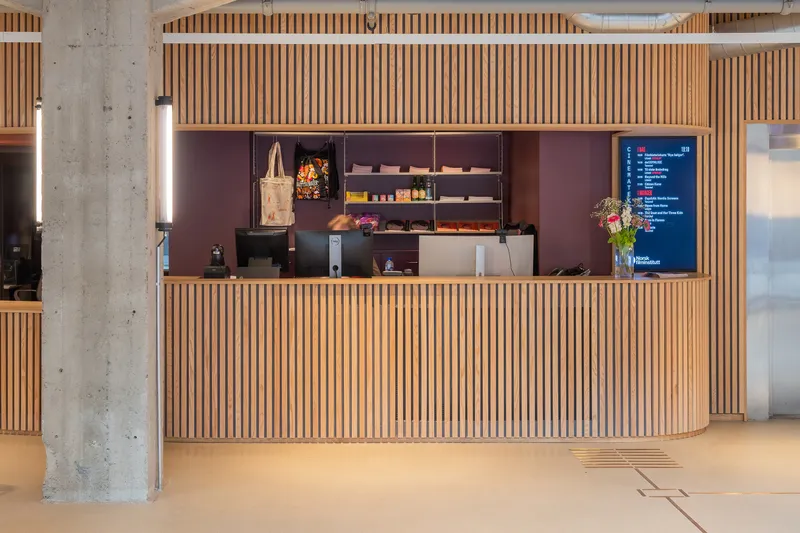
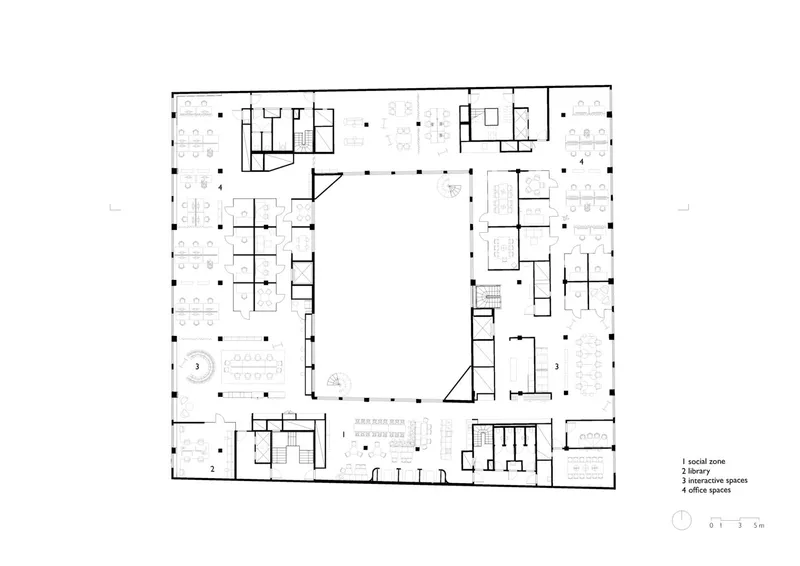
Cinemateket is designed to be a space for everyone, accommodating visitors of all ages and backgrounds. Special attention has been given to accessibility and inclusivity, from seating arrangements to the strategic placement of amenities, ensuring a welcoming environment for all guests.

Redefining Cinema Architecture
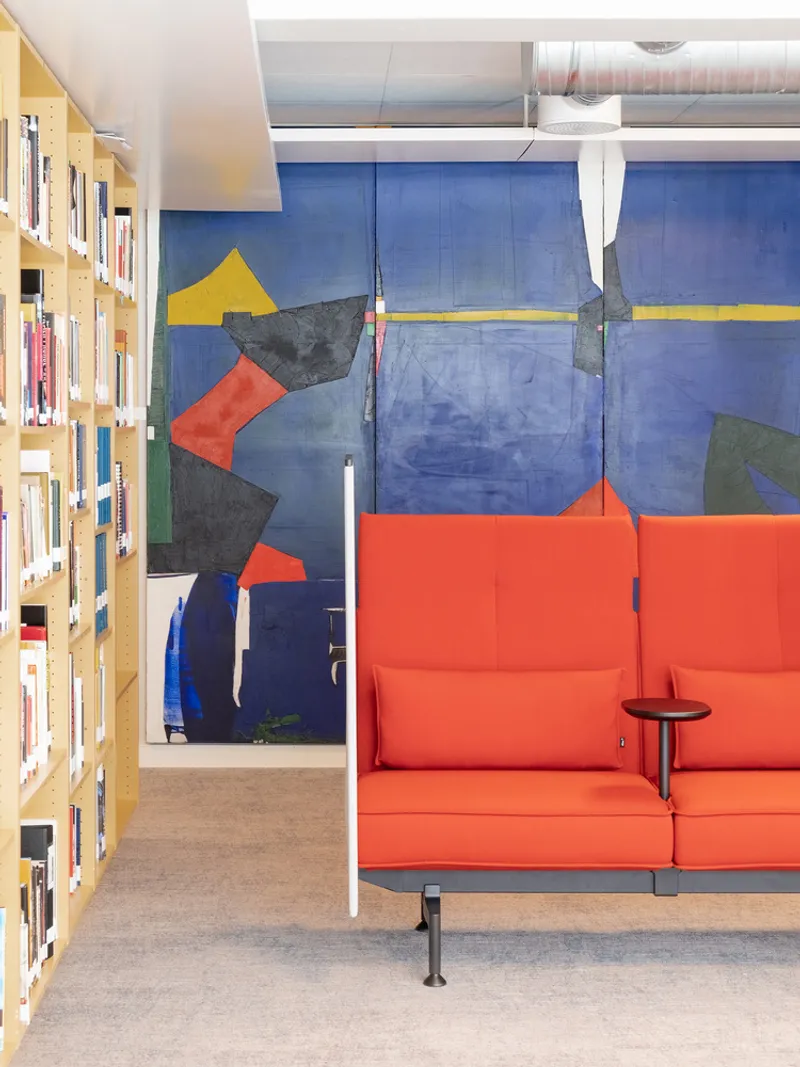
Cinemateket by SAAHA AS is more than just a movie theatre; it’s a pivotal example of how cinema architecture design can evolve yet remain true to its roots. Through thoughtful integration of new and old, it offers a space where past memories and future experiences resonate with every visit.

All photographs are work of Ruben Ratkusic


Popular Articles
Popular articles from the community


Faces of the Soviet Avant-Garde: Turning Moscow's Street Names into an Open-Air Museum
A network of sculptural installations across a Moscow residential district transforms forgotten architect names into spatial encounters with cultural memor

Tsunami Convergenics: Turning Catastrophic Ocean Forces into Underwater Housing Infrastructure
A speculative underwater settlement off the coast of Onagawa, Japan, treats tsunamis and typhoons as energy sources rather than threats.

Singing Woman: An Opera House That Performs Before the Curtain Rises
Ovidiu Cristian Pavel's conceptual opera house translates Estonia's choral identity into a sculpted waterfront landmark facing the Baltic Sea.
Cloaked Colonization: A Mobile Underwater Habitat That Moves Like a Fish
Micah Abaya's shortlisted EHC Pacific entry reimagines ocean settlement as a dispersed network of self-sustaining architectural organisms.

Similar Reads
You might also enjoy these articles


Hodi-Mandai Geram
Project Function: Preservation and revitalization of the Intangible heritage and socio-spatial identity of the Hodi by Housing, Cultural Memory Center, Sacred Grove, landscape, local tourism economy


Olio Towers: A Mid-Rise for Performers That Fuses Housing, Rehearsal, and Stage
Located blocks from Houston's Theater District, this modular tower stacks living units around a central performance atrium.

Oasis: Modular Green Housing Carved into Dhaka's Urban Fabric
A shortlisted Plugin Housing entry reclaims unauthorized settlements in Dhaka with stepped concrete volumes, green roofs, and ventilation-driven design.

Black Hole: A Floating Megastructure for the Post-Physical Era
Emiliano Mazzarotto envisions a spherical, self-scaling arena where e-sports, digital hotels, and holographic stadiums replace traditional public space.

Explore Cinema Competitions
Discover active competitions in this discipline

Challenge to reimagine the Iron Throne

Photograph architecture without architects

Illustrate the lost glory of Angkor Wat - Render Challenge

Design challenge to reuse E-waste
Comments (0)
Please login or sign up to add comments
No comments yet. Be the first to comment!