
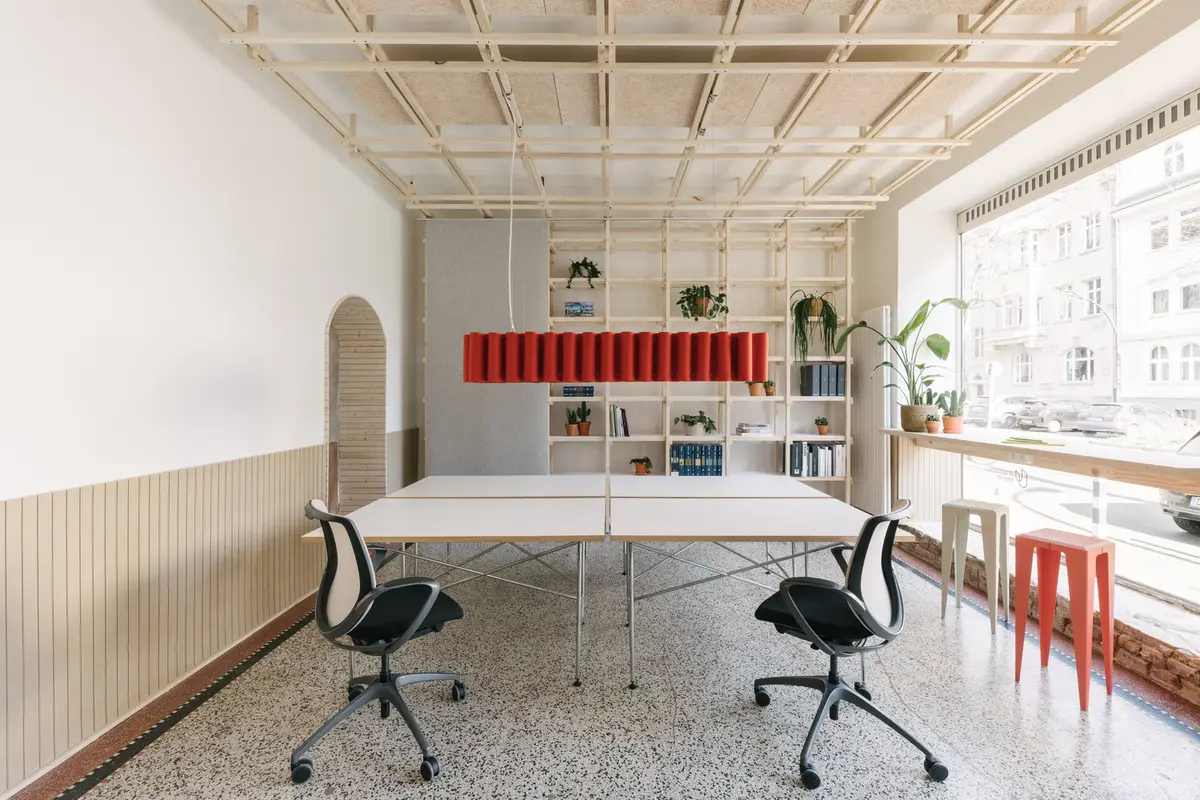
Circular Office in Düsseldorf: A Sustainable Interior by urselmann interior
Circular Office in Düsseldorf by urselmann interior showcases sustainable, fully recyclable materials, circular design principles, and modern, eco-friendly office interiors.


Embracing Circular Design in Office Interiors
The Circular Office in Düsseldorf, designed by urselmann interior, is a pioneering example of sustainable, circular interior architecture. Recognizing that the construction industry generates approximately 60% of total global waste, the team approached their office renovation with a bold vision: eliminate waste and design interiors that are fully recyclable.
From the outset, the project focused on healthy, sustainable materials that can be dismantled, separated, and recycled permanently, proving that modern aesthetics and environmental responsibility can coexist.
A Circular Approach to Materials
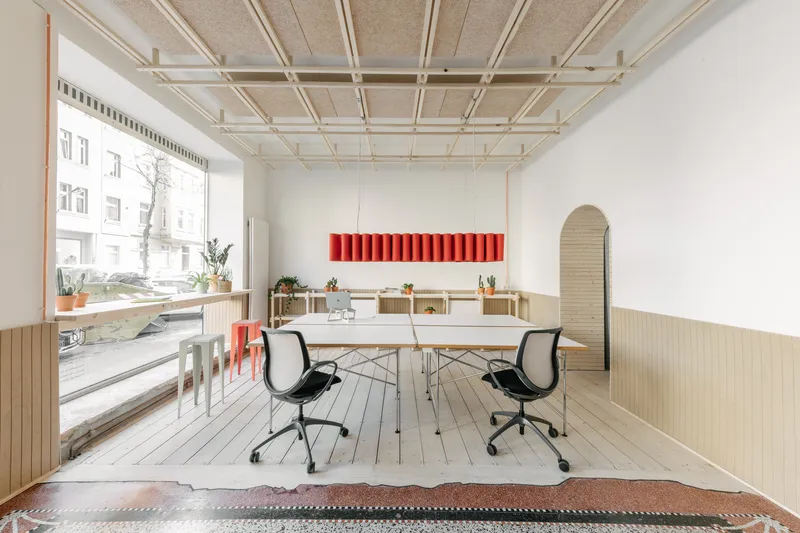
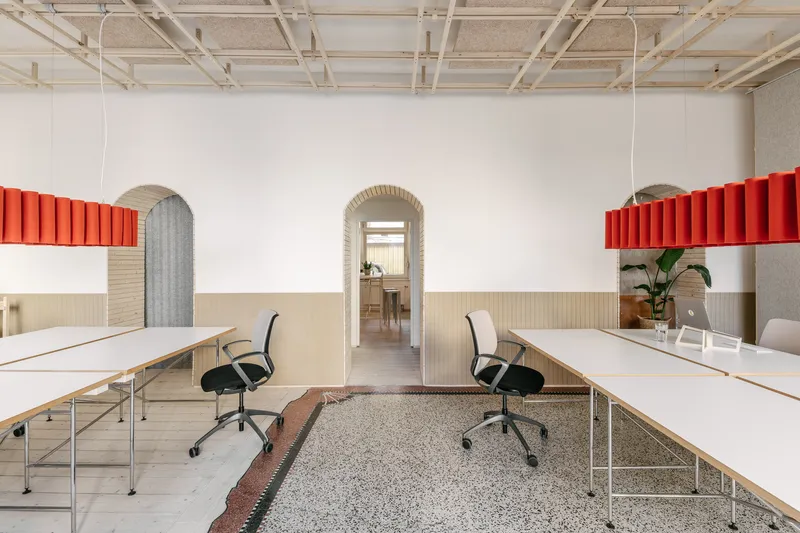
During the renovation, even a small area of 74 m² generated 4 tons of waste from ceiling and floor layers alone, highlighting the urgent need for circular strategies in interior design. Sven Urselmann, founder of urselmann interior, emphasized: "Our focus from the design phase was to prevent construction waste entirely."
All materials in the office fall into one of three categories:
- Biosphere: Biodegradable materials
- Technosphere: Upcyclable technical materials
- ReUse: Previously used construction products
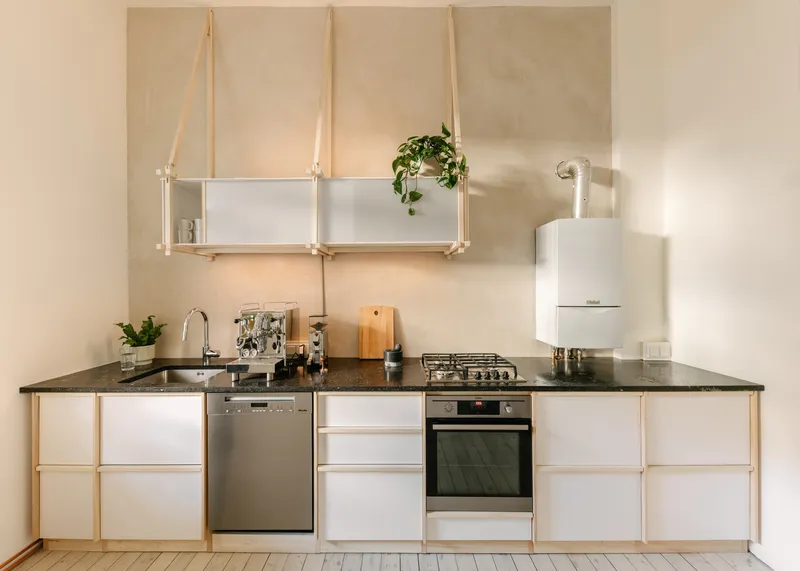
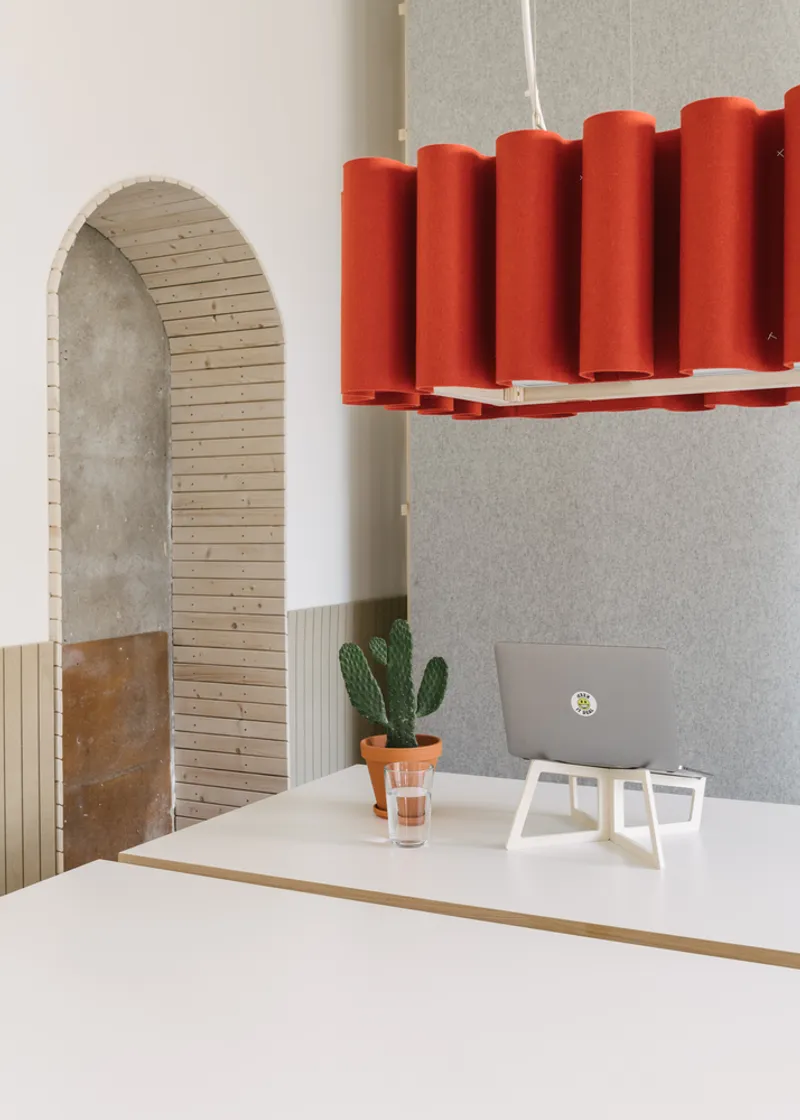
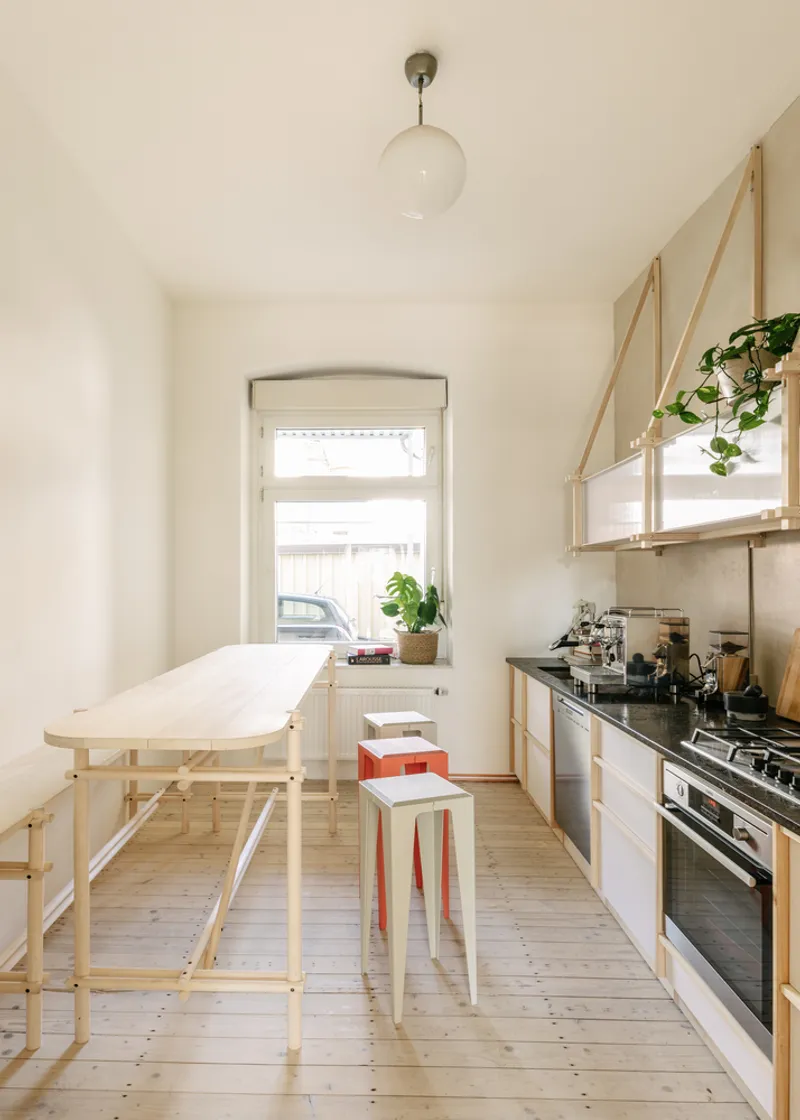
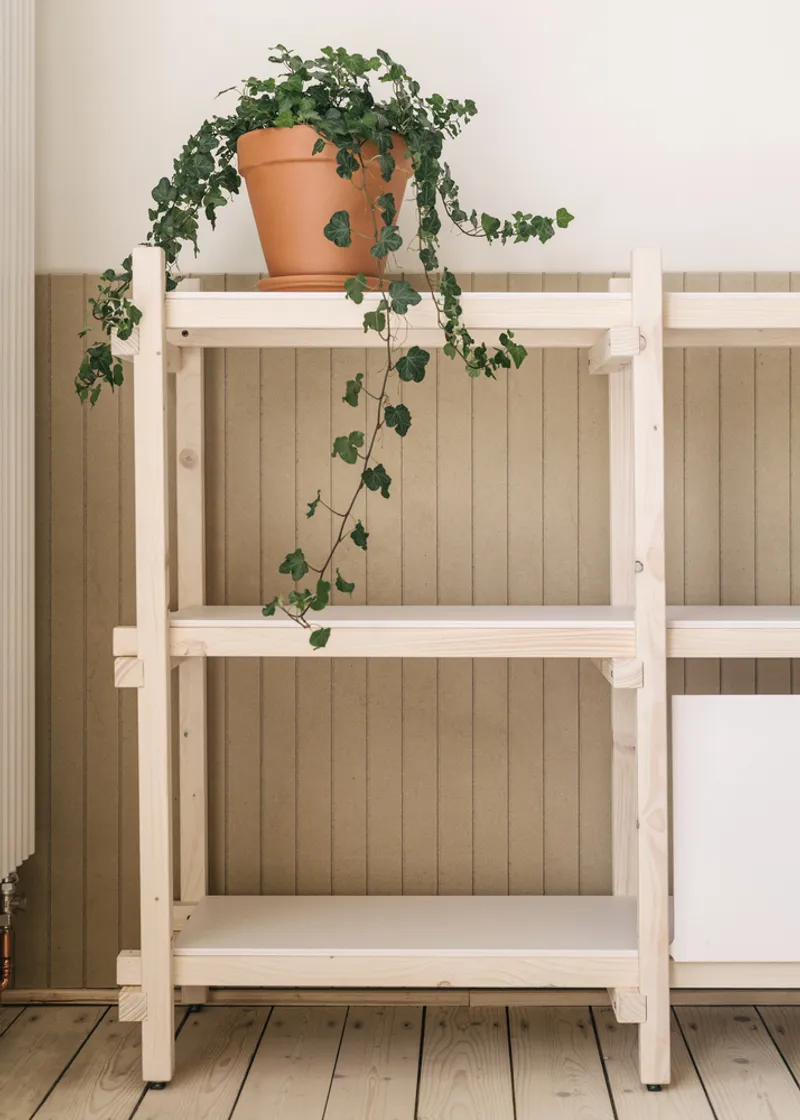
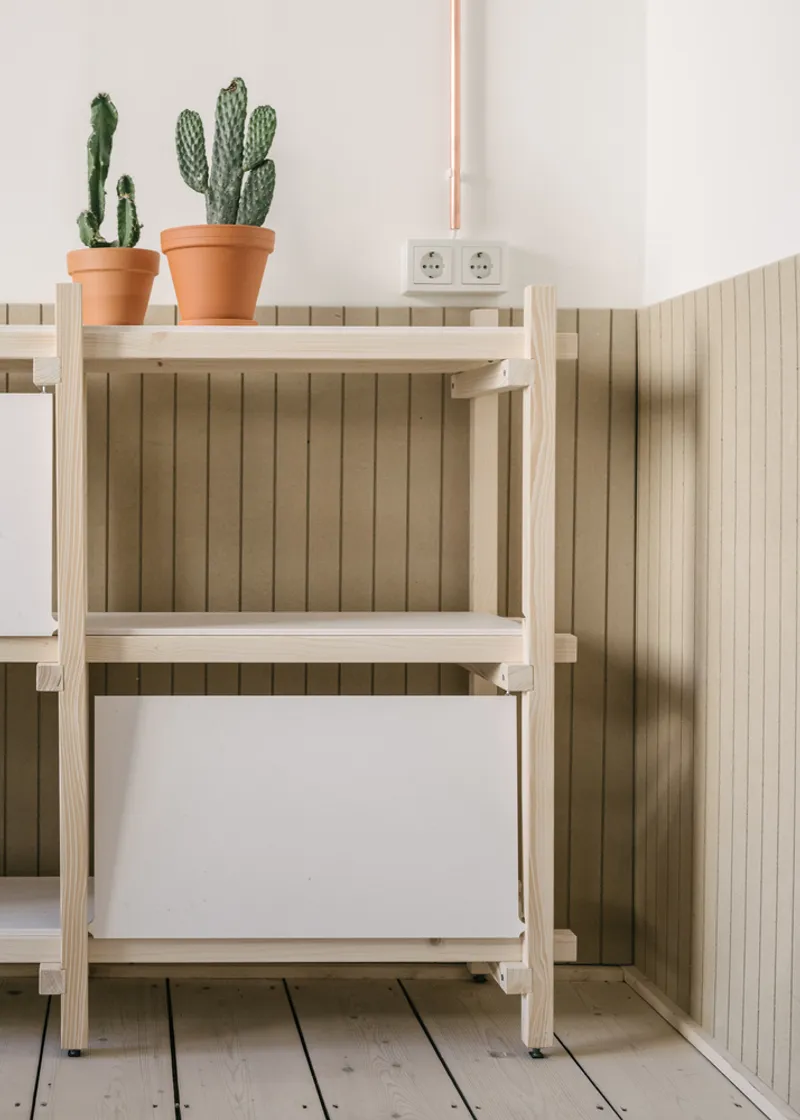
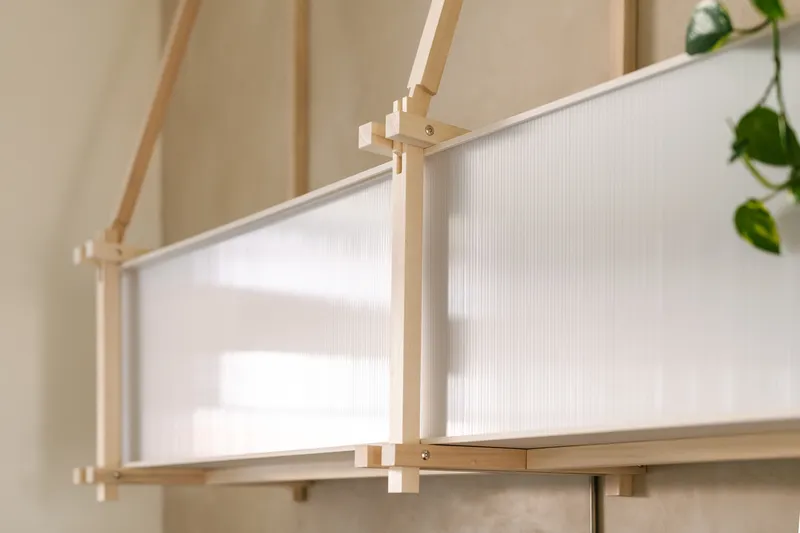
Furniture joints are assembled mechanically, avoiding adhesives, while products like radiators and lighting were sourced via urban mining platforms such as Concular. A comprehensive material passport documents every element for future reuse.
An Experimental and Functional Workspace
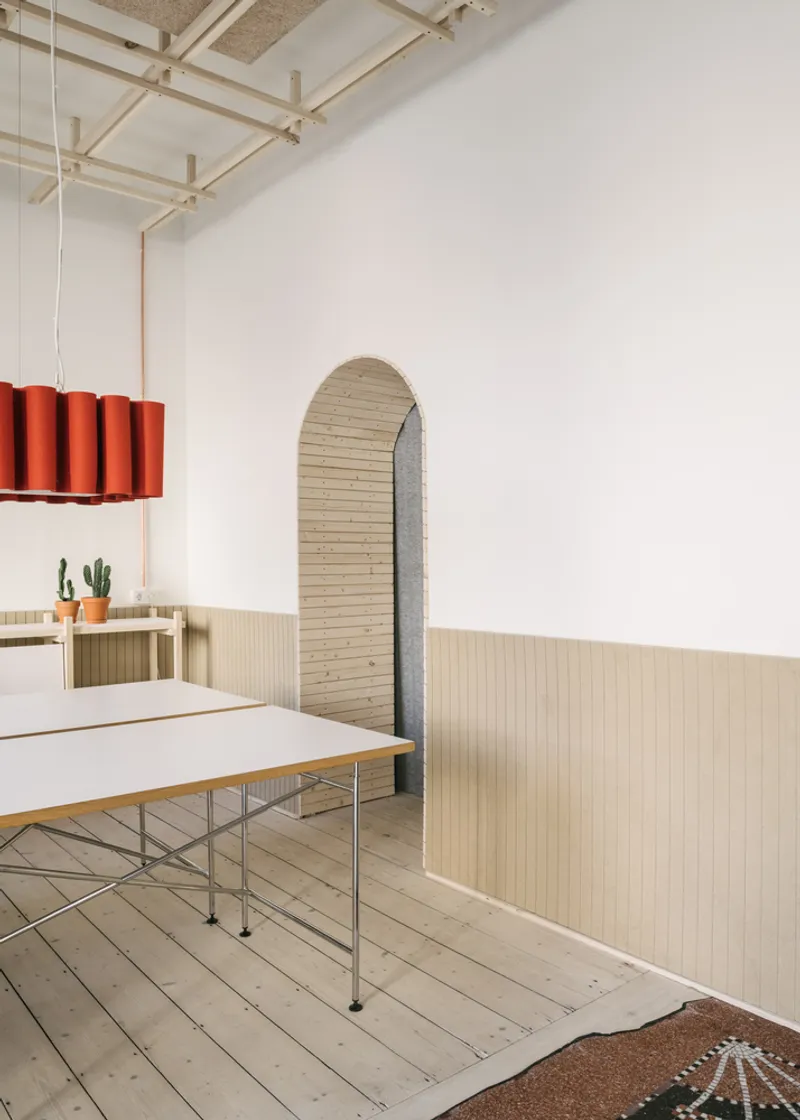
The office functions not just as a workspace but also as a co-working hub, showroom, and experimental laboratory. The team tests new materials, studies their long-term behavior, and develops innovative, circular design strategies. As a trained carpenter, Sven emphasizes the tactile and experimental interaction with materials, allowing the space itself to guide sustainable design decisions.
Towards a Cradle-to-Cradle Future
Since 2020, urselmann interior has been rethinking traditional planning and manufacturing processes, following the Cradle to Cradle philosophy. By designing all constructions to be circular, decomposable, and upcyclable, materials are ensured to remain valuable nutrients in perpetual cycles. This project demonstrates how sustainable office interiors can lead the way in circular economy practices, combining eco-consciousness, functionality, and contemporary aesthetics.
All Photographs are works of Magdalena Gruber


Popular Articles
Popular articles from the community


Cube Design Draws an Ecological Corridor Between Two Shenzhen Hills with the Nankai Building
Beside Shenzhen's container docks, the Nankai Building pairs stacked balconies with a climbing green screen to connect two hillsides across its height.

Architekt Andreas Gruber Scatters 23 Dark Timber Chalets Across a South Tyrolean Forest Edge
In Molini di Tures, Amonti Chalets breaks a resort into a hamlet of gabled timber houses, with parking, storage and services pushed into the slope.

longwave studio Reorganizes a 112 m² Tainan Apartment Around the Daily Routines of a Family and Two Cats
In Tainan, Taiwan, birch plywood, rust-red furniture and a freestanding plaster wall link arrival, storage, work and family life in one apartment.

David Macias Steps a Doorless Stone and Plaster House Down a Tropical Colombian Hillside
In the humid hills of Colombia, Threshold House replaces the front door with an open void and terraces its 850 m² down the slope instead of fighting it.

Similar Reads
You might also enjoy these articles


Hodi-Mandai Geram
Project Function: Preservation and revitalization of the Intangible heritage and socio-spatial identity of the Hodi by Housing, Cultural Memory Center, Sacred Grove, landscape, local tourism economy


Olio Towers: A Mid-Rise for Performers That Fuses Housing, Rehearsal, and Stage
Located blocks from Houston's Theater District, this modular tower stacks living units around a central performance atrium.

Oasis: Modular Green Housing Carved into Dhaka's Urban Fabric
A shortlisted Plugin Housing entry reclaims unauthorized settlements in Dhaka with stepped concrete volumes, green roofs, and ventilation-driven design.

Black Hole: A Floating Megastructure for the Post-Physical Era
Emiliano Mazzarotto envisions a spherical, self-scaling arena where e-sports, digital hotels, and holographic stadiums replace traditional public space.

Explore Interior Design Competitions
Discover active competitions in this discipline

Challenge to design luxury tourism on rails

Challenge to reimagine the Iron Throne

Photograph architecture without architects

VR headsets Storefront design competition
Comments (0)
Please login or sign up to add comments
No comments yet. Be the first to comment!