
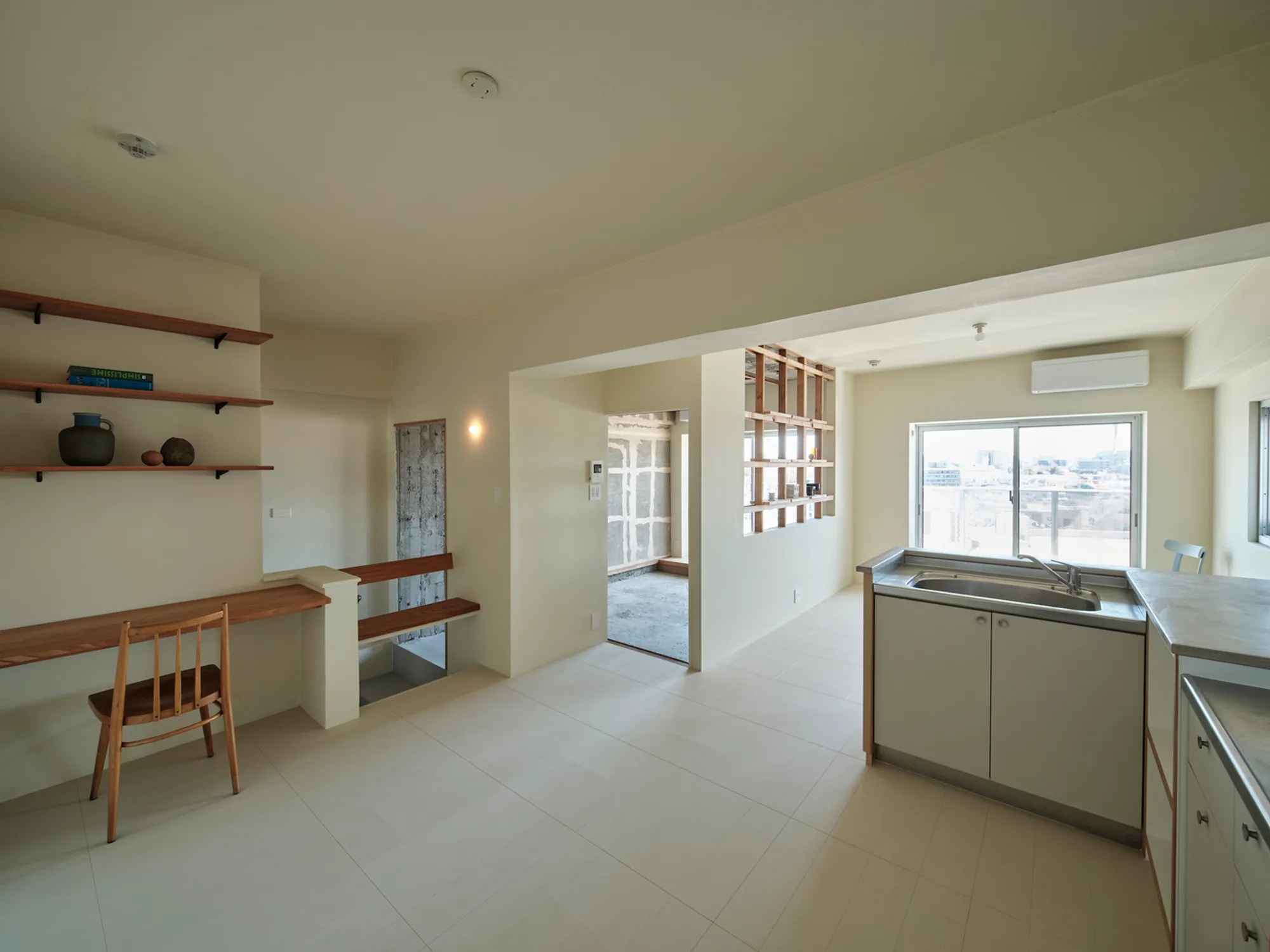
Circular Renovation Architecture in Tokyo: Studyroom#1 by TOOLBOX
A circular renovation in Tokyo by TOOLBOX transforms a maisonette into a sustainable, award-winning model of interior reuse.


Innovating Sustainability Through Circular Renovation
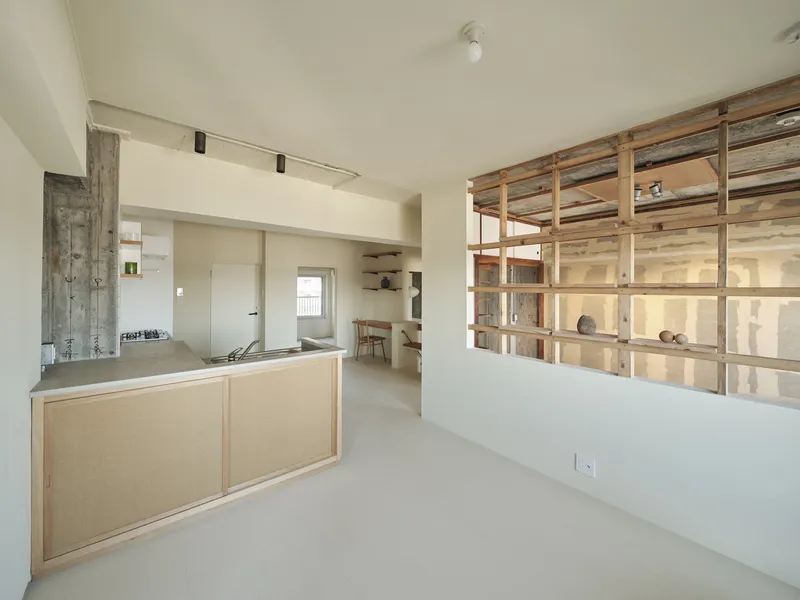
Located in a maisonette-style apartment in Tokyo, Studyroom#1 by TOOLBOX exemplifies the forefront of circular renovation architecture. The 57-square-meter residence underwent a sensitive yet transformative interior overhaul in 2024, challenging traditional renovation practices with a “ReMAKE” approach that emphasizes reuse, resourcefulness, and design experimentation. The result is a space that not only honors the existing structure but also sets a benchmark for sustainable design practices in urban residential architecture.
Redefining Renovation with the ReMAKE Approach
TOOLBOX, a Tokyo-based company known for its curated housing components and artisanal design solutions, undertook Studyroom#1 as a research-based project. Instead of adopting the conventional method of full-skeleton renovation, the architects, Kimiyoshi Arakawa and Iori Hitosugi, chose to retain and reinterpret the apartment’s existing layout and materials. This strategy minimized waste, cut costs, and opened up new avenues for creative design, in line with circular economy principles.
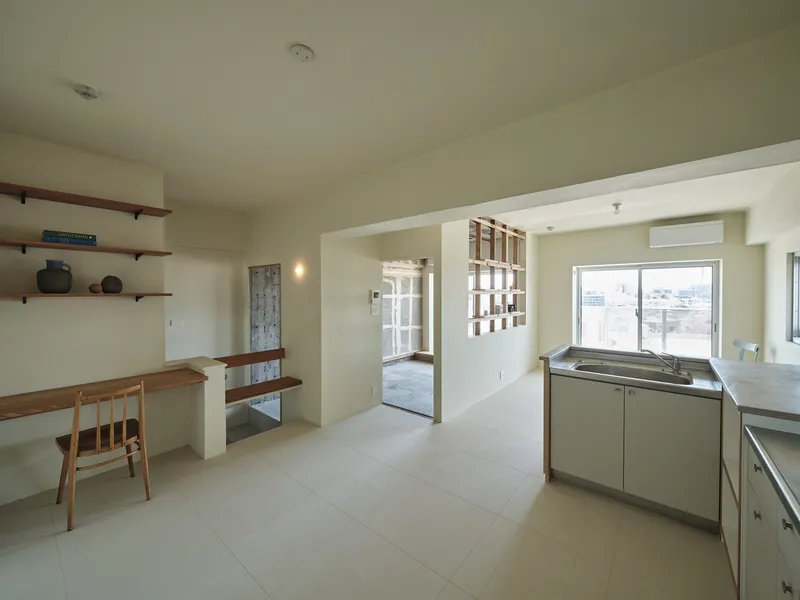
The original interior had suffered from years of piecemeal remodeling, resulting in a fragmented aesthetic. However, rather than stripping everything away, TOOLBOX embraced the imperfections and existing materials as a design opportunity. The transformation focused on targeted interventions and adaptive reuse, with craftsmanship at the core of every decision.
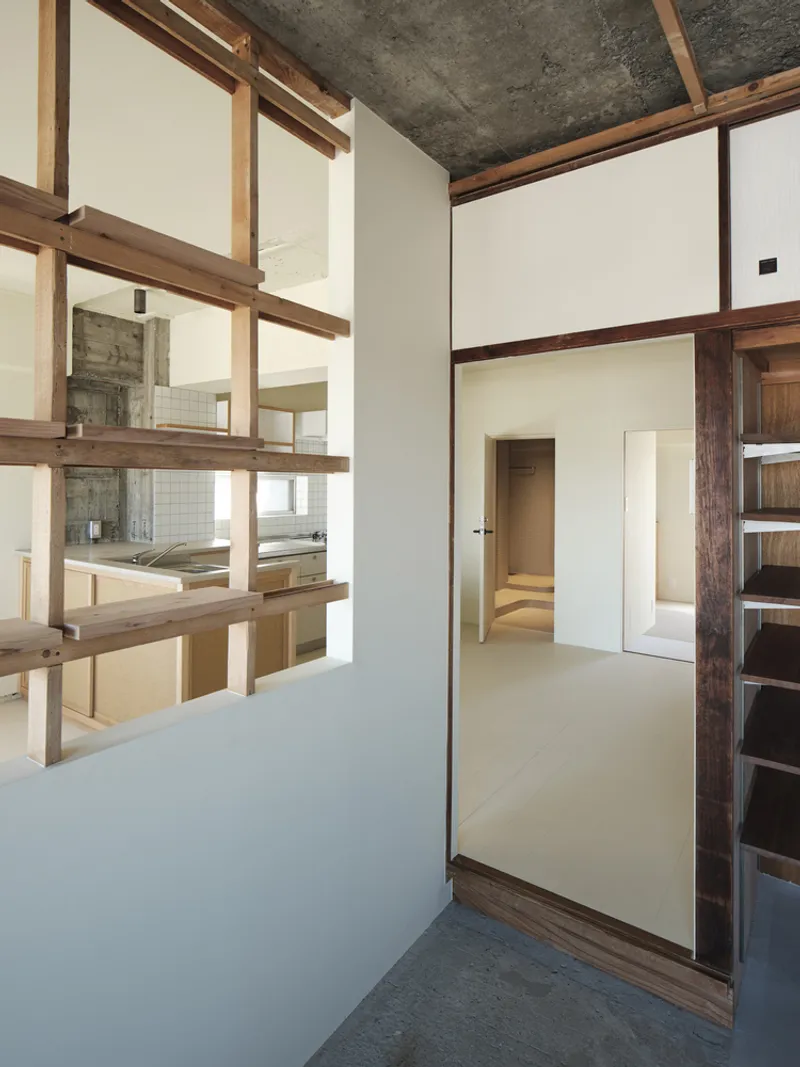
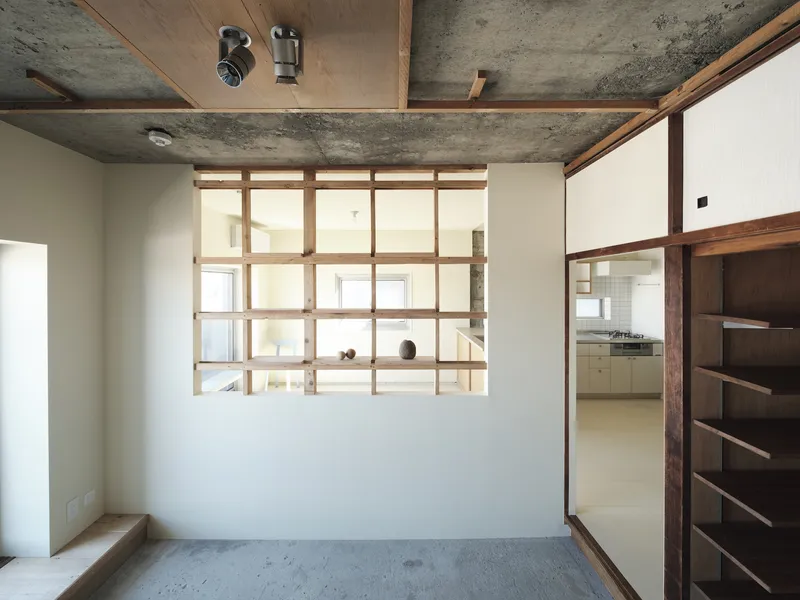
Spatial Adjustments for Better Flow and Light
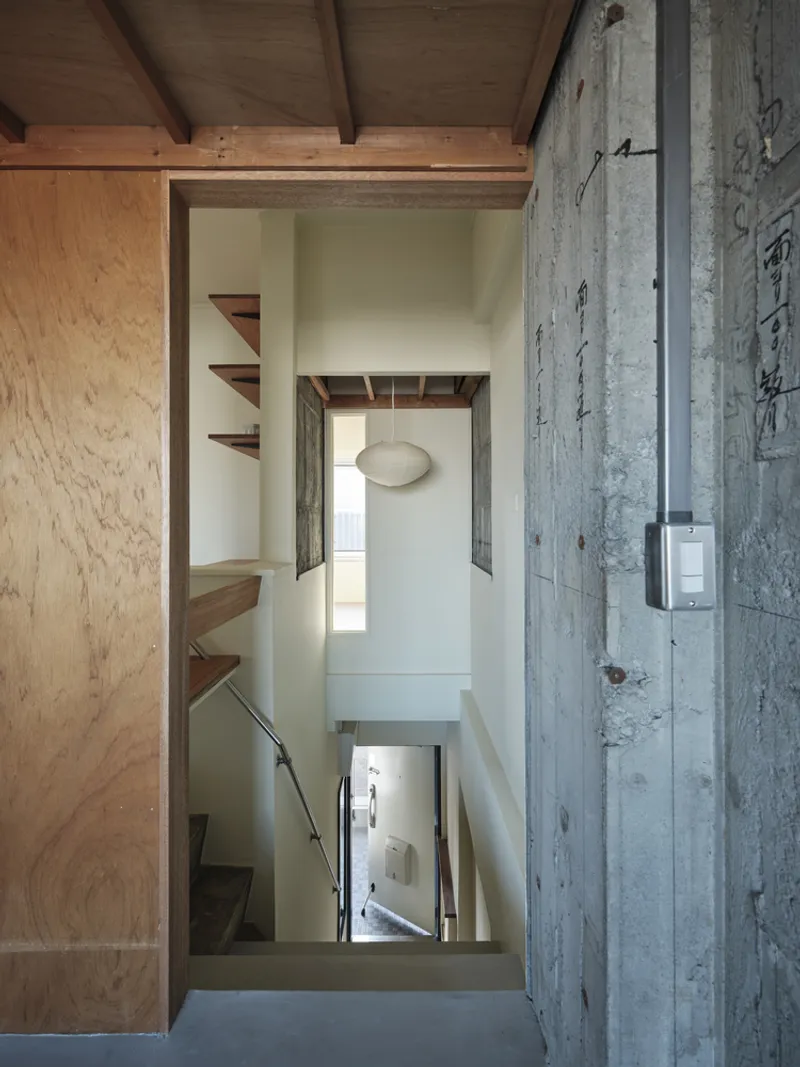
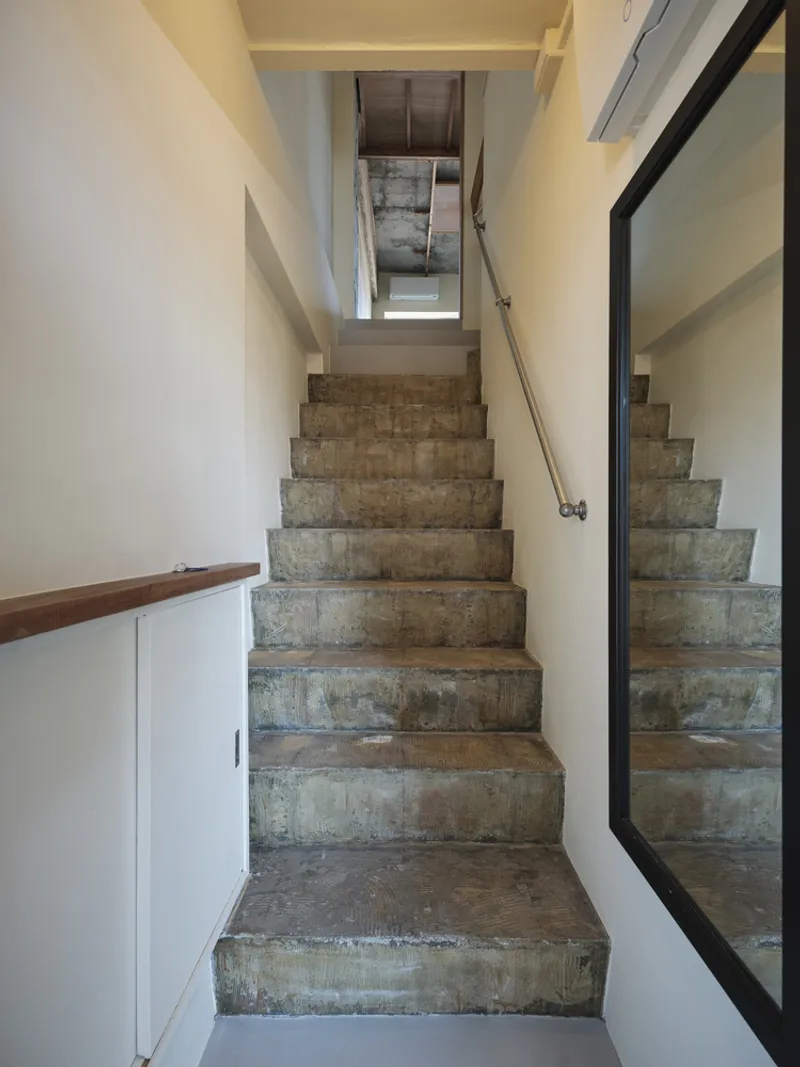
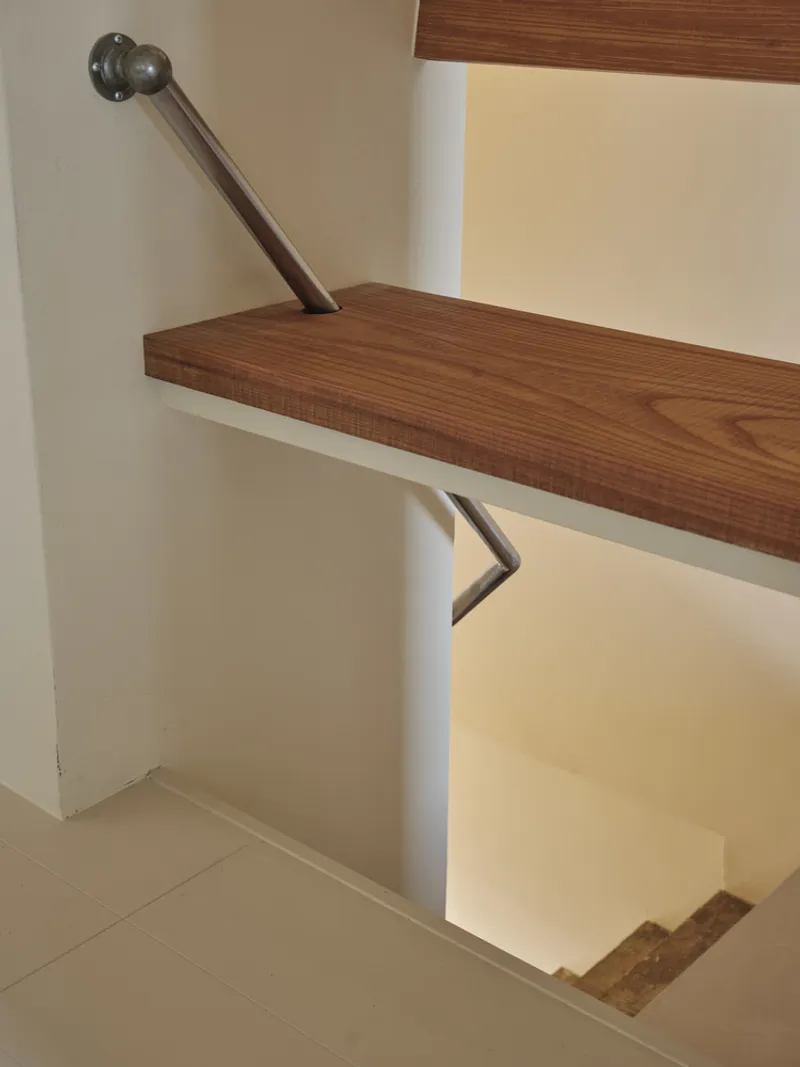
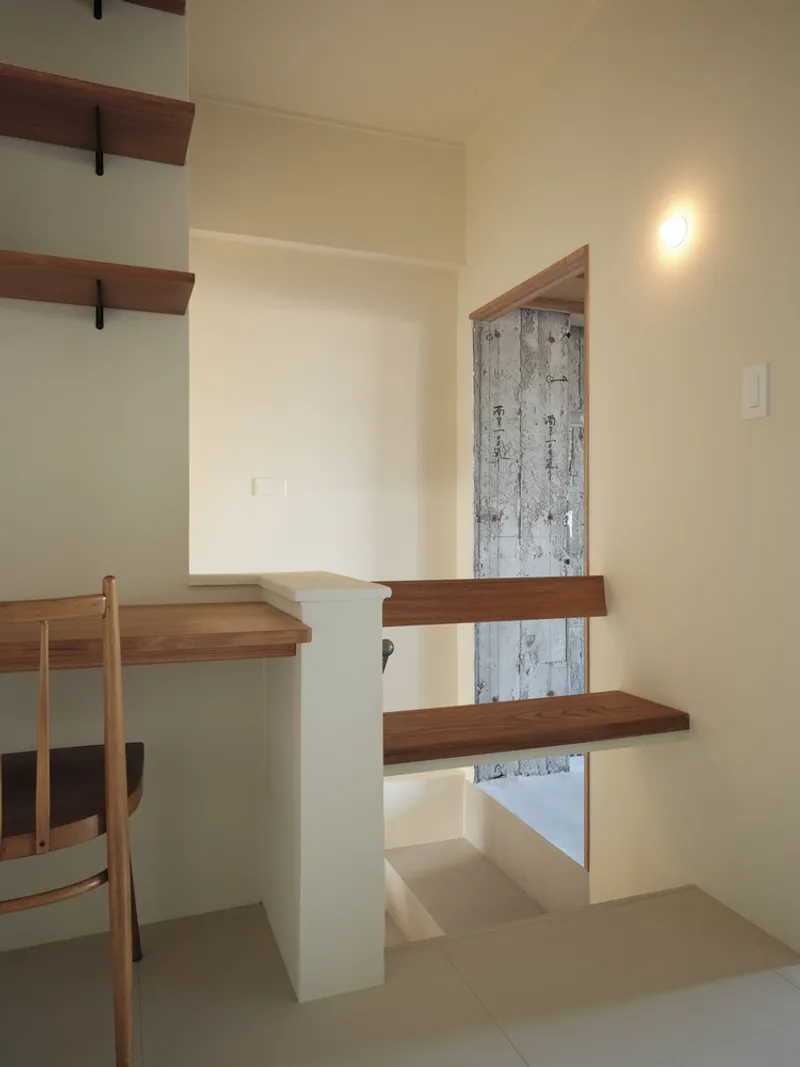
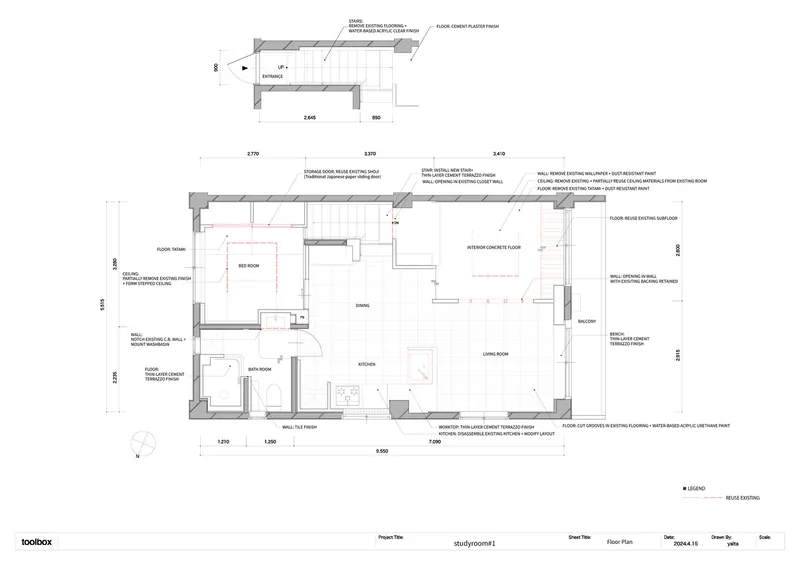
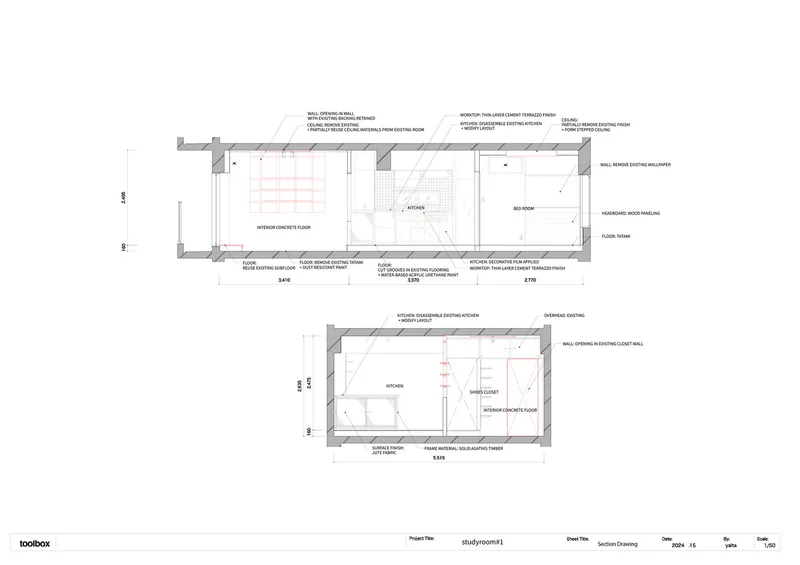
The maisonette's lower level houses the entrance and a reoriented staircase, now improved for spatial clarity and movement. The original cranked staircase was modified by adding treads and redirecting its course, making circulation more intuitive. At the top, a closet was opened up to introduce a new entry point and allow natural light to reach deeper into the stairwell—turning a once-dark area into a bright and welcoming transition space.
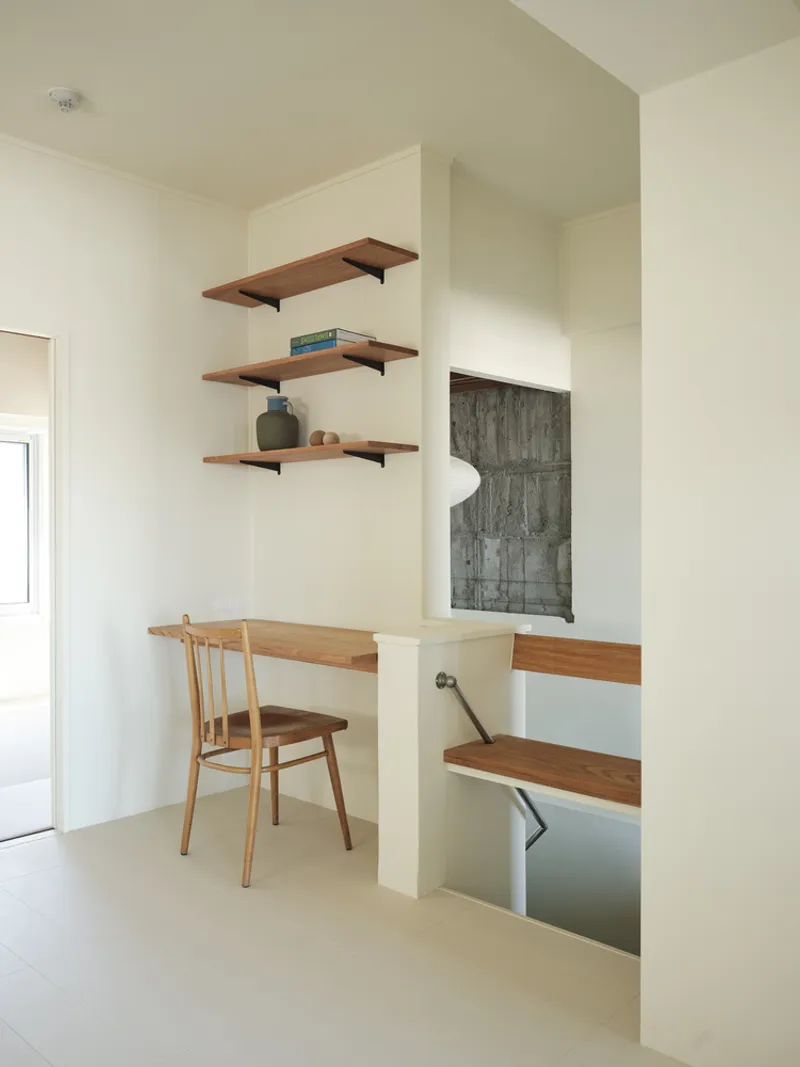
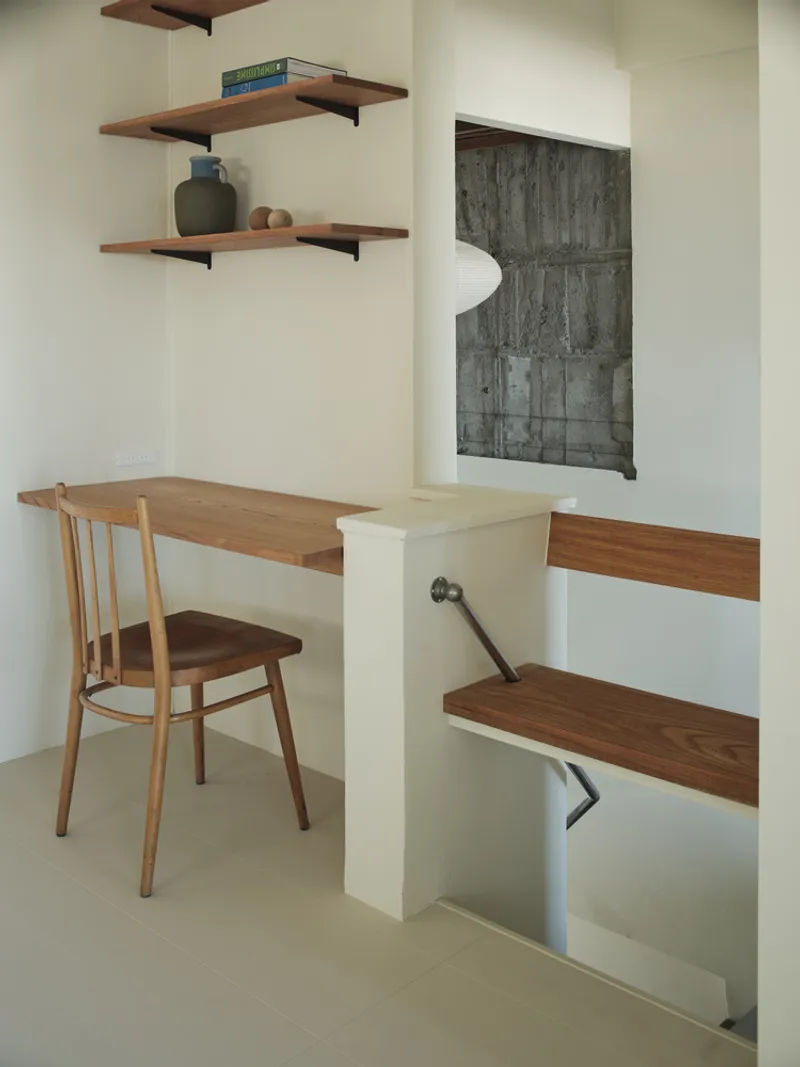
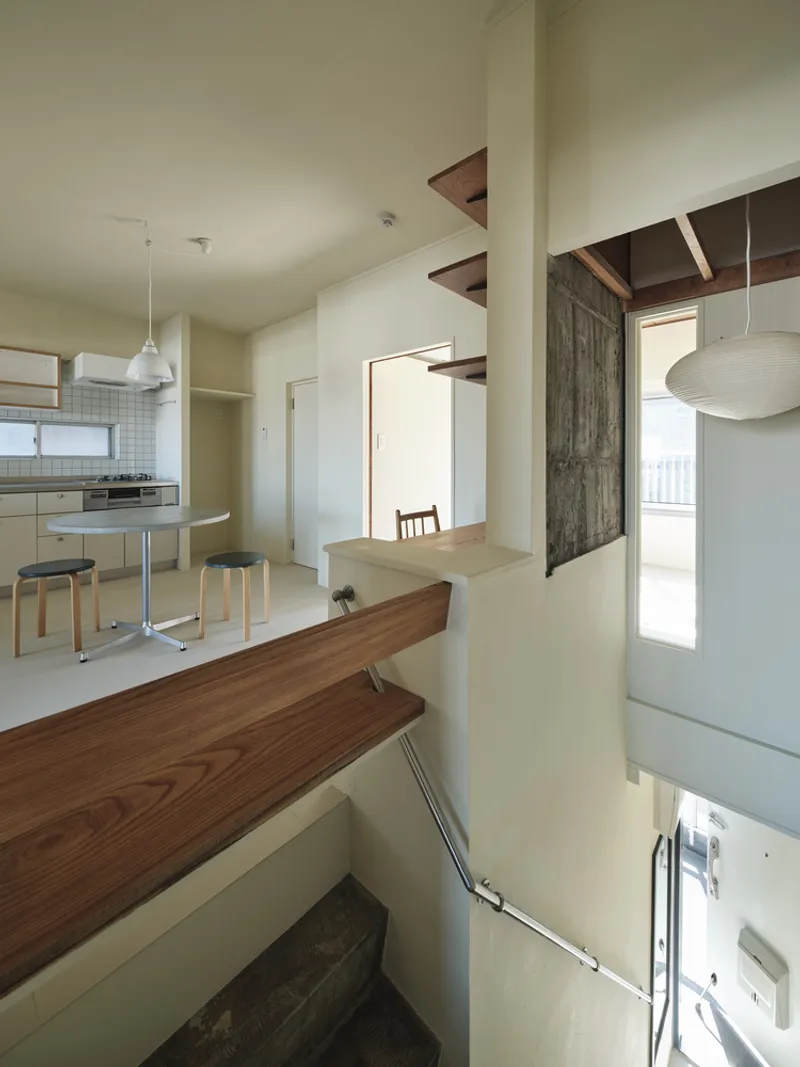
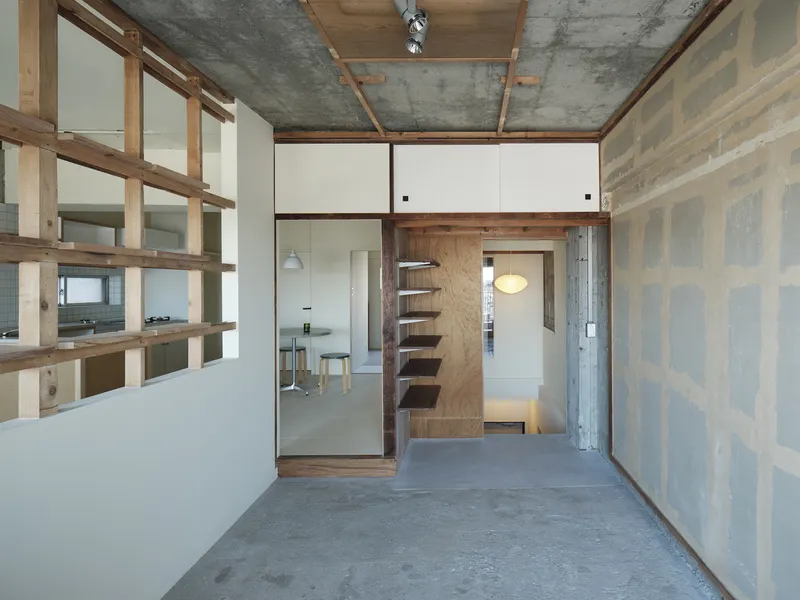
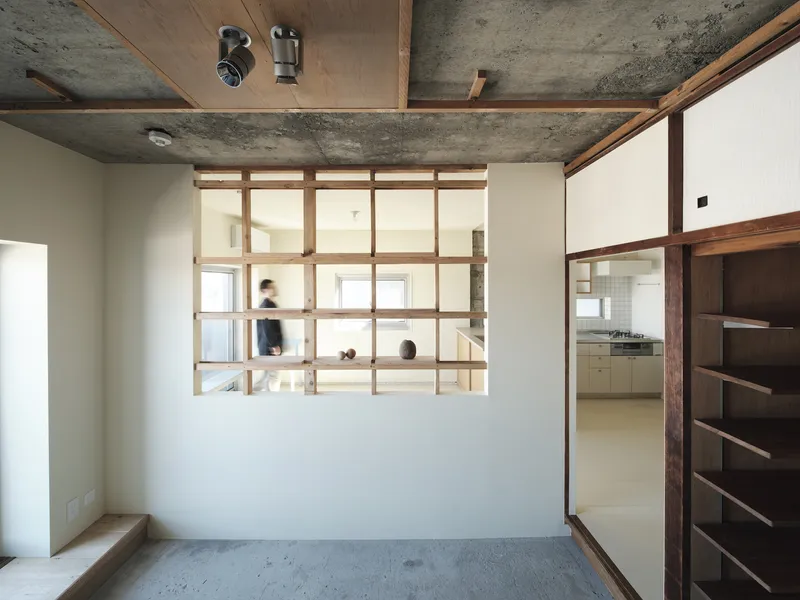
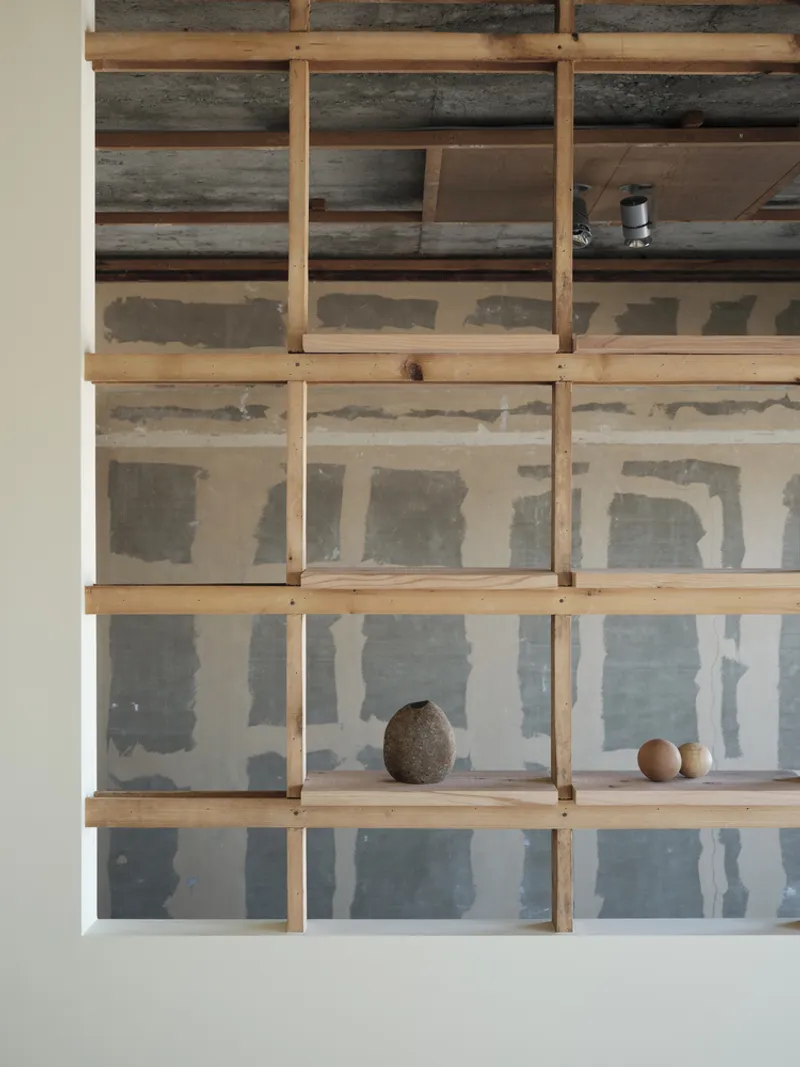
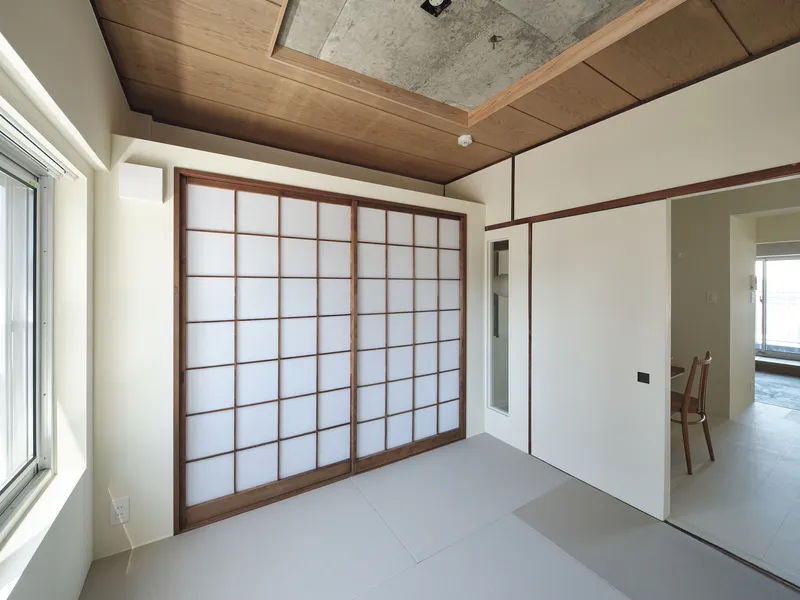
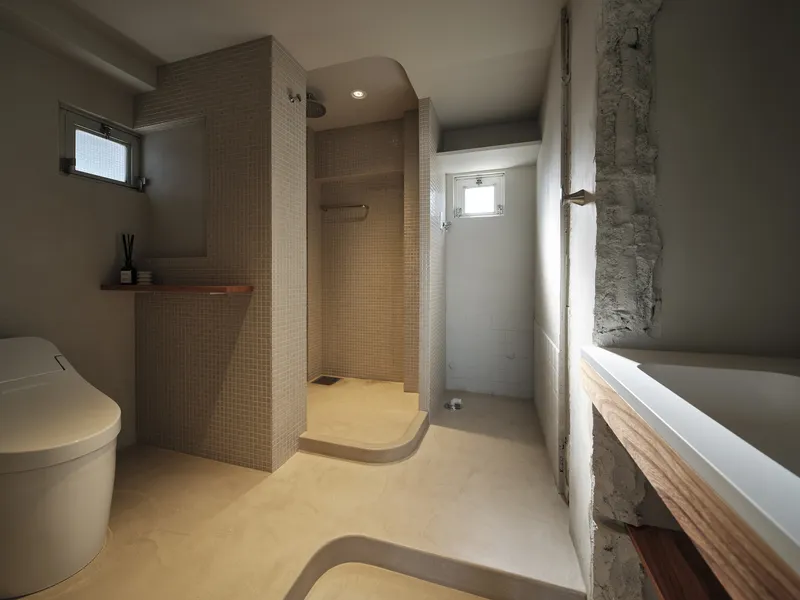
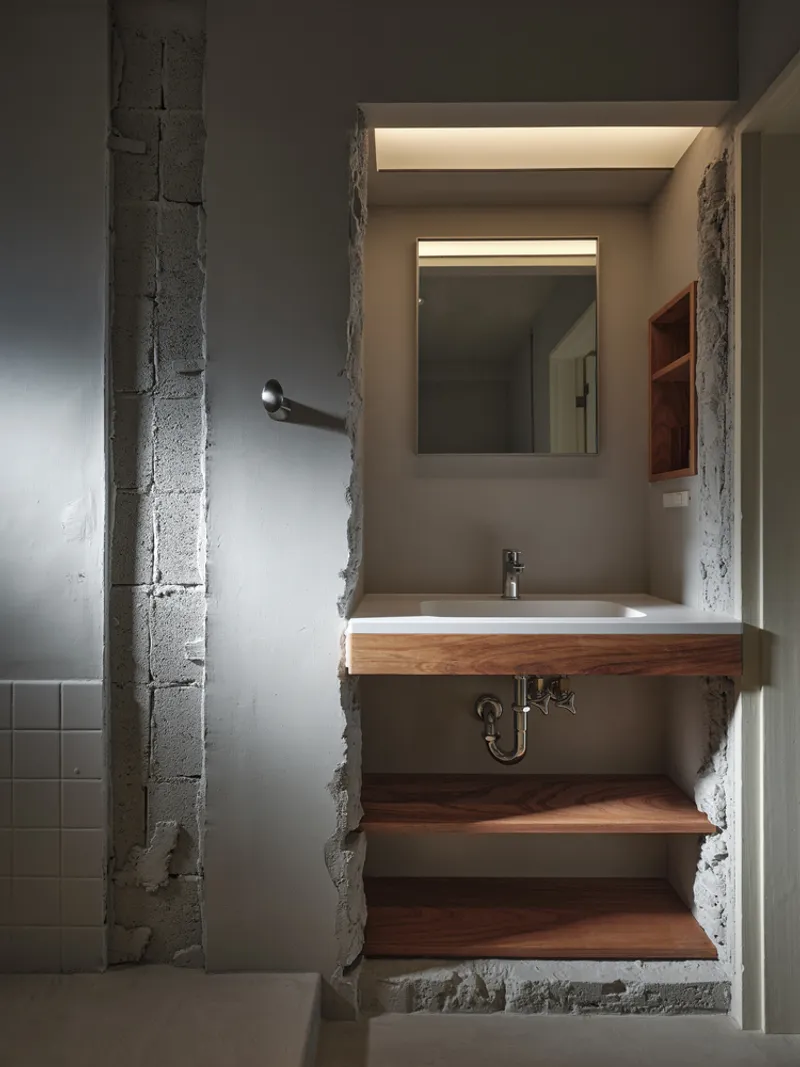
Material strategy was another highlight. Instead of reapplying new wall finishes, the architects left surfaces raw, using a clear coat to protect and celebrate the textures left behind by removed wallpaper. A ceiling panel salvaged from a former Japanese-style room was repurposed to conceal new electrical wiring, exemplifying the blend of respect for existing elements with modern needs.
Adaptive Kitchen Redesign and Surface Reinterpretation
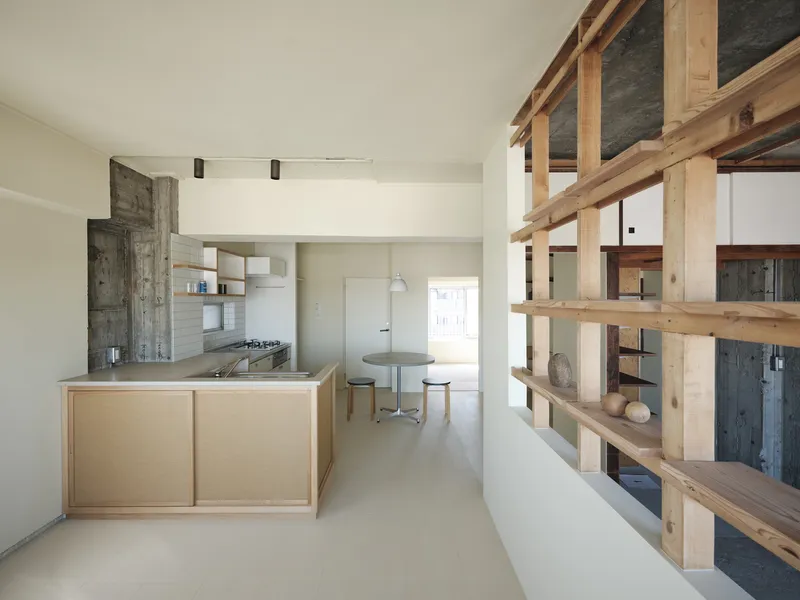
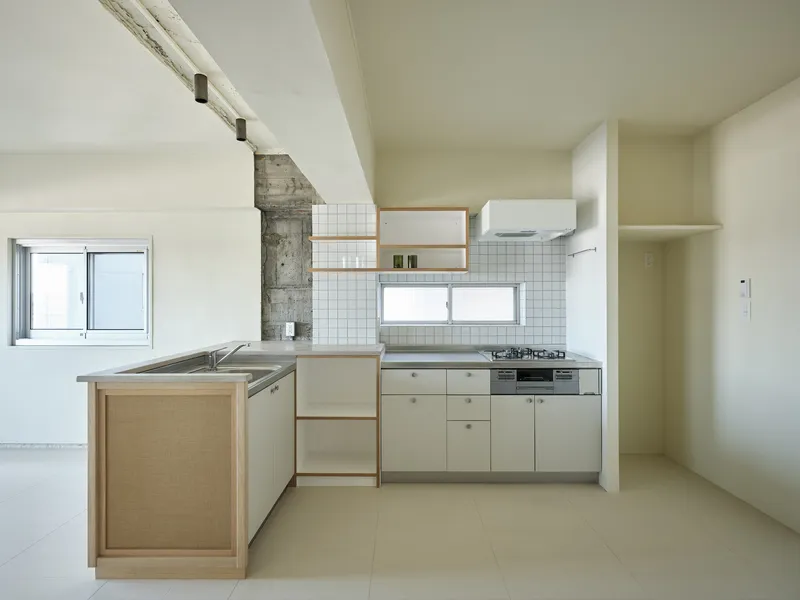
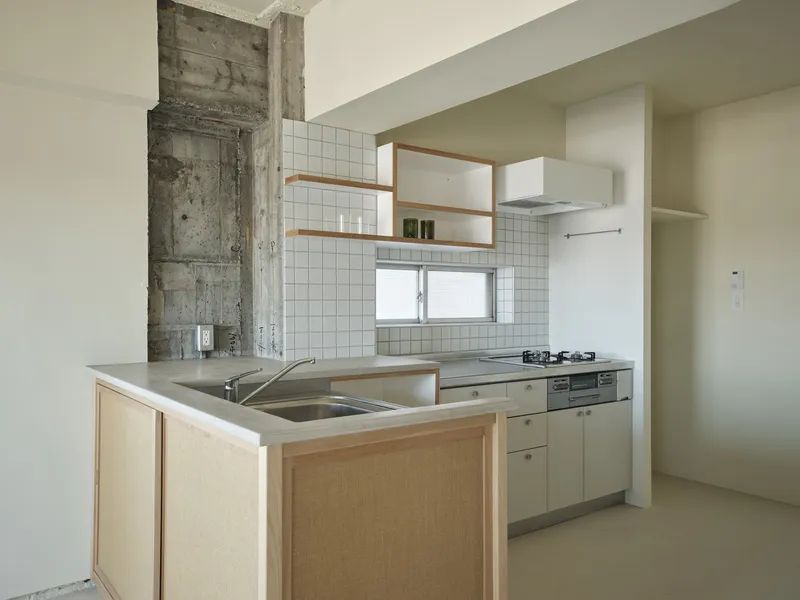
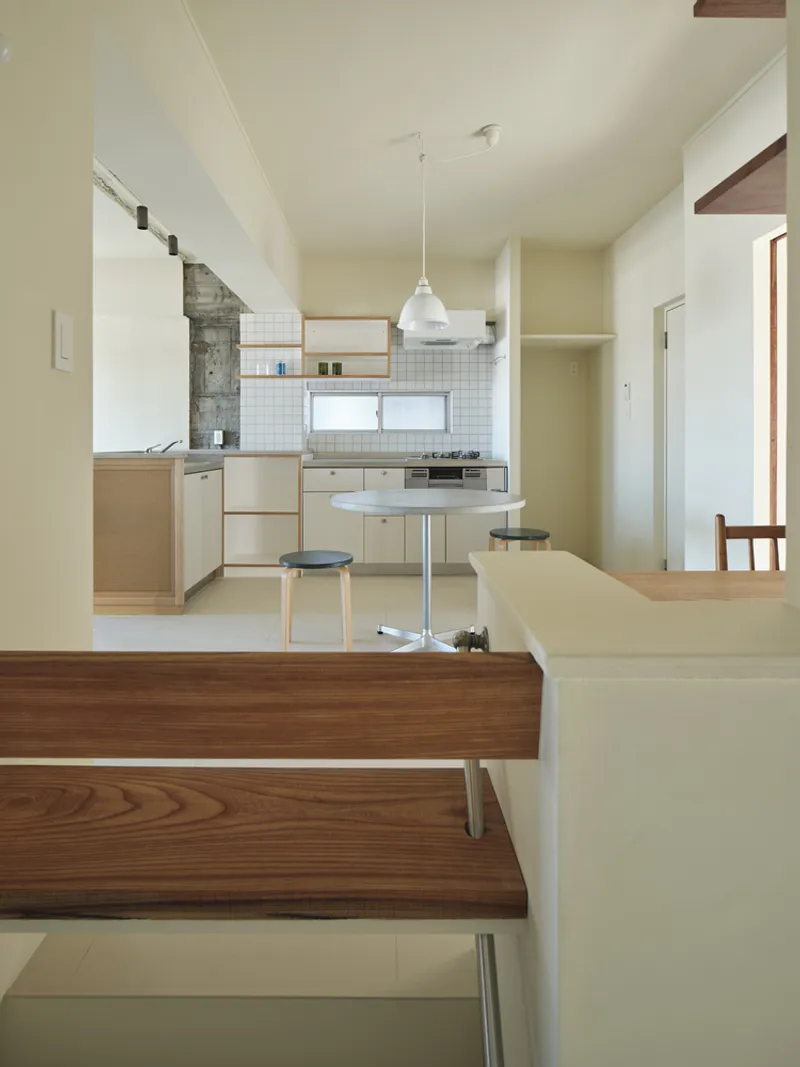
One of the most impactful changes was the reconfiguration of the kitchen. The existing linear system kitchen was split and reshaped into an L-formation by repositioning the sink unit closer to the balcony. At the point of this transformation, a plaster finish was hand-applied to subtly blend the intervention into the overall aesthetic. This mix of industrial precision and artisanal detailing is a signature of TOOLBOX’s approach.
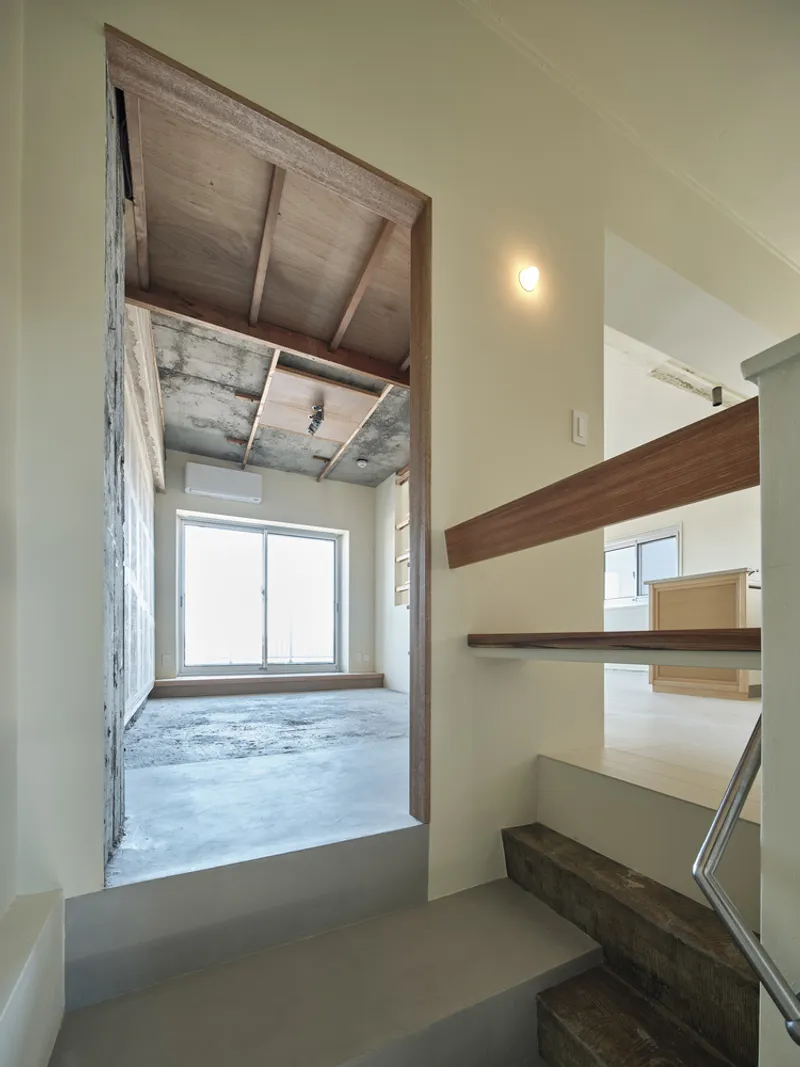
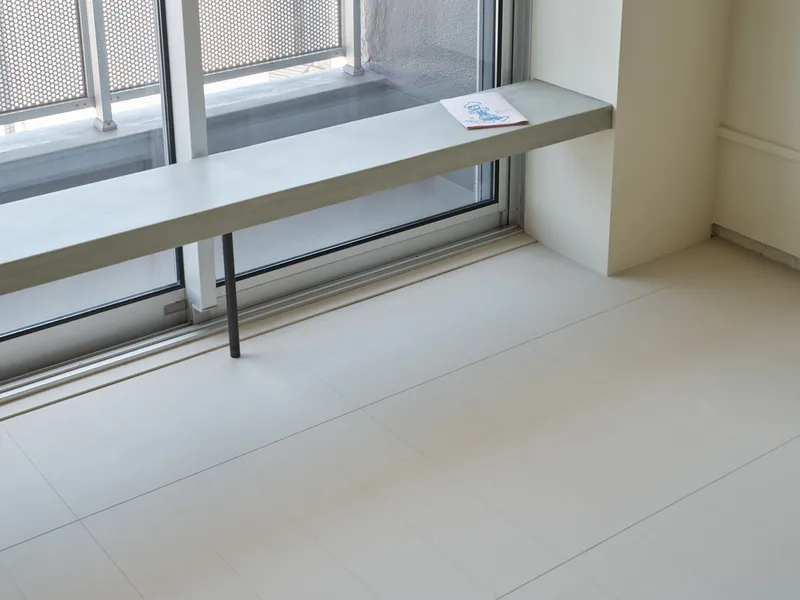
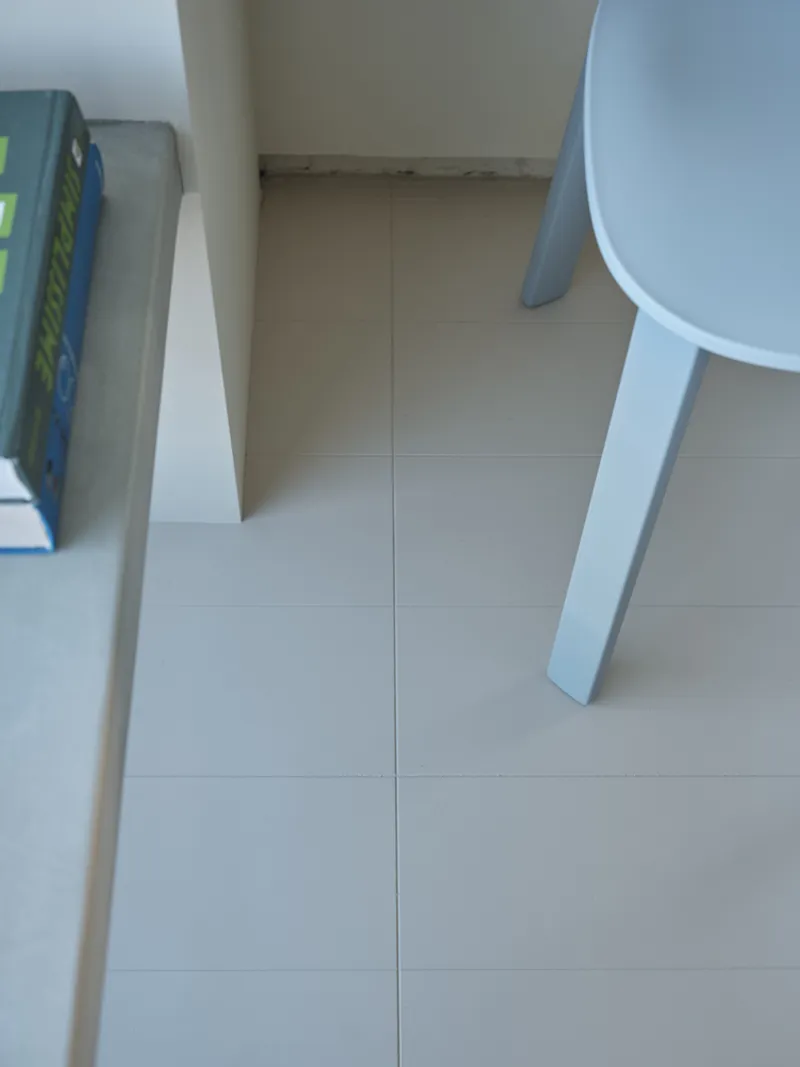
The floor, rather than being replaced, was refined through surface coatings. Walls were selectively opened to improve sightlines and create a feeling of openness without physically enlarging the space. These minimal but meaningful moves demonstrate how circular renovation can also be a powerful spatial strategy.
Award-Winning Innovation with a Public Purpose
Studyroom#1 was not only an internal experiment but a contribution to the broader architectural community. TOOLBOX has made its techniques and findings publicly available, promoting reproducibility and accessibility in sustainable interior design. For its ingenuity and environmental consciousness, the project received the Grand Prix in the "Renovation of the Year 2024" awards.
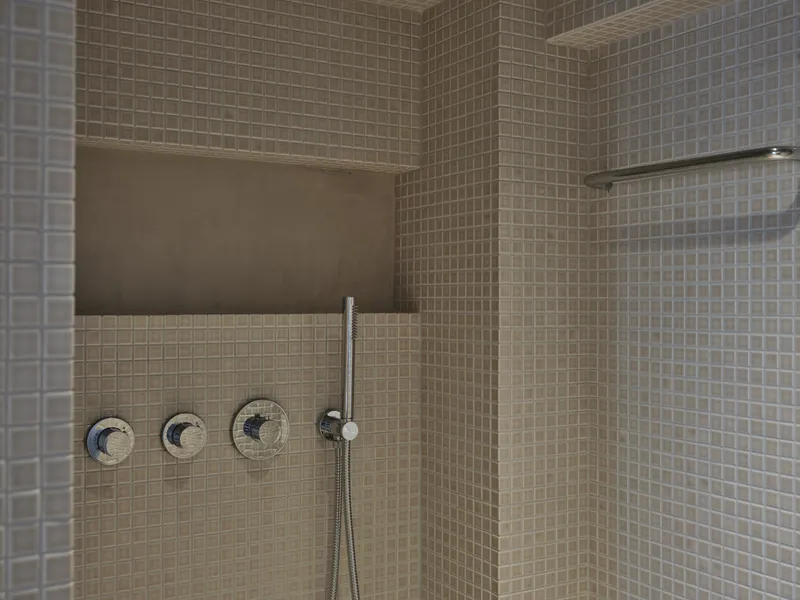
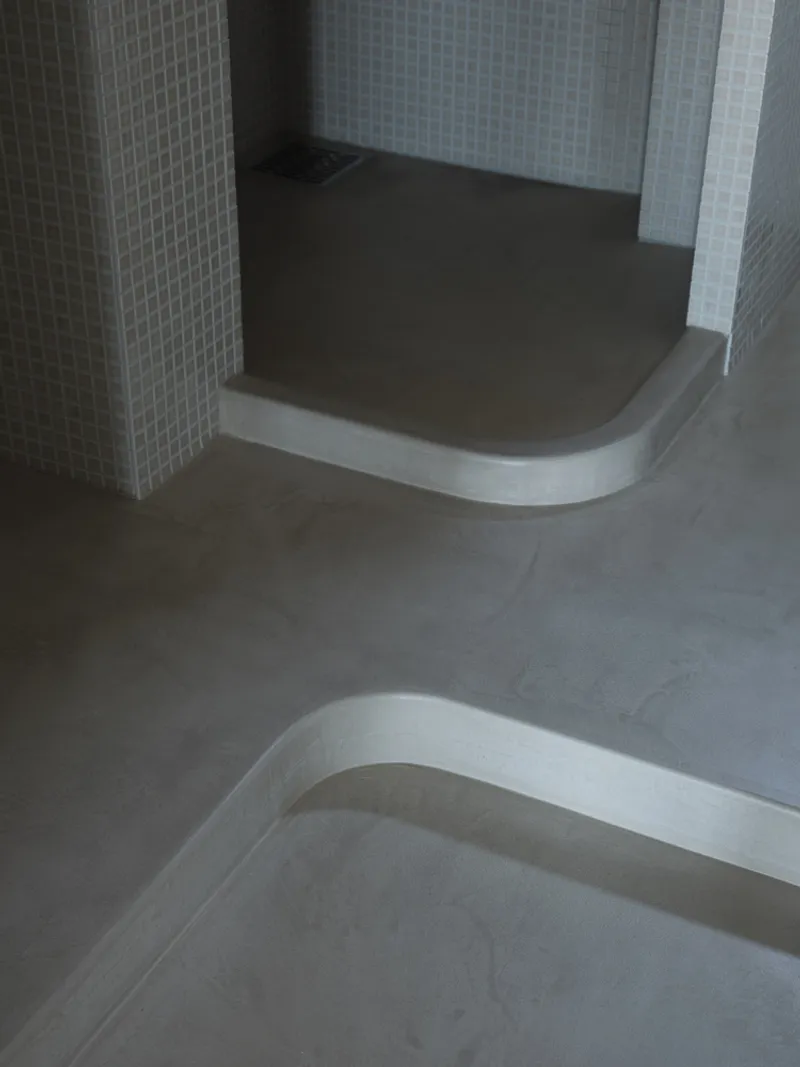
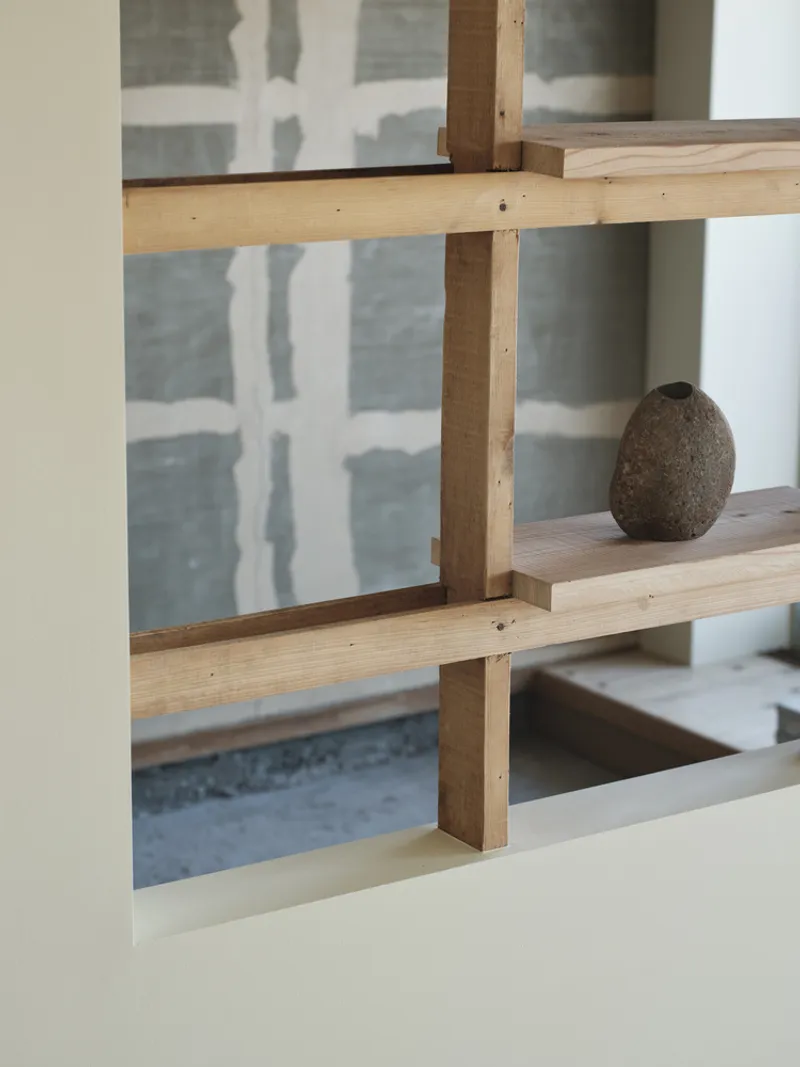
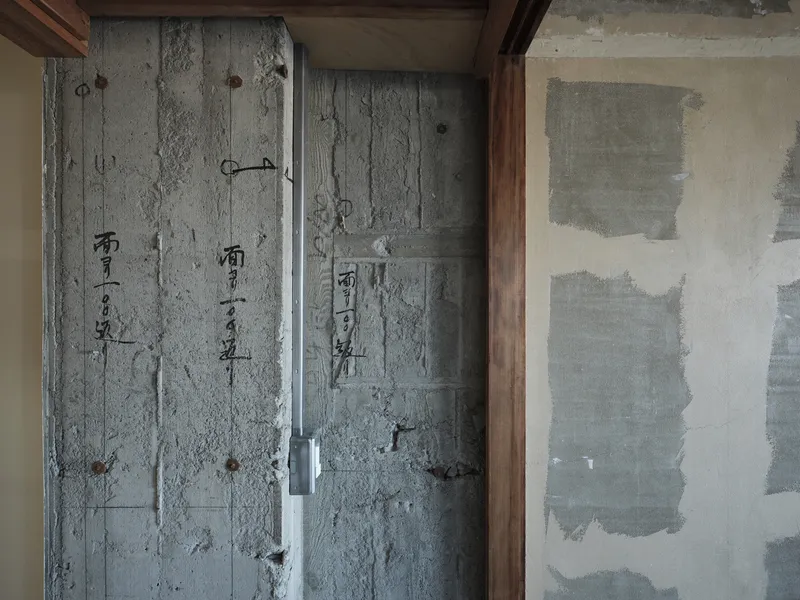
This residence shows how circular renovation architecture can address contemporary urban challenges—offering solutions that are cost-effective, low-impact, and rich in character. It challenges the idea that sustainability must compromise design quality and instead proposes a deeply textured, thoughtful alternative that celebrates continuity and innovation in equal measure.
All Photographs are works of Akira Nakamura



Popular Articles
Popular articles from the community


The Ocean Hive: Sustainable Architecture for a Self-Sufficient Civilization at Sea
The Ocean Hive imagines sustainable architecture at sea, where modular habitats, algae, wave power and ocean waste sustain a growing colony.

Hill & Cross Opera: Sculptural Opera House Architecture Shaped by Tallinn’s Landscape and Identity
Hill & Cross Opera reimagines opera house architecture in Tallinn through its sculptural hill, civic plaza, glass wave and a luminous cross.

Play: Fragments of Their World
Familiar architecture becomes modular playground design, creating safe spaces where displaced children can learn, connect, imagine and play.

Riyadh For All: Intergenerational Urban Design for Active Aging in Rabat
Riyadh For All reimagines urban design in Rabat with intergenerational co-living, adaptive courtyards, and Moroccan cultural exchange today.


Similar Reads
You might also enjoy these articles

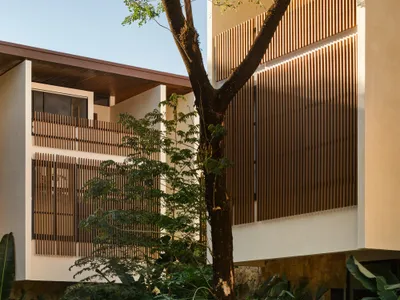
FAMM Arquitectura Organizes Ten Villas Around Courtyards and Jungle in Nosara, Costa Rica
El Molino pairs two elongated volumes with deep overhangs and timber louvers to build a compact coastal community five minutes from the beach.
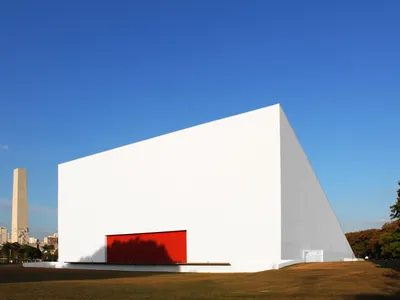
Oscar Niemeyer's Ibirapuera Park Pavilions Define São Paulo's Cultural Identity in Concrete and Curve
A constellation of modernist volumes set within São Paulo's most important urban park, conceived for the city's 400th anniversary in 1954.
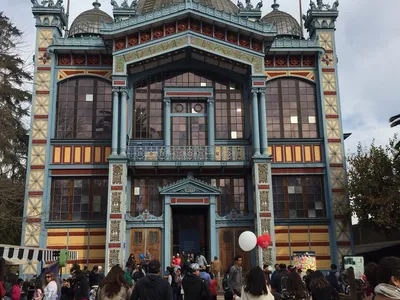
How Henri Picq's 1889 Paris Pavilion Traveled 11,000 Kilometers to Become Santiago's Artequín Museum
A prefabricated iron and glass pavilion built for the Paris Universal Exposition found a second life as a children's art museum in Chile.
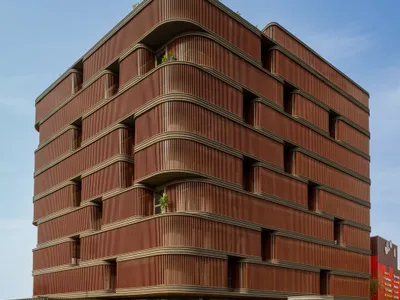
Sanjay Puri Architects Wraps a Jaipur Office Tower in Capsule-Shaped Green Buffers
A nine-level climate-responsive workplace near Jaipur Airport uses stacked planter terraces and aluminium screens to fight 40°C heat.


Explore Renovation Competitions
Discover active competitions in this discipline



Challenge to reimagine the Iron Throne


Photograph architecture without architects


Illustrate the lost glory of Angkor Wat - Render Challenge


Design challenge to reuse E-waste
Comments (0)
Please login or sign up to add comments
No comments yet. Be the first to comment!