
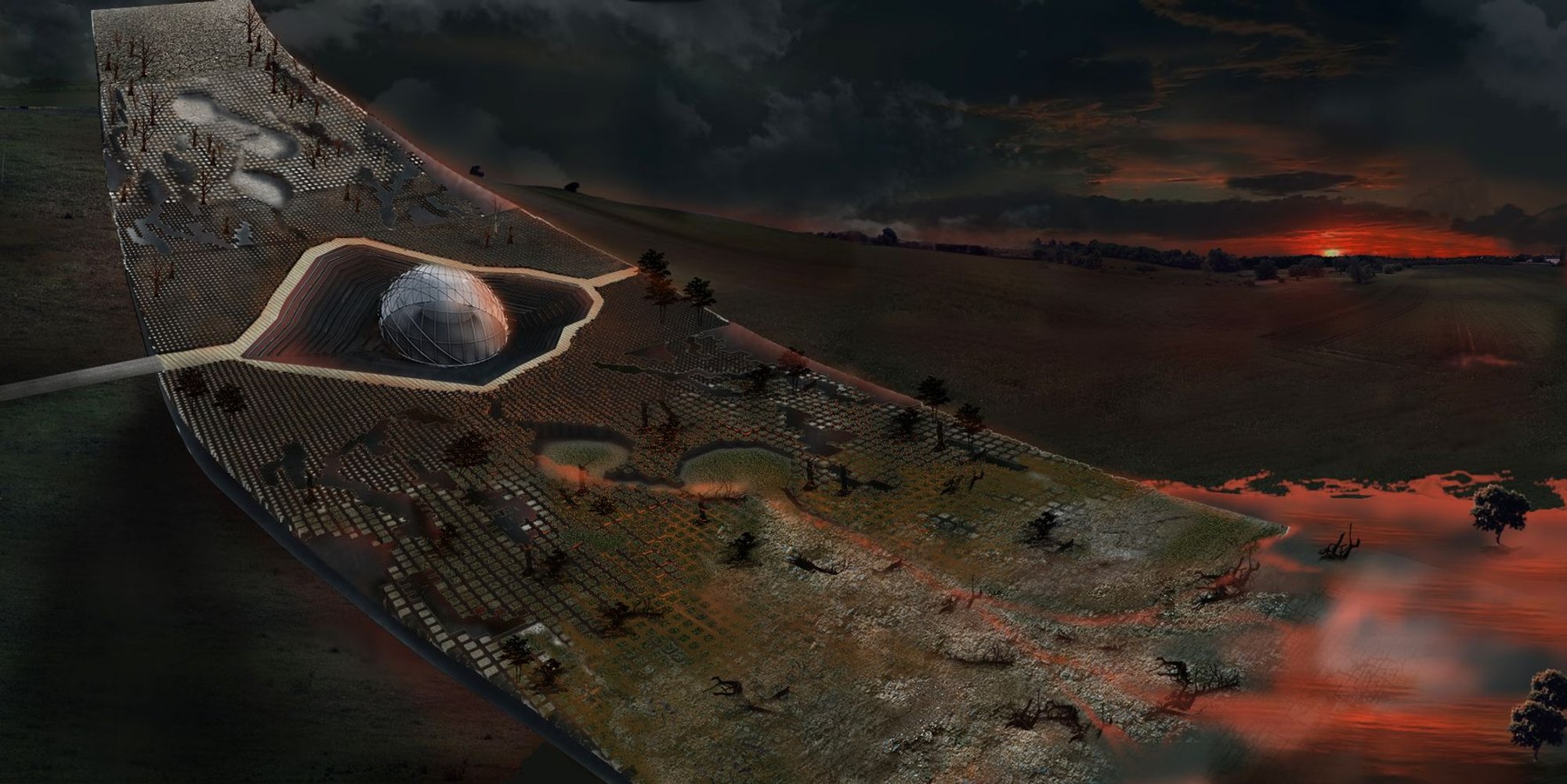
CLIMATE SEESAW: A BALANCING ACT IN CLIMATE-RESPONSIVE ARCHITECTURE
A kinetic installation in climate-responsive architecture that visualizes the irreversible impact of human-induced imbalance

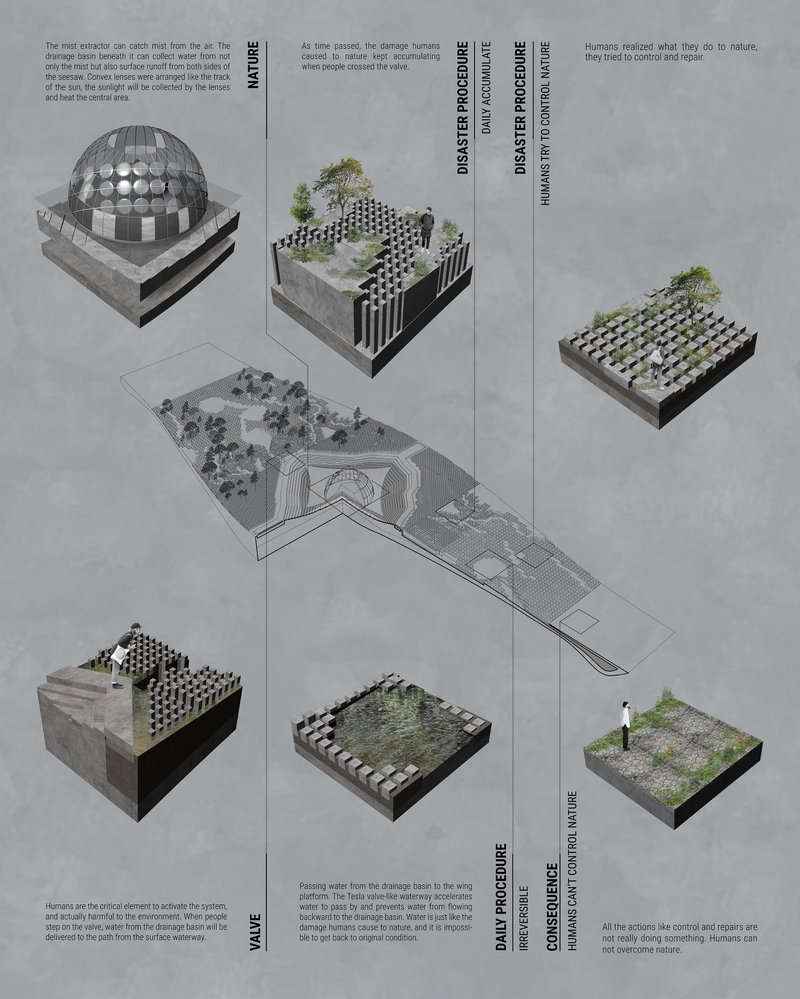
Extreme weather events are increasingly exposing the fragility of our climate systems. Climate-responsive architecture responds to this urgent challenge by integrating adaptive and ecological principles into spatial design. Climate Seesaw, a winning entry by Yu-Hsuan Lo, 楊佳儒 MArch-I-108, and YingChuang Yang in the Hourglass 2.0 competition, brings this concept to life through a compelling architectural metaphor.
The project centers around the idea of a seesaw—a platform that tilts as environmental imbalances escalate. Through this kinetic installation, the design emphasizes the tipping point of climate change. Drought, floods, and extreme weather events are no longer distant threats but interconnected crises influenced by human actions.
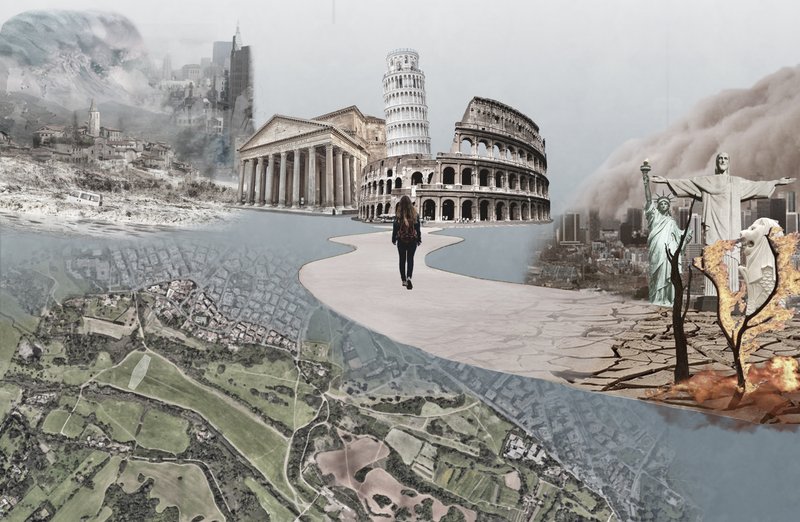
Italy serves as the geographical case study, where rising floods reflect broader climate instability. Despite being a tourism hotspot, the city silently bears the brunt of ecological imbalance.
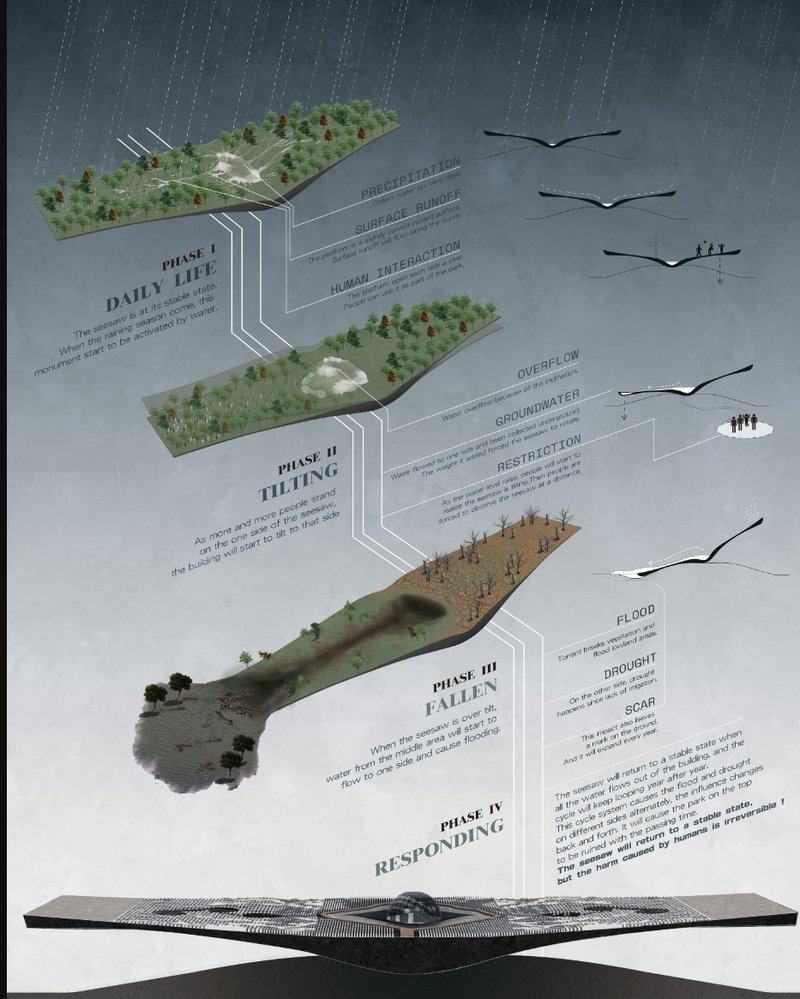
The architecture evolves in four phases:
- Daily Life – A balanced state symbolizing harmony with nature.
- Tilting – Human interactions and population pressure begin to destabilize the structure.
- Fallen – Excess water or drought overwhelms one side, creating disaster.
- Responding – The system attempts to restore equilibrium, but human-induced damage is irreversible.
Technologies like mist extractors, solar lenses, and drainage valves are incorporated to simulate nature-human interaction. Yet, the design makes a clear statement: while control systems may slow the decline, they can’t undo the consequences of decades of environmental neglect.
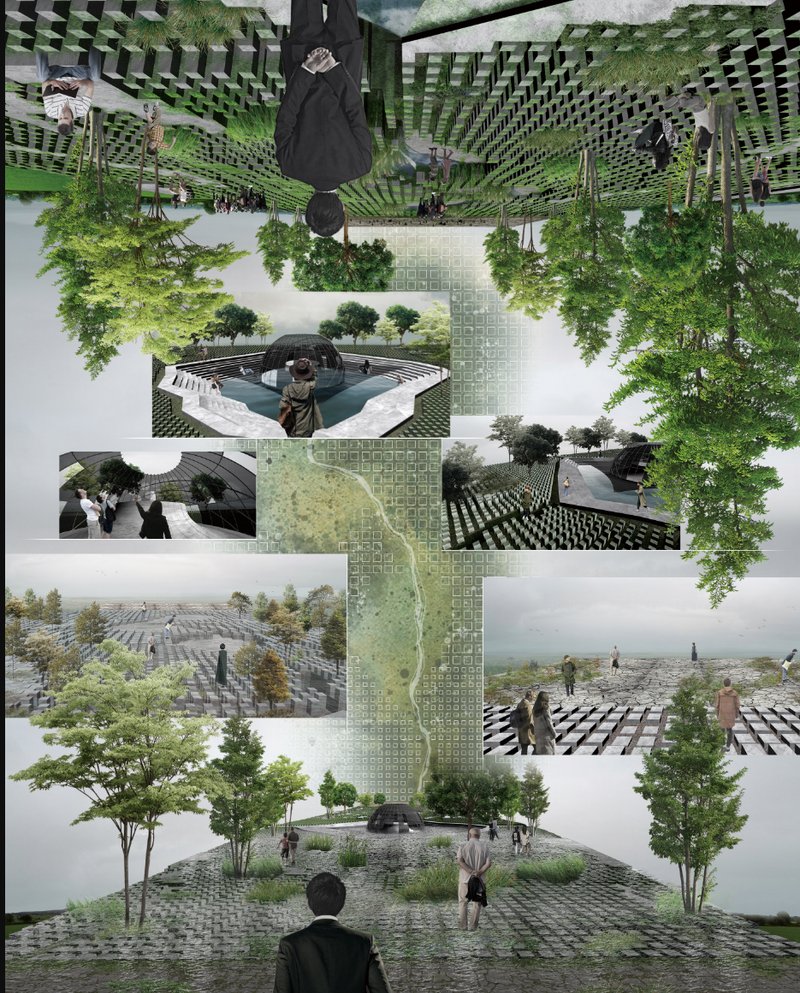
Climate Seesaw is more than a physical structure. It is a spatial narrative that critiques our dependency on control and our slow recognition of nature’s warning signs. By utilizing climate-responsive architecture, it calls for a profound reassessment of how we interact with our environment—not just through mitigation, but through coexistence.
Project by: Yu-Hsuan Lo, 楊佳儒 MArch-I-108, YingChuang YangAward: Winner, Hourglass 2.0 Competition



Popular Articles
Popular articles from the community


Solar Steam: A Climate-Responsive Architecture That Redefines the Monument
A climate-responsive memorial architecture that transforms heat, decay, and time into a living system reflecting humanity’s ecological impact.
Treehouse Apartment: A Warm Timber Interior Blending Craft, Play, and Contemporary Living
Warm timber apartment with integrated treehouse, combining natural materials, craftsmanship, and playful design to create a flexible, family-oriented living environment.
On the Brooks House by Monsoon Collective – A Contemporary Kerala Home Rooted in Tradition
Kerala home blending tradition and modernity with water-inspired design, brick architecture, courtyard planning, and sustainable rainwater harvesting strategies.
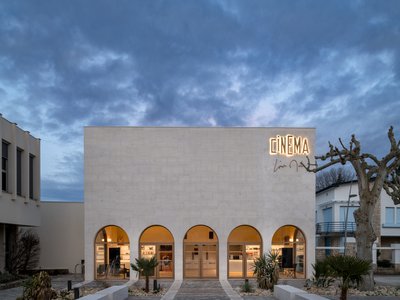
Louis Malle Cinema: A Limestone Cultural Landmark Revitalizing Community Life in Prayssac
Limestone cinema extension with public forecourt, blending heritage and modern design to create flexible cultural spaces and strengthen community interaction.


Similar Reads
You might also enjoy these articles


The Ken Roberts Memorial Delineation Competition (Krob)
As the most senior architectural drawing competition currently in operation anywhere in the world, it draws hundreds of entries each year, awarding the very best submissions in a series of medium-based categories.


Waterfront Redevelopment and Urban Revitalization in Mumbai: Forging a New Dawn for Darukhana
A transformative waterfront redevelopment project reimagining Darukhana’s shipbreaking heritage into an inclusive urban future.

OUT-OF-MAP: A Call for Postcards on Feminist Narratives of Public Space
Rhizoma Design and Research Lab invites artists, designers, architects, researchers, and students to reflect on how feminist perspectives can reshape public space. Selected works will be exhibited in Barcelona, October 2026. Submissions open until 15 April 2026.


Documentation Work on Buddhist Wooden Temple
Architectural syncretism and cultural hybridity: A comparative study of the Buddhist temples in Chattogram Hill tracks

Explore Public Building Competitions
Discover active competitions in this discipline




The Global Benchmark for Architecture Dissertation Awards

Challenge to design a portable theatre

Challenge to design locus for the upliftment of human rights

Challenge to design a portable music platform
Comments (0)
Please login or sign up to add comments
No comments yet. Be the first to comment!