
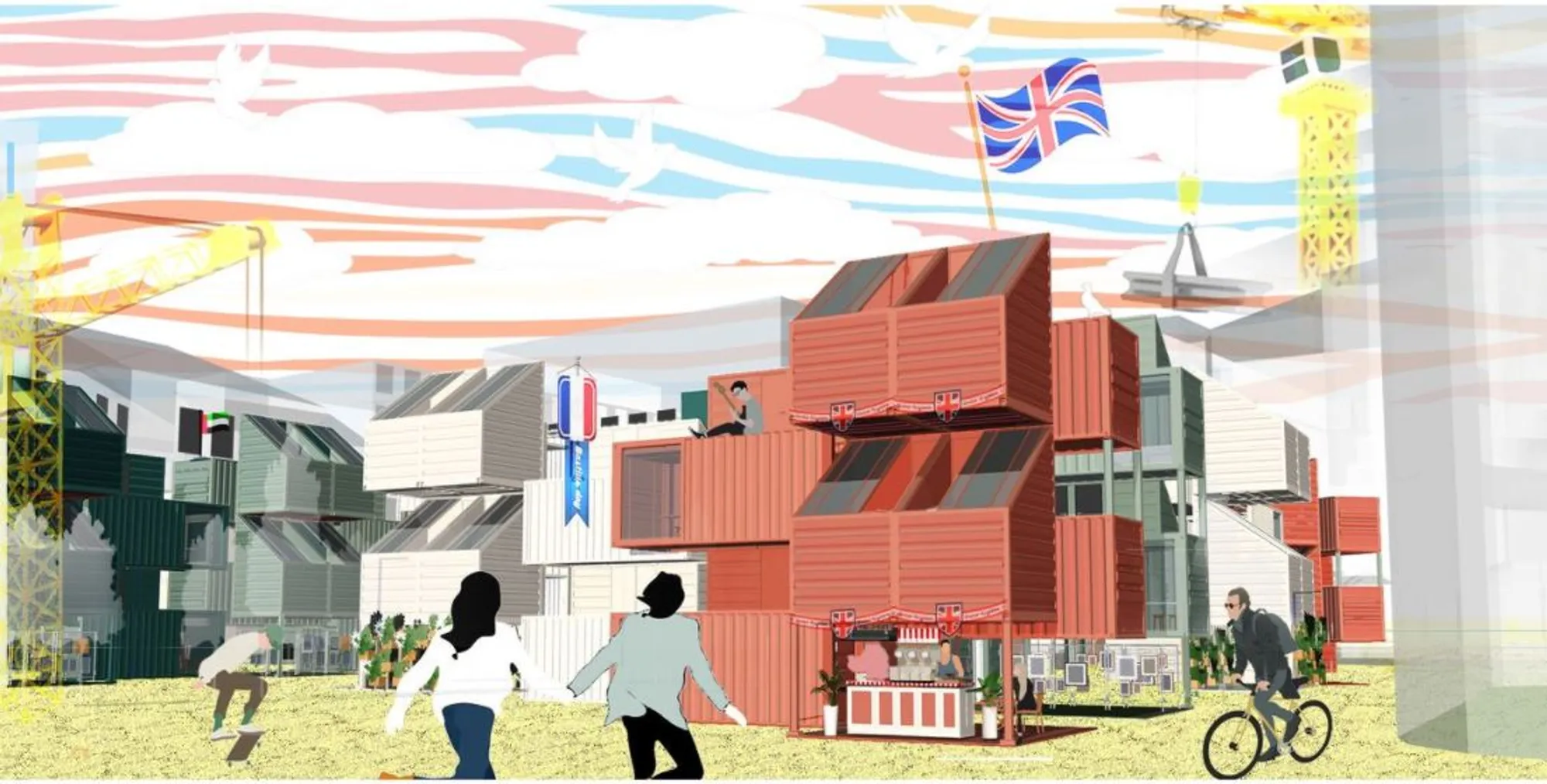
CO_TAINER LIVING
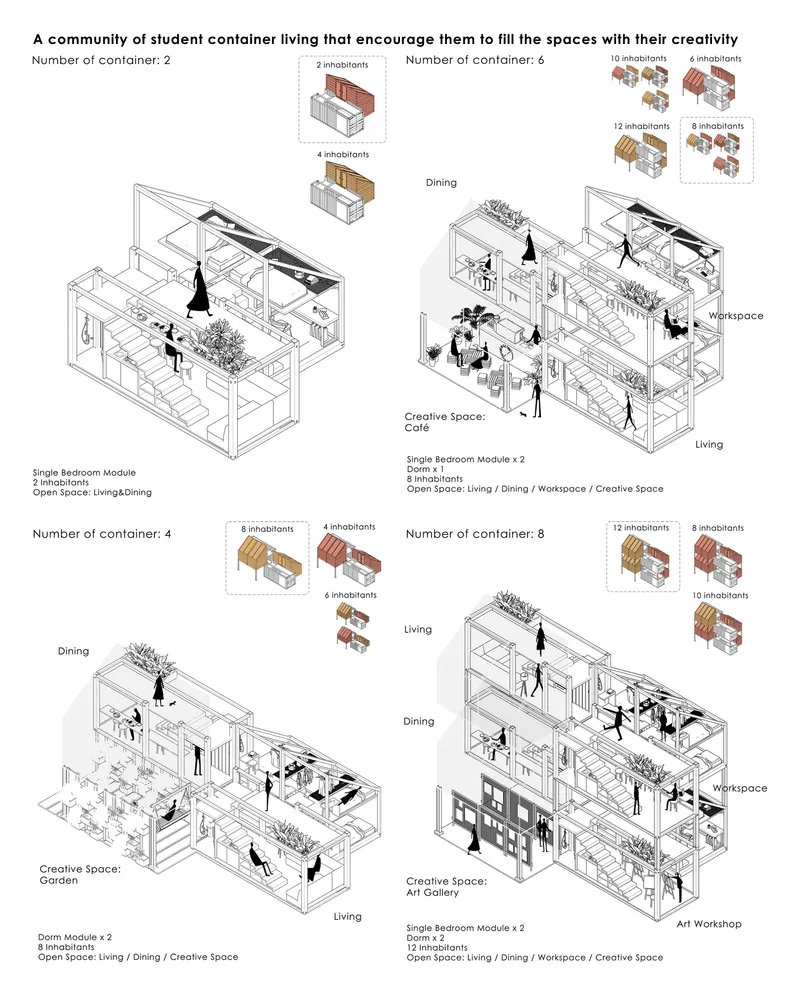
A community of student container living with creative open spaces that encourage students' talent and imagination to fill in - to add identity to each modular container living.

WHY UNITED KINGDOM?
UK has become one of the top destination to study with it’s revolutionary teaching styles and modern facilities. While London as a dense capital city also a center of university, the high rents are stopping many students from coming to the UK.
LONDON AS SITE
According to Centre for London - the capital’s think tank, there are still a numbers of unused and underused spaces although London does not have the problems of long-term dereliction that other cities are facing. This includes: empty commercial units, (re)development sites, slack spaces.
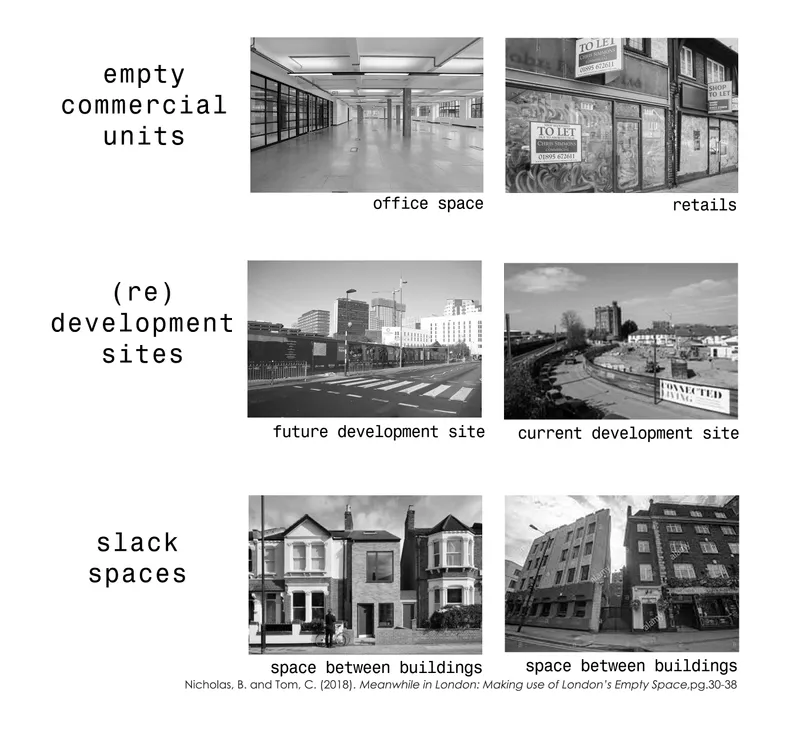
POTENTIAL SITE:(RE)DEVELOPMENT SITES
Development sites in London often found vacated for months or years before construction begins. And on larger sites, some parts remain empty until the last phase of development. The London Development Database (LDD) tracks sites that have been given planning permission across the capital. For 72 per cent of the sites that have been granted planning permission, for approximately 2,700ha of land, development has not yet started.
Meanwhile uses projects
To make use of this huge unused or underused spaces, Centre for London has seen meanwhile projects arise in the last decade. Meanwhile use is a loose designation for activities that occupy empty space, while waiting for another activity on site. They estimate that around 400ha of potential site area could be given to meanwhile uses.
While “slack space” has not been measured, and we wouldn’t want to demolish the existing commercial units nor be parked at the commercial units permanently, ever since the majority of meanwhile uses last between one and three years, with structures and incentives that need to be in place now, we would like our sites being scattered across the capital’s (re)development sites.
CONCEPT FORMULATION
Form Exploration
Inspired by shape of “home”
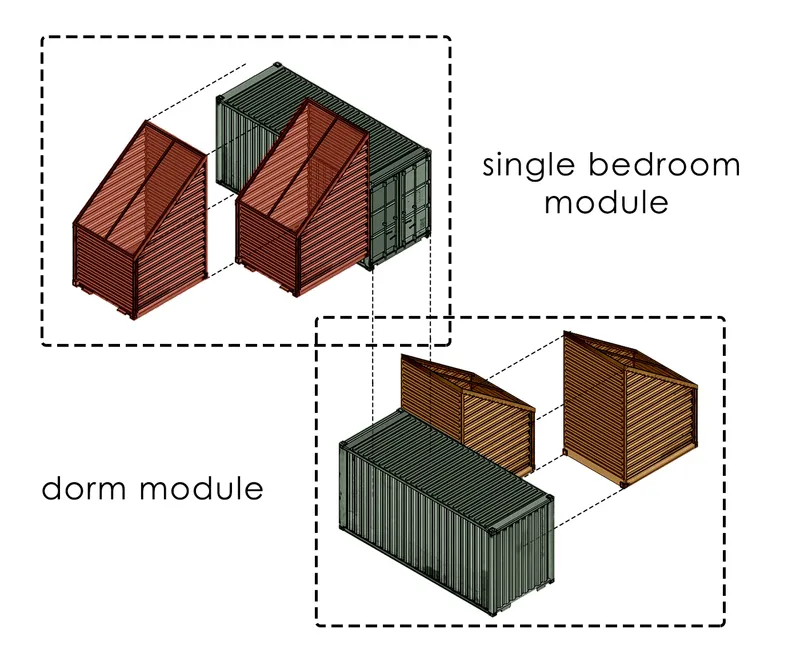
We first identify the private and public shared space of a student housing. Instead of having a common rectangular container as the basic module, we inspired by the shape of a home and cut the 20’x8’x8.6’ standard container into half with 2:3 ratio – it act as a single bedroom module or a dorm module. By spliting it into different level, we added a full 20’x8’x8.6’ standard container to act as a public shared space. To increase more private bedroom, we provide another cut container to form 1 basic module.
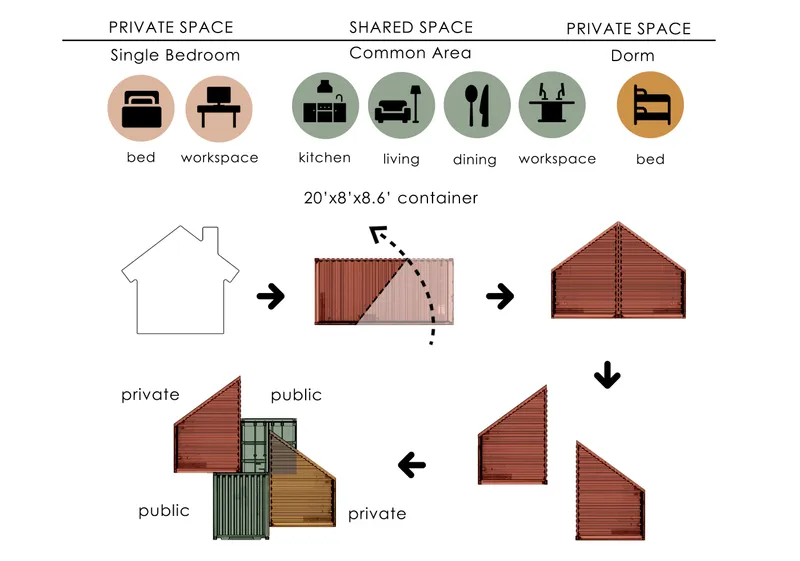
As a result, with two 20’x8’x8.6’ standard container and two cut container, we form 2 basic module of the modular housing.
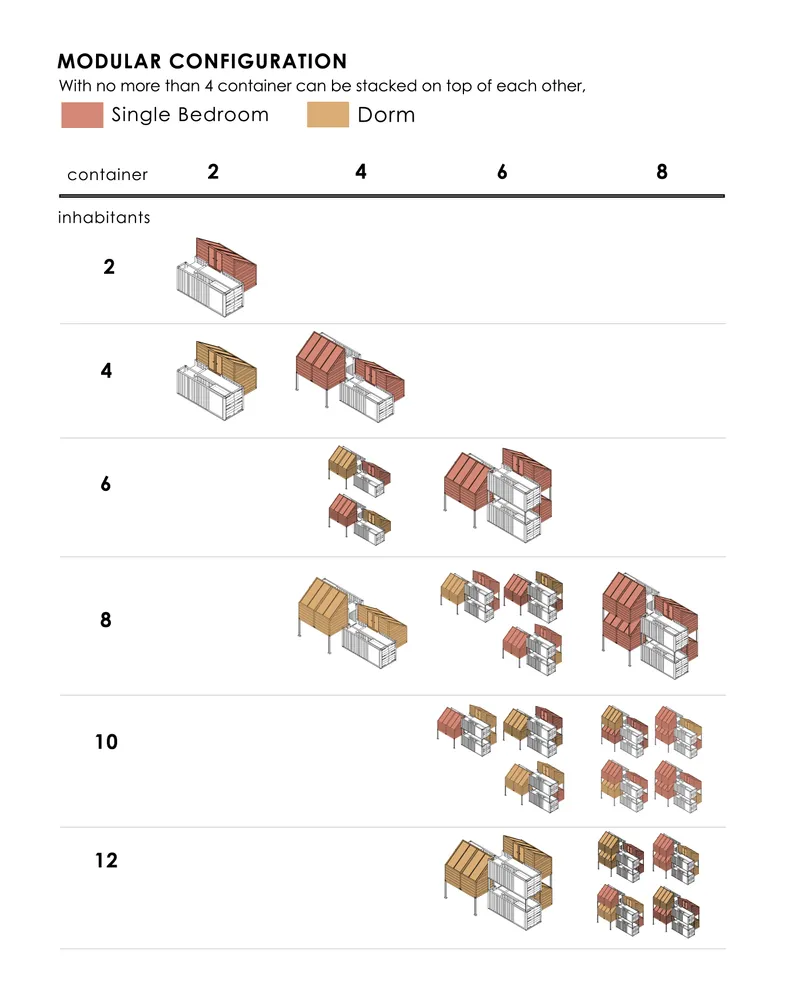
MODULAR CONFIGURATION
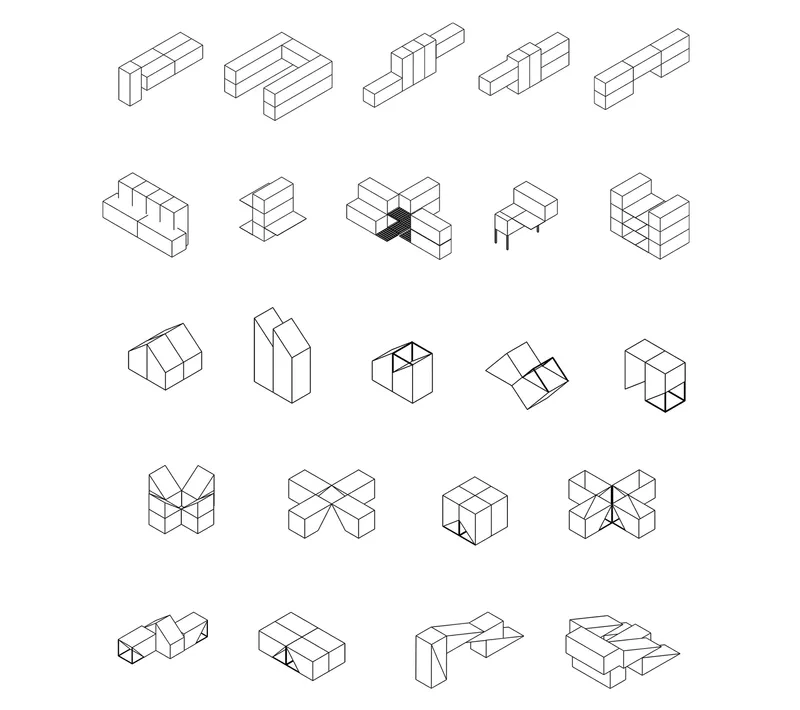
With no more than 4 container can be stacked on top of each other, we have 23 types of modular configuration. Each configurations encourage students to fill the spaces with their talents and imagination thus forming a vibrant student community.
 .
.


Popular Articles
Popular articles from the community


The Musturak Paradise: Senior Living Architecture for a Connected Future in Temara, Morocco
The Musturak Paradise reimagines senior living architecture in Temara via private homes, social spaces, culture, community, and shared care.

Conexión: Biophilic Design Reimagines High-Rise Living in Hong Kong
Conexión reimagines high-rise living in Hong Kong through biophilic design, green facades, shared spaces, daylight, water and nature within.

Riyadh For All: Intergenerational Urban Design for Active Aging in Rabat
Riyadh For All reimagines urban design in Rabat with intergenerational co-living, adaptive courtyards, and Moroccan cultural exchange today.

Co-Life: Senior Housing Design That Reconnects Older Adults With the City
Co-Life reimagines senior housing design through healing gardens, shared streets, workshops, and a sustainable community across generations.


Similar Reads
You might also enjoy these articles

Day and Night Park: A Time-Based Urban Newsstand in Beijing
A temporary urban newsstand in Beijing blending travel, light, and reading through poetic colors, compact form, and community-focused design.

Modernist Patio Renovation in El Masnou, Barcelona by Oliver Segura Arquitectura + Cebrià Arquitectura
Modernist patio renovation blending tradition and innovation with a movable pool, leveled floors, and Catalan materials in El Masnou.

Alto Residencial Coop: Cooperative Housing Development in Santiago de Compostela by Carbajo Barrios Arquitectos
A linear cooperative housing complex blending white volumes and perforated metal façades, enhancing community living, natural light, privacy, and urban integration.
Vil Genis School by BPA ARCHITECTURE – Massy, France
Vil Genis School in Massy, France, features sustainable design, south-facing classrooms, community integration, accessible spaces, and modern educational architecture.


Comments (0)
Please login or sign up to add comments
No comments yet. Be the first to comment!