
Coastal City Transformation: Exploring the Dynamic Relationship Between Water and Land Reclamation
Can Land Reclamation Shape the Future of Coastal Cities and Their Relationship with Water?

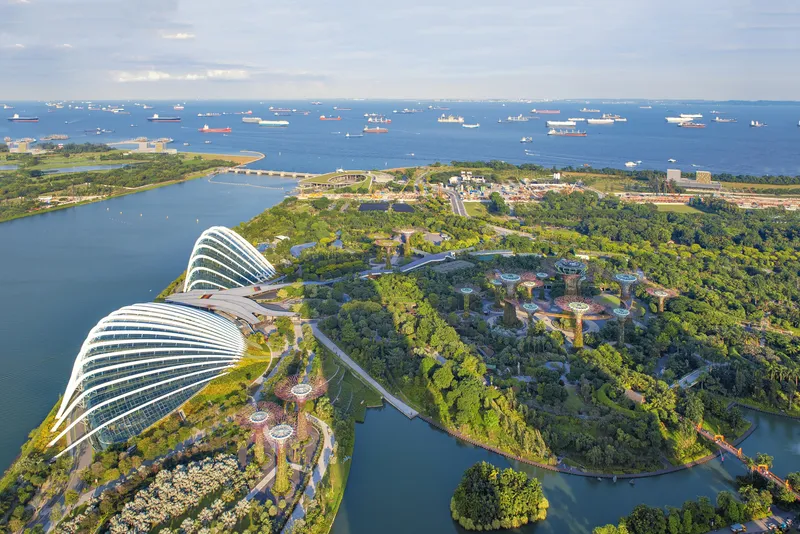
In the realm of coastal development, land reclamation from the sea has emerged as a prominent phenomenon. With the ever-increasing demand for land in coastal areas, this practice has gained popularity as a preferred solution, serving a variety of purposes such as flood control and agricultural expansion. Today, it has become an urban response to the rapid urbanization, economic growth, and population surge experienced globally. Notably, countries like China and the Netherlands have taken the lead in reclaiming vast areas of land. However, it is worth noting that most of the ongoing reclamation projects are concentrated in urban centres of the global south, where they serve as economic catalysts for commercial industries and opulent residential developments.
Yet, the intricate interplay between the design and production of reclaimed lands and the response of oceanic waters is a complex matter. While land reclamation relies on a symbiotic relationship with water bodies for stability, it can also trigger natural forces when imposed on the sea without careful consideration. Various oceanic behaviours, including tidal accumulation, sea level rise, wetland connectivity, and aquatic biodiversity, can significantly impact the success or failure of land reclamation projects in different contexts.
Throughout history, land reclamation has been practised using diverse methods tailored to specific settings. Traditional approaches involved enclosing shallow waters with dikes, enabling the drainage of these enclosures to create dry land. A notable example of this can be seen in the Zuiderzee project in the Netherlands, where dams were built into the North Sea to reclaim land for housing the growing population in the 1900s. In modern times, more concrete practices, such as deep cement mixing directly in oceanic environments and the construction of sea walls, have gained prevalence. The Sino-Singapore Tianjin Eco-city in China stands as a remarkable example, with its large-scale reclamation project resulting in 6.2 miles of reclaimed land that accommodates housing, industrial facilities, and port infrastructure, effectively boosting urban growth and economic development.
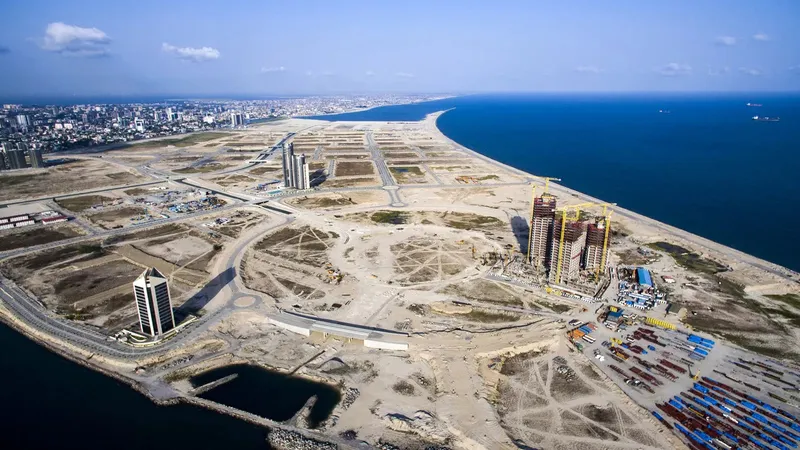
However, it is crucial to acknowledge that coastal reclamation, despite its benefits to cities and the evolution of its methods, inevitably alters the structure and behaviour of ocean environments. Studies have shown that reclamation can modify the profile shape, bed slope, and sediment grain size of these environments, subsequently influencing local tide dynamics such as amplitude, asymmetry, and tidal currents. When natural ocean currents are obstructed, water finds alternative paths, often intensifying wave action and tides, leading to significant shifts in directions and increased force. This fundamental aspect of water's response to land reclamation shapes the outcome, environmental impact, and long-term sustainability of such projects.
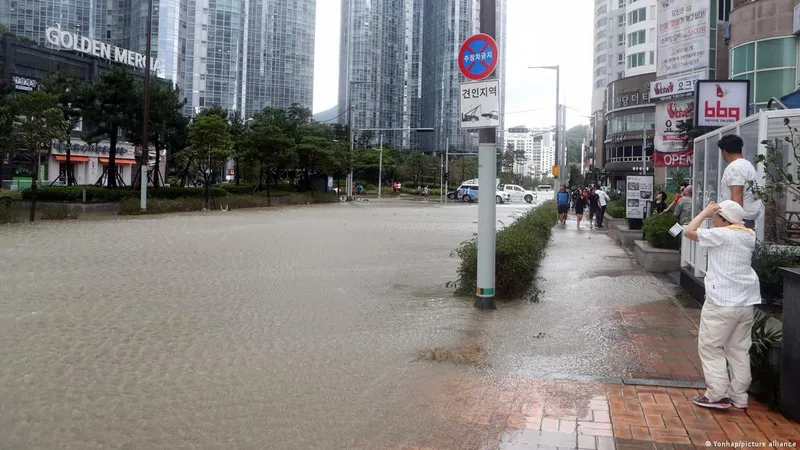
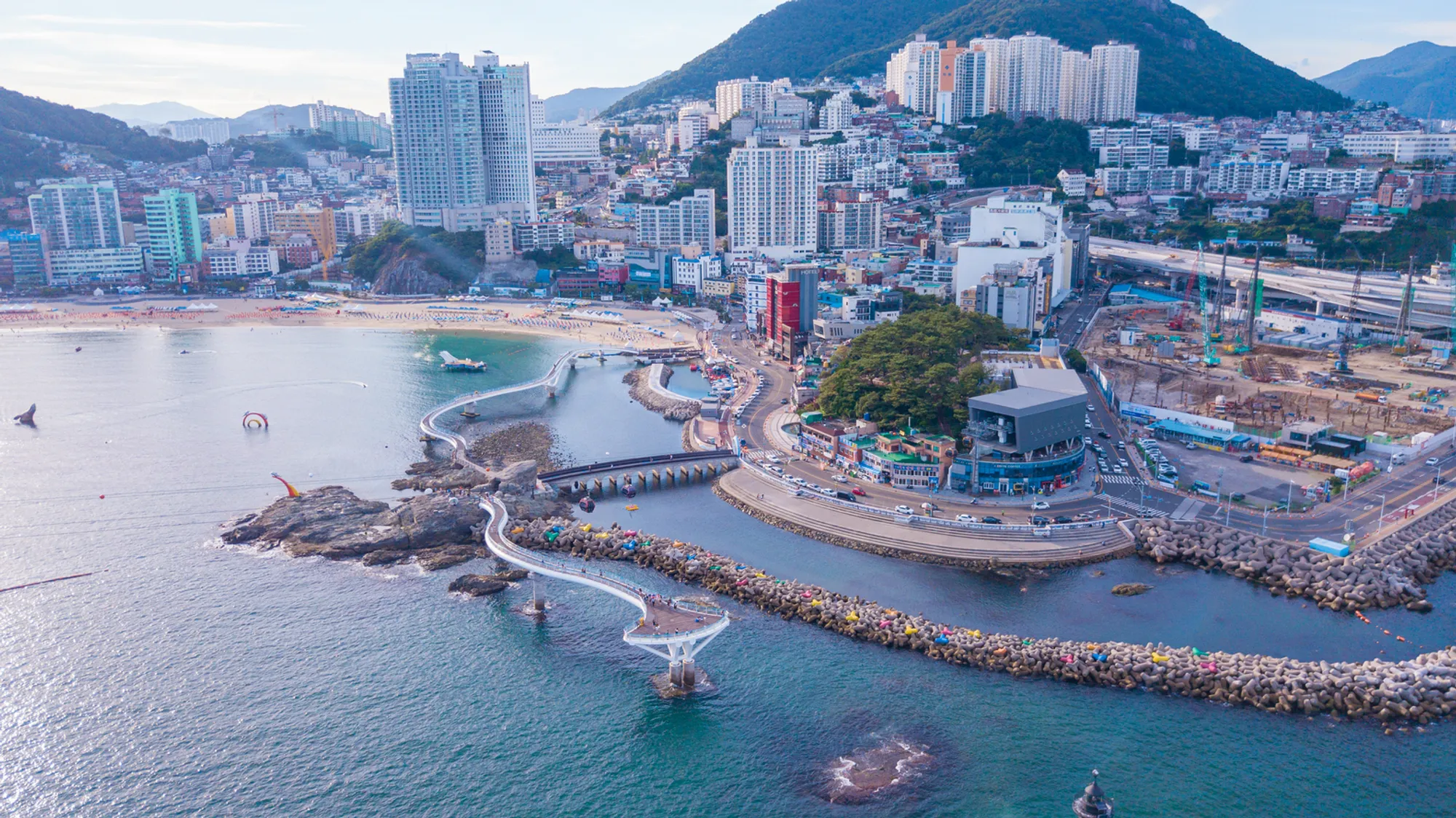
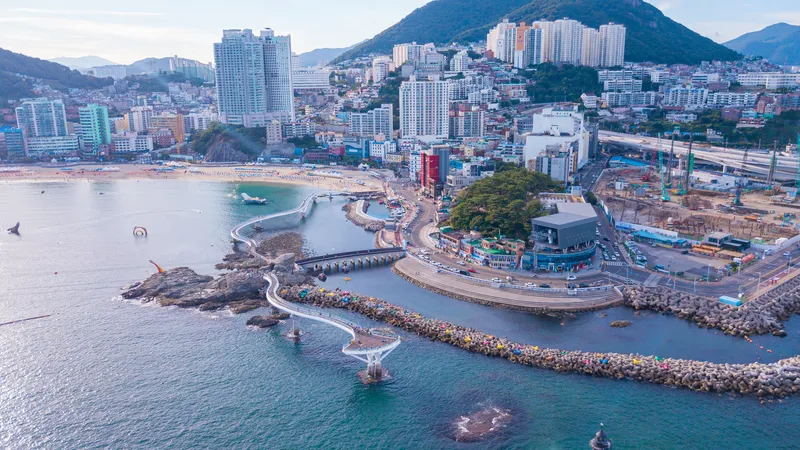
Examining specific cases provides valuable insights into the effects of land reclamation. For instance, Busan, South Korea's marine city, emerged as a result of extensive coastal reclamation. Surrounded by seawalls on all sides, the city faces the sea on three fronts and boasts luxurious high-rise residences. However, this ambitious project not only altered the coastline but also introduced vast amounts of concrete and asphalt into the ocean, leaving the city more susceptible to severe storms and rising sea levels. Over the past decade, Busan has experienced a series of typhoons that breached the seawalls, resulting in flooding on its streets.
Similarly, the Eko Atlantic City in Lagos, Nigeria, was conceived as a reclamation project aimed at protecting the cultural capital from flooding, erosion, and rising sea levels. By dredging nearby ocean floors and reclaiming 10.2 kilometres of land facing the Atlantic, the project aimed to create a sustainable urban solution. However, this ambitious endeavour also had unintended environmental consequences. The elimination of wetlands, which previously served as a natural buffer between coastal areas and the ocean.




Popular Articles
Popular articles from the community

How Henri Picq's 1889 Paris Pavilion Traveled 11,000 Kilometers to Become Santiago's Artequín Museum
A prefabricated iron and glass pavilion built for the Paris Universal Exposition found a second life as a children's art museum in Chile.

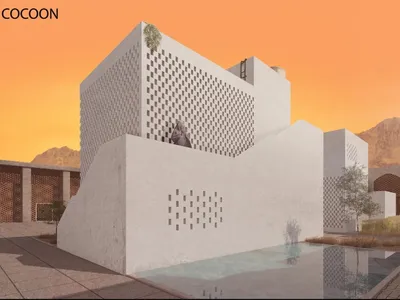
A Reinforced Cocoon: Vernacular Architecture for Security, Healing and Community in Qandahar
A Reinforced Cocoon reimagines Afghan vernacular architecture as secure community space for widowed women, families, healing and resilience.
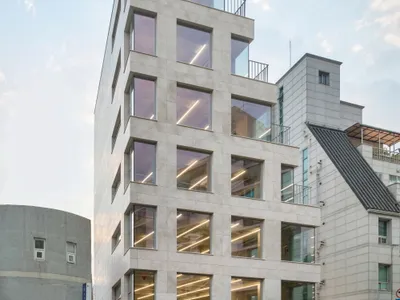
Simplex Architecture Steps a Seoul Mid-Rise Tower to Negotiate Between Low-Rise Commerce and High-Rise Housing
In Seocho-dong, a gridded stone tower of terraces and sunken courtyards mediates between two radically different urban scales.
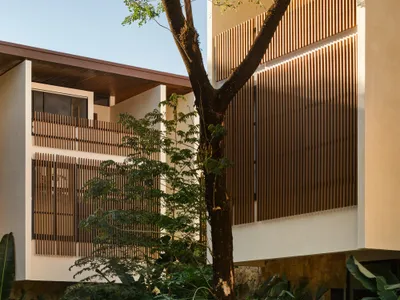
FAMM Arquitectura Organizes Ten Villas Around Courtyards and Jungle in Nosara, Costa Rica
El Molino pairs two elongated volumes with deep overhangs and timber louvers to build a compact coastal community five minutes from the beach.


Similar Reads
You might also enjoy these articles
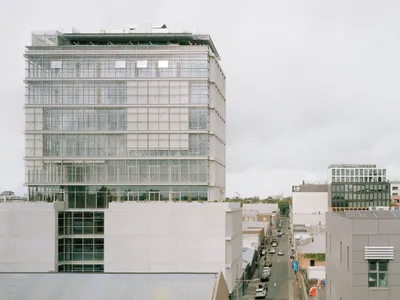
116 Rokeby Building, Collingwood
Sustainable Collingwood office building featuring double-skin façade, natural ventilation, rooftop amenities, and carbon-neutral design focused on wellbeing and longevity.
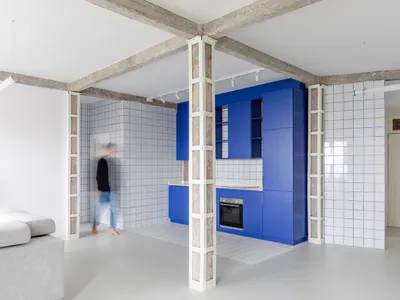
Contemporary Apartment Renovation in Spain: RV House by BIAN Opens Up to the Sea
A minimalist 1930s apartment in Santander is transformed into a flexible, sea-facing home through contemporary Spanish renovation.
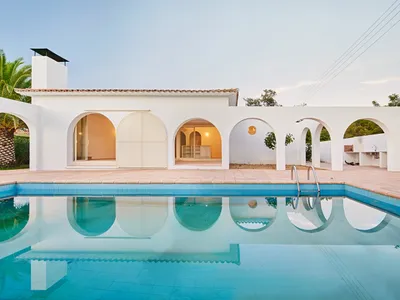
3 Marías House: A Contemporary Mediterranean Courtyard Retreat by Bajet Giramé + Burckhardt
Mediterranean courtyard home blending traditional architecture with modern design, terracotta flooring, flexible interiors, sustainable climate strategies, and garden integration.
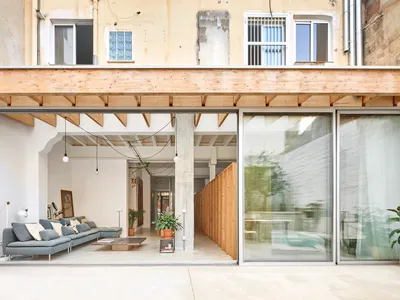
NZ10 Apartment by auba studio: Adaptive Reuse in Palma de Mallorca
Adaptive reuse apartment transforms bakery into light-filled home with patios, privacy layers, and wood interiors enhancing urban living experience.


Explore Architecture Competitions
Discover active competitions in this discipline




The International Standard for Design Portfolios


The Global Benchmark for Architecture Dissertation Awards


The Global Benchmark for Graduation Excellence


Challenge to reimagine the Iron Throne
Comments (0)
Please login or sign up to add comments
No comments yet. Be the first to comment!