

CoExist
Wildlife Awareness Visitor Centre

A catastrophic vast decline in the percentage of wildlife animals is happening in recent years. No doubt that human beings are the major reason leading to this circumstance regarding the overhunting, over-harvesting and the large scale of construction. These human activities are affecting the natural habitats for wildlife and even robbed the resources that supposedly shared with wildlife on earth. The reason behind these circumstances is lack of wildlife awareness.
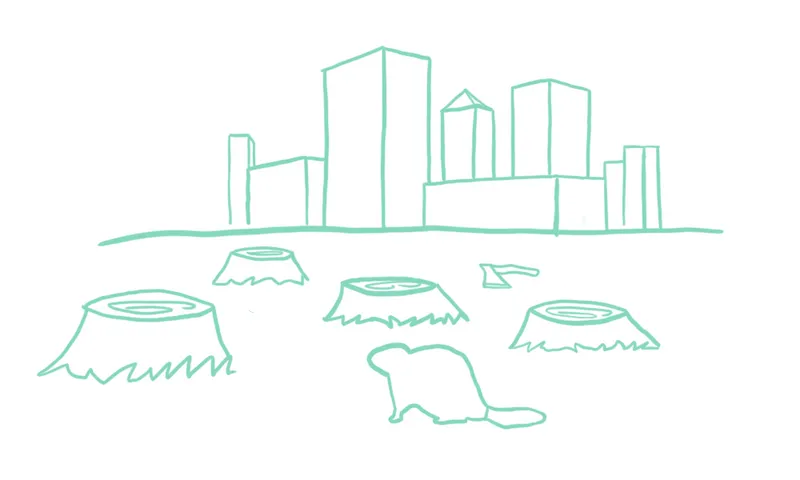 Deforestation to build...
Trees, as the medium of bonding between human-beings and wildlife, play an essential role in reconciling the bonding between them. In fact, trees as the nature habitats and resources for living elements for both human and wildlife are facing the vast decline of percentage. Nevertheless, the number of wildlife living percentages is also catastrophically facing the same predicament.
In order to restore the connection between human and wildlife, we must raise the awareness of wildlife and fight against deforestation by planting trees.
In our project, we aim to design a wildlife awareness visitor centre with the reforestation scheme.
 The formula of the concept
The concept behind the project
Our design concept is levitating the architecture body in order to imitate the wildlife bridge for accommodating the visitor centre and avoid disturbance of the original wildlife habitat at the same time. The design intentions are mostly concerning the fauna and flora, therefore we attempted to flourish and implement trees which originated from the site to cater the needs of the wildlife of the site. We studied the flora information of the site area, especially the tree species. The tree species are applied to our project, including aspen trees, red spruce and young maple trees.
Trees are important for animals in wildlife, since the trees can provide food for a variety of wildlife animals. The green and sugary layer beneath the thin and white outer layer of the young aspens can provide food for moose, black bear, beaver, porcupine, ruffed grouse and rodents during the hard winters.
 Tree as a part of the wildlife

Wood and Trees
The material mainly used in this project is wood, which are local materials and similar to vernacular architecture in the site surrounding. As the design concept is inspired by trees, it is easy to observe that the plan of the project is in circular forms which makes them look like the tree truck. In terms of the inspiration of trees, the wildlife awareness centre spreads knowledge and raises people’s awareness whilst the trees flourishing on the roof top are sending to the rest of the city, these are just like trees seed grows and spreads.
Design of the spaces
Since there are connection bridges between each function space, from outdoor to semi-open space and indoor space. The visual connections from each function space are made between the solid and void which can stimulate one’s curiosity and encourage visitors to explore. The journey begins from the visitor centre to exhibition space and then library. The void ahead from the position of entrance will draw the attention to the glass wall greenery space which also leads people to explore the exhibition spaces. The exhibition spaces are separated into four zones, “the relationship of human and trees”, “The deforestation”, “How to reconcile” and “Interactive Workshop”. Once people enter the exhibition area, they will be attracted to the void of each space by seeing part of each exhibition space.
 Different type of spaces
 Visual connection through glazed wall into other areas (dotted arrow) to draw one's attention, inviting one to explore and find their way (solid line)
Visitors can observe the trees that flourished on the rooftop from the centre in an unusual point of view. This design can provide a special experience for the visitor since we seldom observe trees from this point of view.
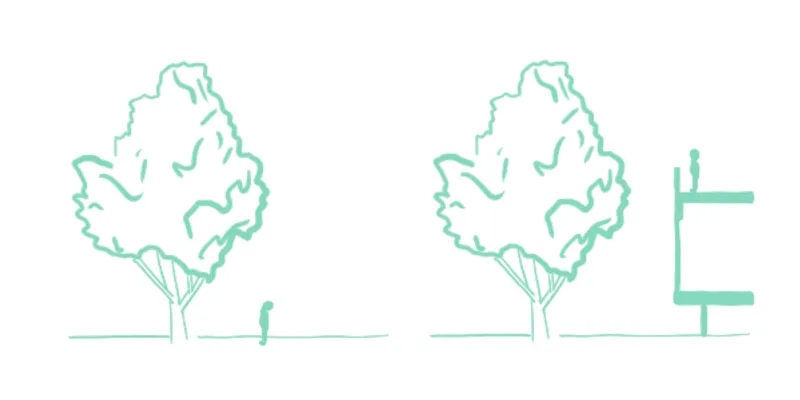 Visitors to observe from a different point of view
Design and choose of trees
There are three tree species applied to our project, they are aspen trees, red spruce and young maple trees. Numerous Red Spruce will be planted surrounding the centre, it is a common species in White Mountain National Forest. They are tall in height, it can form a forest around our centre and help integrate our centre to the natural habitat.
On the other hand, numerous young red maples will be planted on the rooftop for the reforestation scheme. The red maples create a seasonal skin for the wildlife centre with various colour in different seasons, they turn from green to yellow and then red in summer, autumn and winter to spring respectively.
While aspen trees grow all the time, people can enjoy viewing the aspen in four seasons. Based on this characteristic, Aspen trees will be planted in the middle of some spaces for viewing purposes, for example, visitor centre, exhibition space and library.
Future planning
Coexist with wildlife can be interactive. We aim to plant trees to grow forest and provide the needs for the animals, in the meanwhile, provide a medium for visitors to appreciate the aestheticism in natural habitat and raise their awareness of wildlife. The young red maple that flourished on the rooftop will be spread to other parts of the city to achieve the reforestation scheme.

Popular Articles
Popular articles from the community


The Amber Palace Opera: A Geological Fiction Surfaces on Tallinn's Baltic Waterfront
Pierre Brillard reimagines a Baltic legend as a public landscape, opera house, and waterfront promenade rooted in Tallinn's coastal identity.
Tsunami Convergenics: Turning Catastrophic Ocean Forces into Underwater Housing Infrastructure
A speculative underwater settlement off the coast of Onagawa, Japan, treats tsunamis and typhoons as energy sources rather than threats.

Singing Woman: An Opera House That Performs Before the Curtain Rises
Ovidiu Cristian Pavel's conceptual opera house translates Estonia's choral identity into a sculpted waterfront landmark facing the Baltic Sea.
Temporary Home for Dogs: A Reversed Zoo Rethinks Animal Shelter Architecture
In Bucharest, a sinuous corridor and freed landscape flip the logic of containment, designing a shelter that works to make itself unnecessary.

Similar Reads
You might also enjoy these articles
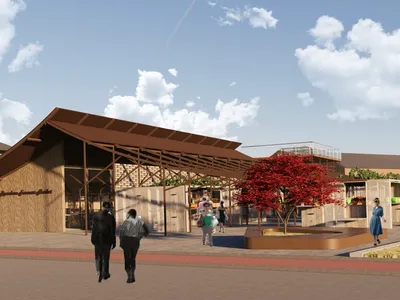
The Rhythm of Seasons
A Farmers' Market Connecting Nature and the City
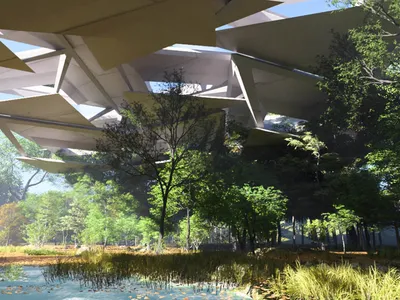

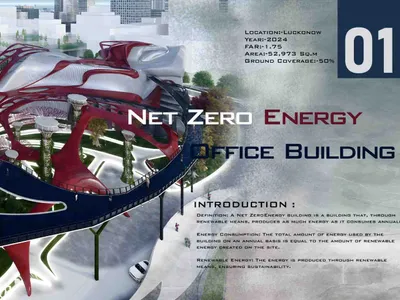
More Than a Building-Designing a Living System
More Than a Building-Designing a Living System
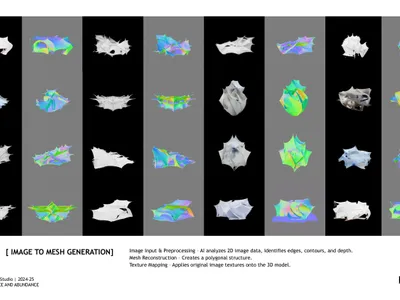
Base Beyond
DESERT COMPOUND ARID: TOURISM OF ABSENCE AND ABUNDANCE

Explore Experiential Architecture Competitions
Discover active competitions in this discipline


Challenge to reimagine the Iron Throne

Photograph architecture without architects

Illustrate the lost glory of Angkor Wat - Render Challenge

Design challenge to reuse E-waste
Comments (0)
Please login or sign up to add comments
No comments yet. Be the first to comment!