
Collective Housing Architecture in Argentina: A Case Study in Jesús María
The article explores an innovative collective housing project in Jesús María, Argentina, emphasizing sustainable design, functionality, and urban integration.


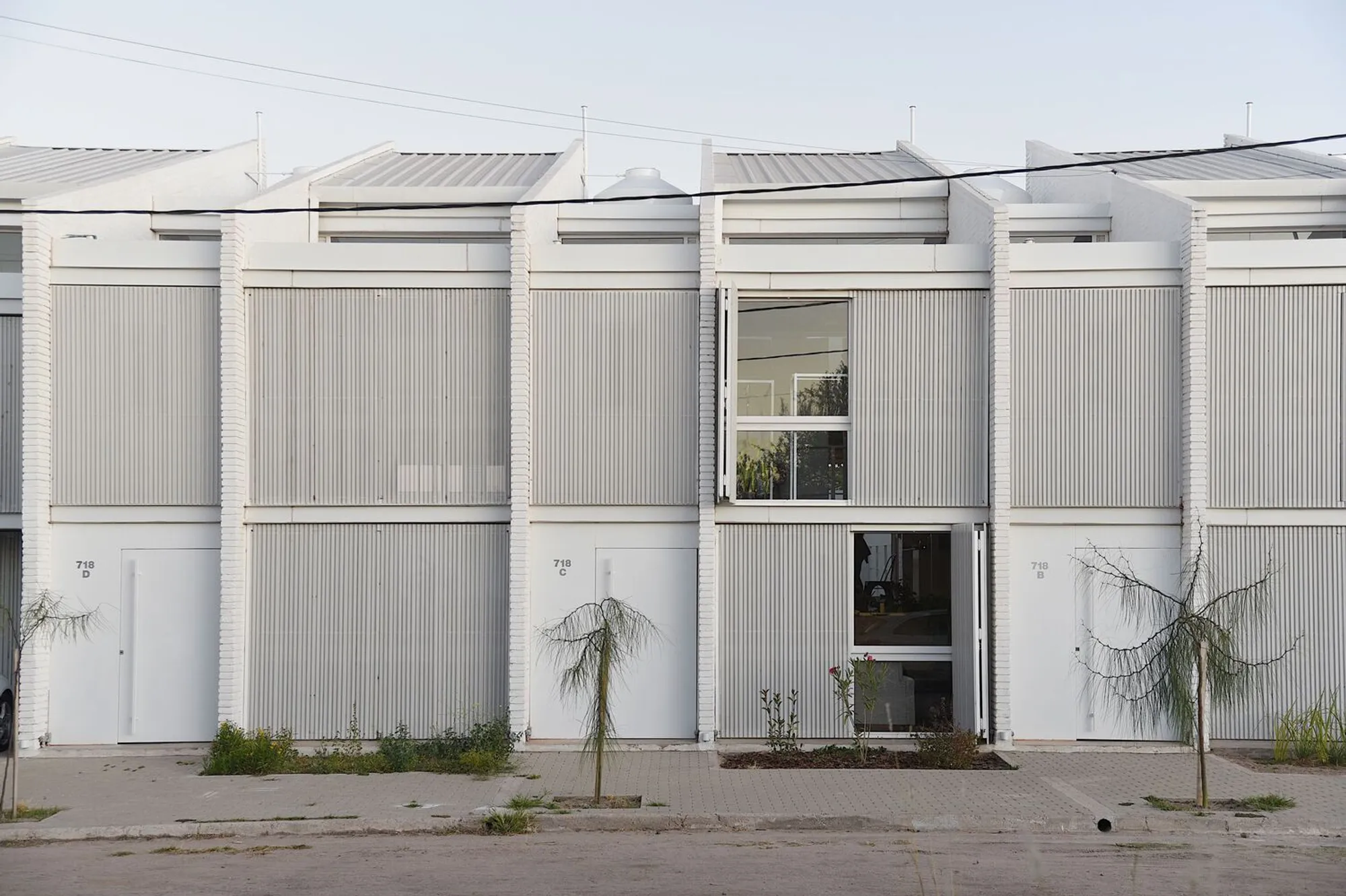
Collective housing is transforming the architectural landscape in Argentina, offering innovative solutions to urban challenges. Jesús María, a medium-scale city 50 km from Córdoba, is an excellent case study where Carranza Vazquez Arquitectos designed an exemplary housing project in 2021. This project demonstrates how architecture can balance modern demands with contextual and environmental considerations.
Project Overview: Collective Housing in Jesús María
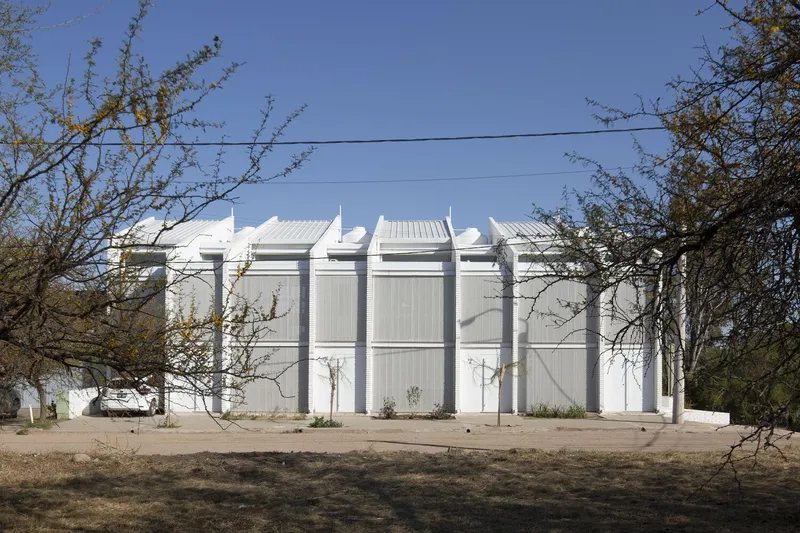
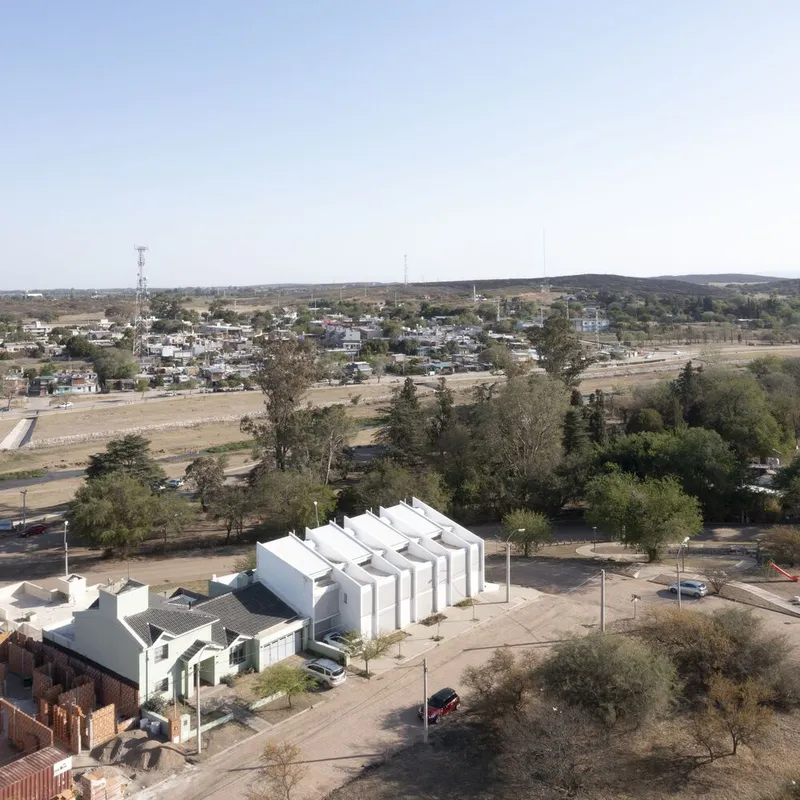
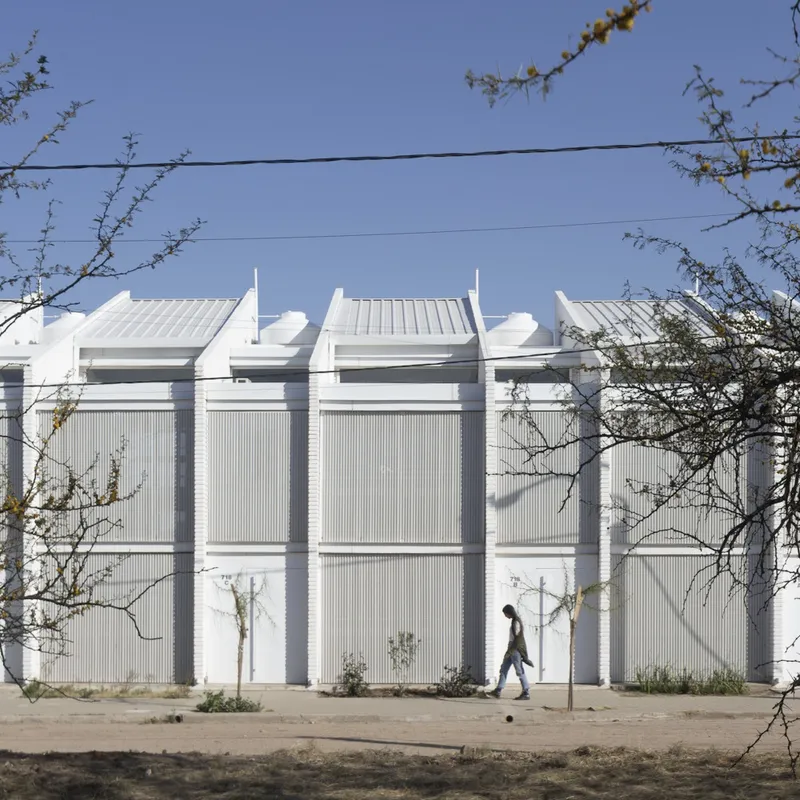
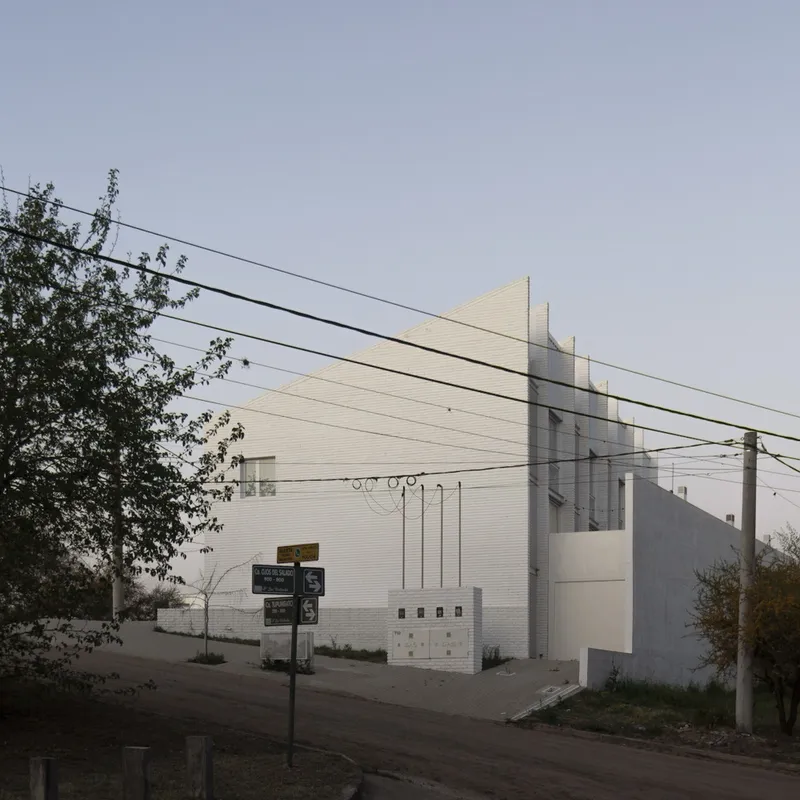
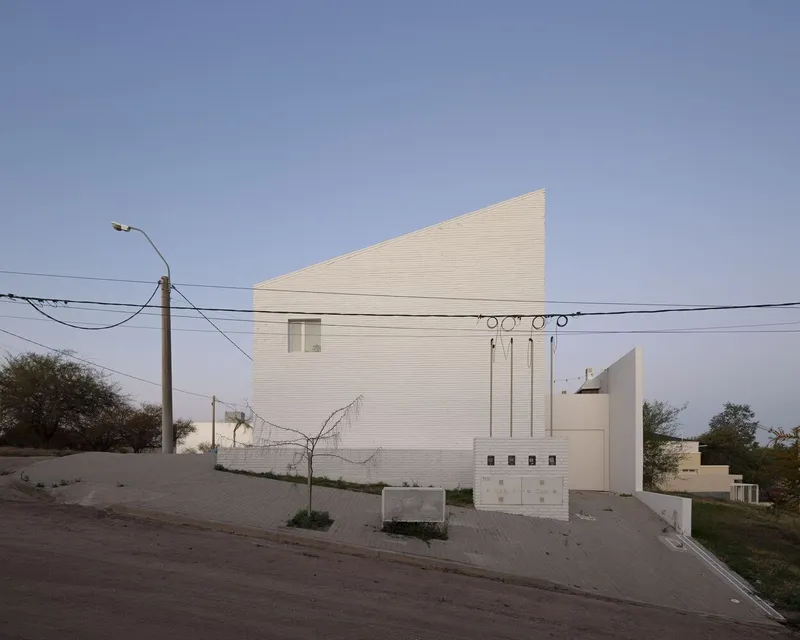
Located on a 420 m² corner lot, the project accommodates four housing units, each spanning 130 m². The design respects the natural slope of the site, situated in a region characterized by low-density urban development. With high demand for housing in Jesús María, the project represents a sustainable approach to maximizing limited urban land.
Adapting to Topography in Collective Housing Design
The architects utilized the site’s natural topography to create a layered design that integrates with its surroundings. The housing units are structured on half levels, preserving the original terrain and minimizing the impact on the natural soil. This approach ensures a harmonious blend with the surrounding urban fabric while optimizing the use of space.
Functional Layout and Space Optimization
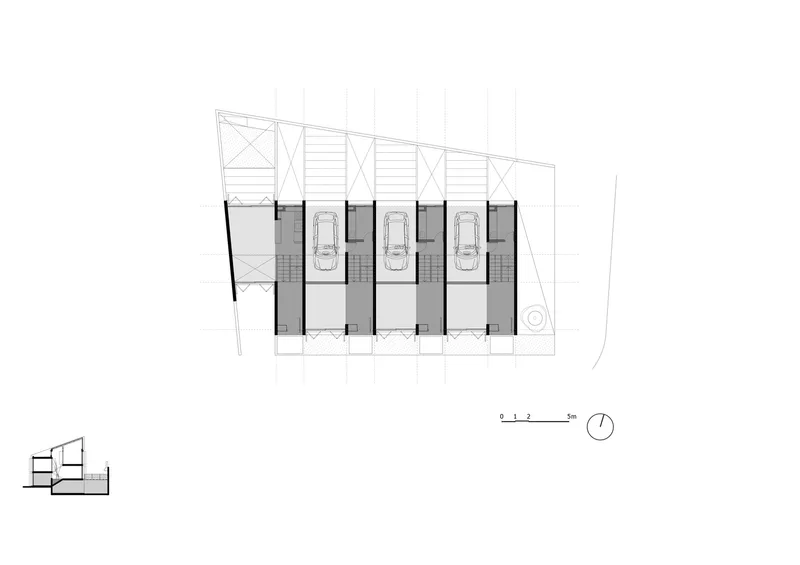
Each unit is organized into two programmatic strips:
- Service and Circulation ZoneHouses vertical circulations and essential services.
- Houses vertical circulations and essential services.
- Common and Private AreasIncludes living spaces and bedrooms, fostering functionality and comfort.
- Includes living spaces and bedrooms, fostering functionality and comfort.
The integration of half levels creates a dynamic spatial experience, offering privacy while maintaining connectivity.
Innovative Use of Materials and Construction Techniques
The project emphasizes simplicity and efficiency in construction. Key features include:
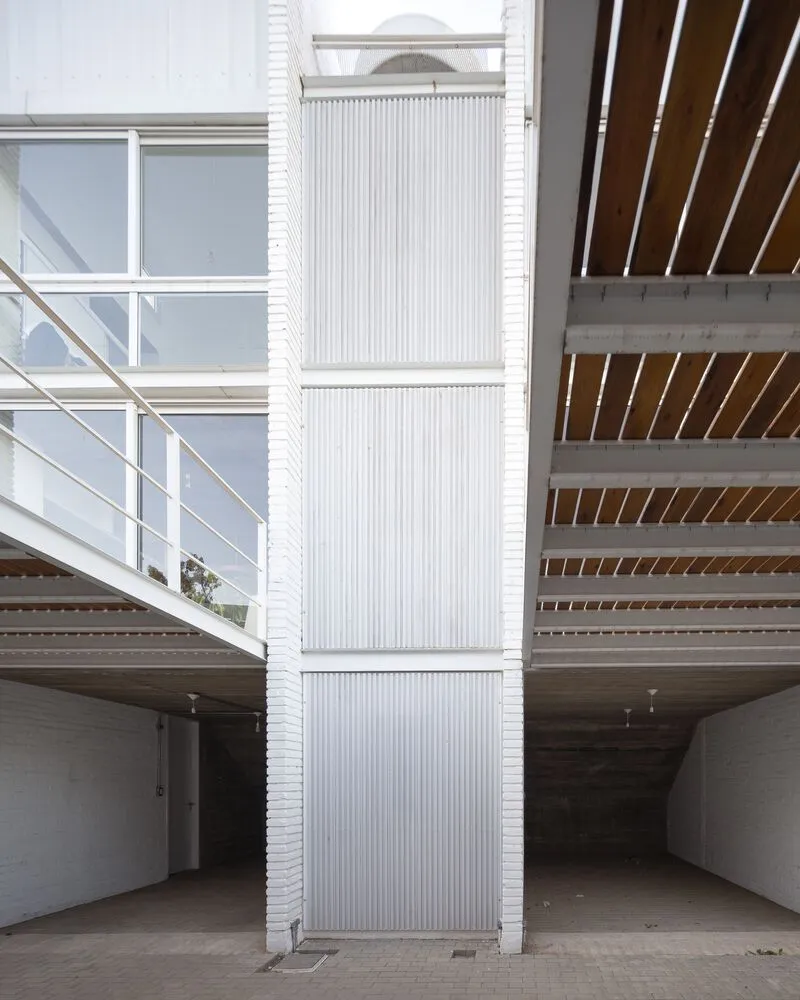
- Load-Bearing Brick Walls: These walls not only define spaces but also serve as structural elements.
- Reinforced Concrete Slabs: Used for spanning between supports, ensuring durability and stability.
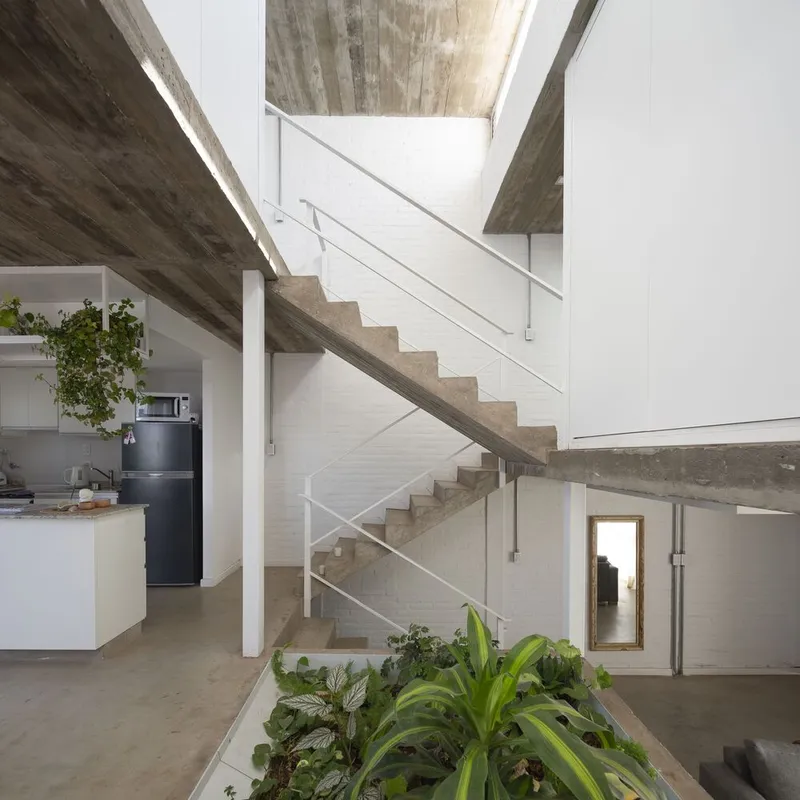
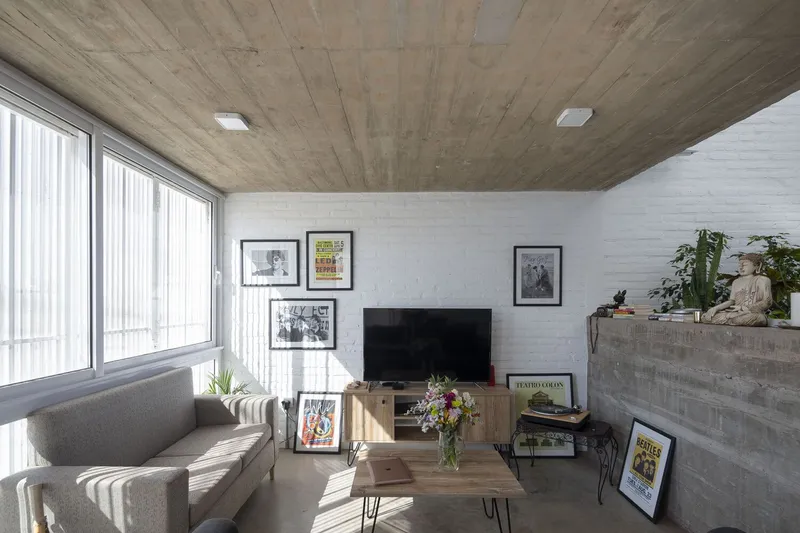
- Exposed Materials: The brick and polished concrete create a raw, modern aesthetic while reducing the need for additional finishes.
Sustainability in Collective Housing Architecture
This project demonstrates sustainable practices in design and construction:
- Minimal Soil Disruption: The design preserves the site’s natural contours.
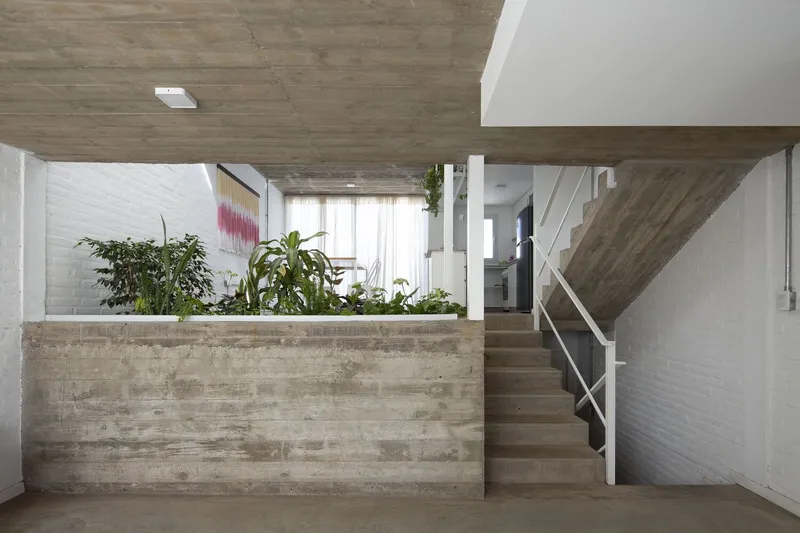
- Natural Ventilation and Lighting: Central voids with vegetation enhance indoor air quality and light distribution.
- Reconfigurable Spaces: Folding panels allow occupants to modify spaces based on their needs, enhancing the building’s longevity and adaptability.
Architectural Features Promoting Community Living
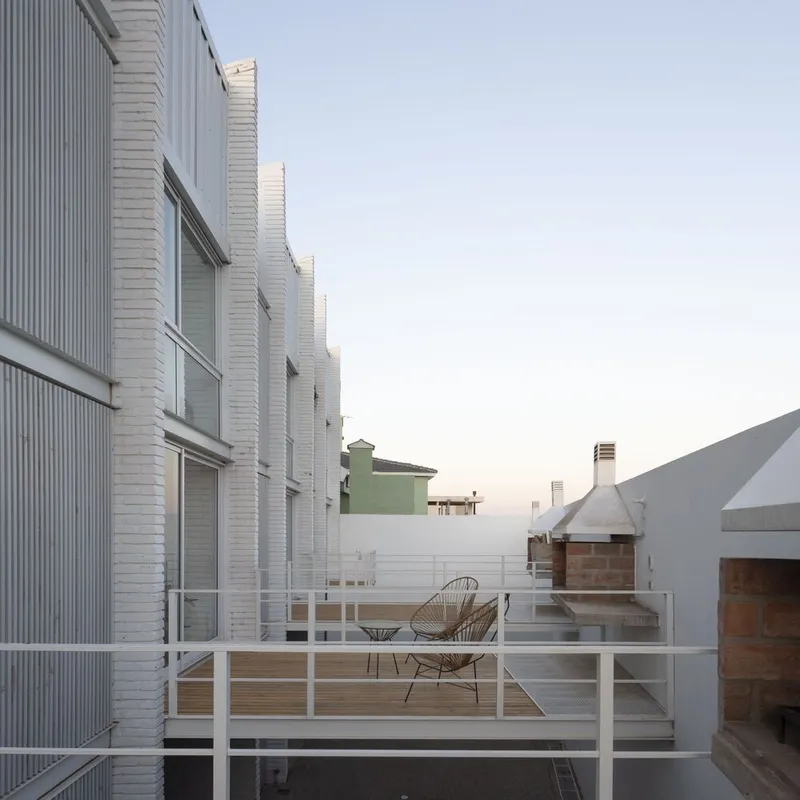
The project fosters a sense of community through shared and private spaces. Covered voids connecting the levels incorporate greenery, bridging the indoor and outdoor environments. This design encourages social interaction while providing personal retreat areas, striking a balance between collective living and privacy.
Impact on Local Housing Dynamics
The Jesús María collective housing project challenges the traditional lot-by-lot housing model prevalent in the region. By introducing a multi-unit approach, it provides a scalable and efficient housing solution that meets modern demands while respecting the city’s historical and cultural context.
Carranza Vazquez Arquitectos' work in Jesús María exemplifies the potential of collective housing architecture in Argentina. By leveraging innovative design, sustainable practices, and efficient material use, the project addresses urban housing challenges while blending seamlessly into its environment. As cities like Jesús María grow, projects like these set a benchmark for future developments.
All photographs are work of Javier Agustín Rojas




Popular Articles
Popular articles from the community


Hill & Cross Opera: Sculptural Opera House Architecture Shaped by Tallinn’s Landscape and Identity
Hill & Cross Opera reimagines opera house architecture in Tallinn through its sculptural hill, civic plaza, glass wave and a luminous cross.

Riyadh For All: Intergenerational Urban Design for Active Aging in Rabat
Riyadh For All reimagines urban design in Rabat with intergenerational co-living, adaptive courtyards, and Moroccan cultural exchange today.

Conexión: Biophilic Design Reimagines High-Rise Living in Hong Kong
Conexión reimagines high-rise living in Hong Kong through biophilic design, green facades, shared spaces, daylight, water and nature within.

The Earth Pod: 3D Printed Homes for Resilient Refugee Communities
The Earth Pod reimagines refugee housing through 3D printed homes made from clay, combining resilience, self-sufficiency, and rapid shelter.
Similar Reads
You might also enjoy these articles


Hodi-Mandai Geram
Project Function: Preservation and revitalization of the Intangible heritage and socio-spatial identity of the Hodi by Housing, Cultural Memory Center, Sacred Grove, landscape, local tourism economy


Olio Towers: A Mid-Rise for Performers That Fuses Housing, Rehearsal, and Stage
Located blocks from Houston's Theater District, this modular tower stacks living units around a central performance atrium.

Oasis: Modular Green Housing Carved into Dhaka's Urban Fabric
A shortlisted Plugin Housing entry reclaims unauthorized settlements in Dhaka with stepped concrete volumes, green roofs, and ventilation-driven design.

Black Hole: A Floating Megastructure for the Post-Physical Era
Emiliano Mazzarotto envisions a spherical, self-scaling arena where e-sports, digital hotels, and holographic stadiums replace traditional public space.


Explore Latin American Houses Competitions
Discover active competitions in this discipline



Challenge to reimagine the Iron Throne


Photograph architecture without architects


Illustrate the lost glory of Angkor Wat - Render Challenge


Design challenge to reuse E-waste
Comments (0)
Please login or sign up to add comments
No comments yet. Be the first to comment!