

Community-Based Housing Design: The Machikado Project by Plan 21 in Kagamigahara, Japan
A community-driven housing project in Japan reimagines urban living through shared gardens, collective space, and traditional design wisdom.


A New Approach to Neighborhood Living Inspired by Traditional Settlements
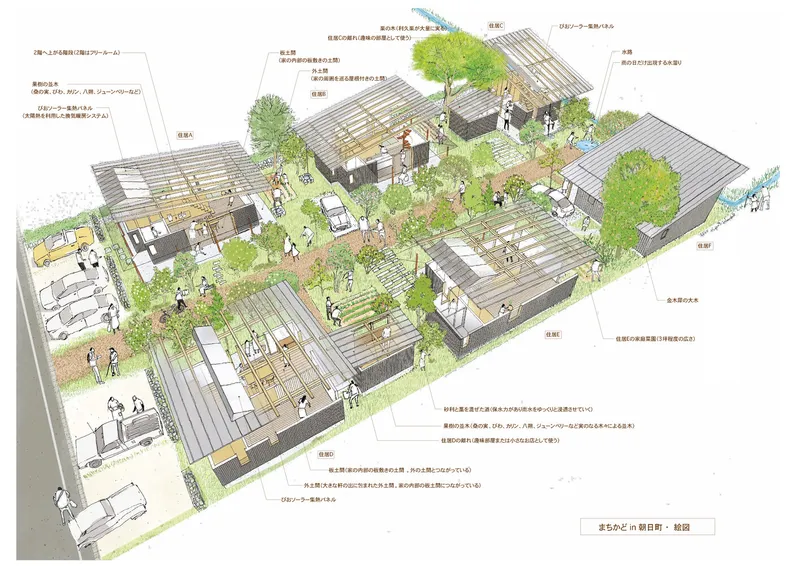
The community-based housing design of the Machikado Project in Asahi-cho, Kagamigahara, offers a refreshing take on modern residential development in Japan. Created by the architectural firm Plan 21, the project challenges the norm of isolated detached houses and instead revives a sense of community by designing a network of six interconnected homes. Set on a 1,395-square-meter plot, the project not only prioritizes individual comfort but also collective living—where roads become gardens, and shared spaces build bonds between neighbors.
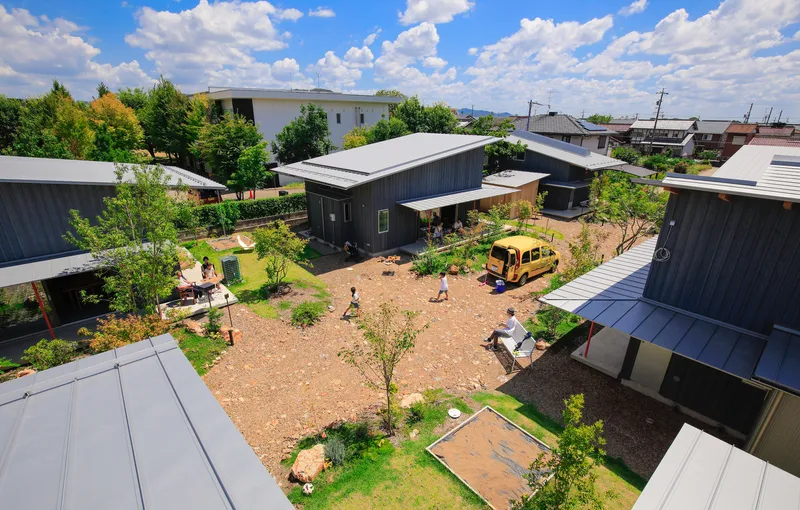
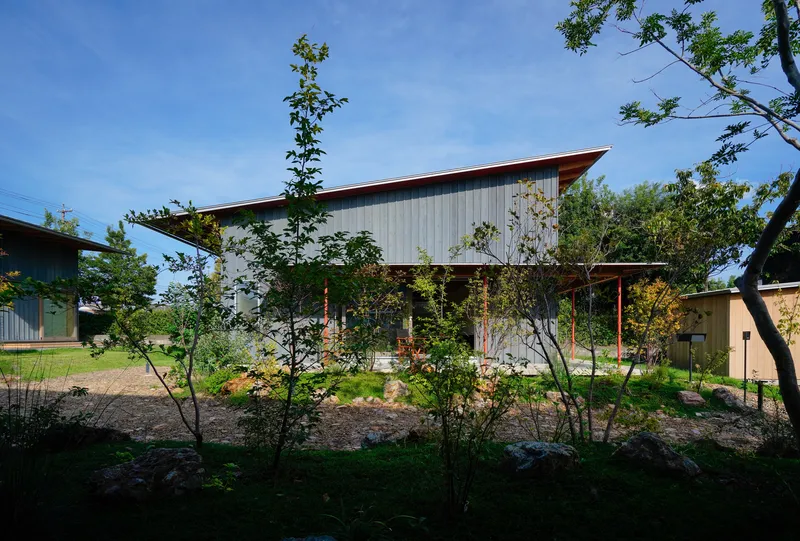
At the heart of the Machikado concept is a desire to move beyond the modern paradigm of separation and isolation. Instead, the architects have drawn inspiration from the spatial logic of traditional Japanese towns and villages, where houses were built close together with shared access to nature and public space.
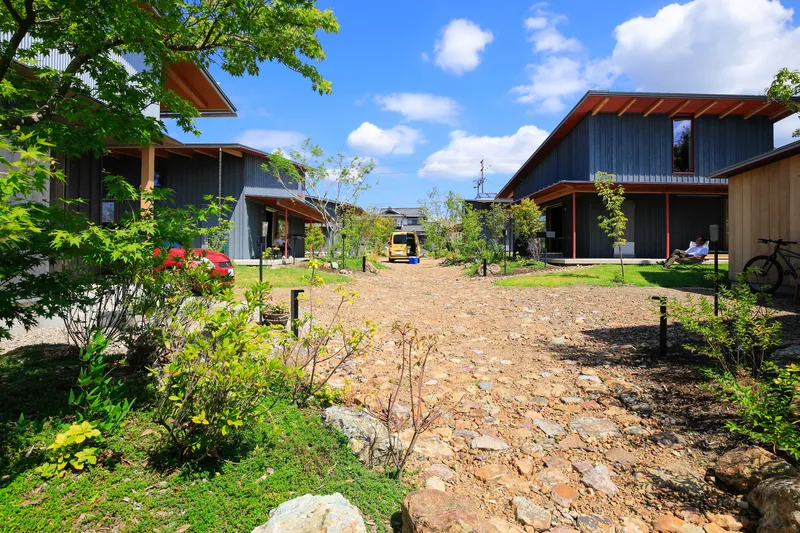
Reimagining the Street as a Garden and Connector
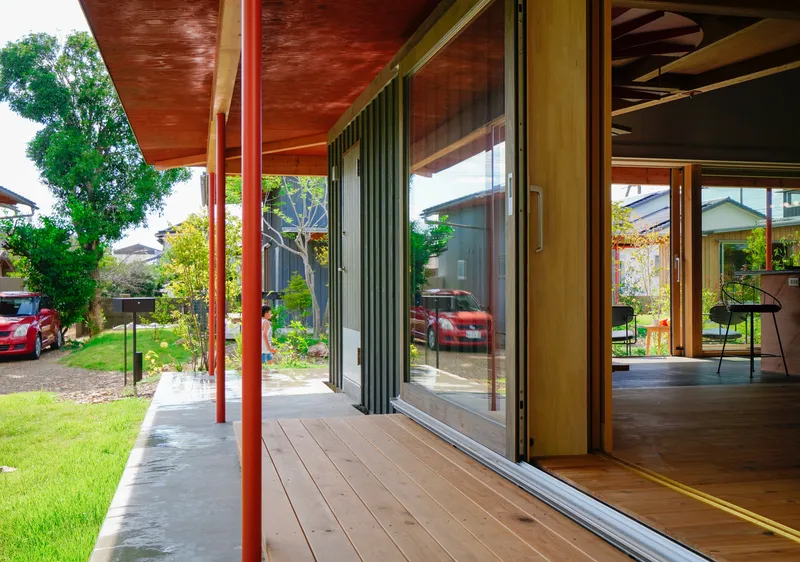
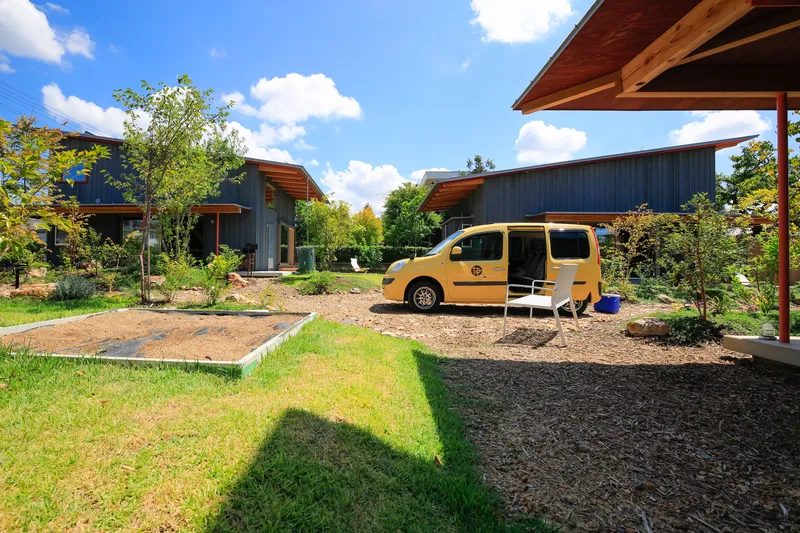
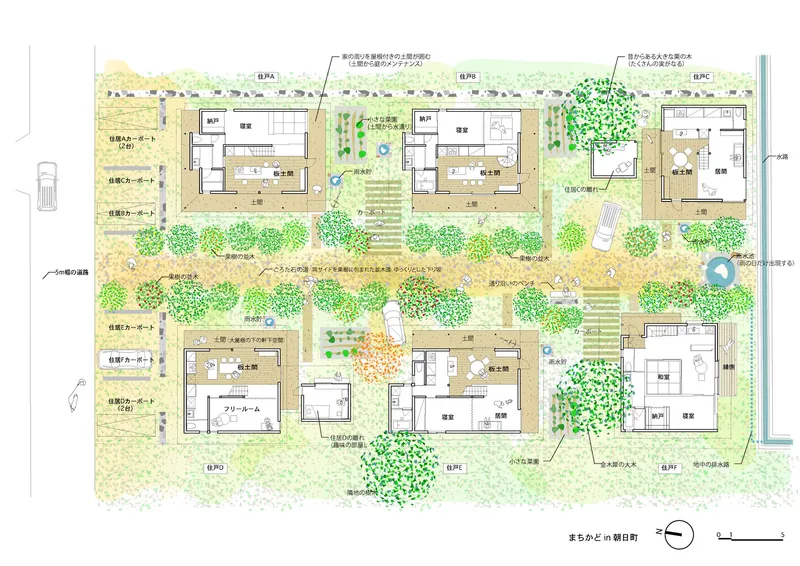
Modern Japanese housing developments often prioritize privacy and zoning regulations, resulting in homes that feel like isolated islands. The Machikado Project counters this with an innovative layout. Each home still adheres to the legal requirement of a 2-meter road frontage, but instead of introducing asphalt streets into the site, Plan 21 proposed an 8-meter-wide shared garden that functions as a communal corridor. This green spine not only satisfies legal access but becomes a central social and ecological space, reinforcing the core principle of community-based housing design.
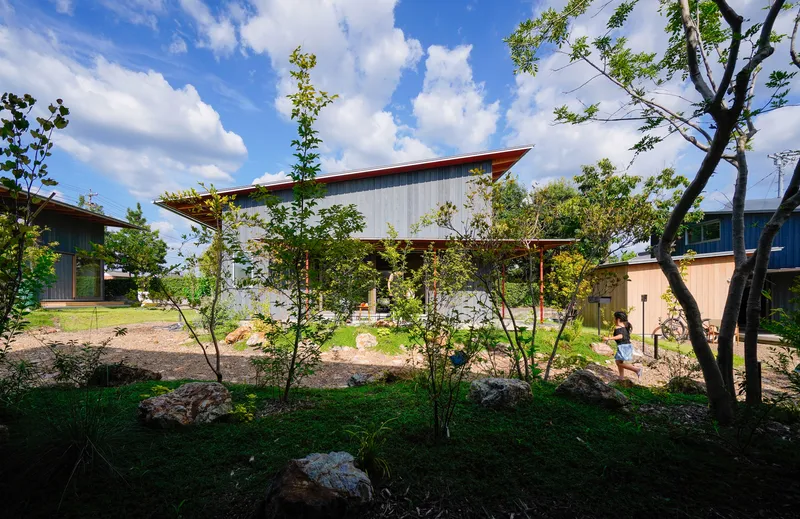
Old chestnut and mandarin orange trees already growing on the site were preserved, and more fruit trees were planted to create an “edible garden.” This common space is more than circulation—it’s a space for interaction, play, gardening, and reflection. The roads of this micro-neighborhood have truly become gardens.
Six Homes, One Vision: A Framework for Collective Living
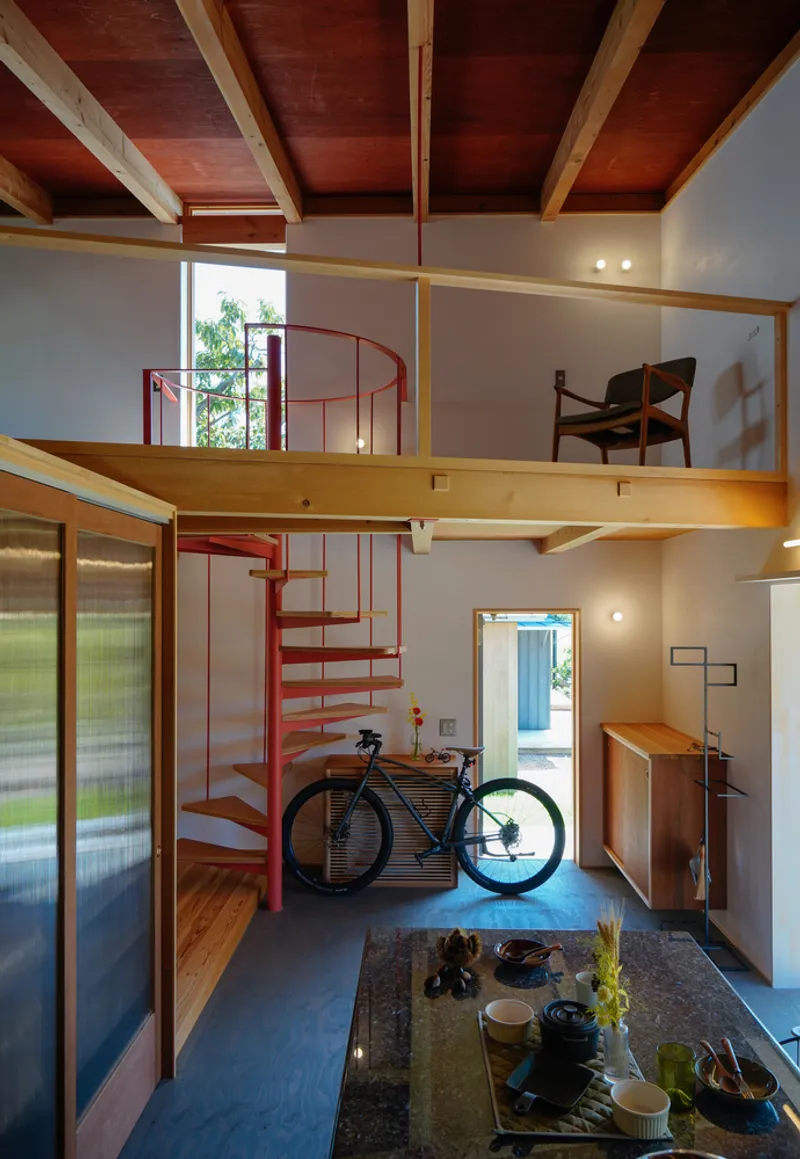
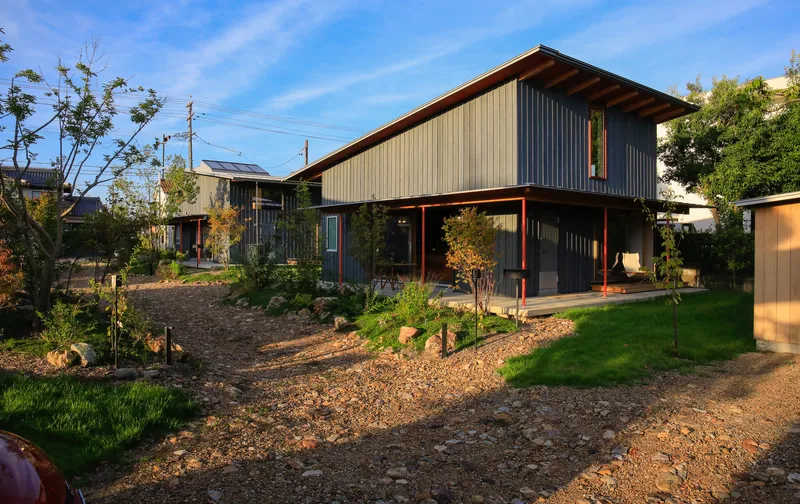
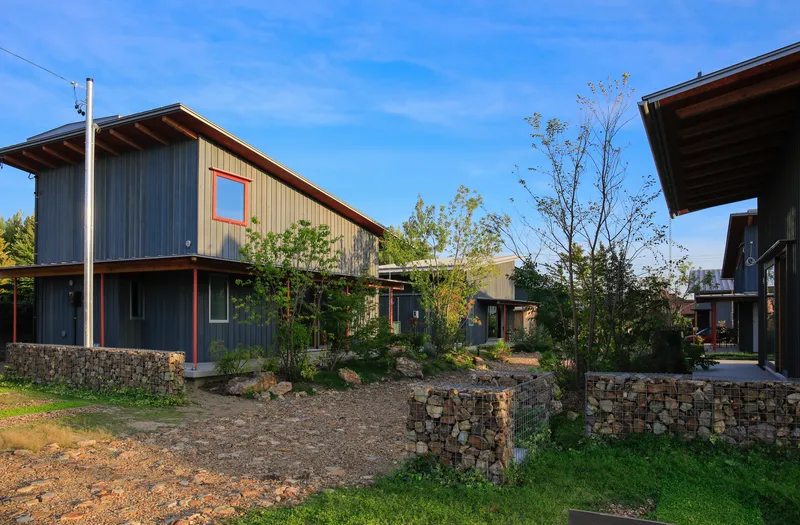
The Machikado Project consists of six houses, each occupying approximately 230 square meters. The design avoids overly individualized architecture, opting instead for shared principles. Plan 21’s approach was to standardize the structural "skeletons" rather than create bespoke floor plans for each dwelling. This allowed flexibility for individual interiors while maintaining architectural coherence across the site.
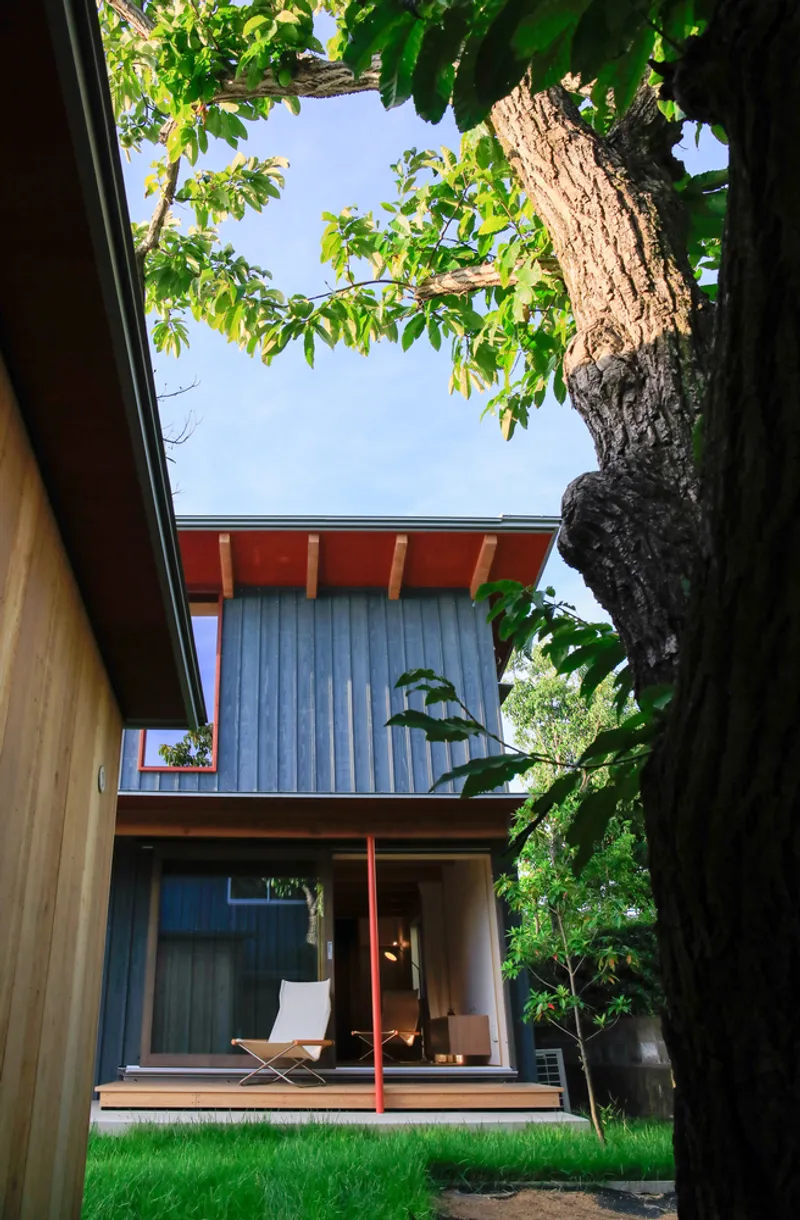
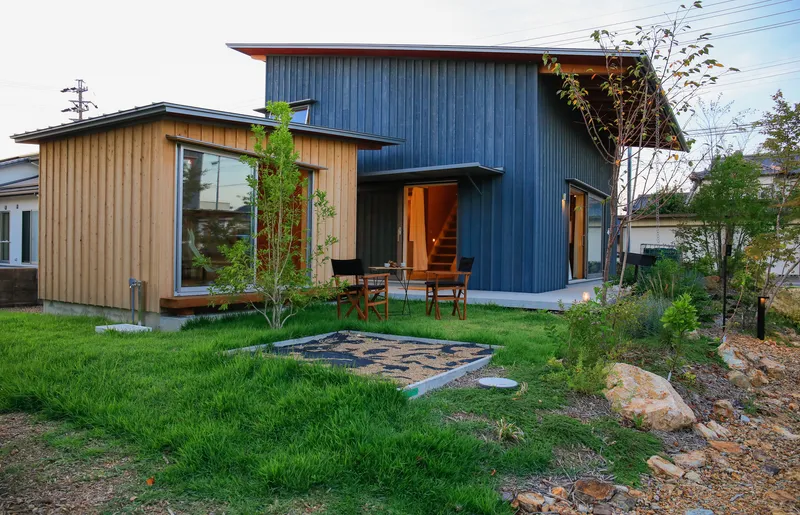
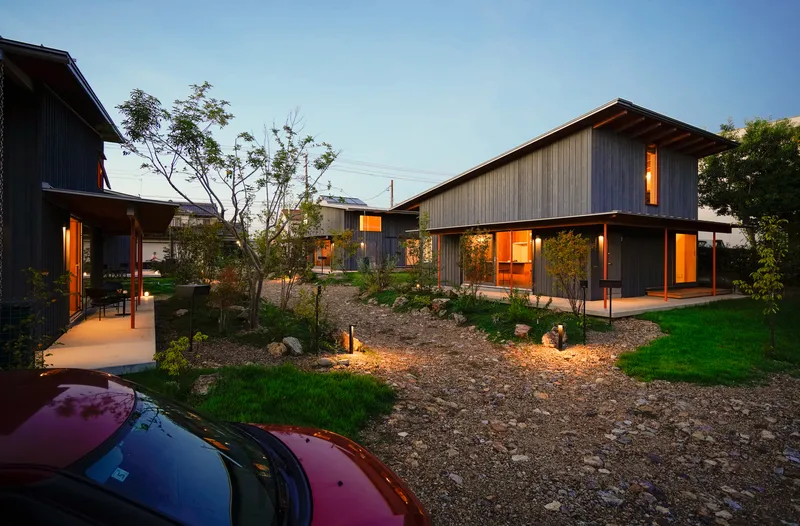
Three types of structural frameworks were developed: 3.5 x 4.5 bays, 3.5 x 4 bays with an additional detached structure, and 4.5 bays for the corner house. All houses feature single-pitch roofs oriented in different directions. This variation creates a wave-like rhythm in the skyline, unifying the six homes into a visually cohesive village while allowing each structure to respond to its orientation and light conditions.
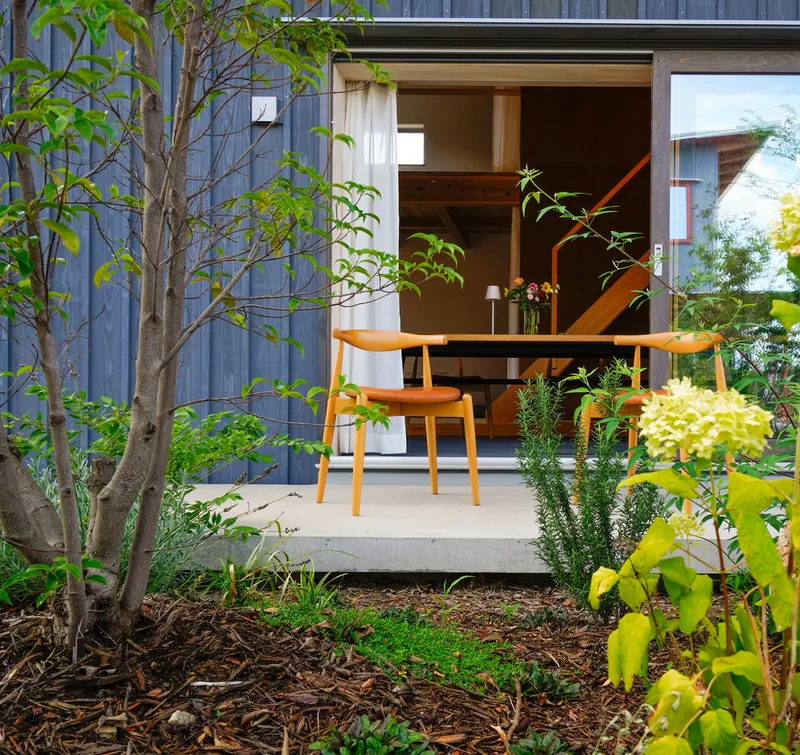
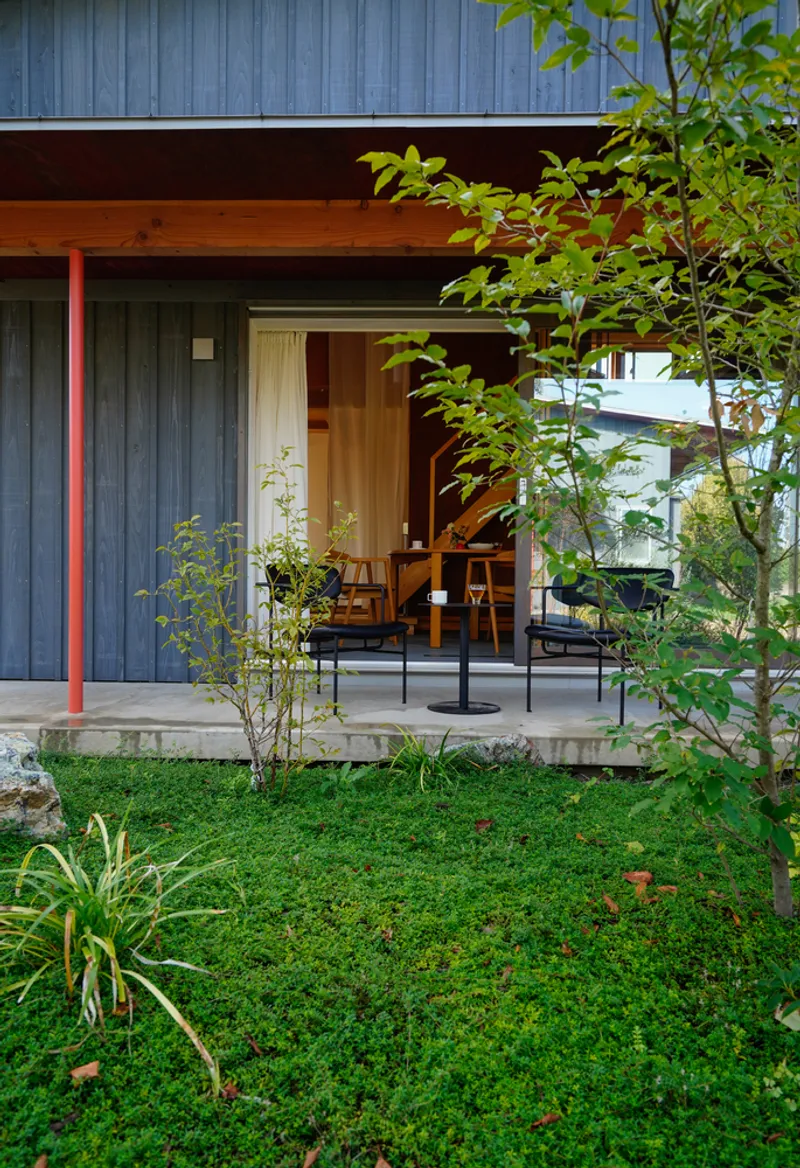
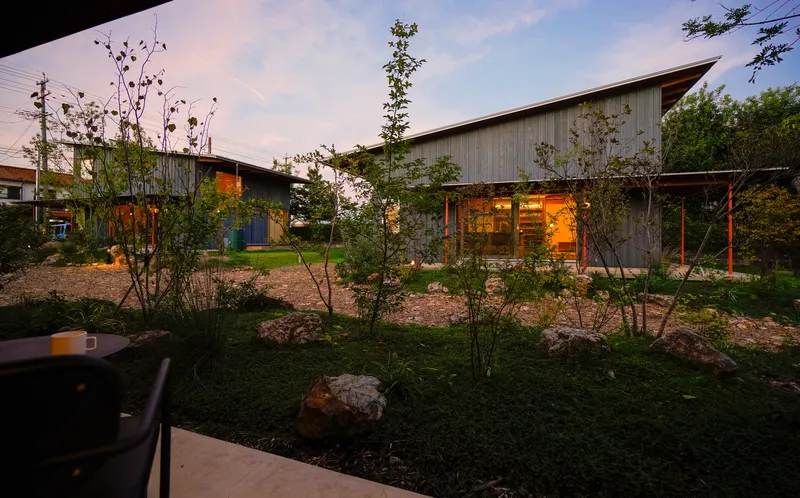
This emphasis on framework over floor plan draws directly from traditional townhouse and farmhouse construction. By prioritizing the orientation and structure over decorative or stylistic choices, the architects created a flexible model for sustainable and community-oriented housing.
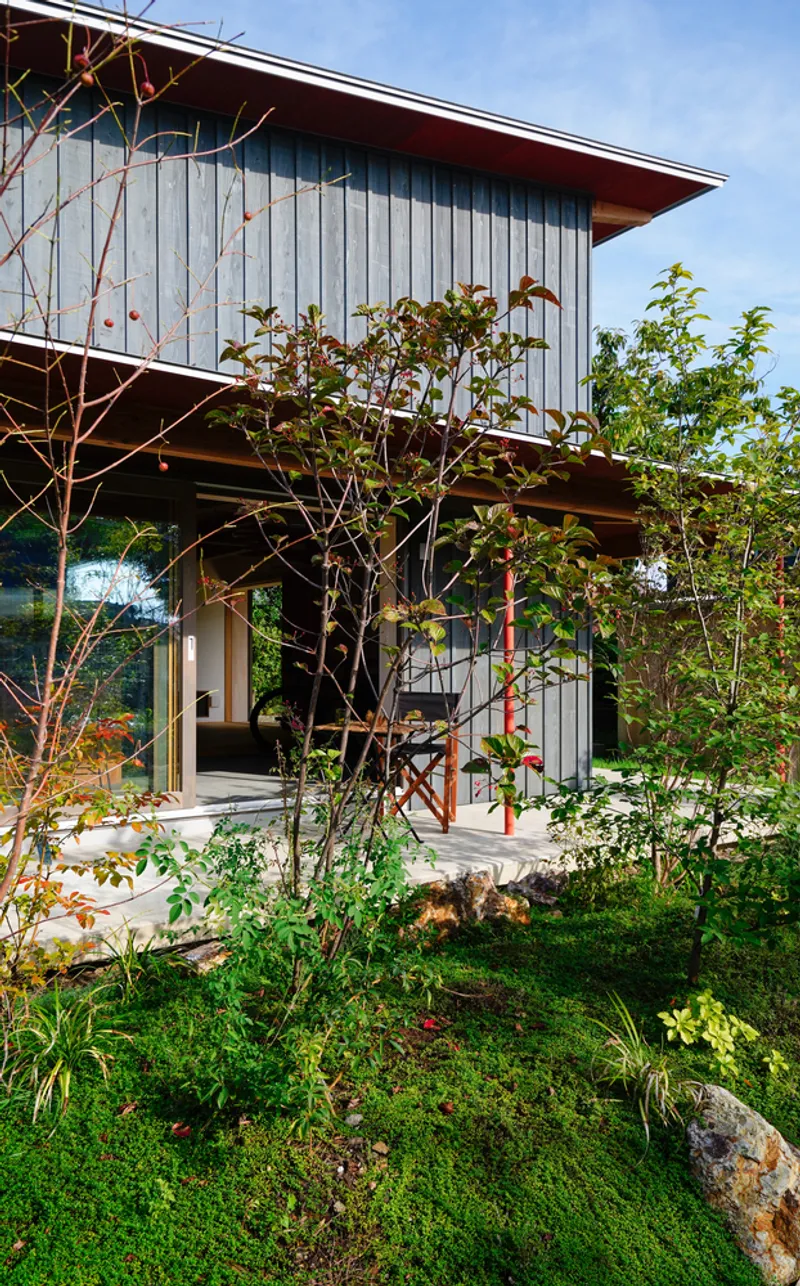
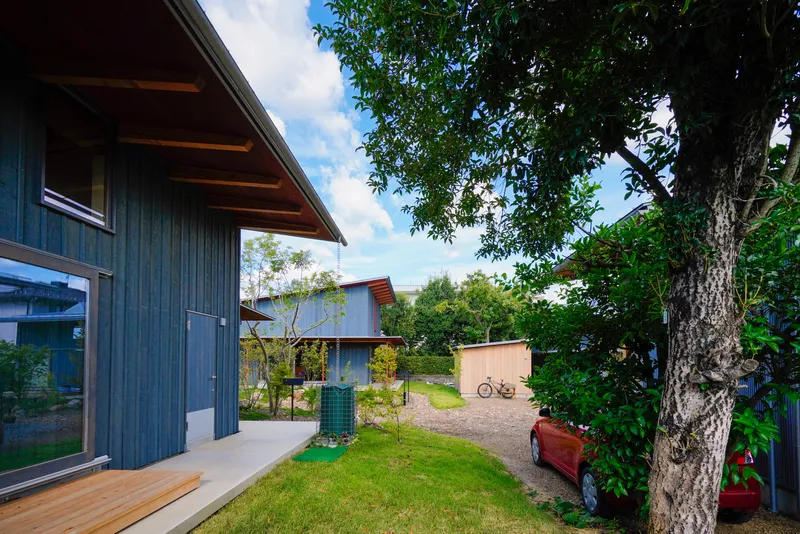
Learning from the Past to Shape the Future
Plan 21's design process involved looking back at historical Japanese housing, especially in fishing villages and rural settlements. These communities placed importance on spatial harmony and shared infrastructure. Individual homes were secondary to the overall structure of the community.
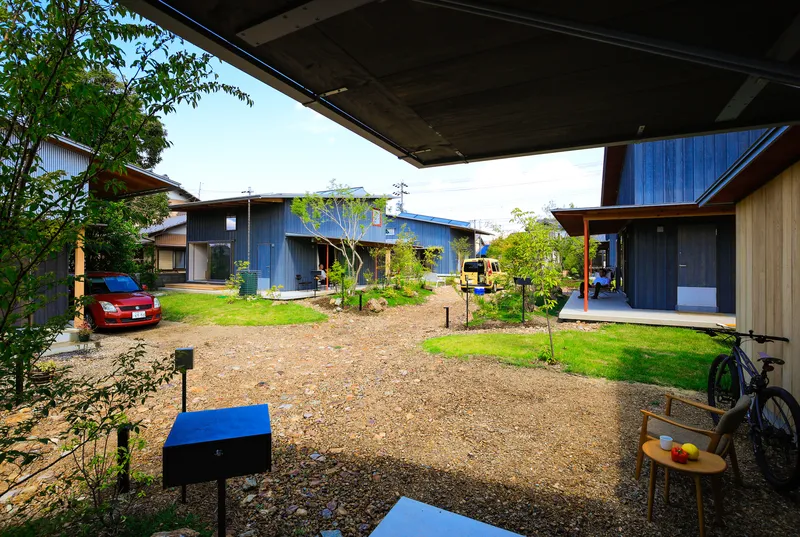
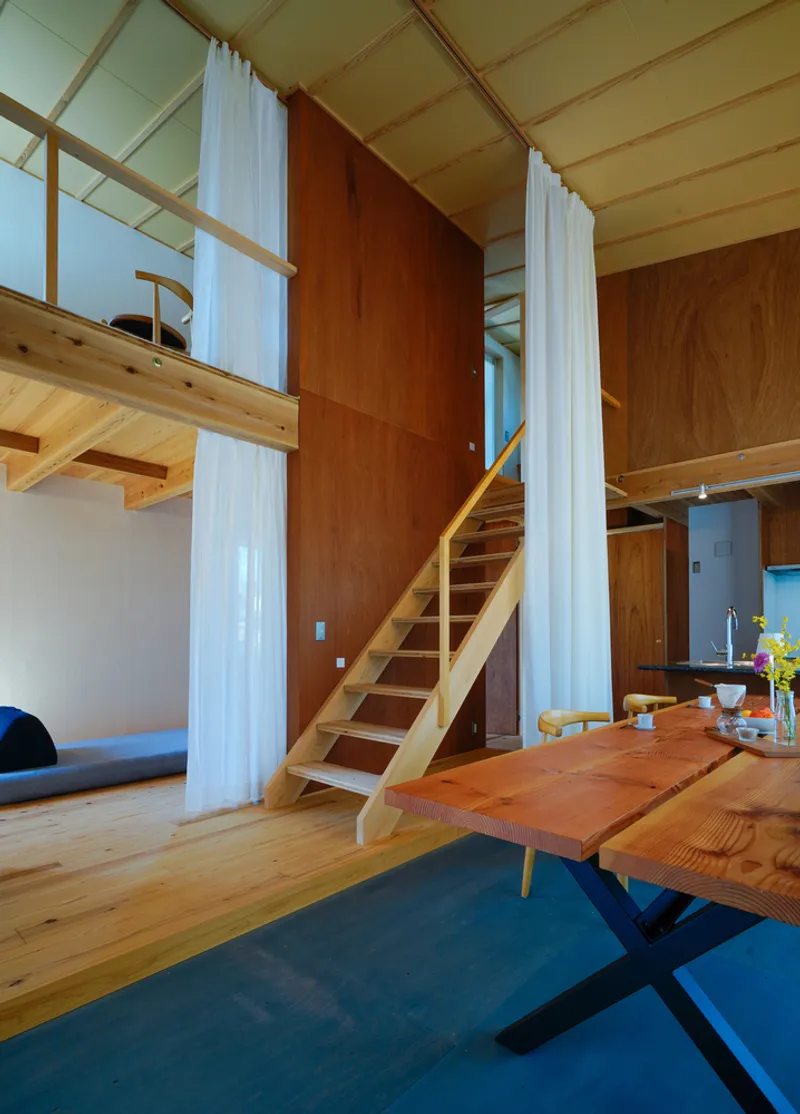
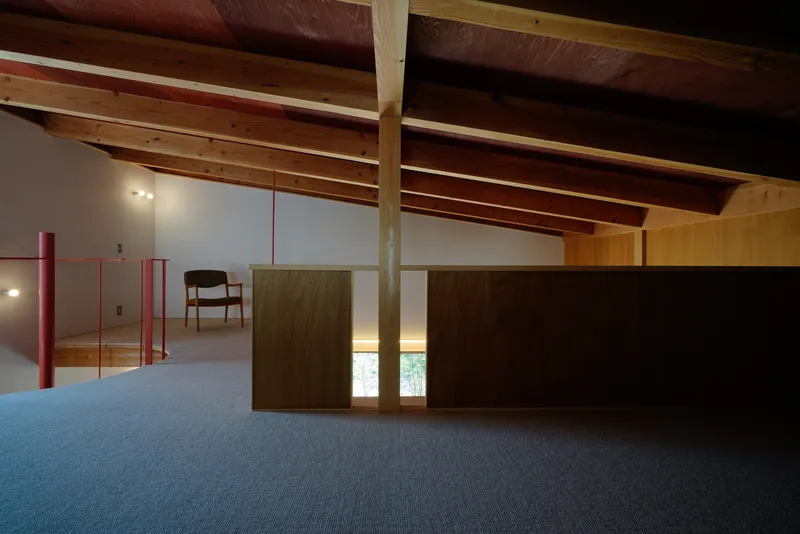
With this in mind, the architects shaped the Machikado houses not just as residences, but as elements of a larger whole. The design suggests that modern architecture can learn from older forms, not by mimicking their aesthetics but by embracing their principles—especially those that support communal life and resilience.
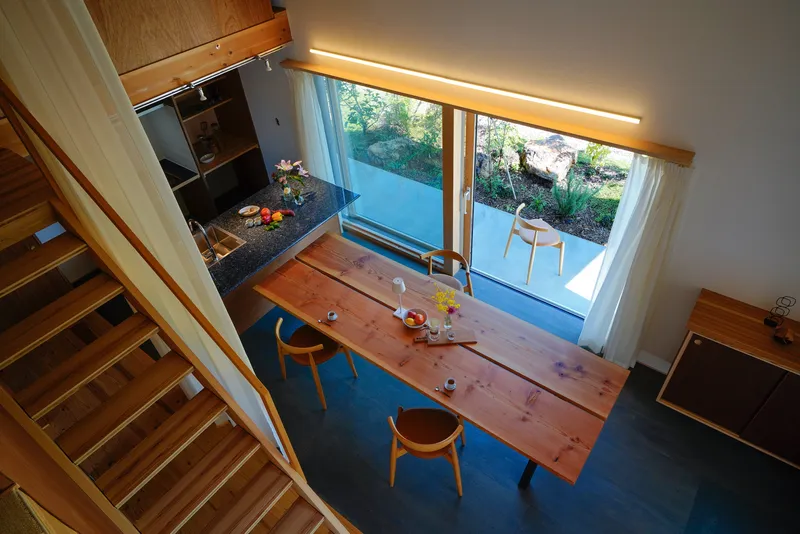
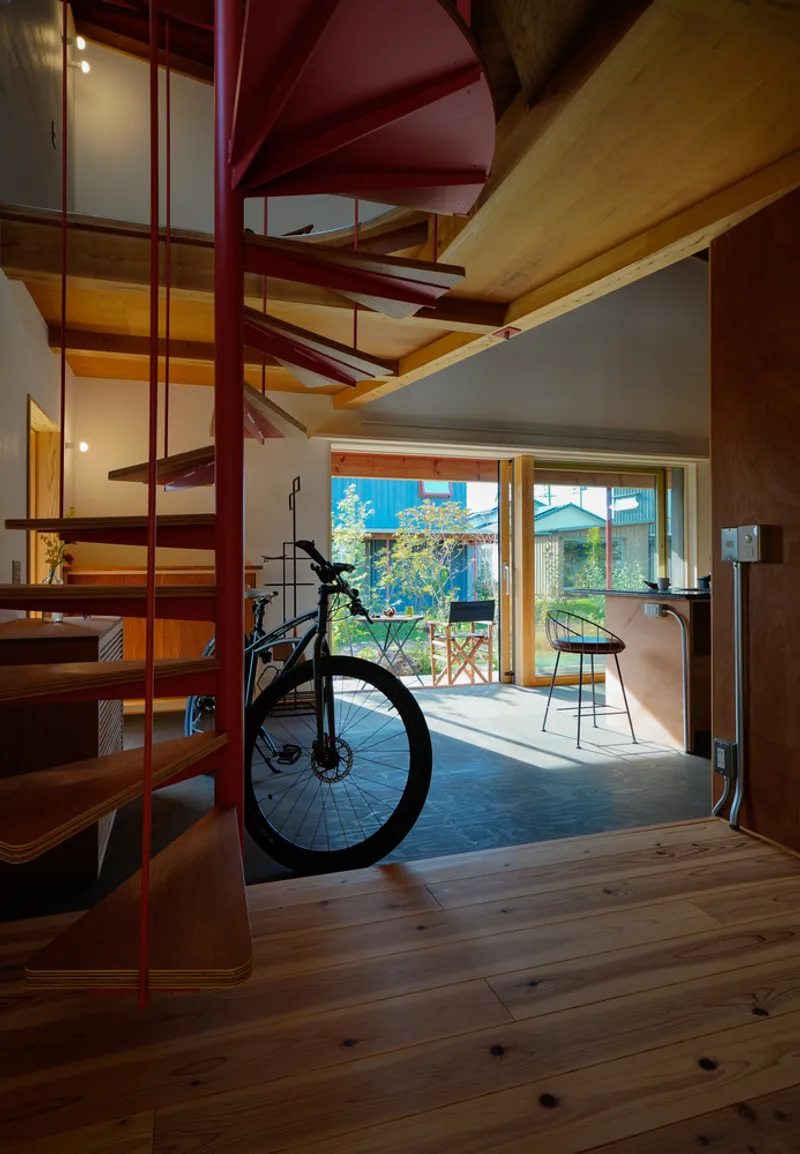
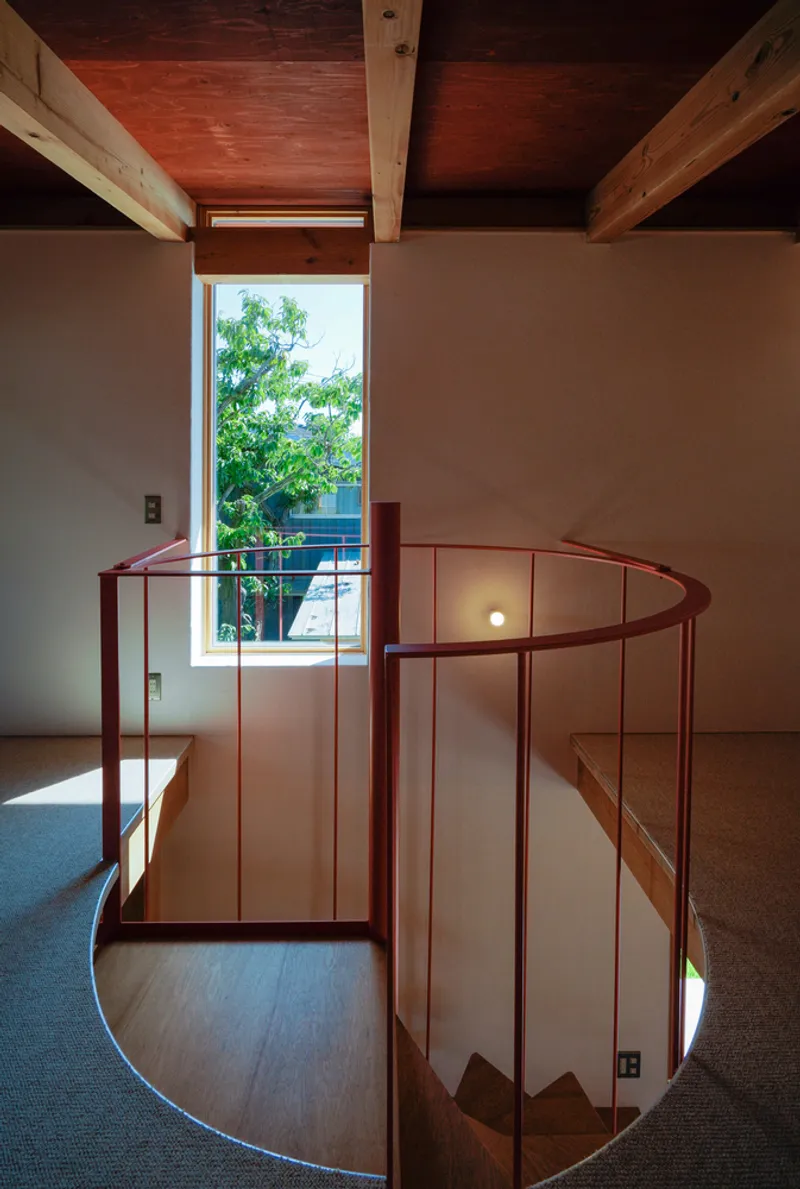
Creating Architecture that Builds Connection
The Machikado Project rethinks what it means to design for a neighborhood. Through its spatial planning, use of shared green spaces, and structural coherence, it builds not just houses, but relationships between people and places. It moves beyond the limits of detached residential typologies and offers a blueprint for a new kind of village in an urban setting.
In a time when social isolation is often exacerbated by urban sprawl and architectural individualism, community-based housing design like this offers a model of connection, sustainability, and simplicity. The Machikado Project is both an homage to traditional Japanese wisdom and a step forward in creating meaningful, livable environments for the future.
All Photographs are works of Akira Ueda


Popular Articles
Popular articles from the community


Opera by the Sea Estonia: Three Shells Dissolving Architecture into Tallinn's Coastline
A winning opera house proposal replaces monumental form with interconnected shells that blur the boundary between building, park and Baltic Sea.

Faces of the Soviet Avant-Garde: Turning Moscow's Street Names into an Open-Air Museum
A network of sculptural installations across a Moscow residential district transforms forgotten architect names into spatial encounters with cultural memor

Cloaked Colonization: A Mobile Underwater Habitat That Moves Like a Fish
Micah Abaya's shortlisted EHC Pacific entry reimagines ocean settlement as a dispersed network of self-sustaining architectural organisms.

Singing Woman: Contemporary Architecture Inspired by Estonia’s Voice and the Sea
Singing Woman turns Estonia’s song culture into flowing opera house architecture, blending public life, landscape, sea, and national memory.

Similar Reads
You might also enjoy these articles

Bamboo Housing Challenge 2026: Design Affordable, Sustainable Homes Using Bamboo
An international design competition by Bamboo U and IBUKU inviting architects and designers to reimagine affordable housing using bamboo — with the winning design built full-scale in Bali.
Computational Design & Education: Beegraphy Design Awards Introduces 7th Category (Featuring Jiyun's Innovative Approach)
Dive into Beegraphy’s 7th Design Awards category, where computational design meets education to create immersive, interactive learning tools, inspired by Jiyun’s work.
From Parametric Lighting to Urban Furniture: Join the 2nd Workshop in Beegraphy’s Computational Design Series
Dive into Cutting-Edge Design Techniques and Practical Applications with Industry Experts

Last Call: Unleash Your Architectural Genius in SHAK's Kindergarten Design Competition
Urgent call for architects to join SHAK's kindergarten design competition before the looming deadline

Explore Co-Housing Competitions
Discover active competitions in this discipline

Challenge to reimagine the Iron Throne

Photograph architecture without architects

Illustrate the lost glory of Angkor Wat - Render Challenge

Design challenge to reuse E-waste
Comments (0)
Please login or sign up to add comments
No comments yet. Be the first to comment!