

Community-Centered Childcare Architecture: AU Childcare Support by HIBINOSEKKEI + Youji no Shiro
AU Childcare Support in Japan exemplifies community-centered childcare architecture, fostering shared learning and social connections between children, parents, and the local community.


Community-centered childcare architecture is redefining the way educational spaces support early childhood development by fostering collaboration between children, parents, and local communities. AU Childcare Support, designed by HIBINOSEKKEI + Youji no Shiro, is an exemplary project that embodies this philosophy, offering a nurturing and inclusive environment where families can engage in shared learning and play.


A Vision for Collaborative Childcare
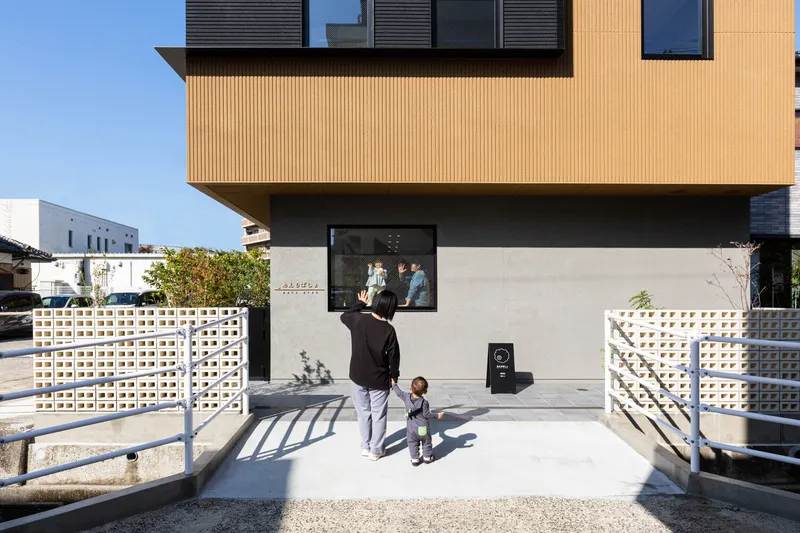
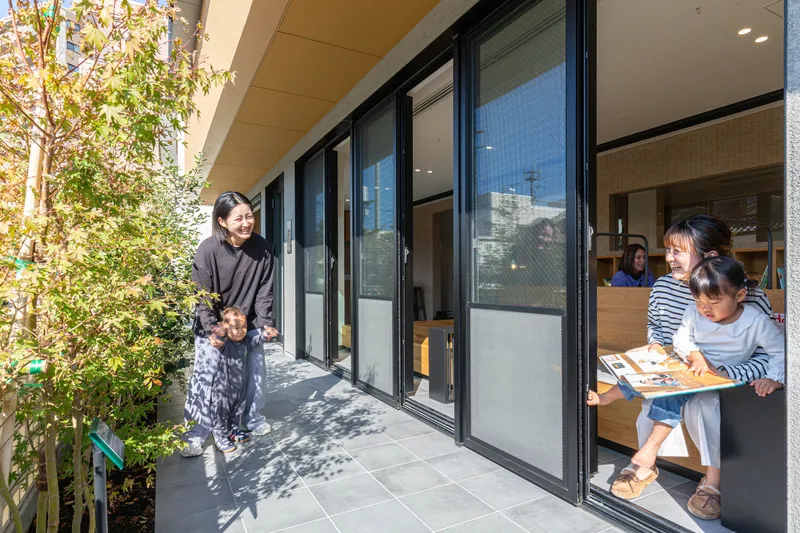
Located across the road from a kindergarten with a 65-year history of serving the local community, AU Childcare Support continues a longstanding commitment to supporting families. The facility is designed as a public space where parents and children can connect, share experiences, and receive guidance in child-rearing. Open daily except for weekends and holidays, it provides free access to all, ensuring that childcare support remains inclusive and widely available.
A Space Rooted in Cultural Values
The name of the facility carries deep cultural significance, symbolizing a meeting place where people come together to support one another. Inspired by the local market tradition of "Ainoura-Chaichi," where community members bartered goods from the mountains and the sea, the childcare center embraces the idea of shared responsibility and mutual learning. The architectural design reinforces these values by creating spaces that encourage social interaction, storytelling, and skill-sharing among families.
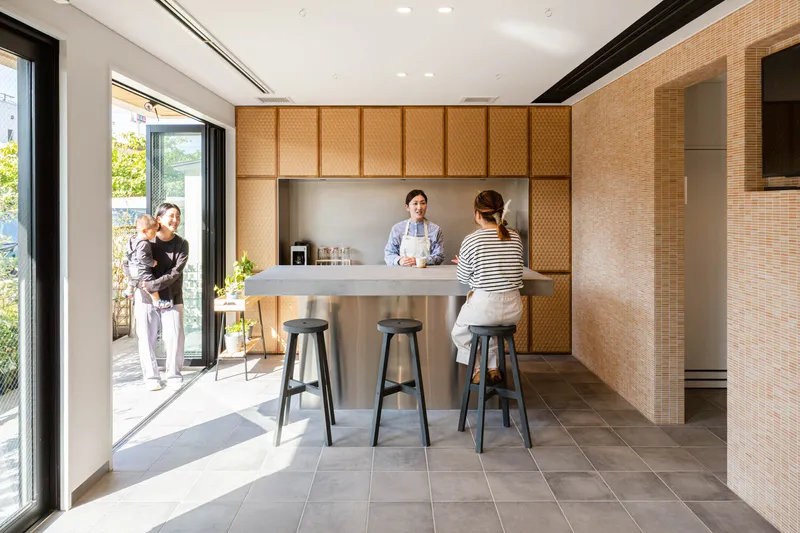
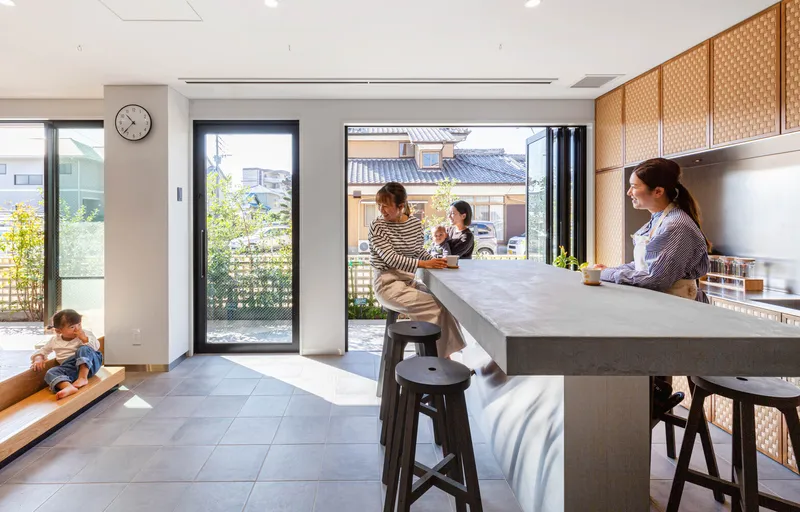
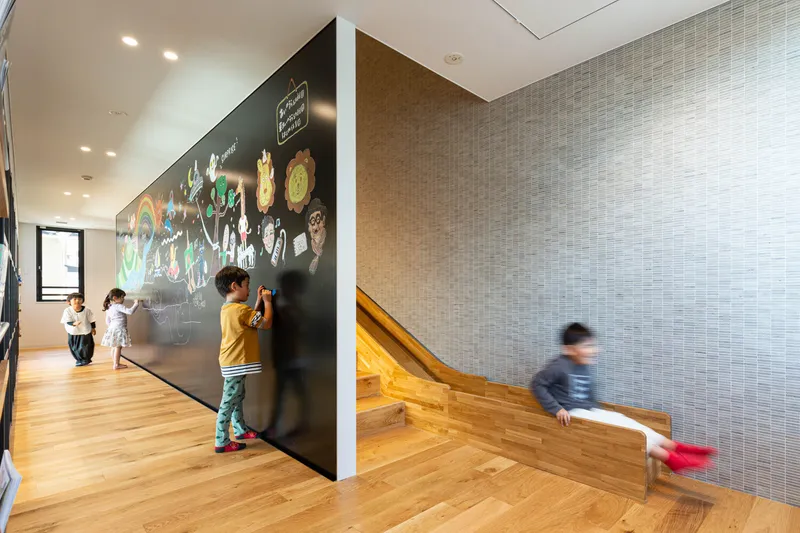
Thoughtfully Designed Spaces for Learning and Play
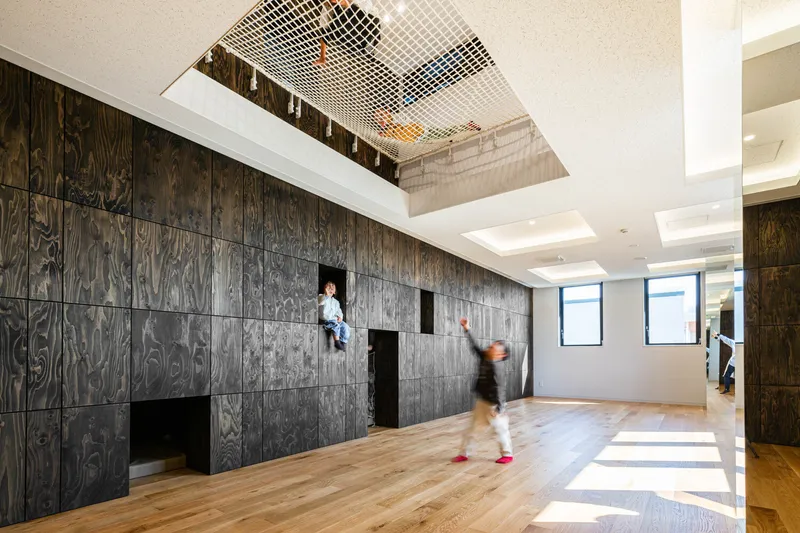
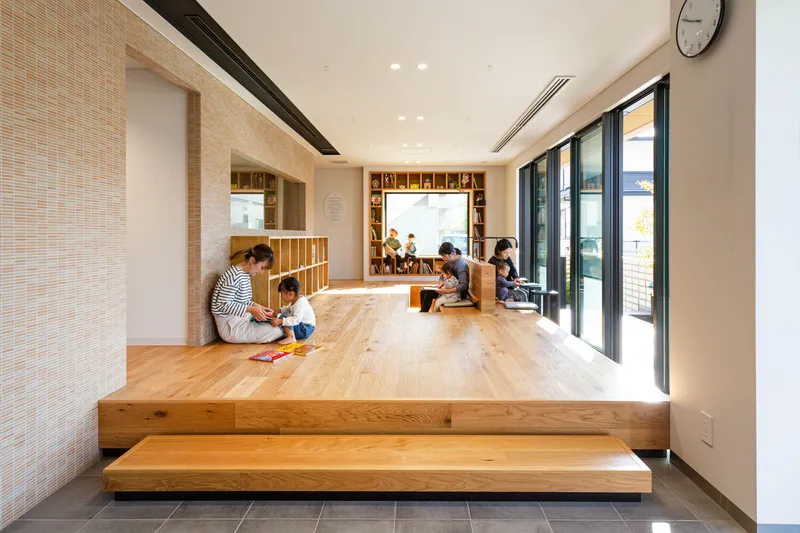
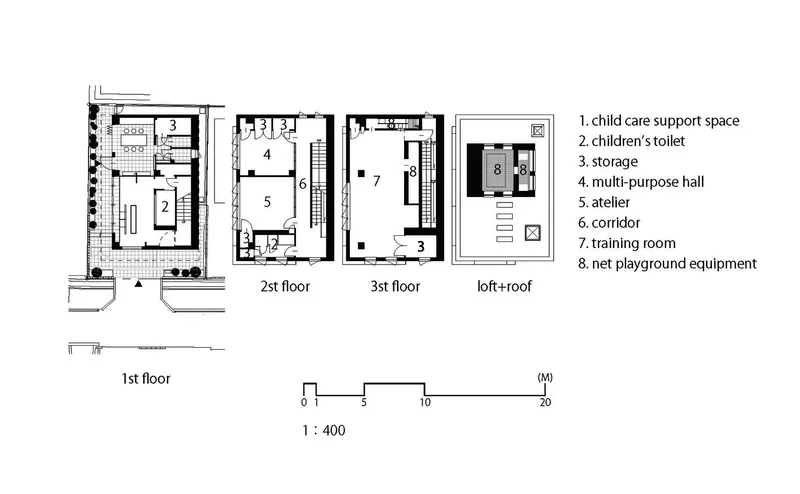
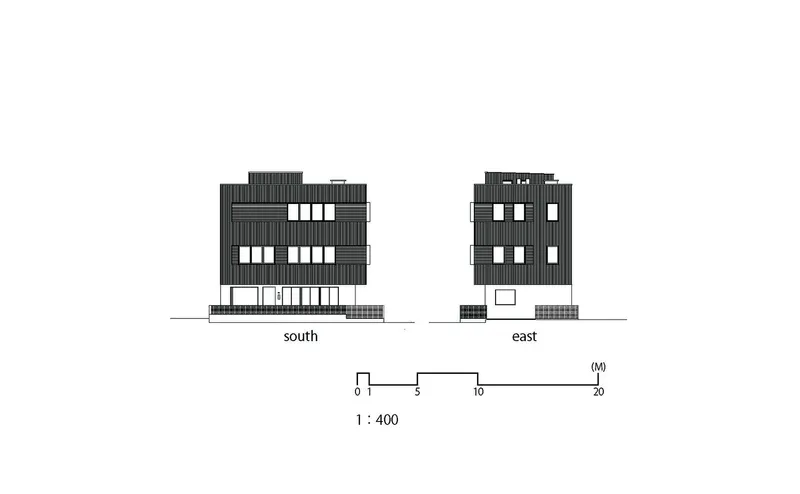
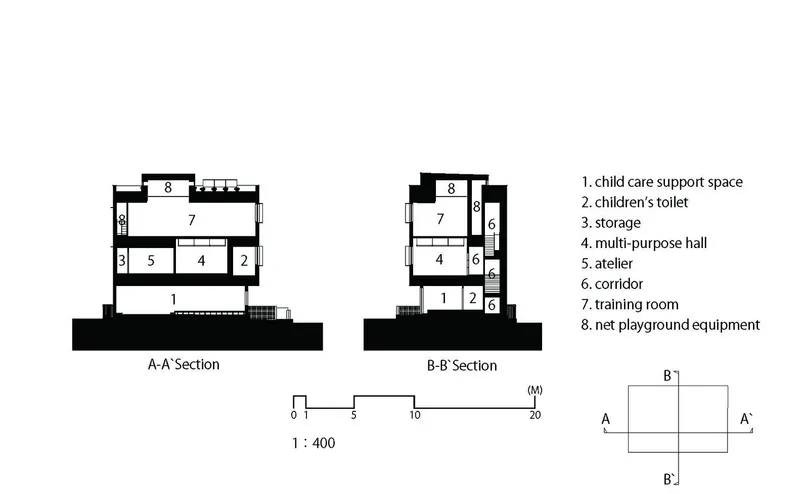
AU Childcare Support is organized into distinct spatial zones, each catering to different aspects of childhood development and community engagement. The Doma Space at the entrance welcomes parents who wish to drop in spontaneously. The Koagari Space is a raised platform designed to stimulate children's sensory experiences. The Atelier Space fosters creativity and imagination, allowing children to explore artistic and cognitive activities. The Play Space supports physical activity, promoting health and movement. The Multi-purpose Space provides an area where parents and children can engage with new topics, expanding their knowledge and perspectives.
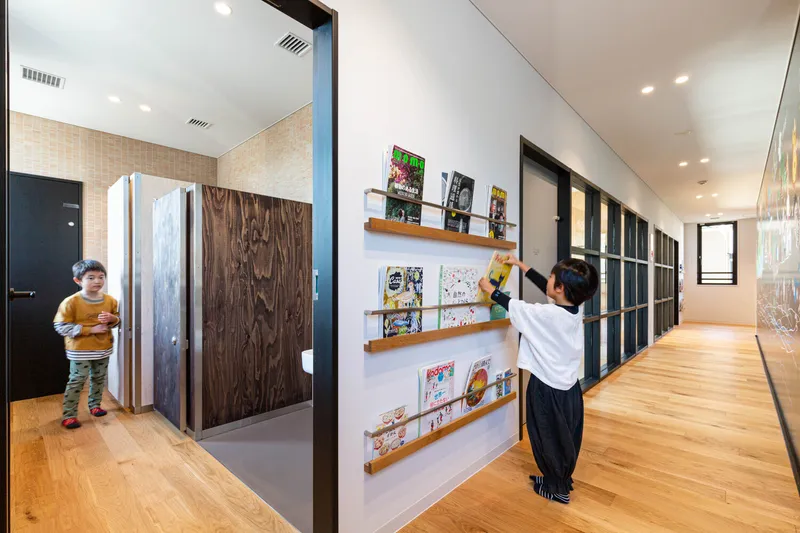

The architecture ensures that these spaces remain open and accessible throughout operational hours, with childcare professionals on-site to offer guidance. This approach allows families to navigate parenting challenges together in a supportive, community-driven setting.
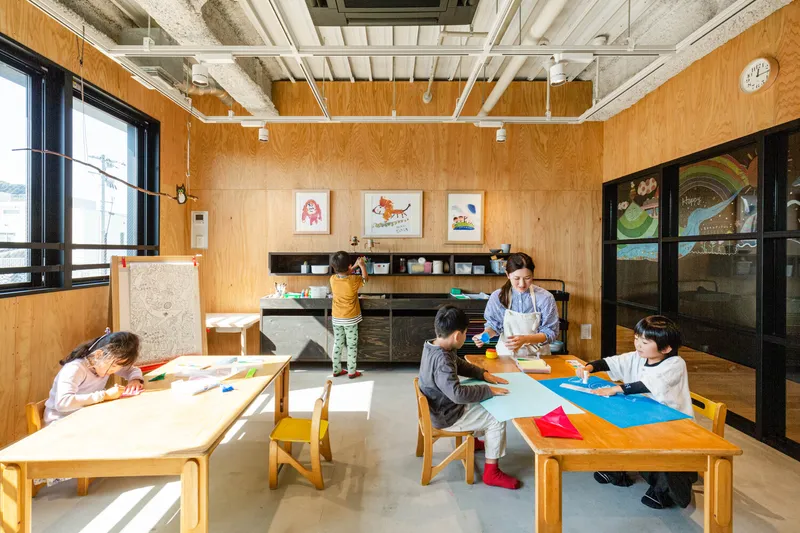
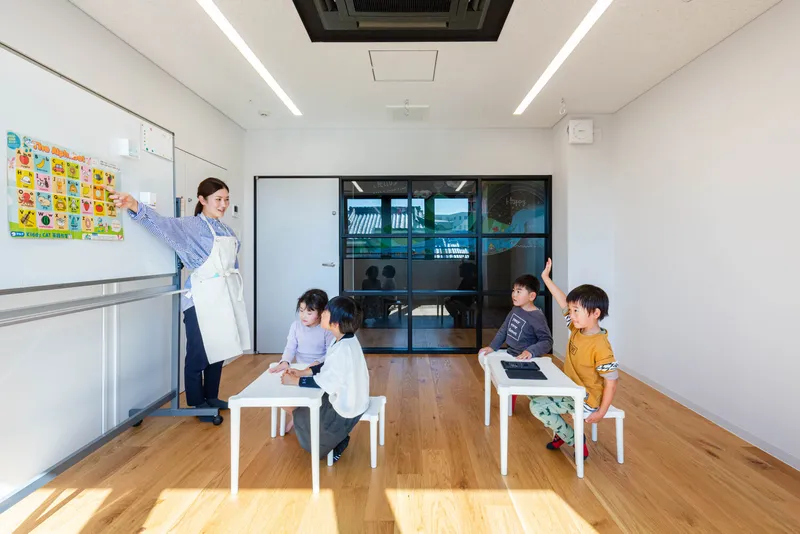
Reinventing Parenting as a Shared Experience
At AU Childcare Support, parenting is not an isolated task but a communal journey. The facility encourages interactions beyond immediate family units, giving children opportunities to play with peers while parents build social connections and share insights. By fostering these relationships, the space reduces the pressures of parenting and creates an extended support network for families.
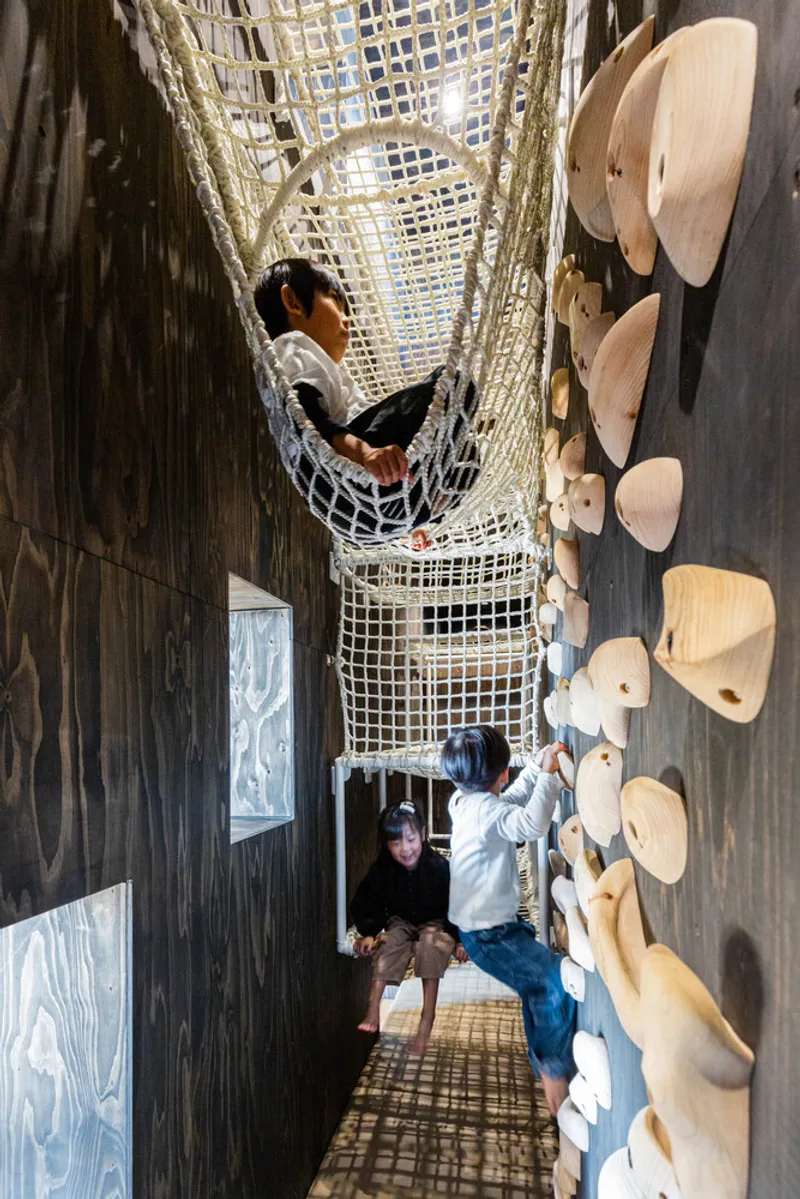
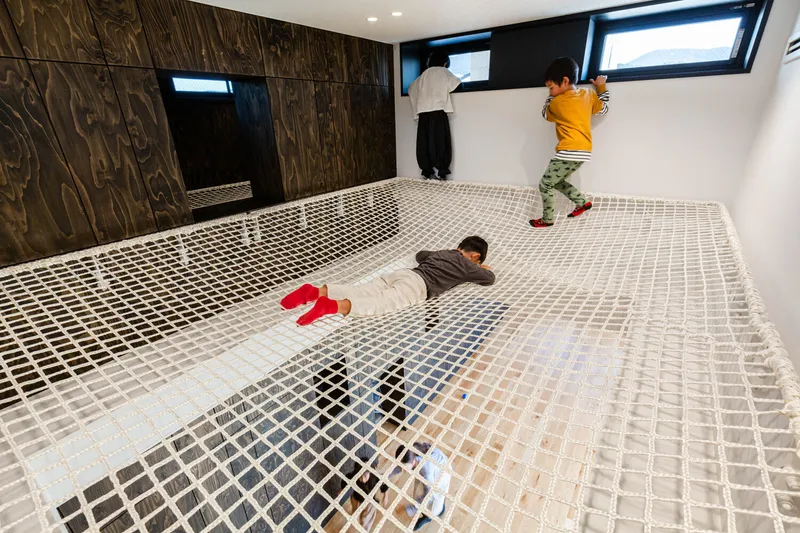
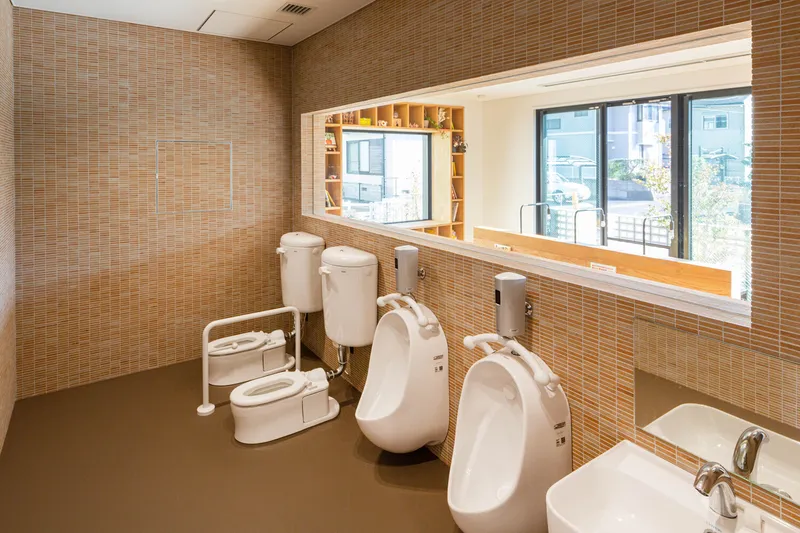
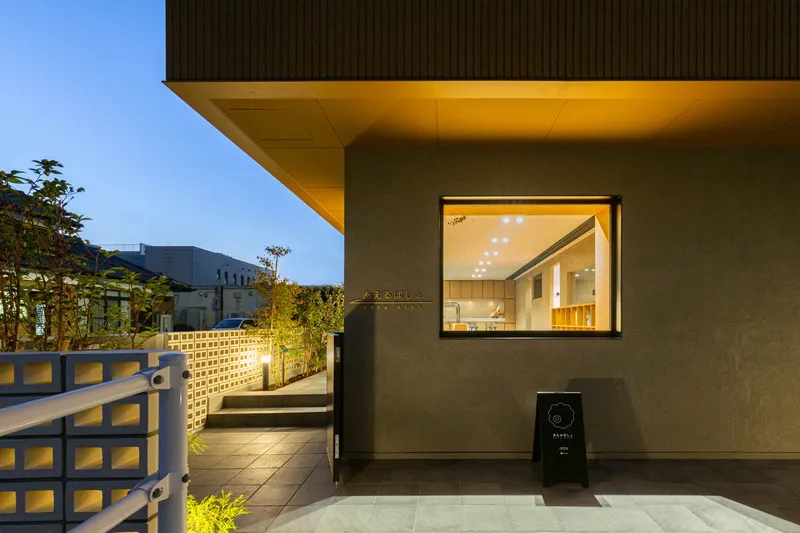
"Aeru Basho," meaning "A Place to Be," encapsulates the essence of the facility. Through spontaneous and structured interactions, children develop imagination, social skills, and adaptability. Meanwhile, parents gain a deeper understanding of child development and find reassurance in a community of shared experiences.
A Model for Future Childcare Spaces
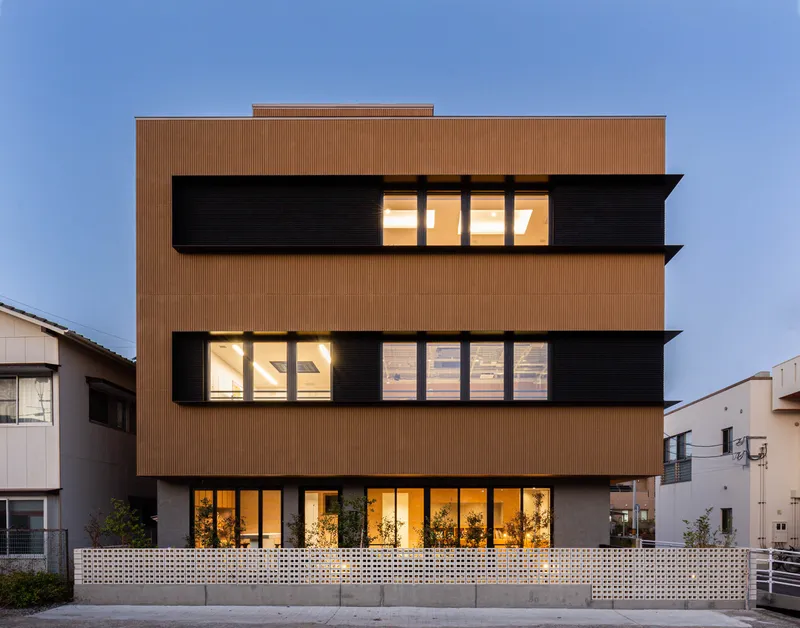
AU Childcare Support exemplifies how community-centered childcare architecture can transform early childhood education by merging thoughtful design with cultural traditions. By prioritizing accessibility, inclusivity, and shared learning, the facility redefines the role of architecture in fostering meaningful social connections. As urban environments continue to evolve, projects like this serve as vital blueprints for designing educational spaces that empower both children and their families.


Popular Articles
Popular articles from the community

Extended Shell: Retrofitting Kolkata's Balconies as Living Urban Thresholds
A modular retrofit system recovers the social and environmental intelligence of Kolkata's historic verandas for contemporary Park Street residents.

The Amber Palace Opera: A Geological Fiction Surfaces on Tallinn's Baltic Waterfront
Pierre Brillard reimagines a Baltic legend as a public landscape, opera house, and waterfront promenade rooted in Tallinn's coastal identity.
Temporary Home for Dogs: A Reversed Zoo Rethinks Animal Shelter Architecture
In Bucharest, a sinuous corridor and freed landscape flip the logic of containment, designing a shelter that works to make itself unnecessary.
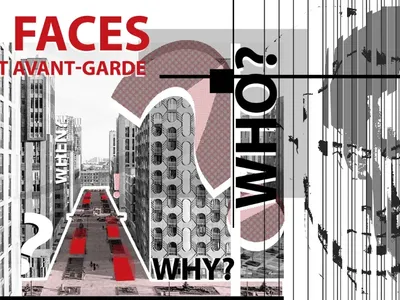
Faces of the Soviet Avant-Garde: Turning Moscow's Street Names into an Open-Air Museum
A network of sculptural installations across a Moscow residential district transforms forgotten architect names into spatial encounters with cultural memor

Similar Reads
You might also enjoy these articles


Hodi-Mandai Geram
Project Function: Preservation and revitalization of the Intangible heritage and socio-spatial identity of the Hodi by Housing, Cultural Memory Center, Sacred Grove, landscape, local tourism economy


Olio Towers: A Mid-Rise for Performers That Fuses Housing, Rehearsal, and Stage
Located blocks from Houston's Theater District, this modular tower stacks living units around a central performance atrium.

Oasis: Modular Green Housing Carved into Dhaka's Urban Fabric
A shortlisted Plugin Housing entry reclaims unauthorized settlements in Dhaka with stepped concrete volumes, green roofs, and ventilation-driven design.

Black Hole: A Floating Megastructure for the Post-Physical Era
Emiliano Mazzarotto envisions a spherical, self-scaling arena where e-sports, digital hotels, and holographic stadiums replace traditional public space.

Explore Childcare Center Competitions
Discover active competitions in this discipline

Challenge to design public laboratory

Challenge to reimagine the Iron Throne

Photograph architecture without architects

Illustrate the lost glory of Angkor Wat - Render Challenge
Comments (0)
Please login or sign up to add comments
No comments yet. Be the first to comment!