
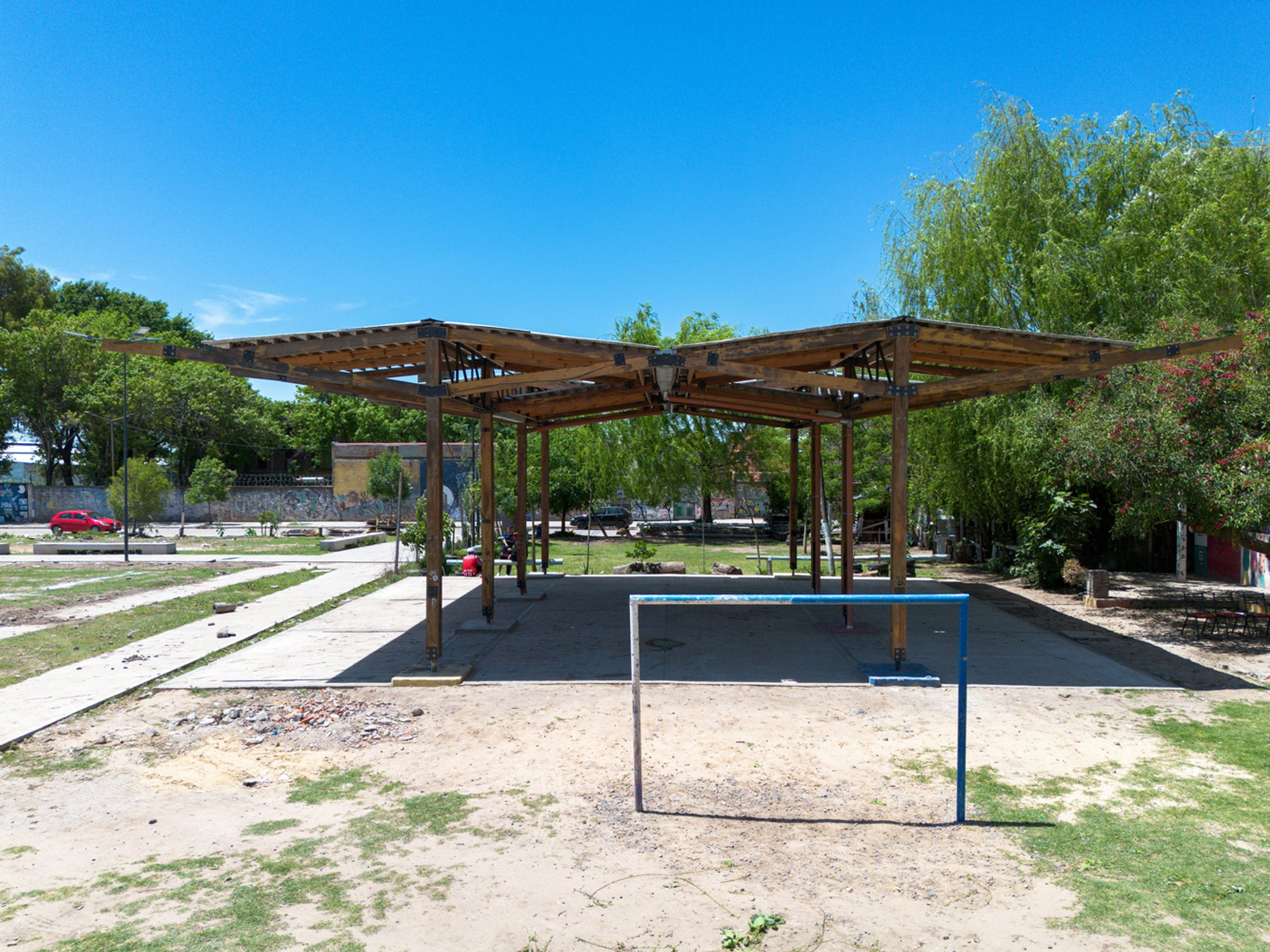
Community-Led Architectural Projects: Educational Park La Carcova by Cátedra Taller a77
Community-led architectural projects like Educational Park La Carcova showcase how participatory design empowers communities and transforms public spaces in Argentina.

Introduction to Community-Led Architectural Projects
Community-led architectural projects are redefining the way architecture interacts with society, fostering participation, empowerment, and social inclusion. In Argentina, the Educational Park La Carcova, designed and developed by Cátedra Taller a77, stands as a remarkable example of this movement. Since 2019, this ongoing collaborative project has united students, architects, and local residents in the co-creation of vital public spaces. The 500-square-meter site reflects the growing influence of community-led architectural projects in addressing social needs through participatory design.
The Origin of Educational Park La Carcova
Educational Park La Carcova is rooted in a deep understanding of the community's needs in the neighborhood of La Carcova, within the Municipality of General San Martín, Argentina. This area, characterized by high levels of social vulnerability, faced significant deficiencies in infrastructure and public gathering spaces. Recognizing this gap, the project emerged as a collaborative effort involving the Universidad de San Martín (UNSAM), local organizations, and architecture students under the guidance of Cátedra Taller a77.
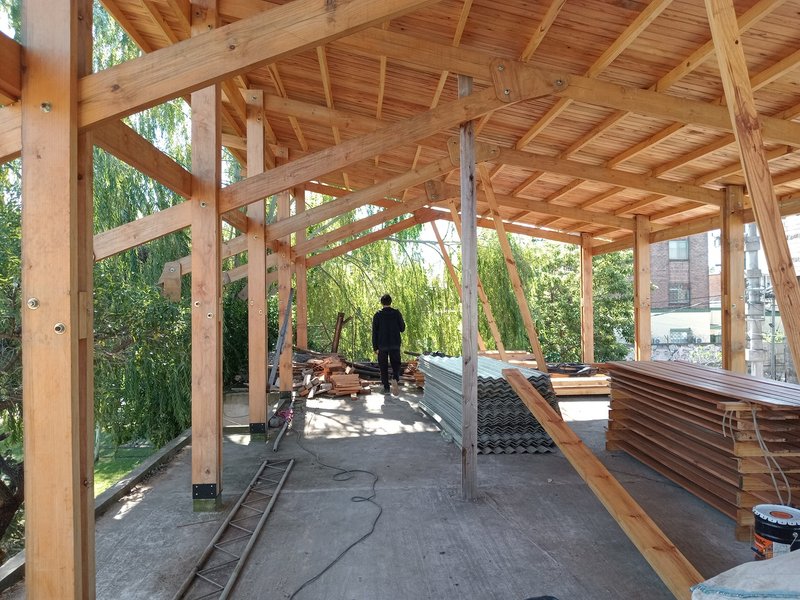
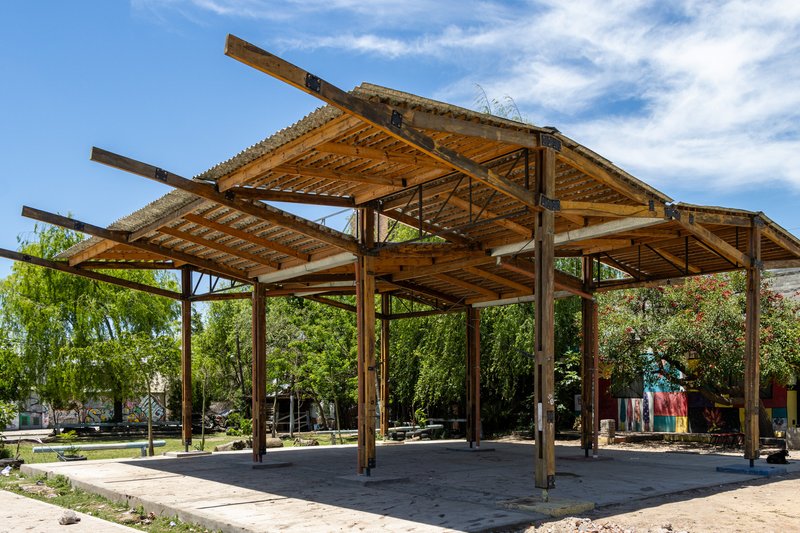
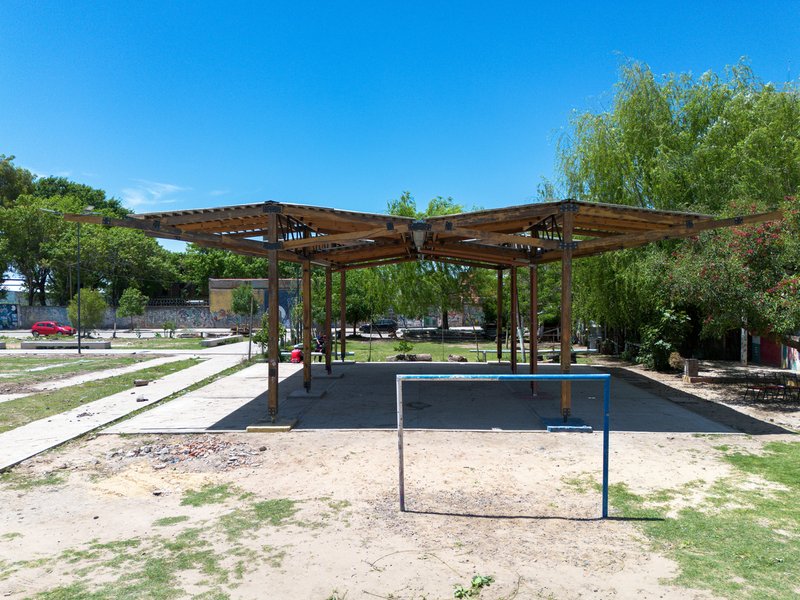
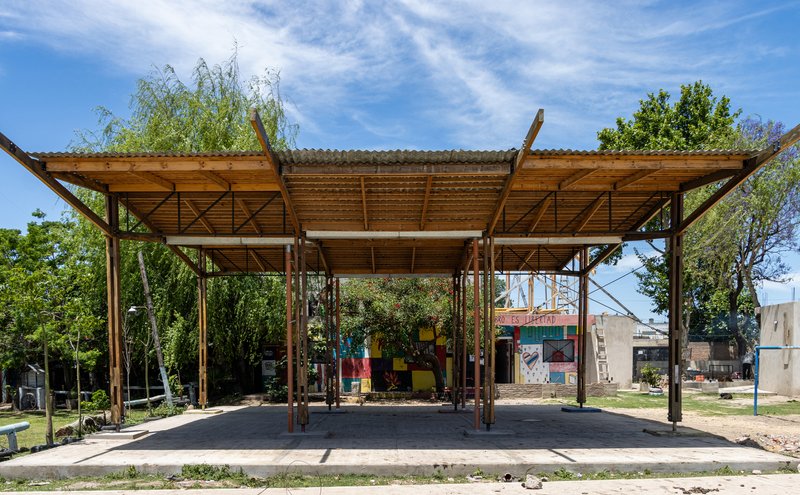
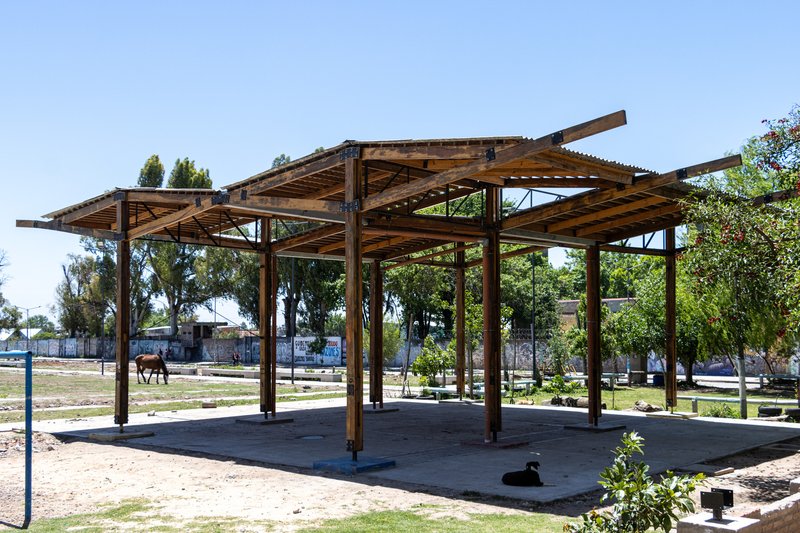
The initial phase began with the construction of a timber structure in 2019, which provided shade and created a communal meeting point. This landmark quickly became a symbol of identity for the neighborhood, embodying the transformative potential of community-led architectural projects.
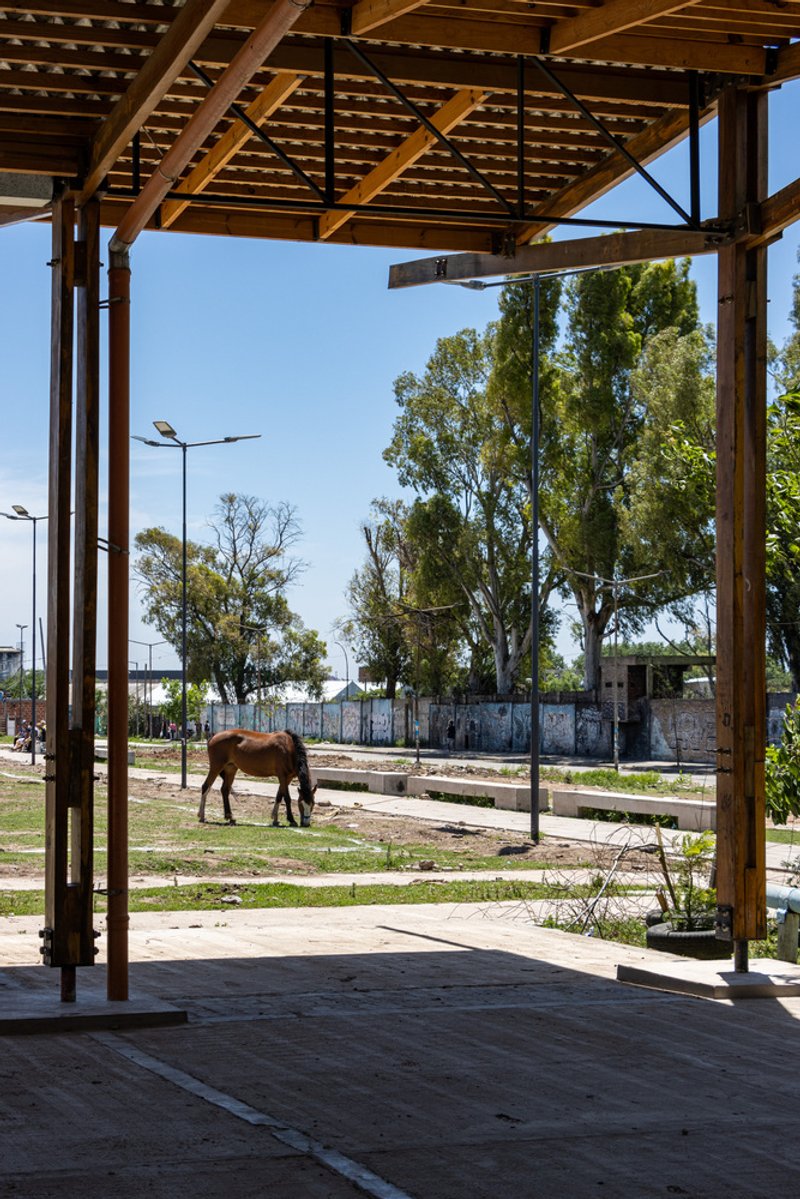
Participatory Design as the Foundation of Development
The design process at Educational Park La Carcova was shaped by the concept of "Educational Territory," promoted by UNSAM. This framework emphasizes the transfer of academic knowledge to underserved communities, transforming architecture into a tool for social change. Architects and students engaged in listening sessions with residents, identifying their needs, aspirations, and the practical demands of everyday life.
The expansion of Biblioteca Popular La Carcova, a community library, emerged as a central priority. This proposal was not a top-down intervention but the result of collective imagination and consensus-building. The participatory design methodology ensured that every architectural decision reflected the voices and desires of the community.
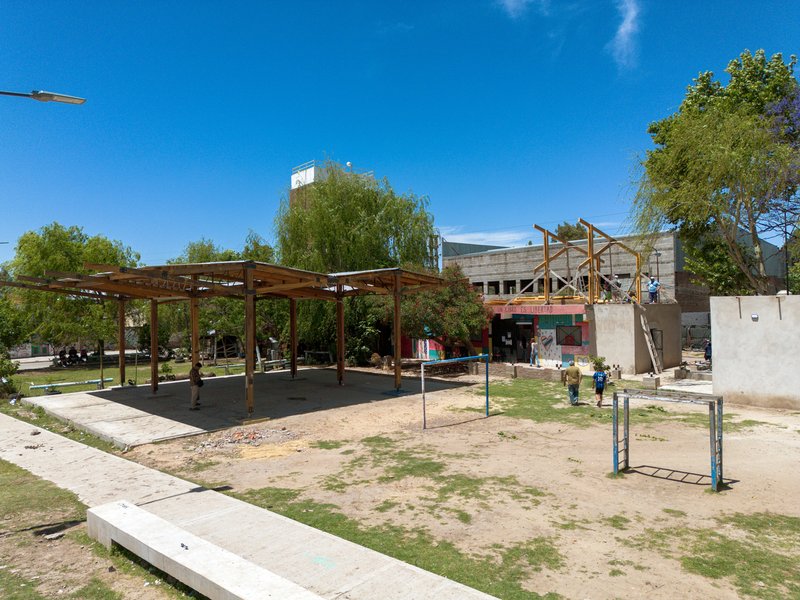
Key Structures Within Educational Park La Carcova
The physical manifestations of this community-led architectural project have materialized progressively over time. The first timber structure, completed in 2019, addressed an immediate need for shaded outdoor space. It became an informal gathering hub and a focal point for cultural activities.
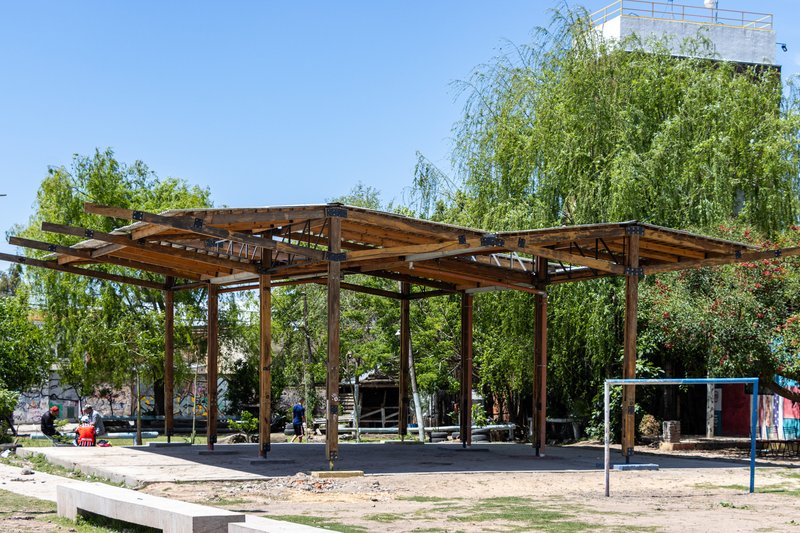
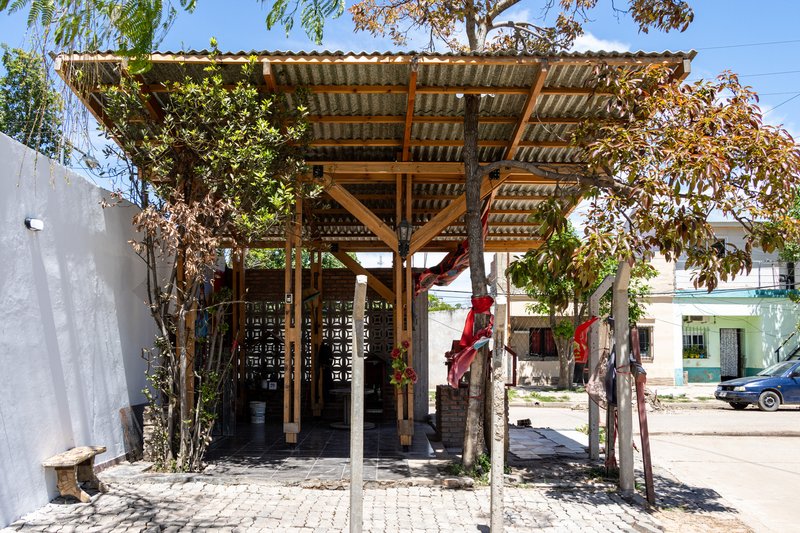
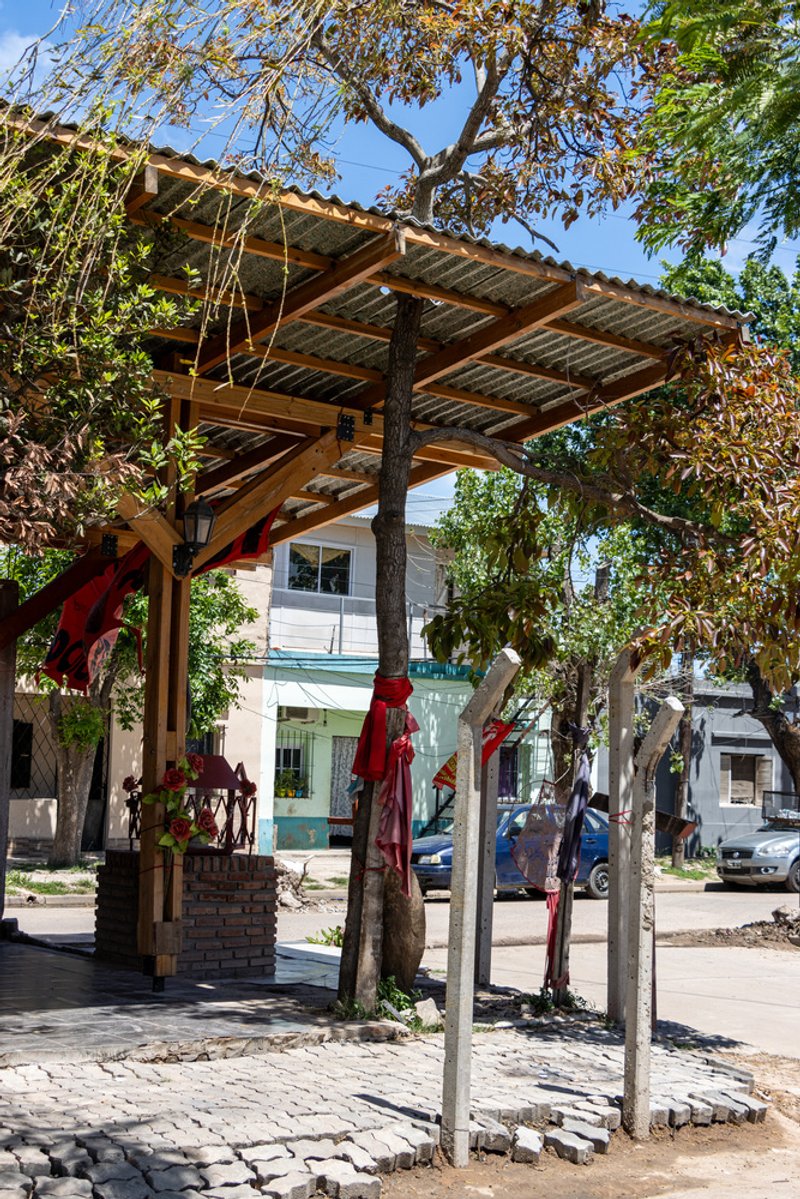
Following this success, the Santuario del Gauchito Gil was constructed, honoring a revered folk saint deeply embedded in the neighborhood’s cultural and spiritual life. This religious landmark further strengthened the connection between architecture and community identity.
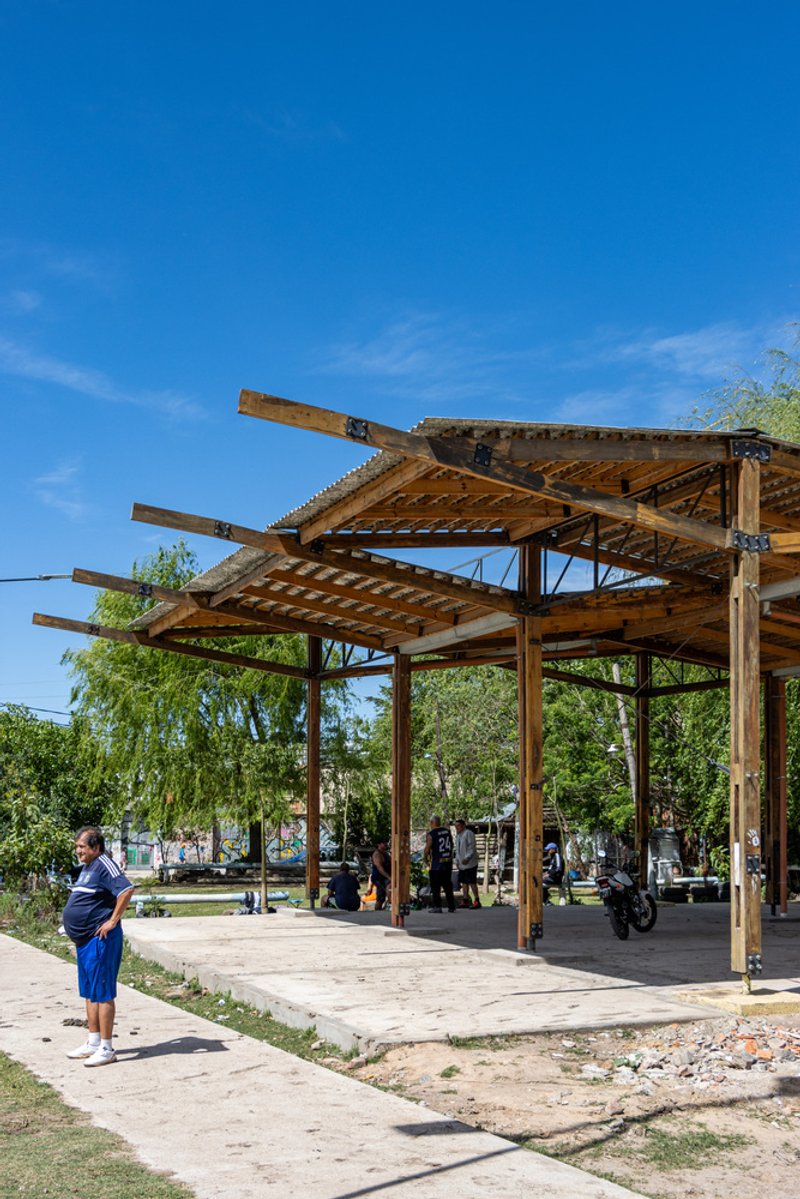
The latest phase involves the construction of the second floor of Biblioteca Popular La Carcova, supported by the German foundation Aktion Palca. Additionally, the Early Childhood Space, a facility aimed at supporting young children and families, has become operational. Each structure within the park represents a chapter in the collective journey of the residents and the architectural team.
Overcoming Challenges Through Collective Effort
The development of Educational Park La Carcova exemplifies the resilience inherent in community-led architectural projects. The COVID-19 pandemic posed significant obstacles, yet the commitment of the community and the design team ensured continued progress. Construction workshops adapted to safety protocols, demonstrating the adaptability of participatory architecture in times of crisis.
The phased construction approach, guided by the principle "Todo a su tiempo" ("All in good time"), allowed for steady growth without overburdening local resources. This flexibility is a hallmark of successful community-led architectural projects, ensuring sustainability and long-term impact.
Materiality and Symbolism in the Built Environment
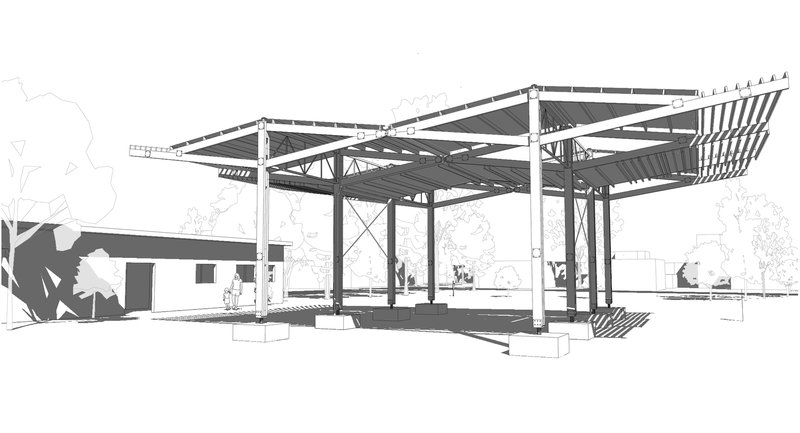
Material choices at Educational Park La Carcova reflect both practicality and cultural resonance. Timber, a readily available and adaptable material, dominates the structures. Its warmth and familiarity align with the community’s desire for spaces that feel welcoming and accessible.
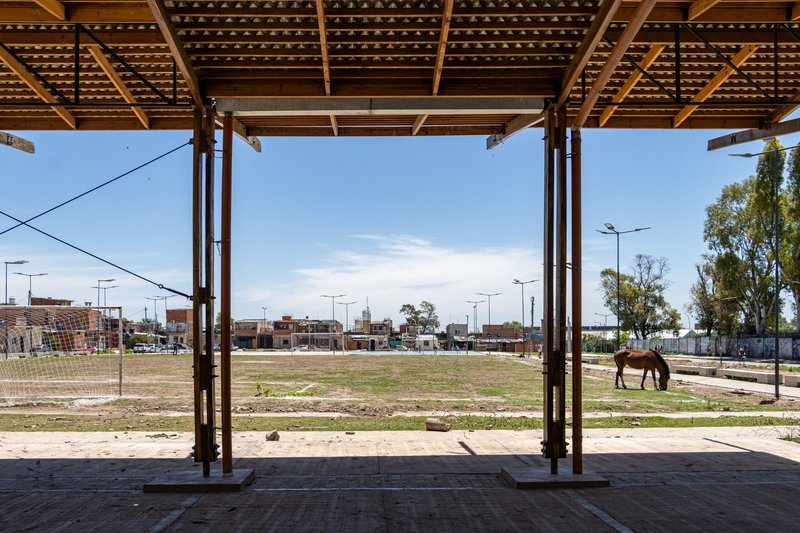
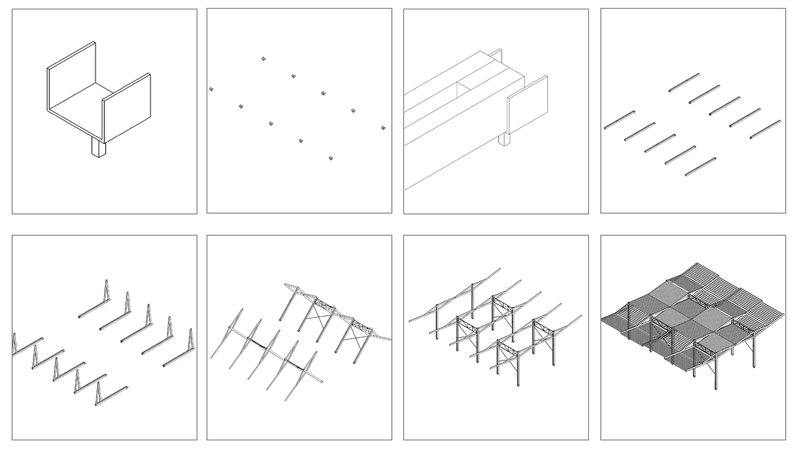
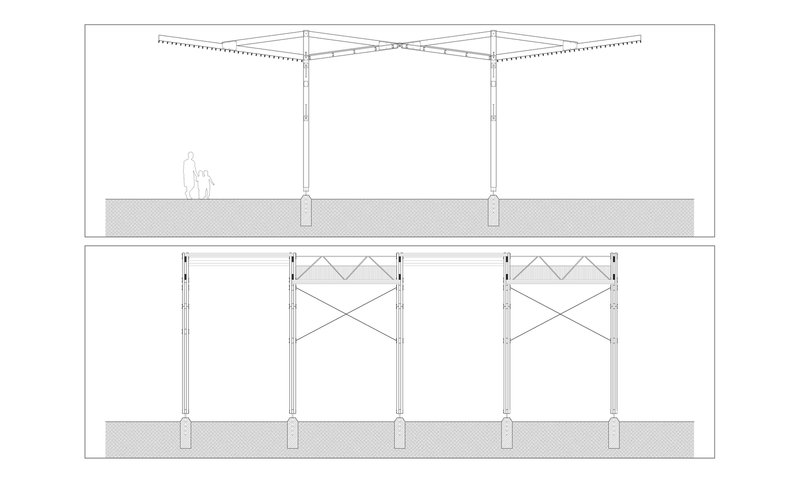
The architectural forms emphasize openness, transparency, and adaptability. The timber framework, with its exposed beams and simple roofing, celebrates craftsmanship and collective labor. Each joint and connection carries the imprint of those who built it, transforming the structures into living testaments of unity.
The Social Impact of Community-Led Architectural Projects
Educational Park La Carcova transcends physical construction; it fosters social cohesion and empowerment. The participatory process has strengthened bonds between neighbors, creating a sense of ownership over public space. Residents no longer view architecture as an external imposition but as an extension of their collective agency.
Children find safe areas to play, while adults gather for cultural events and educational programs. The library expansion opens doors to knowledge, while the early childhood facility supports working families. These social benefits exemplify the broader potential of community-led architectural projects to transform marginalized neighborhoods into thriving hubs of activity.
The Future of Educational Park La Carcova
The journey of Educational Park La Carcova continues to unfold. Future phases will further expand the park’s infrastructure, with new spaces tailored to evolving community needs. The close partnership between Cátedra Taller a77, UNSAM, and local residents ensures that each step remains rooted in participation and consensus.
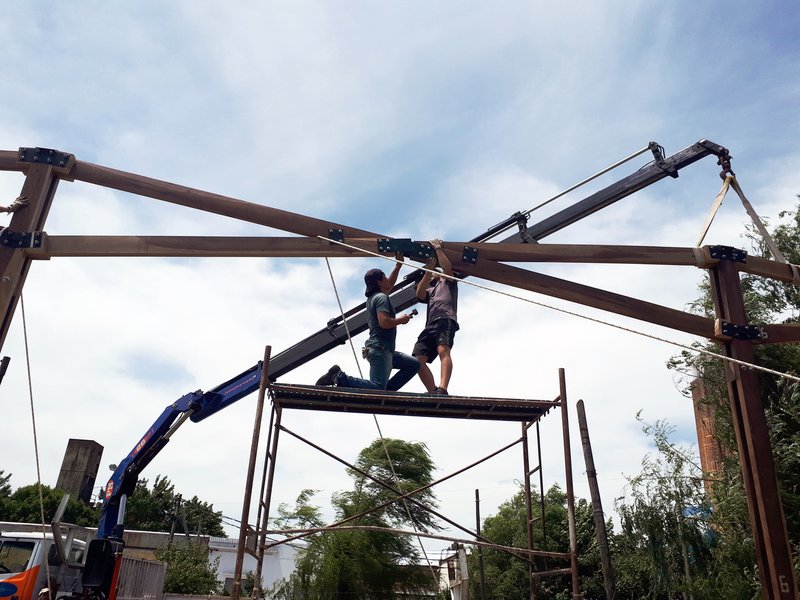
This adaptive approach embodies the ethos of community-led architectural projects, emphasizing that architecture is not merely about buildings but about nurturing relationships and enabling human potential.
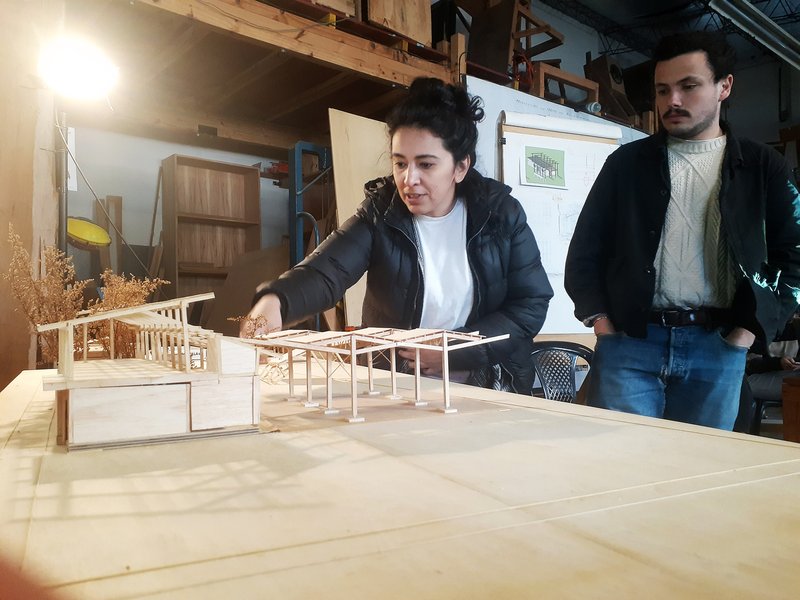
Educational Park La Carcova as a Model for Community-Led Architectural Projects
Educational Park La Carcova by Cátedra Taller a77 stands as a beacon of how community-led architectural projects can reshape public spaces and empower underserved communities. By prioritizing participation, cultural sensitivity, and gradual development, the project offers a replicable model for architects and urban planners worldwide.
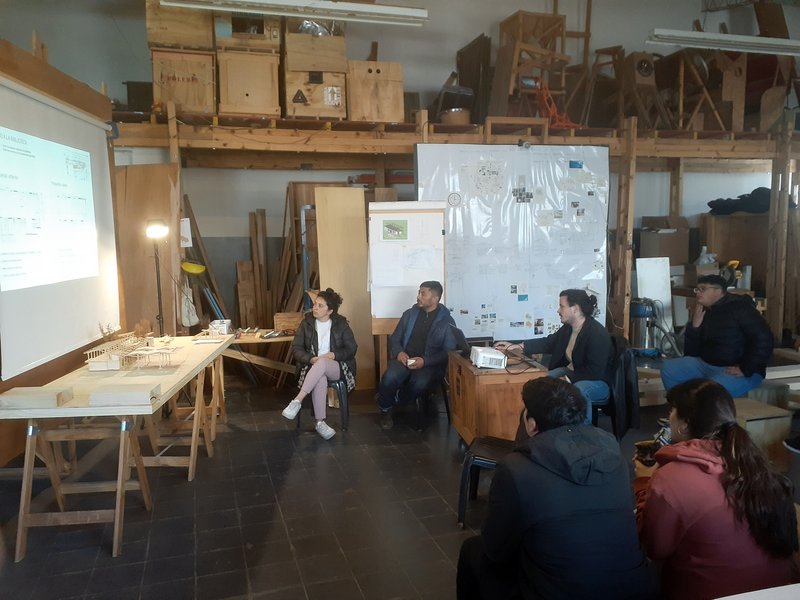
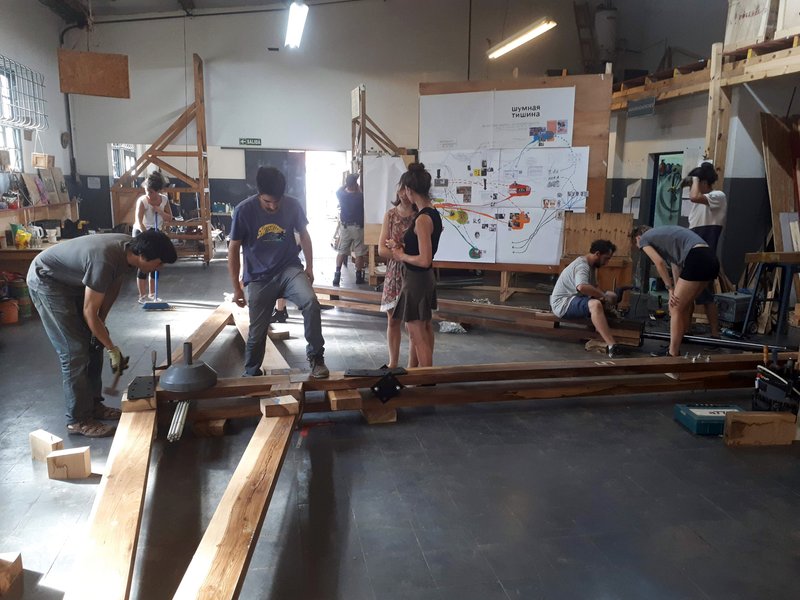
In an era where architecture is increasingly called upon to address social inequalities, Educational Park La Carcova reminds the world that the most transformative designs arise from collaboration, empathy, and the collective strength of a community.
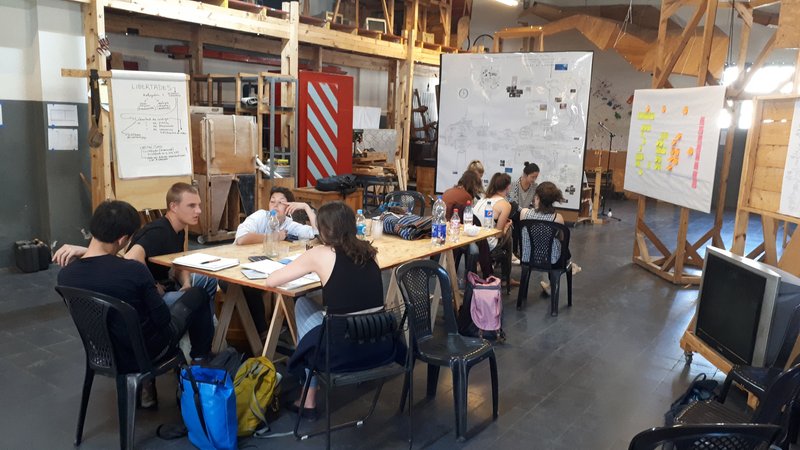
All photographs are works of Herald Jeffry Paredes


Popular Articles
Popular articles from the community

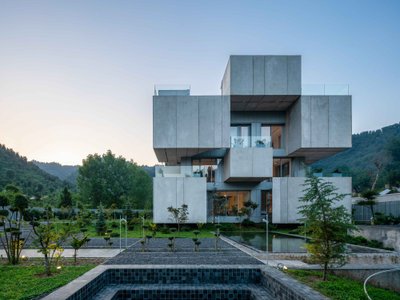
Bood Design Bureau Splits a Gilan Residence in Two to Let the Forest In
Double Side House negotiates privacy and openness through interlocking concrete volumes and planted courtyards in northern Iran's humid Caspian lowlands.
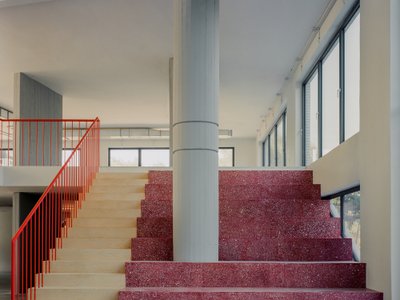
Art 1 Office Strips Athens Back to Its Bones
Neiheiser Argyros transforms a 40-year-old Athens office building into a vivid, materially rich workplace anchored by red steel, exposed concrete, and roof
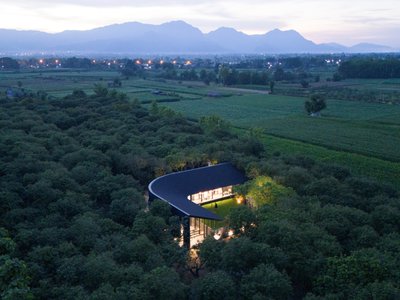
Cafe MADA: A Chiang Rai Pavilion in a Mango Orchard
BodinChapa Architects threaded a 254 m² black-roofed cafe through an existing mango orchard in Chiang Rai, Thailand, built around mature trees.
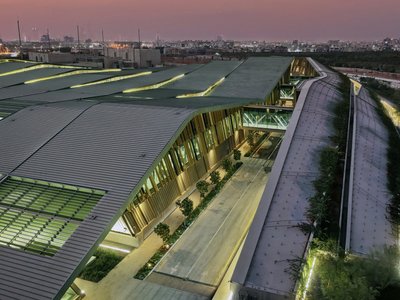
A Park Building That Wants to Be a Landscape
Omrania's Operations & Maintenance Building at King Salman Park dissolves industrial program into Riyadh's largest green infrastructure.

Similar Reads
You might also enjoy these articles
ATELIER BRÜCKNER Grows a Garden of Knowledge for Uzbekistan's Expo 2025 Pavilion in Osaka
A triangular timber canopy and blue-tiled courtyards translate Uzbek craft traditions into a 1,272-square-meter landscape of learning.
Bood Design Bureau Splits a Gilan Residence in Two to Let the Forest In
Double Side House negotiates privacy and openness through interlocking concrete volumes and planted courtyards in northern Iran's humid Caspian lowlands.
suatudio Splits a Multigenerational Home into Interlocking Concrete Volumes in West Java
Rumah Tahu House in Sumedang, Indonesia adapts to sloping terrain with split levels, timber decks, and deep overhangs for two generations.
MAKER architecten Rewire a 1972 Brutalist Dormitory on the VUB Campus as a Living Lab
A modular renovation strategy in Belgium breathes new life into Willy Van Der Meeren's modernist student housing without erasing its concrete bones.
Explore Architecture Competitions
Discover active competitions in this discipline




The International Standard for Design Portfolios


The Global Benchmark for Architecture Dissertation Awards


The Global Benchmark for Graduation Excellence


Challenge to reimagine the Iron Throne
Comments (0)
Please login or sign up to add comments
No comments yet. Be the first to comment!