
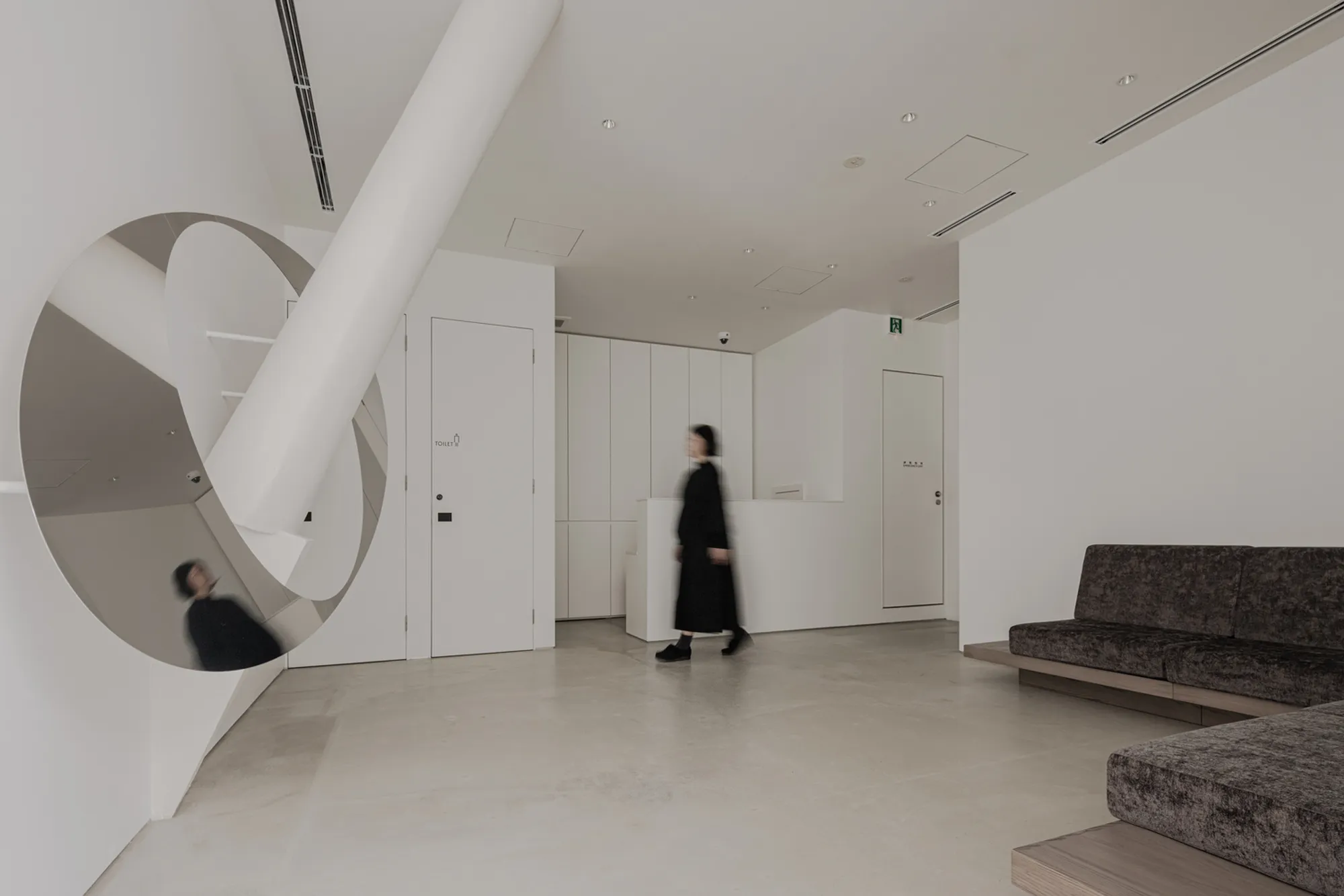
Compact Urban Hotel Design: Hotel Rakuragu by Kooo Architects
Hotel Rakuragu by Kooo Architects redefines compact urban hotel design, integrating balconies, passive design, and space-efficient planning in Tokyo.


Revolutionizing Hotel Architecture in Tokyo’s Dense Urban Fabric
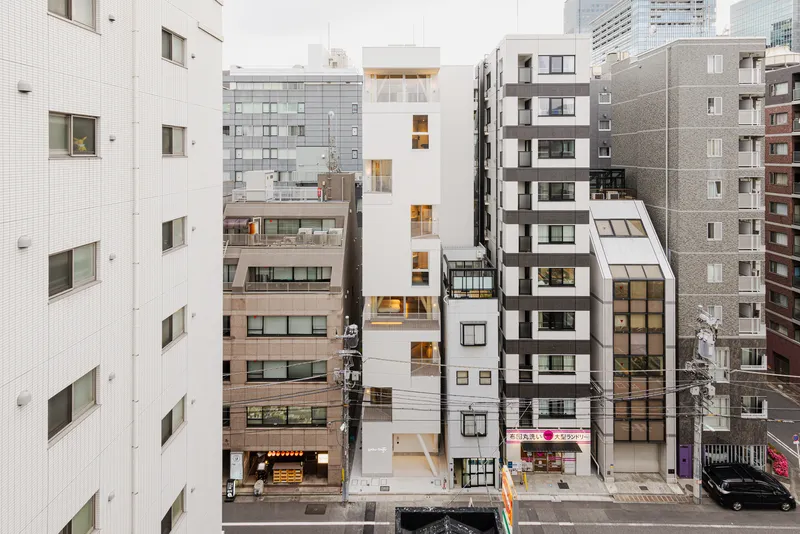
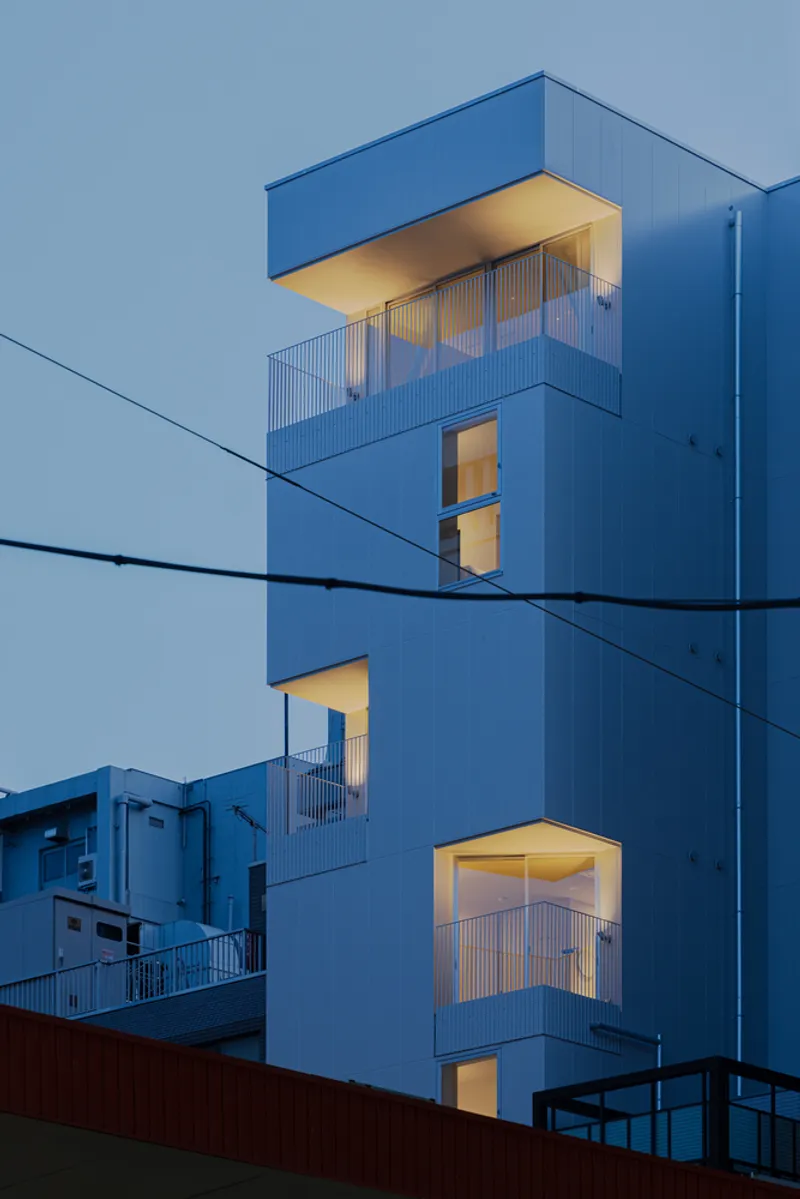
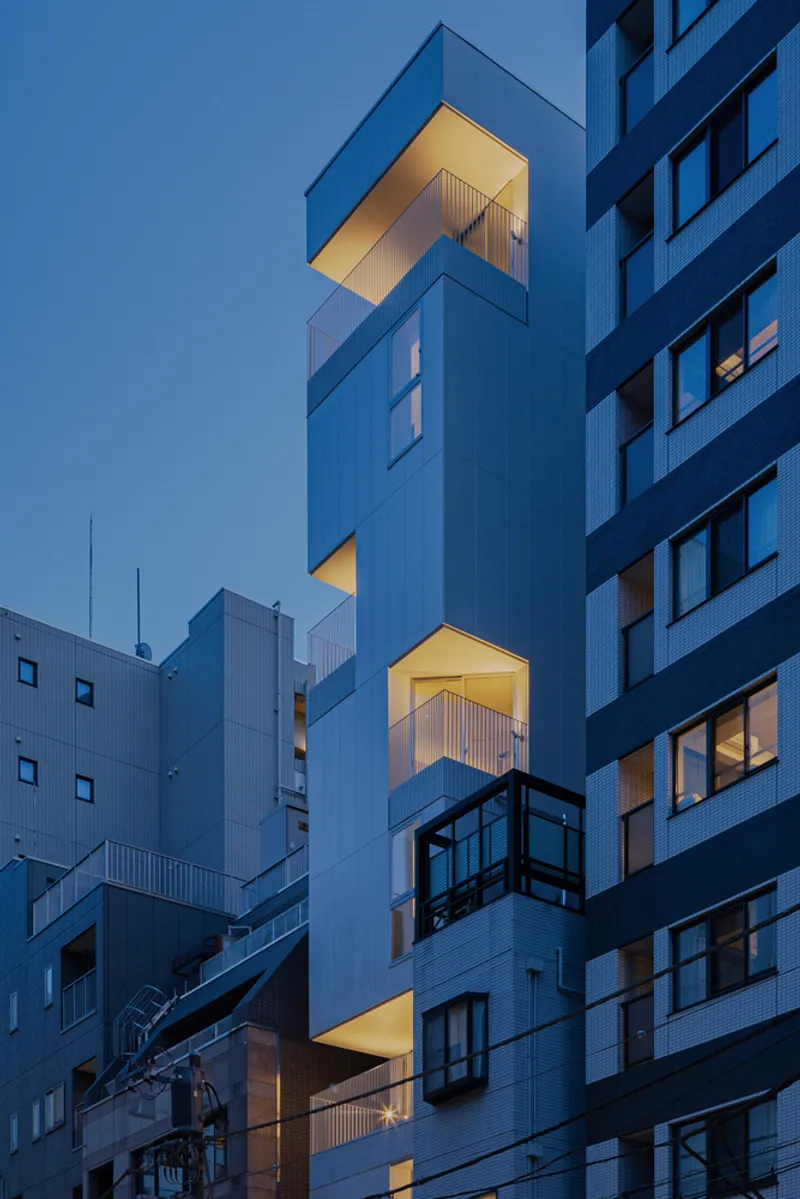
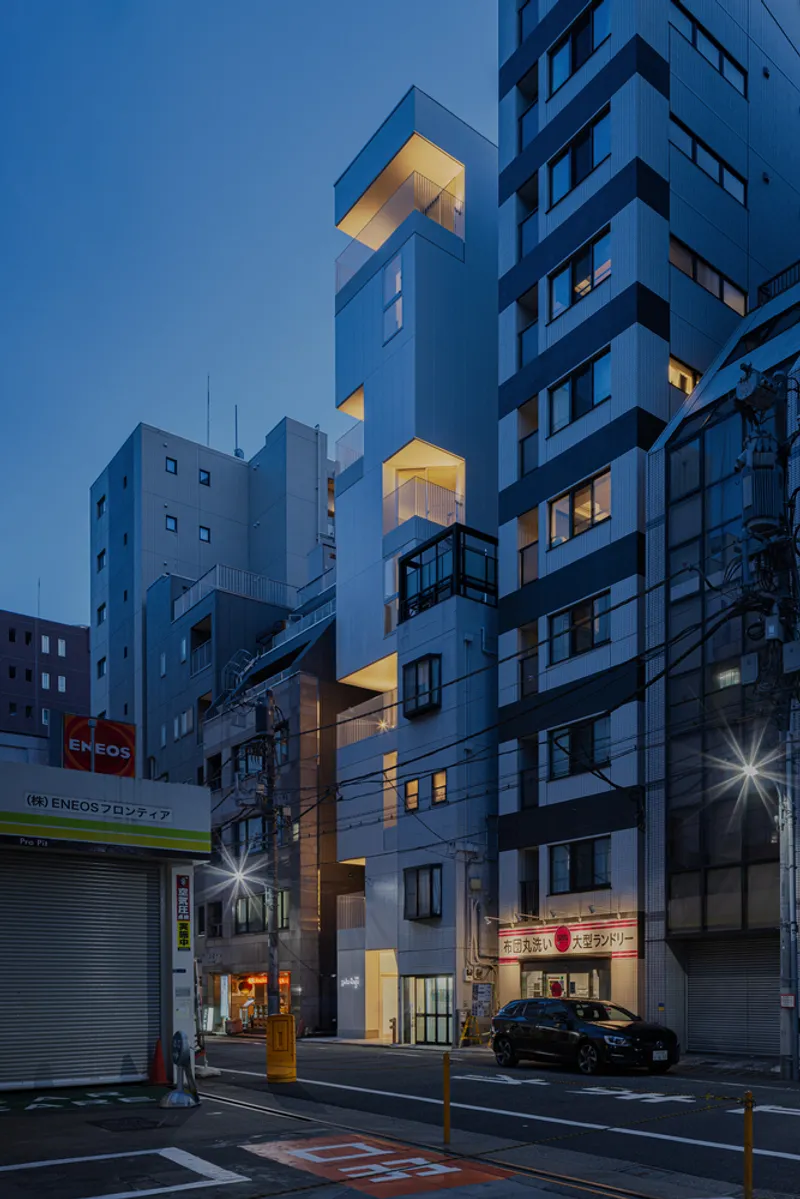
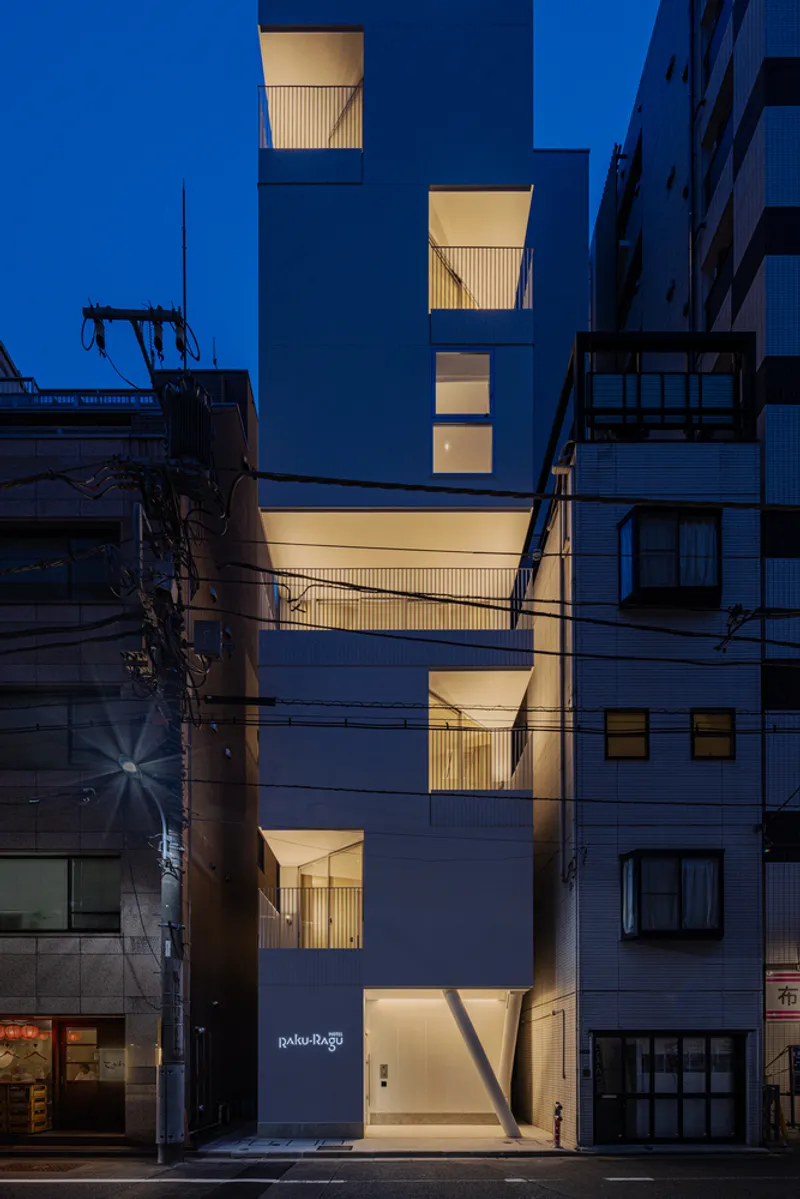
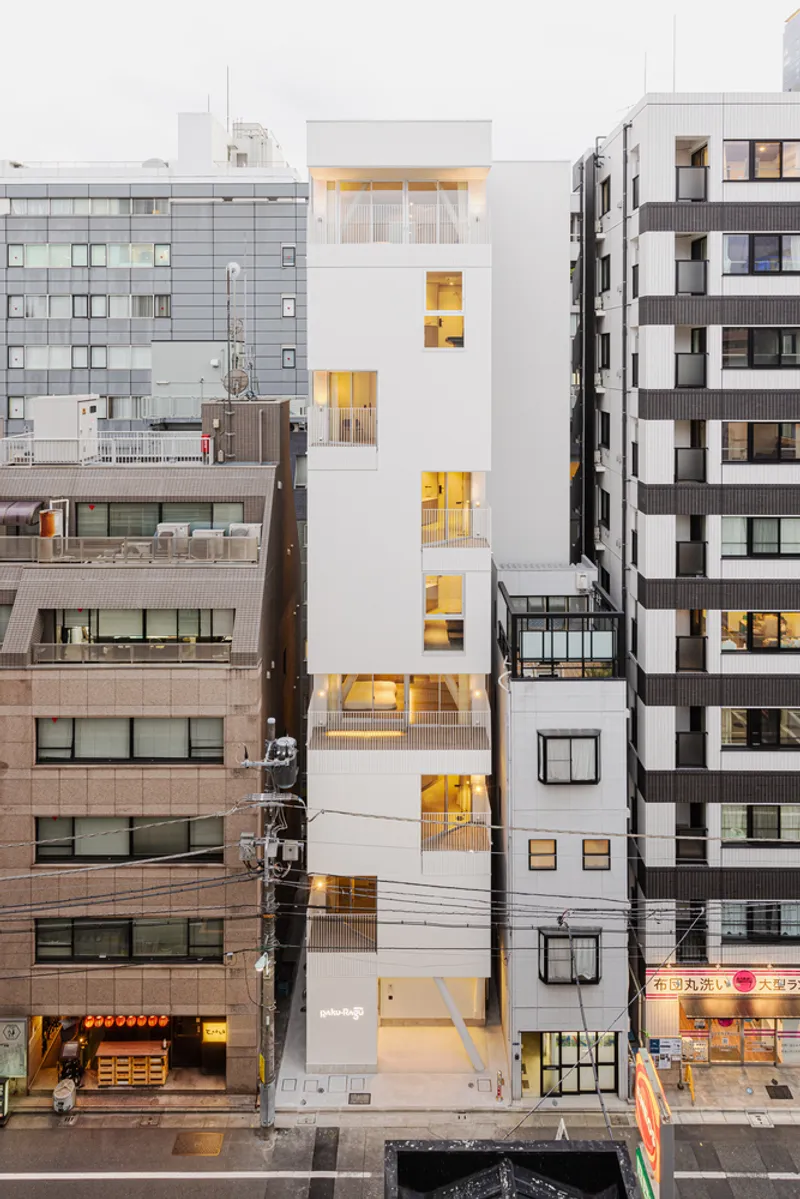
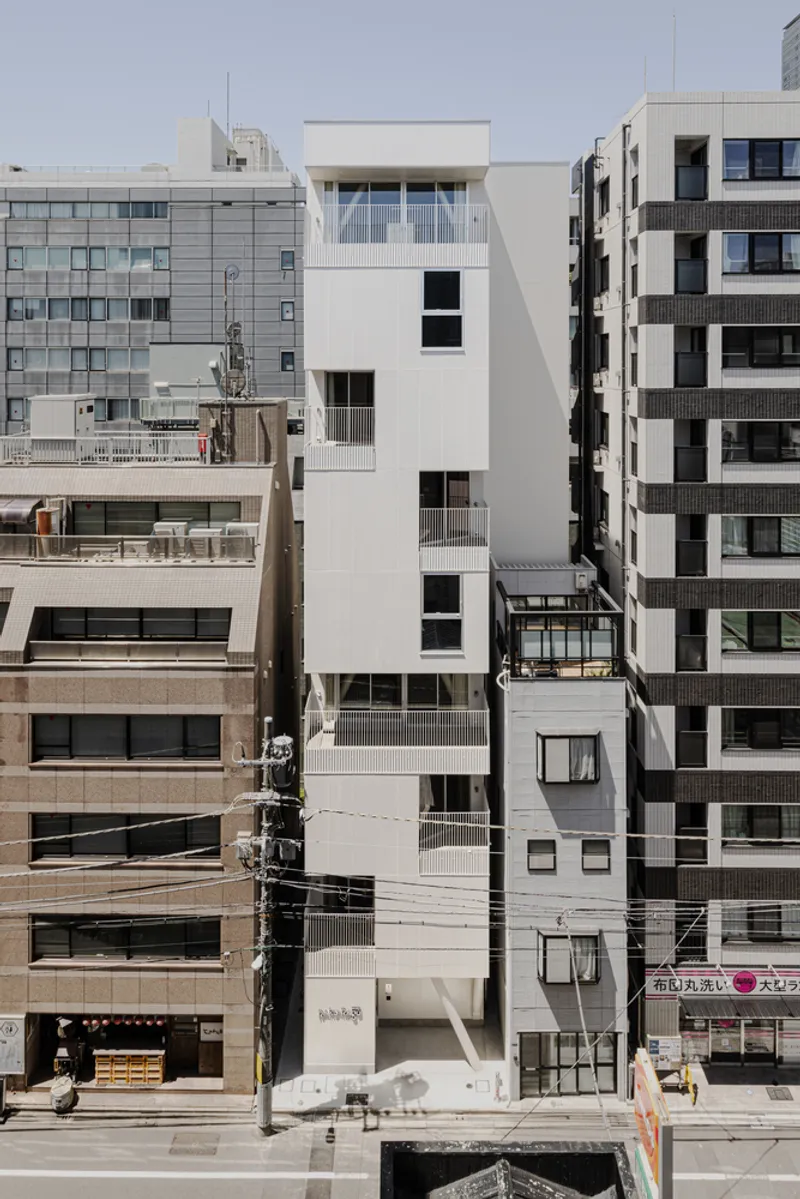
Hotel Rakuragu by Kooo Architects stands as an innovative response to Tokyo’s urban density, redefining compact urban hotel design through creative spatial strategies. Situated on an 84-square-meter plot in the city’s central district, the hotel maximizes its limited footprint with a vertical approach, integrating balconies and open views to counteract the lack of scenic surroundings. Unlike conventional hotels that forgo terraces in favor of interior space, this design leverages Tokyo’s urban “gaps” to enhance guest experience, creating a dynamic interaction between architecture and the cityscape.
Design Concept: Maximizing Space Through Architectural Voids
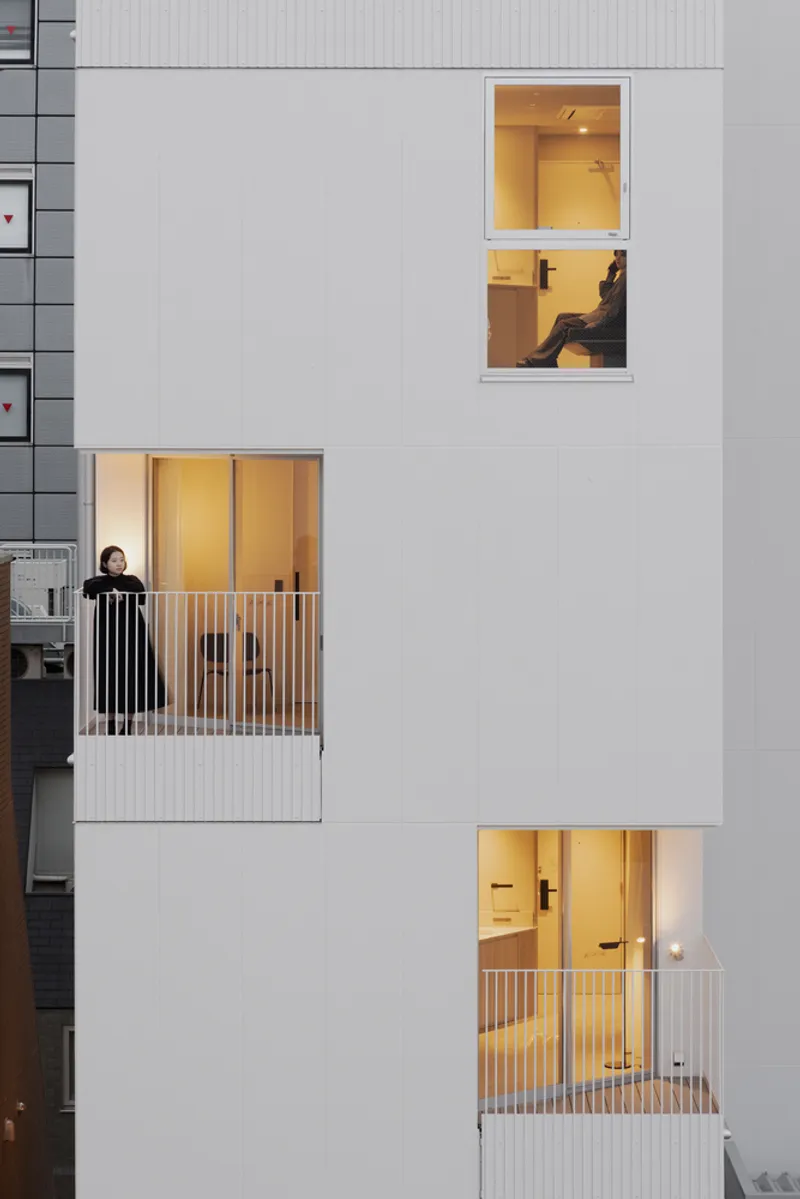
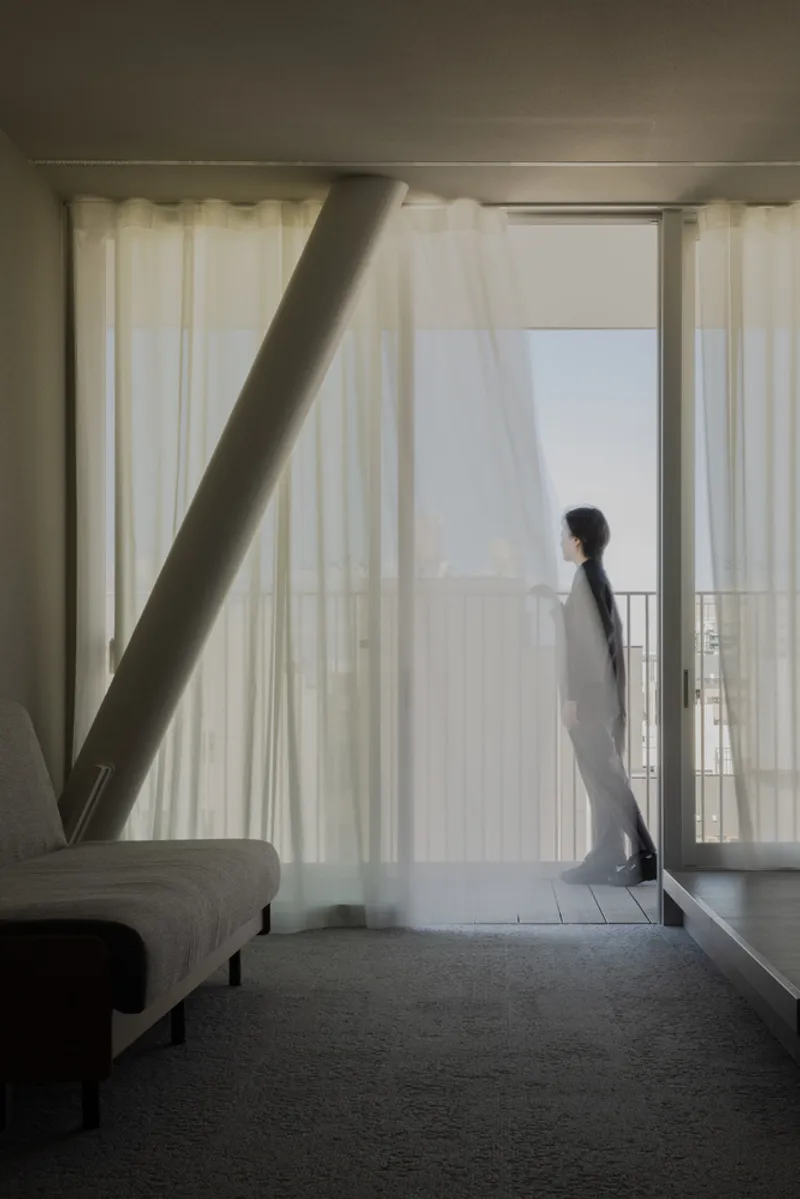
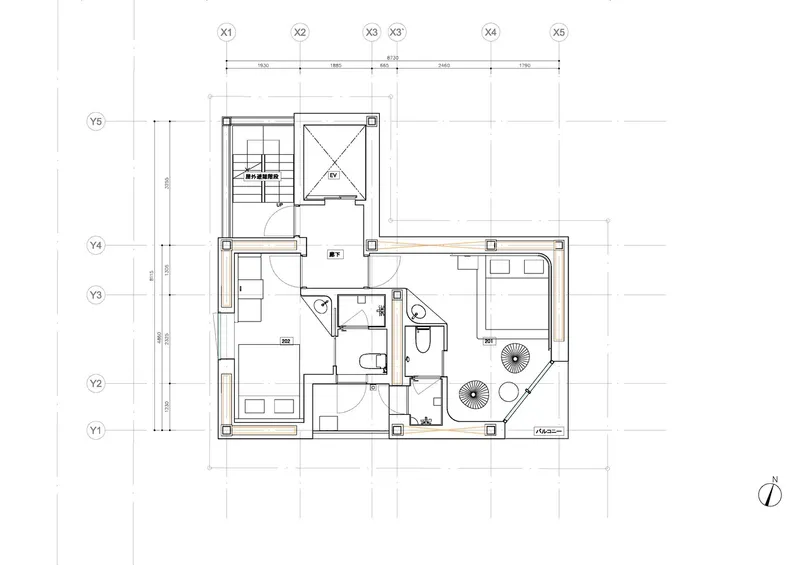
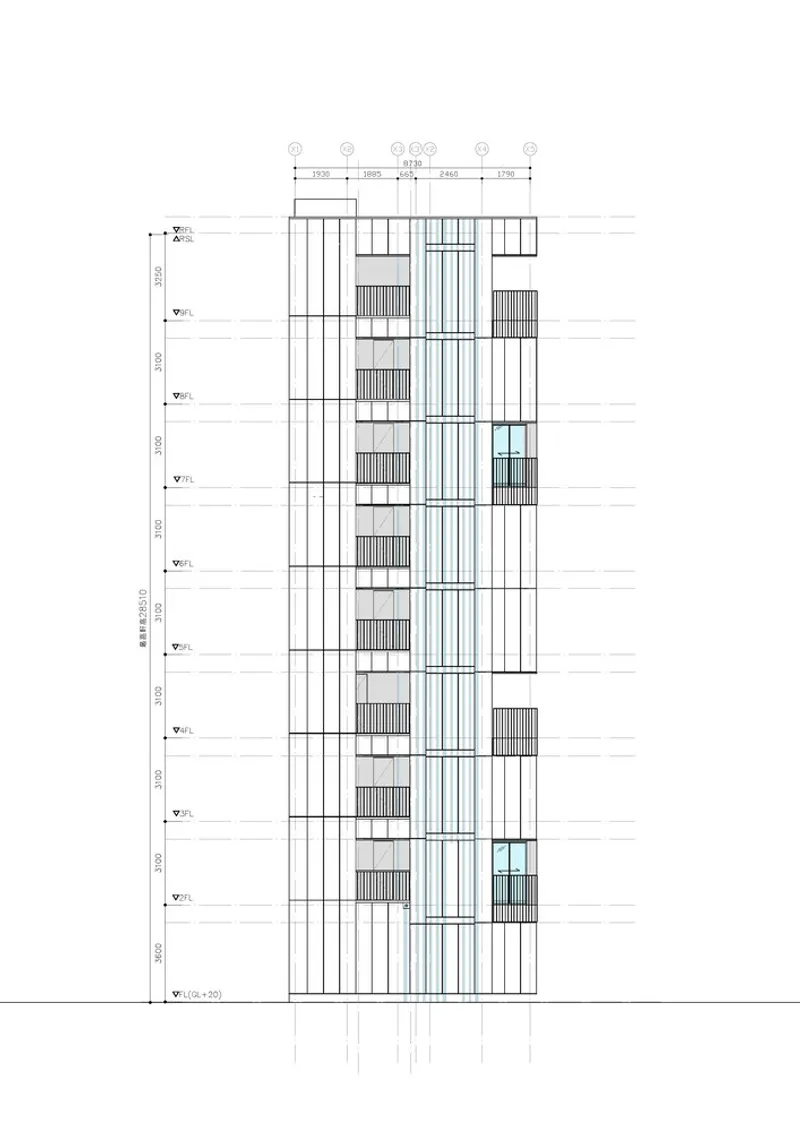
At its core, Hotel Rakuragu is a study in balancing efficiency with aesthetics. The façade is a sculpted white cuboid punctuated by irregular voids, forming a rhythmic interplay of light and shadow. Each floor features uniquely oriented balconies, providing guests with ever-changing perspectives of Tokyo’s urban landscape. These terraces serve not just as aesthetic elements but also as functional extensions that promote natural ventilation and daylighting.
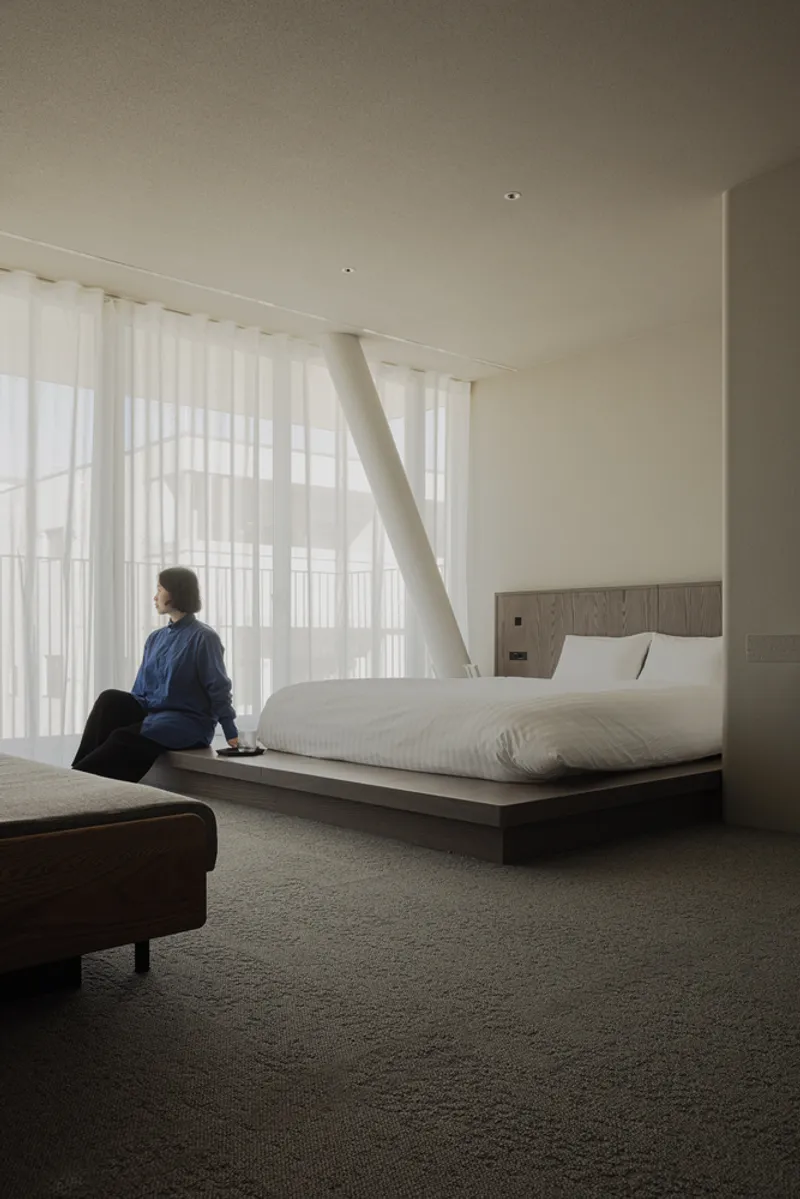
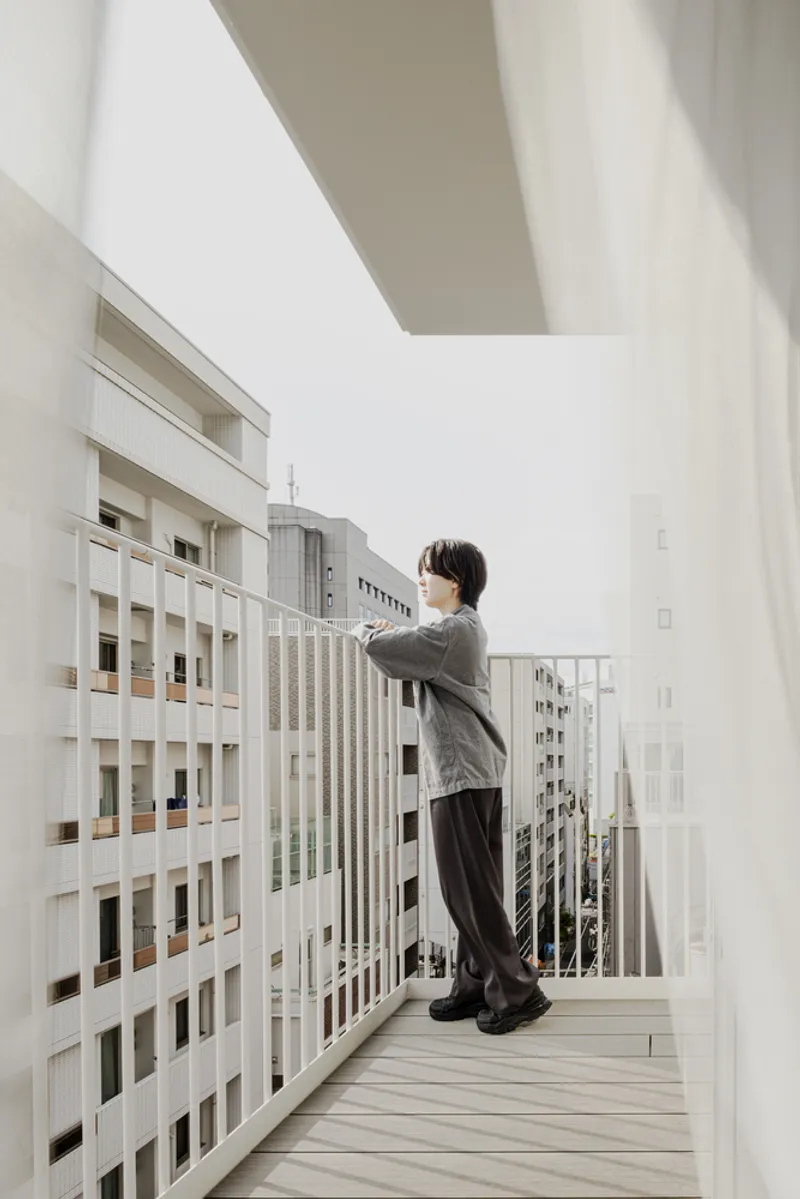
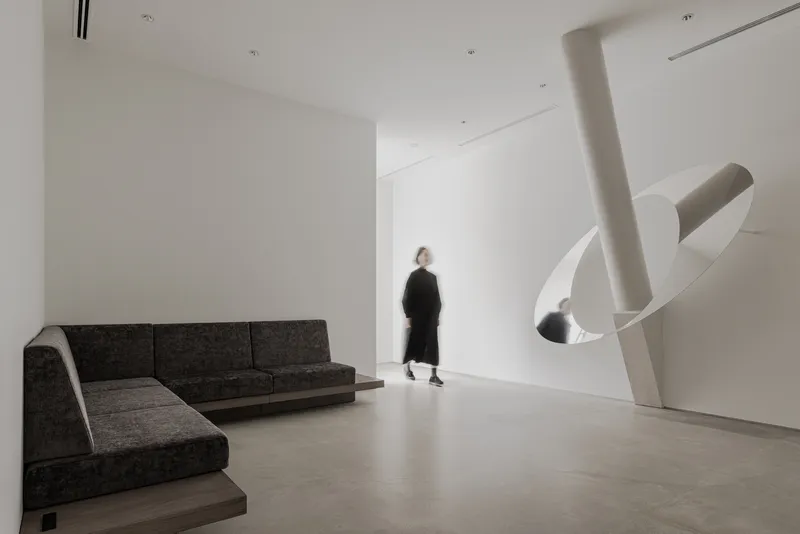
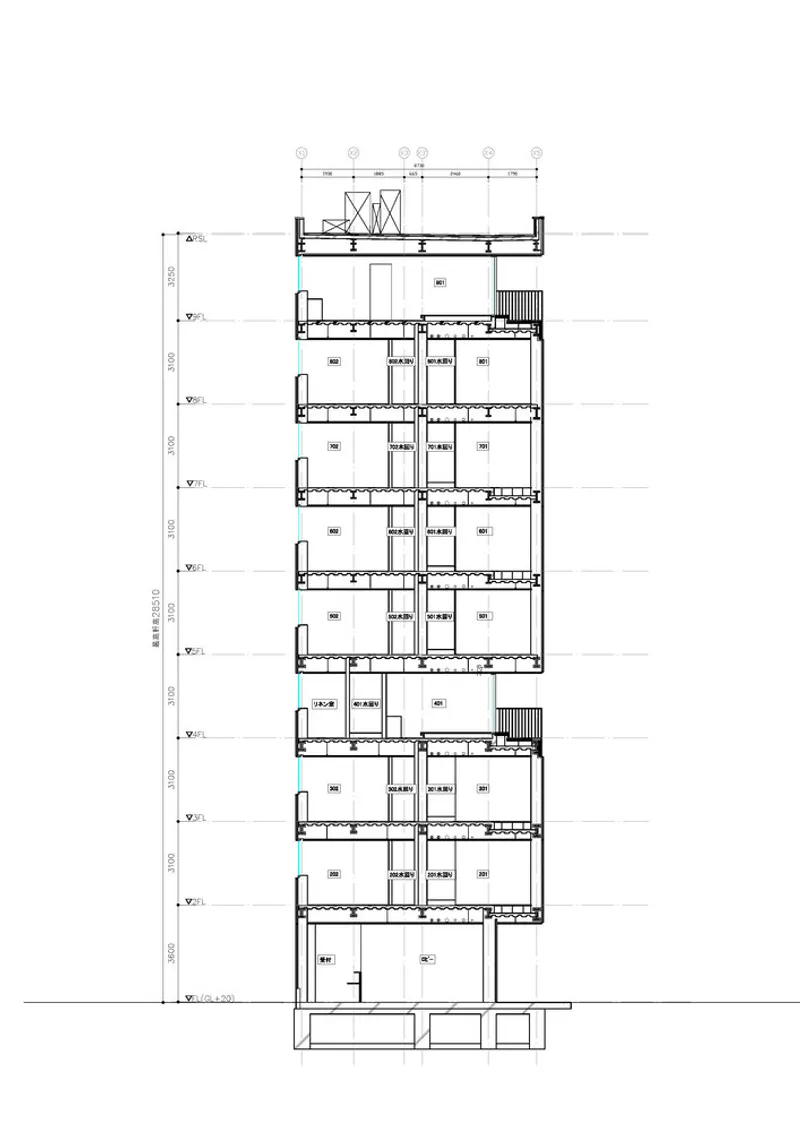
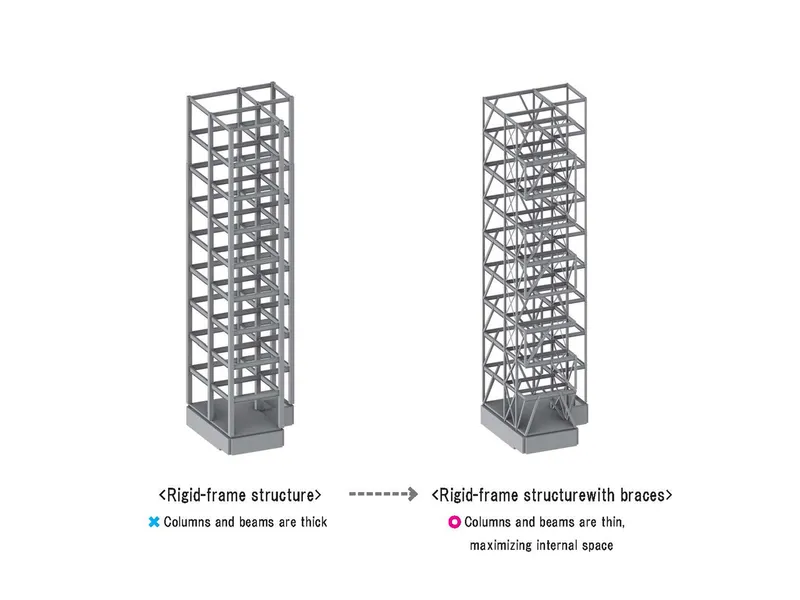
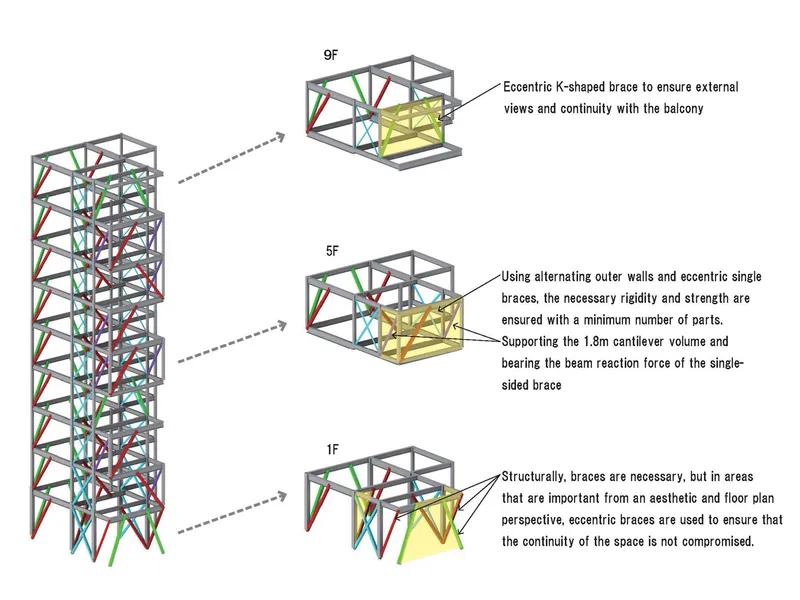
The structural system employs a steel rigid-frame with diagonal braces, replacing traditional column-and-beam construction. This engineering choice allows for flexible column placement, minimizing visual obstructions and enabling more open, airy balconies. The result is a hotel that defies its compact footprint by seamlessly blending interior and exterior spaces.
Sustainability and Passive Design Strategies
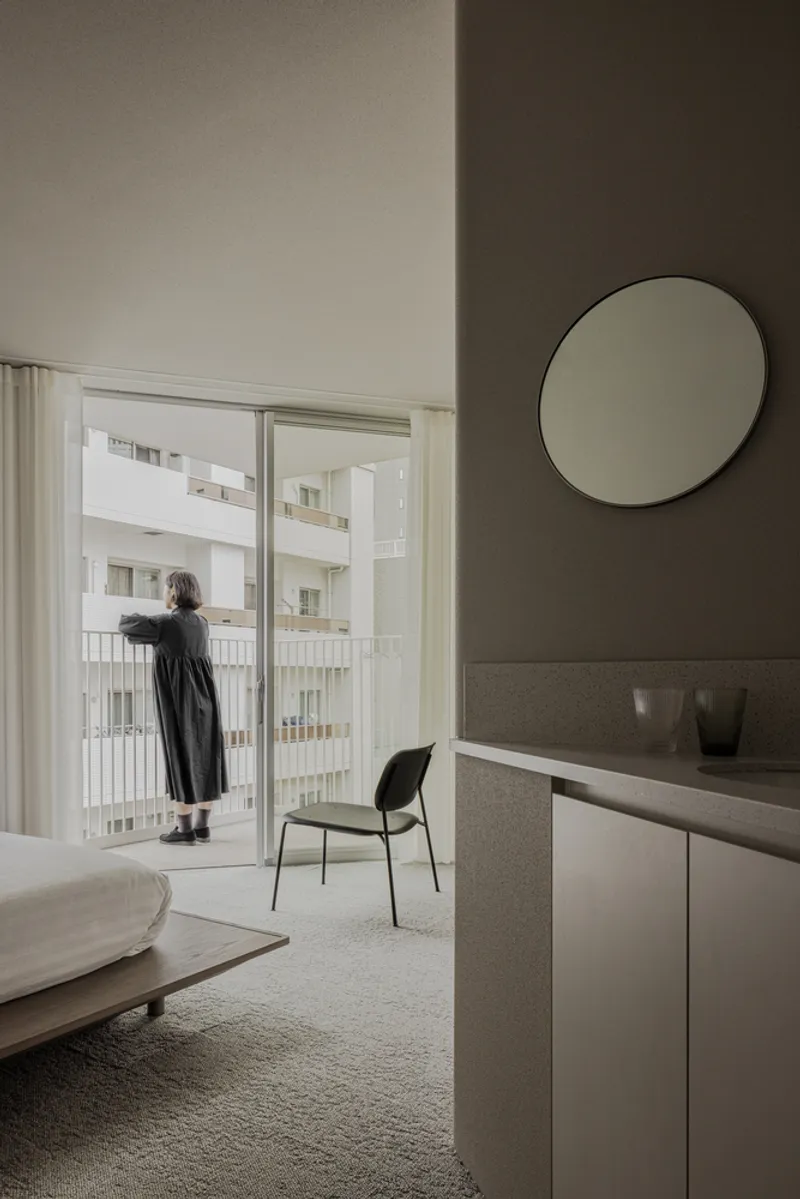
Passive design elements play a crucial role in enhancing the comfort and efficiency of the hotel. The use of Low-E glass in balcony openings mitigates heat gain in summer while improving insulation in winter. This approach balances openness with thermal efficiency, reducing energy consumption without compromising guest comfort. The COVID-19 pandemic influenced the integration of natural ventilation, ensuring a healthier indoor environment.
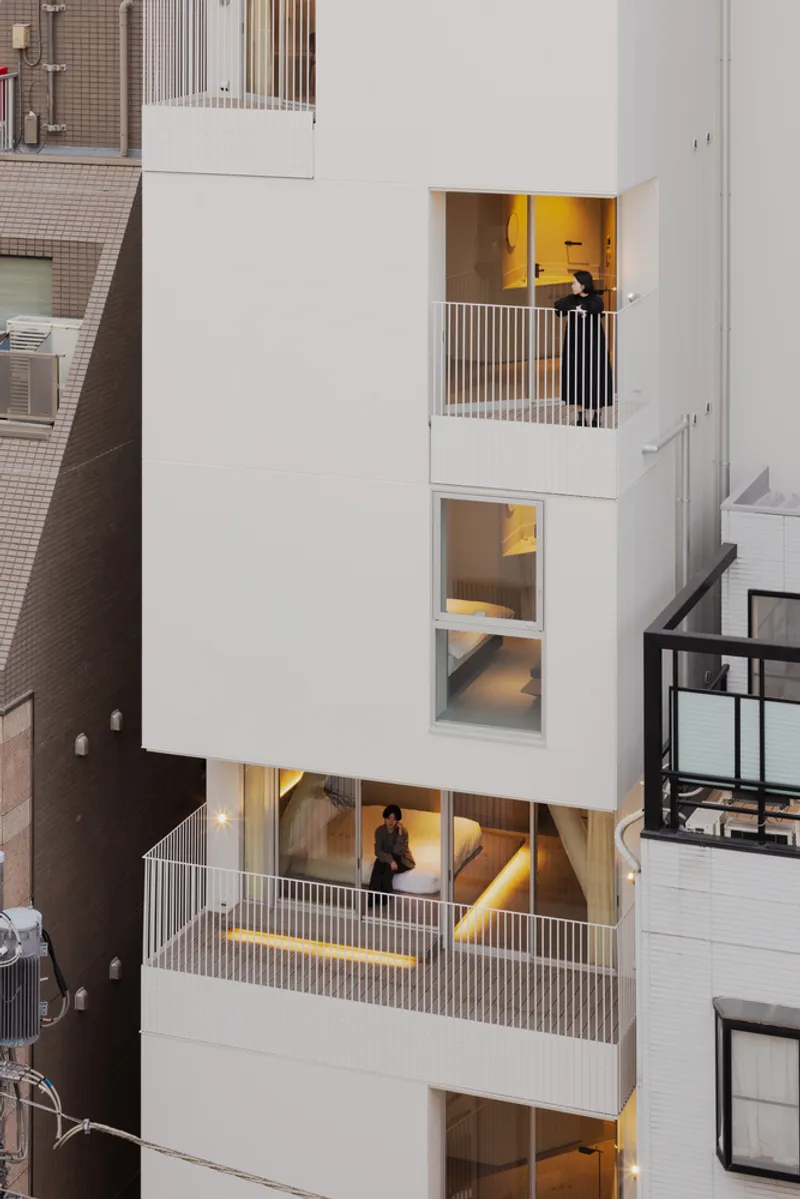
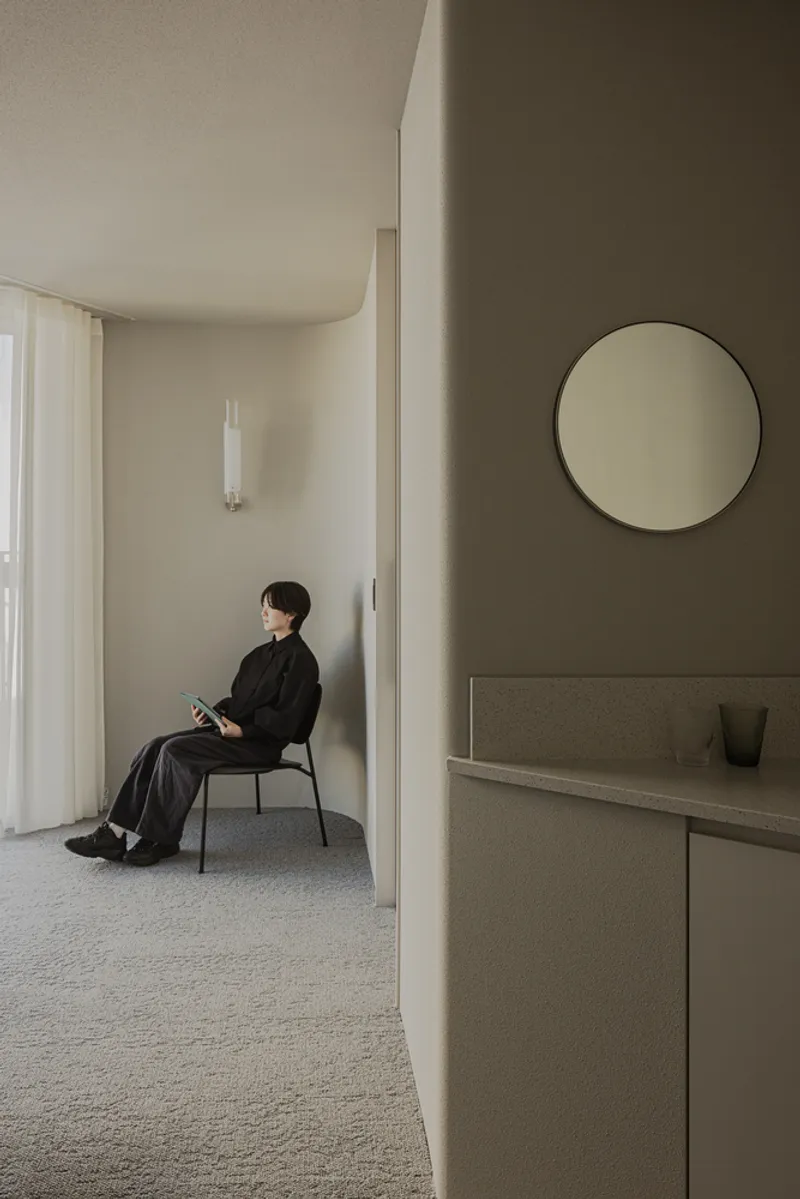
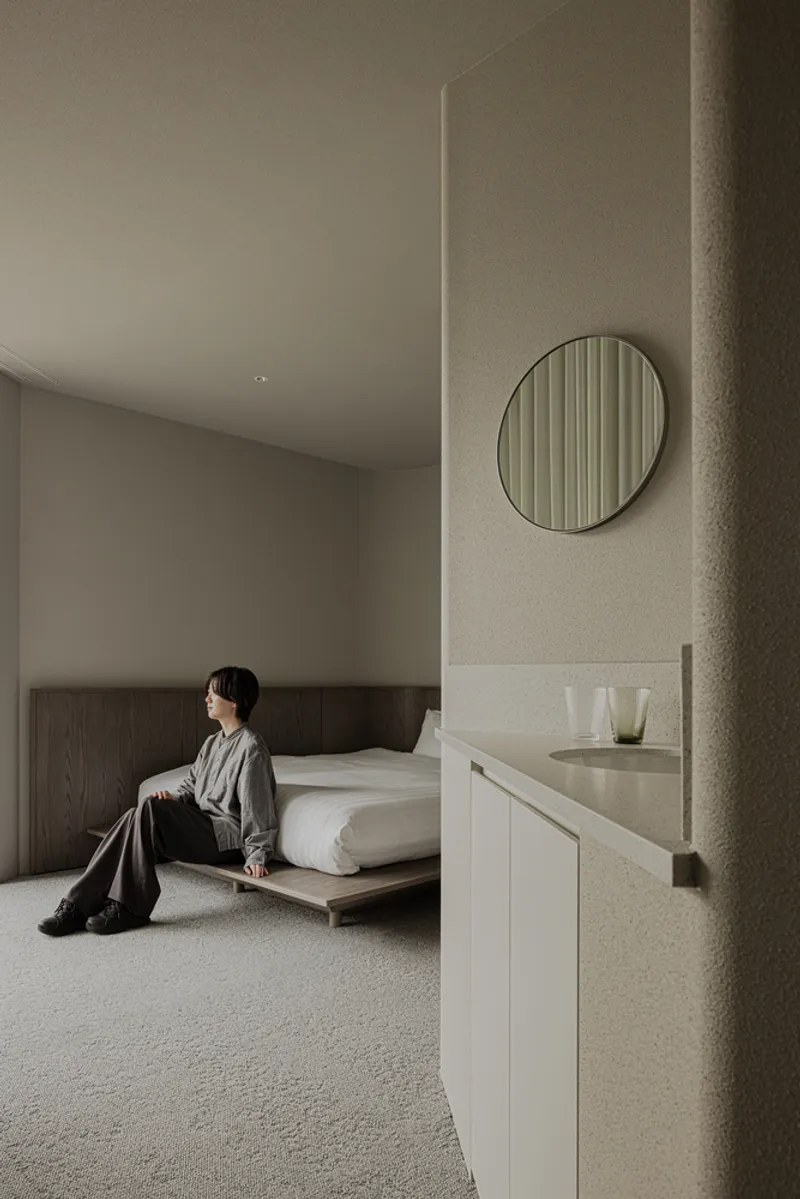
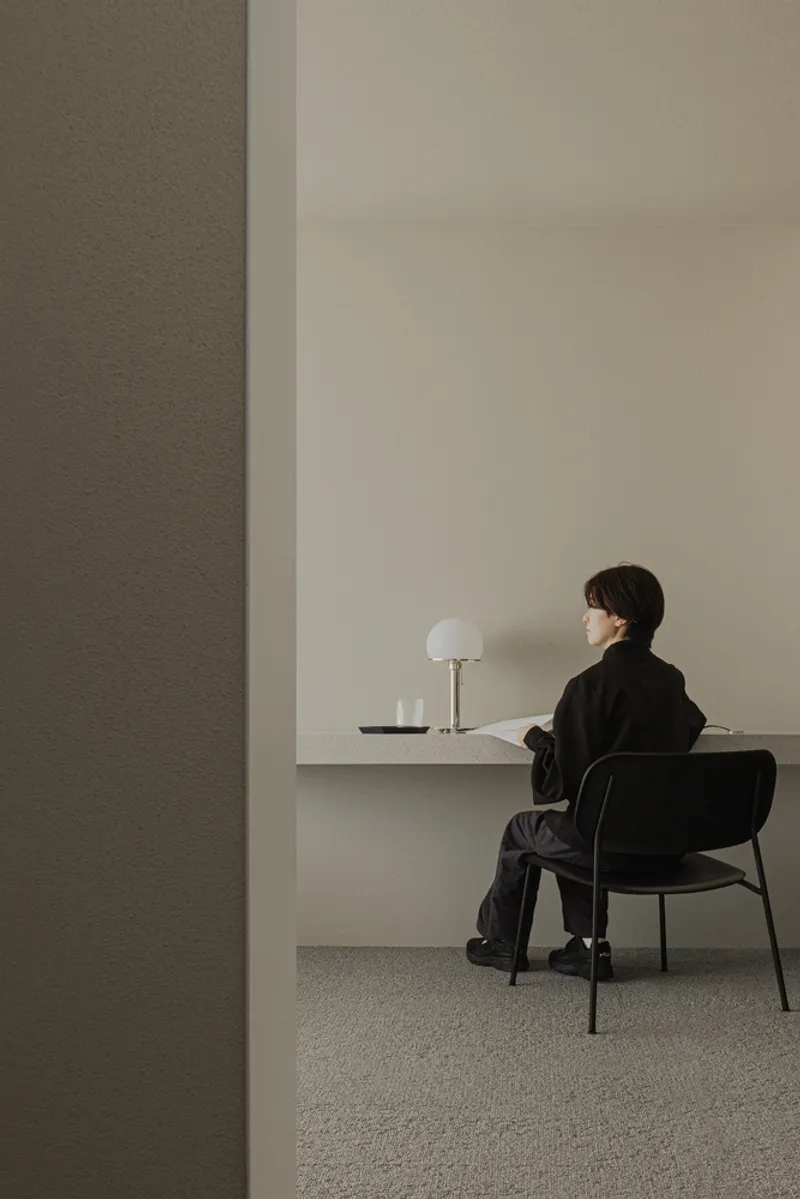
Diatomaceous earth wallpaper enhances indoor air quality by regulating humidity and absorbing pollutants. Combined with the curved walls that soften spatial transitions, the material selection fosters a calming ambiance, aligning with the hotel’s mission to create a tranquil retreat within the bustling metropolis.
Innovative Spatial Planning for Compact Living
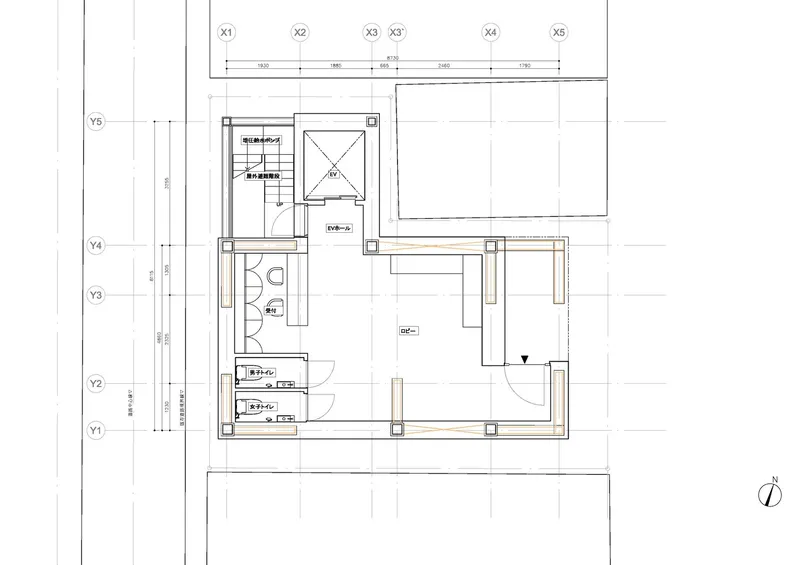
The hotel's layout optimizes space by rethinking conventional hotel room configurations. Bathrooms are positioned away from balcony openings to ensure privacy, a critical consideration given the dense office-dominated surroundings of Chuo Ward. Instead of enclosing the washbasins within the bathroom, they are placed in open areas, reducing spatial confinement and enhancing functionality.
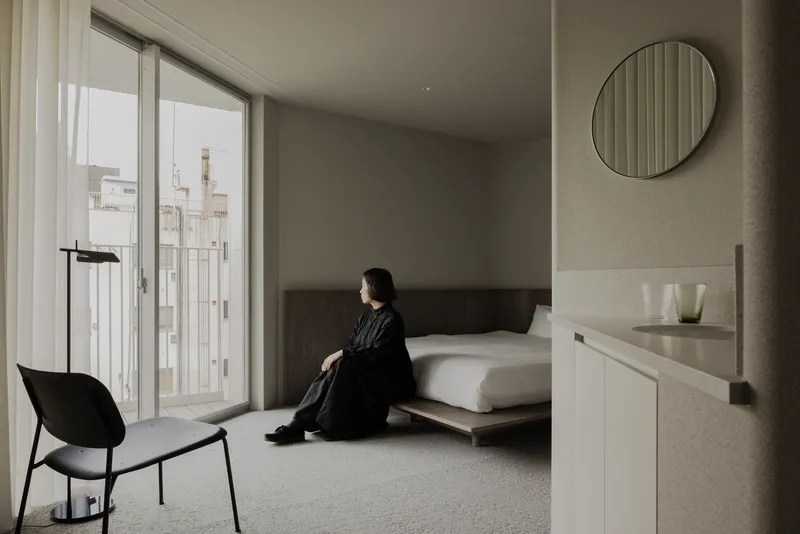
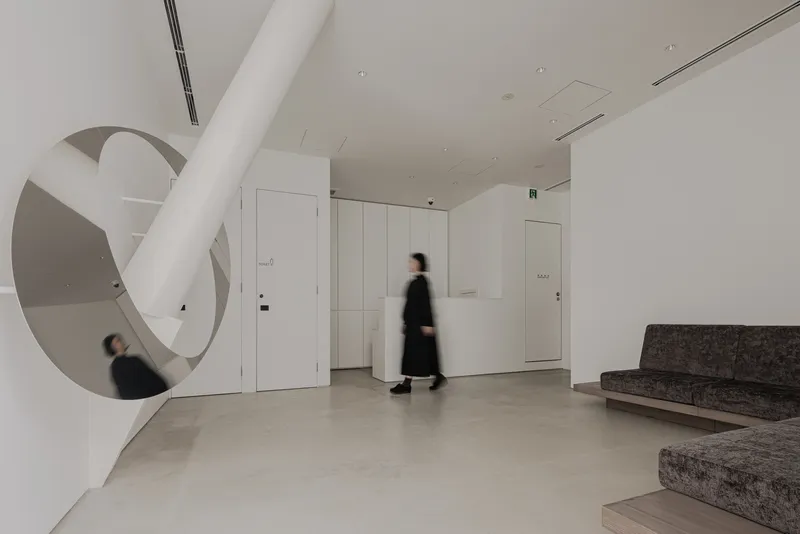
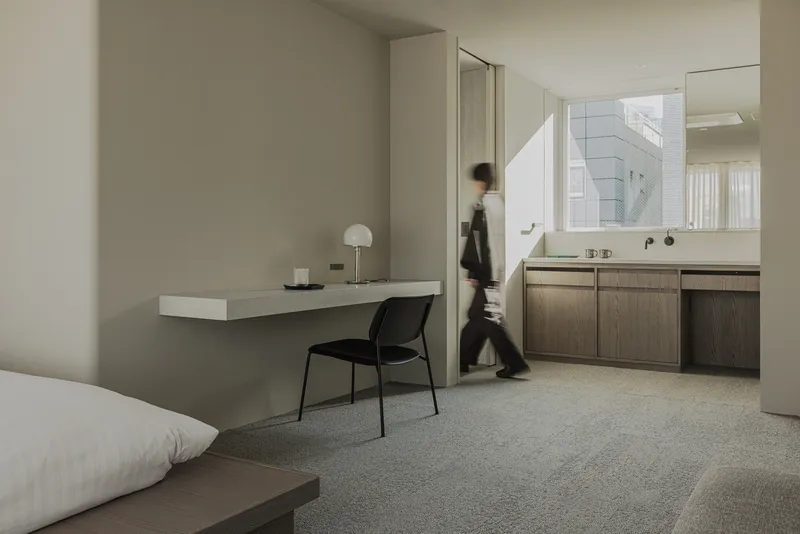
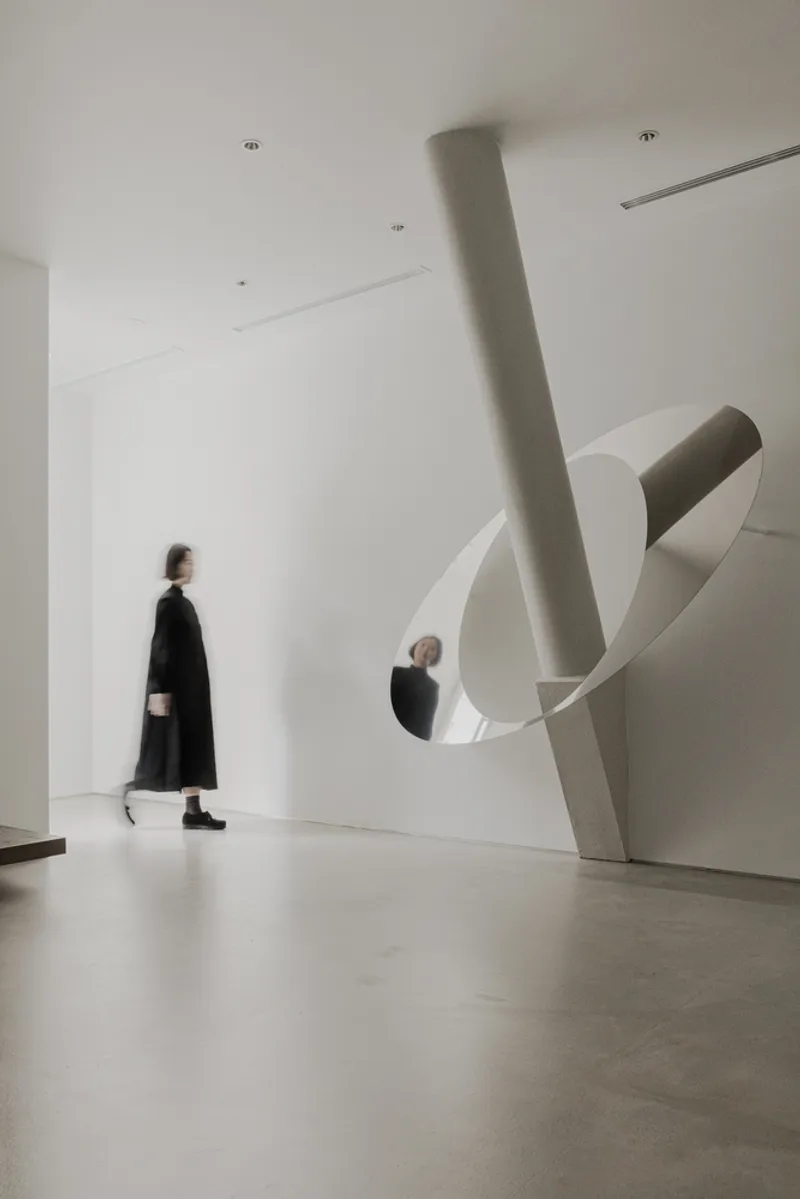
Columns and beams are minimized in size and integrated into the walls, maximizing natural light penetration. Curved walls within the guest rooms create a continuous flow between spaces, further amplifying the sense of openness despite the compact dimensions.
A New Standard for Compact Urban Hotel Design
Hotel Rakuragu exemplifies how compact urban hotel design can transform spatial constraints into architectural opportunities. By reinterpreting the concept of terraces and integrating passive design principles, Kooo Architects create a unique hospitality experience that resonates with Tokyo’s dense urban environment. This project is a testament to Japan’s ingenuity in space optimization, proving that even within the city’s most restricted plots, design innovation can flourish.
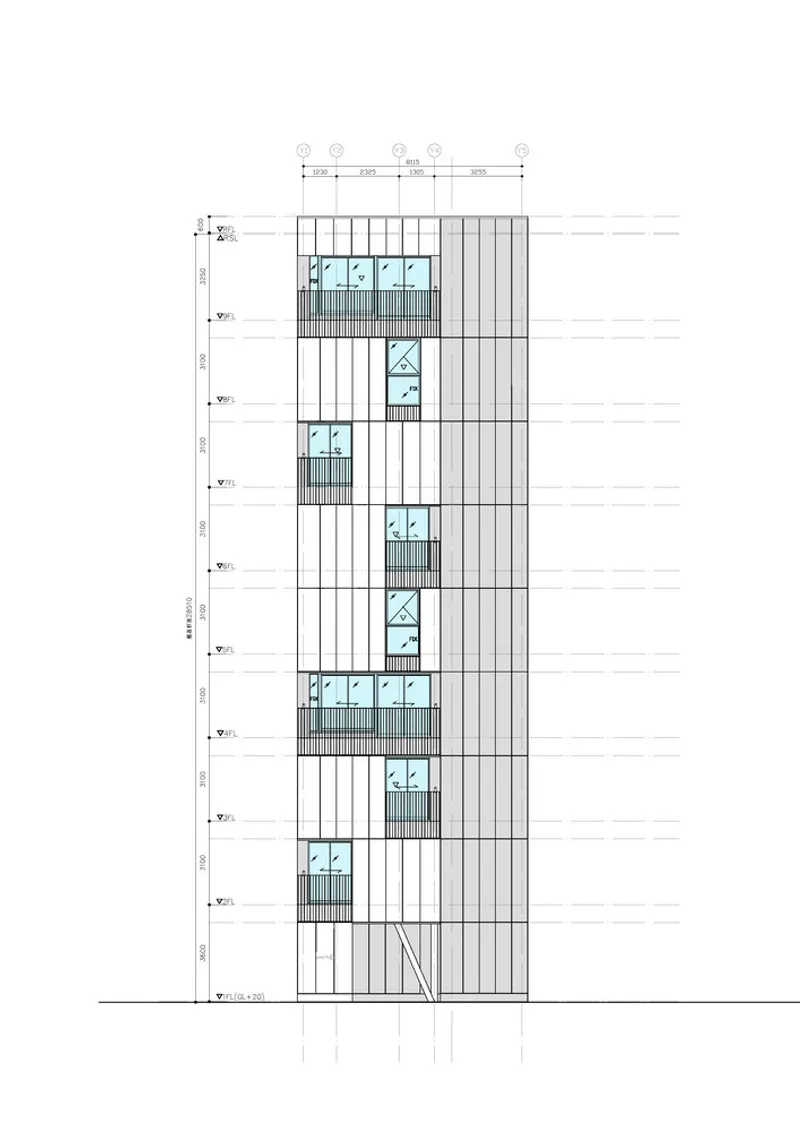
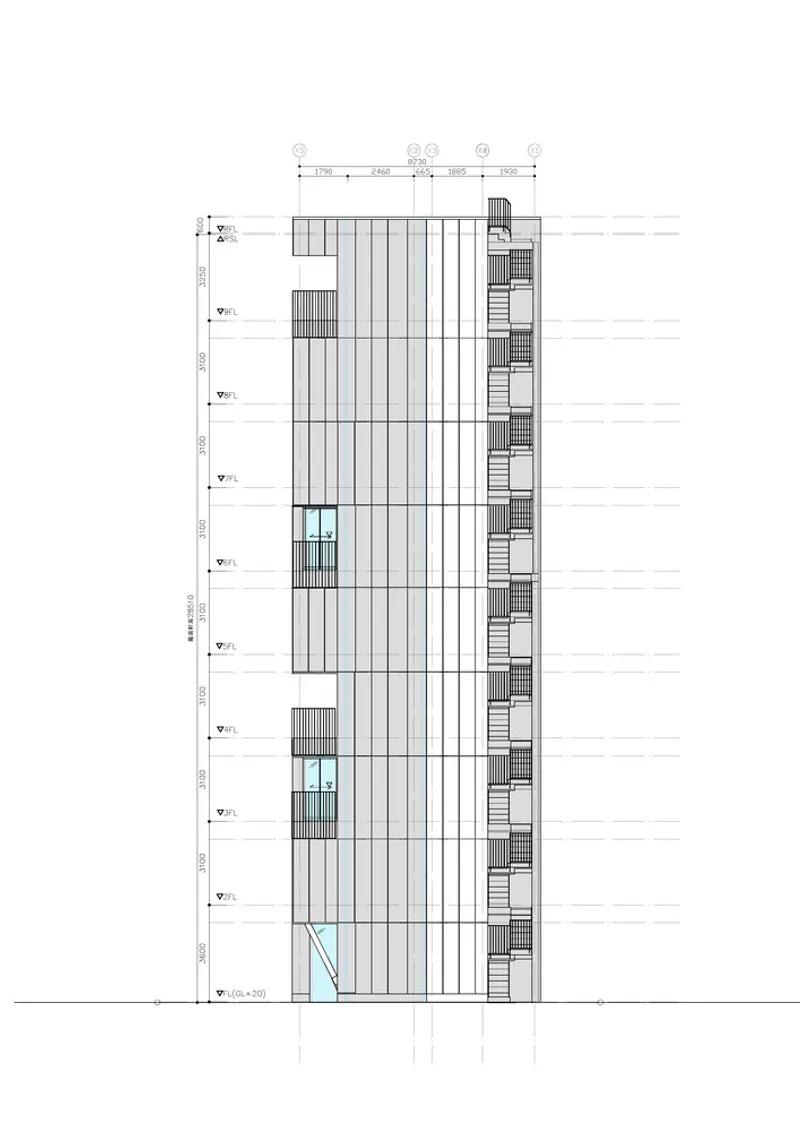
All Photographs are works of Horikoshi Keishin




Popular Articles
Popular articles from the community


AL-JANNAH: Sustainable Architecture and Permaculture for Afghan Widows
AL-JANNAH uses sustainable architecture and permaculture to create resilient oasis of housing, learning, work and renewal for Afghan widows.

Riyadh For All: Intergenerational Urban Design for Active Aging in Rabat
Riyadh For All reimagines urban design in Rabat with intergenerational co-living, adaptive courtyards, and Moroccan cultural exchange today.

The Earth Pod: 3D Printed Homes for Resilient Refugee Communities
The Earth Pod reimagines refugee housing through 3D printed homes made from clay, combining resilience, self-sufficiency, and rapid shelter.

Conexión: Biophilic Design Reimagines High-Rise Living in Hong Kong
Conexión reimagines high-rise living in Hong Kong through biophilic design, green facades, shared spaces, daylight, water and nature within.

Similar Reads
You might also enjoy these articles


Hodi-Mandai Geram
Project Function: Preservation and revitalization of the Intangible heritage and socio-spatial identity of the Hodi by Housing, Cultural Memory Center, Sacred Grove, landscape, local tourism economy


Olio Towers: A Mid-Rise for Performers That Fuses Housing, Rehearsal, and Stage
Located blocks from Houston's Theater District, this modular tower stacks living units around a central performance atrium.

Oasis: Modular Green Housing Carved into Dhaka's Urban Fabric
A shortlisted Plugin Housing entry reclaims unauthorized settlements in Dhaka with stepped concrete volumes, green roofs, and ventilation-driven design.

Black Hole: A Floating Megastructure for the Post-Physical Era
Emiliano Mazzarotto envisions a spherical, self-scaling arena where e-sports, digital hotels, and holographic stadiums replace traditional public space.

Explore Architecture Competitions
Discover active competitions in this discipline



Challenge to reimagine the Iron Throne


Photograph architecture without architects


Illustrate the lost glory of Angkor Wat - Render Challenge


Design challenge to reuse E-waste
Comments (0)
Please login or sign up to add comments
No comments yet. Be the first to comment!