

Compton & Edrich Stands at Lord's Cricket Ground by WilkinsonEyre: Honoring Tradition While Embracing the Future
WilkinsonEyre designs twin cricket stands at Lord's combining heritage-sensitive architecture with modern accessibility, sustainability, and enhanced spectator experience excellence.


Historical Context and the Home of Cricket
Lord's Cricket Ground: A National Institution
Lord's Cricket Ground stands as cricket's most hallowed venue, universally recognized as the "Home of Cricket." Located in the St John's Wood neighborhood of northwest London, the ground has served as the headquarters of the Marylebone Cricket Club (MCC) since 1814 and hosts the headquarters of the England and Wales Cricket Board (ECB). The venue represents more than a sporting facility—it embodies over two centuries of cricket history, tradition, and cultural significance within British society and the global cricket community.
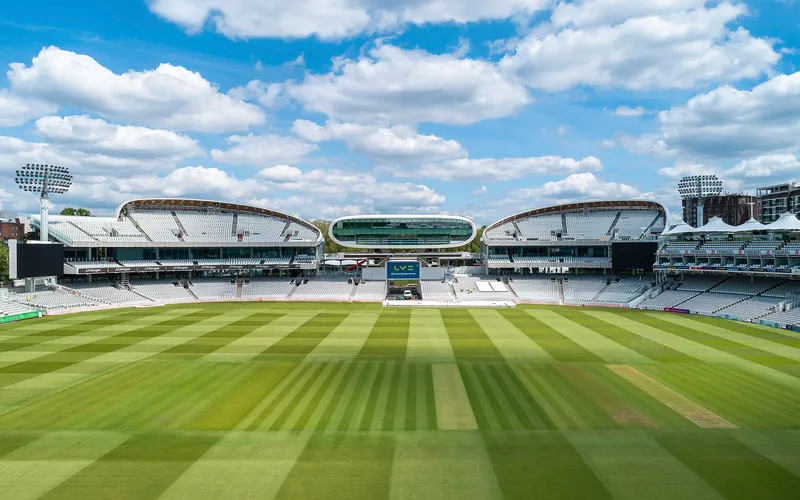
The ground has witnessed countless historic moments: legendary performances by cricket's greatest players, pivotal matches that shaped the sport's evolution, and ceremonial occasions that cemented cricket's place in British cultural identity. The architectural fabric of Lord's itself tells the story of cricket's development, with structures spanning from Victorian-era pavilions to contemporary architectural statements, each contributing to the venue's unique character and atmosphere.
The Imperative for Modernization
Despite its revered status and historic importance, Lord's faced significant challenges entering the twenty-first century. The existing spectator facilities, particularly at the Nursery End of the ground, had fallen behind contemporary standards for comfort, accessibility, and amenity provision. The previous stands offered limited sightlines from certain positions, inadequate weather protection, insufficient food and beverage facilities, and minimal accessibility accommodations for disabled spectators. These deficiencies affected both ordinary match-day experiences and the venue's ability to host major international fixtures and generate essential revenue.
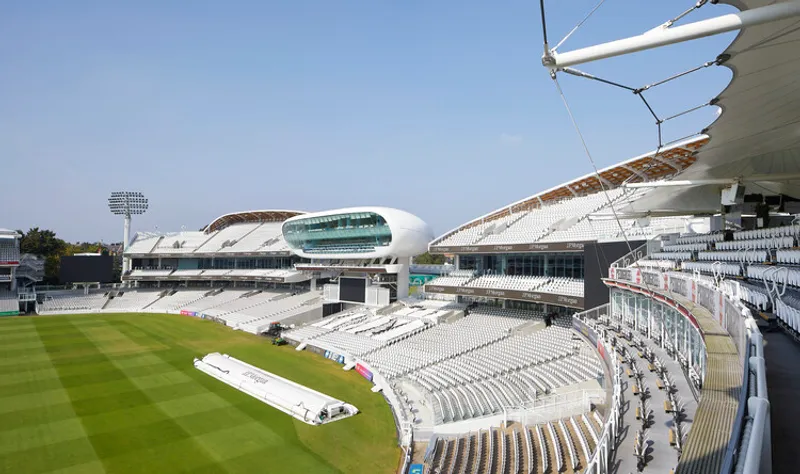
The Marylebone Cricket Club recognized that preserving Lord's status as cricket's premier venue required substantial investment in infrastructure modernization. However, any development at such a culturally significant site demanded extraordinary sensitivity to existing architectural context, careful navigation of planning regulations protecting heritage structures, and designs that would honor tradition while embracing contemporary requirements.
The Compton and Edrich Legacy
The naming of the new stands honors two of cricket's most celebrated figures, both intimately connected with Lord's and English cricket. Denis Compton (1918-1997) represented Middlesex County Cricket Club, which plays its home matches at Lord's, and the England national team with extraordinary distinction. Known for his cavalier batting style, charisma, and cultural impact beyond cricket, Compton became a national icon during the post-World War II era, symbolizing optimism and entertainment during austere times.
Bill Edrich (1916-1986), Compton's close friend and frequent batting partner, similarly achieved legendary status representing Middlesex and England. Together, Compton and Edrich formed one of cricket's most formidable and entertaining partnerships, their exploits at Lord's creating memories that resonate through generations of cricket enthusiasts.
By naming the stands after these figures, the MCC ensured the new structures would carry forward the spirit of excellence, entertainment, and tradition that defines Lord's, creating permanent memorials to players who embodied the venue's values.
Design Concept and Architectural Philosophy
Responding to Architectural Heritage
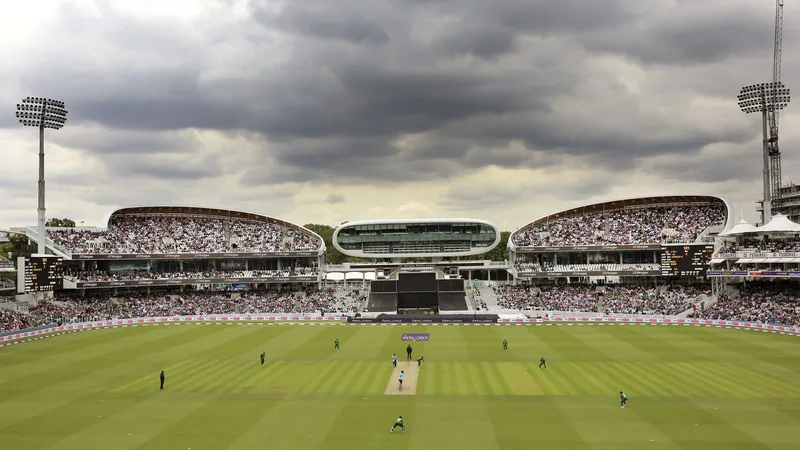
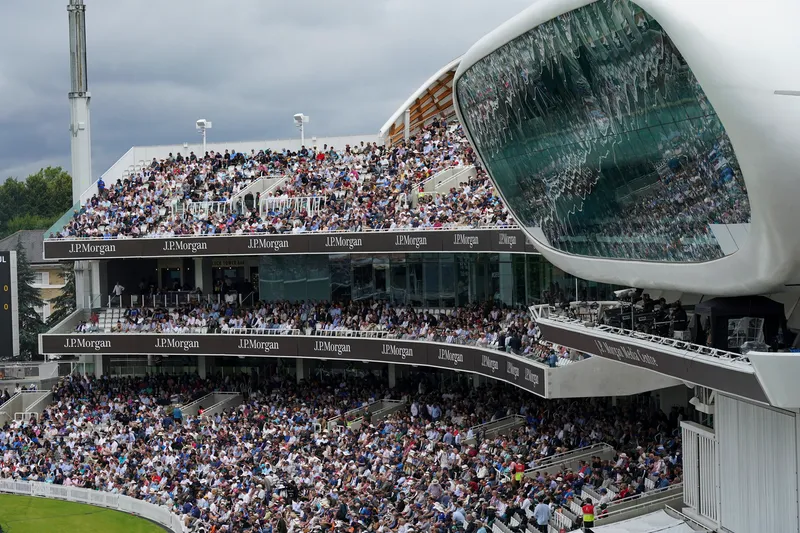
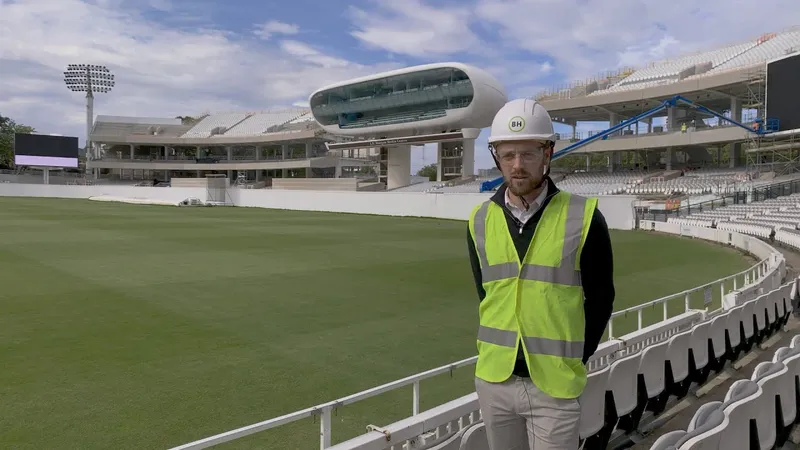
WilkinsonEyre approached the Compton and Edrich Stands project with profound awareness that any intervention at Lord's must engage respectfully with the venue's extraordinary architectural heritage. The ground features structures spanning multiple architectural periods and styles, from the Grade II*-listed Pavilion—a Victorian masterpiece of brick, terracotta, and ironwork dating to 1890—to Future Systems' futuristic aluminum J.P. Morgan Media Centre completed in 1999, which appears to hover impossibly above the playing field like a spacecraft.
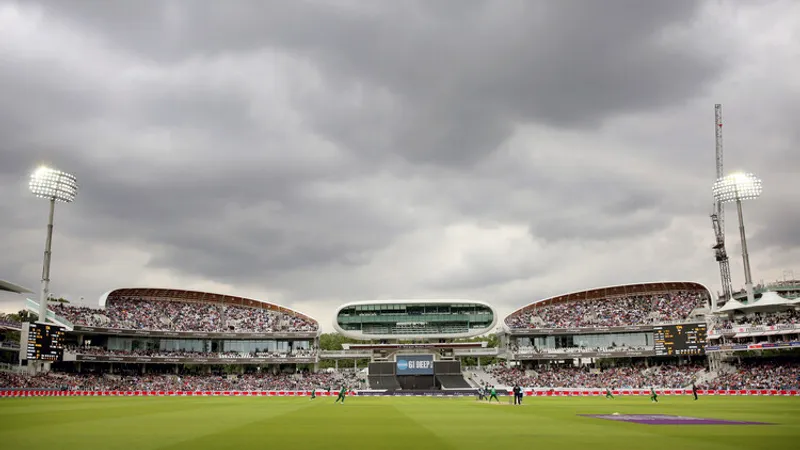
This architectural diversity presented both challenge and opportunity. Rather than attempting to mimic historical styles or imposing a singular contemporary aesthetic, WilkinsonEyre developed a design language that acknowledges precedents while expressing its own structural and formal logic. The architects recognized that successful architecture at Lord's must demonstrate "a clear expression of the engineering principles behind it"—a characteristic shared by both the Victorian Pavilion's exposed ironwork and the Media Centre's radical structural innovation.
Dual Stand Composition
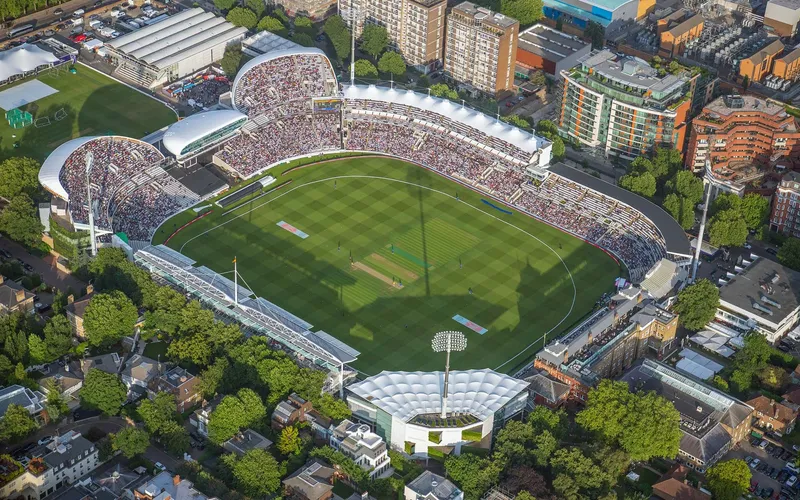
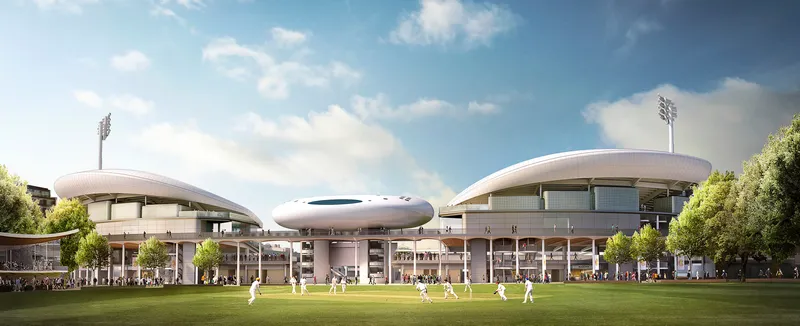
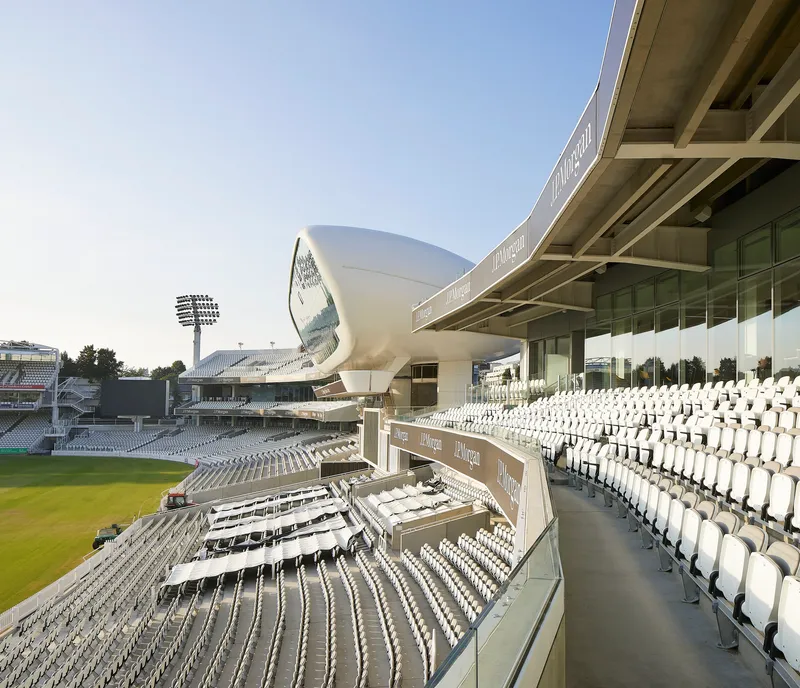
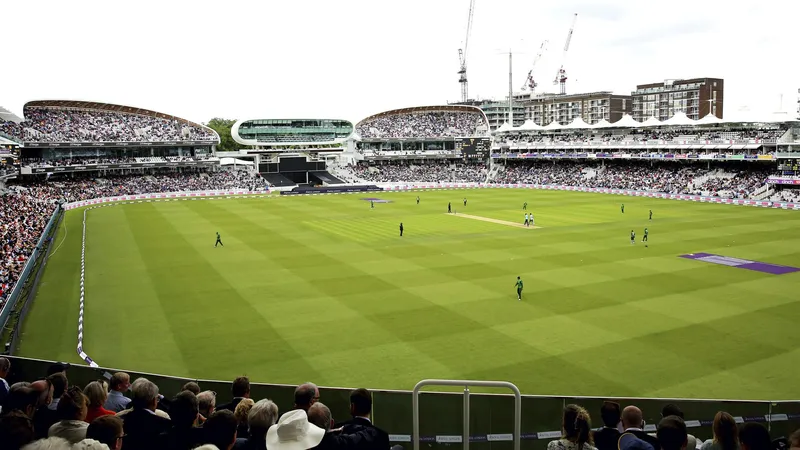
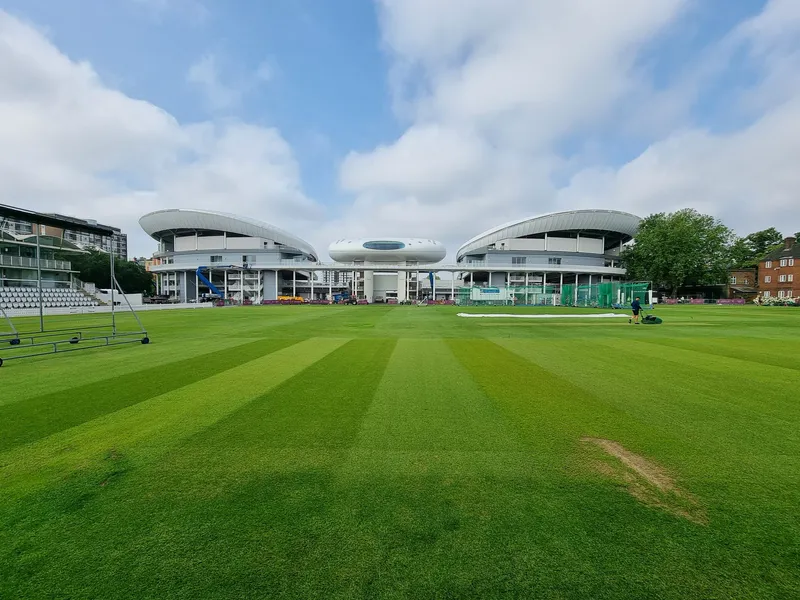
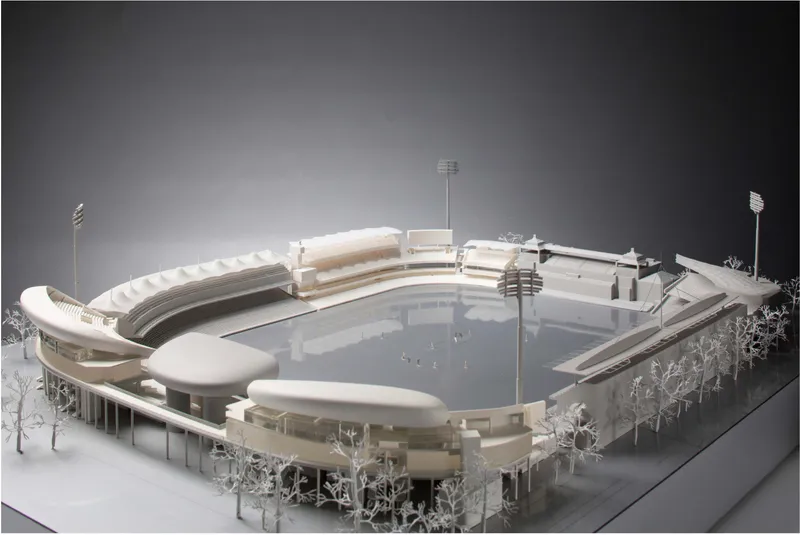
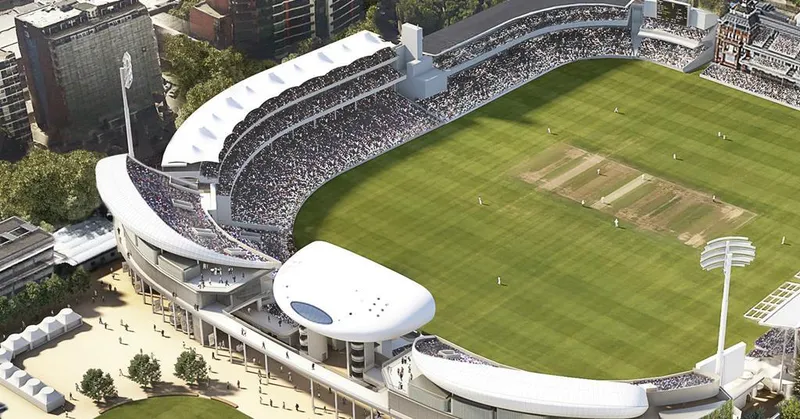
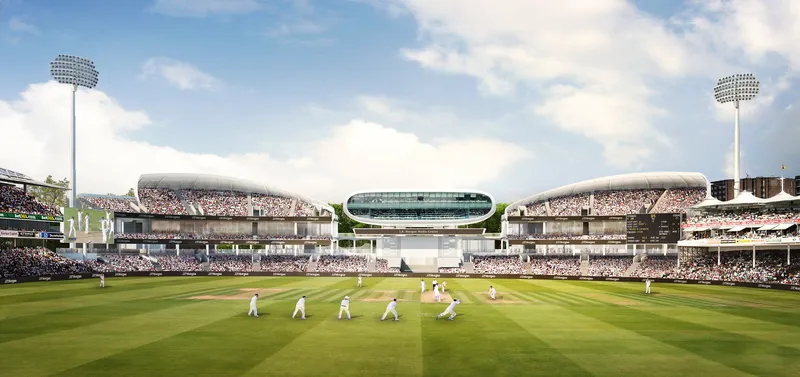
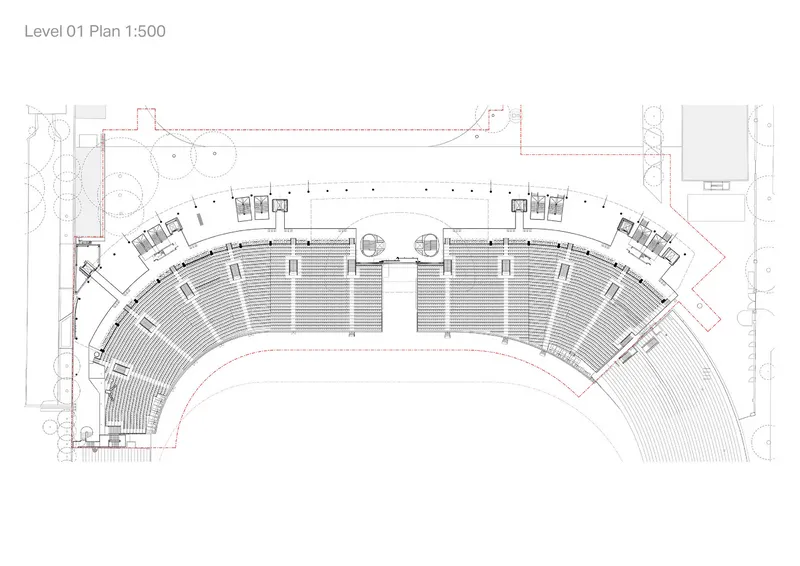
The decision to create two separate stands flanking the iconic Media Centre rather than a single continuous structure proved crucial to the project's success. This composition respects the Media Centre's landmark status, allowing Future Systems' distinctive form to maintain visual primacy at the Nursery End while creating framing elements that enhance rather than compete with the existing icon.
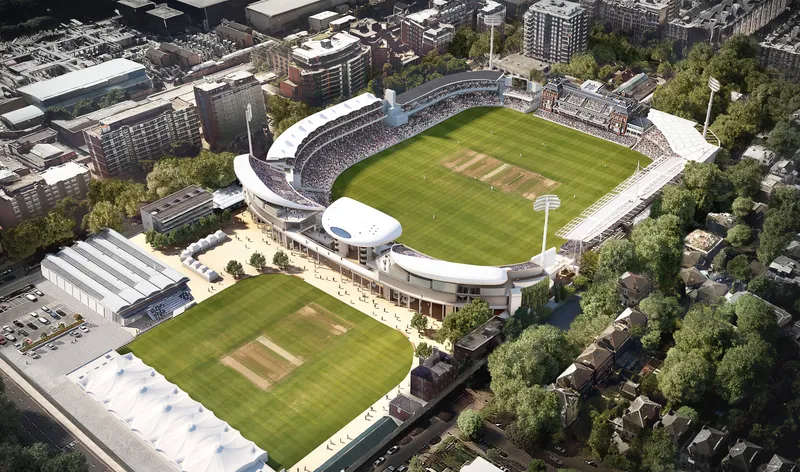
The twin-stand approach also offered practical advantages. Construction could theoretically proceed in phases if necessary, each stand operates as an independent structural and functional unit reducing systemic risk, and the configuration creates opportunities for cross-connections and elevated walkways that enhance circulation while providing unique spectator experiences.
The Elevated Walkway as Unifying Element
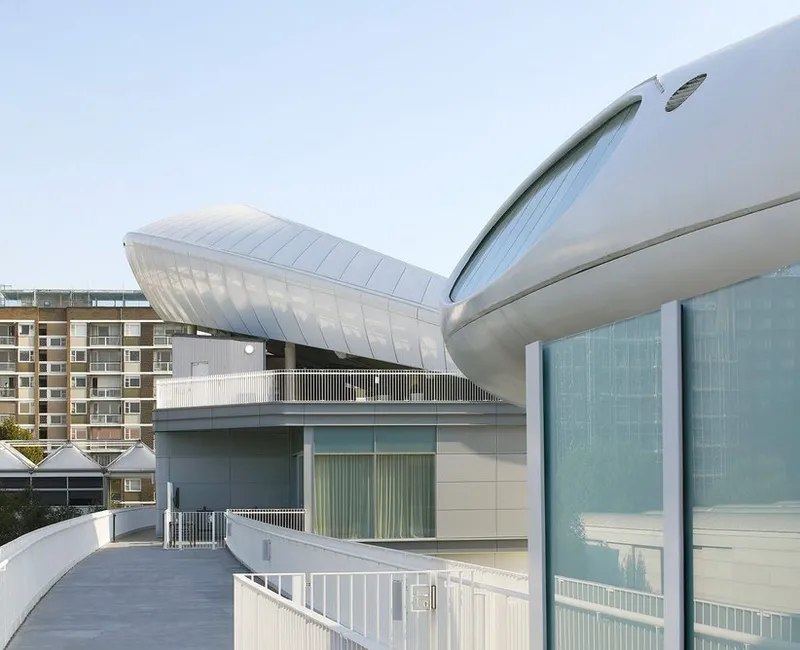
Connecting the two stands, an elevated walkway facing the Nursery Ground creates physical and visual continuity while introducing dramatic new perspectives of both the playing field and the practice grounds. This walkway functions simultaneously as circulation infrastructure, hospitality venue, and architectural promenade—a place where spectators can gather, socialize, and experience cricket from elevated vantage points previously unavailable at Lord's.
The walkway also extends connectivity throughout the eastern side of the ground, linking into both the Mound Stand and the Grand Stand. This integration transforms previously isolated structures into a continuous circuit of elevated circulation, dramatically improving crowd flow during major matches while creating new opportunities for spectator movement and venue exploration.
Structural Design and Engineering Innovation
Height and Scale
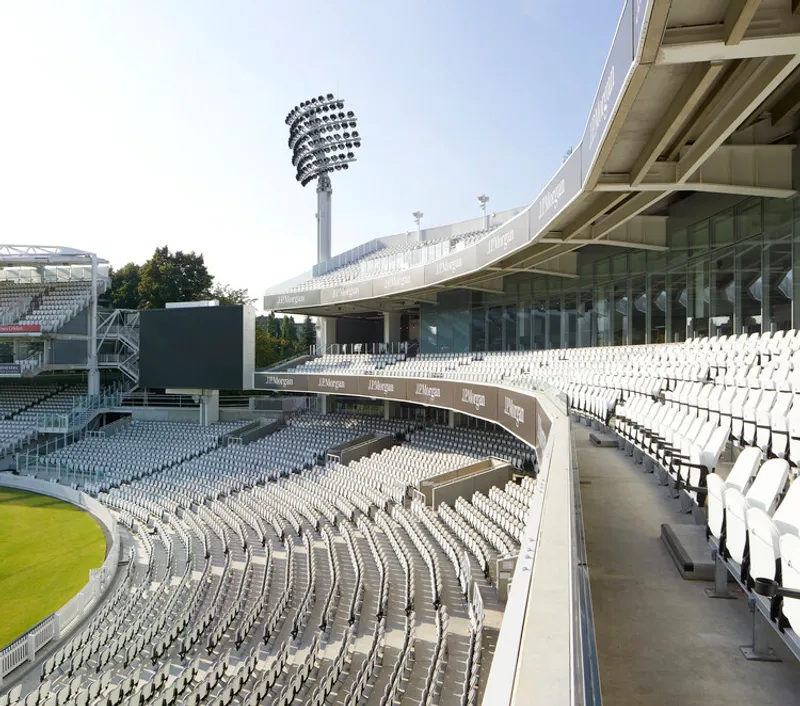
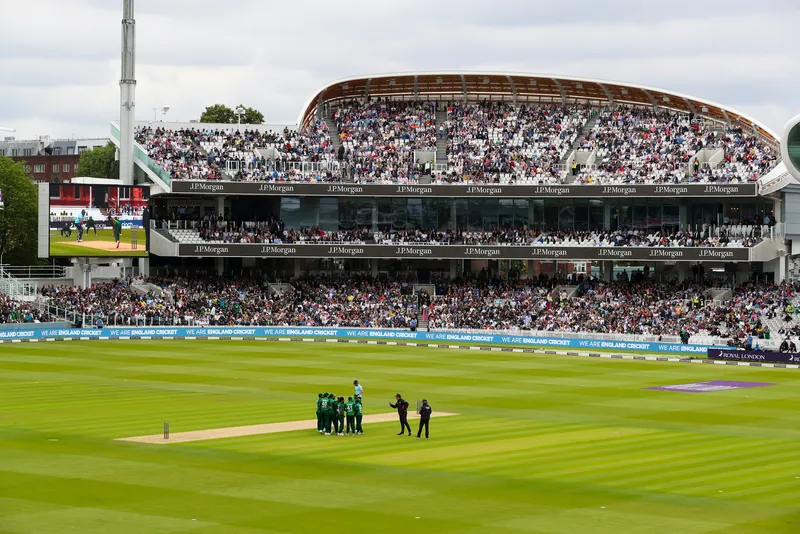
At 24 meters high, the Compton and Edrich Stands claim distinction as the tallest structures at Lord's, a significant achievement given the venue's stringent planning constraints and the sensitivity surrounding development near the Grade II*-listed Pavilion and within the St John's Wood conservation area. This height enables the stands to accommodate three spectator tiers, maximizing capacity within the available footprint while ensuring excellent sightlines from all positions—a fundamental requirement that the previous stands had failed to meet adequately.
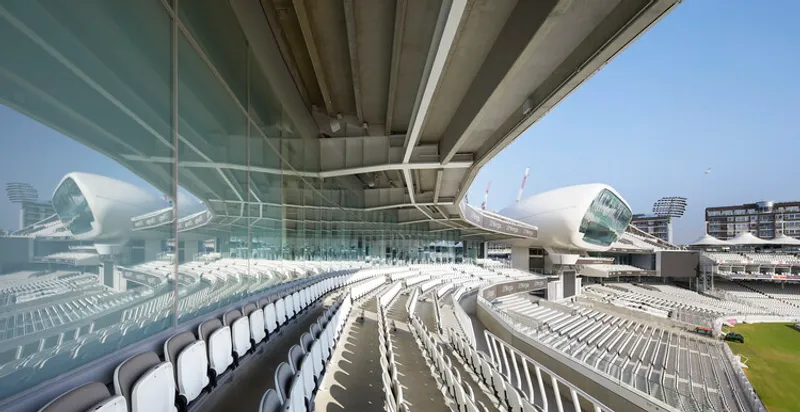
The height also creates dramatic silhouettes visible from considerable distances, establishing the stands as prominent landmarks that signal Lord's presence within the surrounding urban fabric. From elevated positions throughout northwest London, the stands now register as recognizable elements of the cityscape, advertising the venue's significance and drawing attention to cricket's cultural importance.
Steel Frame and Column Expression
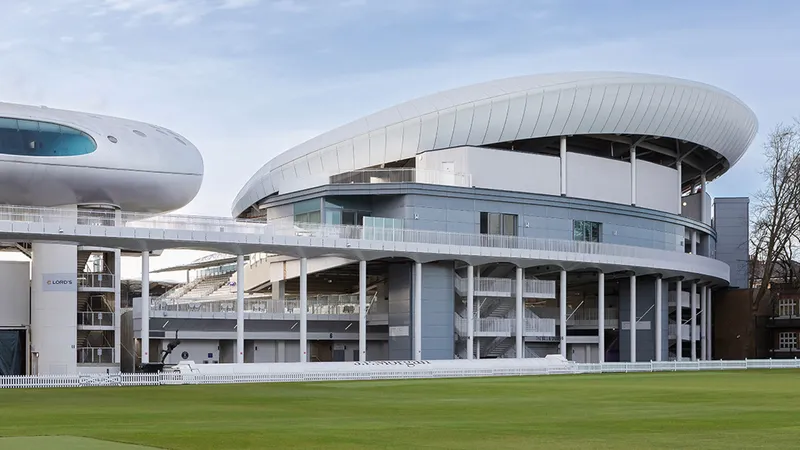
The structural system employs exposed steel framing with large, identifiable columns that establish clear visual rhythm and tectonic legibility. This approach serves multiple purposes beyond pure structural efficiency. The prominent columns reference the rhythmic brick arches of the adjacent Mound Stand's arcade—a beloved architectural feature dating to earlier redevelopments—creating formal dialogue between old and new without resorting to literal historicism.
The steel frame's honest expression also aligns with broader architectural traditions at Lord's, where structural systems have historically been celebrated rather than concealed. From the Victorian Pavilion's exposed cast-iron columns to the Media Centre's radical monocoque shell, Lord's architectural language has consistently valued structural clarity and engineering innovation as sources of aesthetic expression.
Double-Height Colonnades
The stands feature double-height colonnades at ground level, creating generous covered spaces that serve multiple functions. Practically, these colonnades provide weather-protected circulation routes, enable smooth crowd movement during peak arrival and departure periods, and house food and beverage concessions plus toilet facilities in readily accessible locations.
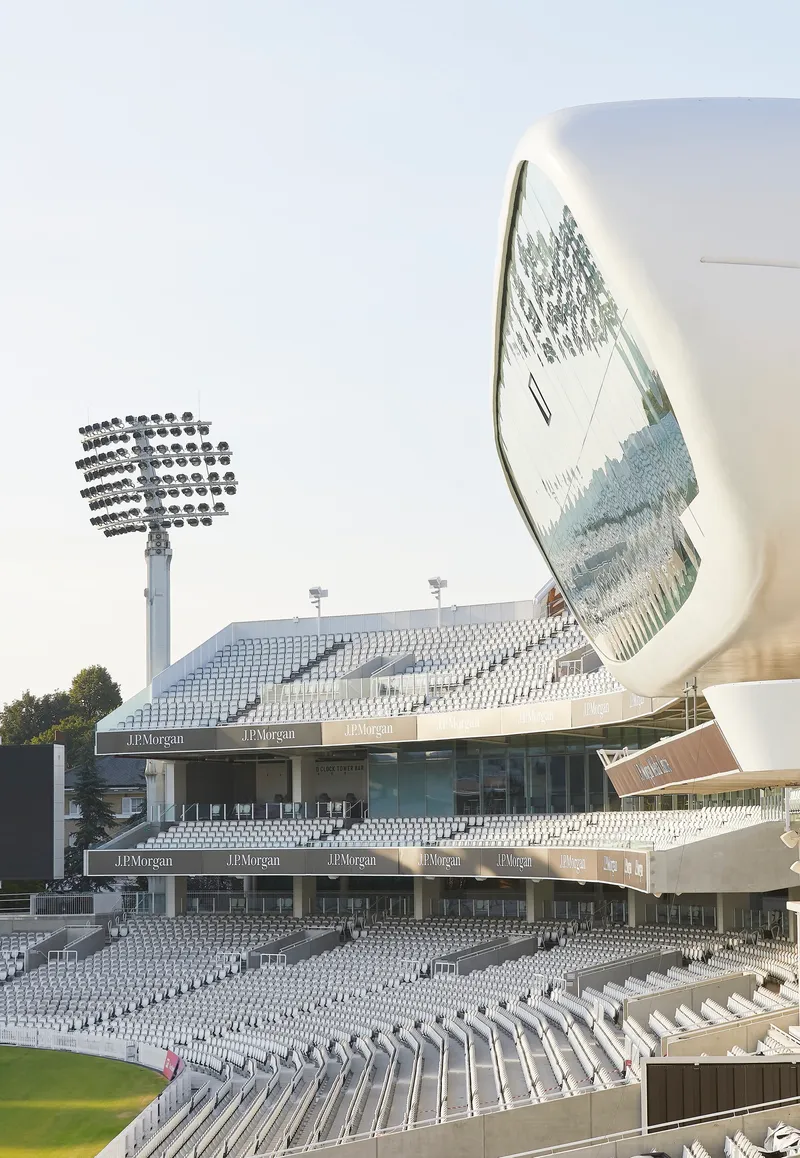
Spatially, the colonnades create a permeable two-story arcade that opens the stands' outward-facing elevations, establishing visual and physical connections between the ground's interior and the surrounding St John's Wood neighborhood. This permeability contrasts with the previous stands' more enclosed character, transforming the venue's eastern edge from barrier to interface and improving the architectural presence presented to arriving spectators entering through the North and East Gates.
The Canopy: Engineering Meets Craft
Structural Composition
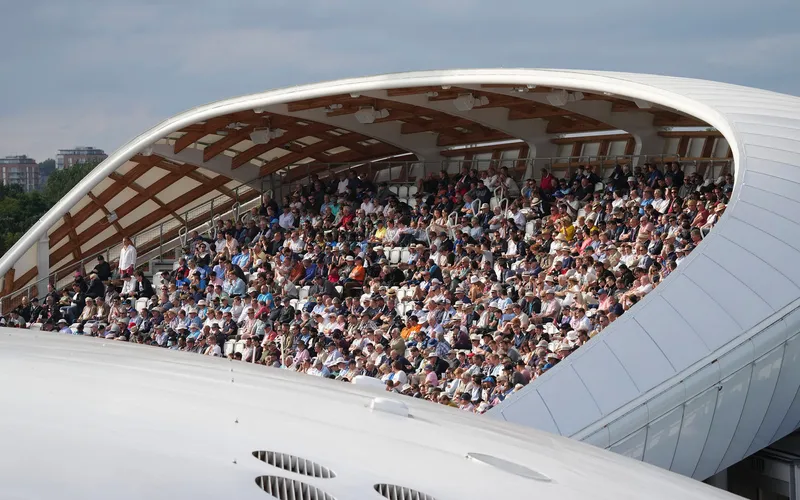
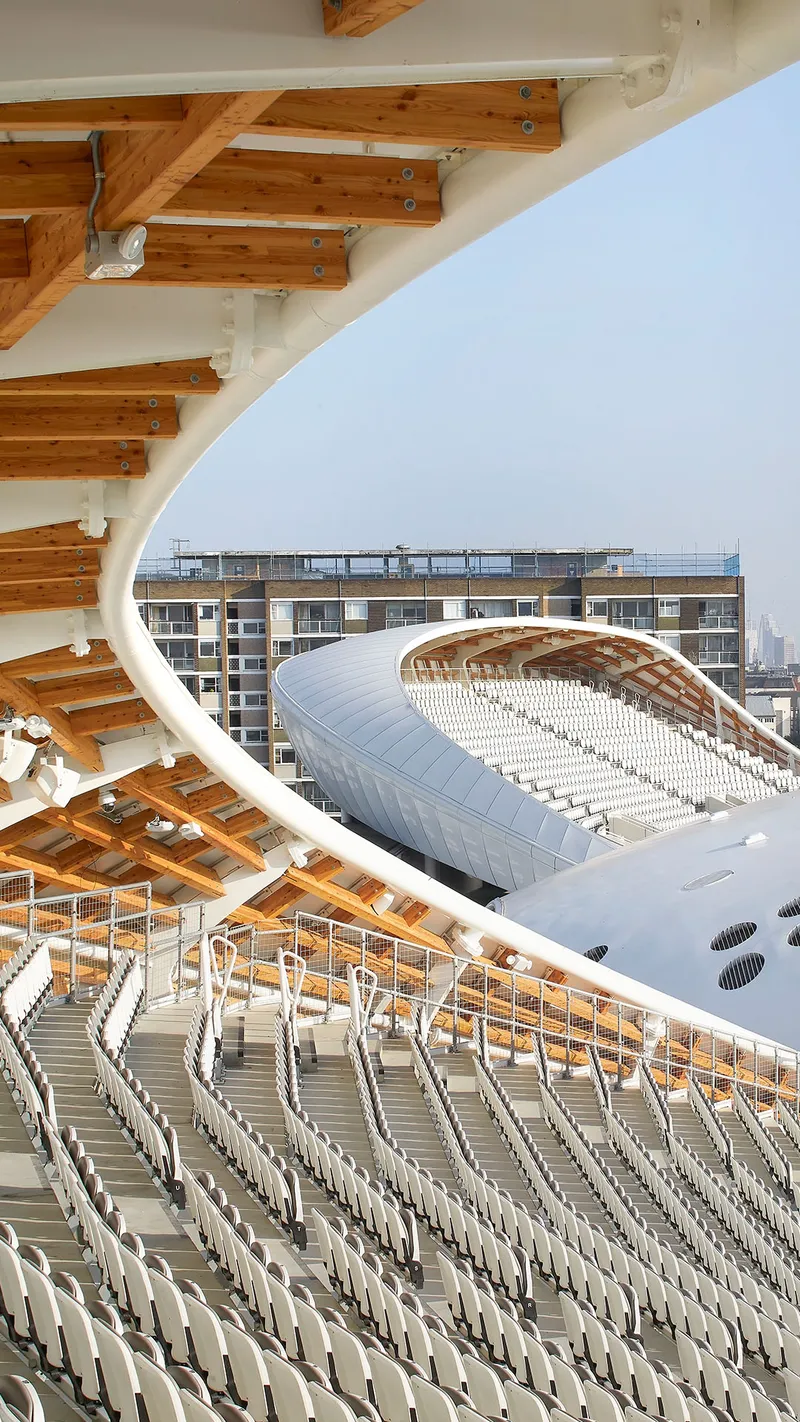
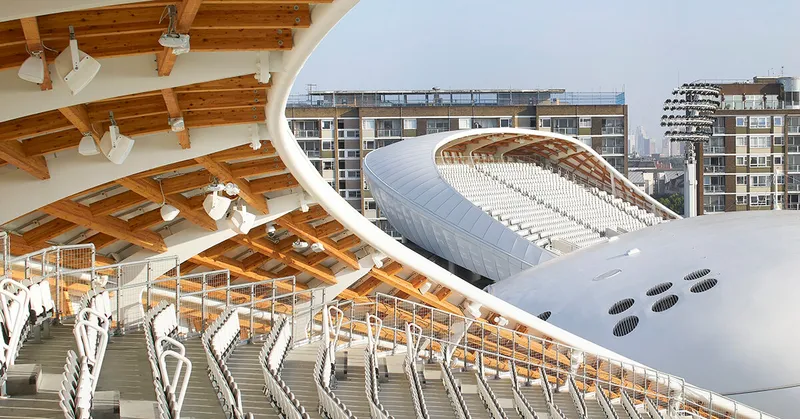
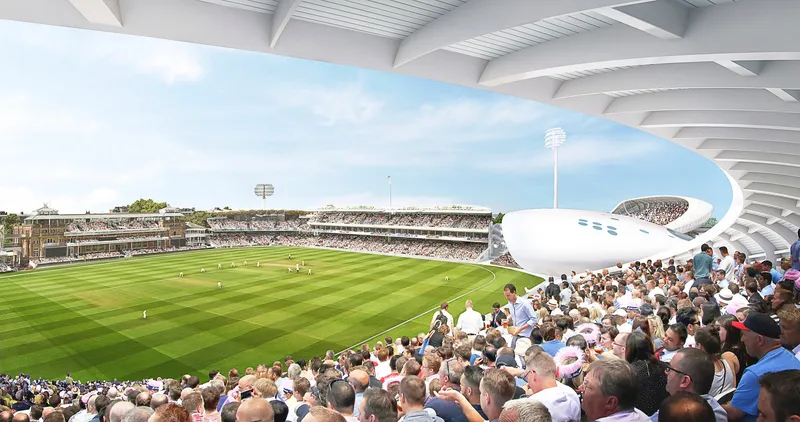
The canopy represents perhaps the project's most distinctive architectural element, combining structural sophistication with material warmth and formal elegance. The design employs white-painted radiating steel ribs that fan outward from primary support points, creating a rhythmic structure reminiscent of opening umbrellas or the ribbing of vintage aircraft wings. These ribs support a visible timber shell on the canopy's underside and a taut white fabric skin that forms the weather-protective outer surface.
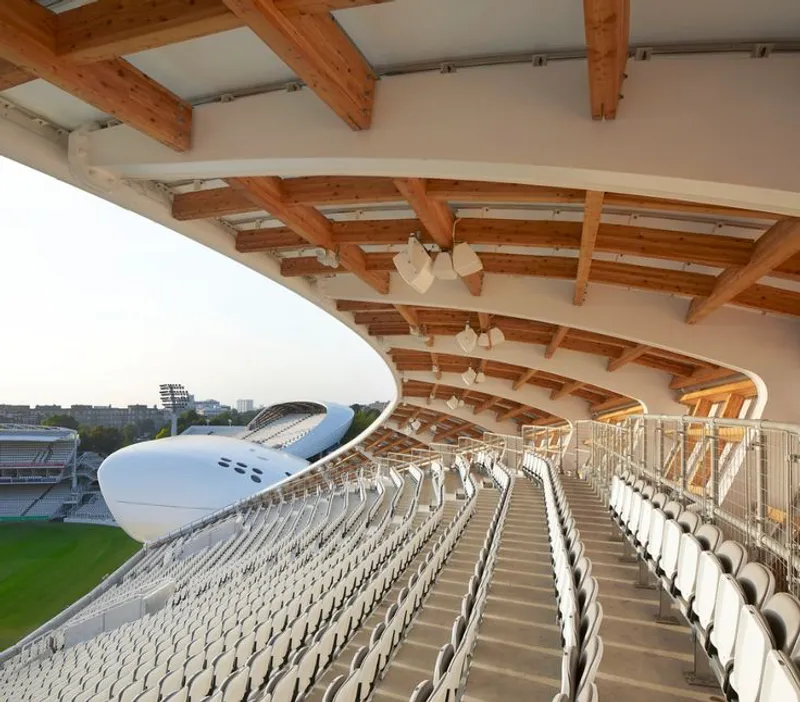
This three-layer composition—steel structure, timber lining, fabric envelope—creates a sandwich assembly that addresses multiple performance requirements simultaneously. The steel ribs provide primary structural capacity, efficiently transferring loads from the canopy's broad expanse down to the supporting columns. The timber shell creates visual warmth and acoustic performance on the spectator-facing underside while concealing technical infrastructure. The fabric skin provides lightweight, durable weather protection with excellent light transmission qualities that prevent the stands from feeling enclosed or dark.
Material and Formal Dialogue
The canopy's material composition establishes sophisticated dialogue with surrounding structures. The white fabric roof echoes the tent-like forms of the Mound Stand's earlier fabric canopy, acknowledging cricket's outdoor, seasonal character and the traditional use of temporary fabric structures at sporting venues. The timber underside introduces natural materiality that warms the overall aesthetic while referencing cricket's traditional association with timber—the material of bats, stumps, and the sport's earliest architectural structures.
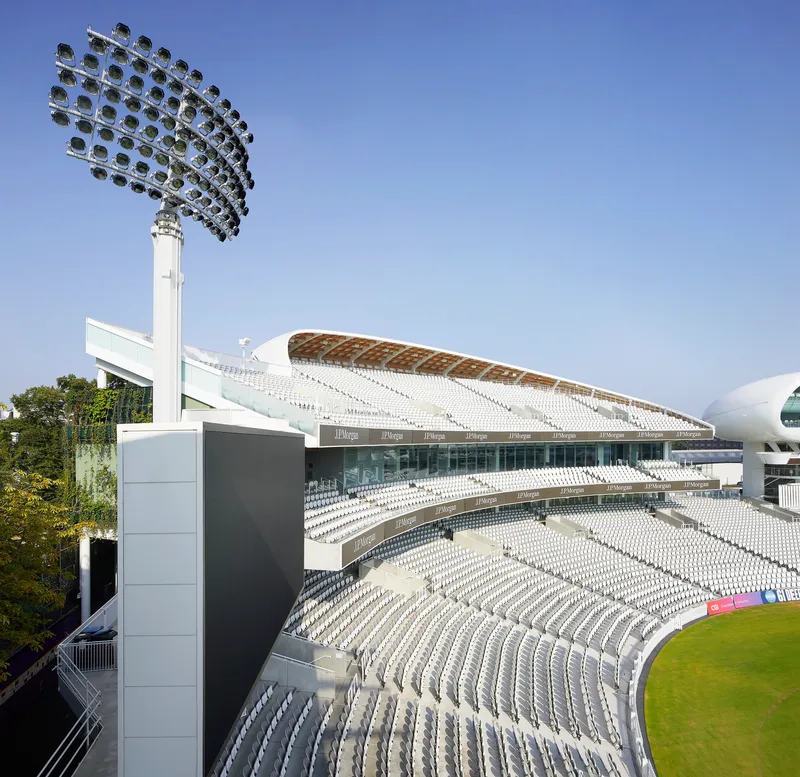
Simultaneously, the canopy's refined contemporary geometry and technical sophistication provide "subtle contrast to the futuristic, aluminum J.P. Morgan Media Centre." Rather than attempting to match or compete with Future Systems' radical aesthetic, WilkinsonEyre developed a complementary language that acknowledges the Media Centre's prominence while asserting its own architectural character.
Subtle Curvature and Distinctive Silhouette
The canopy employs carefully calibrated curvature that serves both functional and formal purposes. The gentle curves improve structural efficiency, enabling the relatively thin canopy to span substantial distances without excessive depth or weight. The curves also enhance rainwater drainage, directing precipitation toward collection points rather than allowing pooling that could stress the fabric membrane or drip onto spectators.
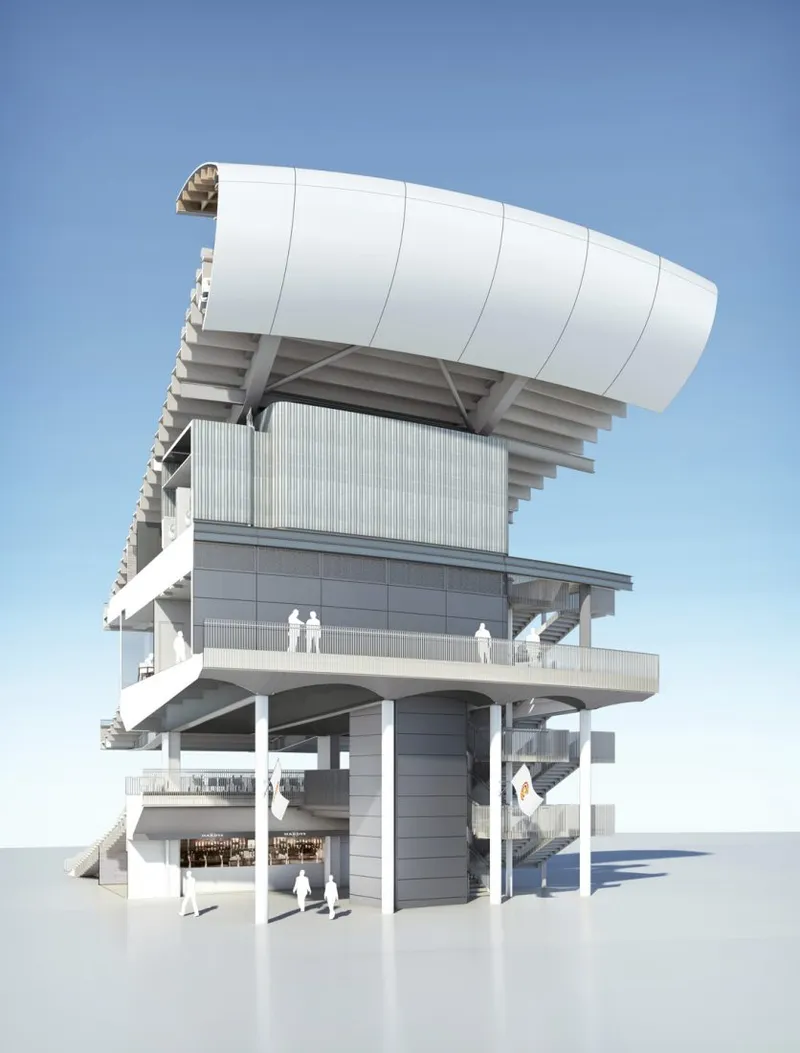
Formally, the curved profile creates a distinctive silhouette recognizable from both within the ground and external vantage points throughout the surrounding area. This silhouette establishes immediate architectural identity, ensuring the stands register as contemporary additions to Lord's architectural ensemble rather than background structures that fade from awareness.
Spectator Experience and Functional Program
Capacity and Seating Configuration
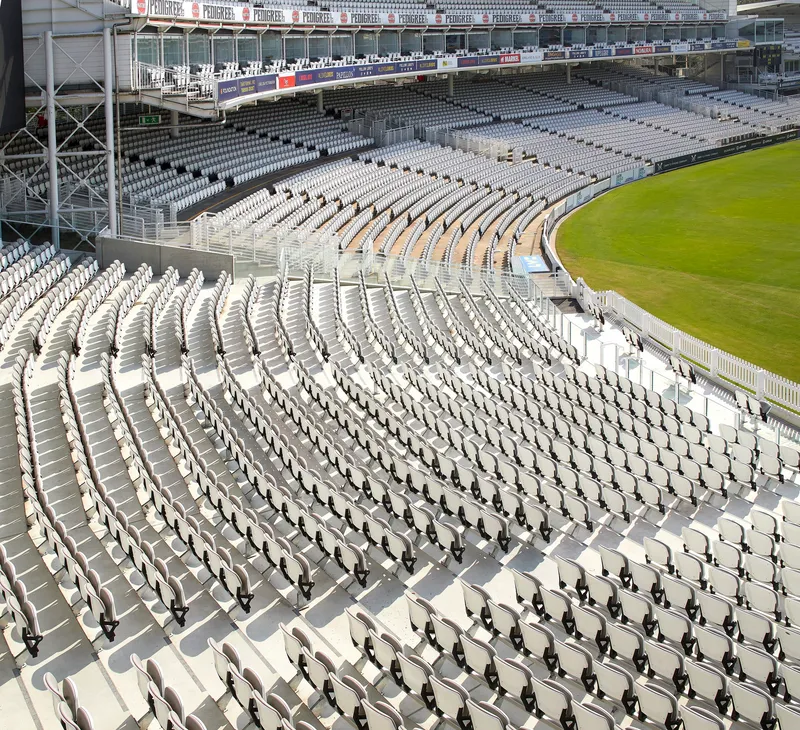
The Compton and Edrich Stands provide an additional 2,600 seats, increasing Lord's overall capacity to 31,180—a significant enhancement that enables the venue to accommodate larger crowds for marquee fixtures while maintaining comfortable densities that prevent overcrowding. The three-tier configuration distributes this capacity across different elevation levels, ensuring variety in viewing experiences and price points while maximizing the number of premium positions with optimal sightlines.
In a noteworthy sustainability initiative, half of the 11,600 total seats installed across both stands were re-used from the previous structures. This waste mitigation strategy demonstrates environmental responsibility while honoring the previous stands' legacy—spectators who attended matches in the old stands may find themselves sitting in the same physical seats, now repositioned for improved views and comfort.
Sightline Optimization
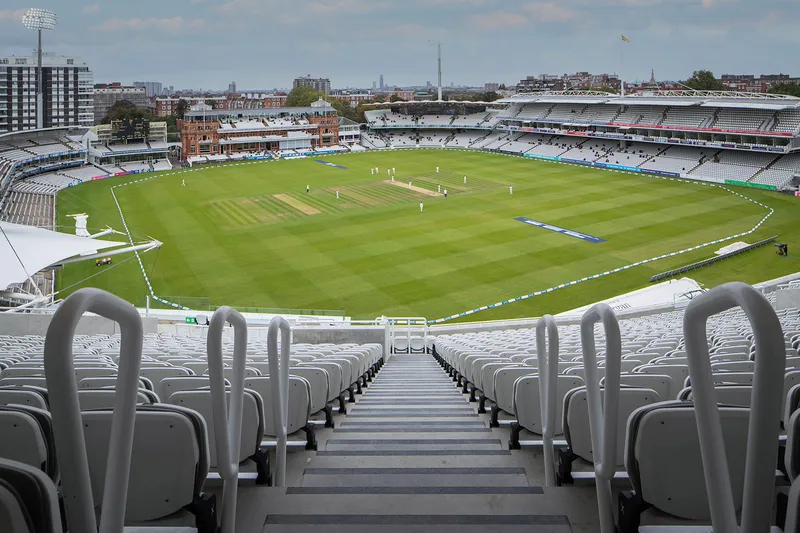
The stands' primary functional objective centers on delivering "greatly improved sightlines" that address deficiencies in the previous structures. Achieving excellent sightlines throughout a large spectator facility requires sophisticated geometric calculation, balancing rake angles (the slope of seating tiers), viewing distances, and obstruction elimination to ensure every seat offers uncompromised views of the entire playing field.
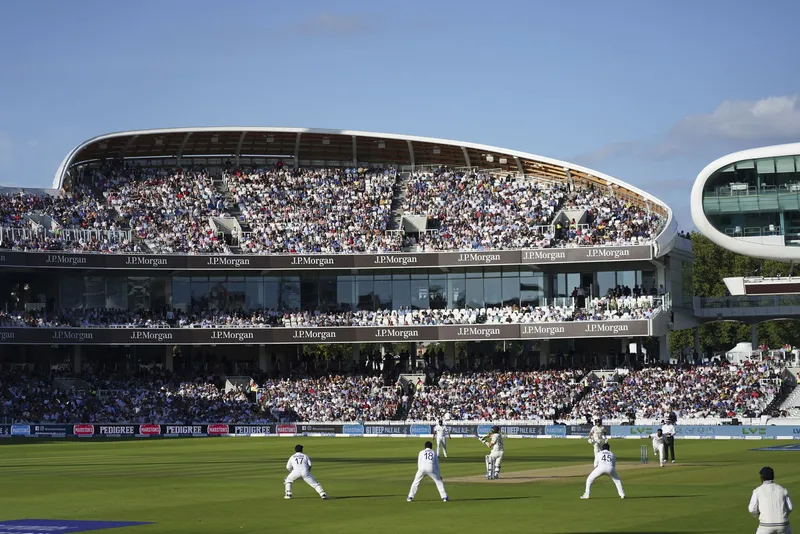
The three-tier configuration enabled optimization that wouldn't be possible in a single-tier or two-tier arrangement. The lower tier provides close proximity to field action with intimate viewing angles. The middle tier offers elevated perspectives that provide comprehensive views of field positions and tactical formations. The upper tier—uniquely enabled by the stands' 24-meter height—creates panoramic viewing positions that encompass not only the playing field but the entire ground's architectural composition and the broader London landscape beyond.
Accessibility and Inclusive Design
The stands incorporate wheelchair-accessible positions integrated throughout all levels rather than segregated into dedicated sections, embodying inclusive design principles that enable disabled spectators to sit with friends and family in their preferred locations. This integration required careful coordination of circulation routes, ensuring level pathways, appropriately sized lift installations, and accessible toilet facilities at every tier.
The inclusion of lift access at all levels represents significant advancement over the previous stands and many existing structures at Lord's, where vertical circulation relied primarily on stairs. This enhancement benefits not only wheelchair users but also elderly spectators, families with young children, and anyone with temporary mobility limitations—dramatically expanding the venue's accessible capacity.
Hospitality and Amenity Enhancement
For the first time in Lord's history, the Nursery End features pitch-facing restaurants—two dedicated dining venues with direct views of the playing field, enabling premium hospitality experiences where guests can enjoy quality food and beverage service while watching matches. These restaurants occupy prime positions within the stands' middle tier, offering optimal viewing angles while maintaining sufficient elevation to provide comprehensive field views even when players congregate at the Nursery End.
Additionally, the stands house two hospitality suites—the J.P. Morgan hospitality spaces that bear the sponsor's name—twelve additional food and drink outlets distributed throughout the structures, and integrated washroom facilities at all levels. This amenity concentration addresses long-standing deficiencies where spectators faced inadequate catering options and frequently missed play while queuing for distant toilet facilities.
The Bridge Connection
A bridge linking the two main hospitality lounges creates physical connection between the stands for the first time, enabling cross-circulation while introducing impressive dual-aspect viewing opportunities. Guests can experience matches from positions overlooking the main playing field, then move to opposite-facing spaces with views over the Nursery Ground—Lord's historic practice facility where players warm up and county matches occasionally occur.
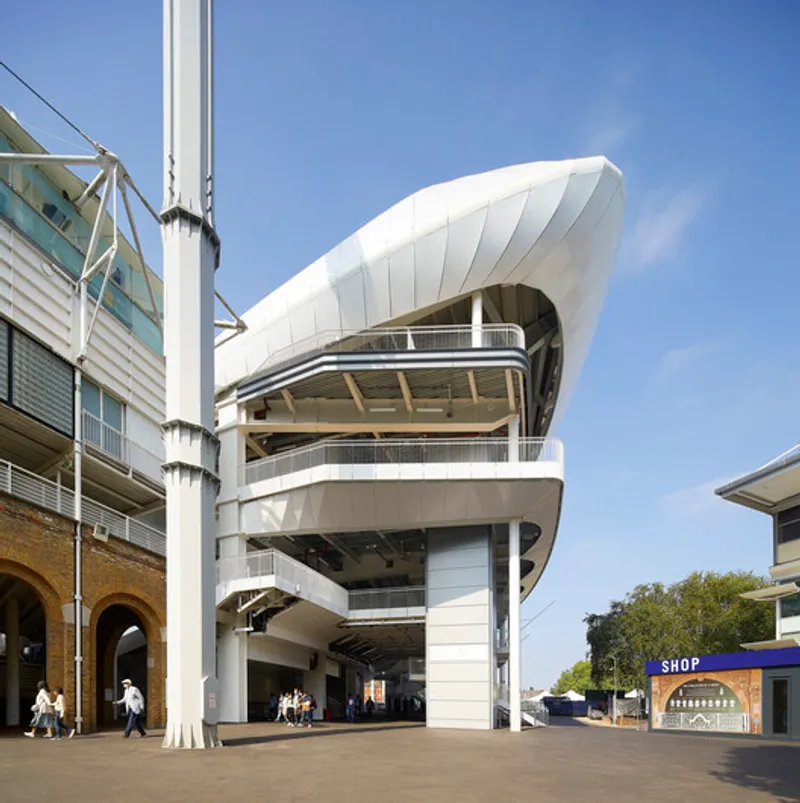
This dual-aspect capability proves particularly valuable during intervals or breaks in play, when guests can explore alternative perspectives and social spaces rather than remaining confined to single locations. The bridge itself becomes an architectural experience—an elevated promenade through space, offering unique vantage points and photographic opportunities.
Materiality and Architectural Expression
Seating and Terracing
The seating employs the original white and grey color scheme traditional at Lord's, maintaining visual continuity with the venue's established aesthetic language. These seats sit within light grey concrete terracing that provides durable, low-maintenance foundations while reflecting light to enhance overall brightness within the stands—an important consideration for creating welcoming atmosphere during overcast conditions typical of English weather.
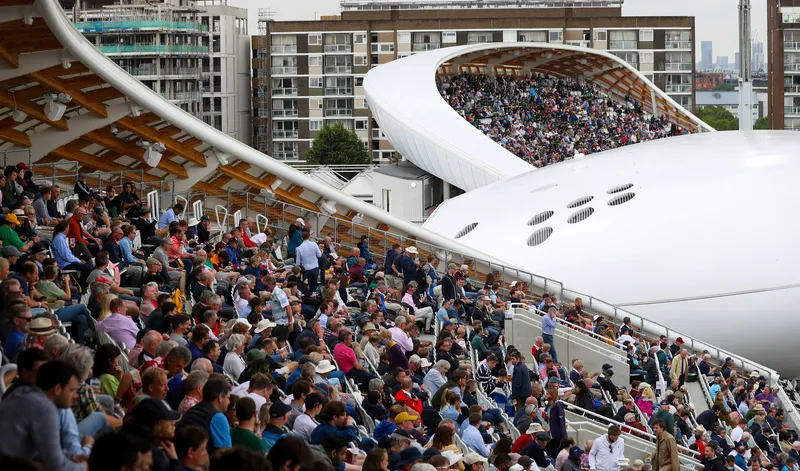
The terracing is divided by glazed bands that mark out premium seating areas, the pitch-facing restaurants, and the J.P. Morgan hospitality suites. These transparent insertions serve multiple purposes: they create clear visual hierarchy that helps spectators understand the stands' organization, they introduce natural light into interior circulation spaces behind the seating tiers, and they echo the Grand Stand and Mound Stand elevations, establishing formal continuity across the ground's eastern side.
Facade Treatment and Permeability
The stands' outward-facing elevations employ permeable two-story arcades rather than solid walls, creating transparency that connects interior spaces with surrounding context while revealing the structural frame's tectonic clarity. This openness prevents the stands from appearing as imposing barriers within the neighborhood, instead presenting welcoming, architecturally legible facades that invite engagement.
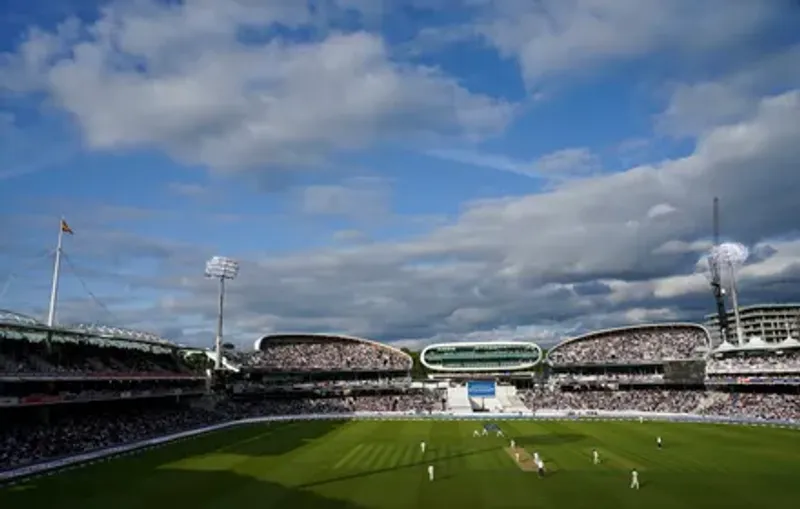
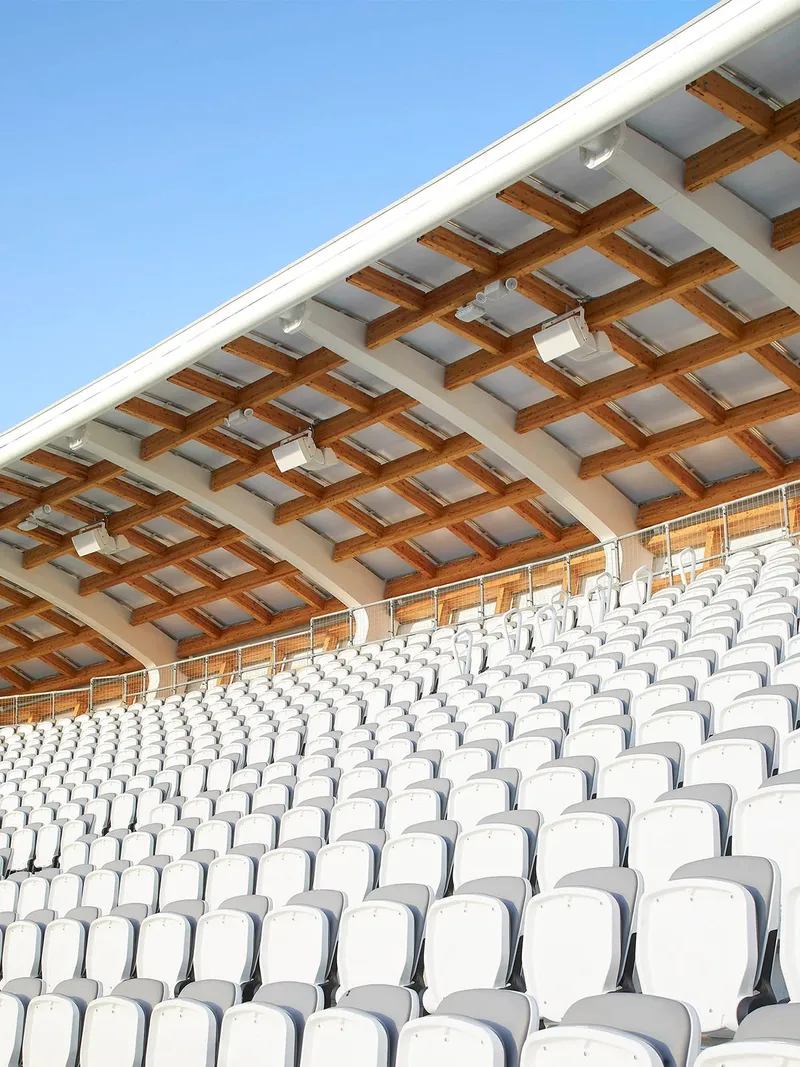
The arcade spaces house food and beverage concessions, creating active ground-level frontages that contribute to the venue's exterior character during both match days and non-event periods. This activation strategy helps integrate the ground into its urban context rather than allowing it to function purely as an occasional-use sports facility that remains shuttered between events.
Material Palette Integration
The overall material palette—white-painted steel, natural timber, white fabric, grey concrete, glazing—achieves careful balance between warmth and refinement, tradition and contemporaneity. Each material contributes specific functional and aesthetic qualities while participating in the larger compositional ensemble.
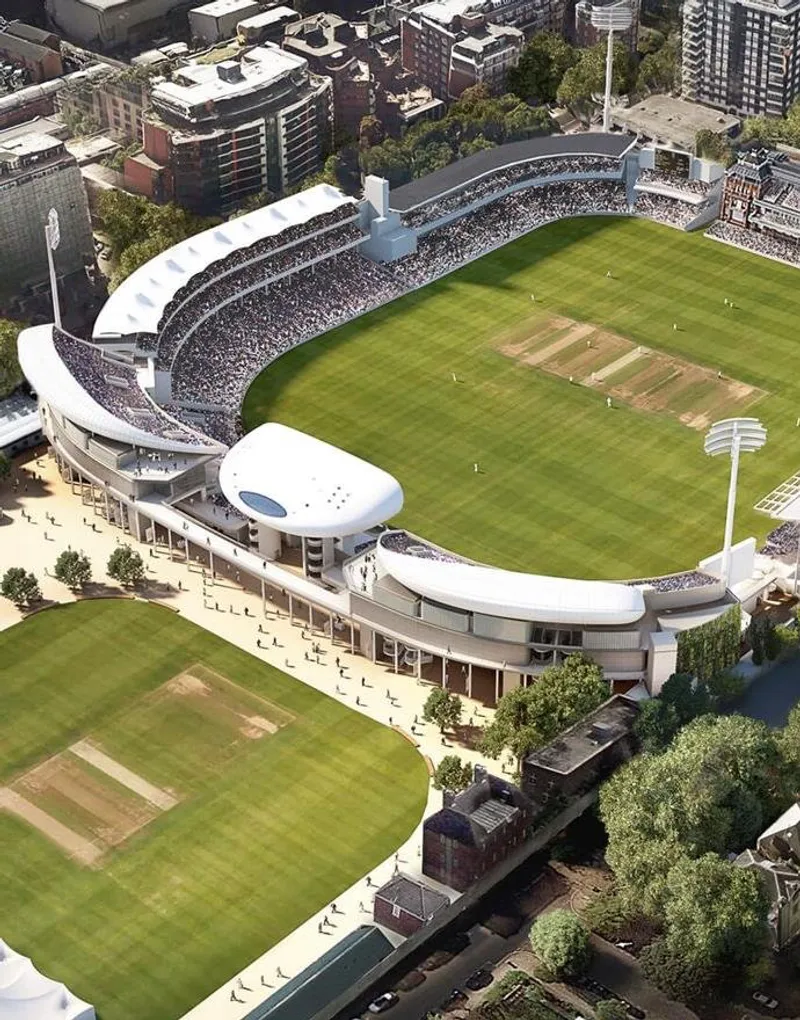
The white color scheme unifies disparate materials under a common chromatic umbrella, creating visual coherence despite material diversity. The timber introduces natural warmth that prevents the predominantly white and grey palette from feeling cold or institutional. The glazing provides transparency and light transmission that enhance spatial quality while revealing interior activities to external observation.
Urban Integration and Landscape Context
Improving the Eastern Frontage
Before the Compton and Edrich Stands' completion, Lord's eastern frontage presented a fragmented, architecturally inconsistent edge to the surrounding neighborhood. The new stands, working in concert with connections to the Mound and Grand Stands, create a coherent architectural statement that improves the ground's urban presence and establishes clear identity for arriving spectators.
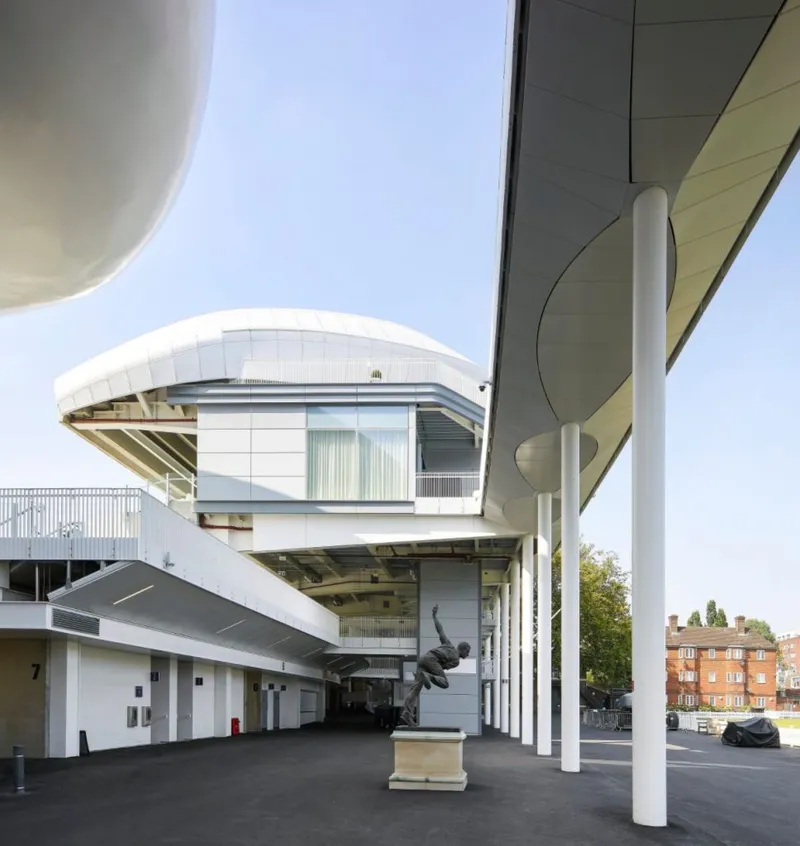
This improved frontage benefits both the venue and the neighborhood. For Lord's, it creates positive first impressions for the thousands of spectators who enter through the North and East Gates, setting appropriate expectations for the quality and character of their match-day experience. For the St John's Wood residential community, it transforms a utilitarian back-of-house zone into architecturally considered public realm that enhances neighborhood character.
Connection to the Nursery Ground
The elevated walkway's orientation toward the Nursery Ground—Lord's historic practice facility dating to the nineteenth century—creates unique spatial relationships between playing and practice venues. Spectators can observe players warming up before matches, watch practice sessions during intervals, and understand the comprehensive training infrastructure that supports elite cricket.
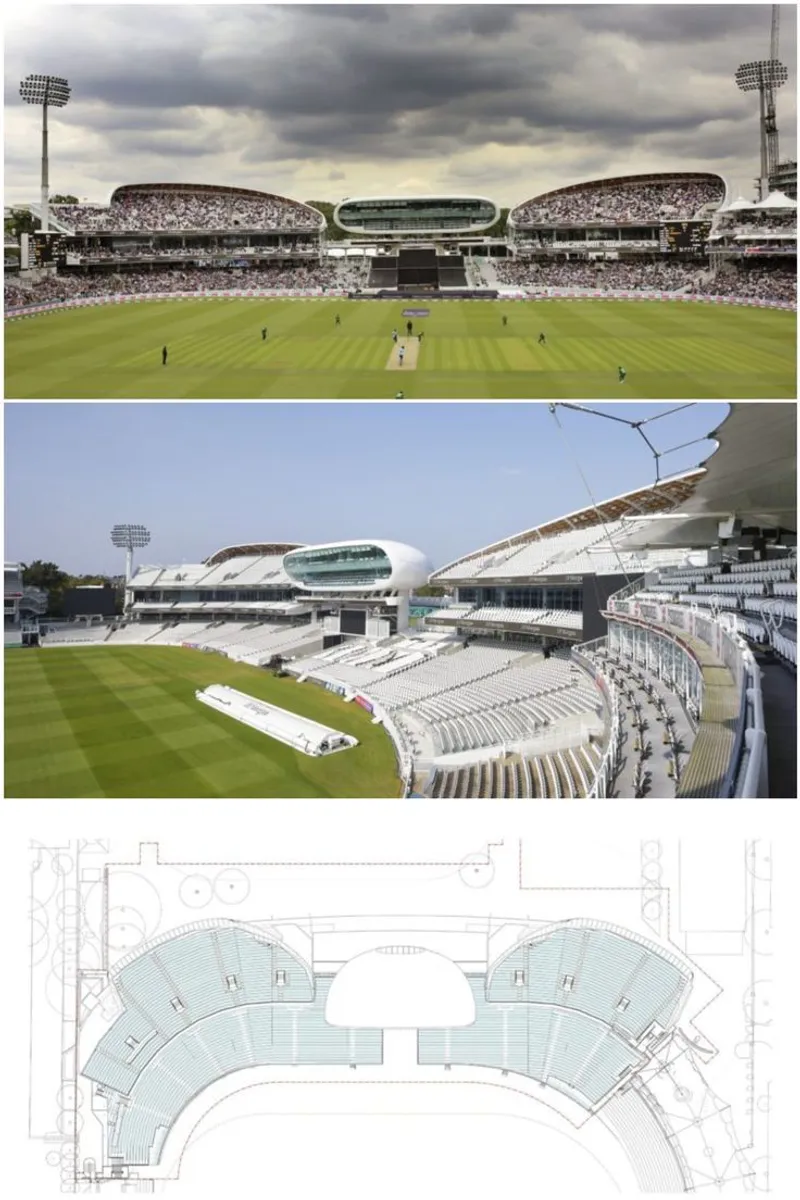
This visibility strengthens connections between fans and players, demystifying professional preparation while celebrating cricket's craft aspects. The Nursery Ground itself, with its mature trees, historic scoreboard, and more intimate scale, provides visual relief from the main ground's architectural grandeur, offering spectators varied landscape experiences within a single venue.
Arboricultural Considerations
The project team included a dedicated arboriculturalist—Nicholas Jones—whose expertise ensured the development protected and enhanced Lord's significant tree population. The ground's mature plane trees, some dating back over a century, contribute essentially to its parkland character and environmental quality, providing shade, seasonal variation, habitat, and psychological benefits that purely architectural interventions cannot replicate.
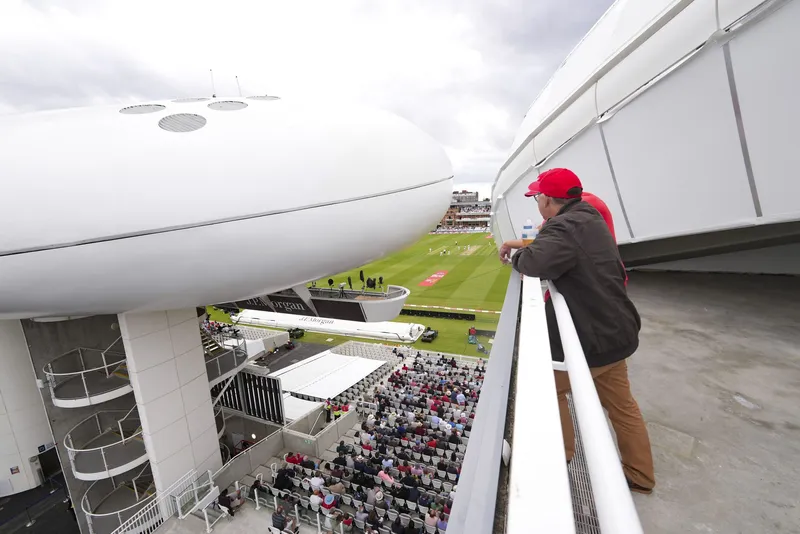
Construction activities posed potential risks to trees through root disturbance, soil compaction, and canopy damage. Jones' involvement ensured appropriate protective measures, modified construction techniques where necessary, and integrated landscape enhancement strategies that will provide benefits for decades to come.
Construction Methodology and Project Delivery
Phasing and Operational Continuity
Constructing major infrastructure at an active sports venue presents extraordinary logistical challenges. Lord's hosts numerous fixtures throughout the cricket season—county matches, international Tests, one-day internationals, Twenty20 games, and special events—generating significant revenue that the MCC could not afford to sacrifice through extended ground closures.
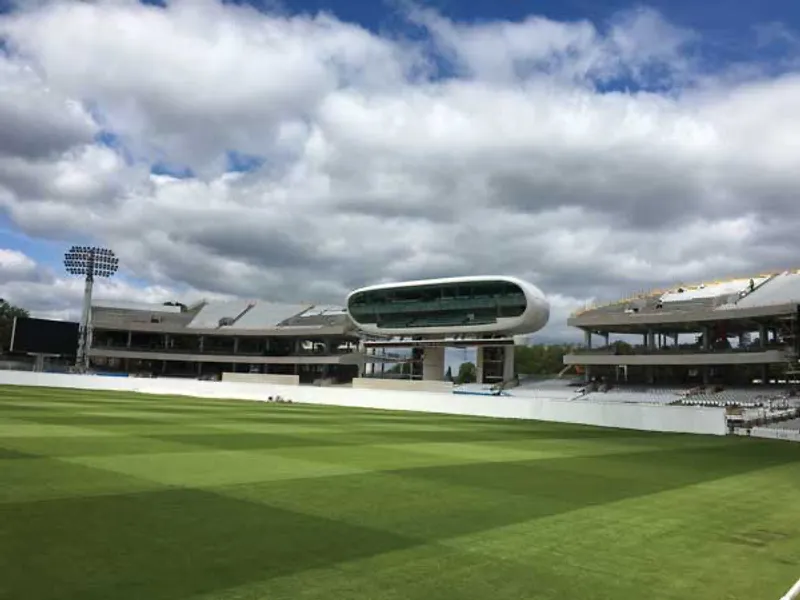
ISG, the principal contractor, developed sophisticated phasing strategies that enabled construction to proceed primarily during cricket's winter off-season while minimizing disruption to summer fixtures. This approach required precise scheduling, efficient construction methodologies, and contingency planning to address weather delays or unforeseen complications that could threaten seasonal deadlines.
Demolition and Site Preparation
Before construction could commence, the previous stands required complete demolition and removal. This process demanded careful planning to protect adjacent structures—particularly the delicate Media Centre and heritage-sensitive Mound Stand—from vibration damage or accidental impact.
The demolition phase also provided opportunities for material recovery and recycling. The seat reuse initiative salvaged thousands of units for reinstallation, while other materials—metals, concrete aggregate, timber—were processed for recycling rather than landfill disposal, supporting sustainability objectives while reducing waste management costs.
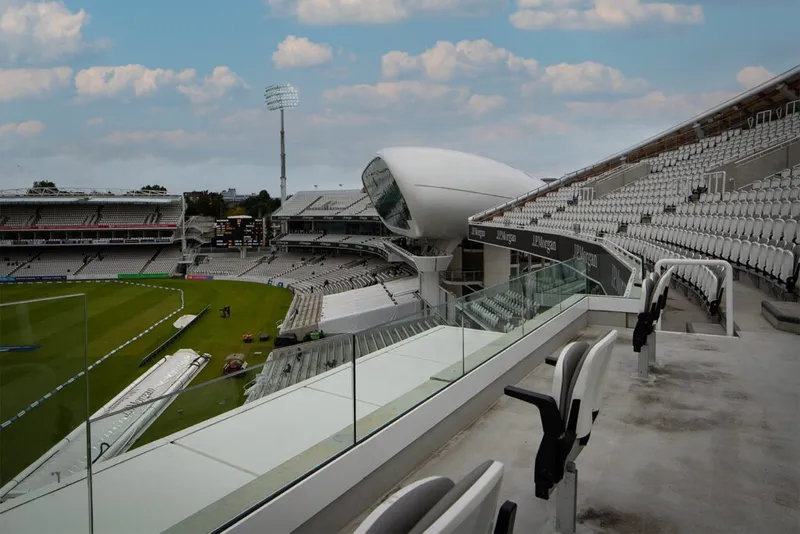
Structural Assembly
The steel frame's assembly required heavy lifting equipment and precise positioning to achieve the designed geometry and ensure proper load transfer throughout the structure. Buro Happold, the structural engineers, developed detailed erection sequences that maintained stability throughout construction phases while accommodating site constraints and protecting surrounding structures.
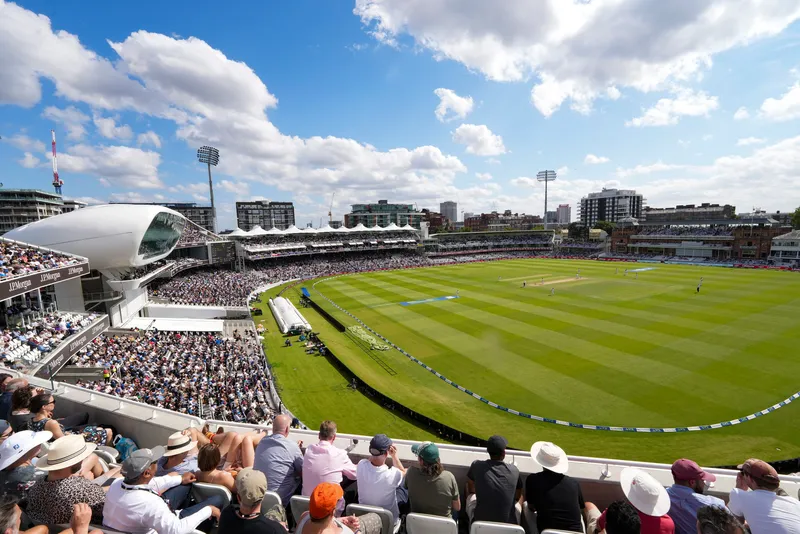
The canopy installation presented particular challenges given its combination of steel ribs, timber shell, and fabric membrane. Each layer required different trades, specialized equipment, and favorable weather conditions—the fabric membrane particularly could only be installed during dry, calm periods to prevent damage or improper tensioning.
Integration of Building Systems
Behind the stands' refined architectural surfaces lie extensive building systems—mechanical ventilation for interior spaces, electrical distribution to hospitality areas and concessions, plumbing infrastructure serving kitchens and toilets, data networks supporting point-of-sale terminals and broadcast facilities, and fire protection systems meeting stringent life safety codes.
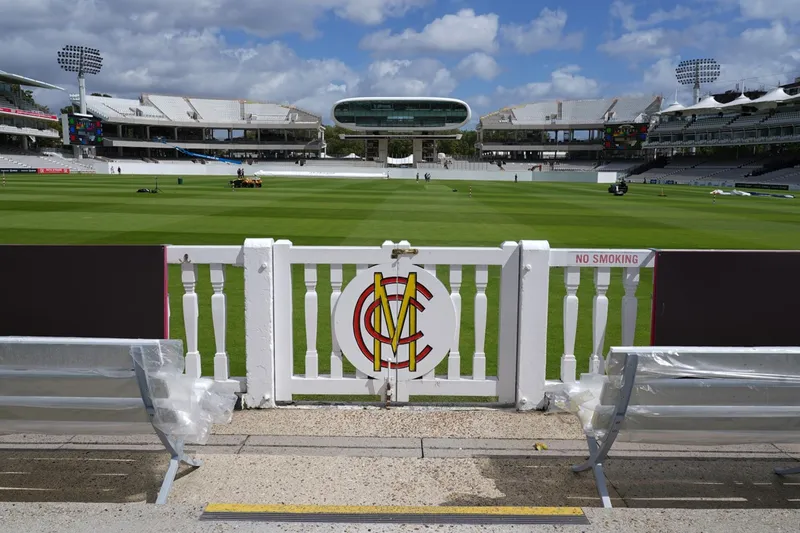
Integrating these systems within the structural frame while maintaining architectural clarity required extraordinary coordination between architects, engineers, contractors, and specialist subcontractors. Building Information Modeling (BIM) likely played crucial roles in clash detection and coordination, enabling digital previewing of system integration before physical installation.
Sustainability and Environmental Performance
Material Reuse and Waste Reduction
The reuse of 5,800 seats from the previous stands represents the project's most visible sustainability initiative, but numerous other strategies contributed to environmental responsibility. Construction waste was diverted from landfills through sorting and recycling programs. Materials were specified with recycled content where performance requirements permitted. Local sourcing was prioritized to reduce transportation impacts.
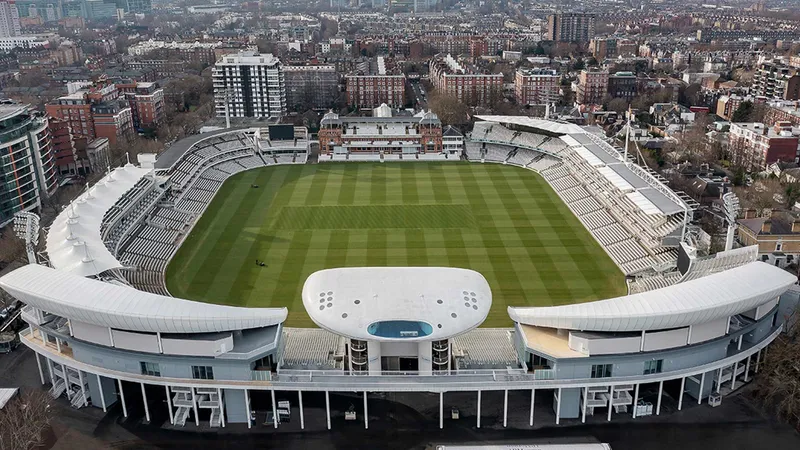
These measures align with contemporary expectations for responsible construction while demonstrating that heritage-sensitive projects at culturally significant venues can embrace sustainability without compromising architectural quality or functional performance.
Energy Performance
While the stands primarily comprise open-air spectator facilities with minimal conditioning requirements, the hospitality areas, restaurants, and back-of-house spaces contain fully conditioned interior environments requiring careful energy management. High-performance glazing systems, efficient mechanical equipment, LED lighting throughout, and building management systems that optimize equipment operation contribute to responsible energy consumption.
The canopy's fabric membrane provides weather protection while transmitting diffuse natural light, reducing artificial lighting requirements during daytime events. This daylighting strategy enhances spectator experience while lowering energy consumption—a win-win outcome that exemplifies good sustainable design.
Long-Term Resilience
Perhaps the most significant sustainability contribution involves designing for longevity. Creating structures intended to serve Lord's for fifty years or more, built with durable materials and timeless architectural character, represents the ultimate sustainability strategy. Buildings that remain functionally relevant and aesthetically valued avoid the wasteful demolition-and-replacement cycles that characterize poorly conceived facilities.
The stands' flexible hospitality spaces, adaptable food service infrastructure, and generous circulation capacities provide resilience against changing operational requirements, helping ensure long-term utility that justifies the substantial material and carbon investments their construction represents.
Cricket Culture and Social Significance
The Match-Day Ritual
For cricket enthusiasts, attending matches at Lord's constitutes ritual pilgrimage—an opportunity to participate in traditions dating back over two centuries while witnessing sporting excellence at the highest level. The Compton and Edrich Stands enhance this ritual through improved comfort, superior sightlines, and expanded amenity provision, but their deeper contribution involves strengthening the social dimensions of cricket spectatorship.
Cricket's characteristic rhythms—the measured pace, strategic complexity, and multi-session formats lasting hours or entire days—create unique spectating cultures distinct from faster-paced sports. Spectators engage in extended conversations, share meals and drinks, move between seats to socialize with friends positioned elsewhere, and develop communities united by shared passion. The stands' hospitality venues, elevated walkway, and open circulation routes support these social practices, providing infrastructure for the human connections that make cricket culture distinctive and meaningful.
Democratizing Access
The enhanced accessibility features and increased capacity democratize access to Lord's experiences previously available to limited numbers. Wheelchair-accessible positions throughout all tiers enable disabled spectators to fully participate in match-day culture. The variety of seating options and price points accommodates diverse economic circumstances. The improved amenities ensure comfortable experiences regardless of weather conditions or physical stamina.
This inclusivity strengthens cricket's social fabric, ensuring the sport remains welcoming to diverse populations rather than becoming exclusive domain of privileged demographics—a concern that has periodically troubled cricket's development in class-conscious British society.
Architectural Tourism
Beyond their functional sporting role, the stands contribute to Lord's status as architectural destination attracting visitors interested in design and construction excellence. The ground now features structures spanning three centuries and representing radically different architectural movements—from Victorian engineering to futuristic parametric design to contemporary crafted modernism—creating a concentrated architectural history lesson.
This architectural diversity enhances Lord's cultural value beyond cricket, attracting wider audiences who might not attend matches but appreciate the opportunity to experience significant architecture. The MCC's stadium tours, which attract thousands of visitors annually, now include the stands as featured stops, explaining their design intentions and construction methodology to architecture enthusiasts.
Critical Reception and Professional Recognition
Architectural Community Response
The Compton and Edrich Stands received considerable attention within architectural circles upon completion, with professional publications analyzing the project's success in respecting heritage context while delivering contemporary performance. Critics particularly praised the sensitive response to Lord's unique architectural ensemble, the structural expression's clarity and legibility, and the canopy's elegant synthesis of engineering and craft.
The project demonstrated that sports architecture need not choose between heritage sensitivity and contemporary expression—that thoughtful design can honor tradition while embracing modernity, creating buildings that feel both appropriately contextual and confidently of their time.
User Experience Validation
Ultimate project success depends on spectator satisfaction and operational effectiveness rather than critical acclaim. Early feedback from MCC members, match attendees, and hospitality guests validated the design's functional achievements. Spectators consistently praised the improved sightlines, comfortable seating, weather protection, and enhanced amenity provision. Hospitality clients appreciated the restaurants' unique pitch-facing positions and the elevated walkway's distinctive experiences.
Operationally, the stands improved crowd circulation, reduced pressure on existing facilities during peak periods, and provided revenue-generating hospitality infrastructure that helps fund Lord's continued development and maintenance.
All the Photographs are works of MCC, Peter Landers, Hufton+Crow, Andrew Fosker


Popular Articles
Popular articles from the community


ETEH Reworks the Shared Spaces of São Domingos School in Brazil Around Timber, Color and Hanging Plants
At São Domingos School in Brazil, 436 m² of hall, refectory and library are recast with timber joinery, a yellow and blue code and trailing greenery.

David Ortega Stacks a Two-Story Mexico City Penthouse Around a Steel Stair and a Pergola-Shaded Roof Terrace
In Colonia Roma, a 300 m² penthouse uses oak joinery, a planted steel stair and a slatted roof pergola to make a new-build apartment feel like a house.


Aquadapt: An Underwater Habitat That Rewrites Its Rooms by the Hour
Curved modules ring the seabed while one shell shifts from breakfast room to cinema, farm and football pitch as residents' needs change.

FCC Arquitectura Expands a Portuguese Granite House with a Board-Marked Concrete Wing
In Portugal, JV House pairs a cleaned-up whitewashed and granite dwelling with a timber-shuttered concrete extension, courtyards and a garden pool.

Similar Reads
You might also enjoy these articles


Hodi-Mandai Geram
Project Function: Preservation and revitalization of the Intangible heritage and socio-spatial identity of the Hodi by Housing, Cultural Memory Center, Sacred Grove, landscape, local tourism economy


Olio Towers: A Mid-Rise for Performers That Fuses Housing, Rehearsal, and Stage
Located blocks from Houston's Theater District, this modular tower stacks living units around a central performance atrium.

Oasis: Modular Green Housing Carved into Dhaka's Urban Fabric
A shortlisted Plugin Housing entry reclaims unauthorized settlements in Dhaka with stepped concrete volumes, green roofs, and ventilation-driven design.

Black Hole: A Floating Megastructure for the Post-Physical Era
Emiliano Mazzarotto envisions a spherical, self-scaling arena where e-sports, digital hotels, and holographic stadiums replace traditional public space.

Explore Sports Architecture Competitions
Discover active competitions in this discipline

Challenge to design a barrier free sports center

Challenge to design an outdoor ice-rink and park

Challenge to reimagine the Iron Throne

Photograph architecture without architects
Comments (0)
Please login or sign up to add comments
No comments yet. Be the first to comment!