
Contemporary Garden City Urban Planning: Reclaiming Bon Air for Pedestrian-Centric Living
A contemporary urban planning project revives Brussels' Bon Air garden city with pedestrian-friendly design, community spaces, and sustainable strategies.


Revitalizing a Historic Brussels Suburb with Modern Urban Strategies
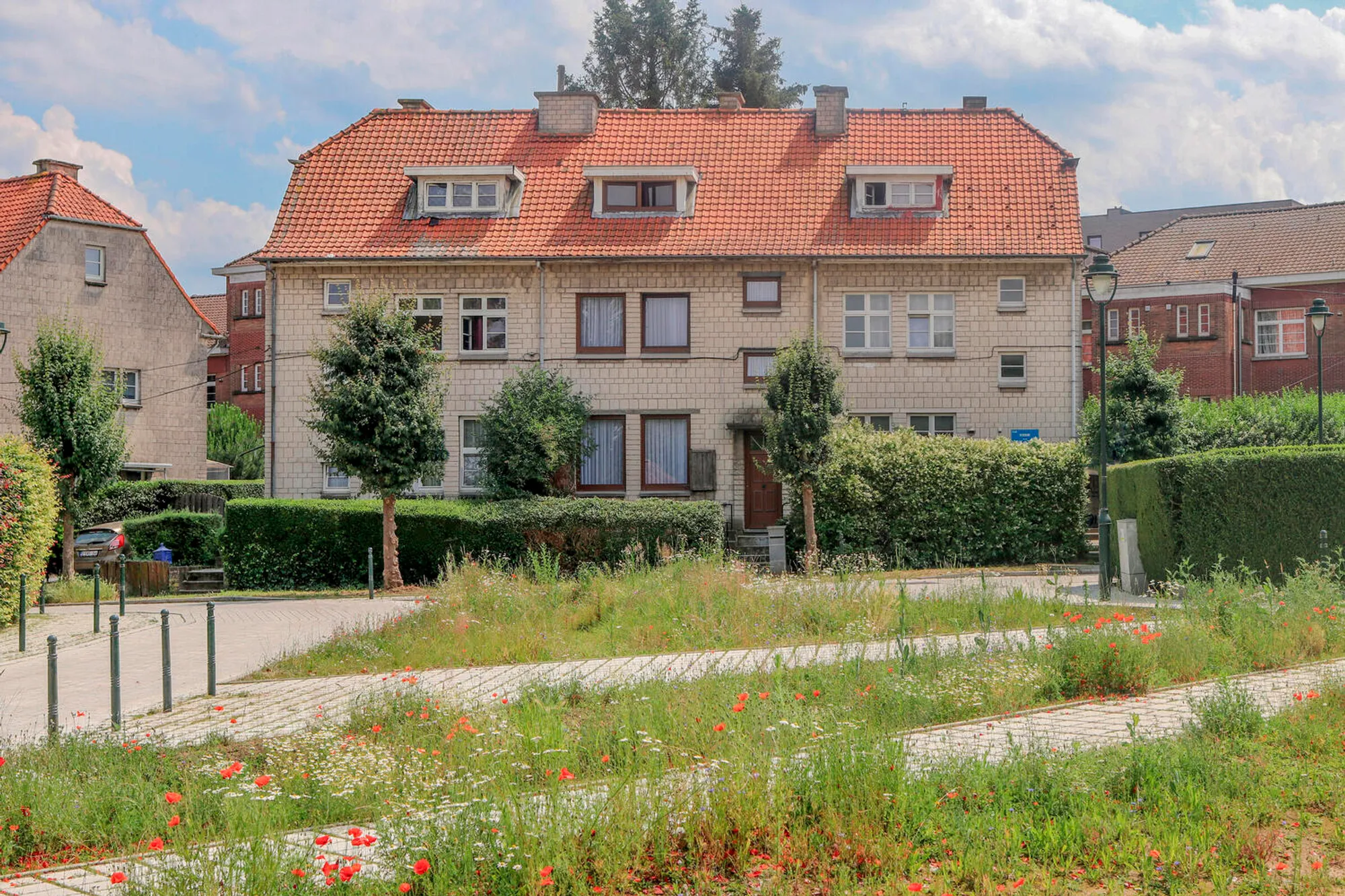
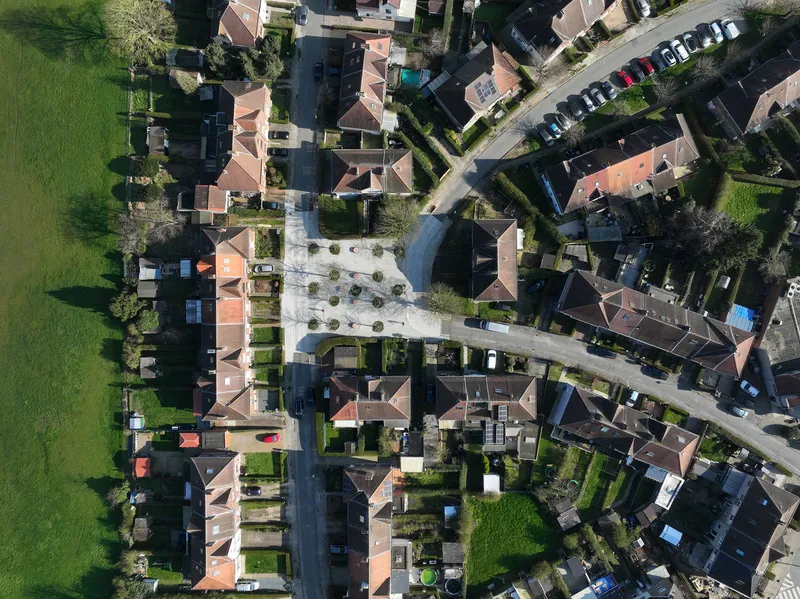
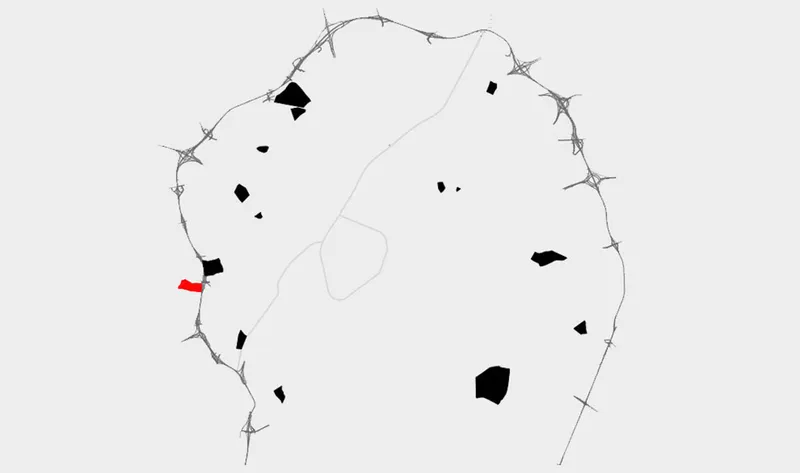
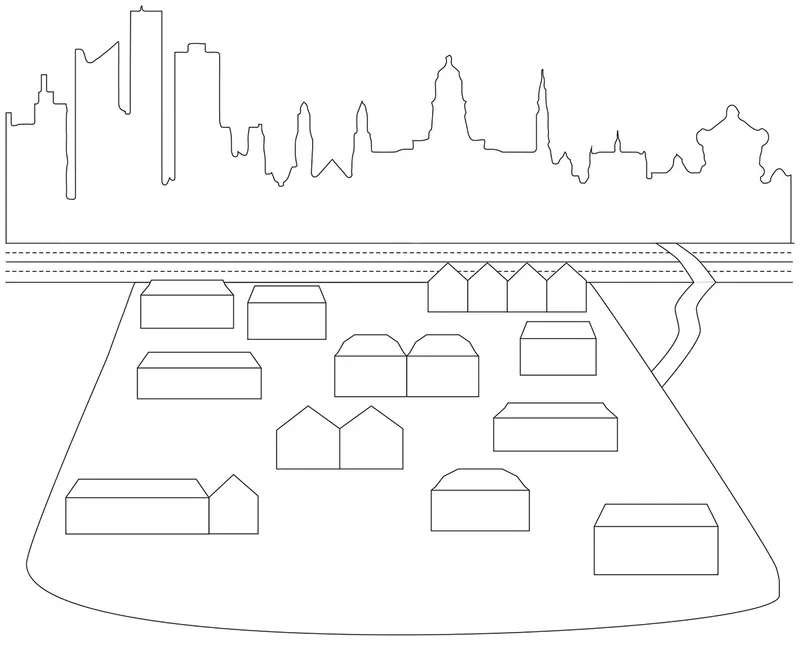
The Bon Air neighborhood in Anderlecht, a suburb of Brussels, stands as one of the last preserved examples of a traditional garden city. Unlike many of its counterparts, which have been engulfed by the dense fabric of the urban core, Bon Air retains a village-like character with low-density housing and a distinct spatial identity. This unique status, however, comes with both opportunities and challenges, particularly in adapting its historical framework to contemporary needs.
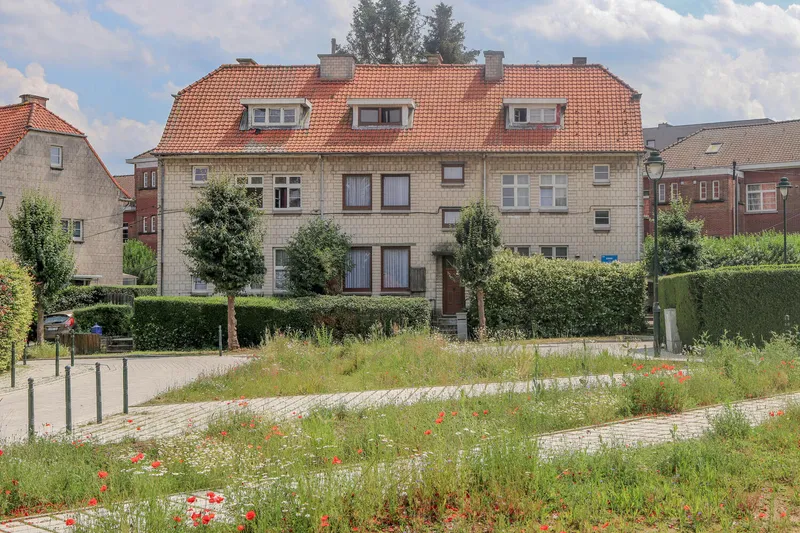
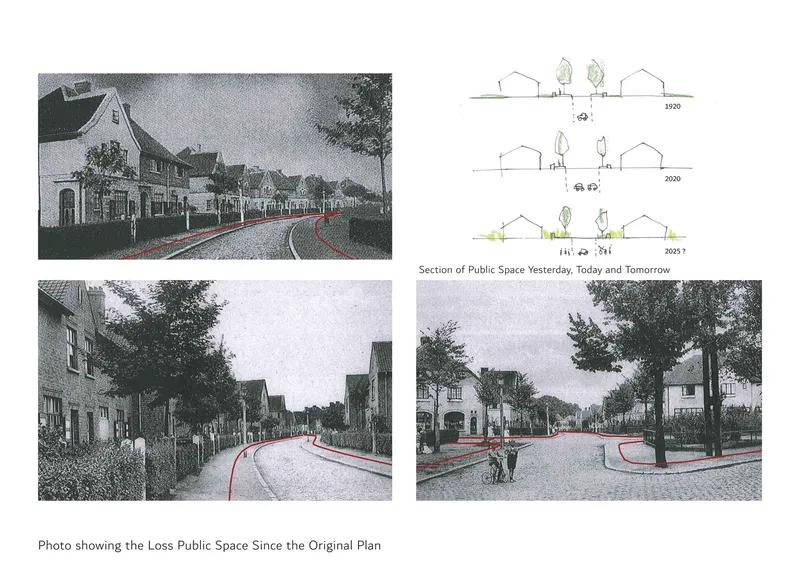
Originally conceived with narrow residential streets and wide pedestrian alleys, Bon Air was a model for integrated social living, where alleyways served as active public spaces for interaction, leisure, and play. Over time, however, the neighborhood succumbed to the pressures of automobile dominance. Pedestrian paths were narrowed or erased, streets became shortcuts for speeding traffic, and the social vitality of the space diminished. The resulting disconnect between the neighborhood’s original intentions and its current reality sparked a much-needed rethinking of its urban model.
The Vision Behind the Transformation
L’atelier DEV architecture, led by Julien Deloffre, crafted a comprehensive masterplan that aims to restore the pedestrian-friendly character of Bon Air. With the support of landscape designer Ludivine Gragy and manufacturers like UrbaStyle, Flexidal, Move&play, and bleijko, the project introduces a new chapter in contemporary garden city urban planning. The goal was clear: reclaim public space for residents, prioritize safety, and create vibrant, multifunctional environments that foster community connection.
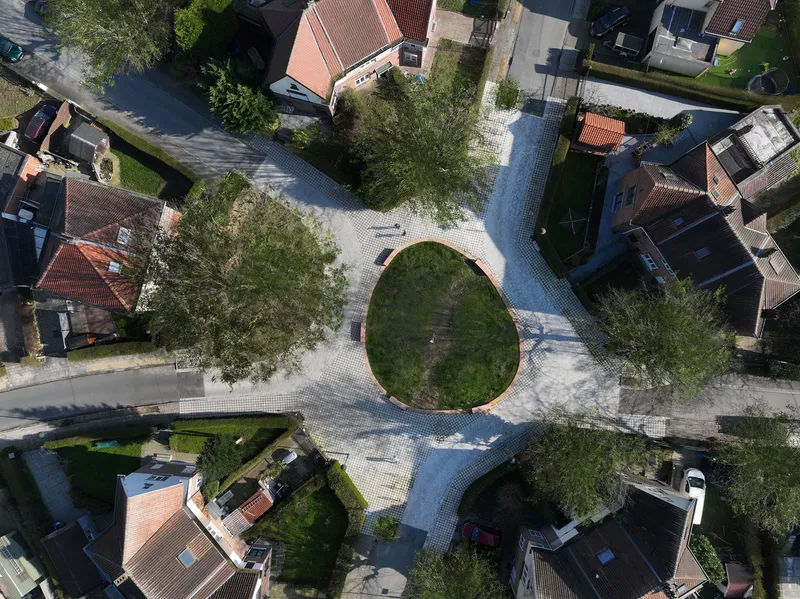
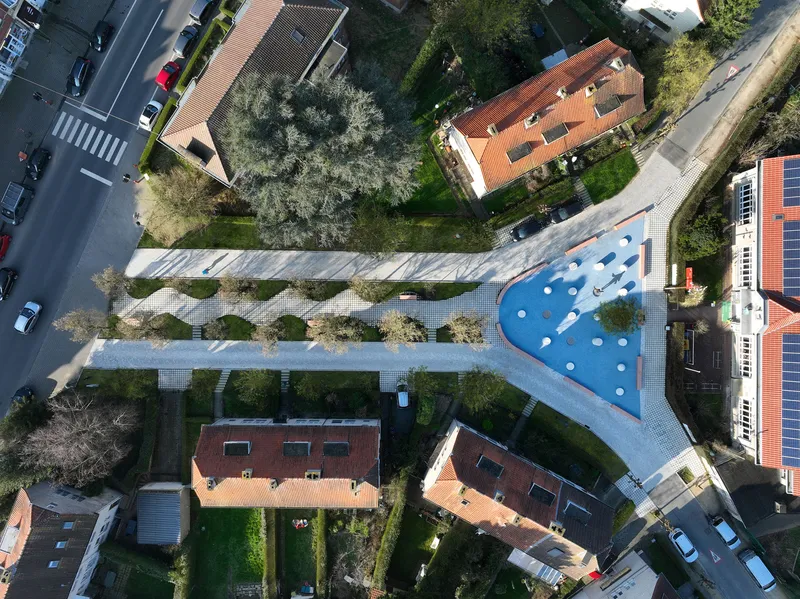
The reorganization of Bon Air’s road network marked the project's first significant step. Streets were converted into one-way routes and structured into a loop system, discouraging through-traffic and reducing vehicle speeds. This allowed for a safer, more accessible environment where walking and cycling were encouraged over car use, restoring the neighborhood’s original calm and human-scale atmosphere.
Designing for Community, Ecology, and Play
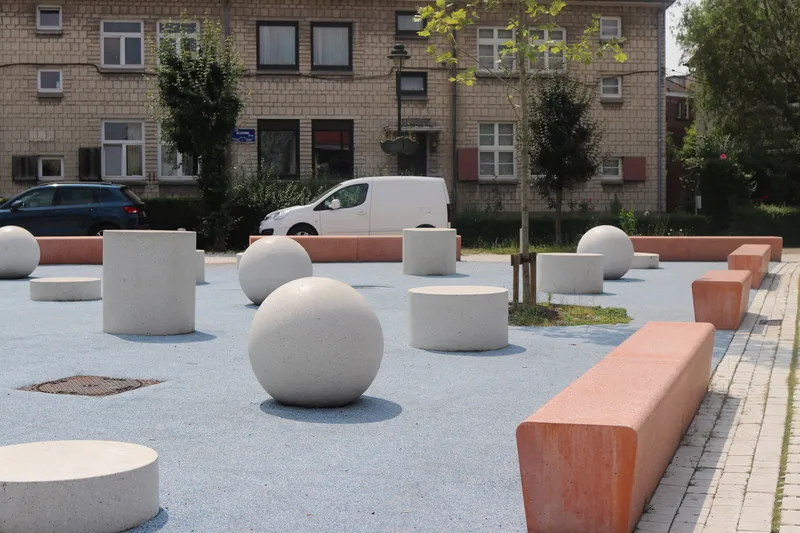
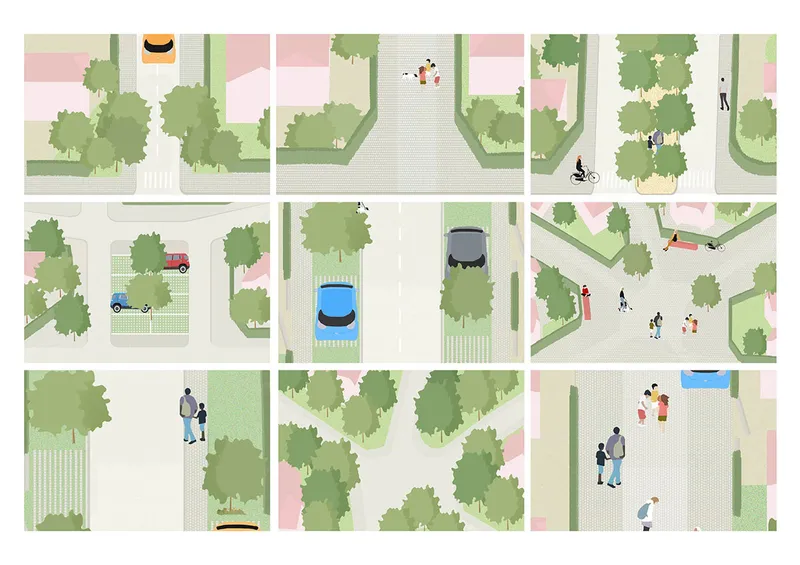
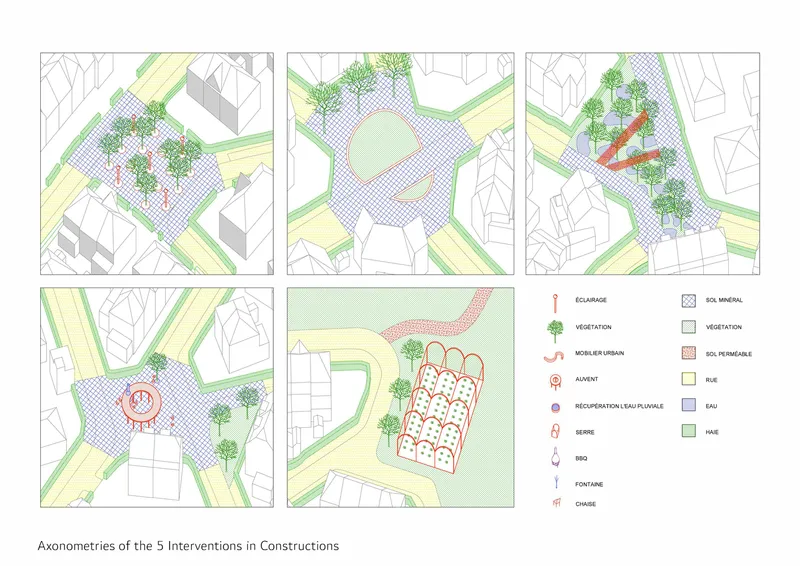
With vehicular flow under control, the design team focused on crafting a series of thematic public squares that redefine Bon Air’s communal life. These five key intersections, each with a distinct purpose, act as contemporary interpretations of shared space:
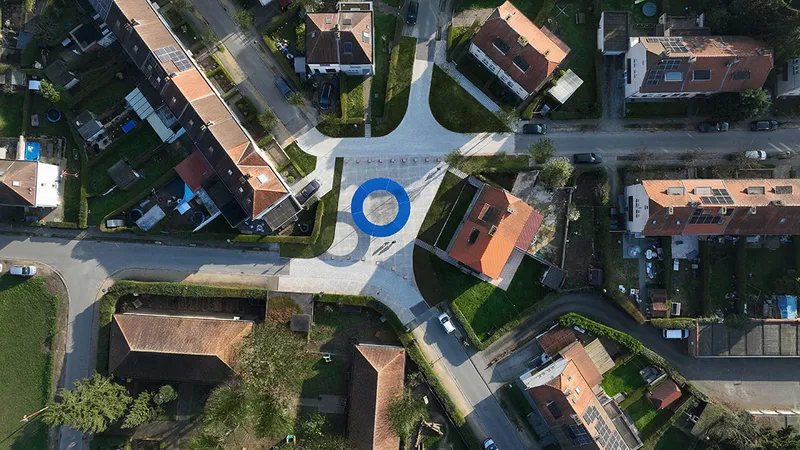
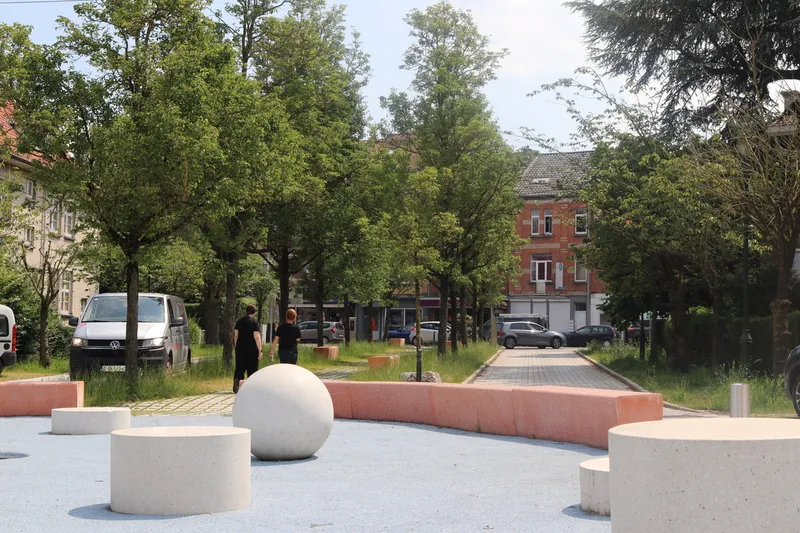
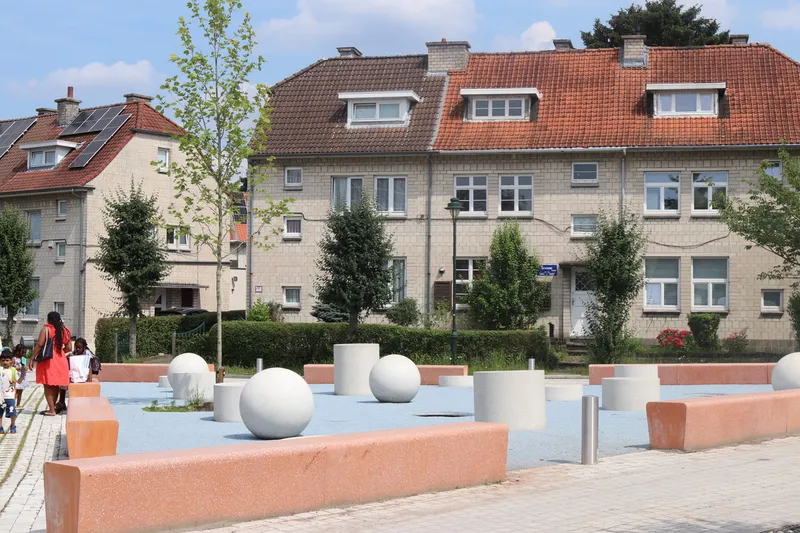
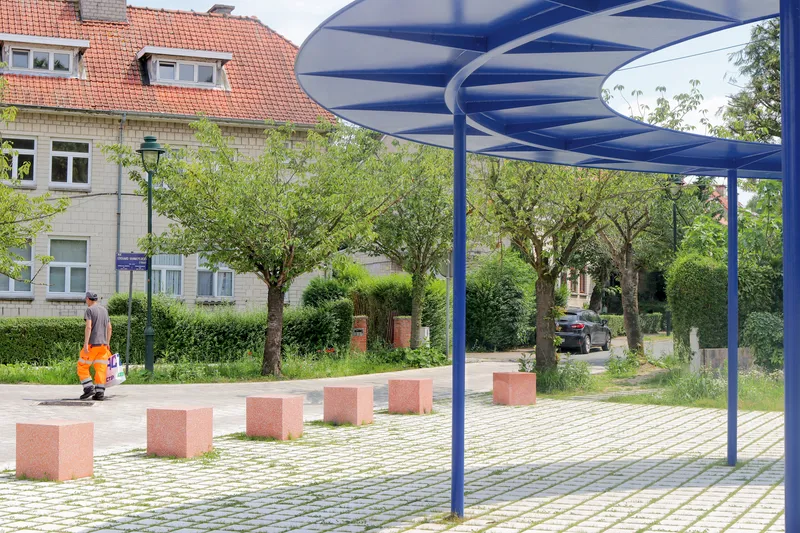
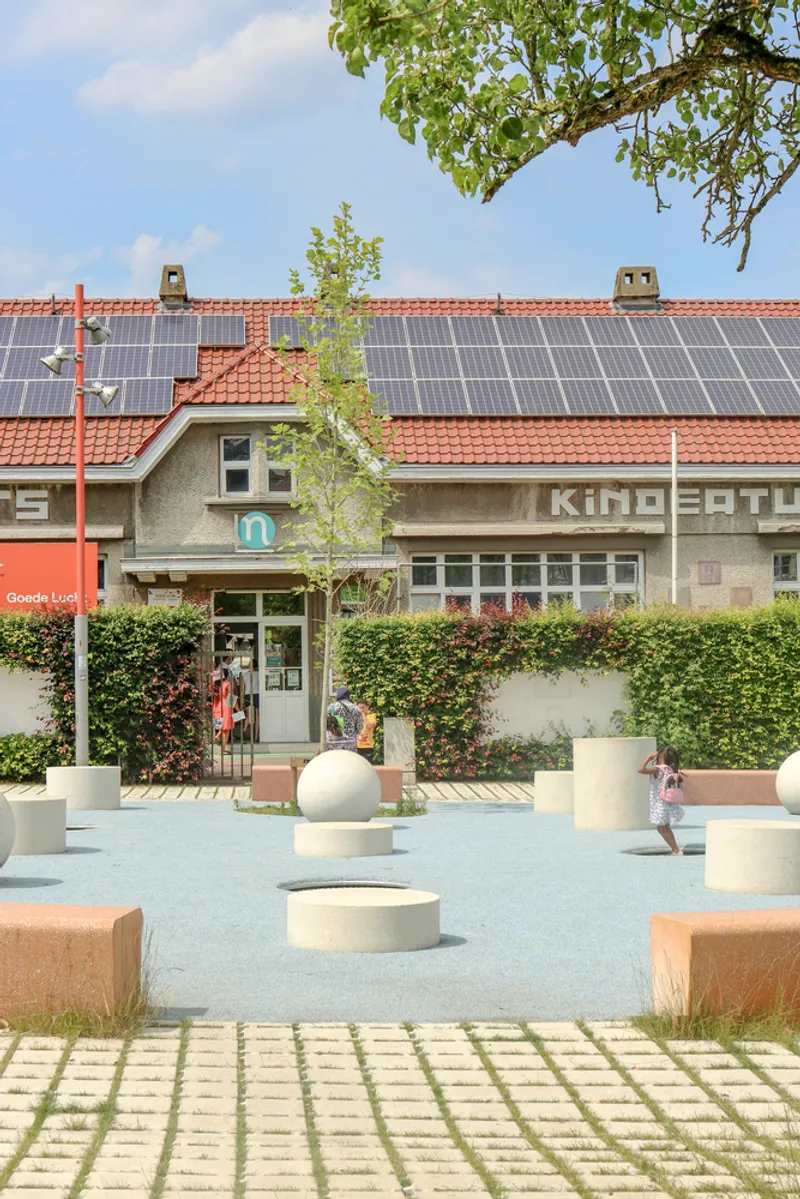
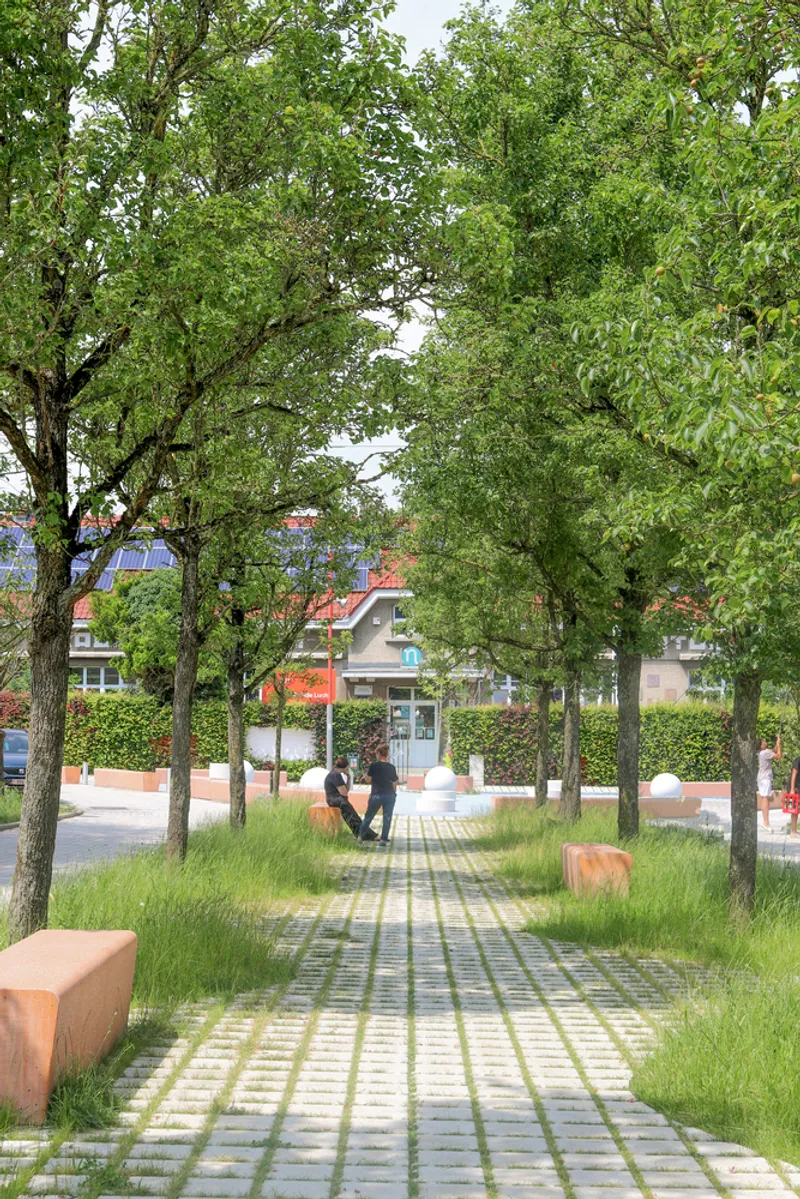
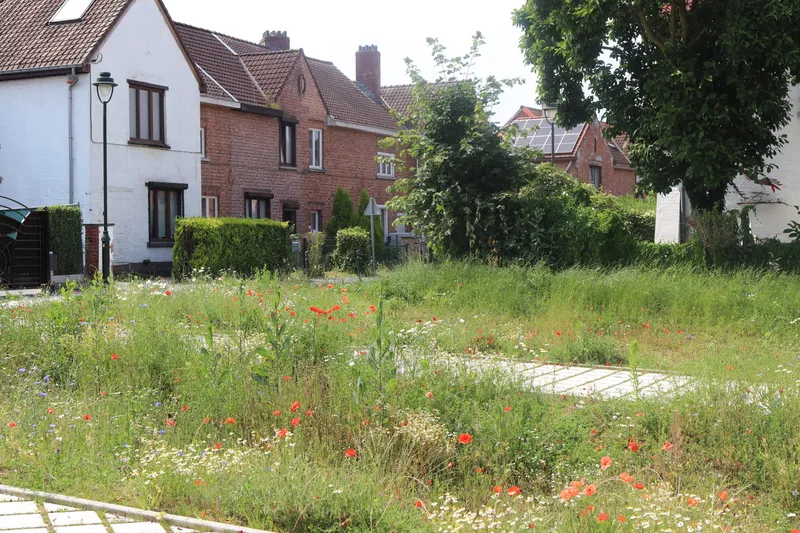
The Shaded Grove offers a tranquil retreat beneath a canopy of trees with integrated seating, encouraging residents to relax and socialize. The Green Hill Hub introduces a topographical element to the flat landscape, enhancing biodiversity while serving as a visual and ecological landmark. The School Plaza, located at the school’s entrance, features interactive play elements like trampolines and sculptural seating, activating the space for children and families. The Rainwater Square serves dual functions, managing stormwater sustainably while doubling as a recreational area during dry weather. Finally, the Community Canopy is a sheltered gathering space for markets, performances, and neighborhood events, promoting inclusion and interaction.
A Holistic and Resilient Masterplan
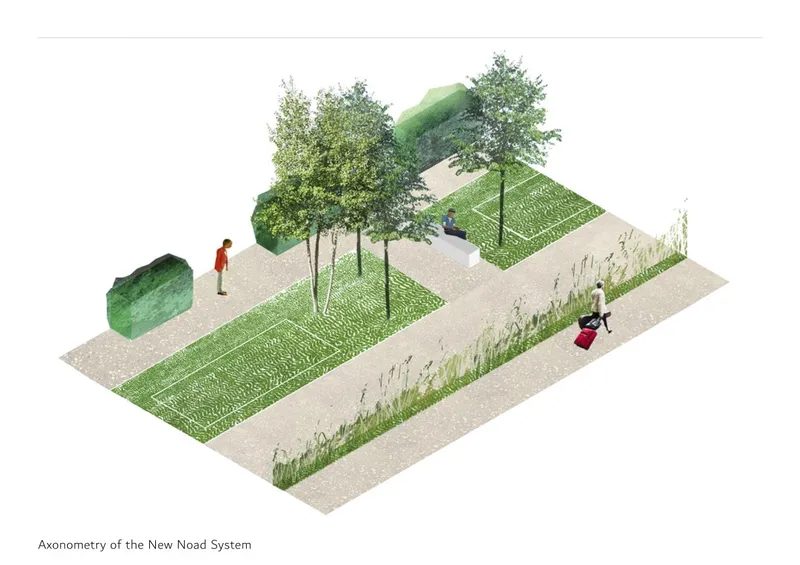
Beyond the five signature squares, the masterplan also integrates a network of pocket parks, redesigned neighborhood gateways, and a revitalized central park equipped with a new sports facility. These interventions collectively redefine the spatial identity of Bon Air, turning it into a walkable, green, and socially dynamic environment.
This forward-thinking approach not only strengthens the neighborhood’s infrastructure but also embodies the principles of resilient urbanism. The design treats the neighborhood as a large shared domestic space—a city-scale living room—where safety, sustainability, and community well-being are paramount.
A Model for the Future of Suburban Neighborhoods
Bon Air’s transformation underlines the value of contemporary garden city urban planning in today’s context. Through a nuanced balance of historical respect and modern design thinking, L’atelier DEV architecture has offered a blueprint for how suburban neighborhoods can evolve without losing their soul. As cities grapple with the pressures of densification, mobility, and environmental responsibility, Bon Air stands as a compelling example of how to renew a suburban district through spatial, social, and ecological reimagining.
All Photographs are works of Serge Brison




Popular Articles
Popular articles from the community


The Ocean Hive: Sustainable Architecture for a Self-Sufficient Civilization at Sea
The Ocean Hive imagines sustainable architecture at sea, where modular habitats, algae, wave power and ocean waste sustain a growing colony.

Co-Life: Senior Housing Design That Reconnects Older Adults With the City
Co-Life reimagines senior housing design through healing gardens, shared streets, workshops, and a sustainable community across generations.

Conexión: Biophilic Design Reimagines High-Rise Living in Hong Kong
Conexión reimagines high-rise living in Hong Kong through biophilic design, green facades, shared spaces, daylight, water and nature within.

Play: Fragments of Their World
Familiar architecture becomes modular playground design, creating safe spaces where displaced children can learn, connect, imagine and play.


Similar Reads
You might also enjoy these articles


FAMM Arquitectura Organizes Ten Villas Around Courtyards and Jungle in Nosara, Costa Rica
El Molino pairs two elongated volumes with deep overhangs and timber louvers to build a compact coastal community five minutes from the beach.

Oscar Niemeyer's Ibirapuera Park Pavilions Define São Paulo's Cultural Identity in Concrete and Curve
A constellation of modernist volumes set within São Paulo's most important urban park, conceived for the city's 400th anniversary in 1954.
How Henri Picq's 1889 Paris Pavilion Traveled 11,000 Kilometers to Become Santiago's Artequín Museum
A prefabricated iron and glass pavilion built for the Paris Universal Exposition found a second life as a children's art museum in Chile.

Sanjay Puri Architects Wraps a Jaipur Office Tower in Capsule-Shaped Green Buffers
A nine-level climate-responsive workplace near Jaipur Airport uses stacked planter terraces and aluminium screens to fight 40°C heat.

Explore Walkable City Competitions
Discover active competitions in this discipline



Challenge to reimagine the Iron Throne


Photograph architecture without architects


Illustrate the lost glory of Angkor Wat - Render Challenge


Design challenge to reuse E-waste
Comments (0)
Please login or sign up to add comments
No comments yet. Be the first to comment!