
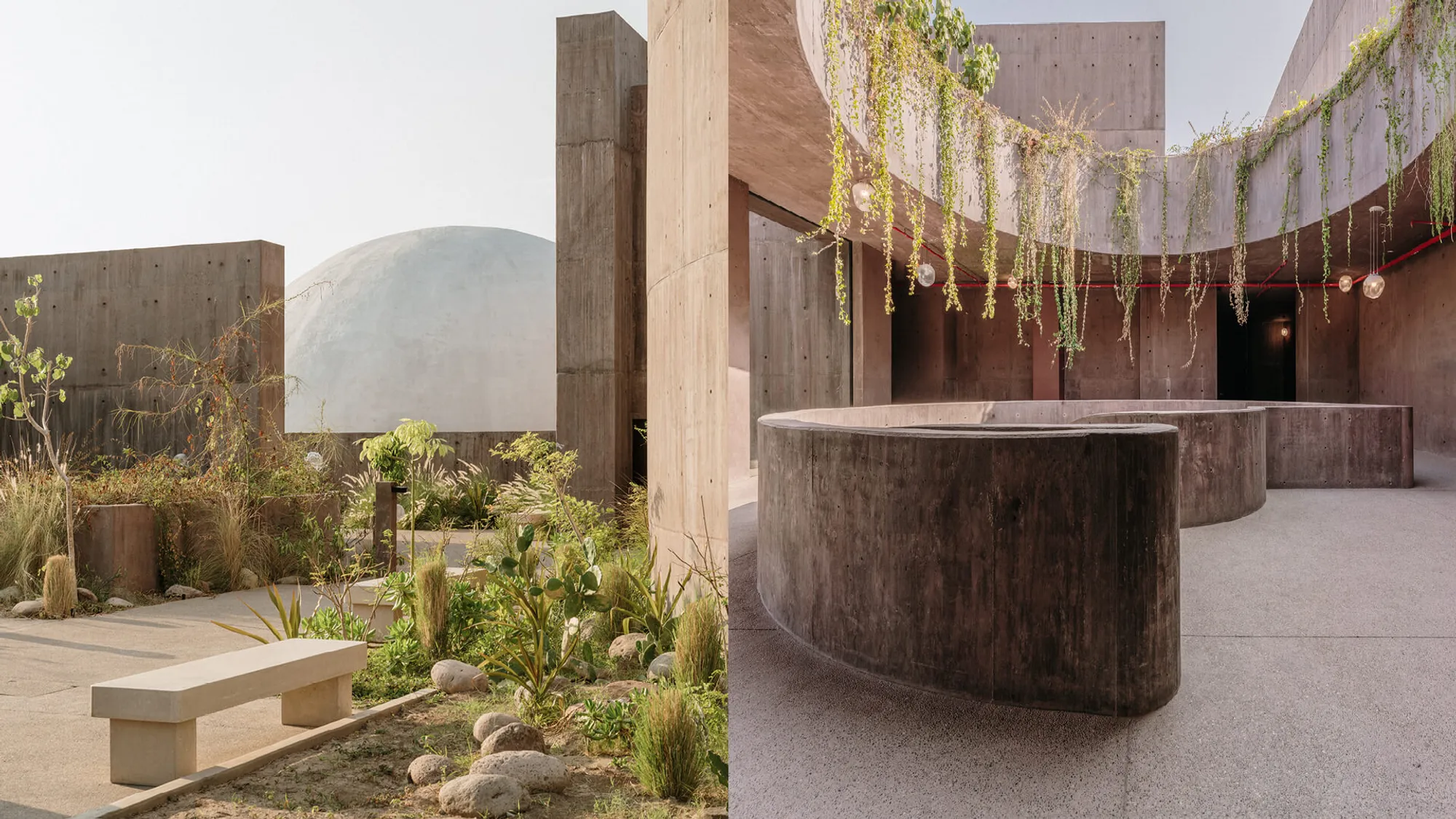
Cortés Sea Research Center by Tatiana Bilbao: A Marine-Ecological Landmark in Mazatlán
Immersive marine research center blending architecture with ecology, showcasing Sea of Cortez ecosystems through sustainable design and public engagement.


As part of the ambitious Mazatlán Central Park regeneration program, the Cortés Sea Research Center by renowned Mexican architect Tatiana Bilbao is a groundbreaking aquatic and ecological research facility. Designed as both a public aquarium and a scientific research hub, this architectural marvel seamlessly integrates marine and terrestrial ecosystems through spatial immersion and environmental interconnectivity.
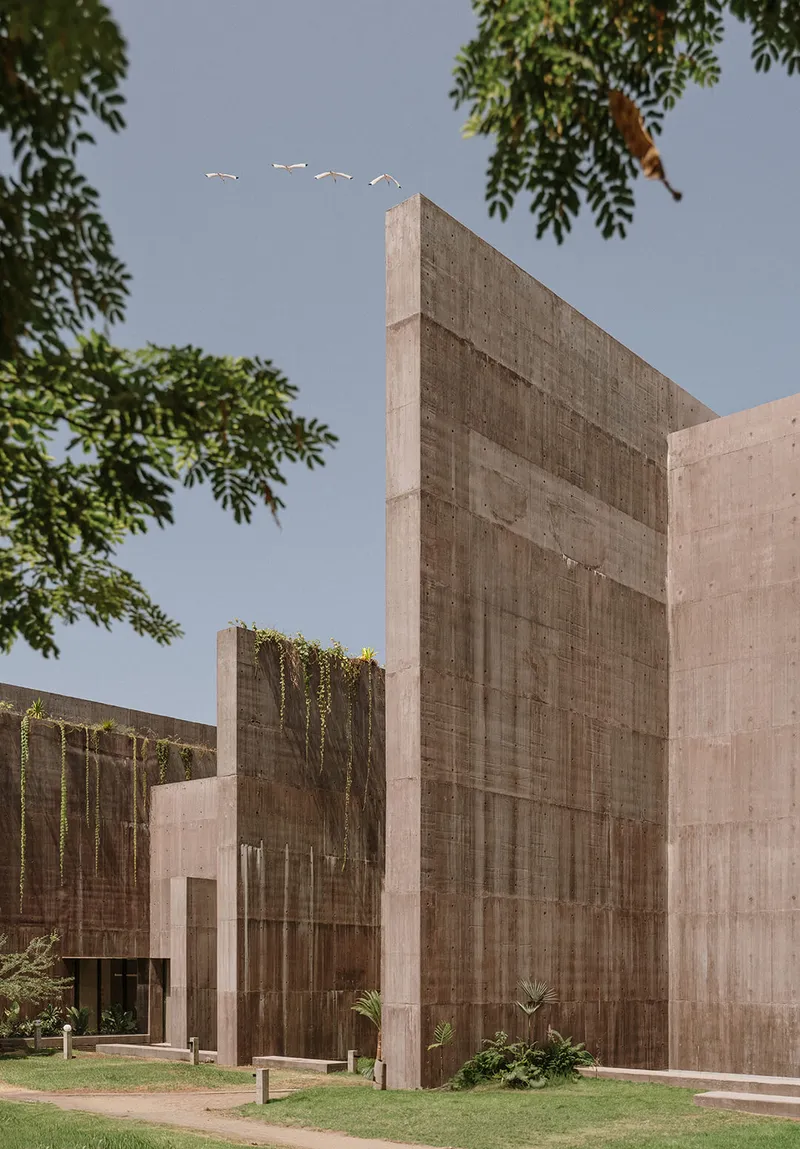
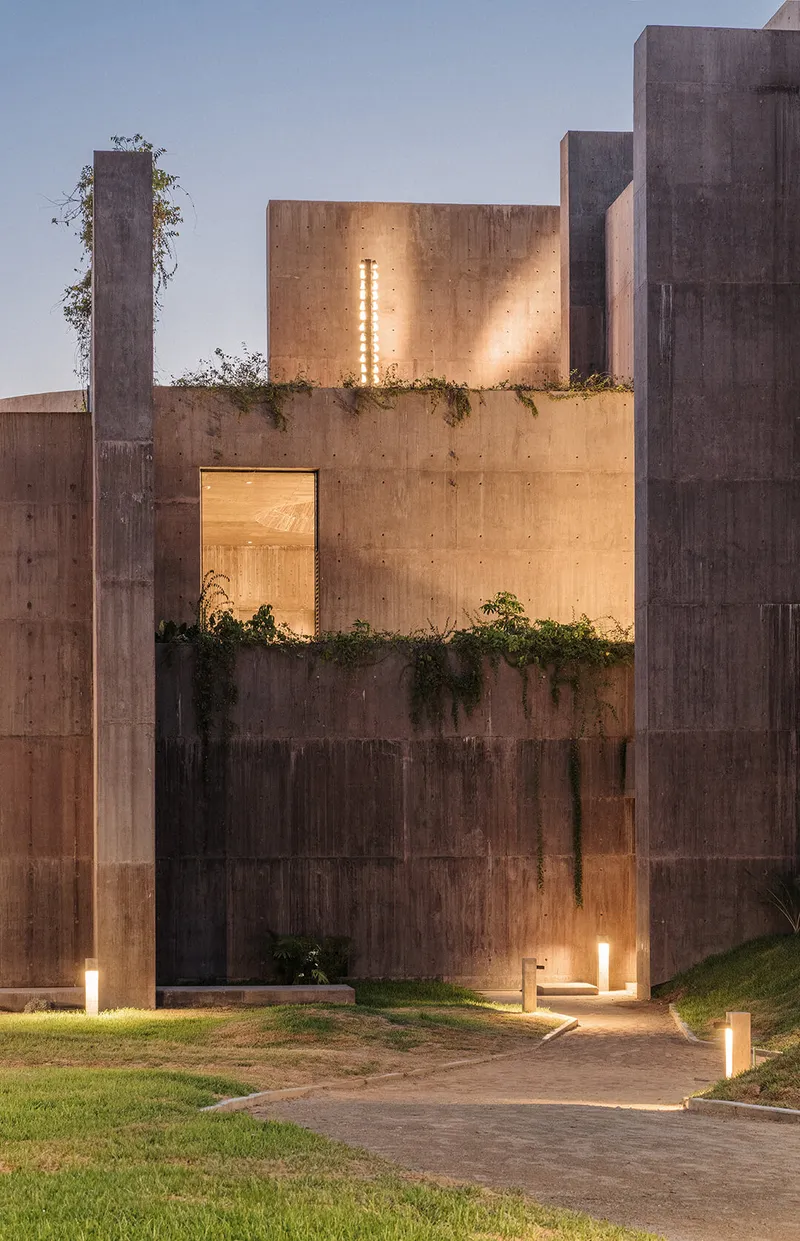
Regenerative Urbanism & Coastal Identity
This visionary project redefines the interface between architecture and nature, blending public, cultural, and environmental elements into a unified space. The design emphasizes ecological sustainability, cultural belonging, and educational outreach. Situated along the Sea of Cortez, the center showcases the unique biodiversity of both the ocean and its coastal environment while also enhancing public access to educational marine science.
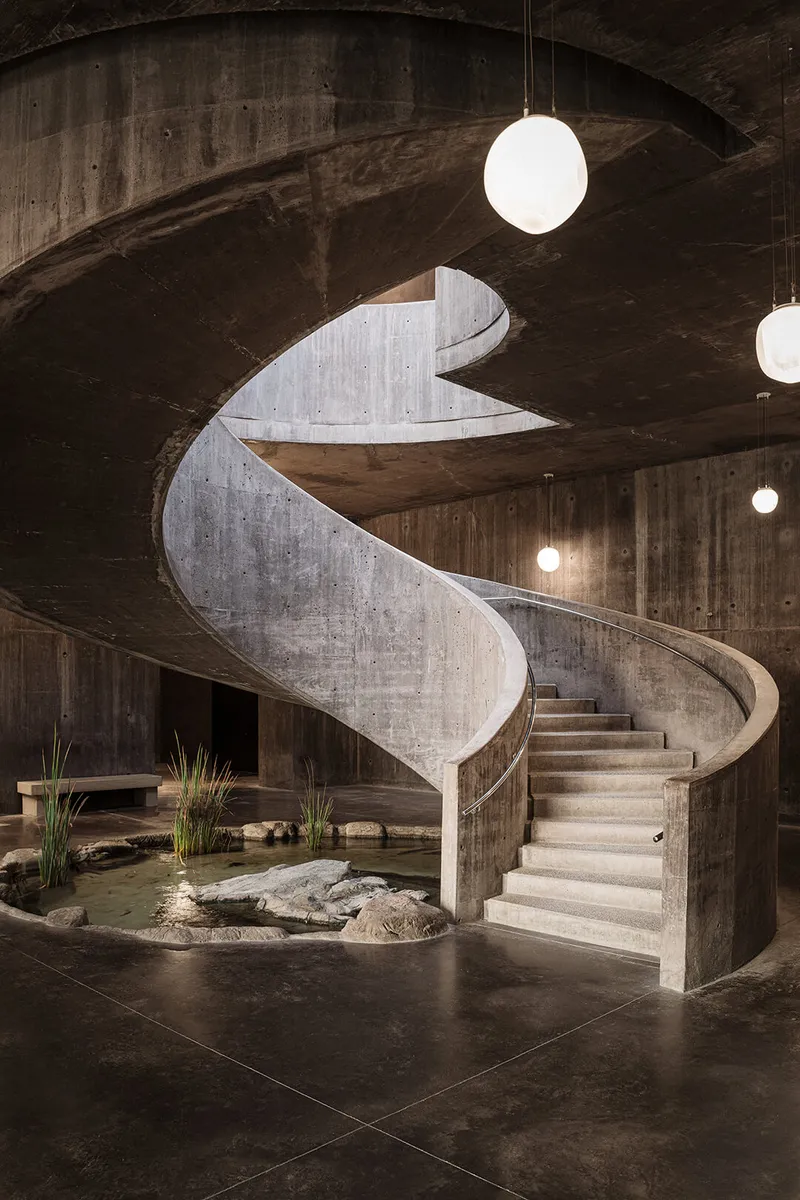
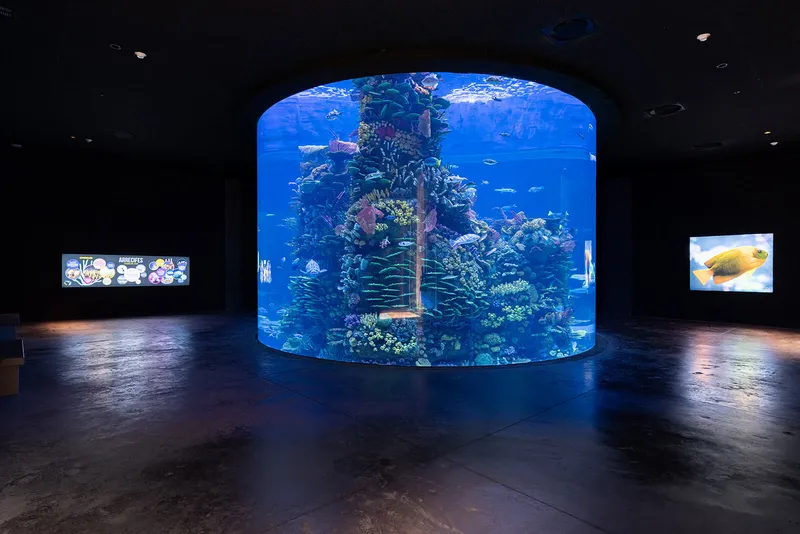
Architecture Where Nature Grows Inward
At its core, the research center is conceived as a living architecture—a place where nature doesn’t just surround the building, but lives and thrives within it. The architectural language reflects a rational and orthogonal structure, offering flexibility, structural logic, and spatial continuity. Rather than imposing itself on the site, the building organically extends into the landscape through irregular, programmatic walls, creating a porous envelope that fosters indoor-outdoor fluidity.
A Spatial Journey Through Marine Ecosystems
Visitors enter the building via a public access plaza, descending from an extended exterior rooftop pathway that frames panoramic views of the surrounding park and coastline. From this plaza, the exhibition experience branches into multiple immersive zones:
- Open Sea
- Coastal Ecosystems
- Land and Forest Biomes
- Educational Auditorium & Public Laboratory
The design allows for a non-linear circulation, encouraging continuous exploration and interaction. Visitors can begin their journey from any ecosystem and remain in close contact with the natural outdoor environment throughout.
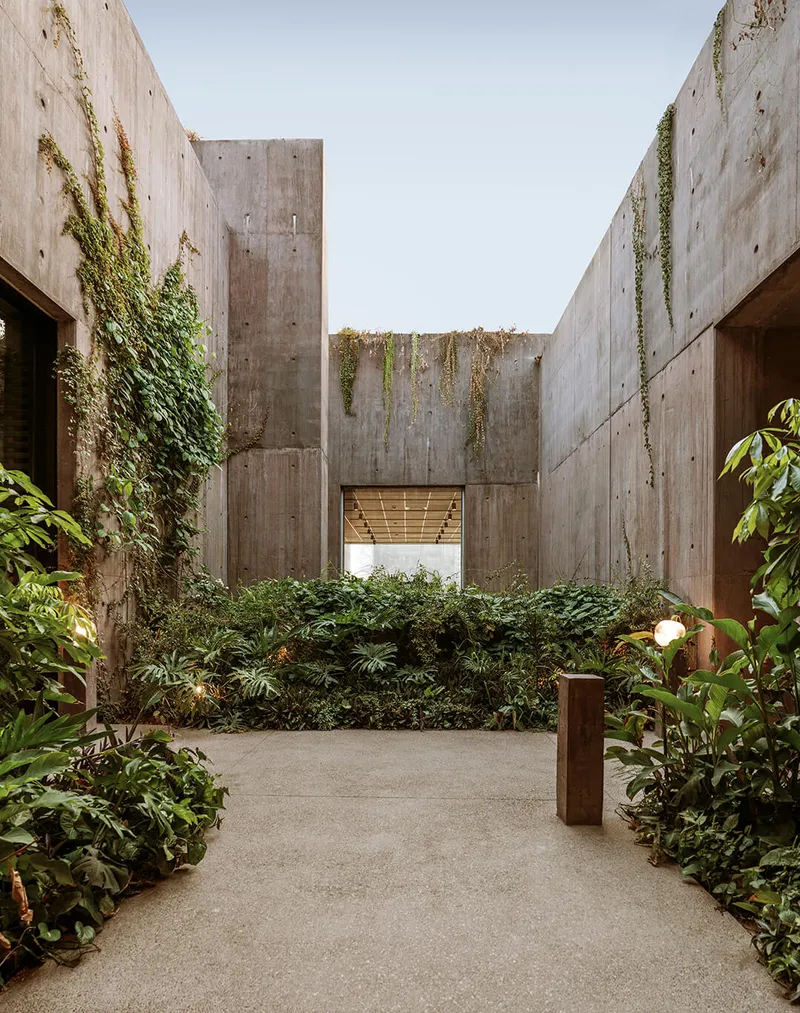
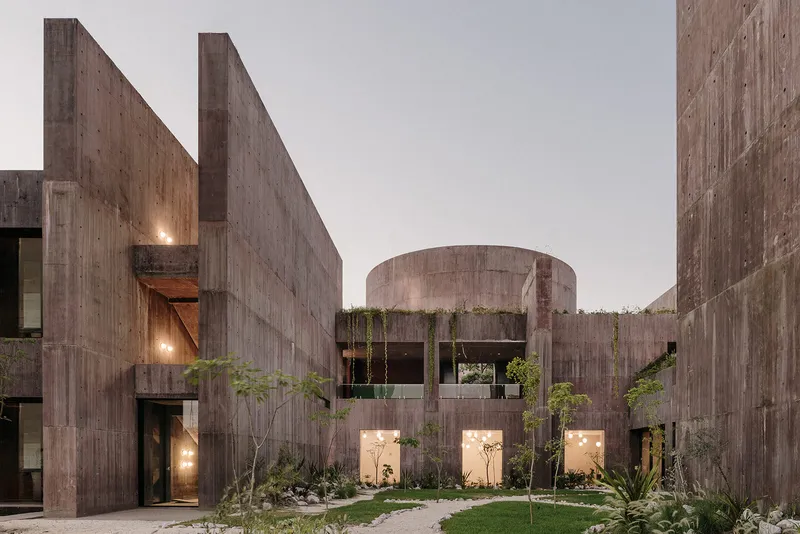
Program Distribution Across Three Levels
The building unfolds over three functional levels:
- Ground Floor: Reserved for marine life conservation labs, administrative offices, staff zones, and school group reception. This level houses much of the facility’s technical and operational infrastructure.
- First Floor: Contains the main public entrance plaza, exhibition galleries, educational spaces, and public amenities.
- Upper Level: Dedicated to the maintenance of the large aquatic tanks and includes specialized facilities like changing rooms and equipment rooms for divers and staff.
This vertical stratification enhances operational efficiency while maximizing visitor experience and educational immersion.
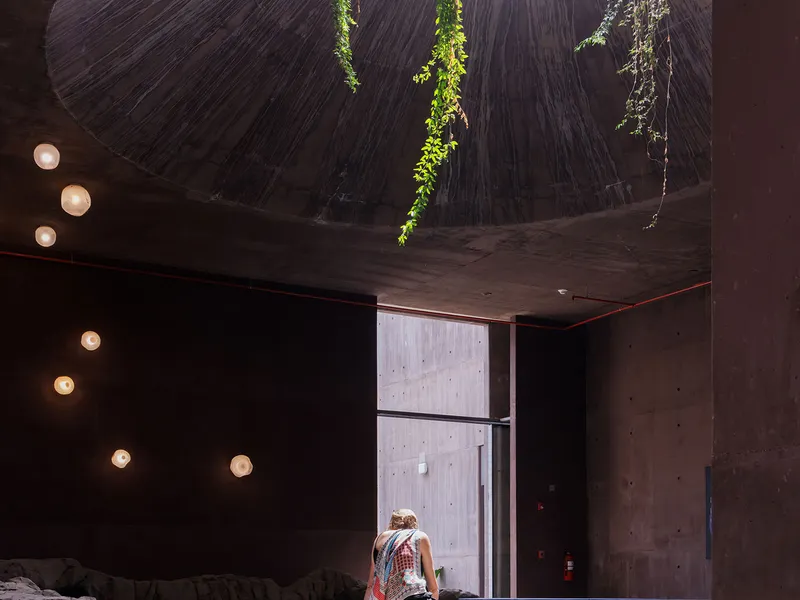
A New Civic and Ecological Landmark
The Cortés Sea Research Center is not only an aquarium or research lab; it is a civic space, a public classroom, and a catalyst for environmental awareness. Its architectural narrative communicates a deep respect for natural systems and invites visitors into a dialogue with marine biodiversity, ecological conservation, and sustainable coastal development.
All Photographs are works of



Popular Articles
Popular articles from the community


Co-life: Sustainable Architecture for Age-Friendly Community Living
Co-life reimagines sustainable architecture for seniors through courtyards, rammed earth, shared gardens, and spaces designed for belonging.

The Earth Pod: 3D Printed Homes for Resilient Refugee Communities
The Earth Pod reimagines refugee housing through 3D printed homes made from clay, combining resilience, self-sufficiency, and rapid shelter.

The Ocean Hive: Sustainable Architecture for a Self-Sufficient Civilization at Sea
The Ocean Hive imagines sustainable architecture at sea, where modular habitats, algae, wave power and ocean waste sustain a growing colony.

Play: Fragments of Their World
Familiar architecture becomes modular playground design, creating safe spaces where displaced children can learn, connect, imagine and play.


Similar Reads
You might also enjoy these articles


Hodi-Mandai Geram
Project Function: Preservation and revitalization of the Intangible heritage and socio-spatial identity of the Hodi by Housing, Cultural Memory Center, Sacred Grove, landscape, local tourism economy


Olio Towers: A Mid-Rise for Performers That Fuses Housing, Rehearsal, and Stage
Located blocks from Houston's Theater District, this modular tower stacks living units around a central performance atrium.

Oasis: Modular Green Housing Carved into Dhaka's Urban Fabric
A shortlisted Plugin Housing entry reclaims unauthorized settlements in Dhaka with stepped concrete volumes, green roofs, and ventilation-driven design.

Black Hole: A Floating Megastructure for the Post-Physical Era
Emiliano Mazzarotto envisions a spherical, self-scaling arena where e-sports, digital hotels, and holographic stadiums replace traditional public space.

Explore Cultural Architecture Competitions
Discover active competitions in this discipline



Challenge to reimagine the Iron Throne


Photograph architecture without architects


Illustrate the lost glory of Angkor Wat - Render Challenge


Bring back Drive In's
Comments (0)
Please login or sign up to add comments
No comments yet. Be the first to comment!