
Coruche Accessibility Project: Connecting Terrain, Community, and Landscape Through Inclusive Urban Design
Urban accessibility project with elevator, pathways, and landscape renewal, connecting town levels while enhancing mobility, ecology, and inclusive public space experience.


Located in Coruche, Portugal, the Universal Accessibility, Calçadinha Project by CVDB arquitectos and HAHA Arquitectura Paisagista is a comprehensive urban intervention aimed at transforming fragmented terrain into an inclusive and connected public landscape. Through a combination of mobility infrastructure and landscape redevelopment, the project addresses long-standing challenges of accessibility while enhancing the town’s social and environmental fabric.
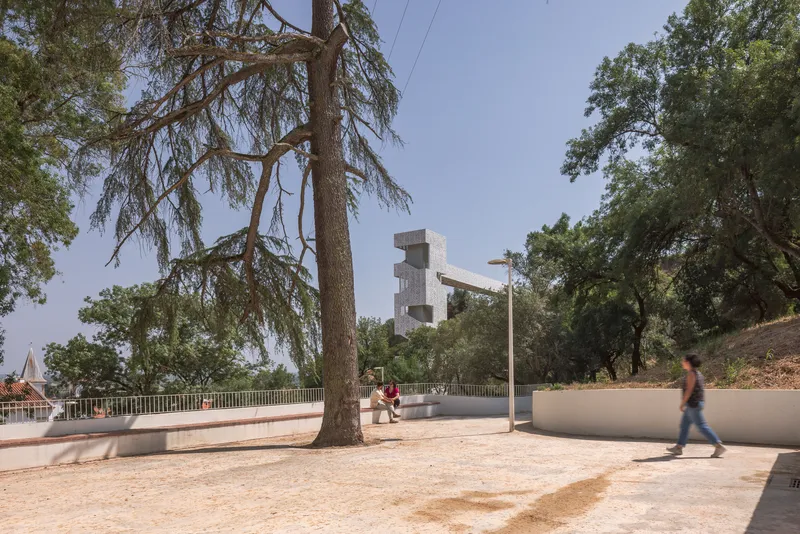
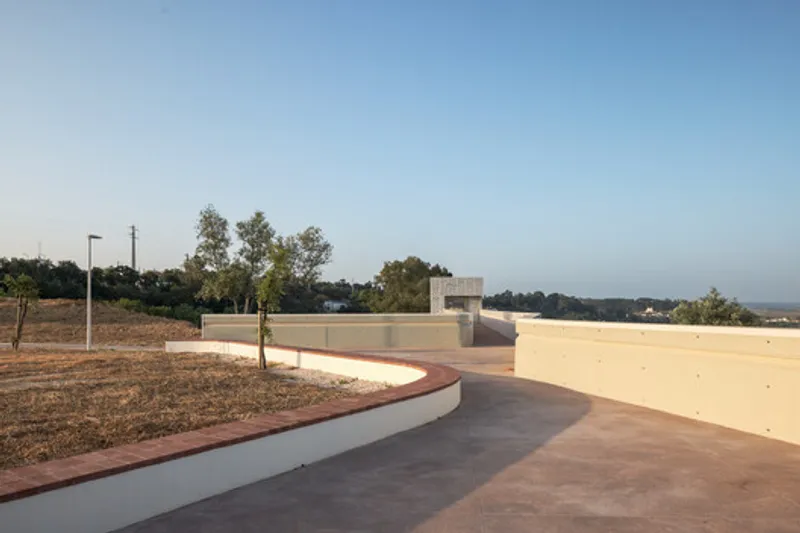
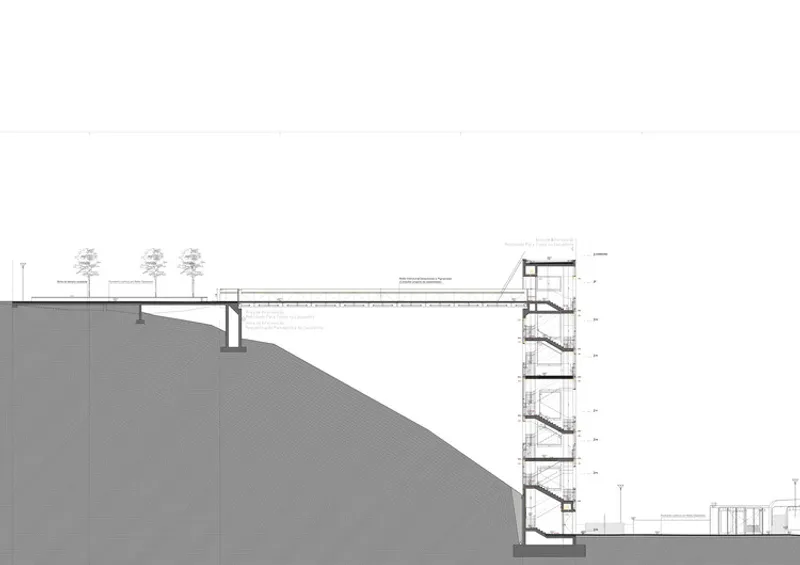
At its core, the project responds to a significant topographical condition: the separation between the lower and upper levels of the town. Historically, this elevation difference limited access, particularly for people with reduced mobility. The intervention introduces a universal connection system, anchored by the installation of an elevator that bridges these levels efficiently and inclusively. This vertical link becomes a key infrastructural and symbolic element, redefining how residents and visitors navigate the city.
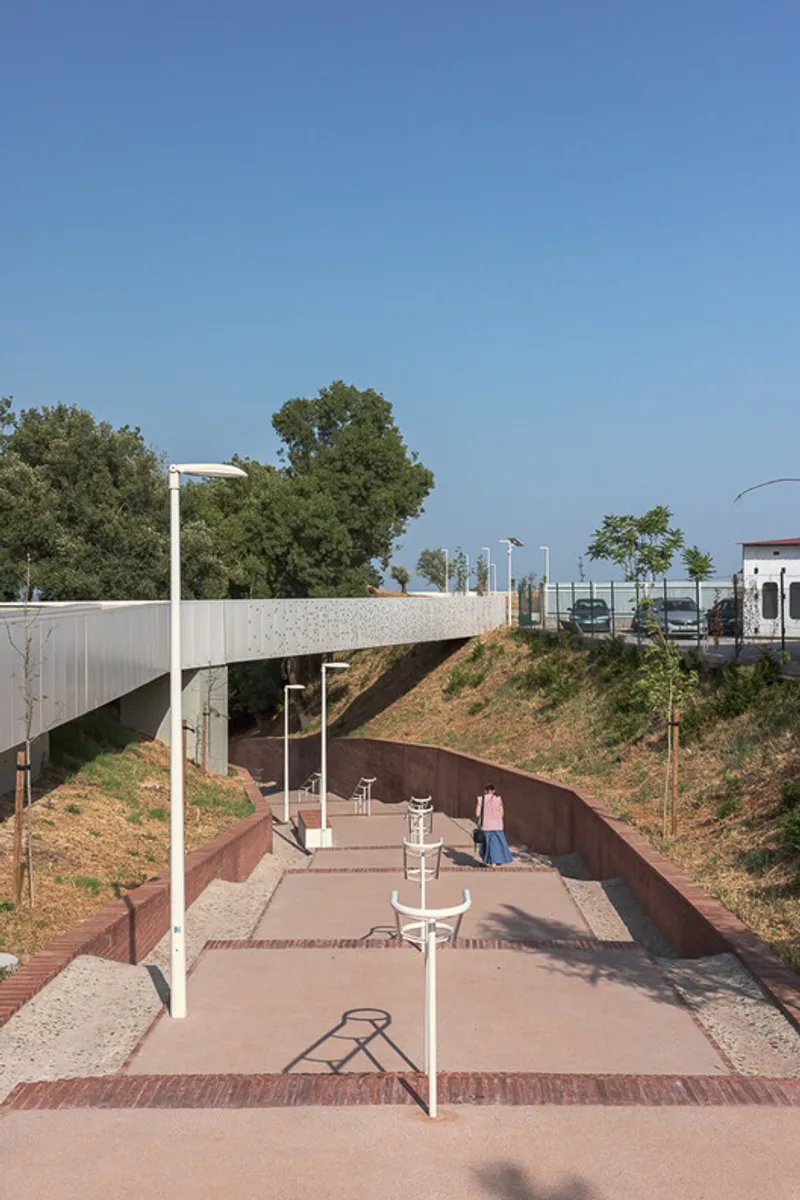
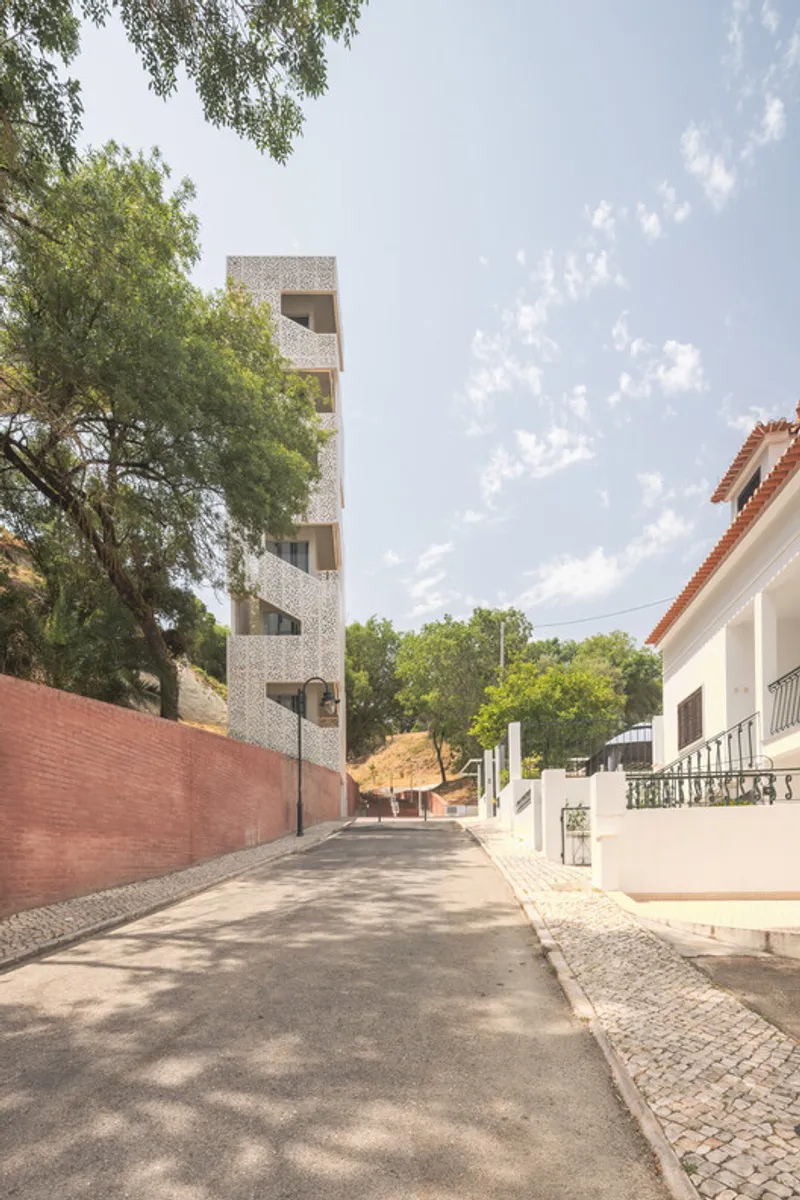
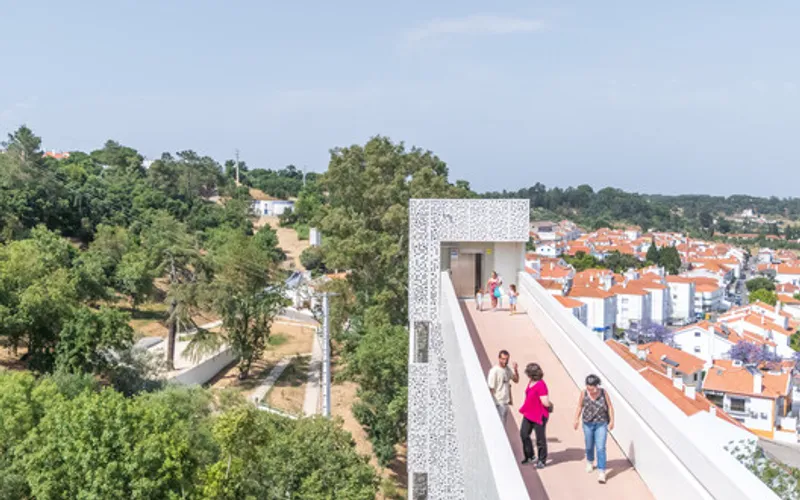
The elevator is not conceived as an isolated object but as part of a broader spatial sequence. It is integrated with a viewpoint and an elevated pathway that runs along the top of Church Hill. From here, a secondary walkway crosses above the historic Calçadinha staircase, extending toward a public square near Estrada da Lamorosa. This layered network of paths creates multiple routes and experiences, encouraging movement while offering diverse perspectives of the landscape.
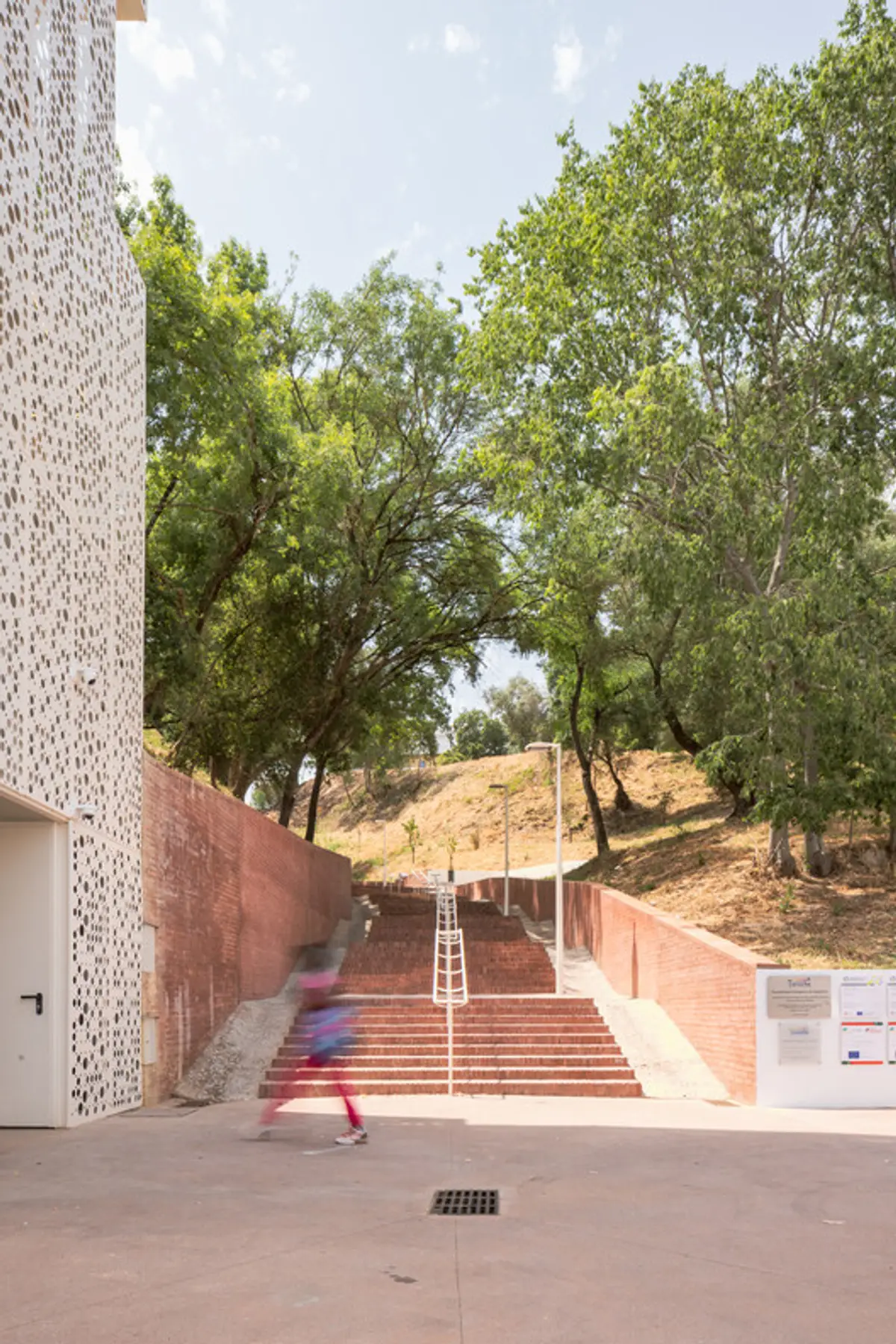
The rehabilitation of the Calçadinha staircase itself is another critical component of the project. The intervention enhances its usability by improving accessibility and comfort while preserving its historical character. Existing elements such as water springs are restored, reinforcing the cultural and environmental identity of the site. Along the staircase, new seating areas are introduced, providing places for rest and social interaction, and accommodating a broader range of users, including cyclists.
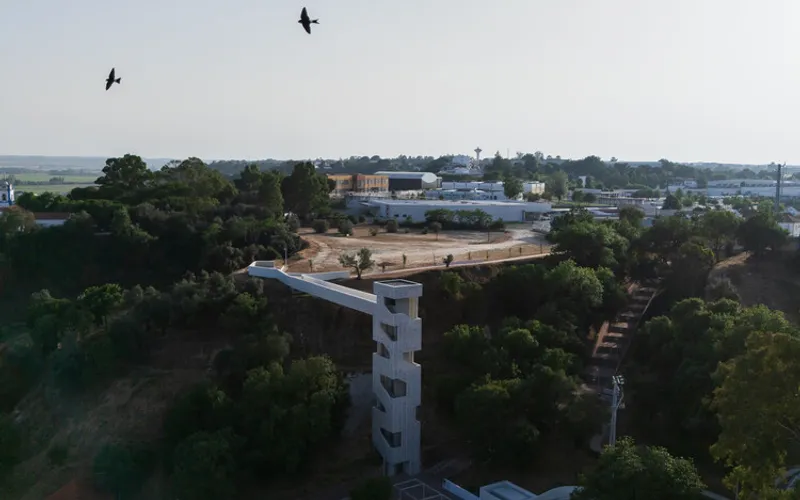
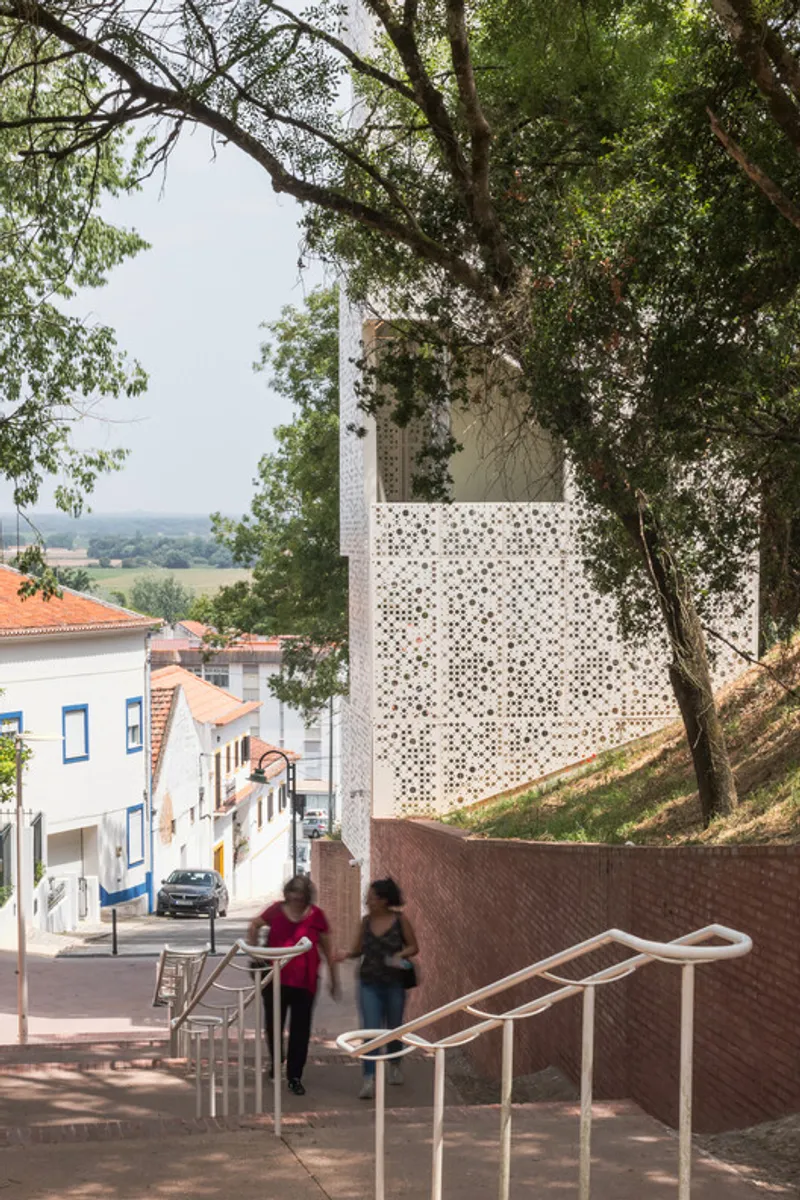
Beyond circulation, the project reorganizes the surrounding urban infrastructure to support a more inclusive public realm. Parking areas at the lower level are restructured to free up space for pedestrian pathways and the introduction of an ecological island. This green intervention not only improves environmental performance but also enhances the visual and spatial quality of the area.
Landscape redevelopment plays a central role in unifying the intervention. Covering both Church Hill and Quinta do Lago Hill, the project restores and extends existing pathways, creating a coherent network that encourages exploration and connectivity. Pavement consolidation improves accessibility, while the removal of invasive species and maintenance of vegetation contribute to ecological balance.
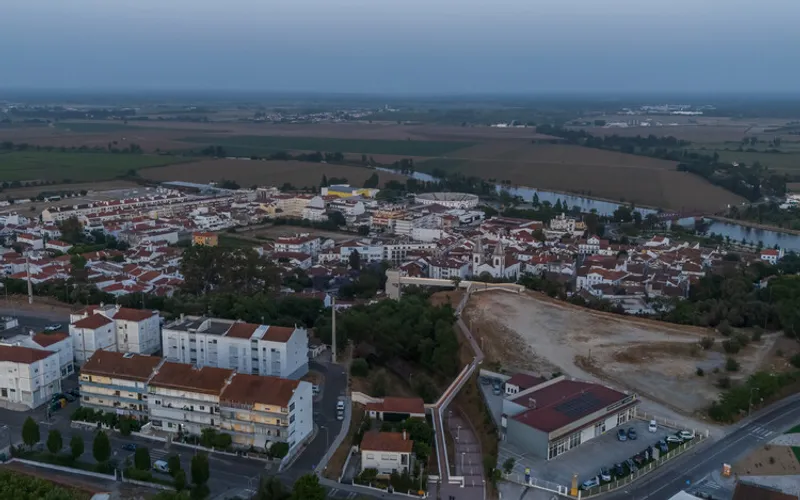
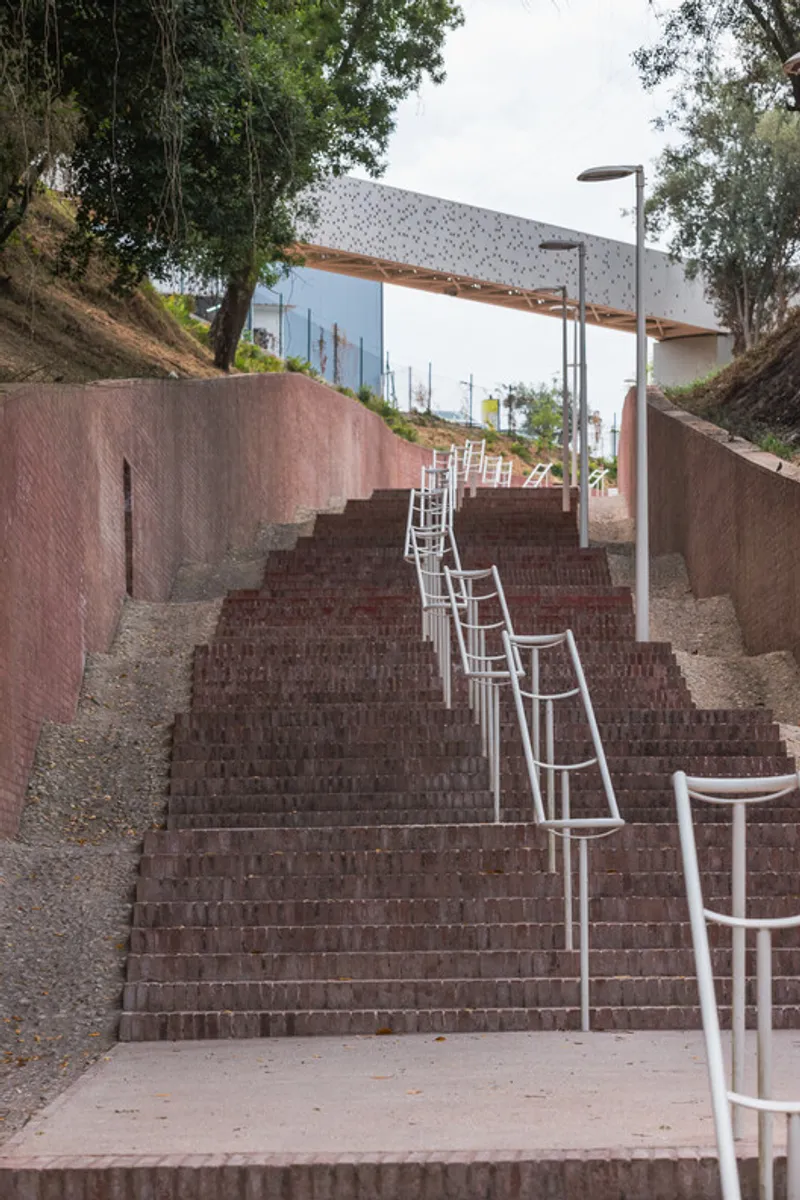
At Quinta do Lago, the design focuses on revitalizing the area around a water tank and spring. Through repaving, reorganization of urban furniture, and the introduction of infrastructure for future amenities, the space is prepared for continued development as a public destination. This forward-thinking approach ensures that the project can evolve over time, adapting to the needs of the community.
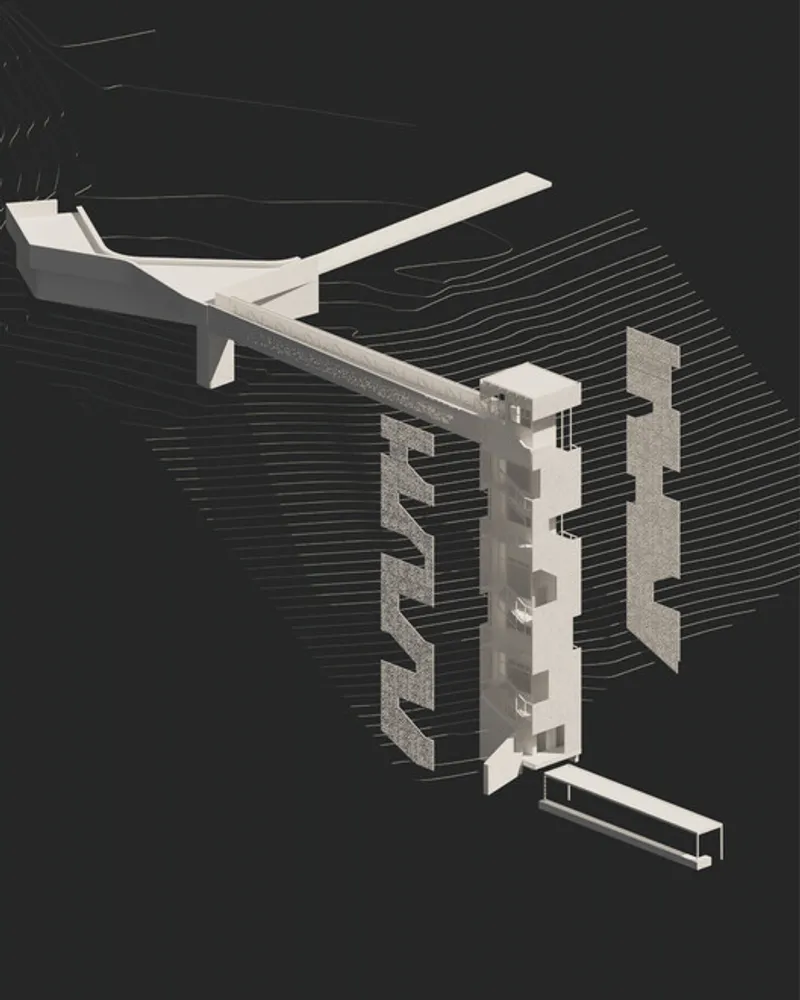
Church Hill is reimagined as a leisure landscape and urban park. At its highest point, a viewpoint is strategically positioned, connected directly to the elevator. This location offers panoramic views of Coruche, transforming the act of movement into an experiential journey. The integration of mobility infrastructure with landscape design creates a seamless transition between function and enjoyment.
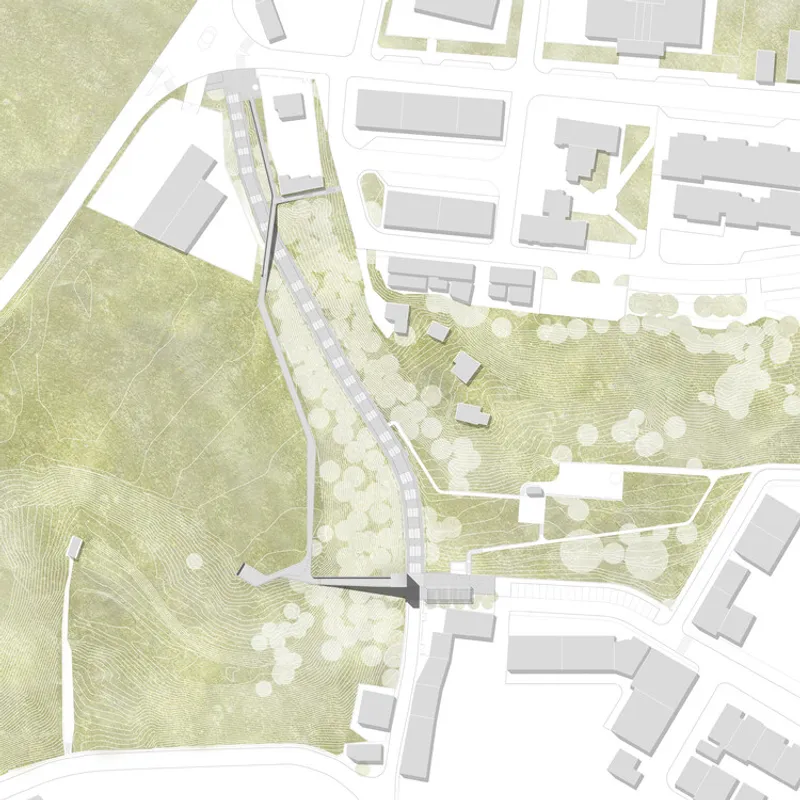
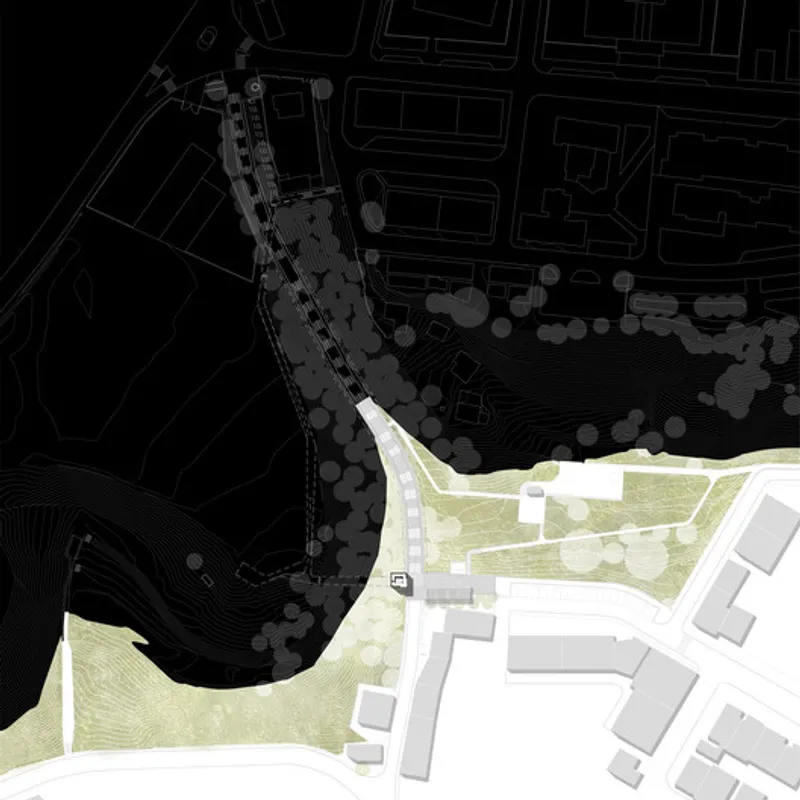
The project’s strength lies in its holistic approach. Rather than addressing accessibility as a singular issue, it considers mobility, landscape, and social interaction as interconnected systems. The result is an environment that is not only physically accessible but also socially inclusive and environmentally responsive.
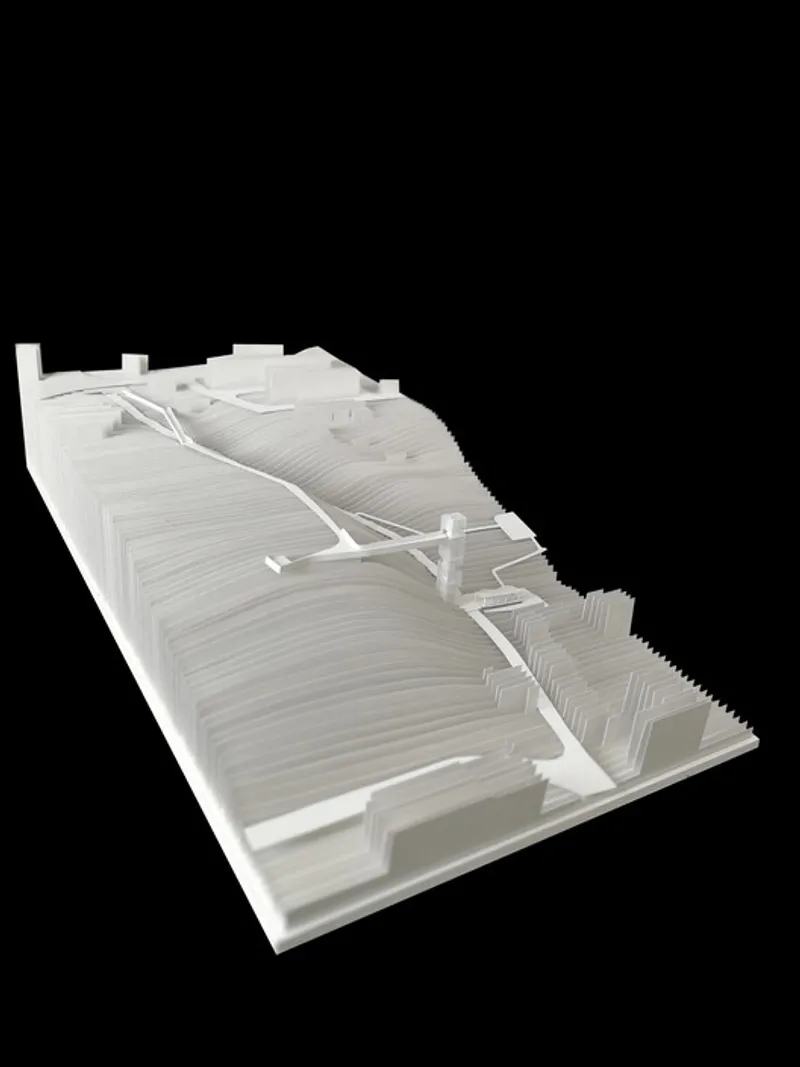
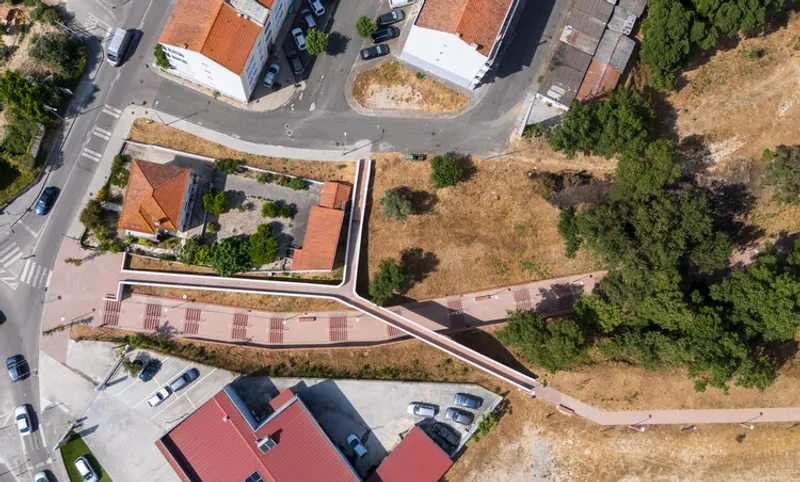
Ultimately, the Coruche Accessibility Project demonstrates how thoughtful urban design can reshape the relationship between people and place. By bridging physical divides and enhancing public space, it creates a more equitable and engaging Monthly landscape: one where movement, rest, and interaction are accessible to all.
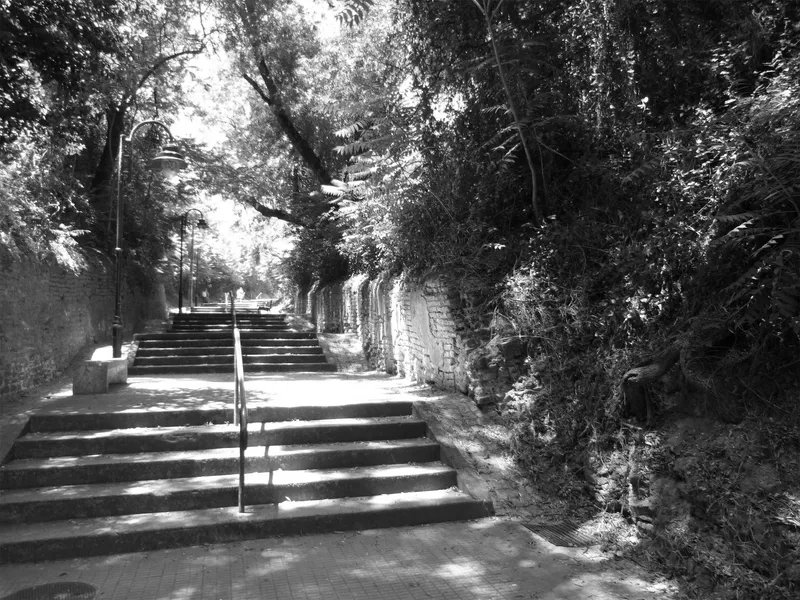
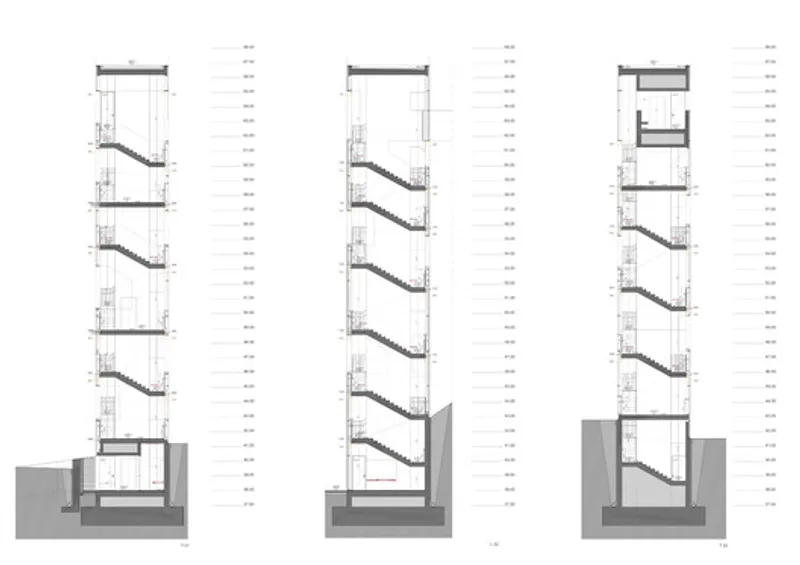
All the Photographs are works of Nuno Almendra


Popular Articles
Popular articles from the community


ALGAL REALM: A Bio-Integrated Lunar Habitat Design for Life Beyond Earth
ALGAL REALM reimagines lunar habitat design with algae-powered life support, 3D-printed regolith, and vertical living for a lunar future.

The Ocean Hive: Sustainable Architecture for a Self-Sufficient Civilization at Sea
The Ocean Hive imagines sustainable architecture at sea, where modular habitats, algae, wave power and ocean waste sustain a growing colony.

The Musturak Paradise: Senior Living Architecture for a Connected Future in Temara, Morocco
The Musturak Paradise reimagines senior living architecture in Temara via private homes, social spaces, culture, community, and shared care.

Hill & Cross Opera: Sculptural Opera House Architecture Shaped by Tallinn’s Landscape and Identity
Hill & Cross Opera reimagines opera house architecture in Tallinn through its sculptural hill, civic plaza, glass wave and a luminous cross.

Similar Reads
You might also enjoy these articles

FAMM Arquitectura Organizes Ten Villas Around Courtyards and Jungle in Nosara, Costa Rica
El Molino pairs two elongated volumes with deep overhangs and timber louvers to build a compact coastal community five minutes from the beach.
Oscar Niemeyer's Ibirapuera Park Pavilions Define São Paulo's Cultural Identity in Concrete and Curve
A constellation of modernist volumes set within São Paulo's most important urban park, conceived for the city's 400th anniversary in 1954.
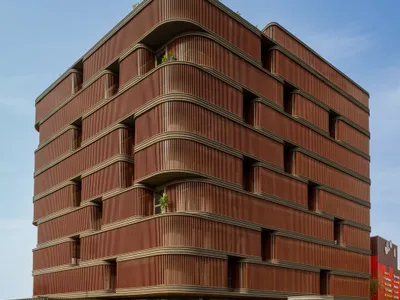
Sanjay Puri Architects Wraps a Jaipur Office Tower in Capsule-Shaped Green Buffers
A nine-level climate-responsive workplace near Jaipur Airport uses stacked planter terraces and aluminium screens to fight 40°C heat.
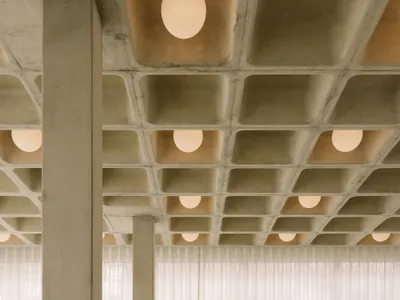
RHO Converts a Berlin Spree-Side Industrial Courtyard into Enkime's 1,000 m² Agency Headquarters
A social media agency's new home in Charlottenburg trades glossy branding for concrete waffle ceilings, glazed tile, and sheer curtains.

Explore Architecture Competitions
Discover active competitions in this discipline

Challenge to reimagine the Iron Throne

Photograph architecture without architects

Illustrate the lost glory of Angkor Wat - Render Challenge

Design challenge to reuse E-waste
Comments (0)
Please login or sign up to add comments
No comments yet. Be the first to comment!