

Creating Authentic Retail Experiences: Infusing Local Flavor into Design
How can retail design embrace regionalism to deliver personalized and localized experiences?


In the ever-evolving landscape of retail design, a new approach has emerged, departing from standardized concepts and embracing the vibrant diversity and cultural richness found in different regions. This strategy, known as regionalism in retail design, empowers designers to craft immersive shopping experiences that deeply resonate with local communities. From global brands like Starbucks, Aesop, and Nike to smaller businesses, the emphasis on cultural authenticity has become a crucial element in establishing genuine connections with customers.
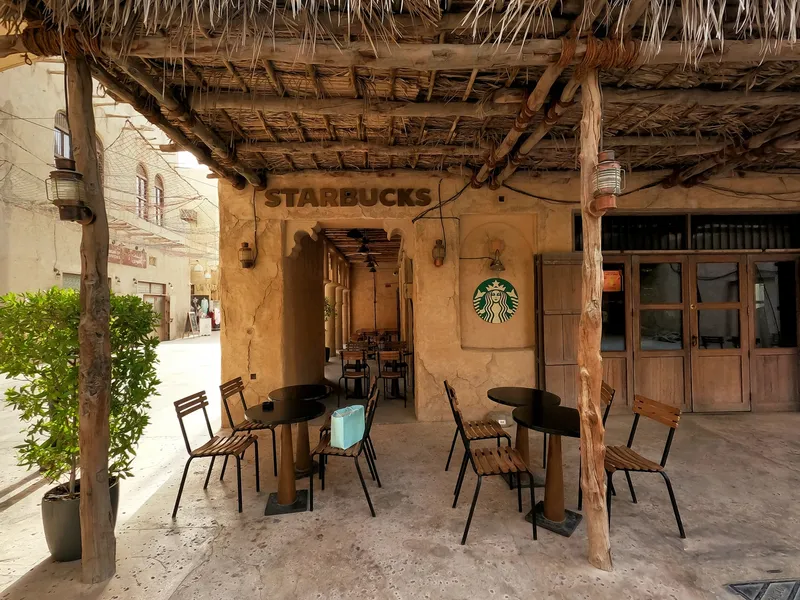
Starbucks, renowned for its global presence, has adopted a localization strategy that goes beyond offering regional products. They meticulously tailor their store designs to reflect the local culture and context, creating unique and locally relevant spaces that transform the coffee store into a community hub. One notable example is the Starbucks branch in Al Seef, Dubai, which seamlessly blends traditional elements like thatched roofs, mud-like exteriors, and wooden furniture, capturing the picturesque charm of the surrounding landscape. By immersing themselves in the regional context, Starbucks successfully connects with customers on a deeper level.
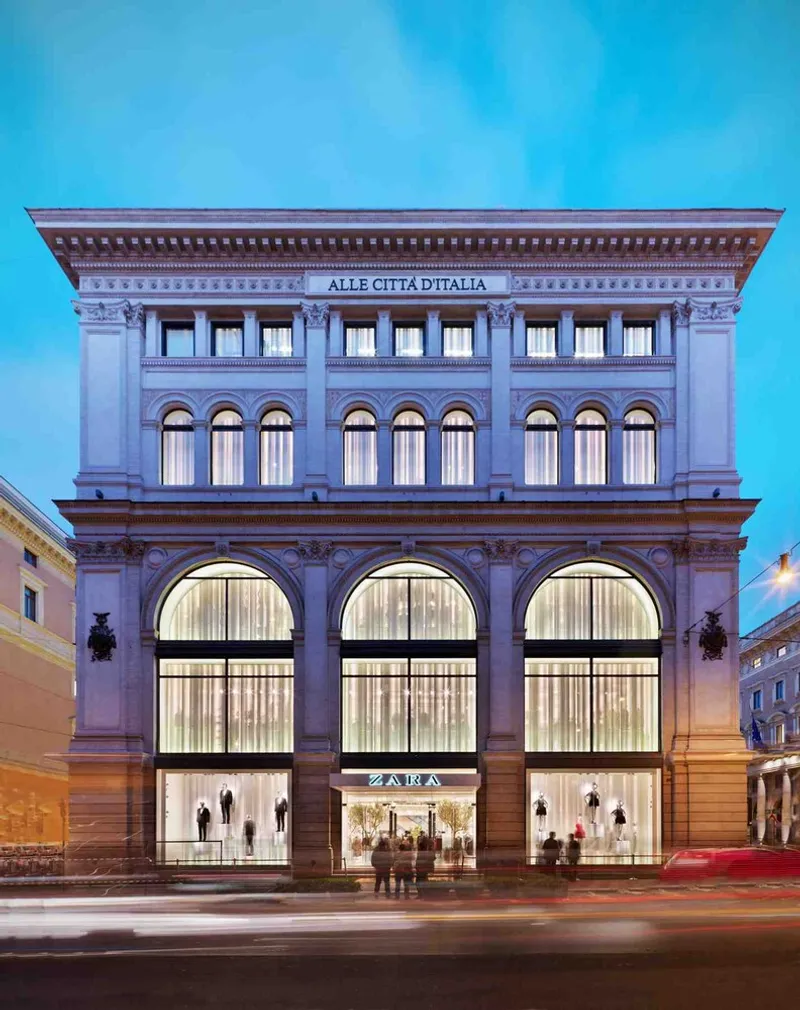
This trend extends beyond Starbucks, with global brands like Aesop and Nike also embracing regionalism in their retail designs. Aesop incorporates local elements and historical context in their store designs, while Nike draws inspiration from the street basketball culture in New York's SoHo neighbourhood. These brands understand the importance of establishing a sense of belonging and authenticity to foster customer engagement and loyalty.
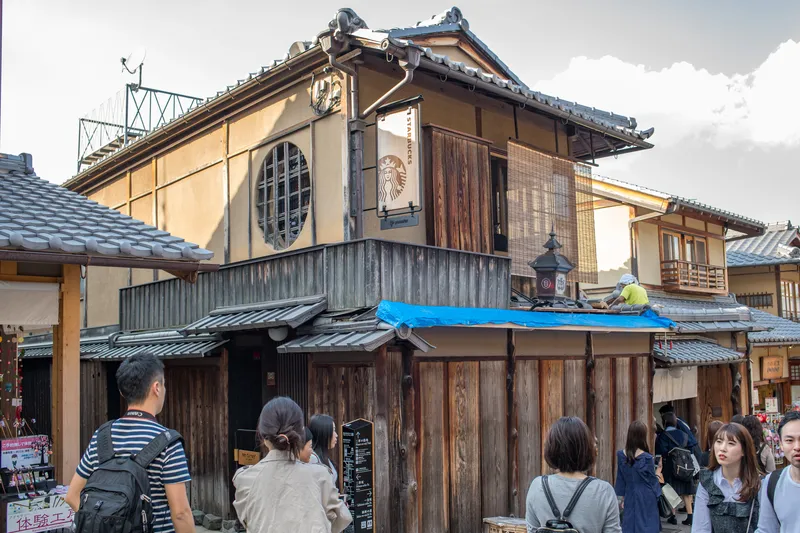
Retail design is no longer confined to aesthetics; it has evolved into a powerful tool for personalized interactions and community engagement. By understanding the subtleties of a region's culture and incorporating them into store designs, brands can differentiate themselves from generic offerings and create memorable experiences. The Coca-Cola Store in Las Vegas exemplifies this approach with its distinct interior design, incorporating neon lights, retro signage, and a colourful palette that captures the essence of the city's entertainment culture.
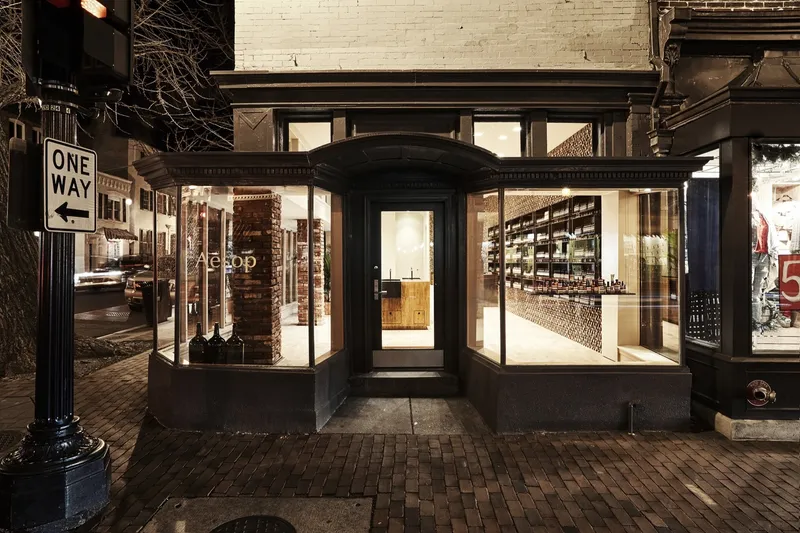
Regionalized retail design goes beyond the visual aspect; it also encourages community interaction and fosters pride and ownership. Nike's store in New York's SoHo neighbourhood not only reflects the local street basketball culture in its design but also hosts community events and provides a basketball court for local enthusiasts to utilize. This inclusive approach strengthens the brand's connection with the community and leaves a lasting impression.
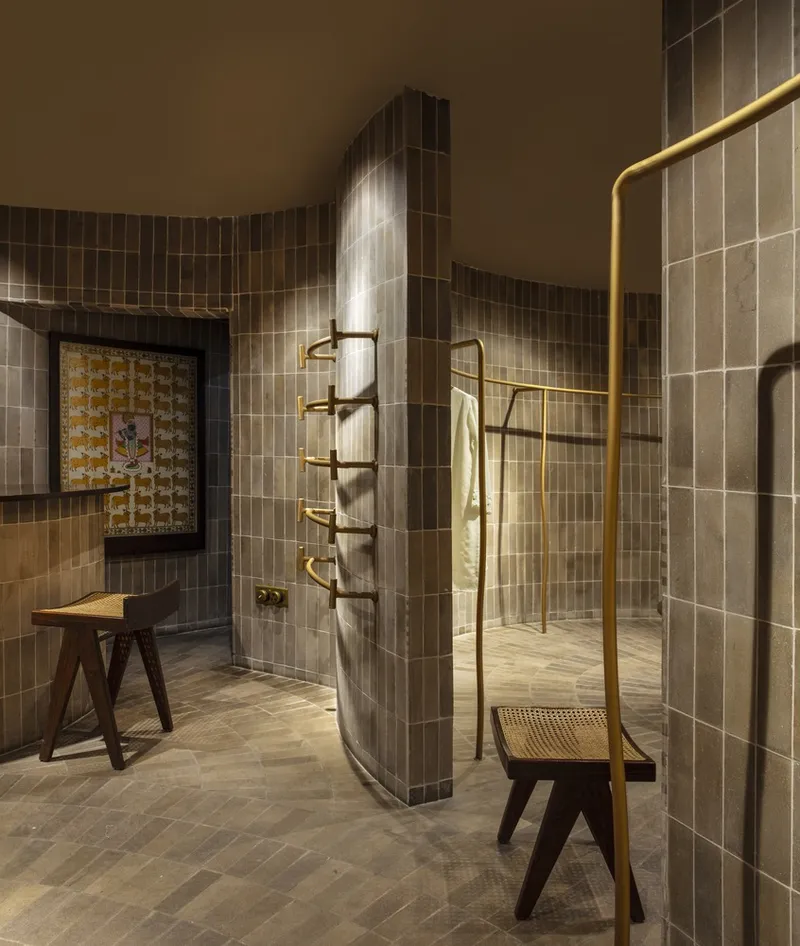
The power of regionalism in retail design goes beyond standing out from the competition; it creates a sense of authenticity that transforms stores into vibrant community hubs. Brands that embrace regional elements, cultural traditions, and community-specific design cues authentically engage with their customers and build trust. In an era where consumer expectations continue to evolve, personalized interactions have become crucial in influencing purchasing decisions.
In conclusion, regionalism in retail design is a powerful strategy that enables brands to offer personalized experiences and establish genuine connections with customers. By embracing cultural authenticity, brands create immersive shopping environments that resonate on a deeper level. This approach not only sets them apart but also fosters community engagement, trust, and a sense of belonging. As the retail landscape continues to evolve, regionalism stands as a vital tool for brands to leave a lasting impression and build meaningful relationships with their customers.


Popular Articles
Popular articles from the community

Opera by the Sea Estonia: Three Shells Dissolving Architecture into Tallinn's Coastline
A winning opera house proposal replaces monumental form with interconnected shells that blur the boundary between building, park and Baltic Sea.

The Amber Palace Opera: A Geological Fiction Surfaces on Tallinn's Baltic Waterfront
Pierre Brillard reimagines a Baltic legend as a public landscape, opera house, and waterfront promenade rooted in Tallinn's coastal identity.

Tsunami Convergenics: Turning Catastrophic Ocean Forces into Underwater Housing Infrastructure
A speculative underwater settlement off the coast of Onagawa, Japan, treats tsunamis and typhoons as energy sources rather than threats.
Manzana Morphosis: Stretching Barcelona's Grid into a Living Landscape for 2050
A radical reworking of the Eixample manzana turns density into a tool for generous public space, vertical ecology, and environmental performance.

Similar Reads
You might also enjoy these articles

Day and Night Park: A Time-Based Urban Newsstand in Beijing
A temporary urban newsstand in Beijing blending travel, light, and reading through poetic colors, compact form, and community-focused design.

Modernist Patio Renovation in El Masnou, Barcelona by Oliver Segura Arquitectura + Cebrià Arquitectura
Modernist patio renovation blending tradition and innovation with a movable pool, leveled floors, and Catalan materials in El Masnou.

Alto Residencial Coop: Cooperative Housing Development in Santiago de Compostela by Carbajo Barrios Arquitectos
A linear cooperative housing complex blending white volumes and perforated metal façades, enhancing community living, natural light, privacy, and urban integration.

Vil Genis School by BPA ARCHITECTURE – Massy, France
Vil Genis School in Massy, France, features sustainable design, south-facing classrooms, community integration, accessible spaces, and modern educational architecture.
Explore Culture Sensitive Design Competitions
Discover active competitions in this discipline

Challenge to reimagine the Iron Throne

Photograph architecture without architects

Illustrate the lost glory of Angkor Wat - Render Challenge

Design challenge to reuse E-waste
Comments (0)
Please login or sign up to add comments
No comments yet. Be the first to comment!