

Cultural Space Semeando Axé by Tadu Arquitetura: Fostering Community Through Art, Culture, and Design
Semeando Axé Cultural Space in Duque de Caxias fosters community inclusion through art, sports, and education with sustainable, vibrant architecture.


Architects: Tadu Arquitetura

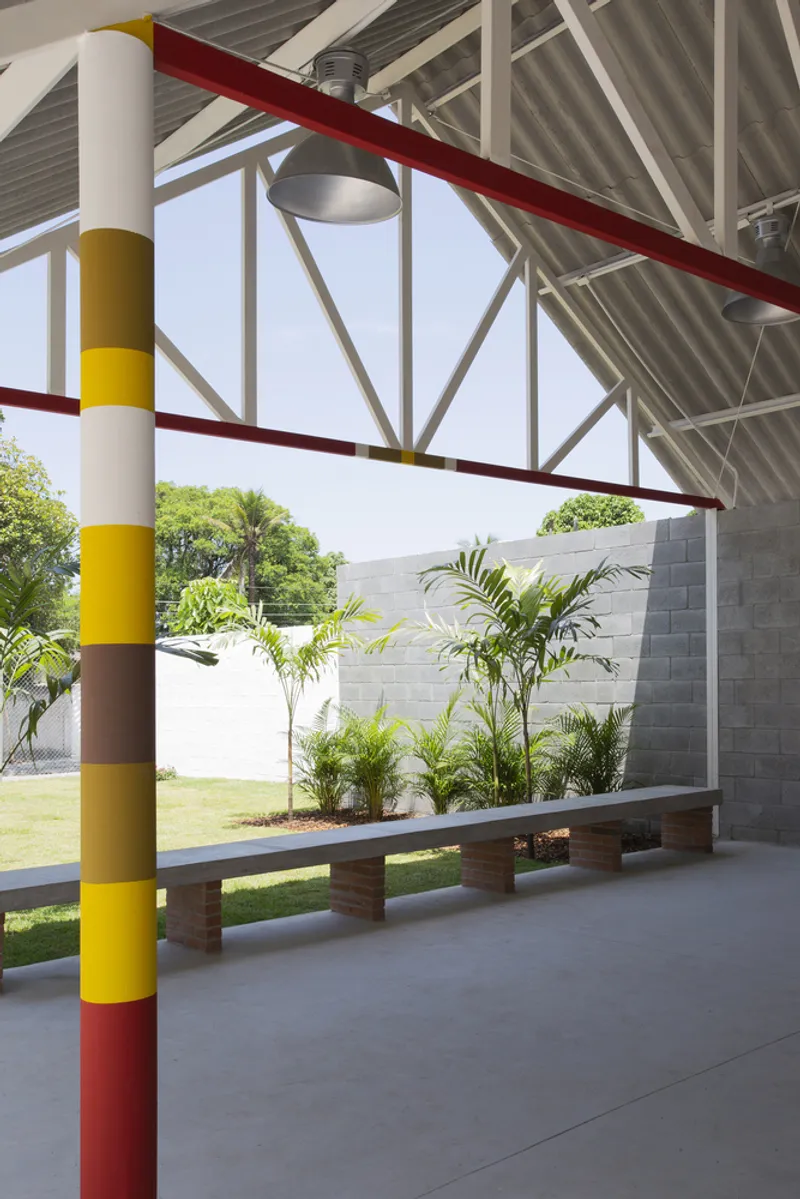
Introduction: Transforming Communities Through Architecture
The Semeando Axé Cultural Space, designed by Tadu Arquitetura, is a transformative community hub located in Duque de Caxias, Rio de Janeiro. Developed for the TV show segment “Fazendo o Bem” on Domingão com Huck, the project exemplifies how cultural architecture can improve daily life, promote inclusion, and foster social engagement through art, culture, and sports.
The initiative focuses on providing safe, welcoming spaces for children, youth, and adults, empowering the local community while celebrating regional identity.
Design Concept: Unity, Circulation, and Durability
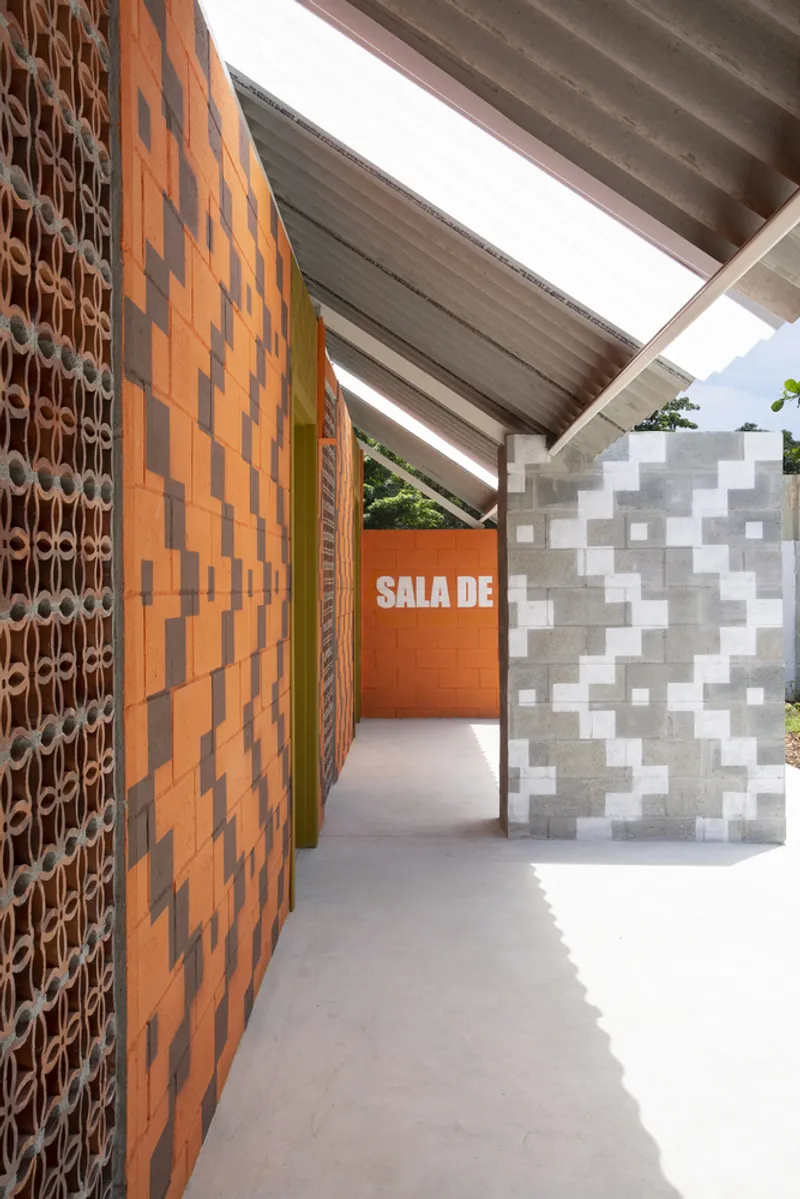
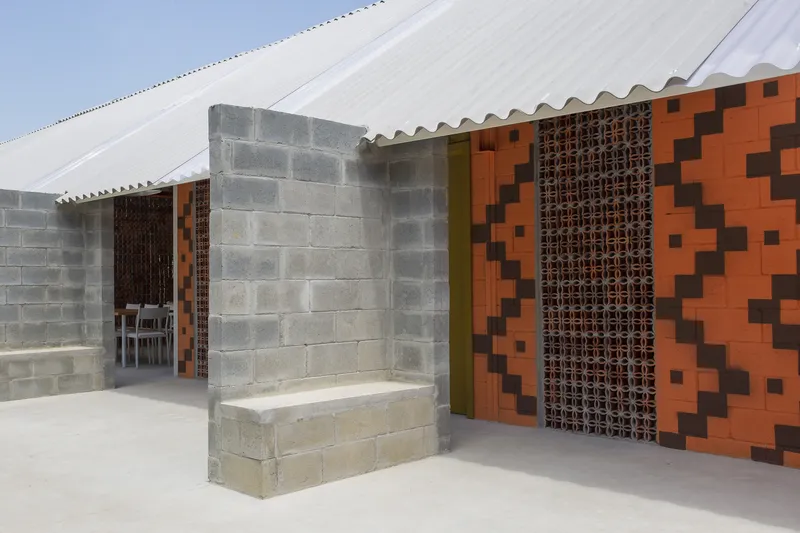
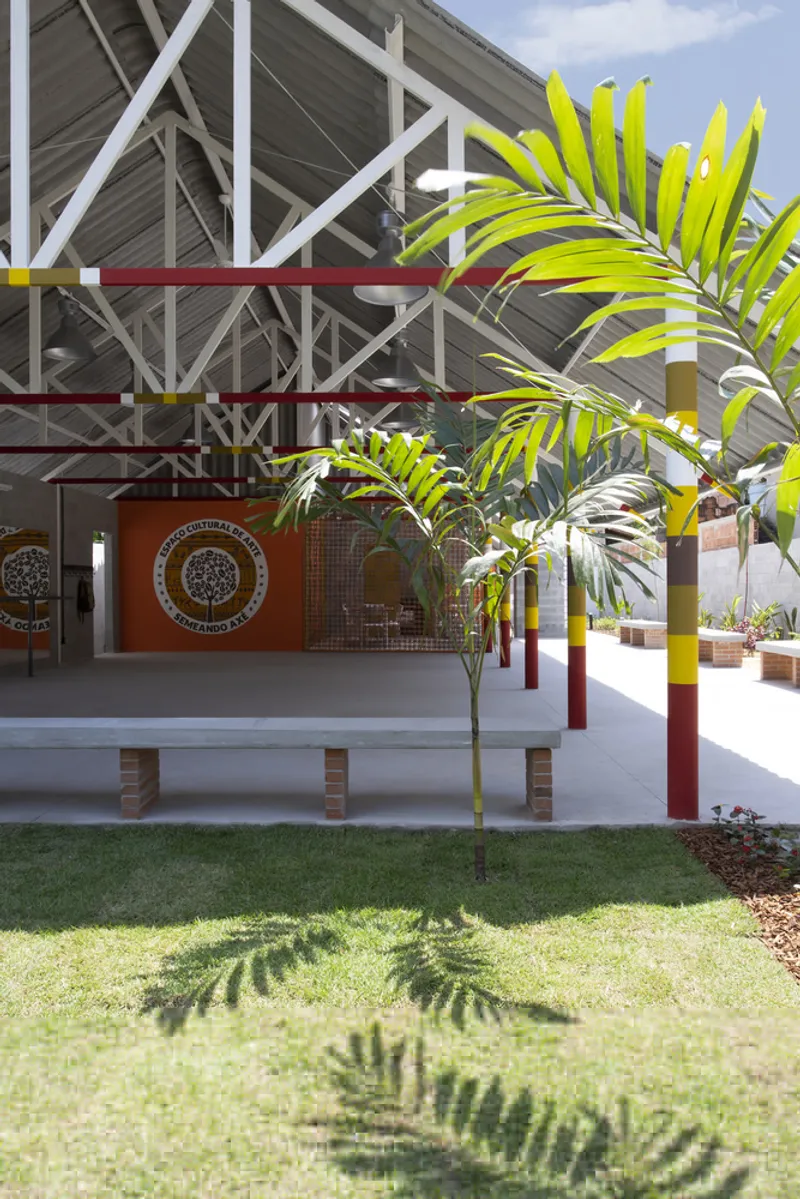
The architectural design of the Semeando Axé Cultural Space centers on external circulation, latticed elements, and a unified roof, embodying the concept of connection and inclusivity.
- Cobogós and translucent tiles allow natural light to permeate interiors, creating vibrant, airy environments.
- Concrete blocks and cement flooring ensure durability and low maintenance, making the space sustainable and cost-effective.
- African-inspired patterns are integrated throughout the space, reflecting the cultural essence and values of the Semeando Axé project.
The project demonstrates how careful material selection and thoughtful spatial planning can enhance community experiences while maintaining functionality.
Key Spaces and Community Activities
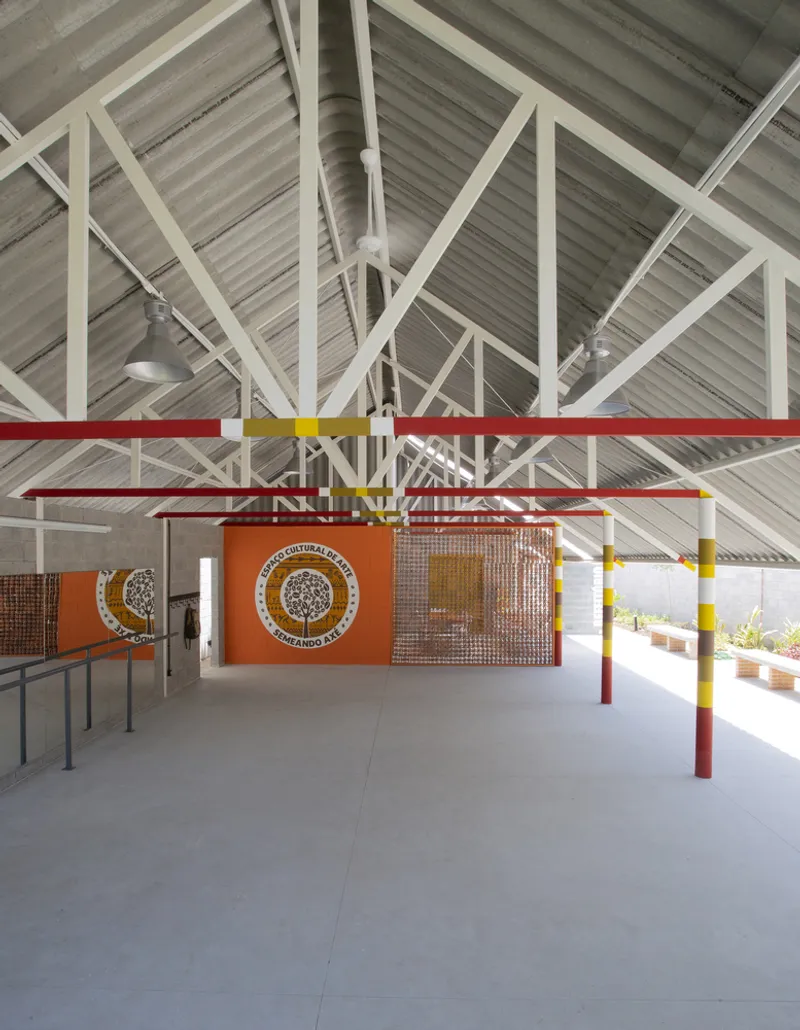
Three main areas define the functionality of the space: the covered courtyard, the kitchen, and the classroom.
- Covered Courtyard: Serves as a versatile, multi-purpose hub for group activities, capoeira classes, music workshops, and dance lessons. The open design encourages social interaction and collective learning.
- Serves as a versatile, multi-purpose hub for group activities, capoeira classes, music workshops, and dance lessons.
- The open design encourages social interaction and collective learning.
- Kitchen: Equipped with an industrial stove, the kitchen supports large-scale food preparation for community events and programs. Promotes social cohesion and collaborative initiatives within the local neighborhood.
- Equipped with an industrial stove, the kitchen supports large-scale food preparation for community events and programs.
- Promotes social cohesion and collaborative initiatives within the local neighborhood.
- Classroom: A flexible learning environment with blackboards, books, and craft materials. Facilitates educational initiatives, workshops, and creative programs for all ages.
- A flexible learning environment with blackboards, books, and craft materials.
- Facilitates educational initiatives, workshops, and creative programs for all ages.
Outdoor Spaces: Gardens, Lawn, and Sensory Design
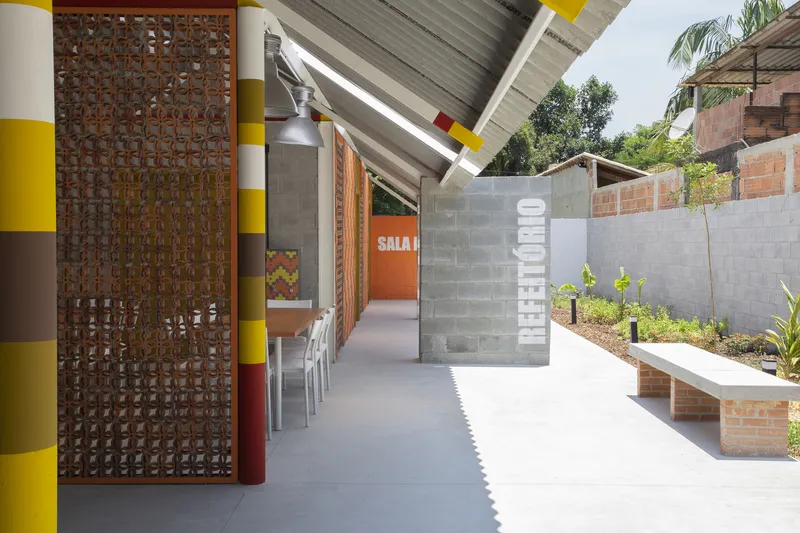
The surrounding outdoor areas reinforce the project’s focus on community and well-being:
- Vegetable Garden: Encourages local food production and educational activities.
- Sensory Garden: Provides a calming environment that engages multiple senses, ideal for therapy and relaxation.
- Expansive Lawn: Supports leisure, outdoor exercises, and events, promoting inclusivity and health.
Through these outdoor interventions, the cultural space blurs the boundary between architecture and nature, offering residents a holistic environment for learning, recreation, and community engagement.
Social Impact Through Thoughtful Architecture
The Semeando Axé Cultural Space by Tadu Arquitetura exemplifies community-driven architectural design that combines cultural heritage, sustainability, and social inclusion. By integrating multifunctional spaces, durable materials, and culturally resonant design elements, the project not only transforms a physical environment but also uplifts the social fabric of Duque de Caxias.
This project stands as a powerful example of how cultural architecture can be a catalyst for social change, demonstrating the potential of design to enrich communities while honoring local traditions.

All photographs are works of Tadu Arquitetura




Popular Articles
Popular articles from the community


Riyadh For All: Intergenerational Urban Design for Active Aging in Rabat
Riyadh For All reimagines urban design in Rabat with intergenerational co-living, adaptive courtyards, and Moroccan cultural exchange today.

The Ocean Hive: Sustainable Architecture for a Self-Sufficient Civilization at Sea
The Ocean Hive imagines sustainable architecture at sea, where modular habitats, algae, wave power and ocean waste sustain a growing colony.
AL-JANNAH: Sustainable Architecture and Permaculture for Afghan Widows
AL-JANNAH uses sustainable architecture and permaculture to create resilient oasis of housing, learning, work and renewal for Afghan widows.

Co-life: Sustainable Architecture for Age-Friendly Community Living
Co-life reimagines sustainable architecture for seniors through courtyards, rammed earth, shared gardens, and spaces designed for belonging.


Similar Reads
You might also enjoy these articles


Hodi-Mandai Geram
Project Function: Preservation and revitalization of the Intangible heritage and socio-spatial identity of the Hodi by Housing, Cultural Memory Center, Sacred Grove, landscape, local tourism economy


Olio Towers: A Mid-Rise for Performers That Fuses Housing, Rehearsal, and Stage
Located blocks from Houston's Theater District, this modular tower stacks living units around a central performance atrium.

Oasis: Modular Green Housing Carved into Dhaka's Urban Fabric
A shortlisted Plugin Housing entry reclaims unauthorized settlements in Dhaka with stepped concrete volumes, green roofs, and ventilation-driven design.

Black Hole: A Floating Megastructure for the Post-Physical Era
Emiliano Mazzarotto envisions a spherical, self-scaling arena where e-sports, digital hotels, and holographic stadiums replace traditional public space.


Explore Cultural Architecture Competitions
Discover active competitions in this discipline



Challenge to reimagine the Iron Throne


Photograph architecture without architects


Illustrate the lost glory of Angkor Wat - Render Challenge


Bring back Drive In's
Comments (0)
Please login or sign up to add comments
No comments yet. Be the first to comment!