
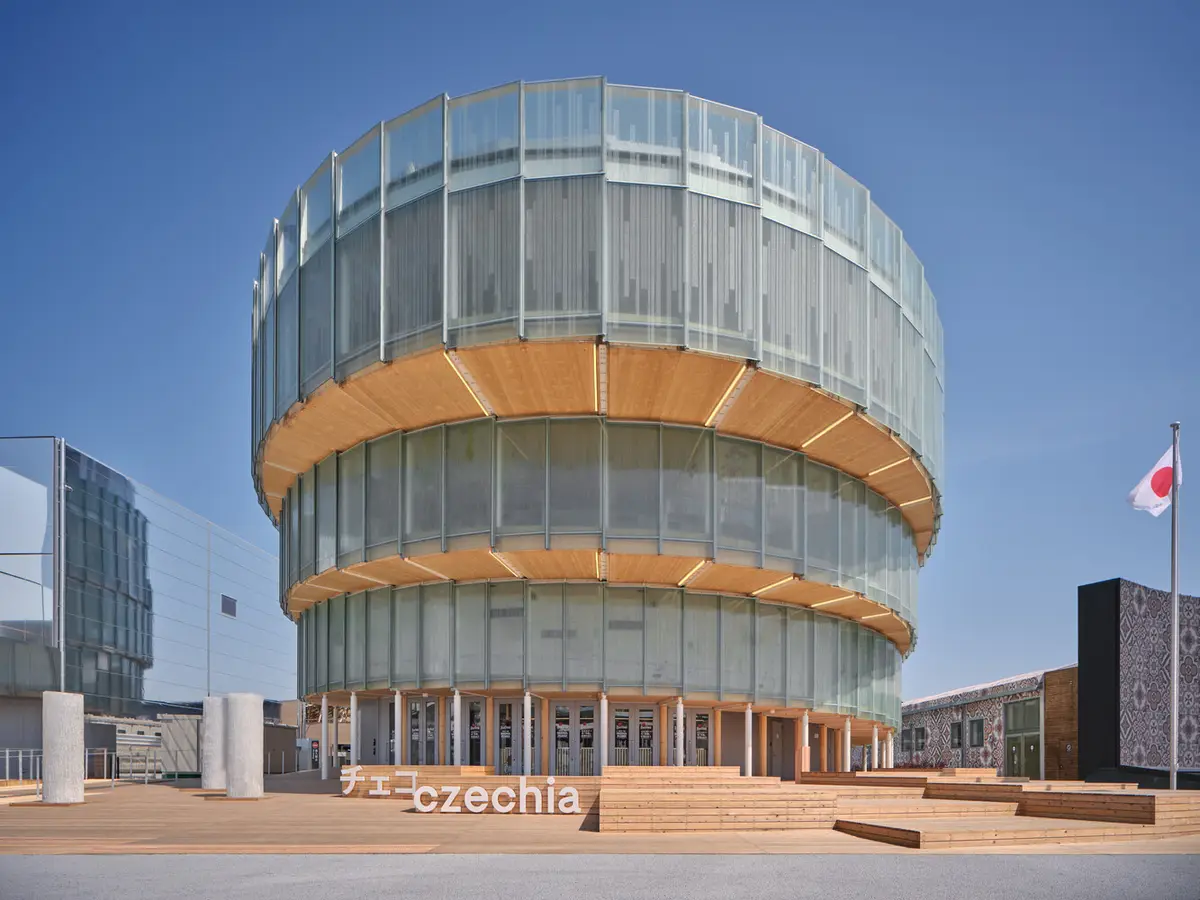
Czech Pavilion Expo 2025 Architecture: Spiraling Innovation by Apropos Architects
Explore the Czech Pavilion at Expo 2025 Osaka, where spiraling architecture merges Czech tradition, innovation, art, and cultural vitality.


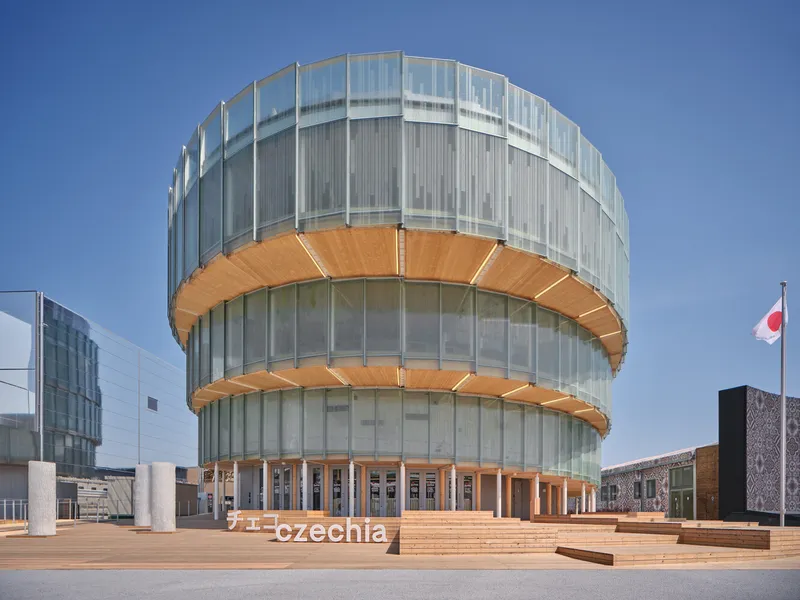
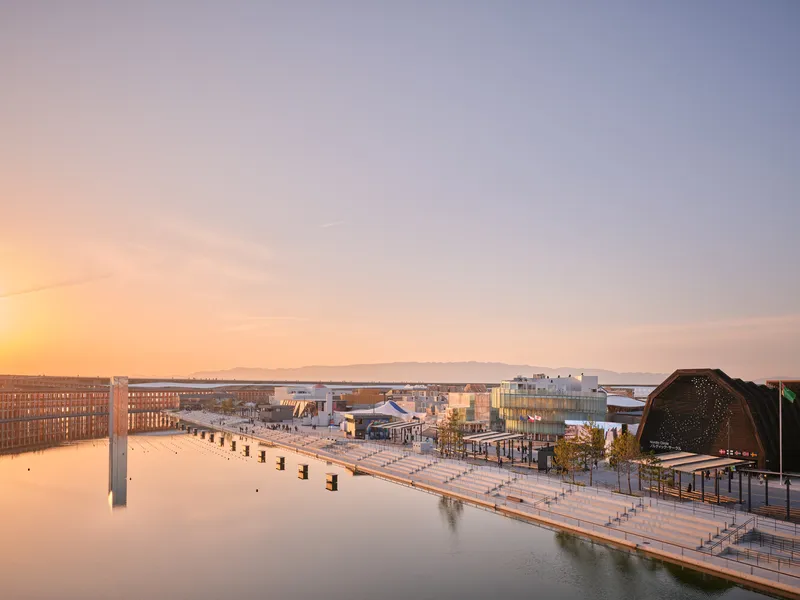
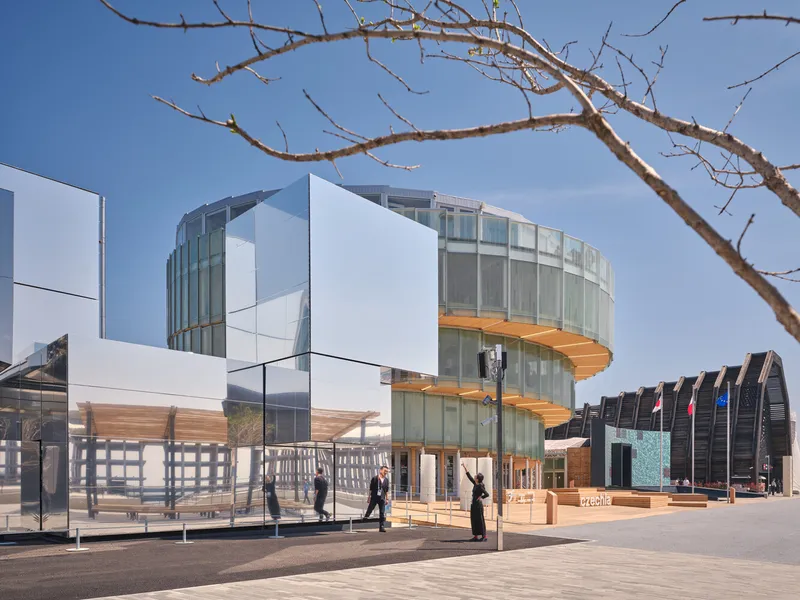
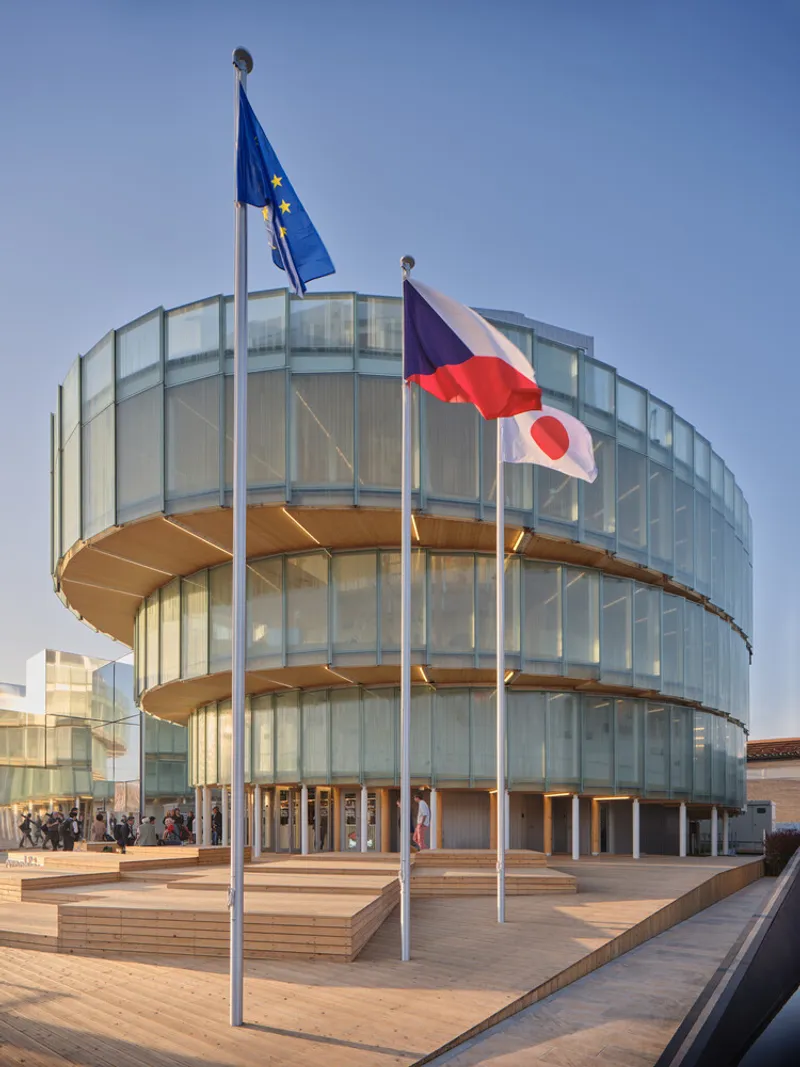
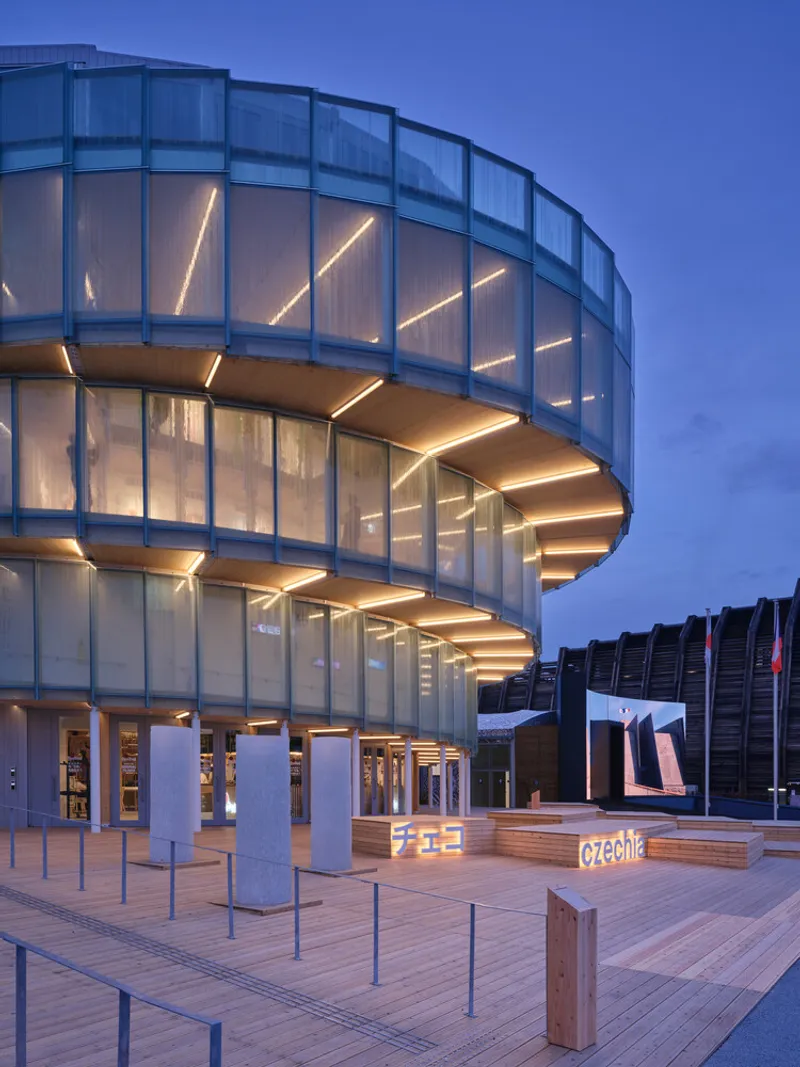
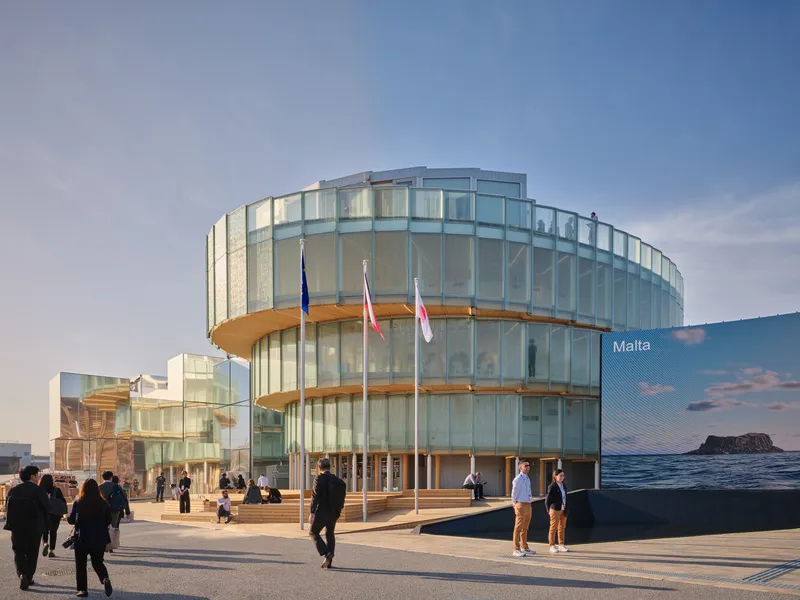
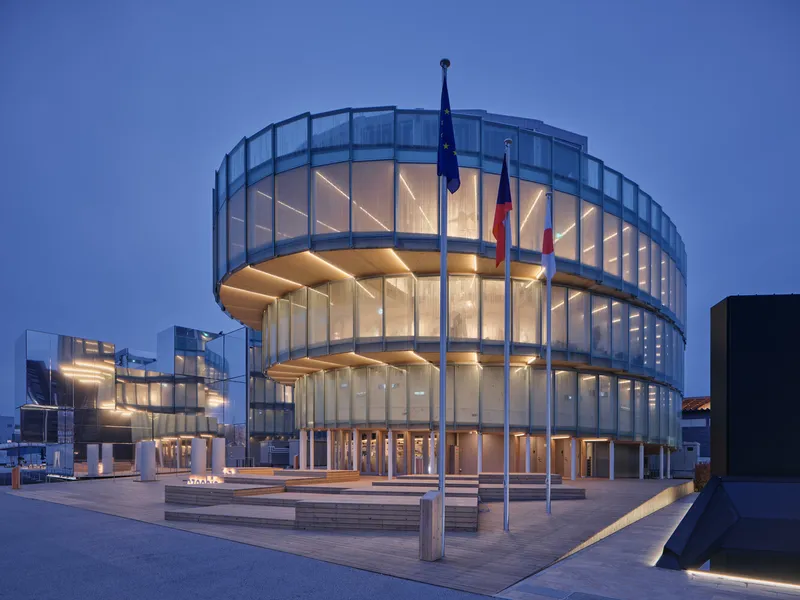
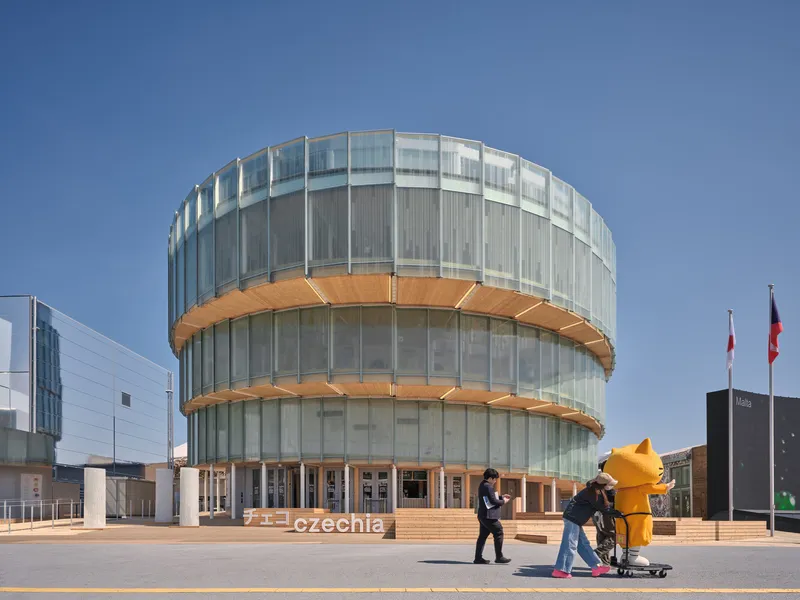
The Czech Pavilion at Expo 2025 Osaka, designed by Apropos Architects, emerges as a powerful architectural statement of life, energy, and innovation. Positioned at the prominent intersection of the coastal promenade and the main boulevard, the pavilion captures attention with its upward-expanding silhouette, a design that defies gravity and embraces transparency through a glass façade. This striking form not only symbolizes the Czech Republic's architectural ingenuity but also draws a conceptual line to its pavilion at Expo 1970 in Japan, intertwining past and present architectural narratives.
The Spiral Path of Continuous Growth
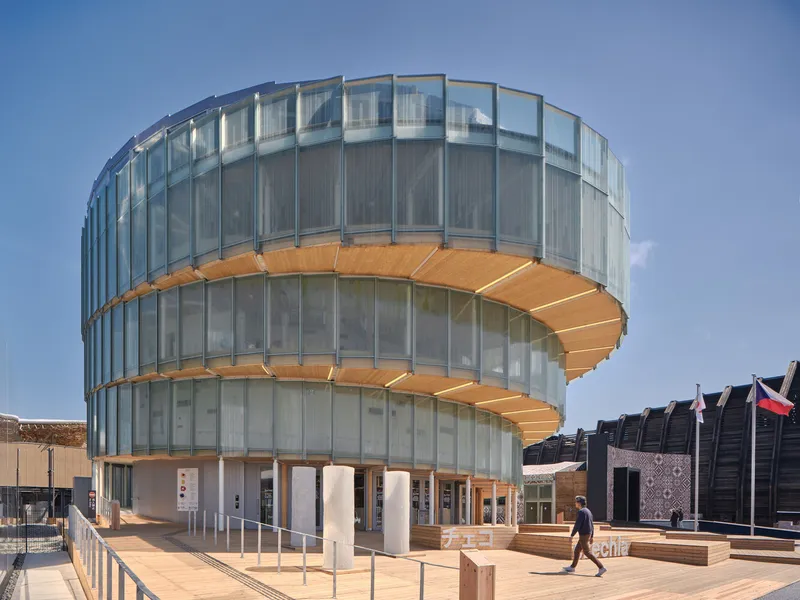
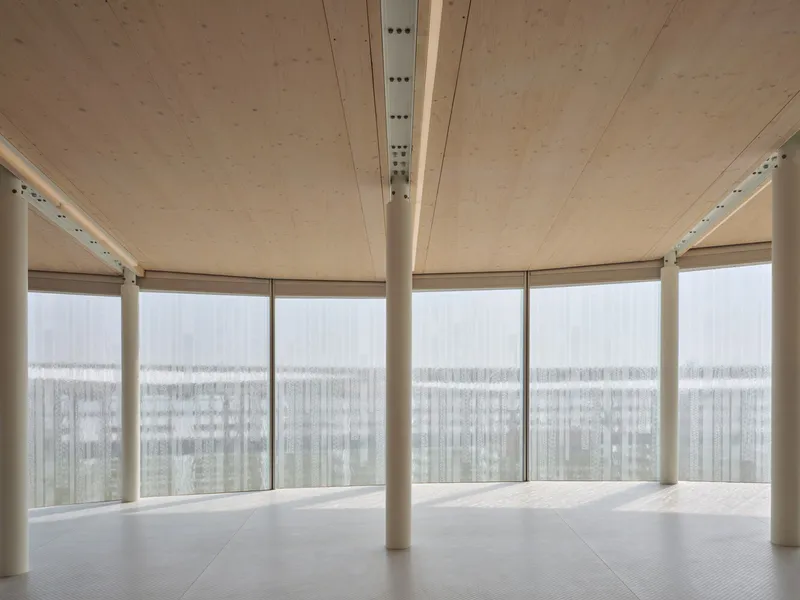
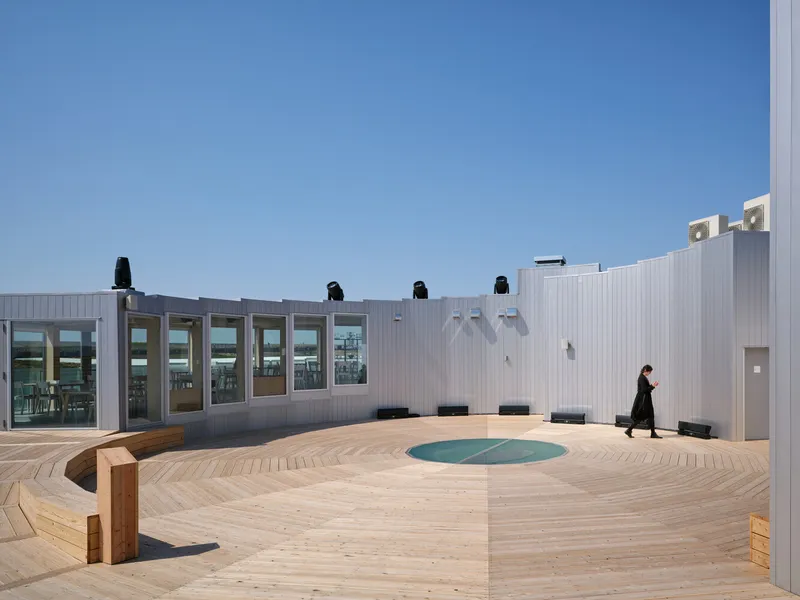
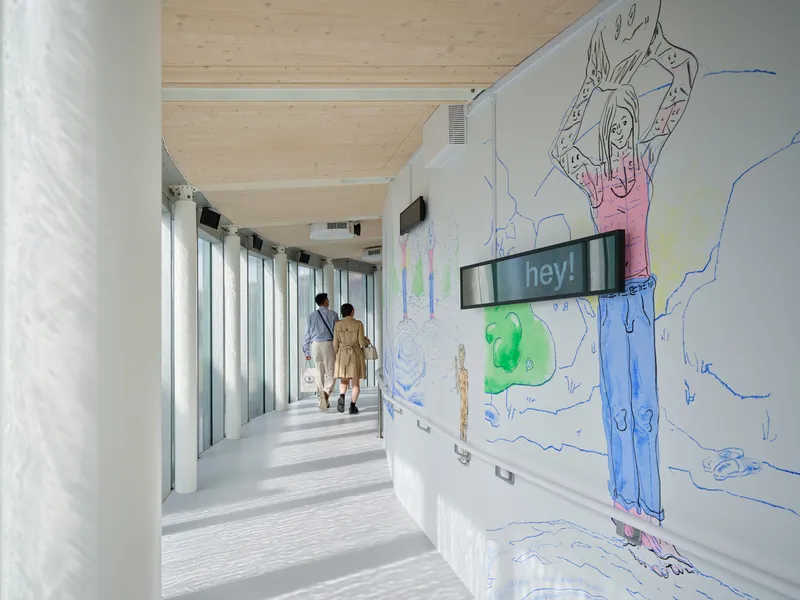
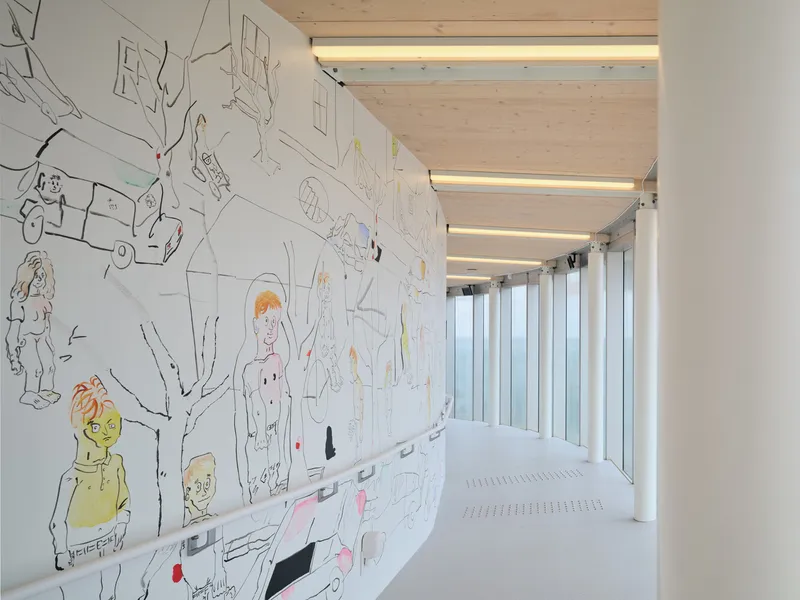
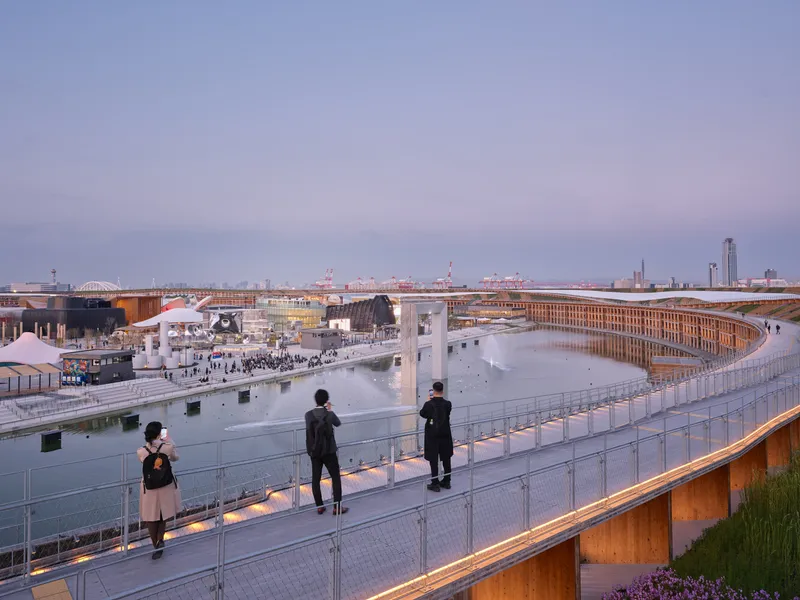
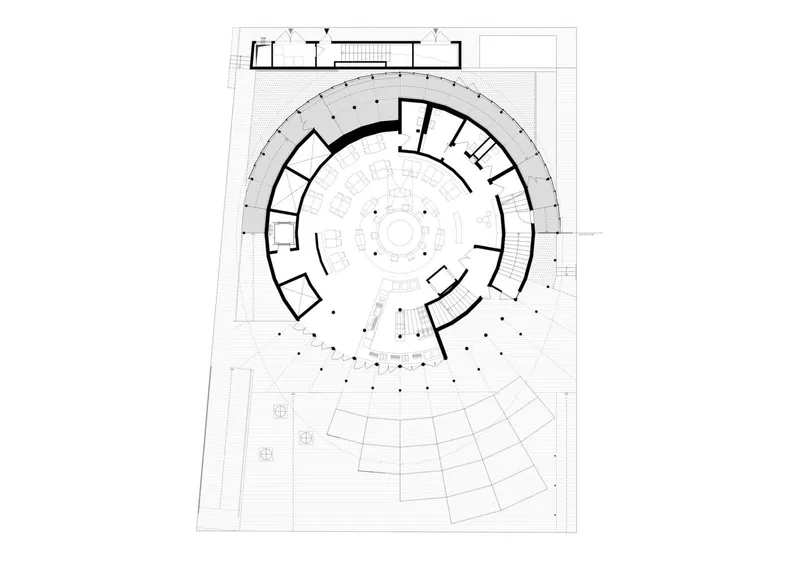
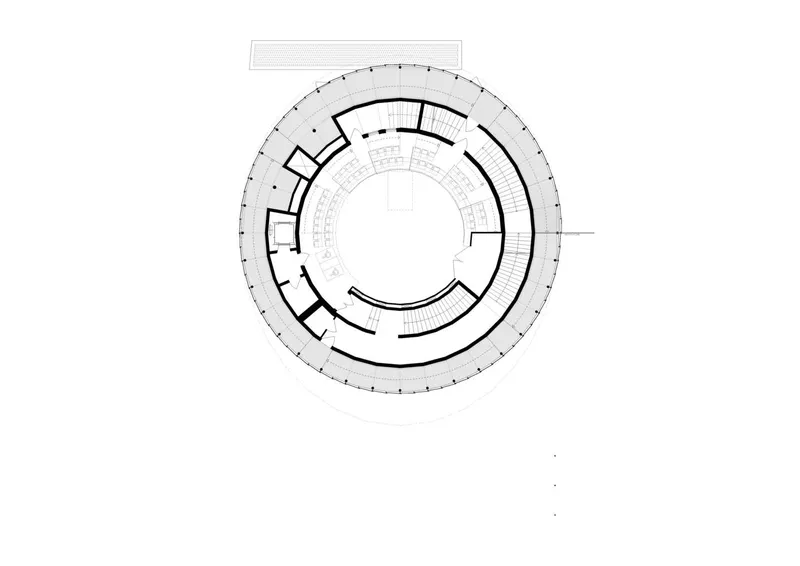
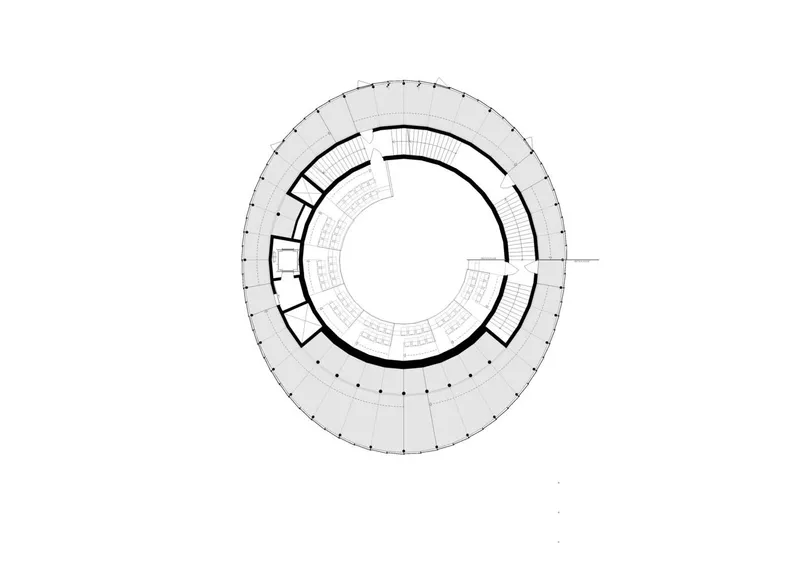
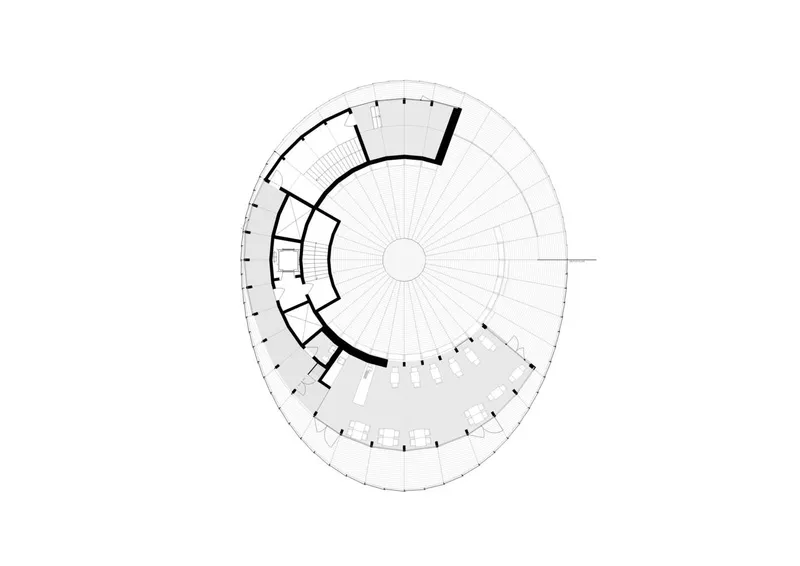
Visitors to the pavilion embark on a 260-metre-long spiraling journey that winds upward through four levels, culminating on a rooftop observation deck. This ascending path embodies the concept of continuous personal, social, and temporal development. As people navigate this upward motion, they engage not just physically but also mentally, absorbing the dynamic artistic and cultural content woven throughout the space. The architecture encourages movement, reflection, and vitality, turning each step into a layered experience.
Transparent Glass Façade Honoring Czech Tradition
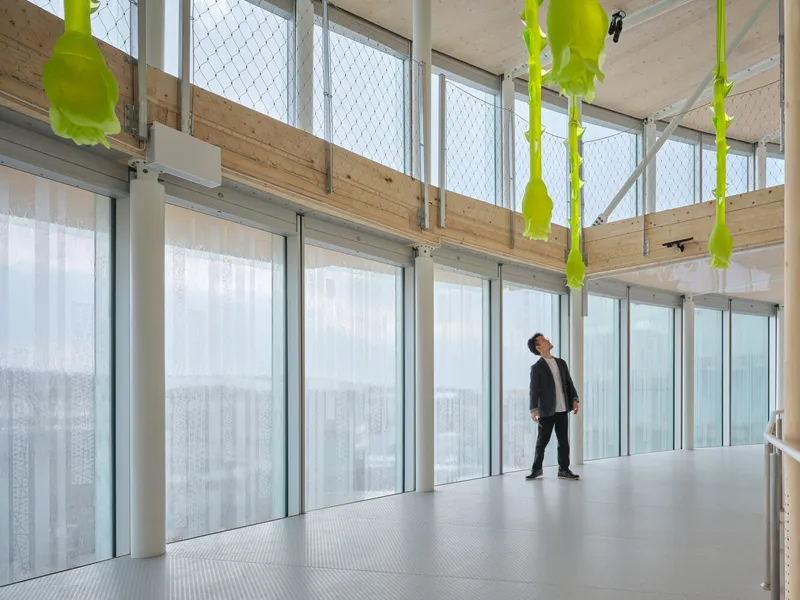
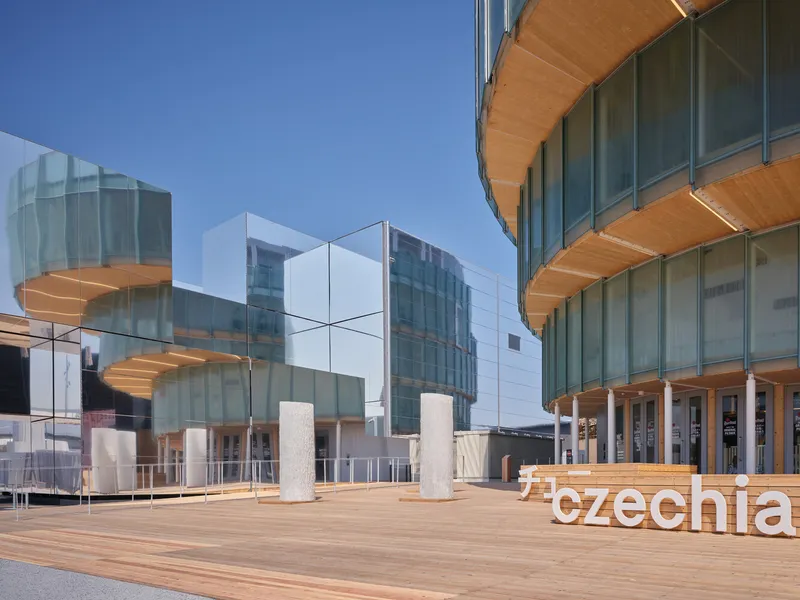
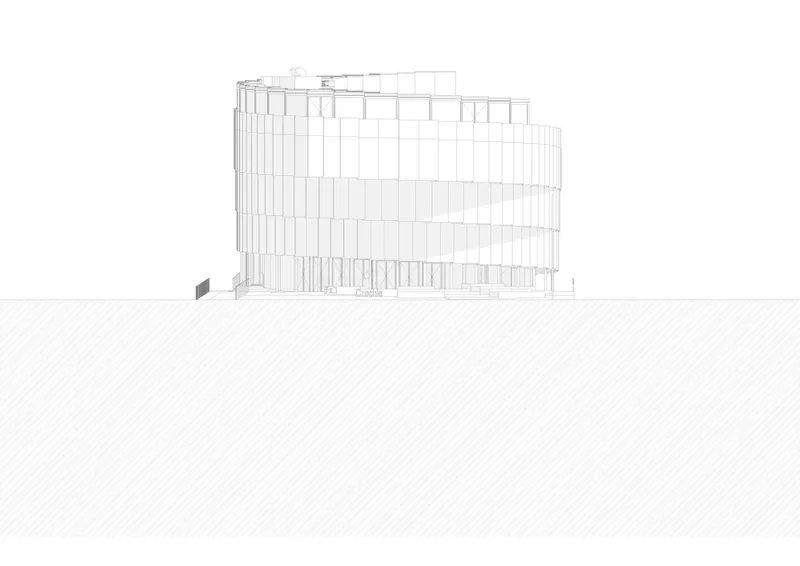
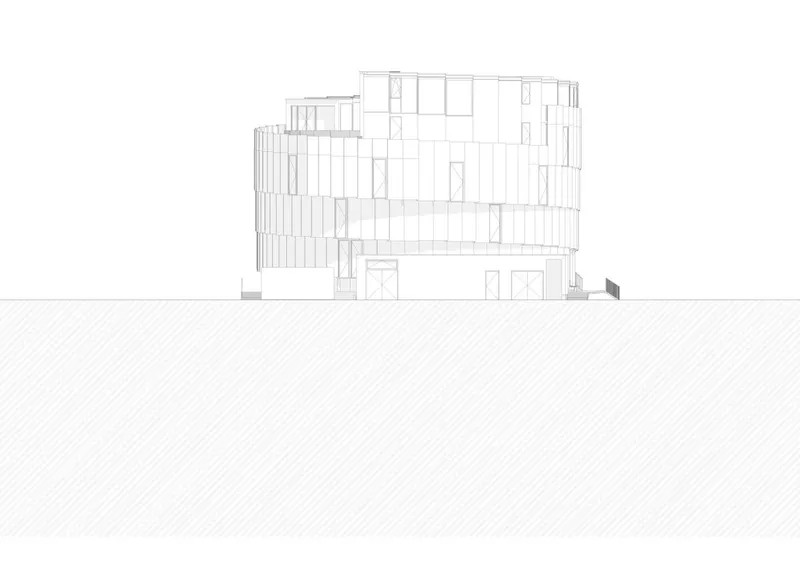
The pavilion’s translucent glass façade is crafted from artistic plate glass, a direct homage to the Czech Republic’s long-standing glassmaking heritage. As daylight shifts across the day, the atmosphere within the pavilion evolves, transforming the interior exhibition spaces into a living, breathing canvas. This interplay between light and material amplifies the visitor experience, making each journey through the pavilion unique. The façade thus serves both aesthetic and symbolic purposes, reflecting national craft while pushing the boundaries of contemporary architecture.
Multifunctional Core: Auditorium and Exhibition Fusion
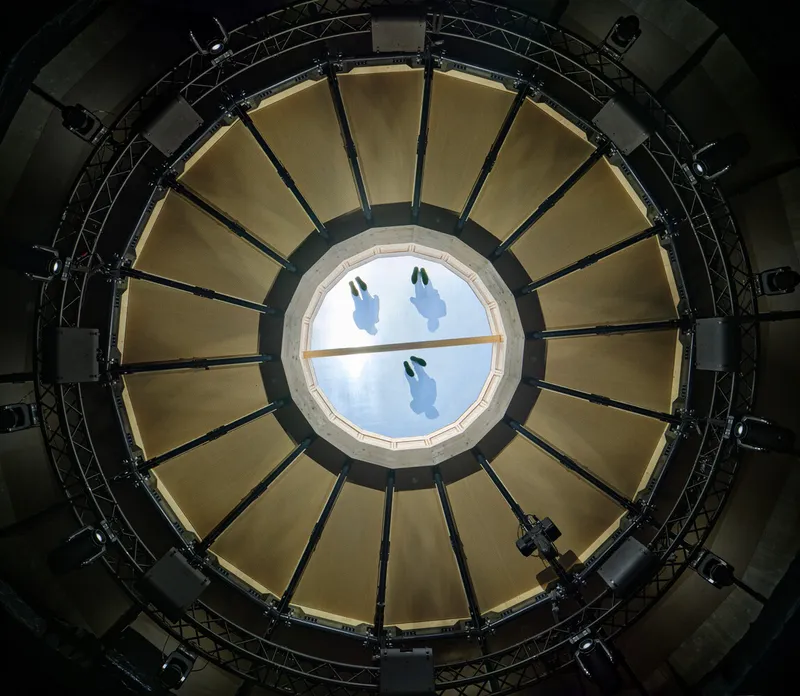
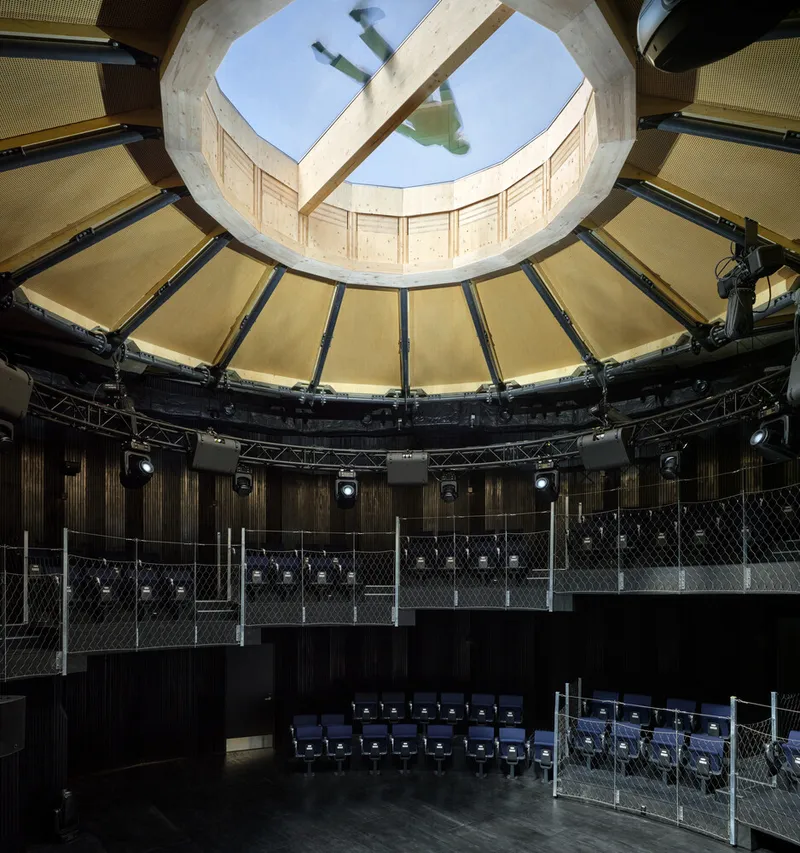
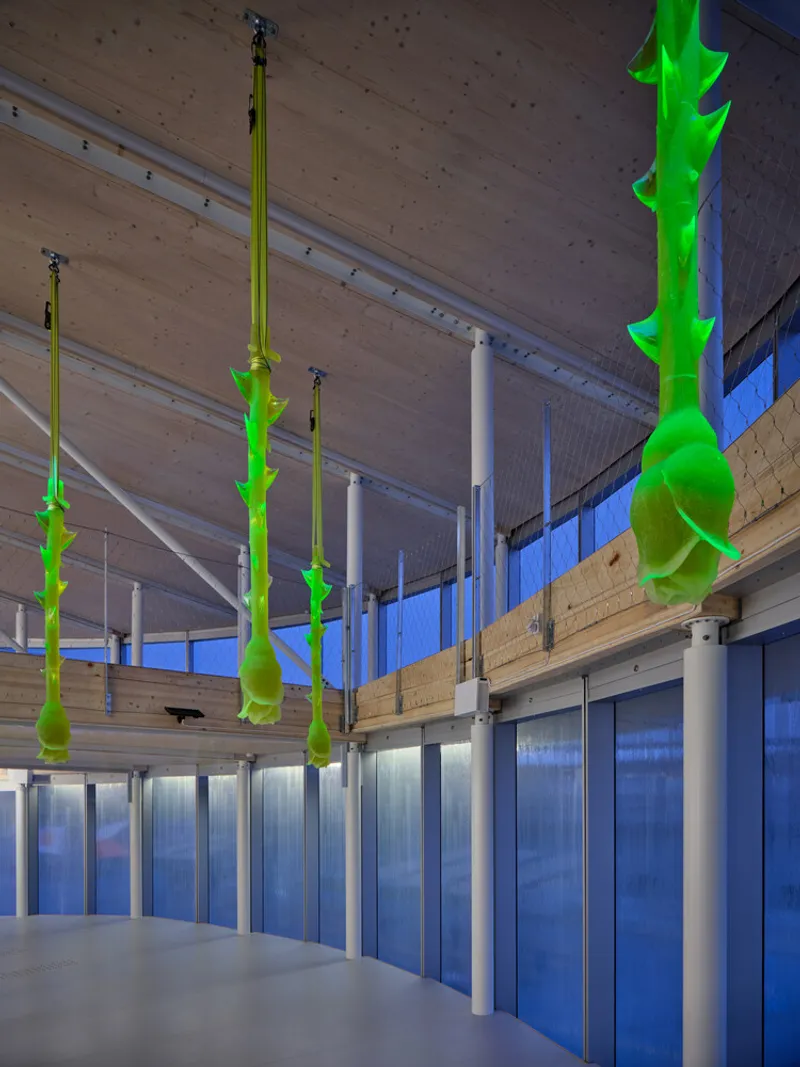
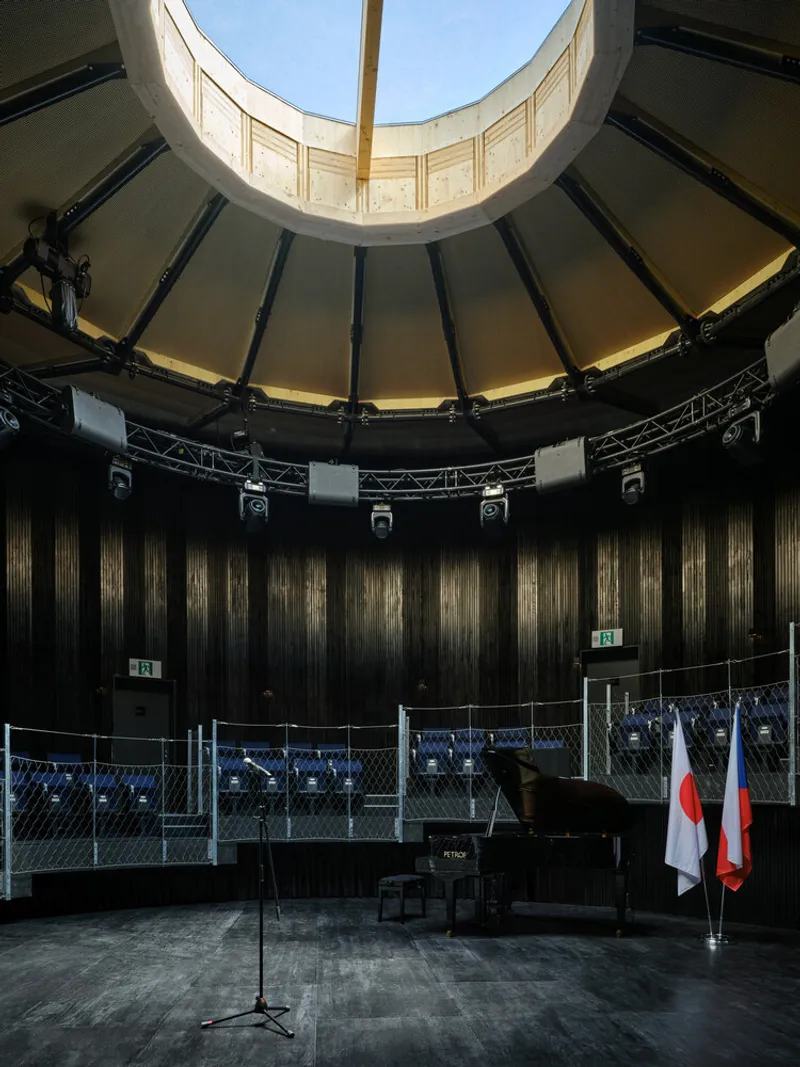
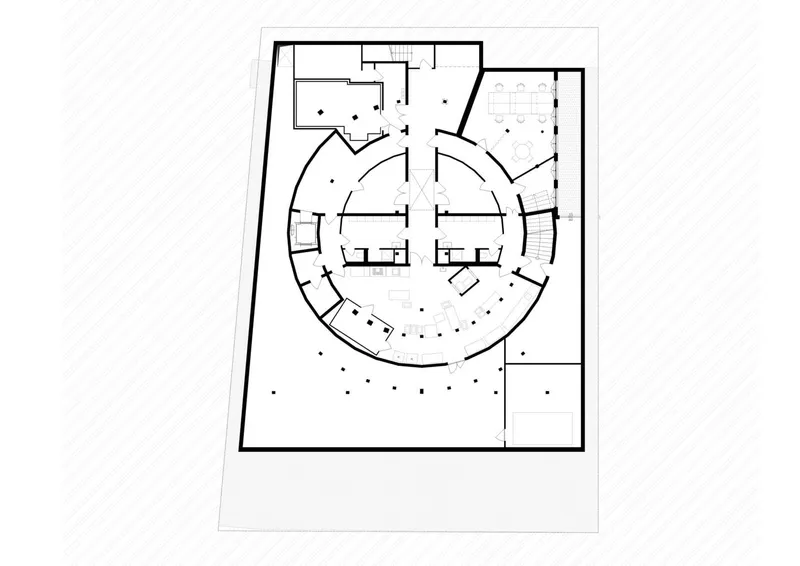
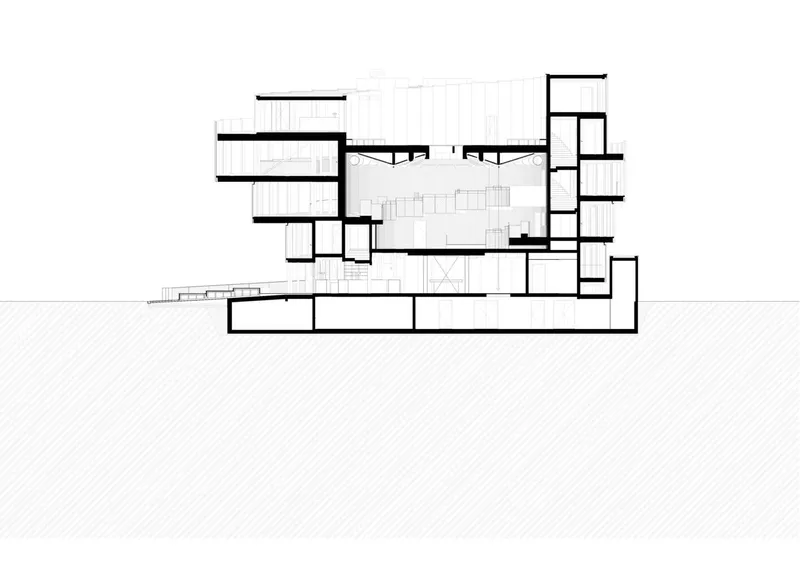
At the heart of the pavilion lies a multifunctional cylindrical hall with a 15.5-metre diameter and a height of 12 metres. This central black-box auditorium is designed for cultural performances, lectures, and interactive programming. Surrounding this core, the spiral visitor path integrates with the perimeter seating of the auditorium, allowing the spaces to flexibly merge or separate depending on the event. The use of cross-laminated timber (CLT) panels and exposed spruce structures emphasizes sustainable and honest materiality, showcasing innovative timber construction on an international stage.
Innovative Structure and Rooftop Crown
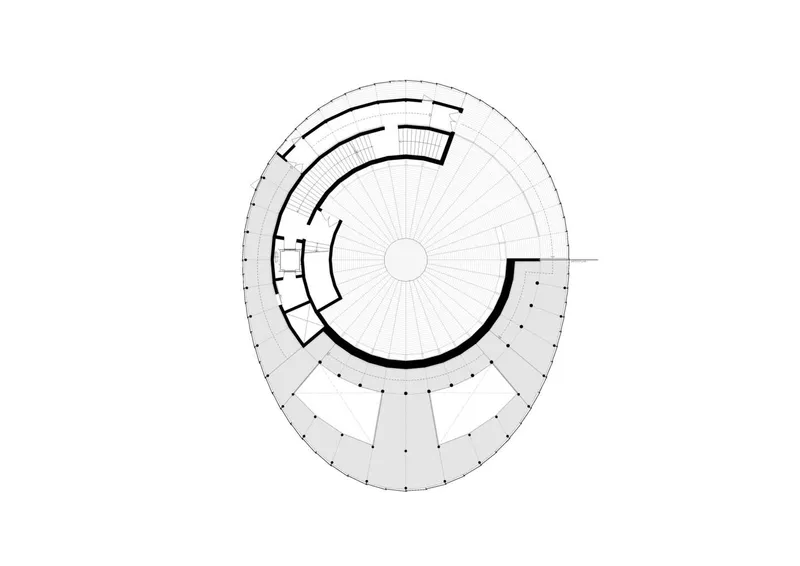
The pavilion rises to 16 metres, its form shifting from circular at the base to elliptical at the top. This geometry is divided into 36 segments, shaping the architectural envelope and defining the massing of the pavilion. At the pinnacle, visitors encounter a rooftop “crown” housing a VIP lounge, offering panoramic views of the sea and an exhilarating gaze down through a glass skylight into the auditorium below. This final chapter of the visitor’s spiral journey concludes with a staircase descending back to the ground floor, cleverly tucked into the cavity of the pavilion’s double walls.
Celebrating Czech Art and Multimedia Installations
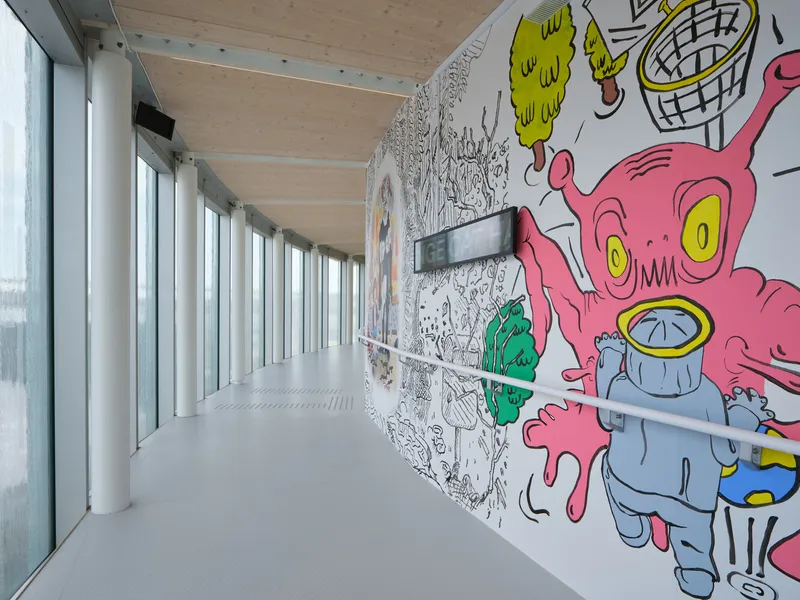
Inside the pavilion, the visitor’s journey is elevated by monumental artistic installations crafted by celebrated Czech artists. Rony Plesl’s crystal sculpture marks the exhibition’s entrance, while Jakub Matuška, also known as Masker, contributes a stunning 200-metre-long drawing and painting narrative that wraps around the entire pavilion interior. The immersive experience is heightened by multimedia works from Lunchmeat Studio, Alfons Mucha’s bronze sculpture, and Lasvit’s captivating glass installation, Herbarium. Together, these artworks reflect Czech history, craft, and avant-garde creativity.
Connecting Architecture, Art, and Gastronomy
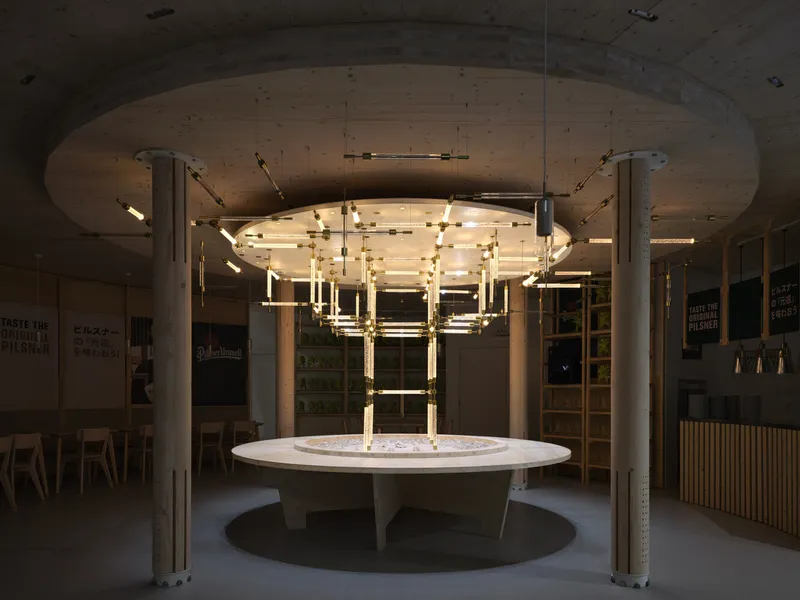
Beyond the exhibition, the pavilion’s ground floor offers a restaurant where visitors can savor Czech gastronomy, creating a sensory extension of the architectural journey. Adjacent to the visitor staircase, another internal stair winds through the building, connecting the multifunctional hall, restaurant, and VIP lounge, ensuring seamless operational flow. Outdoor, a wooden deck with thoughtfully placed seating invites both visitors and passersby to pause, reflect, and engage with the pavilion’s bold presence.
A Symbol of National Vitality
The Czech Pavilion at Expo 2025 Osaka is not merely a building; it is a symbol of national vitality, cultural pride, and architectural innovation. Apropos Architects have crafted a space where body and mind ascend together, where tradition meets cutting-edge design, and where the Czech Republic’s artistic and architectural voice resonates on the world stage. This pavilion stands as a testament to the power of architecture to inspire, connect, and elevate human experience.
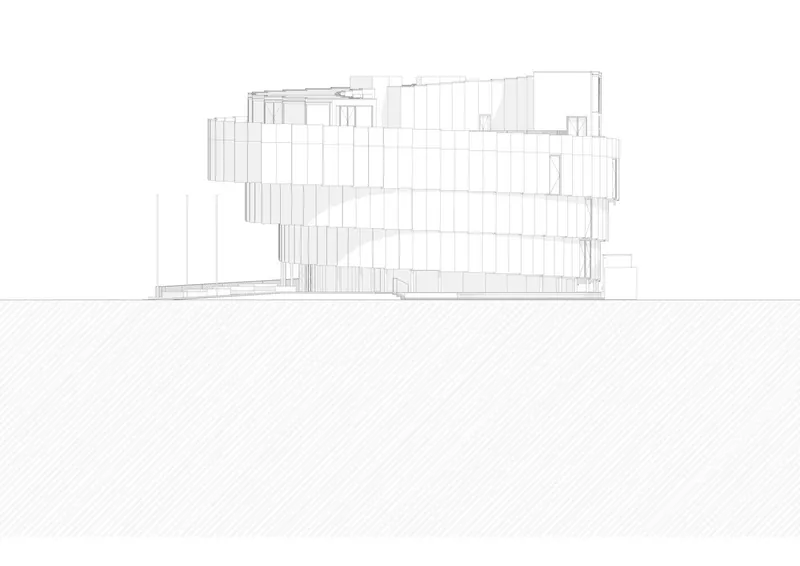
All Photographs are works of boysplaynice


Popular Articles
Popular articles from the community

Tsunami Convergenics: Turning Catastrophic Ocean Forces into Underwater Housing Infrastructure
A speculative underwater settlement off the coast of Onagawa, Japan, treats tsunamis and typhoons as energy sources rather than threats.

Cloaked Colonization: A Mobile Underwater Habitat That Moves Like a Fish
Micah Abaya's shortlisted EHC Pacific entry reimagines ocean settlement as a dispersed network of self-sustaining architectural organisms.
Temporary Home for Dogs: A Reversed Zoo Rethinks Animal Shelter Architecture
In Bucharest, a sinuous corridor and freed landscape flip the logic of containment, designing a shelter that works to make itself unnecessary.

Manzana Morphosis: Stretching Barcelona's Grid into a Living Landscape for 2050
A radical reworking of the Eixample manzana turns density into a tool for generous public space, vertical ecology, and environmental performance.

Similar Reads
You might also enjoy these articles


Hodi-Mandai Geram
Project Function: Preservation and revitalization of the Intangible heritage and socio-spatial identity of the Hodi by Housing, Cultural Memory Center, Sacred Grove, landscape, local tourism economy


Olio Towers: A Mid-Rise for Performers That Fuses Housing, Rehearsal, and Stage
Located blocks from Houston's Theater District, this modular tower stacks living units around a central performance atrium.

Oasis: Modular Green Housing Carved into Dhaka's Urban Fabric
A shortlisted Plugin Housing entry reclaims unauthorized settlements in Dhaka with stepped concrete volumes, green roofs, and ventilation-driven design.

Black Hole: A Floating Megastructure for the Post-Physical Era
Emiliano Mazzarotto envisions a spherical, self-scaling arena where e-sports, digital hotels, and holographic stadiums replace traditional public space.

Explore Czech Cubism Competitions
Discover active competitions in this discipline

Challenge to reimagine the Iron Throne

Photograph architecture without architects

Illustrate the lost glory of Angkor Wat - Render Challenge

Design challenge to reuse E-waste
Comments (0)
Please login or sign up to add comments
No comments yet. Be the first to comment!