

Dali Transformer Factory Theatrical District by Atelier Alter Architects: A Surreal Industrial Park Reborn as a City-Within-a-Theatre
A transformed industrial factory becomes a surreal theatrical district, merging immersive performance, digital art, and architecture into a dynamic cultural landscape in Dali.


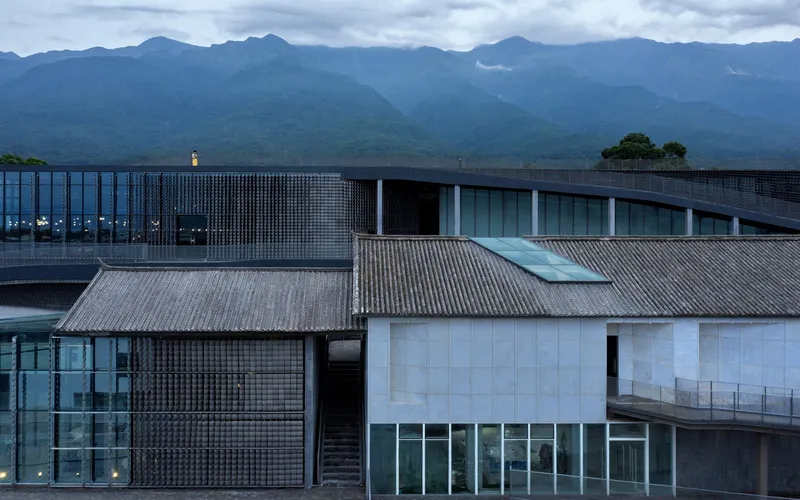
Situated southwest of Erhai Lake, on the threshold of Dali’s ancient citadel, the Dali Transformer Factory Theatrical District by Atelier Alter Architects transforms a derelict industrial complex into a new cultural engine. Completed in 2023, the 13,358 m² adaptive-reuse project reimagines the abandoned transformer factory as a multilayered theatrical park—an immersive urban landscape where performance, architecture, public life, and memory intertwine.

The redevelopment turns the former workshop, storage, offices, and assembly hall into a network of performance venues, new media installations, restaurants, bars, and theatrical experiences. Anchoring the district is the Transformer Theatre, a hybrid of architectural design, interior scenography, and stagecraft that redefines the very typology of a theatre.

A Factory Between Mountains and Lake Becomes a Cultural Acropolis
The tallest structure within the old citadel, the former assemblage building—now the Transformer Theatre—sits at a dramatic vantage point, with terraces oriented toward Cangshan Mountain to the west and Erhai Lake to the east. Atelier Alter uses paths, ramps, and interconnected roofs to create a layered topography, reminiscent of a contemporary acropolis.

This “undulating plateau” transforms the industrial site into a monumental cultural terrain. As Athens’ rocky hill shaped Western civilization, this new theatrical landscape aims to reawaken Dali’s cultural identity, linking past industry with contemporary performance.
From Single Theatre to “Theatrical District”
Spatial constraints inspired a radical rethink of theatre typology. Instead of a single performance hall, the architects aggregated four existing factory buildings, each taking on a new theatrical function:
- Assemblage Building → Front Stage / Transformer Theatre
- Storage → Backstage Support
- Office → Gift Shop
- Workshop → Theatre Services
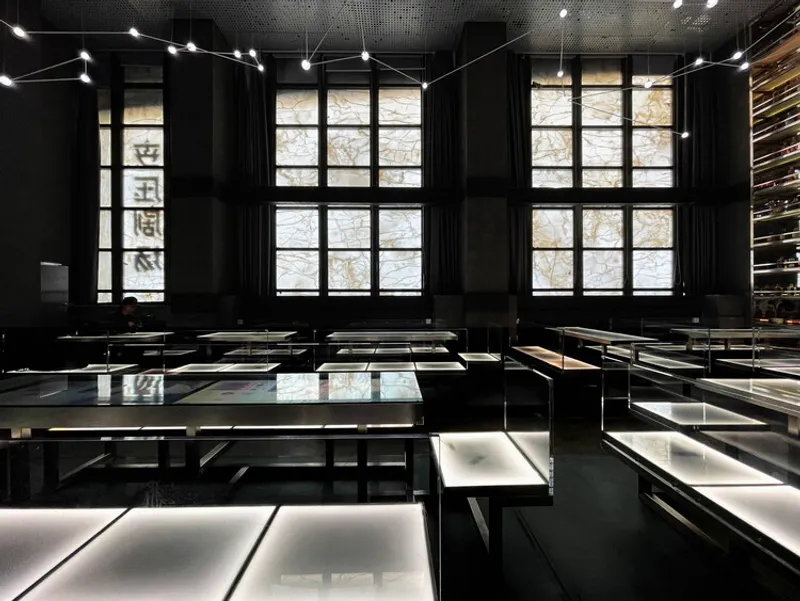
The alleyways between the old buildings become cross-stage passages, blurring boundaries between audience circulation, performance zones, and urban space.
Here, theatre is democratized—no longer reserved for elites but embedded in the rhythms of daily life. Borrowing from Lewis Mumford’s idea that “the city is a museum, and the museum is a city,” Atelier Alter proposes:“The city is a theatre, and the theatre is a city.”
The result is a rhizomatic cultural district, where performance sprouts spontaneously in the gaps of daily urban experience.


Heterotopia: Micro-Worlds of Illusion and Reality
As the architecture “spaces out” beyond its functional program, it forms pockets of Heterotopia—illusionary micro-worlds that coexist with reality.
These theatrical micro-spaces appear:
- on rooftops
- inside cut-out clerestories
- as protruding theatrical boxes
- within transformed industrial rooms
Linked together, they form a surreal urban field. Moving through the district becomes a journey across the section of a city, and through the section of ordinary life, amplified through performance.
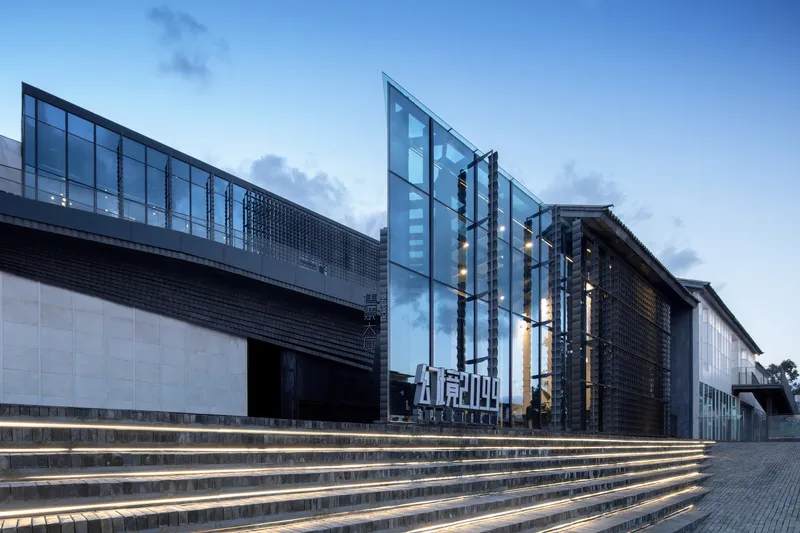

Industrial DNA Reborn as Theatrical Language
The site’s industrial past—machinery, steel, concrete, mechanical systems—forms the basis of the project’s architectural vocabulary.
Industrial elements become:
- structural motifs
- stage props
- lighting frames
- spatial generators
The result is a “mutated transformer factory” where industry, vernacular architecture, VR art, and immersive theatre collide. The aesthetic tension between Dali’s natural beauty and the factory’s rugged past enriches the city’s evolving cultural landscape.

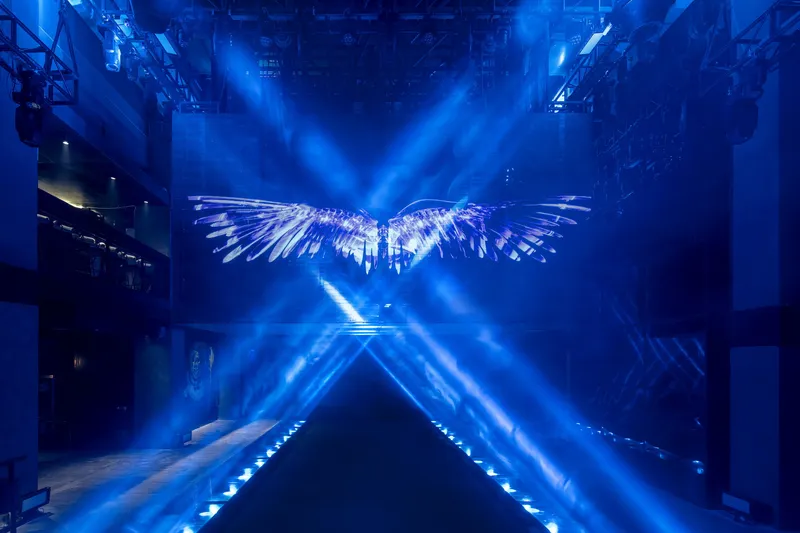
Immersive Program: A City of Performative Rooms
Ground Floor – Immersive Theatrical Worlds
- Tarot Bar
- Queen's Broadcast Room
- Experimental Cabin
- Research Unit
- Immature Canteen
- High Club Bar
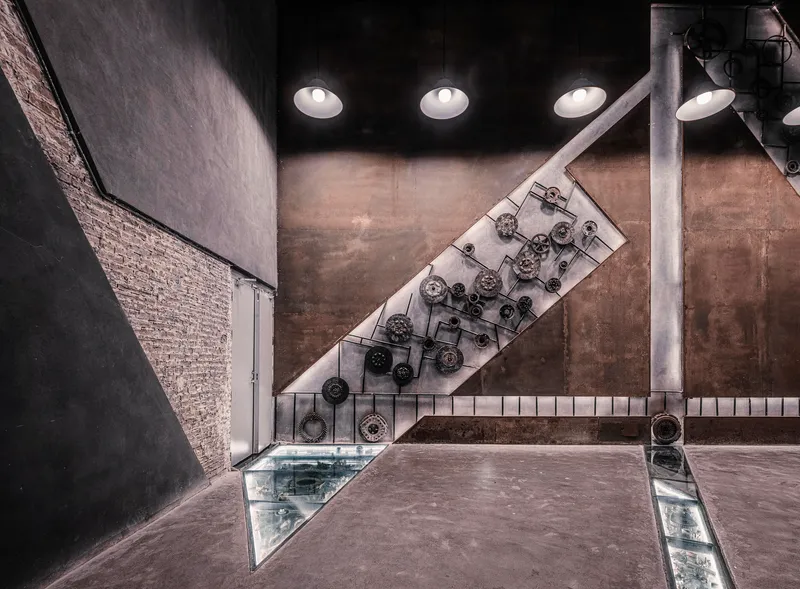

Each area is a unique performance environment, blending linear and nonlinear storytelling with architecture as both stage and performer.
The gift shop connects seamlessly between levels, concluding the visitor's theatrical journey.
Second Floor – Digital Dreamscapes
Performance spaces include:
- Fragment of Memory
- Suspended Sleeping Tank
- High Club mezzanine
Using wire screens, yarn screen projection, action capture, and digital illusions, these rooms push beyond physical space.
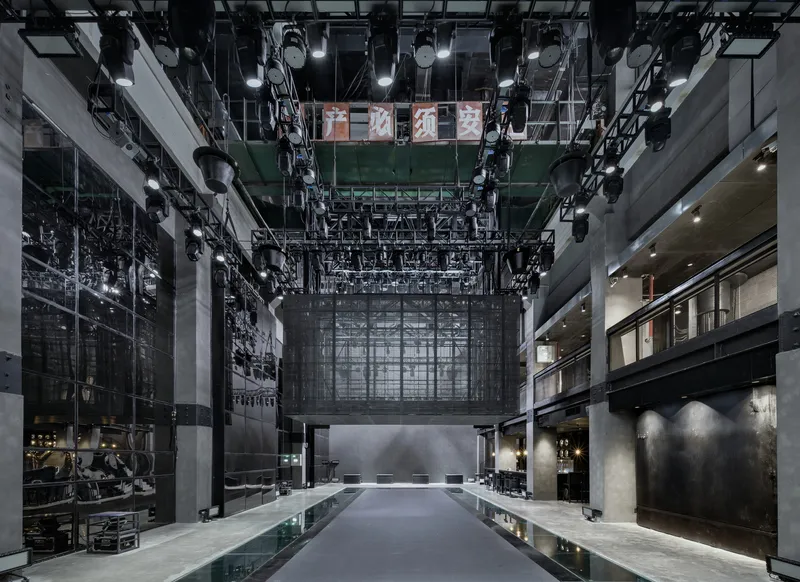

Third Floor – Theatrical Dining
- Tarot Bar Extension
- Red Wine Restaurant
The dining spaces extend the narrative, merging industrial motifs with surreal scenography.


Hybrid Performative Spaces
Thematic environments inspired by the factory’s old chemistry lab:
- enlarged machine parts as metaphoric sculptures
- DNA double-spiral staircase spinning inside a parametric “forest”
- AR + VR interactive performance worlds
- electronic wire-screen stages
- an AI-robot performance chamber
Each space becomes a metaphorical meditation on technology, time, and human existence.

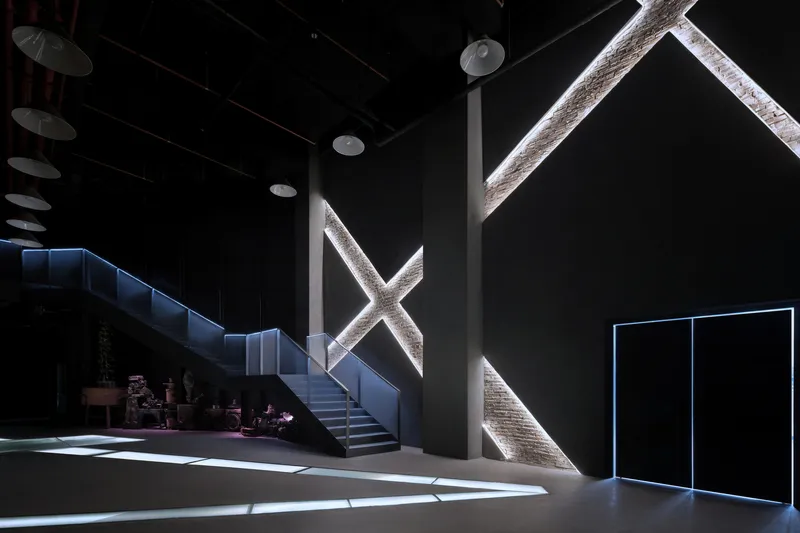
Finale: A Floating Stage and Underground Echoes
At the climax of the visitor’s journey is a hybrid dance club + performance stage.The architects repurpose:
- a factory crane
- an industrial cable car
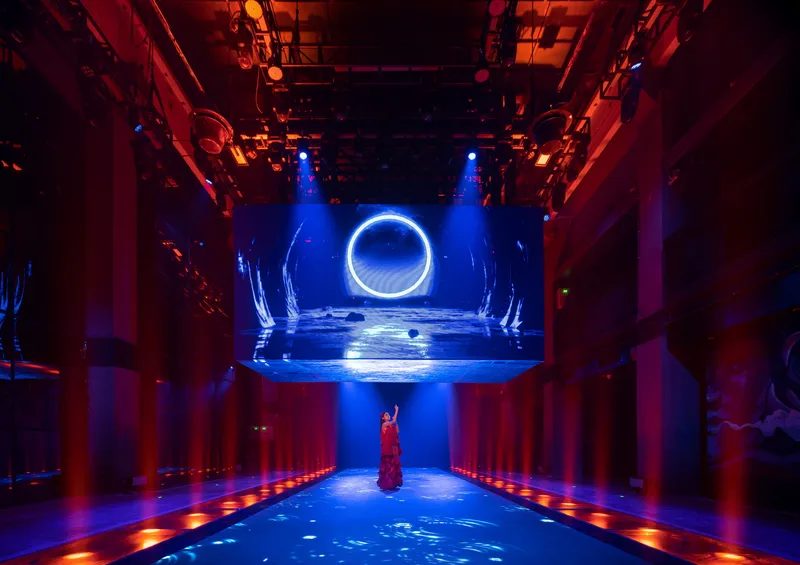
These become a floating, movable stage that rises and descends during performances. Two underground stages echo the motion from below, all equipped with LED ice screens for VR shows.
Old transformer machines are transformed into bar furniture, blurring the line between theatrical illusion and industrial memory.

A Surreal Urban Theatre for Dali
Through immersive performance, industrial reuse, digital storytelling, and architectural reinvention, the Dali Transformer Factory Theatrical District becomes a living cultural organism—a city within a theatre and a theatre within a city.
It stands as a visionary model for urban regeneration, blending heritage, technology, art, and public life into a new cultural landmark for Dali.

All the Photographs are works of Highlite Images, Zhi Xia


Popular Articles
Popular articles from the community


Singing Woman: An Opera House That Performs Before the Curtain Rises
Ovidiu Cristian Pavel's conceptual opera house translates Estonia's choral identity into a sculpted waterfront landmark facing the Baltic Sea.
Manzana Morphosis: Stretching Barcelona's Grid into a Living Landscape for 2050
A radical reworking of the Eixample manzana turns density into a tool for generous public space, vertical ecology, and environmental performance.

Tsunami Convergenics: Turning Catastrophic Ocean Forces into Underwater Housing Infrastructure
A speculative underwater settlement off the coast of Onagawa, Japan, treats tsunamis and typhoons as energy sources rather than threats.

The Amber Palace Opera: A Geological Fiction Surfaces on Tallinn's Baltic Waterfront
Pierre Brillard reimagines a Baltic legend as a public landscape, opera house, and waterfront promenade rooted in Tallinn's coastal identity.

Similar Reads
You might also enjoy these articles


Hodi-Mandai Geram
Project Function: Preservation and revitalization of the Intangible heritage and socio-spatial identity of the Hodi by Housing, Cultural Memory Center, Sacred Grove, landscape, local tourism economy


Olio Towers: A Mid-Rise for Performers That Fuses Housing, Rehearsal, and Stage
Located blocks from Houston's Theater District, this modular tower stacks living units around a central performance atrium.

Oasis: Modular Green Housing Carved into Dhaka's Urban Fabric
A shortlisted Plugin Housing entry reclaims unauthorized settlements in Dhaka with stepped concrete volumes, green roofs, and ventilation-driven design.

Black Hole: A Floating Megastructure for the Post-Physical Era
Emiliano Mazzarotto envisions a spherical, self-scaling arena where e-sports, digital hotels, and holographic stadiums replace traditional public space.

Explore Performative Landscape Competitions
Discover active competitions in this discipline

Challenge to reimagine the Iron Throne

Photograph architecture without architects

Illustrate the lost glory of Angkor Wat - Render Challenge

Design challenge to reuse E-waste
Comments (0)
Please login or sign up to add comments
No comments yet. Be the first to comment!