
Deep Time Palace by Wutopia Lab: A Monumental Underground Art Museum Celebrating Changchun's Legacy Through Fair-Faced Concrete Expressionism
Deep Time Palace by Wutopia Lab is an underground art museum blending fair-faced concrete, symbolism, and Changchun’s historical narrative.

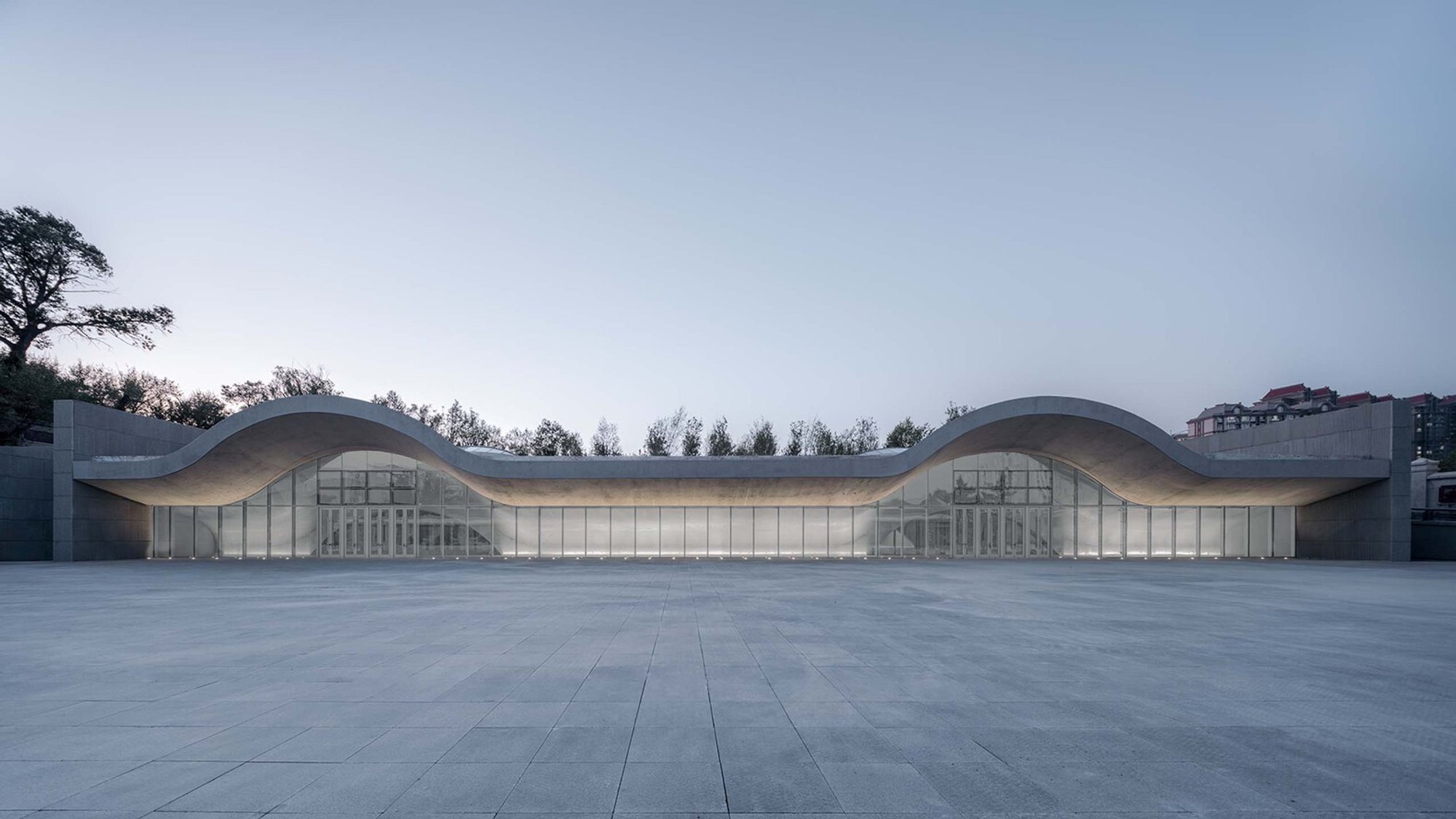
Located in Changchun, China, the Deep Time Palace—also known as The Eye of the Museum of the Palace Museum of the Manchurian Regime—is an extraordinary feat of contemporary museum architecture by Wutopia Lab. Completed in 2023 after six years of meticulous design and construction, the project marks a pivotal moment in Chinese cultural architecture, redefining how we perceive historical depth, space, and structure.
Spanning 16,650 square meters, this remarkable underground museum is not only the first decorative fair-faced concrete structure in Jilin Province, but also the largest of its kind in Northeastern China, and the most expansive earth-sheltered thin-shell swept-surface concrete building in the nation. The project was inaugurated on International Museum Day, May 18, 2023—a symbolic gesture aligning architecture with cultural introspection.
Architectural Vision: Crafting a Subterranean Sanctuary of Memory and Time
Responding to a last-minute challenge from the museum's director, who rejected over 20 prior concepts, Wutopia Lab founder Yu Ting envisioned a deeply introspective, metaphor-rich space rooted in Changchun’s complex urban identity. Once East Asia's most developed city and now an enduring industrial hub, Changchun inspired a narrative of resilience and historic pride.
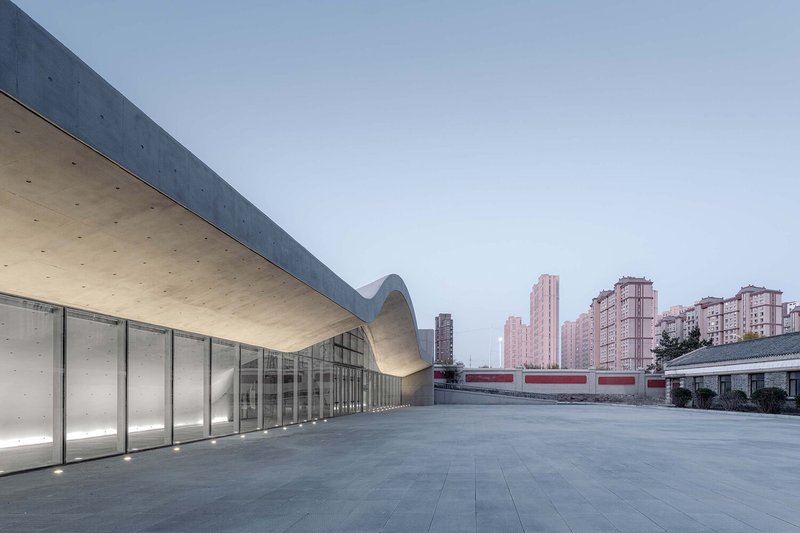
To honor the site's existing architecture, particularly the Palace of the Manchurian Regime and the adjacent Museum of the History of Northeast China Under Japanese Occupation, Wutopia Lab pursued a strategy of architectural humility. The new museum hides underground, preserving the visual landscape above while introducing vast, industrial-scale interior volumes beneath—enabled by large-span steel-supported concrete shells that evoke a sense of spatial awe.
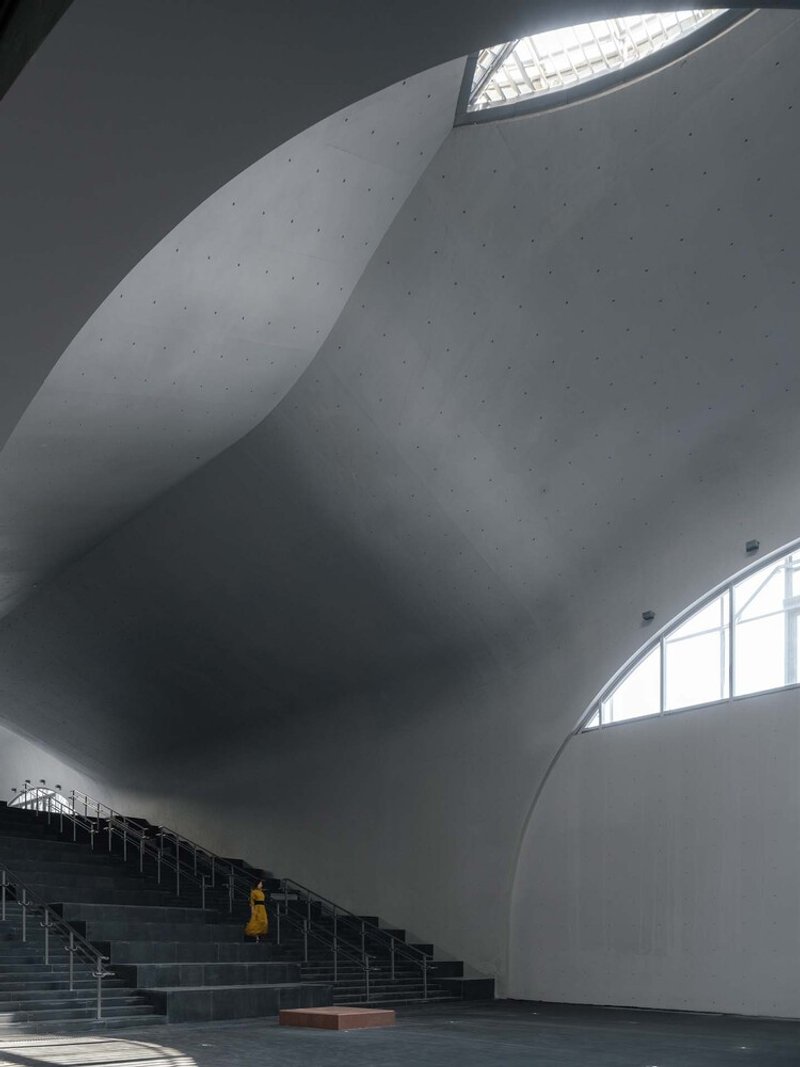
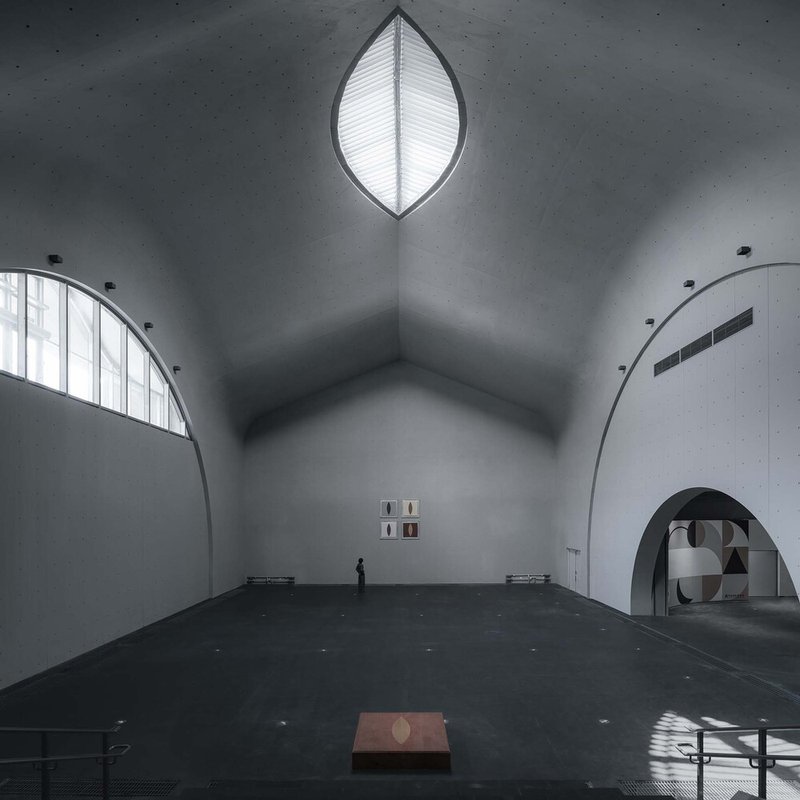
Concrete as Poetry: Material Expressionism and Symbolic Light
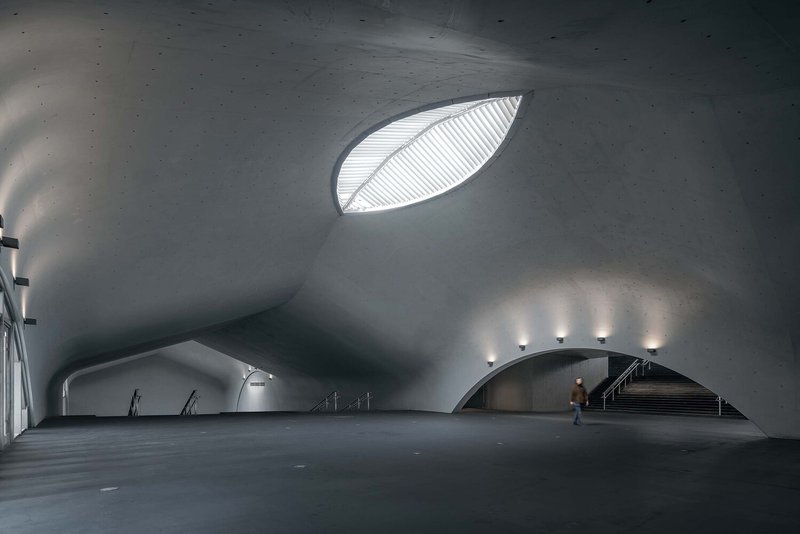
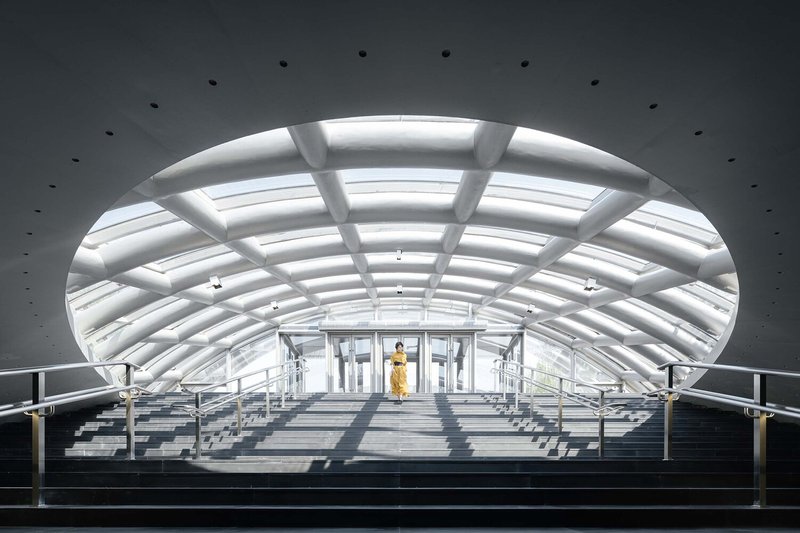
Inspired by the early 20th-century Expressionism of Eero Saarinen and Le Corbusier, the studio embraced fair-faced concrete—not for its rawness alone, but for its poetic interaction with light. Rather than showcasing traditional panel joints or eyelets, a transparent coating on the concrete enhances its ethereal glow as sunlight pours in through eye-shaped skylights, reinforcing themes of memory, observation, and reflection.
The result is a radiant architectural expression, where light moves fluidly across elegant curves, echoing geological time and human introspection. This is not just structure—it’s storytelling in concrete and shadow, embodying what Wutopia Lab calls “enchanting expressionism.”
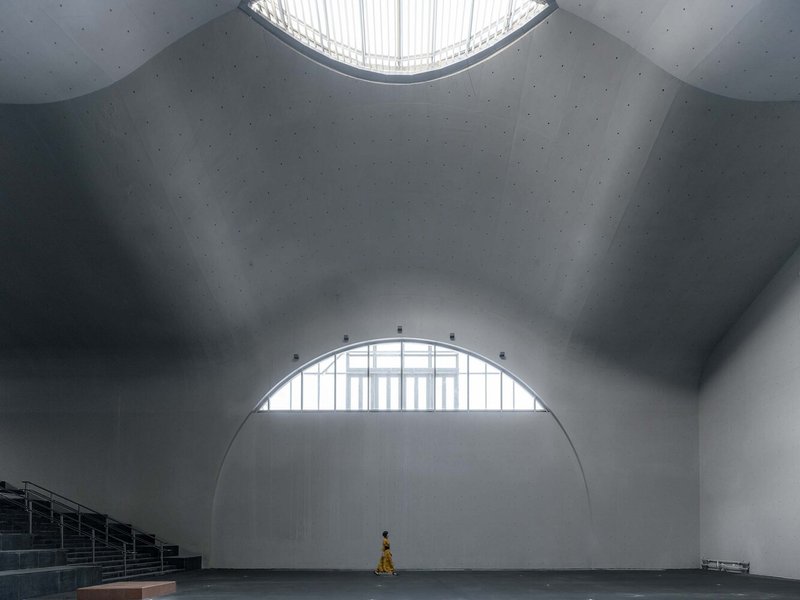
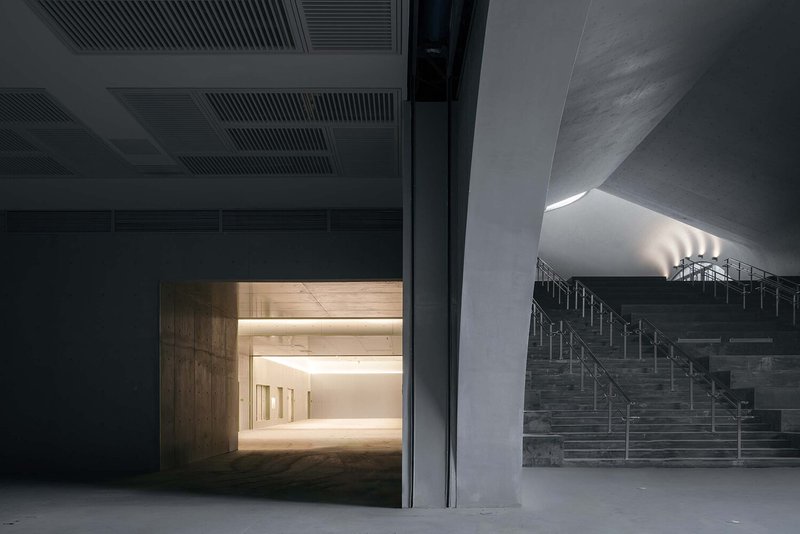
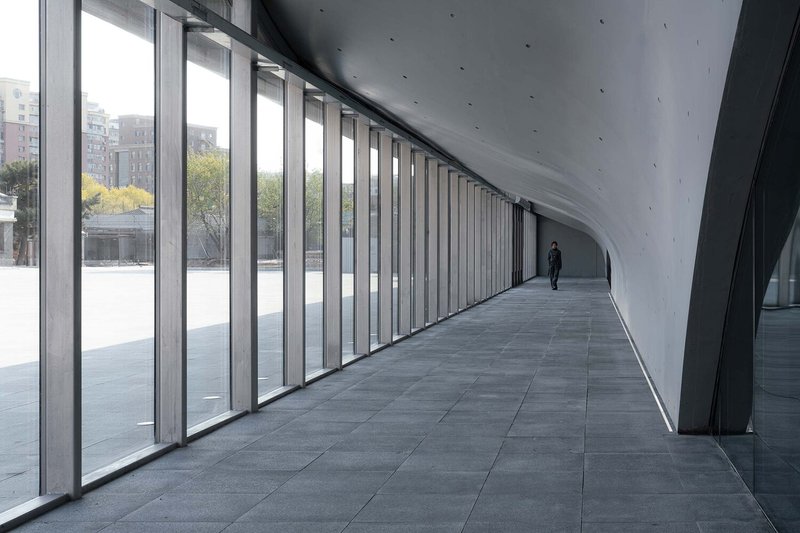
Spatial Narrative: The Architecture of Deep Time
The museum’s underground layout follows a precise geometric and narrative rhythm. Three wing-shaped swept-surface domes, each measuring 27.5m x 18m with a soaring height of 16.5m, act as core spatial nodes. These connect seamlessly to form a vast underground experience, designed to disorient linear perceptions of time and provoke deep contemplation about Earth’s 4.6 billion-year timeline.
From the symbolic skylights resembling watchful eyes to the gradual descent into a buried world of history and speculation, the visitor’s journey is a choreographed exploration of time, life, environment, and society. The Deep Time Palace functions not merely as an art museum, but as a contemporary temple of introspection, where architecture becomes a vessel for existential inquiry.
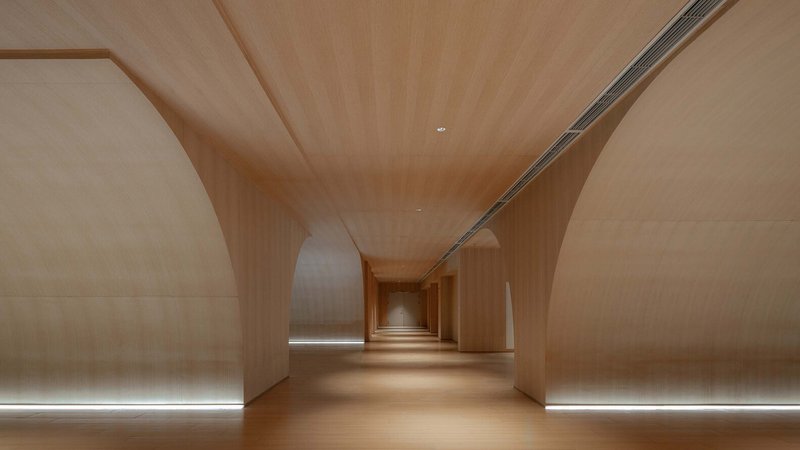
Engineering Feats: Constructing a Hidden Monument
The construction of this subterranean palace was a monumental effort. Located between historical landmarks and built on a site with a 7.2-meter vertical differential, the project required over 10,000 square meters of high-formwork decorative fair-faced concrete. Construction challenges included frozen ground conditions, ultra-narrow setbacks (just 450mm from palace walls), and rigorous systems for climate control, fire safety, and seismic stability.
The roof serves dual functions—supporting a 2,000-square-meter urban plaza, green space, and parking area—while blending unobtrusively into the public realm. A curved steel-and-glass shell marks the only visible architectural gesture, inviting visitors down into the museum’s core.
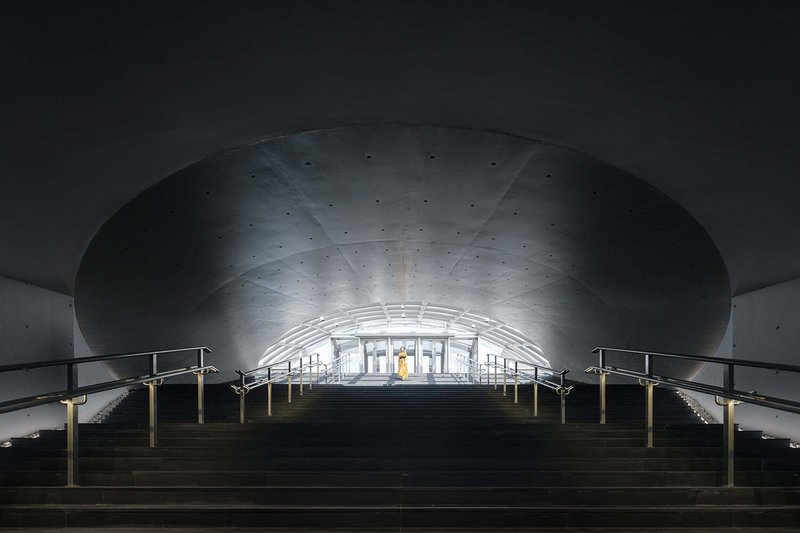
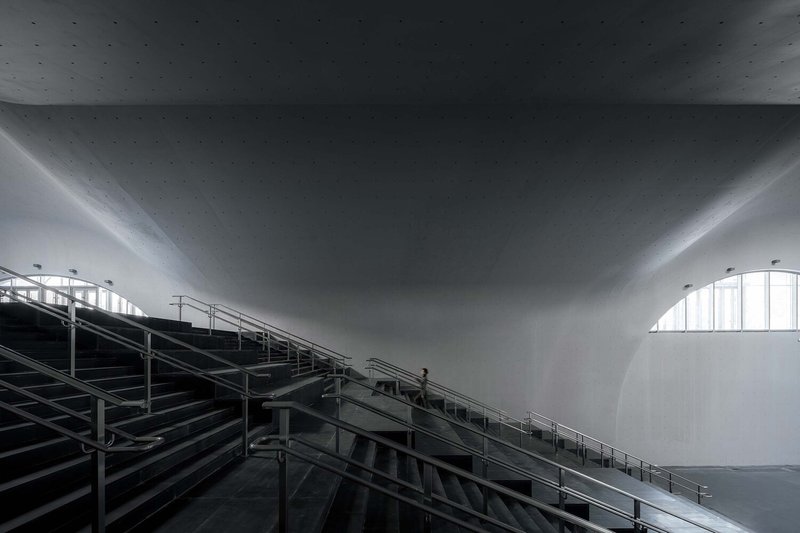
A Vision Rooted in Place, Time, and Meaning
Wutopia Lab’s Deep Time Palace redefines what it means to design a museum today. It’s not merely a container of artifacts, but an immersive spatial narrative that confronts us with the weight of history, the scale of planetary time, and the fragility of our own narratives. Set against the backdrop of Changchun’s layered past, this underground marvel is a powerful architectural meditation on memory, resilience, and the enduring quest for meaning.
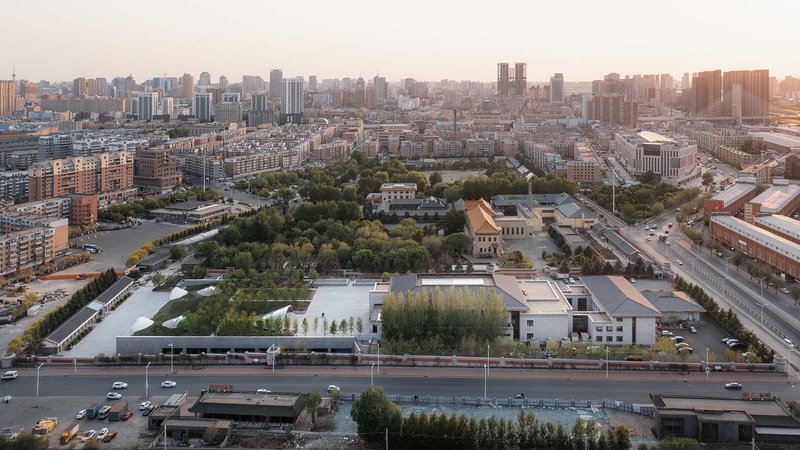
All Photographs are works of CreatAR Images



Popular Articles
Popular articles from the community

Rojkind Arquitectos and Think Parametric Build a Glueless Pavilion from 67 Interlocking Panels
A serpentine fiber-cement installation in Chapultepec Park celebrates a decade of architectural media in Mexico City.
HCCH Studio Wraps a Shanghai High-Rise Office in Curved Walls of Translucent Glass
A 1,000 square meter fit-out in Lujiazui replaces the typical tech-office palette with layered glass, micro-cement, and quiet rigor.
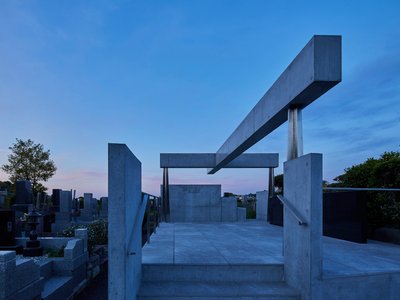
Takeshi Hosaka Architects Suspends a Concrete Cross Above a Yokohama Cemetery
A 28-square-meter burial renovation in Yokohama lifts the symbol of resurrection into the sky so mourners see it against heaven.
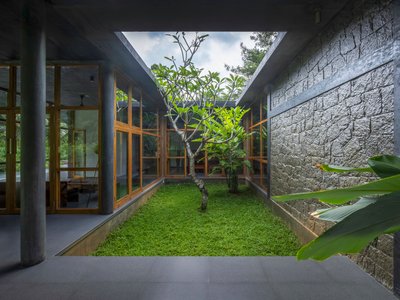
3dor Concepts Wraps a Kerala Home in Mirrored Concrete Arcs Around a Courtyard Tree
In the Western Ghats foothills of Thamarassery, a 270 m² single-story house uses two curved volumes to frame nature as its center.


Similar Reads
You might also enjoy these articles

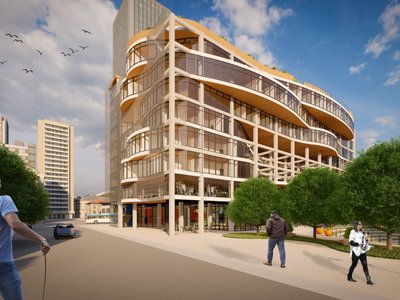
Olio Towers: A Mid-Rise for Performers That Fuses Housing, Rehearsal, and Stage
Located blocks from Houston's Theater District, this modular tower stacks living units around a central performance atrium.
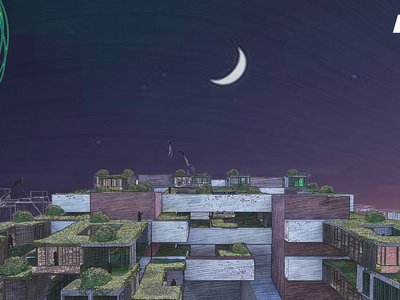
Oasis: Modular Green Housing Carved into Dhaka's Urban Fabric
A shortlisted Plugin Housing entry reclaims unauthorized settlements in Dhaka with stepped concrete volumes, green roofs, and ventilation-driven design.

Black Hole: A Floating Megastructure for the Post-Physical Era
Emiliano Mazzarotto envisions a spherical, self-scaling arena where e-sports, digital hotels, and holographic stadiums replace traditional public space.
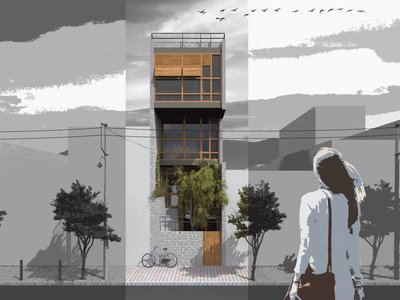
Compact & Sustainable Living in Piraeus: A Four-Level Family Home Built Around Light and Air
A narrow townhouse in one of Greece's densest port cities uses a central atrium and passive strategies to house three generations under one roof.


Explore Architecture Competitions
Discover active competitions in this discipline




The International Standard for Design Portfolios


The Global Benchmark for Architecture Dissertation Awards


The Global Benchmark for Graduation Excellence


Challenge to design an urban locus of culture and heritage
Comments (0)
Please login or sign up to add comments
No comments yet. Be the first to comment!