
Despatx by Sagristà-Simó: A Minimalist Workspace that Blends Architecture and Life
Minimalist architecture office in La Puebla blending adaptive reuse, natural materials, and spatial fluidity with a courtyard-centered design concept.


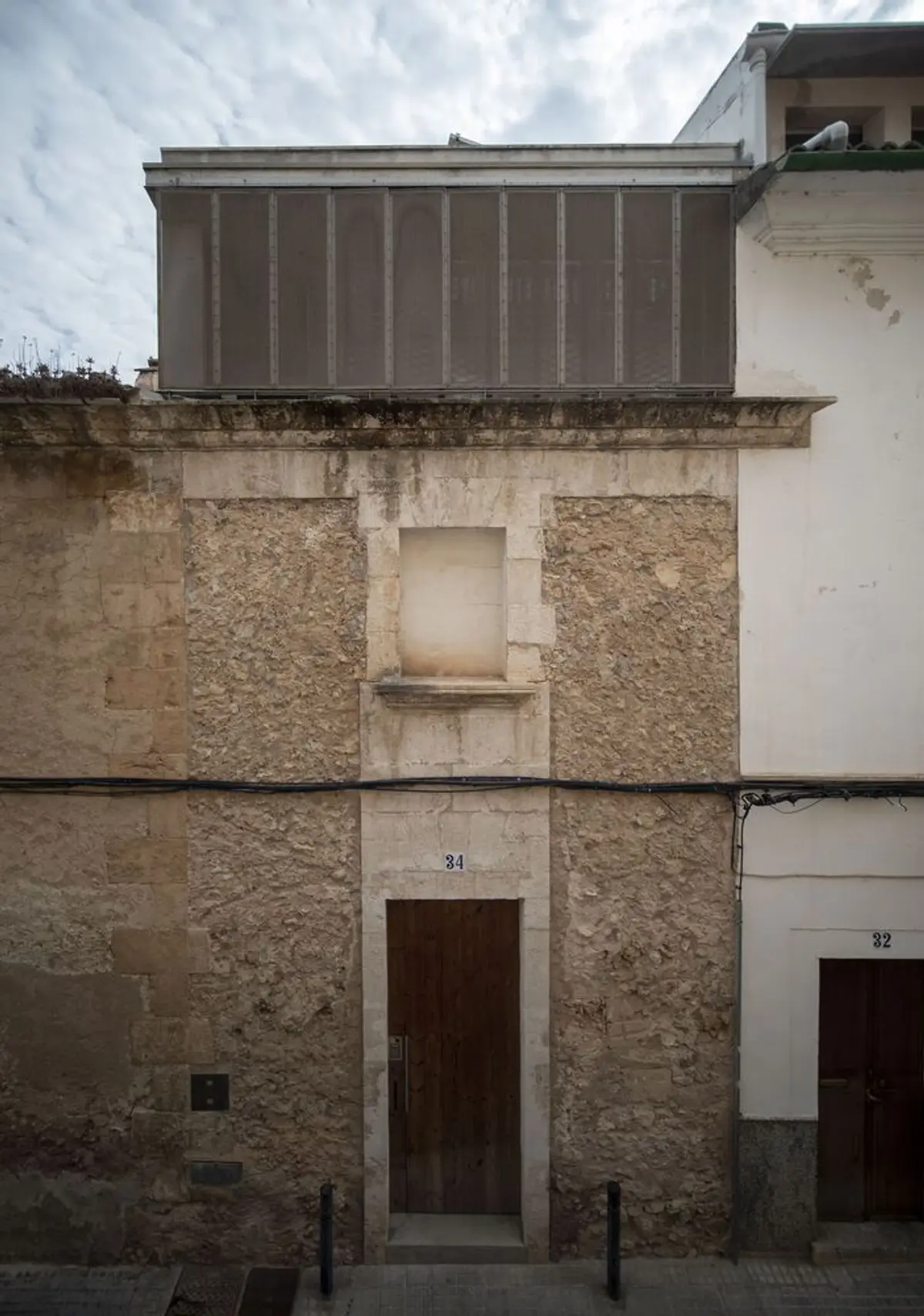
Located in La Puebla, Spain, Despatx—meaning “office” in Catalan—is more than a traditional architectural workspace. Designed by Sagristà-Simó, this 110-square-meter project redefines the boundaries between professional practice, creative collaboration, and everyday living. It is a place where architects, clients, and friends converge in a setting that distills the essence of the firm's architectural philosophy: material honesty, spatial continuity, and contextual harmony.
A Thoughtful Adaptive Reuse Project
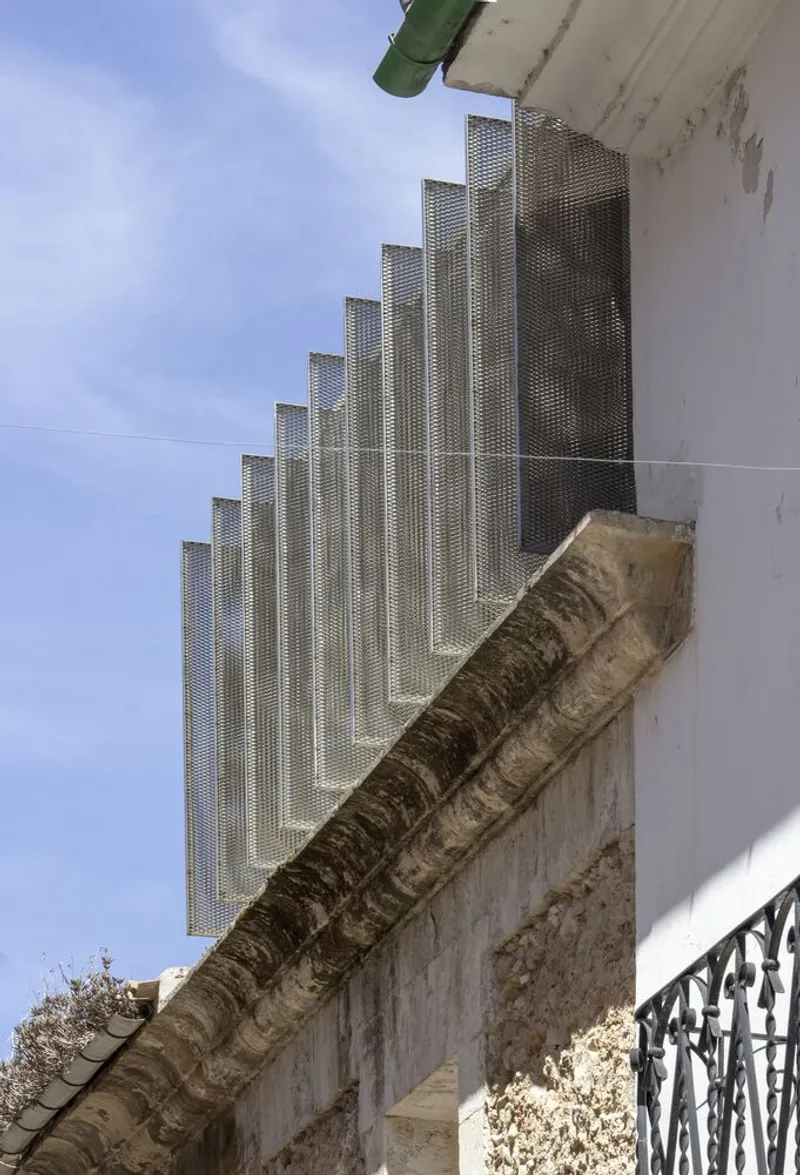
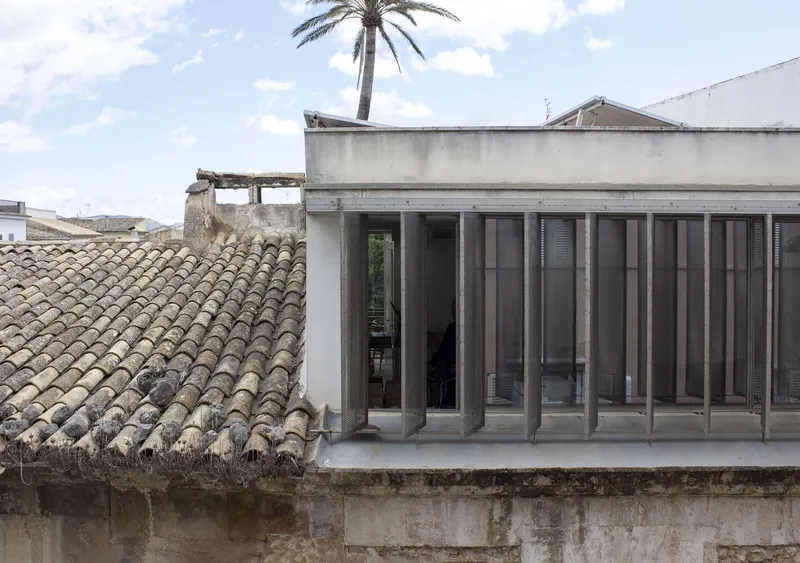
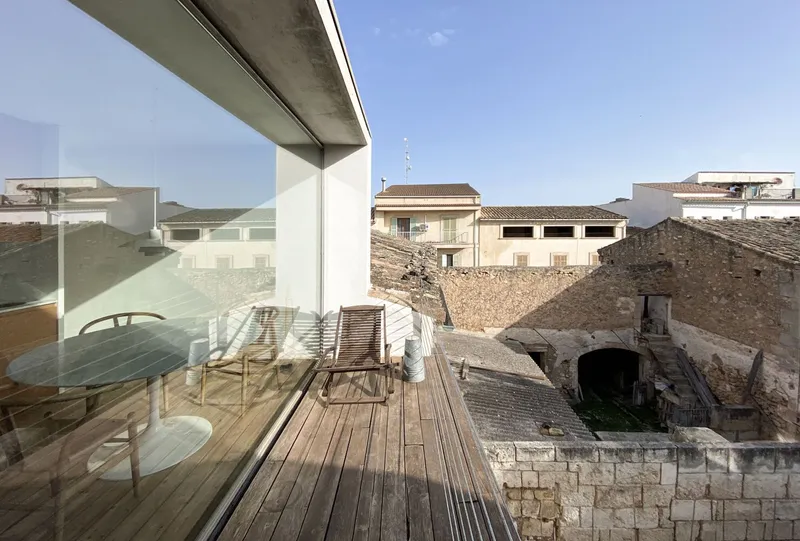
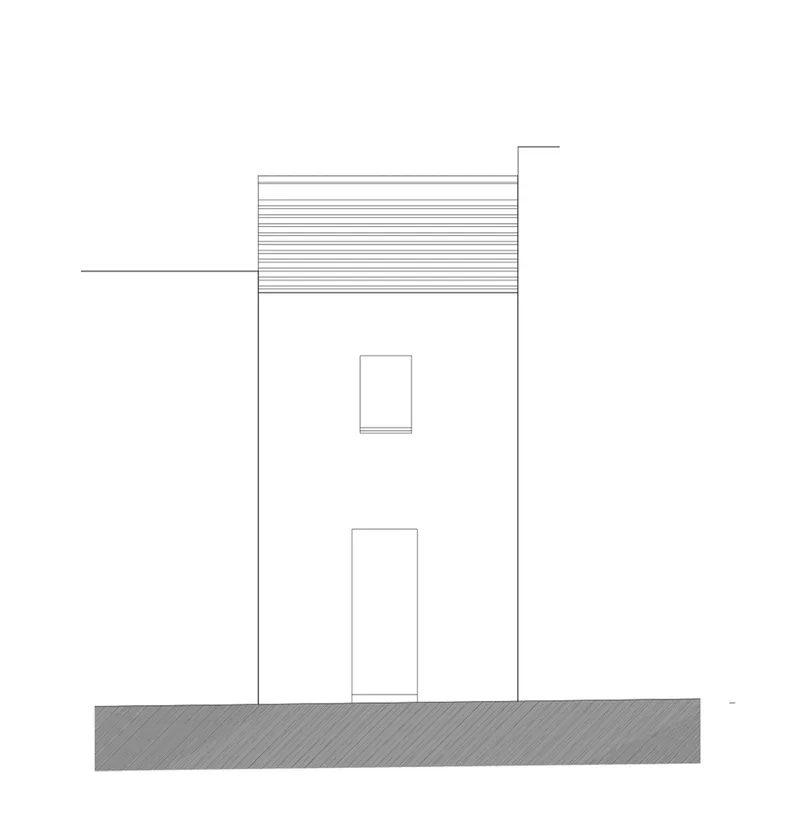
Preserving the original party walls and the historic main façade, the architects approached the renovation with restraint and precision. Rather than impose a new identity, they chose to reveal the constructive potential of the existing structure. The intervention focuses on adaptation—carefully tailoring the interior to suit the demands of an architecture office, while enhancing the emotional and experiential quality of the space.
Material Simplicity and Spatial Fluidity
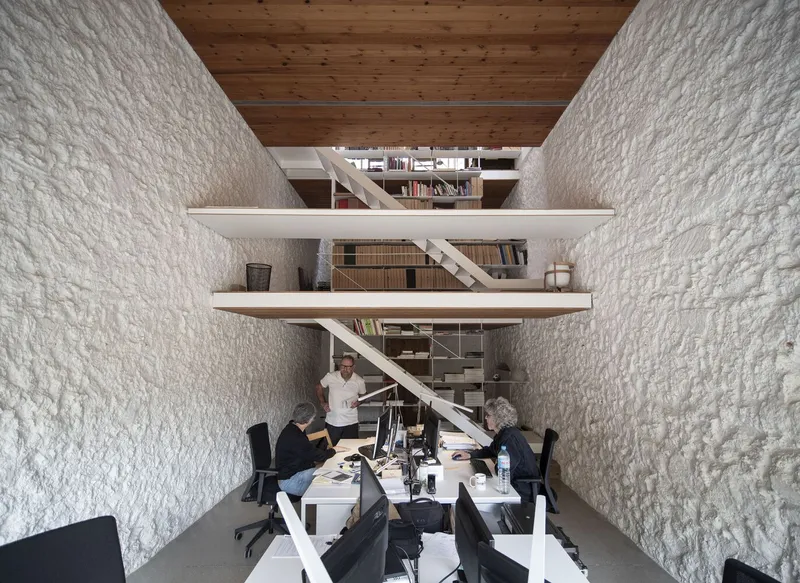
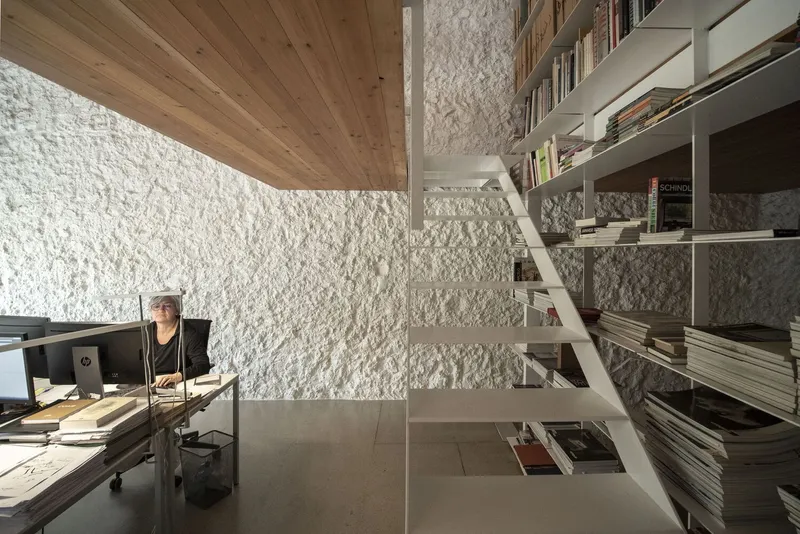
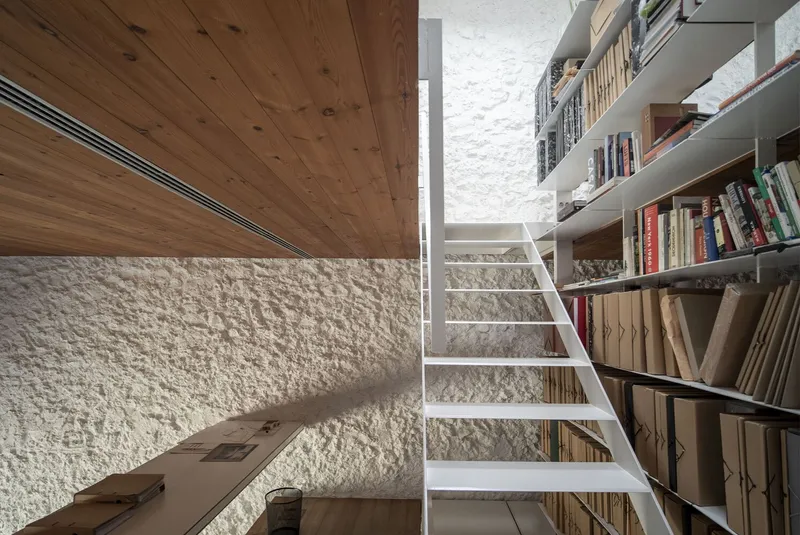
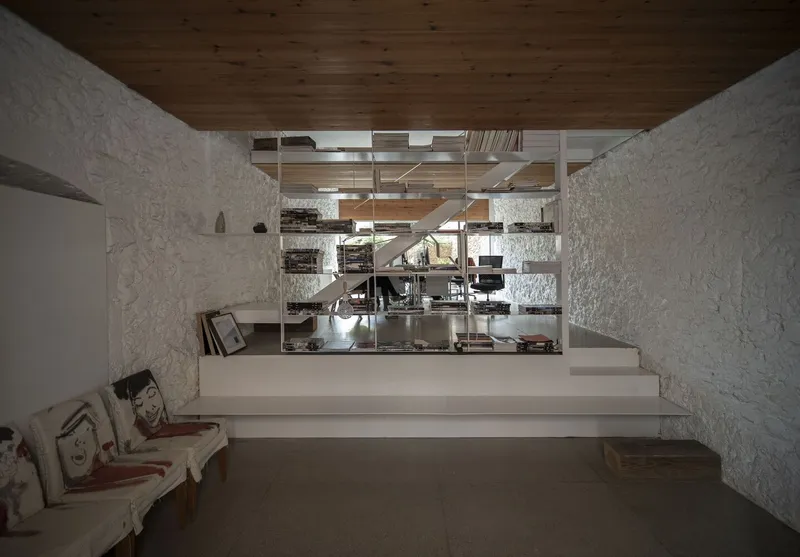
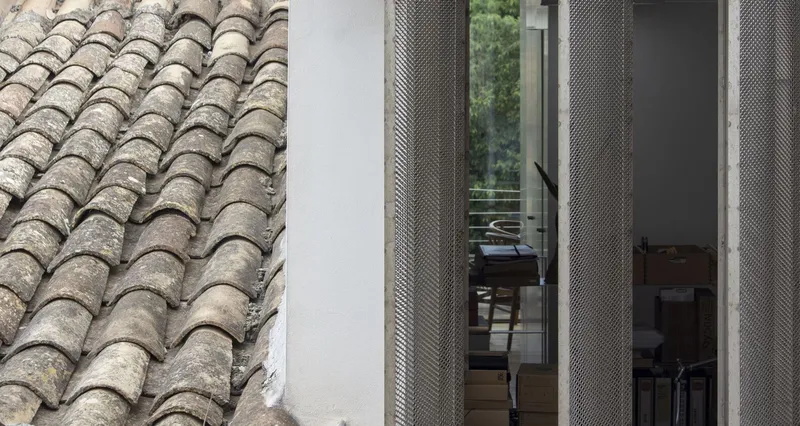
The project embraces a minimalist material palette composed of exposed stone, metal structures, wood, and glass. These elements are not decorative but structural and spatially defining. Their interaction creates a unified and coherent architectural language throughout the space.
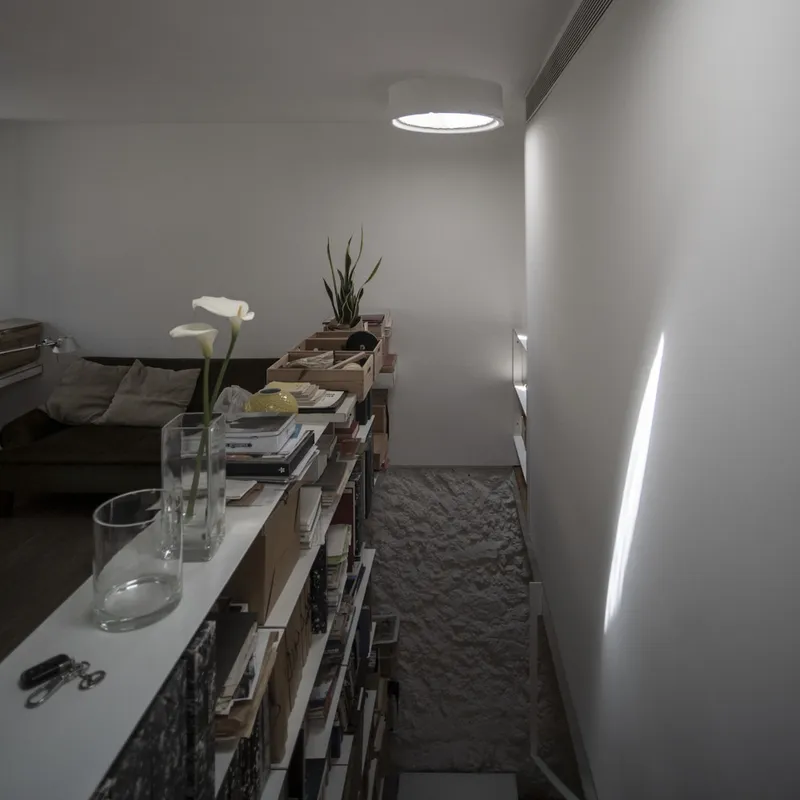
Vertical circulation, marked by a sleek stairwell and parallel shelving systems, defines the flow of the interior. The design maximizes linearity and reduces unnecessary geometry, allowing natural light to articulate the volumes. Large, floor-to-ceiling openings and side-to-side transparency allow seamless transitions between spaces, reinforcing a sense of openness and connection.
The Role of the Courtyard
At the heart of the composition lies a courtyard, not only as a passive green space but as an active architectural tool. It functions as a landscape regulator, framing views, modulating light, and blurring the division between interior and exterior. The courtyard becomes a filter—a carefully curated lens through which the building interacts with its urban and natural context.
A Workspace with a Personal Soul
This project is more than just an office; it is a manifesto for architectural living. Despatx fosters creativity, community, and critical thinking. By merging the professional with the personal, it embodies a sustainable model of architectural practice—rooted in craftsmanship, spatial awareness, and a deep respect for the built environment.


Popular Articles
Popular articles from the community


The Musturak Paradise: Senior Living Architecture for a Connected Future in Temara, Morocco
The Musturak Paradise reimagines senior living architecture in Temara via private homes, social spaces, culture, community, and shared care.

Co-Life: Senior Housing Design That Reconnects Older Adults With the City
Co-Life reimagines senior housing design through healing gardens, shared streets, workshops, and a sustainable community across generations.

Play: Fragments of Their World
Familiar architecture becomes modular playground design, creating safe spaces where displaced children can learn, connect, imagine and play.

Co-life: Sustainable Architecture for Age-Friendly Community Living
Co-life reimagines sustainable architecture for seniors through courtyards, rammed earth, shared gardens, and spaces designed for belonging.

Similar Reads
You might also enjoy these articles


Hodi-Mandai Geram
Project Function: Preservation and revitalization of the Intangible heritage and socio-spatial identity of the Hodi by Housing, Cultural Memory Center, Sacred Grove, landscape, local tourism economy


Olio Towers: A Mid-Rise for Performers That Fuses Housing, Rehearsal, and Stage
Located blocks from Houston's Theater District, this modular tower stacks living units around a central performance atrium.

Oasis: Modular Green Housing Carved into Dhaka's Urban Fabric
A shortlisted Plugin Housing entry reclaims unauthorized settlements in Dhaka with stepped concrete volumes, green roofs, and ventilation-driven design.

Black Hole: A Floating Megastructure for the Post-Physical Era
Emiliano Mazzarotto envisions a spherical, self-scaling arena where e-sports, digital hotels, and holographic stadiums replace traditional public space.

Explore Architecture Competitions
Discover active competitions in this discipline

Challenge to reimagine the Iron Throne

Photograph architecture without architects

Illustrate the lost glory of Angkor Wat - Render Challenge

Design challenge to reuse E-waste
Comments (0)
Please login or sign up to add comments
No comments yet. Be the first to comment!