

DJI's New Shenzhen HQ Completed by Foster + Partners, Revolutionizing the Drone Industry!
Innovative Design Meets Cutting-Edge Technology in DJI's New World-Class Headquarters

The new headquarters for DJI, the global leader in civilian drones and creative camera technology, has been completed by Foster + Partners. The two towers, 44 and 40 storeys respectively, are situated in the Nanshan District of southwest Shenzhen, China and are set to be the hub of innovation for the company. These towering structures will form a vibrant community in the sky, fostering creativity and innovation.
Frank Wang, Founder and CEO of DJI commented: “It took us six years to build the new DJI Headquarters, which is the result of the wisdom and determination of DJI and our valued partners. We see Sky City as a product unlike any we’ve ever made: our real home. At the beginning of a new era for DJI, we pay great attention to the growth and well-being of every employee. This starts with a work environment that is both practical and delightful. I hope that Sky City will inspire all of us to work together and scale new heights of progress, wisdom, and possibilities to develop solutions that benefit society.”
Lord Foster, Founder and Executive Chairman, Foster + Partners, said: “Drone technology has changed the way we experience the world around us, while pushing the boundaries of aerial possibilities. I have enjoyed using DJI’s products since the beginning, so we are delighted to have partnered with DJI in creating their new headquarters in Shenzhen, which will be the company’s premier centre of research and innovation.”
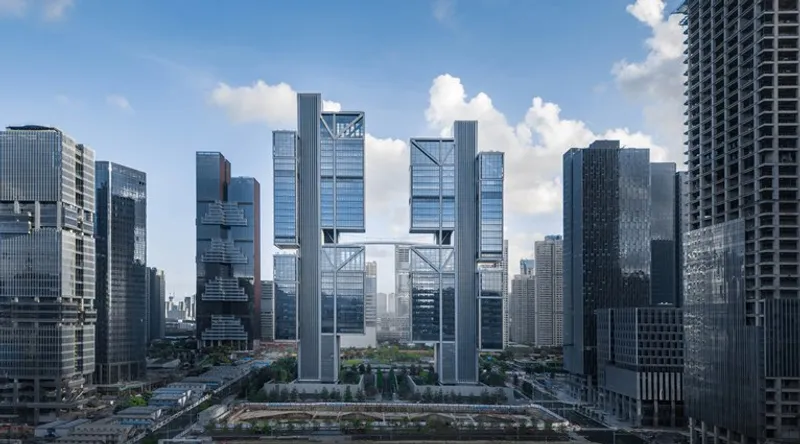
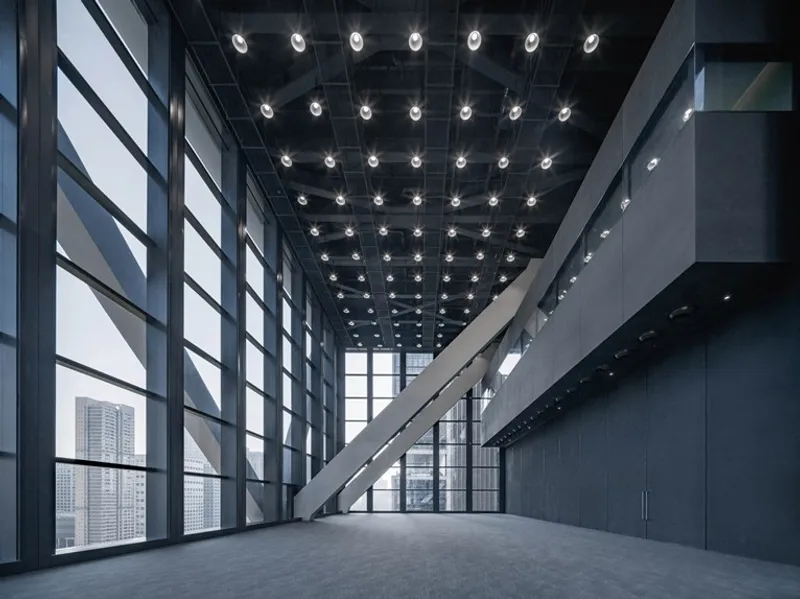
The office and research spaces in the two towers are designed in a unique manner, with floating volumes suspended from central cores using large mega trusses and circular profiled steel suspension rods. This is the first time an asymmetrical suspension steel structure has been used in a high-rise tower of this magnitude, reducing the need for columns and providing impressive and uninterrupted spaces for offices and research. The design also includes unique quadruple-height drone flight testing labs, exclusive to DJI, which are emphasized by the external V-shaped trusses that give the towers their distinct appearance against the city's skyline.
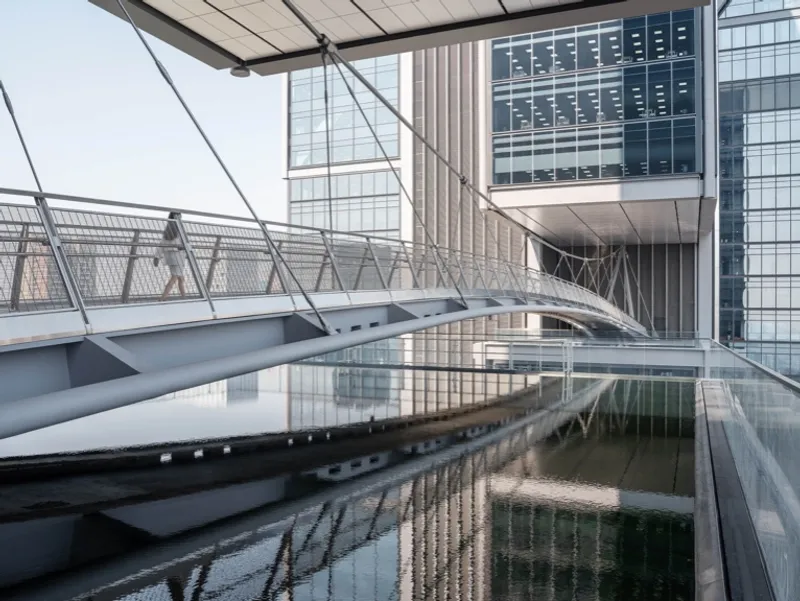
In the two towers, office and research areas are organized into suspended volumes that are suspended from central cores using massive mega trusses and circular steel suspension rods. This innovative design, which is the first time an asymmetrical suspension steel structure has been used on such a large scale in a high-rise tower, eliminates the need for columns, resulting in impressive and uninterrupted office and research spaces. Additionally, it allows for quadruple-height drone flight testing labs that are exclusive to DJI. These labs are prominently displayed on the exterior of the towers through their unique V-shaped trusses, creating a distinctive look against the city skyline.

The building boasts a variety of features including office spaces, research laboratories, a test flight zone, staff training areas, and public facilities. The two 105-metre towers are joined by a sleek 90-metre suspension sky-bridge, which elegantly links the two structures. At the top of the towers, sky gardens offer private outdoor areas for employees to enjoy.
The raised structures at ground level bring the surrounding vegetation into the foundation of the buildings through a sloping green podium garden that is accessible to all. The first floor also offers public amenities such as a community healthcare centre. This design is meant to be welcoming and open, demonstrating DJI's appreciation for its urban surroundings and its commitment to supporting the local community.
The creative blueprint aims to revolutionize the architecture of towering structures in the area, forging a new and impressive landmark that honours Shenzhen's designation as a UNESCO City of Design. The layout of the floor plan optimizes natural light and sightlines, enhancing comfort and reducing energy use. The cutting-edge TWIN elevator system decreases the number of elevator shafts needed while expanding usable office space. Its advanced control system also facilitates energy savings during non-peak hours. Harvested rainwater is saved for future use and greywater is repurposed for watering plants. The green spaces absorb rainwater and serve as a barrier during the monsoon season.
Grant Brooker, Senior Executive Partner, Foster + Partners, said: “We have worked closely with DJI – world-leading pioneers in innovative drone technology – to design a workplace that is expressive and emblematic of their creative ethos. The building has a unique structure with suspended workspaces floating high above the ground, creating a series of column-free studios that enable the design teams to develop, test and showcase their amazing range of products.”
Cover photo ©ACF


Popular Articles
Popular articles from the community


Conexión: Biophilic Design Reimagines High-Rise Living in Hong Kong
Conexión reimagines high-rise living in Hong Kong through biophilic design, green facades, shared spaces, daylight, water and nature within.

The Earth Pod: 3D Printed Homes for Resilient Refugee Communities
The Earth Pod reimagines refugee housing through 3D printed homes made from clay, combining resilience, self-sufficiency, and rapid shelter.

The Musturak Paradise: Senior Living Architecture for a Connected Future in Temara, Morocco
The Musturak Paradise reimagines senior living architecture in Temara via private homes, social spaces, culture, community, and shared care.

The Ocean Hive: Sustainable Architecture for a Self-Sufficient Civilization at Sea
The Ocean Hive imagines sustainable architecture at sea, where modular habitats, algae, wave power and ocean waste sustain a growing colony.


Similar Reads
You might also enjoy these articles
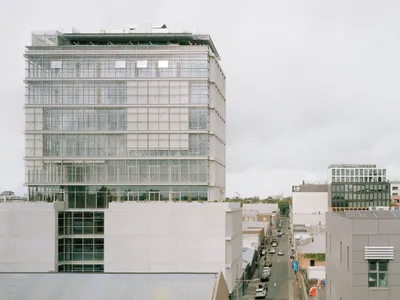
116 Rokeby Building, Collingwood
Sustainable Collingwood office building featuring double-skin façade, natural ventilation, rooftop amenities, and carbon-neutral design focused on wellbeing and longevity.
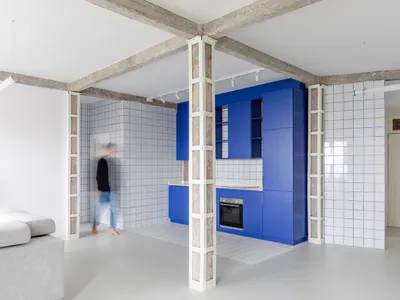
Contemporary Apartment Renovation in Spain: RV House by BIAN Opens Up to the Sea
A minimalist 1930s apartment in Santander is transformed into a flexible, sea-facing home through contemporary Spanish renovation.
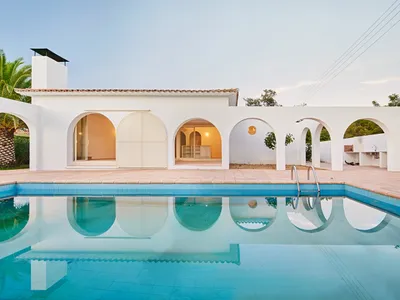
3 Marías House: A Contemporary Mediterranean Courtyard Retreat by Bajet Giramé + Burckhardt
Mediterranean courtyard home blending traditional architecture with modern design, terracotta flooring, flexible interiors, sustainable climate strategies, and garden integration.
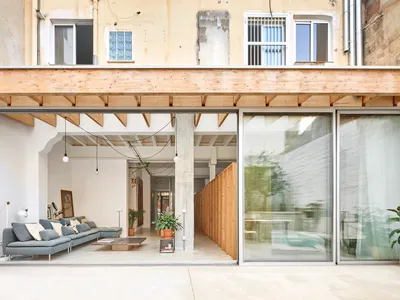
NZ10 Apartment by auba studio: Adaptive Reuse in Palma de Mallorca
Adaptive reuse apartment transforms bakery into light-filled home with patios, privacy layers, and wood interiors enhancing urban living experience.


Explore Commercial Buildings Competitions
Discover active competitions in this discipline




Challenge to reimagine the Iron Throne


Photograph architecture without architects


Illustrate the lost glory of Angkor Wat - Render Challenge


Design challenge to reuse E-waste
Comments (0)
Please login or sign up to add comments
No comments yet. Be the first to comment!