
Dorogawa Onsen Brewery: A Harmonious Blend of Tradition and Innovation
The Dorogawa Onsen Brewery by Hidenori Tsuboi Architects blends modern design with cultural heritage, fostering community interaction in a historic Japanese village.


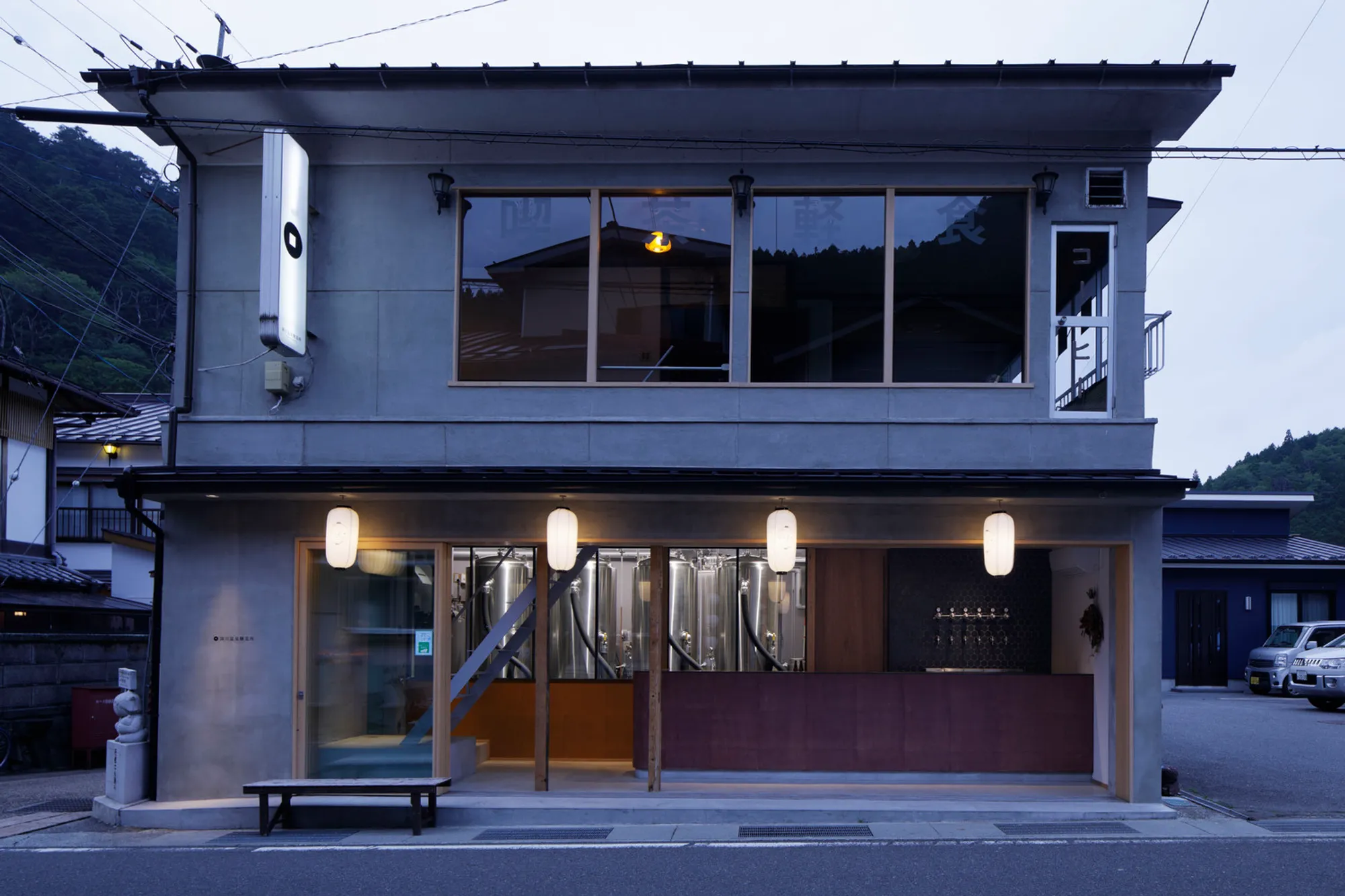
Nestled in the scenic village of Dorogawa Onsen, Tenkawa, Japan, the Dorogawa Onsen Brewery designed by Hidenori Tsuboi Architects epitomizes the seamless integration of modern architecture with rich historical and cultural traditions. This 56-square-meter structure, completed in 2022, serves as a poignant example of how thoughtful design can enhance community engagement and preserve cultural heritage. The brewery, with its open and inviting facade, not only caters to tourists but also functions as a communal hub for local residents.

Historical and Cultural Context
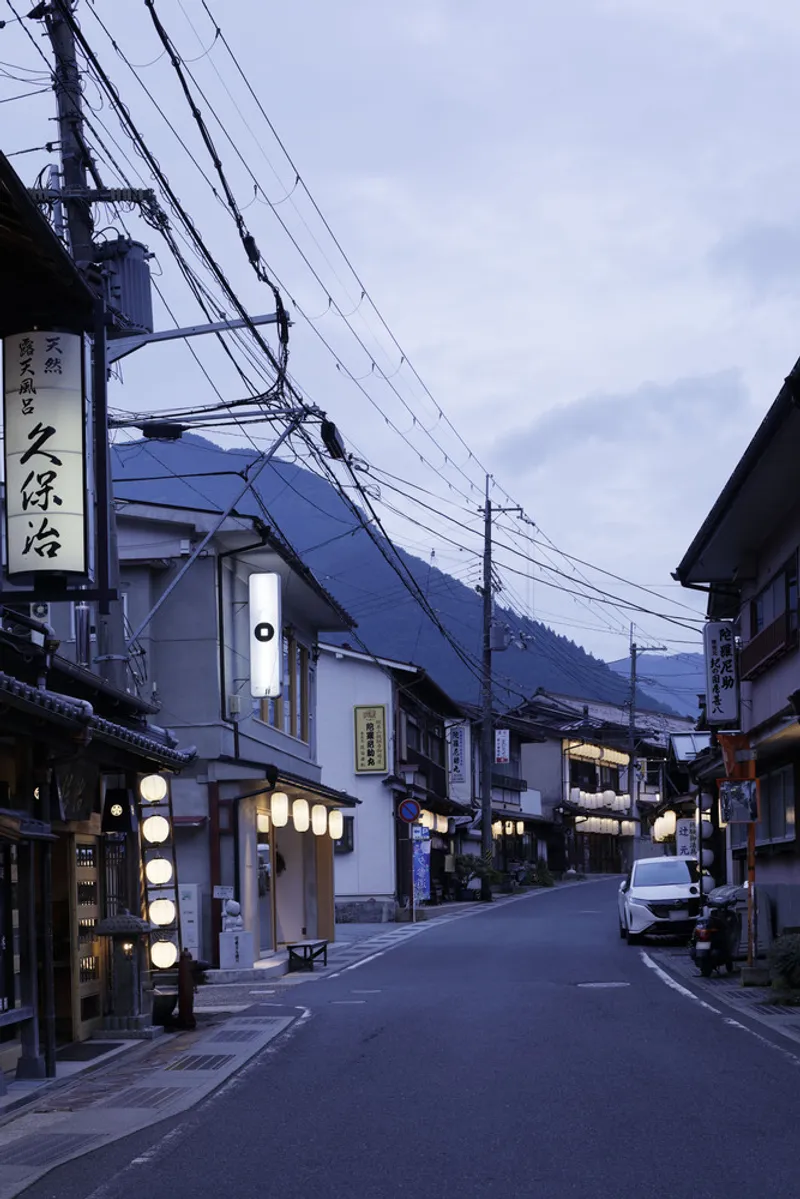
Dorogawa Onsen is a hot spring village that has long been associated with Mt. Omine, a sacred mountain revered in Shugendo, a unique Japanese mountain worship tradition. Founded approximately 1,300 years ago by Enno Ozunu, Mt. Omine has been a pilgrimage site for Yamabushi, or mountain ascetics. The village, situated at an elevation of 820 meters, is renowned for its inns, guest houses, and stores selling Daranisukegan, a traditional Japanese medicine.

Architectural Vision
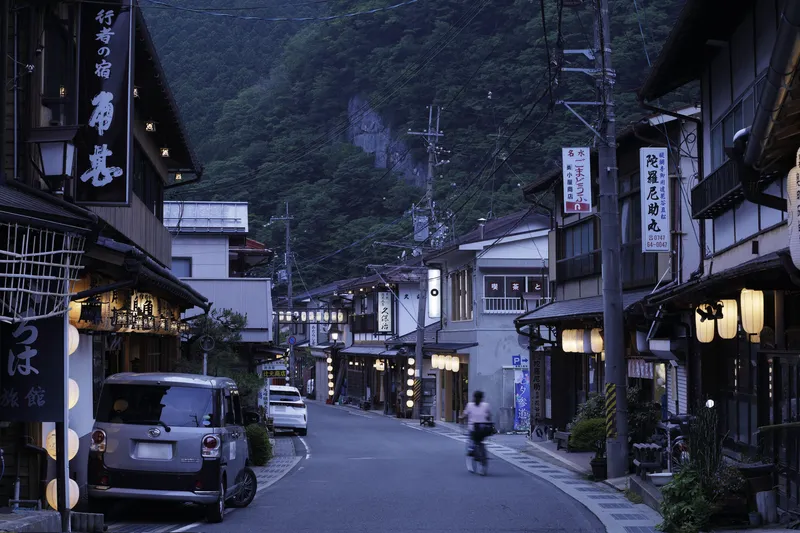
The architectural vision for the Dorogawa Onsen Brewery was driven by a desire to create a space that blends seamlessly with the village's historical ambiance while fostering community interaction. The design features a wide-opening porch that allows large groups of Gyoja (pilgrims) to gather, reflecting the traditional structures of Dorogawa Onsen. This open facade not only adds to the town's lively atmosphere but also encourages social interaction among residents and visitors.

Design Elements
Exterior Design
The exterior of the brewery retains the building's previous incarnation as a coffee shop, with minimal modifications to preserve the familiar landscape. This approach ensures that the building continues to blend harmoniously with its surroundings, maintaining the village's aesthetic continuity.
Interior Design
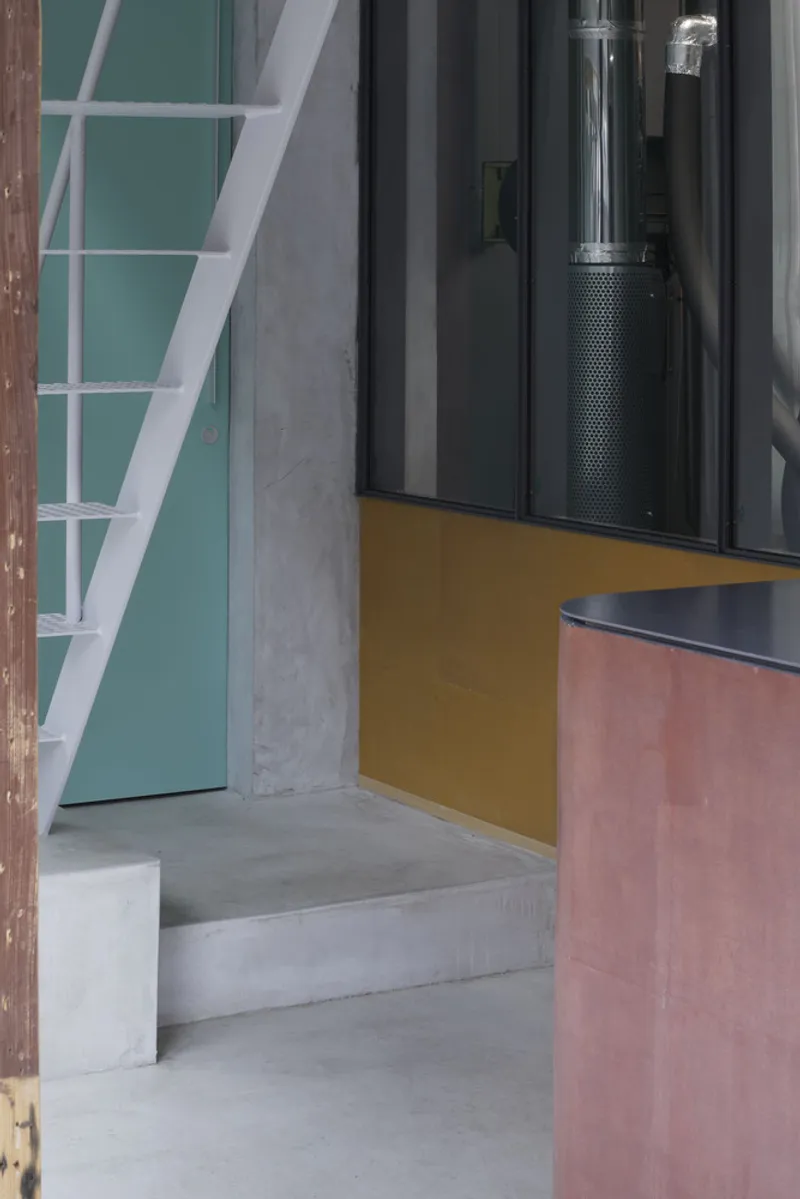
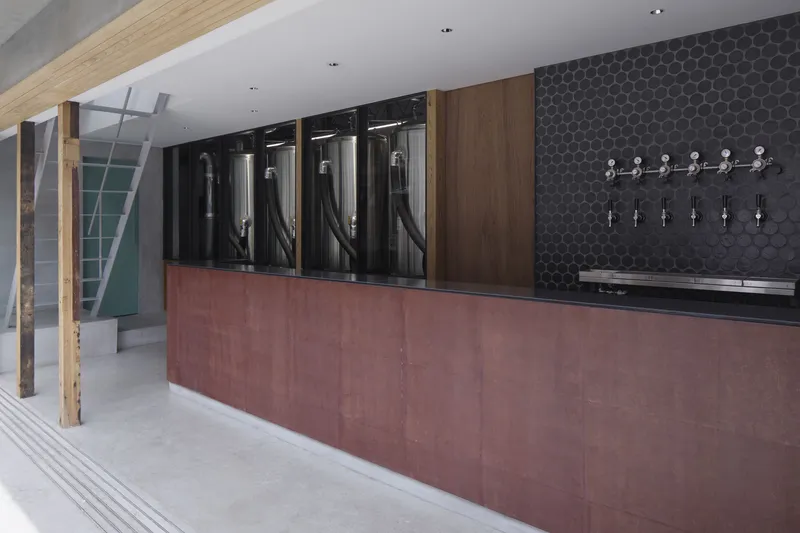
The interior design is a celebration of local craftsmanship and materials. Custom-made tiles featuring the Daranisukegan motif adorn the space, paying homage to the village's medicinal heritage. Additionally, Japanese paper made from persimmon tannin, a material produced through fermentation like beer, adds a unique, tactile quality to the interior. These design choices not only enhance the aesthetic appeal but also create a sensory connection to the village's cultural roots.
Community Integration
A key objective of the Dorogawa Onsen Brewery was to foster a sense of community. By opening the brewery to the street, the architects intended for it to become a physical and conceptual part of the town. Since its opening, the brewery has evolved into a social hub, where local workers gather after hours, and tourists engage with residents, fostering a sense of camaraderie and shared identity.

Sustainability and Preservation
The design of the Dorogawa Onsen Brewery underscores a commitment to sustainability and cultural preservation. By utilizing local materials and preserving the building's original structure, the architects have minimized the environmental impact while ensuring that the village's heritage is respected and maintained for future generations.

Photographic Documentation
Photographer Daisuke Shima captures the essence of the Dorogawa Onsen Brewery through his lens. The photographs showcase the building's harmonious blend of traditional and modern elements, the inviting porch, and the intricately designed interior. These images provide a visual narrative that complements the architectural story, highlighting the brewery's role in enhancing the village's cultural landscape.

The Dorogawa Onsen Brewery by Hidenori Tsuboi Architects is more than just a functional space; it is a testament to the power of architecture to preserve cultural heritage, foster community, and enhance the aesthetic value of a locale. By seamlessly integrating modern design with historical and cultural elements, the brewery stands as a model for future architectural projects in culturally rich environments. This project underscores the importance of thoughtful design in creating spaces that are not only visually appealing but also deeply connected to their cultural and community roots.




Popular Articles
Popular articles from the community

EW PARK: Sustainable Architecture Reimagines the Future of Urban Parking
EW PARK reimagines city parking as a modular wooden tower combining automation, solar energy, electric mobility, and adaptable urban design.

Co-Life: Senior Housing Design That Reconnects Older Adults With the City
Co-Life reimagines senior housing design through healing gardens, shared streets, workshops, and a sustainable community across generations.

Co-life: Sustainable Architecture for Age-Friendly Community Living
Co-life reimagines sustainable architecture for seniors through courtyards, rammed earth, shared gardens, and spaces designed for belonging.

AL-JANNAH: Sustainable Architecture and Permaculture for Afghan Widows
AL-JANNAH uses sustainable architecture and permaculture to create resilient oasis of housing, learning, work and renewal for Afghan widows.


Similar Reads
You might also enjoy these articles

Day and Night Park: A Time-Based Urban Newsstand in Beijing
A temporary urban newsstand in Beijing blending travel, light, and reading through poetic colors, compact form, and community-focused design.

Modernist Patio Renovation in El Masnou, Barcelona by Oliver Segura Arquitectura + Cebrià Arquitectura
Modernist patio renovation blending tradition and innovation with a movable pool, leveled floors, and Catalan materials in El Masnou.

Alto Residencial Coop: Cooperative Housing Development in Santiago de Compostela by Carbajo Barrios Arquitectos
A linear cooperative housing complex blending white volumes and perforated metal façades, enhancing community living, natural light, privacy, and urban integration.
Vil Genis School by BPA ARCHITECTURE – Massy, France
Vil Genis School in Massy, France, features sustainable design, south-facing classrooms, community integration, accessible spaces, and modern educational architecture.


Explore Interior Design Competitions
Discover active competitions in this discipline


Challenge to design luxury tourism on rails


VR headsets Storefront design competition


Designing a staircase for a client
Comments (0)
Please login or sign up to add comments
No comments yet. Be the first to comment!