
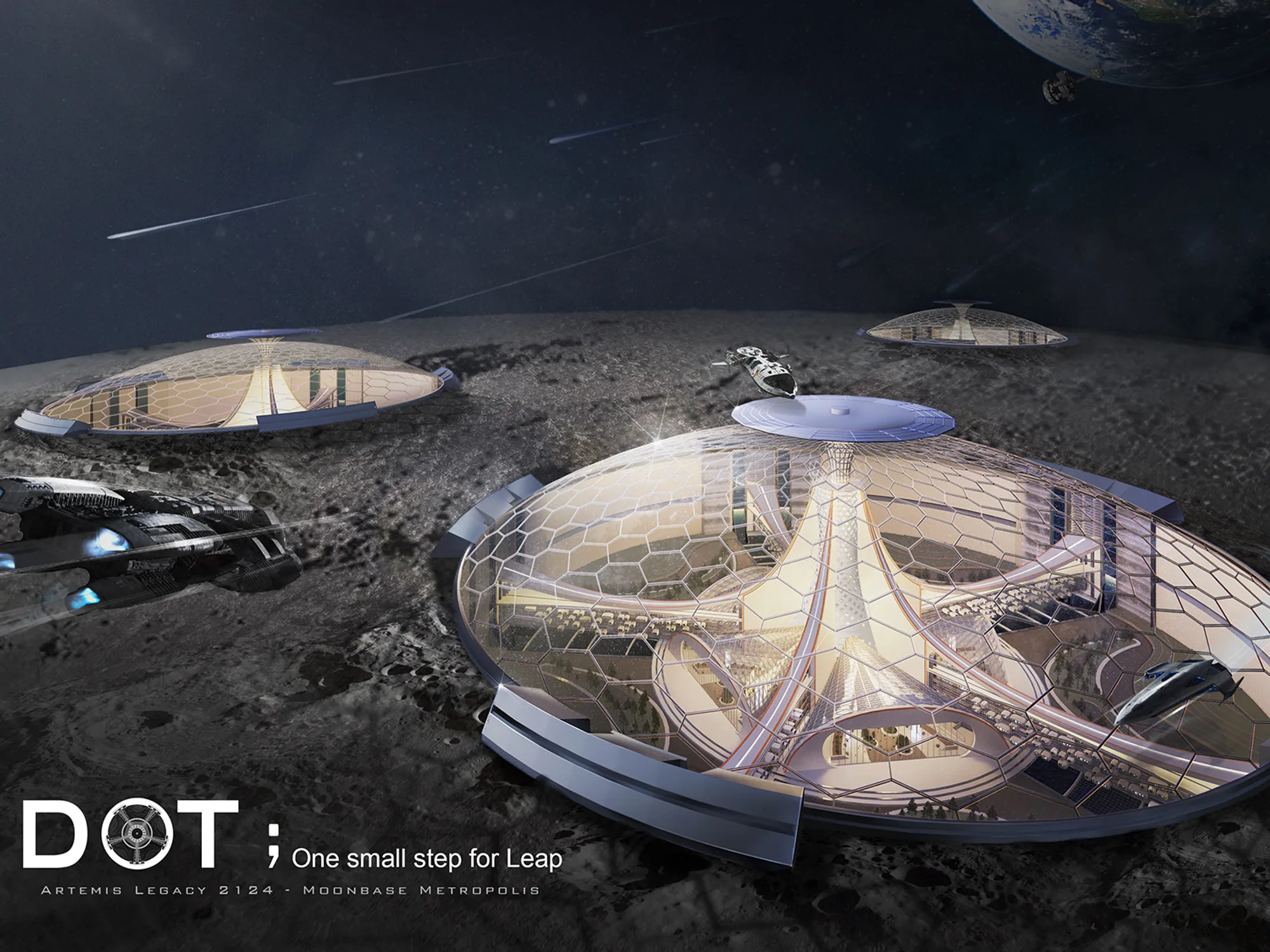
DOT ; One small step for leap
Artemis Legacy 2124 - Moonbase Metropolis

1. What was the concept behind the project?
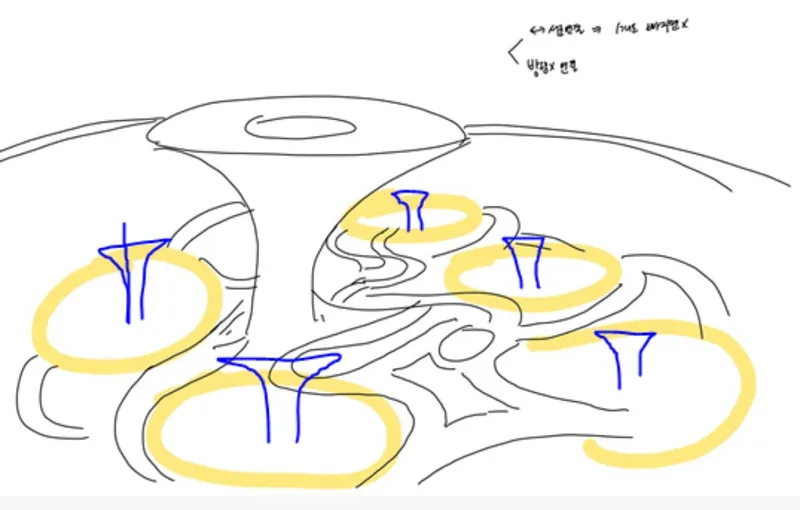
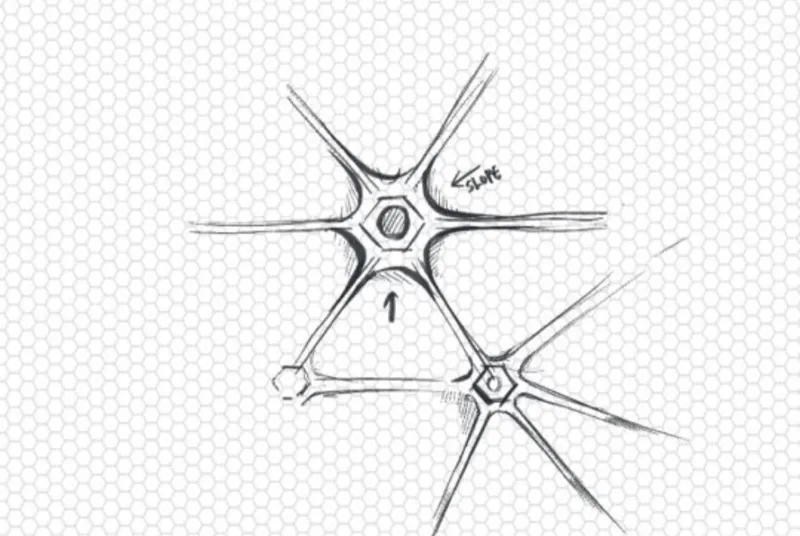
The concept behind the project revolves around the notion of a 'rhizome,' which is a conceptual term used to describe the relations and connectivity of things. When comparing the relations between things, a rhizome forms assemblages. An assemblage represents the gathering and grouping of things, where everything is interconnected in one way or another, but within a single plane. The concept of a rhizome, as I mentioned earlier, can explain not only the relationship between the main tower and the side building but also the relationships among various complexes. Therefore, DOT suggests the possibility of humanity's ongoing expansion, as the number of interconnected complexes, like DOT, increases with the motif of horizontally connected rhizomes.
2. How many iterations were tried to arrive at the final outcome?
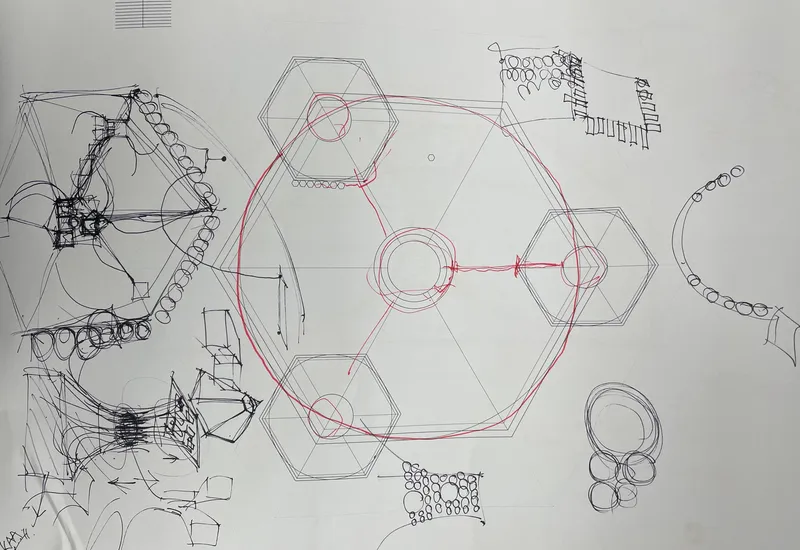
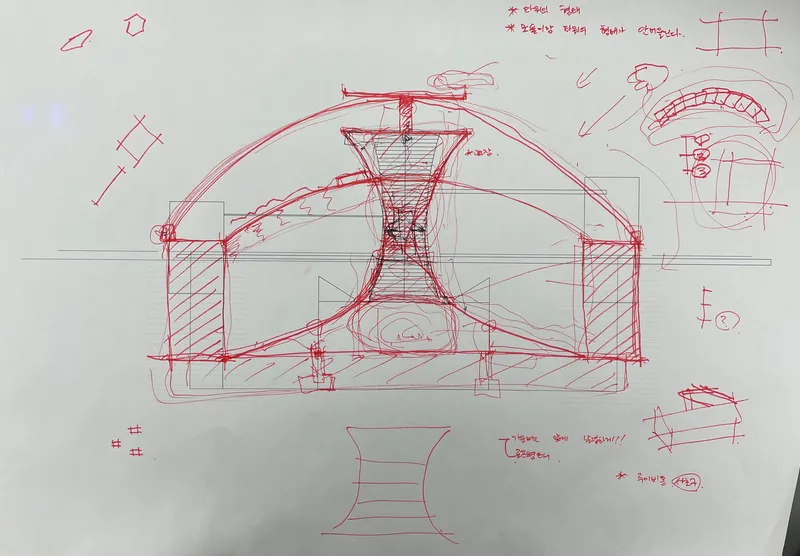
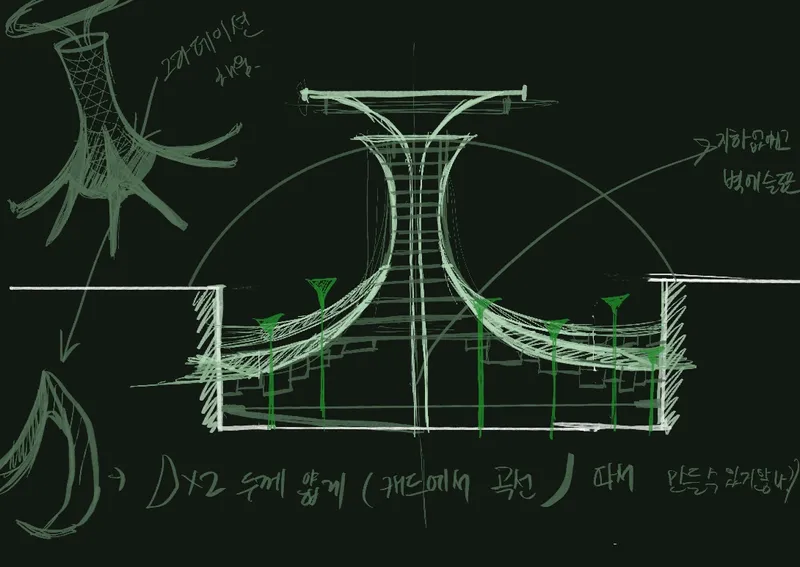
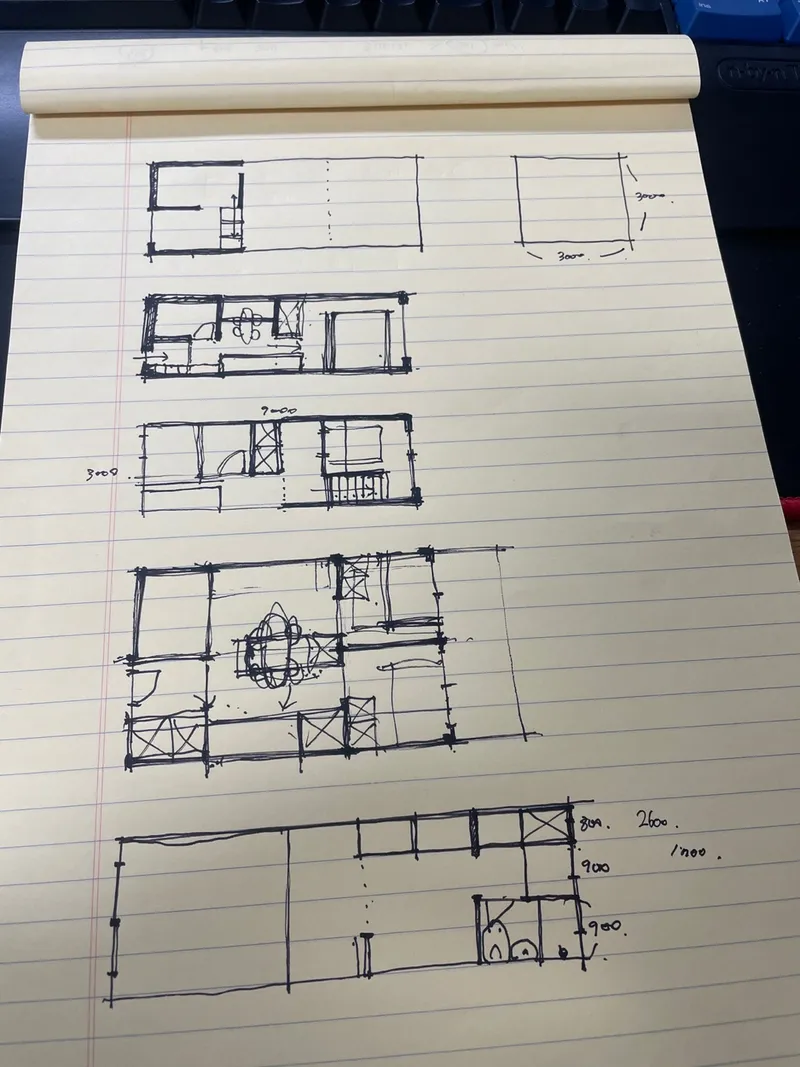
The project maintained consistency in the concept of 'rhizome architecture' from the initial conceptualization process. However, there were modifications made during the realization phase to accommodate the scale of the complex and the required facilities. While the goal was to construct an urban-level complex with various modules interconnected within the complex, we designed it with the flexibility to accommodate variations in program and adapted forms, starting from a single model that served as the foundation. Although the project may have started as somewhat verbose due to its narrative of representing a new leap for humanity, it allowed for extensive imagination and expression within the 'freedom' to envision an unpredictable future. We sketched dozens of drawings freely and made significant revisions to the modeling process, totaling five major iterations
3. Which methods of design investigation?
First and foremost, a comprehensive investigation of the design site was essential. This included researching the geological aspects, climate, and potential hazards. Given that the terrain resembled a 'crater' shape, additional research was also conducted for the underground architecture that would be embedded in it.
To concretize the transition from the conceptualization phase to the realization phase of designing a complex for humanity, we explored various case studies. We referenced examples such as space stations, facilities, research labs, residential complexes, and multi-cultural centers, among others, ultimately converging on a 'DOT' for the project. Case studies were used to ensure that no essential considerations were overlooked or lacking.
Additionally, in the realm of energy and utilities, we continuously refined our approach from the initial draft, drawing on research papers and expertise in the field. This was to address the environmental challenges of the surveyed site and, further, to investigate the supply of diverse resources and energy for sustainable architecture that could mark the beginning of a new era for humanity.
In this regard, we extensively researched and envisioned various technologies that are currently in use, under development, or could be possible in a century, ensuring that we considered a wide spectrum of possibilities for resource and energy supply.
4. How was the programme condensed into final?
We proceeded by freely sharing our thoughts and organizing them using a brainstorming method. It was confirmed through meetings what humanity needs to live and whether there are additional programs that can enhance the quality of life. Therefore, the final programs included research facilities, space stations, control towers, residential facilities, transportation facilities, farms, smart farms, cultural facilities, sports centers, and commercial facilities. The connection and movement between programs were organized in the form of a bubble diagram.
5. What/How were the materials chosen?
Unlike conventional building materials, these materials must be specially developed to meet the unique conditions and requirements of the space environment. This entails various considerations, as they need to withstand the extreme conditions of space while also exhibiting exceptional durability and strength. They must be designed to withstand factors such as vacuum, high temperatures, low temperatures, radiation, and vibrations.
- Aluminum Alloy: Lightweight, high strength, excellent corrosion resistance, widely used in spacecraft and bases.
- Titanium Alloy: Similar to aluminum but with higher strength and corrosion resistance; used in spacecraft structures, walls, and engines.
- Ceramics: Excellent heat insulation, corrosion resistance, and high strength, suitable for space environment applications such as heat shields, internal structures, and heat shields.
- Carbon Fiber Composite Materials: Lightweight, high strength, and durability; used in spacecraft for structures, panels, tanks, etc.
- Glass Fiber Composite Materials: Lightweight and strong, used for heat insulation and structural components in spacecraft.
- Heat Insulation Materials: Materials designed to block heat conduction, providing thermal protection and insulation in spacecraft and bases.
- Paints and Coatings: Special paints and coatings are used to protect against radiation, vacuum, and temperature variations in the space environment.
- Reinforced Glass: Designed to meet the requirements of the space environment, used in windows and panels of spacecraft and bases.
6. How was a specific objective attempted to be met?
The specific goal is to establish a horizontal relationship between the necessary programs, thereby facilitating the adoption of this concept by human civilization. Therefore, we have given considerable thought to how we can coexist without establishing a hierarchy or vertical order among programs. We was concerned about whether the main tower and the side building were disconnected or if the vertical hierarchy of each program was determined by the scale of the building. To address this issue, DOT implemented transportation facilities and programs to improve connectivity and resolve the problem.
7. What is the expansion plan of the project?
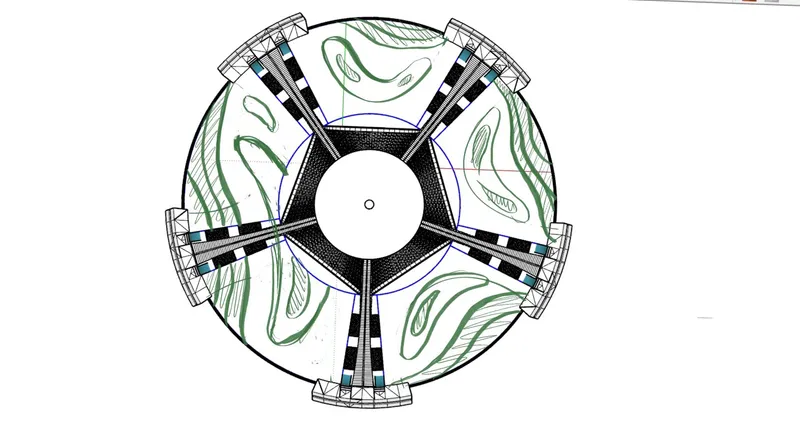
DOT, like the rhizome, can continue to multiply. Using naturally occurring craters of a certain size, a protective membrane is installed to create a secure facility, and materials are transported within the station. To summarize the construction process, the main tower with station facilities and the side building surrounding the crater are constructed, and then the residential module is inserted. The main tower's frame serves a structural purpose while also expressing the concept through its expansive facade. Additionally, the five large pillars surrounding the main tower and the connection to the side building serve to distribute the load. Five connections allow people to add additional residential facilities by inserting modules into a grid below. This standardized model, as configured, can be dispersed to different craters, forming one 'city' with diverse infrastructures. These sub-cities are interconnected on the surface and below the ground, creating another layer of interconnectedness and giving rise to a different form of structures. This allows for continuous expansion, as they form new roots and structures, perpetually growing.

Popular Articles
Popular articles from the community


The Ocean Hive: Sustainable Architecture for a Self-Sufficient Civilization at Sea
The Ocean Hive imagines sustainable architecture at sea, where modular habitats, algae, wave power and ocean waste sustain a growing colony.

Lunar Spiral: Space Architecture Shaped by the Mathematics of the Universe
Lunar Spiral reimagines space architecture through Fibonacci geometry, lunar regolith, levitating habitats, and self-sustaining Moon living.

Hill & Cross Opera: Sculptural Opera House Architecture Shaped by Tallinn’s Landscape and Identity
Hill & Cross Opera reimagines opera house architecture in Tallinn through its sculptural hill, civic plaza, glass wave and a luminous cross.

The Earth Pod: 3D Printed Homes for Resilient Refugee Communities
The Earth Pod reimagines refugee housing through 3D printed homes made from clay, combining resilience, self-sufficiency, and rapid shelter.

Similar Reads
You might also enjoy these articles

Day and Night Park: A Time-Based Urban Newsstand in Beijing
A temporary urban newsstand in Beijing blending travel, light, and reading through poetic colors, compact form, and community-focused design.

Modernist Patio Renovation in El Masnou, Barcelona by Oliver Segura Arquitectura + Cebrià Arquitectura
Modernist patio renovation blending tradition and innovation with a movable pool, leveled floors, and Catalan materials in El Masnou.

Alto Residencial Coop: Cooperative Housing Development in Santiago de Compostela by Carbajo Barrios Arquitectos
A linear cooperative housing complex blending white volumes and perforated metal façades, enhancing community living, natural light, privacy, and urban integration.

Vil Genis School by BPA ARCHITECTURE – Massy, France
Vil Genis School in Massy, France, features sustainable design, south-facing classrooms, community integration, accessible spaces, and modern educational architecture.

Explore Architecture Of Time Competitions
Discover active competitions in this discipline




Challenge to reimagine the Iron Throne


Photograph architecture without architects


Illustrate the lost glory of Angkor Wat - Render Challenge


Design challenge to reuse E-waste
Comments (0)
Please login or sign up to add comments
No comments yet. Be the first to comment!